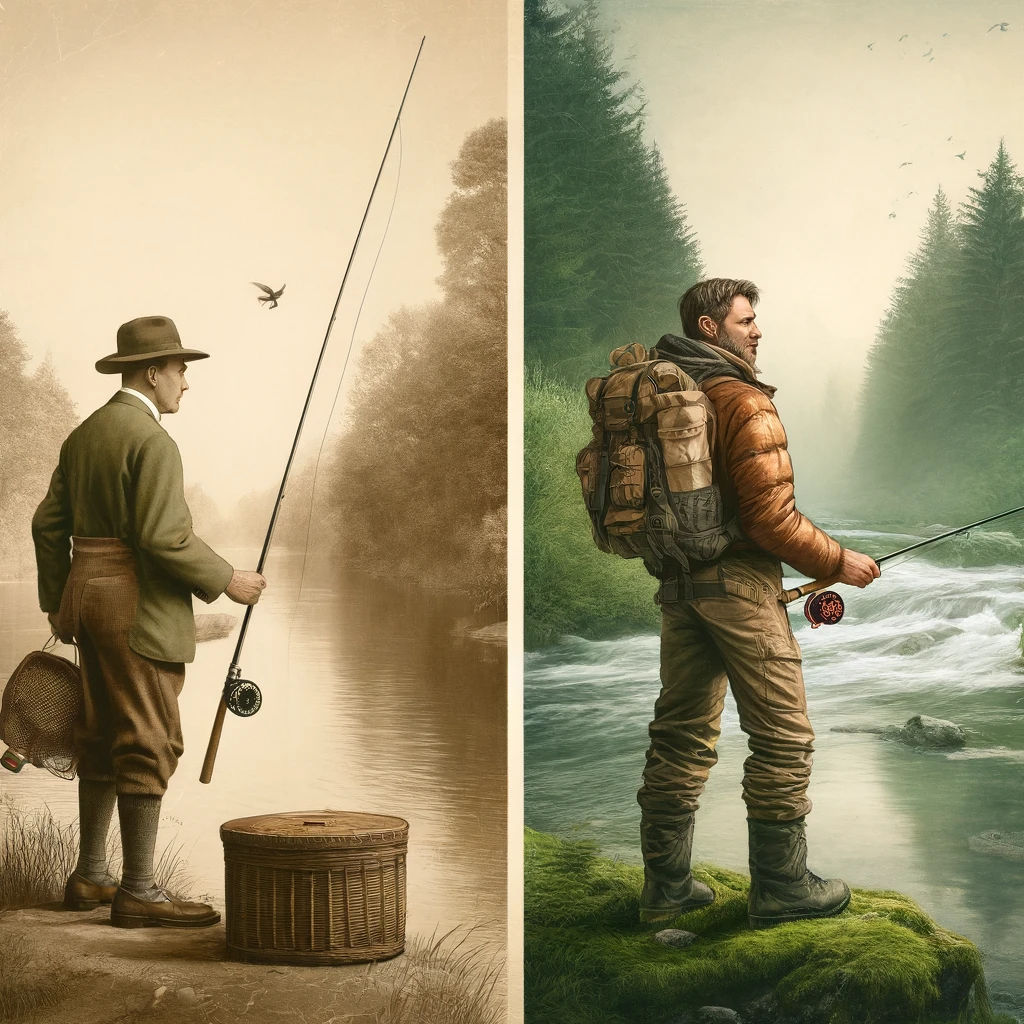
Fly fishing is not just a pastime; it’s a way of life for many anglers. With its roots tracing back to ancient times, this artful method of fishing connects enthusiasts to nature in an unparalleled way. One of the most rewarding experiences in fly fishing is the successful catch and release of freshwater species. It allows anglers to enjoy the sport while ensuring that fish populations remain healthy and sustainable for future generations.
The practice of catch and release has garnered significant attention over the years, evolving from a simple activity to a critical conservation strategy. It involves catching a fish, typically with a fly rod and an artificial fly, and then carefully releasing it back into the water. The goal is to maximize the fish’s chances of survival after being caught.
In this article, we will delve into the best practices for catch and release, focusing on various freshwater species. From understanding fish behavior to handling techniques that minimize stress and injury, we’ll cover everything you need to know to become a responsible angler. Whether you’re a novice or a seasoned fly fisherman, practicing these methods will help you contribute to the preservation of our precious waterways and their inhabitants.
So, let’s get started and explore the essential aspects of catch and release for freshwater species, ensuring a positive impact on the environment and an enjoyable experience for all. This guide will help you master the techniques and deepen your connection with nature through the art of fly fishing.
Understanding Fish Behavior
Before diving into the specifics of catch and release practices, it’s crucial to understand the behavior of freshwater fish. Fish are fascinating creatures with complex behaviors that are influenced by their environment, species, and individual characteristics. Knowing a bit about their behavior can significantly improve your catch-and-release success.
Fish are sensitive to changes in their environment, including temperature, water quality, and light. Different species have different preferences and tolerances to these factors. For instance, trout prefer cooler, oxygen-rich waters, while bass can thrive in warmer conditions. Recognizing these preferences can help you choose the right locations and times for fishing, ultimately reducing the stress on the fish.
Another essential aspect of fish behavior is their feeding habits. Fish have specific feeding patterns based on the time of day, season, and available food sources. By understanding these patterns, you can increase your chances of a successful catch. Additionally, using flies that imitate the natural prey of your target species can make your approach more effective and less stressful for the fish.
Finally, being aware of fish’s natural defenses can aid in their release. Many freshwater species have evolved to elude predators, and this includes their reaction to being caught. Handling fish gently and minimizing the time they spend out of water can help them recover more quickly from the encounter.
Using the Right Gear
Having the appropriate gear is critical for successful catch and release. Using equipment that is suitable for the size and species of fish you’re targeting can minimize harm and improve the fish’s chances of survival.
A key piece of gear is your fly rod and reel. Matching your rod to the size of the fish helps to control their movements more effectively, reducing the likelihood of injury. A lighter rod and line for smaller species like trout and heavier gear for larger fish like bass or pike are recommended.
Equally important is your choice of hooks. Barbless hooks, or hooks with a flattened barb, make it easier to release fish without causing significant injury. You can either purchase barbless hooks or de-barb your hooks using pliers. Additionally, using hooks that suit the size of the fish will prevent deep hooking, which can be fatal.
A landing net designed for catch and release can also be invaluable. These nets usually have rubber or knotless mesh, which is gentler on the fish’s scales and slime coating. The right net can help you land fish quickly and efficiently, resulting in less time out of water.
Finally, carrying a pair of pliers or hemostats for quick and safe hook removal is a good practice. These tools allow you to remove the hook without having to touch the fish too much, further reducing stress and potential injury.
Handling Fish with Care
Proper handling of fish during the catch and release process is vital to their survival. Being mindful of how you handle the fish can drastically improve their chances of recovery and reduce mortality rates.
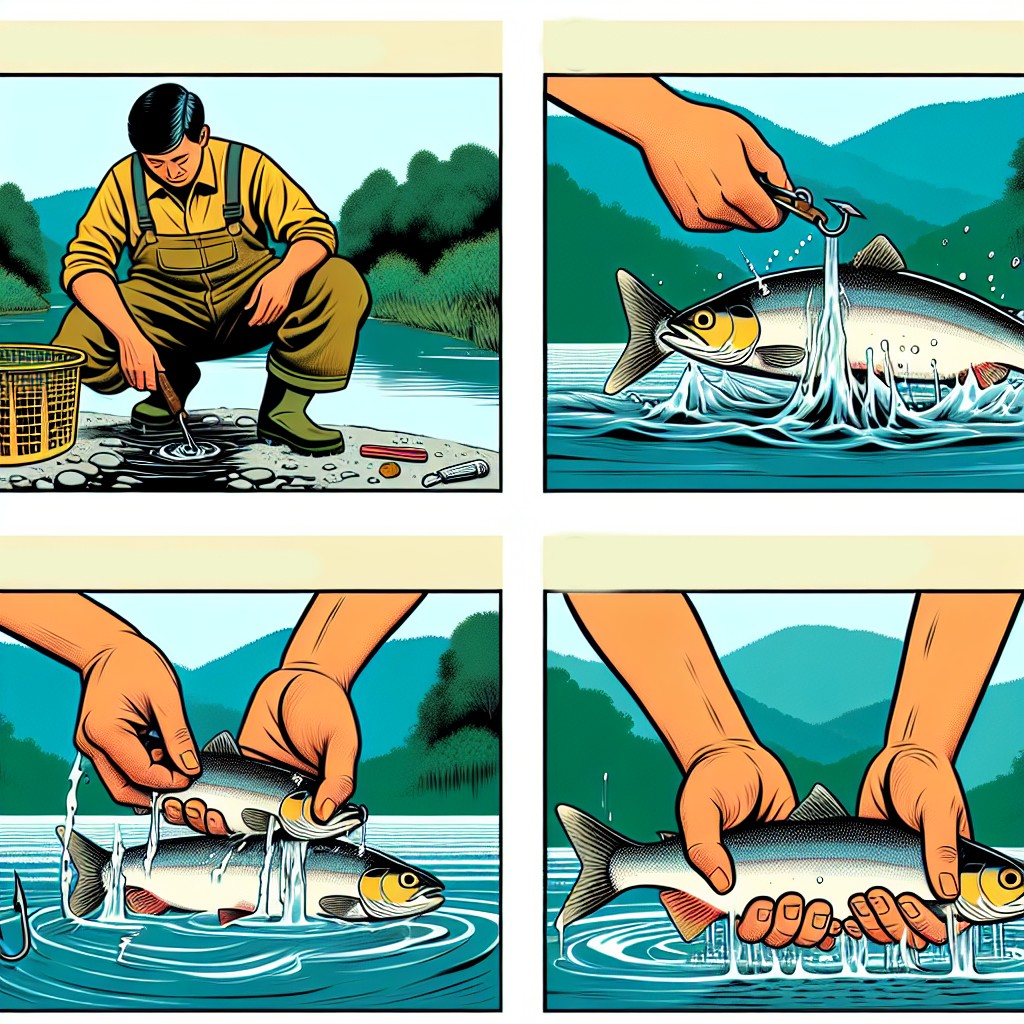
First and foremost, always wet your hands before touching the fish. Fish have a protective slime layer that helps prevent infections; dry hands can remove this layer, making them more vulnerable to diseases. Keeping the fish wet and avoiding excessive handling ensures they retain this crucial defense mechanism.
When bringing the fish out of the water, do so as quickly and gently as possible. Avoid squeezing the fish or putting pressure on their belly, as this can damage internal organs. Ideally, hold the fish horizontally and support their body weight with both hands.
Minimize the time the fish spends out of the water. Oxygen deprivation can occur if a fish is out of water for too long, even if it’s just a few minutes. Aim to keep the fish submerged or partially submerged as much as possible during the hook removal process.
If you need to take a photo with your catch, have your camera ready beforehand and limit the time the fish is out of water. Holding your breath while the fish is out is a good rule of thumb; if you need to breathe, the fish likely needs water as well.
Releasing the Fish
The final step in the catch and release process is the actual release of the fish back into its habitat. Properly releasing the fish is crucial for ensuring its survival and ability to continue its life cycle.
When preparing to release a fish, always choose a spot in the water where there is good flow but not too strong. This allows the fish to regain its strength without being swept away by strong currents. If possible, release the fish in a shaded area to reduce stress from direct sunlight.
Gently place the fish back into the water, holding it upright by supporting its belly and, if necessary, the tail. Allow the fish to swim away on its own rather than forcing it. Sometimes, a fish may need a moment to recover and catch its breath; you can help by moving it gently back and forth to pass water over its gills, but avoid pushing it too hard.
Monitor the fish’s behavior as it swims away. A healthy fish will usually dart off quickly once it recovers, whereas a fish that is struggling may need a bit more time and care. If the fish appears lethargic or disoriented, continue to support it in the water until it can swim off on its own.
Finally, consider the broader implications of releasing a fish. By practicing ethical catch and release, you contribute to the sustainability of fish populations and ensure the continued enjoyment of the sport for future generations.
Observing Local Regulations
Responsible anglers must also observe local fishing regulations and guidelines. These rules are often in place to protect fish populations and their habitats, and adhering to them is part of ethical fishing.
Familiarize yourself with the regulations specific to the bodies of water where you plan to fish. This might include size and bag limits, seasonal restrictions, or specific catch and release mandates for certain species. Ignoring these rules can result in fines and, more importantly, harm the fish populations you aim to protect.
Some regions may have protected areas where fishing is restricted or entirely prohibited to allow ecosystems to recover. Respect these zones and avoid fishing in designated conservation areas.
Compliance with regulations also means using legal fishing methods and gear. This ensures that your practices align with conservation efforts and that you are contributing positively to the environment.
Additionally, many local fishing organizations and wildlife agencies offer resources and training on best practices for catch and release. Taking advantage of these educational opportunities can improve your skills and deepen your understanding of aquatic ecosystems.
Conclusion
Catch and release is more than just a fishing technique; it’s a commitment to conservation and responsible angling. By understanding fish behavior, using the right gear, handling fish with care, releasing them properly, and observing local regulations, you can ensure a sustainable future for freshwater fishing.
As fly fishing enthusiasts, it’s our duty to protect the waterways we love and the species that inhabit them. The practices outlined in this guide are not only aimed at ensuring individual fish survival but also at maintaining the health and balance of entire ecosystems.
Every catch and release encounter is an opportunity to respect nature and contribute to the preservation of our environment. By practicing ethical fishing, you’re helping to ensure that future generations can also enjoy the thrill of fly fishing and the beauty of freshwater species.
So, next time you cast your line, remember the impact you can make by following these best practices. Together, we can foster a culture of conservation and appreciation for the incredible natural world that supports our beloved sport.