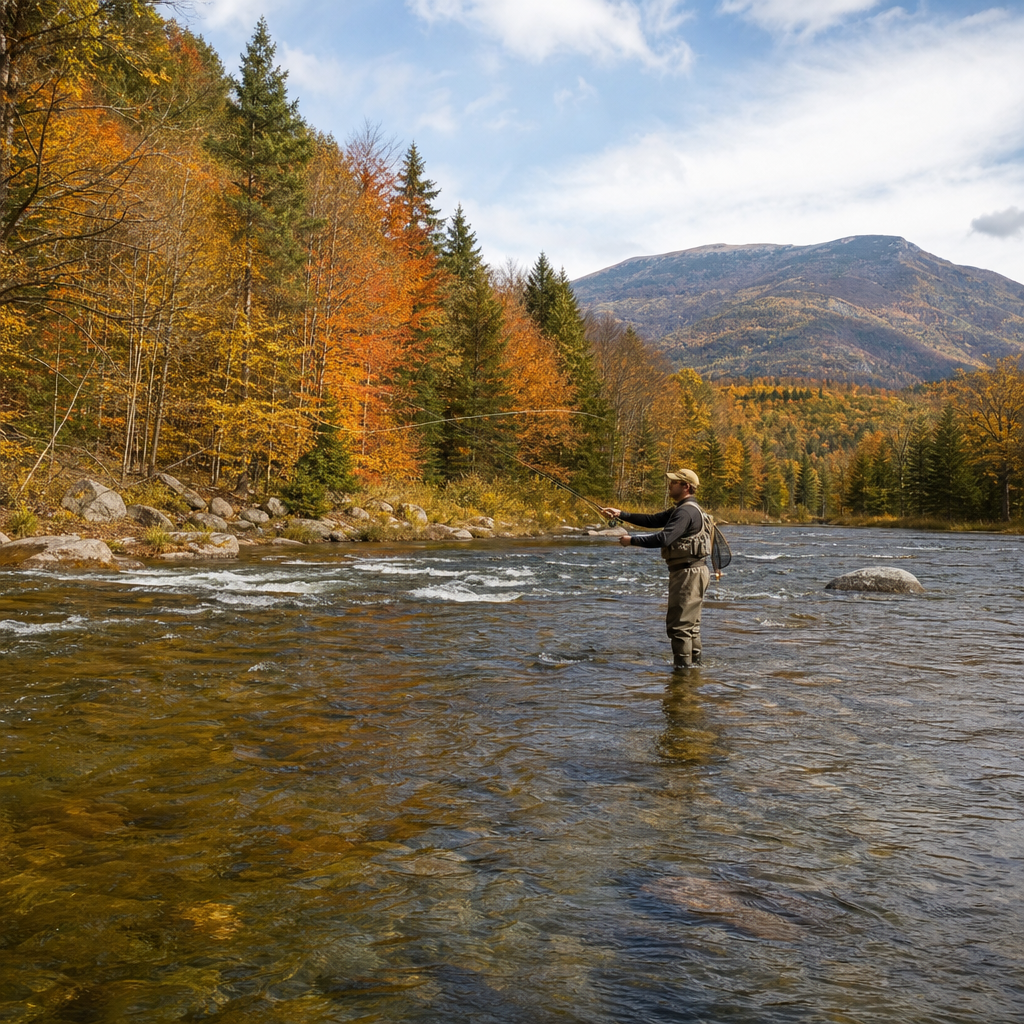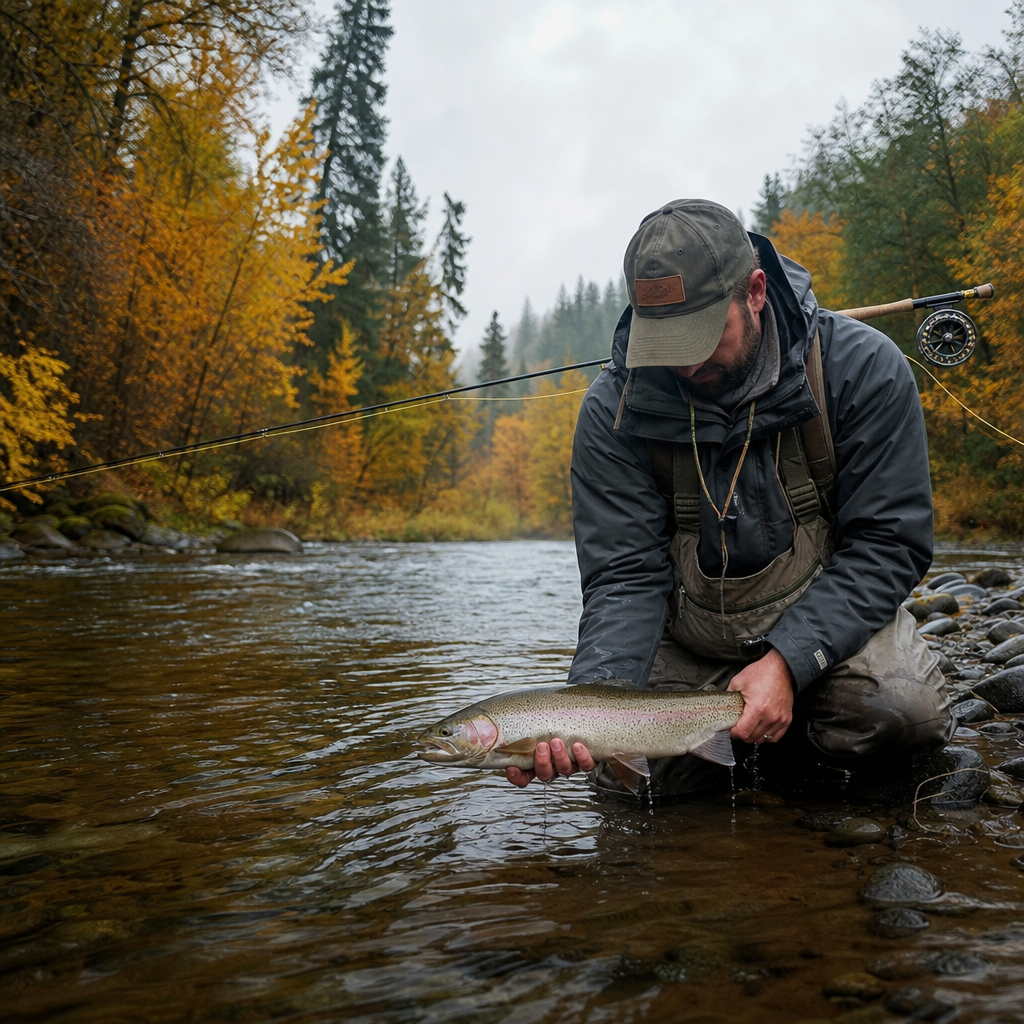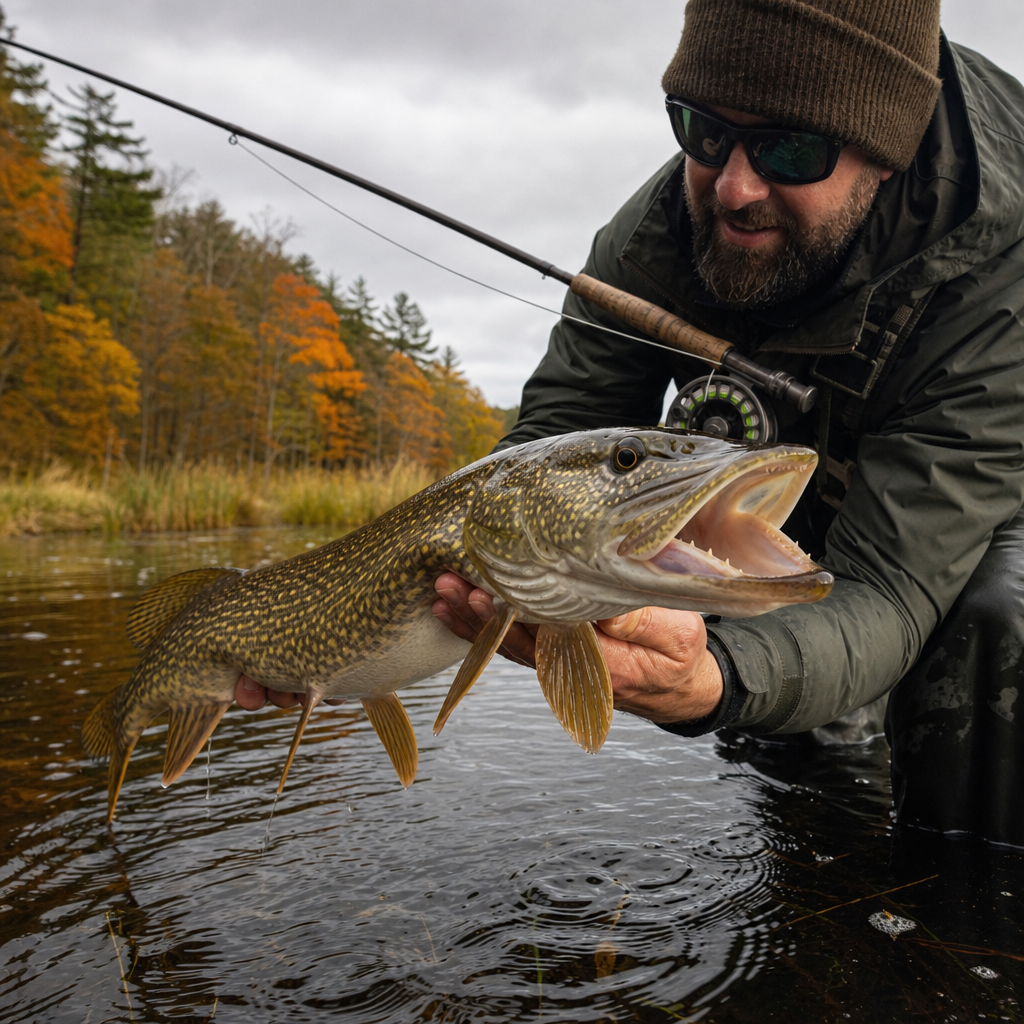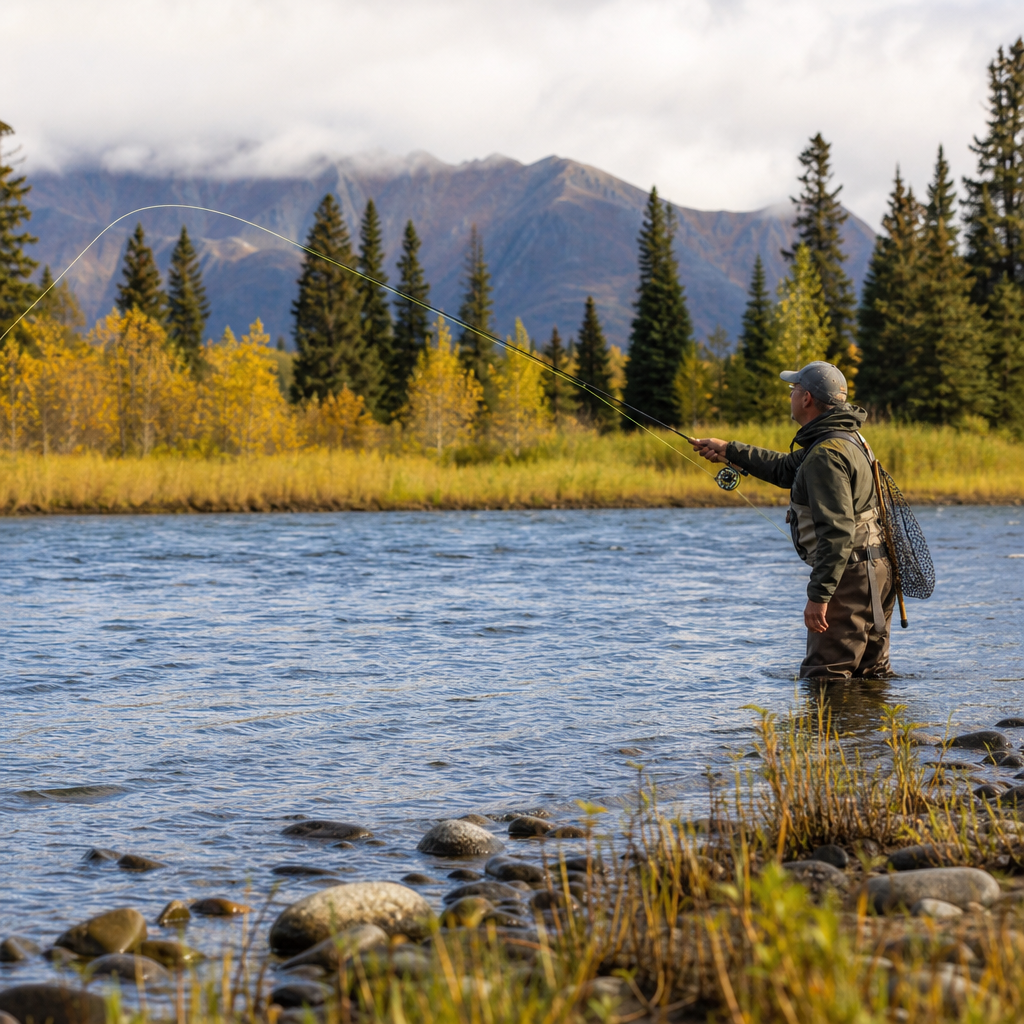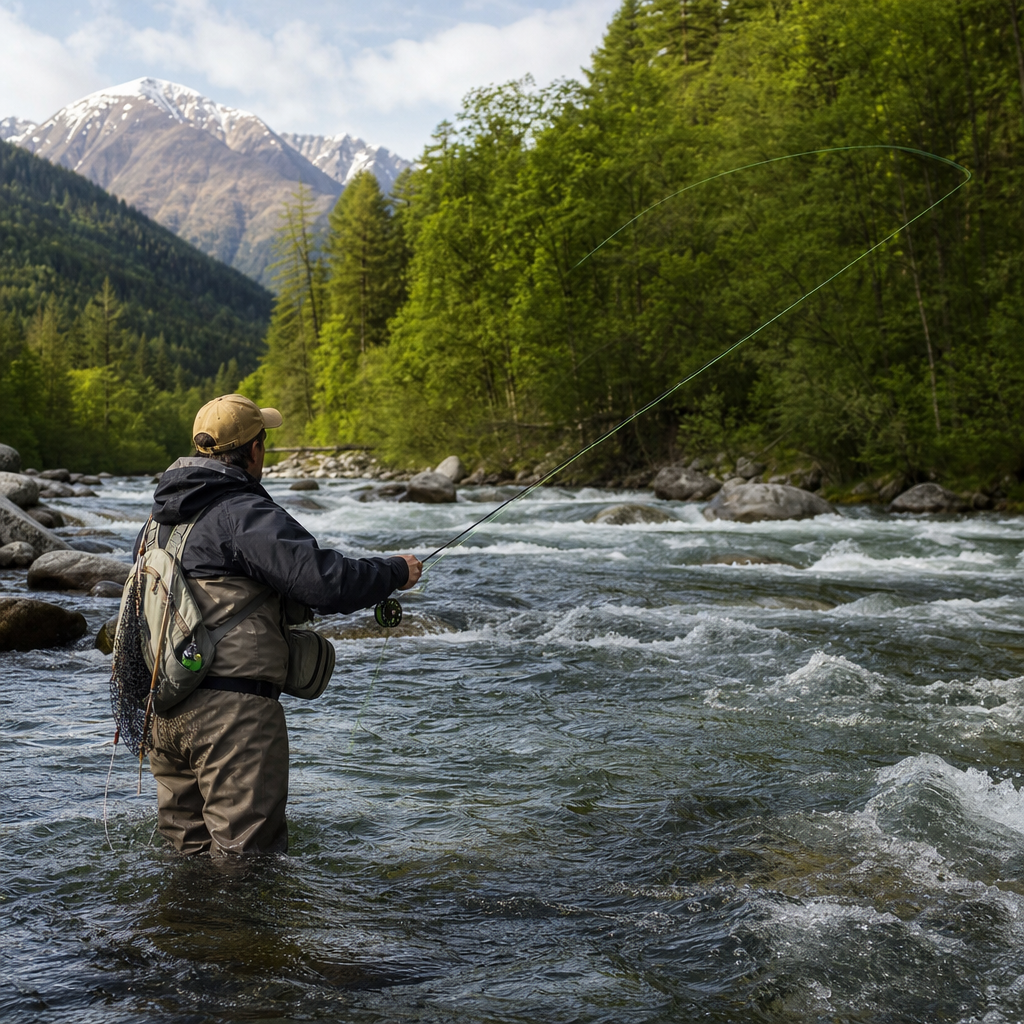
Spring runoff changes everything in a trout river, but it does not end good fishing. It simply demands a different plan. Fly fishing in spring runoff means adapting to rising flows, cold water, shifting channels, and reduced visibility while still taking advantage of predictable trout behavior. In practical terms, runoff is the seasonal pulse created by melting snow, spring rain, and saturated soils feeding streams and tailwaters. It often brings high, off-color water, flooded banks, and unstable wading, yet it also concentrates fish into softer current seams where they can feed efficiently. For anglers focused on spring fly fishing, this period matters because it separates casual success from consistent, informed success.
I have spent many runoff seasons on freestones, spring creeks, and tailwaters, and the biggest mistake I see is treating high water like normal summer fishing. Trout do not disappear during runoff. They relocate. Instead of holding in classic midriver riffles and obvious pocket water, they slide to banks, inside bends, soft shelves, eddies, side channels, and current breaks behind structure. Aquatic insects still hatch, worms get dislodged, baitfish lose orientation, and terrestrials fall from flooded edges. That creates feeding windows for anglers who know where to look and how to present a fly in short, controlled drifts.
As a hub for spring fly fishing, this guide covers the core decisions that shape success: where trout hold in runoff, what fly patterns produce, how to rig nymphs and streamers, when hatches can still matter, how to read water, and how to stay safe in fast spring currents. These principles apply whether you fish Rocky Mountain freestones during peak melt, Appalachian rivers after heavy rain, or dam-controlled systems where releases complicate conditions. If you understand current speed, water clarity, temperature, and oxygen levels, you can turn difficult-looking rivers into highly targetable water.
One point is worth stating clearly at the start: runoff is often best approached as a proximity game. Long casts rarely matter as much as accurate short casts, immediate line control, and repeated drifts through a precise lane. Trout conserve energy in spring flows, so your presentation must enter their limited feeding window. The anglers who fish runoff well are usually not covering the most water. They are covering the right water thoroughly. That idea ties together every tactic in this article and provides the foundation for productive spring fly fishing in challenging conditions.
How Spring Runoff Changes Trout Behavior
Runoff affects trout through hydraulics, temperature, and food availability. As discharge rises, the fastest currents become expensive places to hold. Trout respond by moving to slower water adjacent to the main flow, especially where depth and cover let them avoid predators while intercepting food. In my experience, the best runoff lies are often within a rod length of shore. Undercut banks, flooded grass lines, soft pockets behind root wads, and the slack water beside logjams consistently hold fish because those spots offer reduced current speed and a direct conveyor belt of drifting food.
Water clarity also reshapes feeding. In lightly stained water, trout may feed aggressively because they feel secure and can still track larger prey items. In chocolate water with only an inch or two of visibility, however, they usually stop moving far to eat. That is why large flies, added scentless motion from streamers, and drifts tight to structure matter. Temperature plays a role too. Snowmelt can keep freestone rivers cold enough to suppress insect activity for much of the day, while tailwaters and lower-elevation tributaries may remain productive. A stream at 42 to 48 degrees can fish very differently from one at 36 to 39 degrees, even if both are high.
Food sources during runoff are broader than many anglers assume. Stonefly nymphs, cased caddis, mayfly nymphs, scuds, sowbugs, worms, cranefly larvae, and dislodged baitfish all become important. High water physically moves food. Flooded banks wash earthworms into the river. Strong current knocks nymphs loose. Small fish struggle in side seams. Trout know this. During runoff, they often feed less selectively and more opportunistically, which is why attractor nymphs, San Juan Worms, eggs in certain systems, and weighted streamers can be so effective when matched to local regulations and forage.
Where to Fish During High Water
The shortest answer to where to fish in spring runoff is this: target soft water beside fast water. Productive lies include inside bends, back eddies, side channels, flooded margins, riffle drop-offs along banks, and current breaks formed by boulders, bridge pilings, or woody debris. A common runoff pattern is a narrow walking-speed seam next to heavy current. If that seam is knee- to waist-deep and has some color, it is prime. Trout can sit there with minimal effort and intercept food washing off the main flow. Ignore textbook summer structure if current speed makes it inefficient.
Not all rivers fish equally during runoff. Freestone rivers usually show the most dramatic flow spikes and color changes. Tailwaters can remain fishable if dam releases are stable and tributary inflows do not overpower the main stem. Spring creeks often provide the most consistent clarity and temperature, making them excellent fallback options. Smaller tributaries can also shine because they may clear faster than the main river. When I plan spring fly fishing trips, I usually build a short list that includes one main freestone, one tailwater, and one clear backup stream. That simple planning habit saves wasted days.
Access points matter more in runoff because fishable water is patchy. Instead of thinking about miles of river, think in terms of dozens of target lanes. A half-mile stretch with bank softness, side channels, and woody structure can outfish three miles of uniform heavy flow. River maps, flow gauges from the USGS, and local release data help identify likely windows. If a freestone is dropping after a peak and visibility improves to about one to two feet, that is often the first sign it may fish well. Falling, slightly stained water is usually better than rising, dirty water.
| Runoff Condition | Best Water to Target | Best Approach |
|---|---|---|
| High but clear | Banks, inside seams, deeper shelves | Indicator nymphing with natural and attractor patterns |
| High and lightly stained | Soft edges near heavy current, back eddies | Short drifts with bigger nymphs or streamers |
| Very dirty water | Tributary mouths, side channels, near-bank slack water | Large profile flies, slow presentations, cover water thoroughly |
| Dropping flows | Transition lanes opening off the bank | Expand gradually from edges toward midriver seams |
Best Flies for Spring Fly Fishing in Runoff
The best runoff flies are visible, durable, and capable of getting down quickly. My standard nymph box for this period includes Pat’s Rubber Legs, stonefly imitations in black and coffee, San Juan Worms, Squirmy-style worm patterns where legal, Hare’s Ear variations, Prince Nymphs, perdigons, Walt’s Worms, Egg patterns for rivers where spawning activity or residual eggs are relevant, and larger caddis pupae. In tailwaters or fertile systems, scuds and sowbugs still matter. Hook sizes generally run larger than midsummer standards because profile and weight help fish locate the fly in stained currents.
Streamer choices should emphasize silhouette and movement. Woolly Buggers, Sculpzillas, Sparkle Minnows, Zonkers, and leech patterns all produce during runoff, especially in olive, black, white, and combinations with flash. On rivers with sculpins or juvenile trout as forage, compact weighted streamers are often more effective than oversized articulated patterns because they sink faster and stay in the strike zone longer during short drifts. If visibility is poor, I favor black because it creates the strongest silhouette. If water has a green or tea stain, olive and white often stand out better.
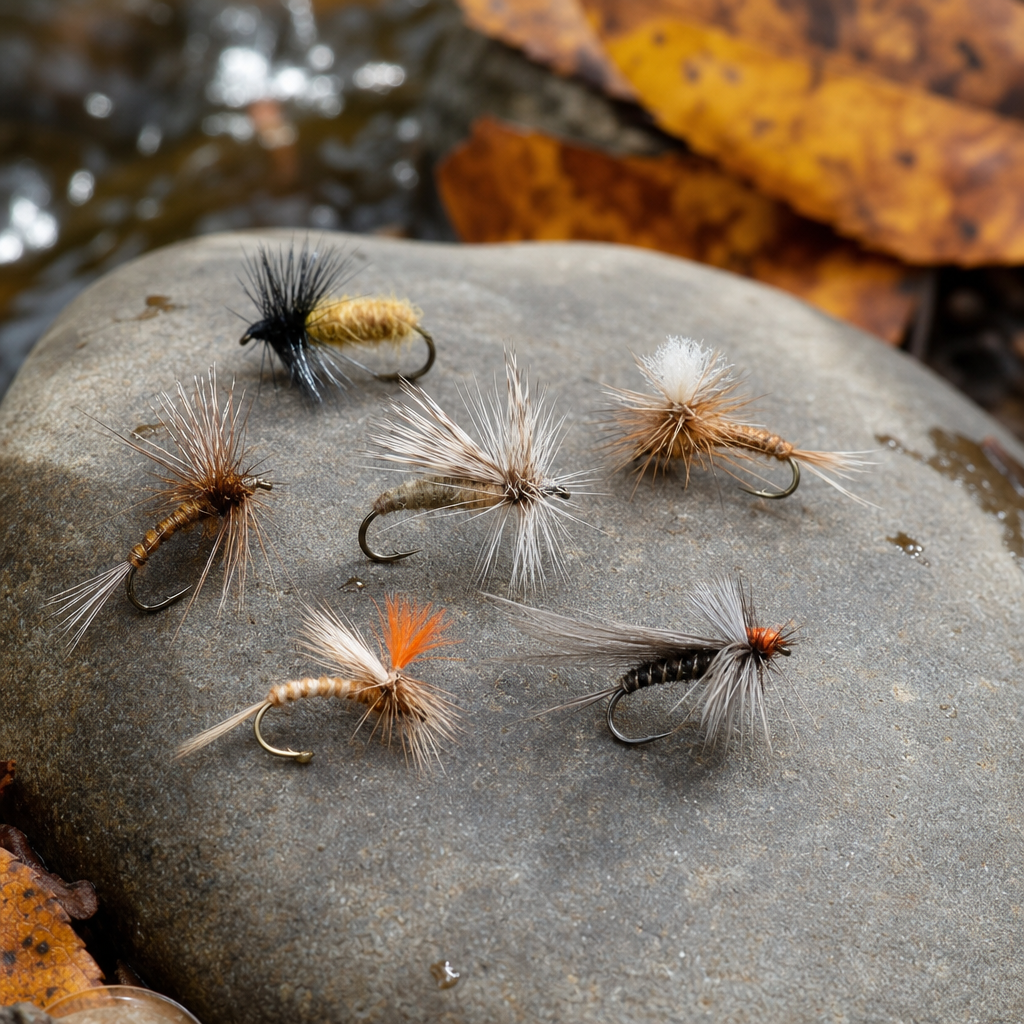
Dry-fly opportunities still exist in spring fly fishing, but they are situational. Blue-winged olives can hatch on cool, overcast days. Midges remain important, especially on tailwaters and spring creeks. Skwala stoneflies, March Browns, caddis, and Mother’s Day caddis events can create memorable windows depending on region. The mistake is assuming runoff erases surface feeding. The reality is that edges, side channels, and softer foam lines may host quiet but excellent dry-fly action when bugs concentrate there. Carrying a few parachute BWOs, elk hair caddis, low-riding adults, and skittered caddis patterns is enough to cover many spring surprises.
Rigging and Presentation Techniques That Work
For most runoff conditions, a short, efficient nymph rig catches the most trout. I prefer a leader setup that turns over weight cleanly and keeps flies near the bank lane I am targeting. Indicators should be sized to suspend split shot and heavier flies without dragging. Depth is critical. If you are not occasionally ticking bottom in the soft seam, you are probably too shallow. In many runoff lies, the feeding lane is narrow, so the best drift may last only three to six feet. That is normal. Recast often, mend immediately, and keep as much fly line off conflicting currents as possible.
Contact nymphing and tight-line methods can be excellent in close quarters, particularly along steep banks, pocketed edges, and side channels. High-stick drifts allow direct control, fast strike detection, and easy depth adjustment. They are especially effective when wading is limited and you need to fish pockets one by one from the bank. Indicator rigs outperform tight-line setups in broader edge seams and slower shelves where longer drifts are possible. The correct choice depends less on dogma than on current complexity. If conflicting currents grab your line, reduce distance and simplify your drift.
Streamers during runoff should usually be fished slower than many anglers expect. Instead of long casts and rapid strips, make quartering casts into soft lanes, allow the fly to sink, then use short strips or a swing with subtle rod pulses. Trout in cold, swollen water often ambush rather than chase. In some of my best runoff sessions, fish ate streamers on the pause beside wood or just as the fly straightened below me. Adding split shot ahead of the streamer or using sink-tip lines can help, but only if they still allow controlled presentations in tight water.
Timing, Safety, and Smart Spring Strategy
The best time to fish spring runoff depends on river type and weather pattern. On freestones, mornings can be slow if overnight temperatures are cold and snowmelt intensifies later in the day. Yet warm nights may push flows high by afternoon, making early windows better. Tailwaters often provide more consistent daily fishing because water temperatures fluctuate less. After rain, a small stream may blow out quickly and recover within a day, while a large basin can stay dirty for a week. Watch trend lines, not just single flow numbers. Stability or a gradual drop usually matters more than the exact cfs.
Safety is nonnegotiable during runoff. Many spring accidents happen because anglers underestimate force in knee-deep fast water. Use a wading staff, tighten your boots properly, and treat every crossing as optional. In high flows, I often fish from the bank almost exclusively because the best trout are there anyway. Avoid undercut mud banks that can collapse, and be cautious around woody debris, which can pin a wader instantly. Cold water also reduces coordination and increases fatigue. Layer for immersion risk, not just air temperature, and let someone know where you are fishing if conditions are elevated.
The smartest overall strategy is flexibility. Build your day around conditions, not expectations. If the main river is unfishable, move to a clearer tributary or tailwater. If trout refuse nymphs in murky water, switch to a streamer with more profile. If a back eddy shows subtle rises, stop forcing subsurface tactics and fish the hatch. Spring fly fishing rewards anglers who read the moment honestly. The payoff is substantial: less crowding, opportunistic trout, and memorable days when difficult rivers suddenly make sense. Start with safe access, target soft edges, fish short controlled drifts, and let the river show you the next adjustment.
That is the central lesson of fly fishing in spring runoff. Success comes from understanding how high water reshapes trout behavior, then matching your flies, rigging, and locations to those new patterns. Focus on soft current near structure, choose flies with enough weight and visibility, and keep presentations compact and deliberate. Treat every runoff river as a puzzle of fishable lanes rather than a wall of bad water. If you want better spring fly fishing, use this guide as your foundation, then explore related tactics for specific hatches, regional rivers, and gear choices across the rest of the Seasons and Conditions hub.
Frequently Asked Questions
Can you still catch trout during spring runoff, or is it better to wait for clearer water?
Yes, you can absolutely catch trout during spring runoff, and in many rivers it can be surprisingly productive if you adjust your approach. Runoff does not shut trout down completely. What it does is change where fish hold, how they feed, and which parts of the river are worth your time. As flows rise and visibility drops, trout typically avoid the fastest, most chaotic water because holding there requires too much energy. Instead, they slide into softer seams, protected edges, side channels, current breaks, back eddies, flooded margins, and slower water near the bank. These areas give fish shelter from the heavy current while still delivering food.
Reduced water clarity can actually work in an angler’s favor. Trout often feel more secure in stained water and may hold in shallower or more accessible lies than they would under clear, low-flow conditions. The key is not to fish the river the same way you would in summer or fall. Blindly casting into the main current is rarely effective during runoff. A better plan is to focus on structure and softer water, fish larger and more visible flies, and present them close to where trout can intercept them without moving far. If the water is high but not completely blown out, especially with 1 to 3 feet of visibility, conditions can be very fishable. In short, waiting for perfect clarity is not always necessary. Good spring runoff fishing is less about ideal-looking water and more about understanding trout positioning in difficult flows.
Where do trout usually hold during spring runoff?
During spring runoff, trout seek out places that conserve energy while still offering food. In high, pushy water, the middle of the river often becomes less attractive unless there are clear current breaks or deep protected buckets. More commonly, fish shift to softer holding water along the edges. Look for inside bends, bank seams, flooded grass lines, slow pockets behind rocks, tailouts with moderate current, side channels, creek mouths, and areas where softer water meets heavier flow. Any place that creates a cushion from the main current is worth examining carefully.
One of the most overlooked runoff lies is the near-bank zone. When rivers rise, the bank often becomes a feeding lane. Worms, drowned insects, and other food items wash into the water, and trout take advantage of that conveyor belt while staying out of the strongest current. Undercut banks, submerged brush edges, and soft water just inches off the bank can hold fish. Trout may also stack in slower secondary channels that are ignored by anglers focused on the main stem.
Depth matters too, but not always in the way people assume. Trout do not automatically move to the deepest water available. They move to the most efficient water available. That may be knee-deep soft water beside a strong seam rather than a deep, turbulent run. A useful way to think about runoff positioning is this: trout want shelter, oxygen, and access to food with minimal effort. If a piece of water provides those three things, it deserves a careful drift.
What are the best flies and presentations for fly fishing in spring runoff?
The most consistent runoff patterns are usually subsurface flies that are easy for trout to see and worth eating in cold, turbulent water. Larger nymphs, stonefly imitations, worms, eggs, and streamers are all strong choices. In stained flows, visibility is limited, so flies often need to create a bigger profile, more movement, or more contrast than they would in clear water. Dark colors like black, brown, and olive can silhouette well, while high-visibility accents such as hot spots, fluorescent collars, or bright egg patterns can help fish find the fly. San Juan Worms, stonefly nymphs, Pats Rubber Legs, Hare’s Ear variations, perdigons with hot spots, and small egg patterns are all common runoff producers. Streamers can be especially effective when trout are holding tight to structure and looking for a substantial meal.
Presentation is just as important as fly choice. Because trout usually do not want to chase far in cold, heavy flows, your drift needs to be close, controlled, and deep enough to get into the strike zone quickly. That often means using more weight than usual, adjusting indicator depth aggressively, and targeting short lanes instead of long drifts. During runoff, success often comes from repeatedly fishing small, high-percentage pockets with precise casts. If you are nymphing, focus on getting the flies down fast and keeping as little slack as possible without dragging the rig. If you are streamer fishing, work slower than you might in warmer seasons. Short strips, swings through soft seams, and presentations tight to cover often outperform fast, flashy retrieves. The overarching rule is simple: make it easy for trout to see the fly and easy for them to eat it.
How do you stay safe while wading and fishing during high spring flows?
Safety should be your first priority during runoff because river conditions can change quickly and deceptively. High water is not just deeper water. It is faster, heavier, colder, and often less predictable. Banks can collapse, side channels can deepen overnight, and familiar crossing points can become dangerous. The safest approach is to wade less, fish more from the bank, and avoid any crossing that feels uncertain. If you have to question whether a crossing is safe, it probably is not. Trout are often close to shore during runoff anyway, so there is usually no advantage in forcing risky wades.
Wear a wading belt every time, use a wading staff if conditions are pushy, and move slowly with short, deliberate steps. Keep your body angled slightly into the current and avoid turning broadside in strong flow. Felt or rubber soles with studs can improve traction depending on local regulations and riverbed type. It is also smart to monitor streamflow gauges before and during your trip, especially on freestone rivers where snowmelt and rain can cause rapid increases. Tailwaters may be influenced by dam releases, so checking generation schedules matters there as well.
Cold water adds another layer of risk. Even a brief loss of footing can become serious in near-snowmelt temperatures. Fish with a partner when possible, let someone know where you are going, and do not get locked into reaching a specific run if access looks unstable. Productive runoff anglers are often the ones who recognize that safe water and fishable water usually overlap. Staying on the bank, targeting edges, and respecting the force of spring flows will keep you in the game much longer than any aggressive wading strategy.
What is the best overall strategy for planning a successful spring runoff fly fishing trip?
The best runoff strategy is to build your day around conditions instead of habit. Start by researching flow levels, weather, water temperatures, recent precipitation, and clarity reports. Runoff is not a single condition; it is a moving target. A river that is unfishable in the afternoon may be manageable early in the morning, while a tailwater below a dam may remain fishable even when nearby freestones are blown out. Tributaries, spring creeks, tailwaters, and lower-gradient sections of rivers often provide the best opportunities when snowmelt is at its peak. Flexibility matters more in runoff season than almost any other time of year.
Once on the water, narrow your focus. Do not try to cover the entire river. Identify softer holding areas, fish them thoroughly, and move with purpose. Concentrate on inside edges, seams off the main current, and any structure that reduces flow speed. Use a simple but effective setup that gets flies down quickly and can be adjusted easily as water depth and speed change. Think in terms of short, controlled drifts through high-percentage water rather than maximum casting distance. If one section is too fast, too dirty, or too unstable, relocate rather than forcing bad water.
Timing can also improve your odds. On some rivers, the best window comes when flows are elevated but not yet at their peak, or when runoff begins to stabilize after a spike. On others, a few feet of greenish stain is ideal because trout can feed confidently while still finding the fly. Above all, approach spring runoff with the mindset that you are solving a puzzle, not enduring a bad season. Trout still need to feed, and their options become more predictable when the river gets big. Anglers who adapt their location, fly selection, and safety decisions to those realities often find that runoff offers some of the most rewarding and educational fishing of the year.