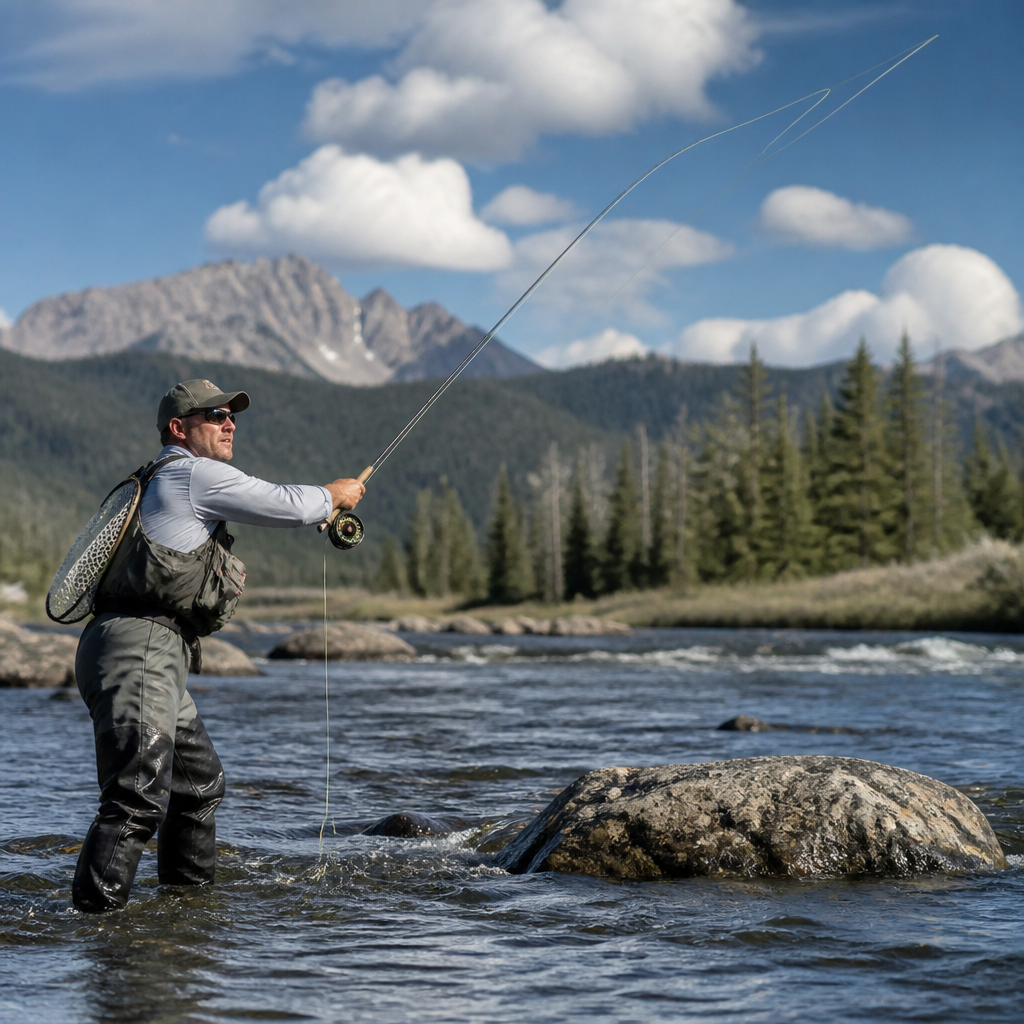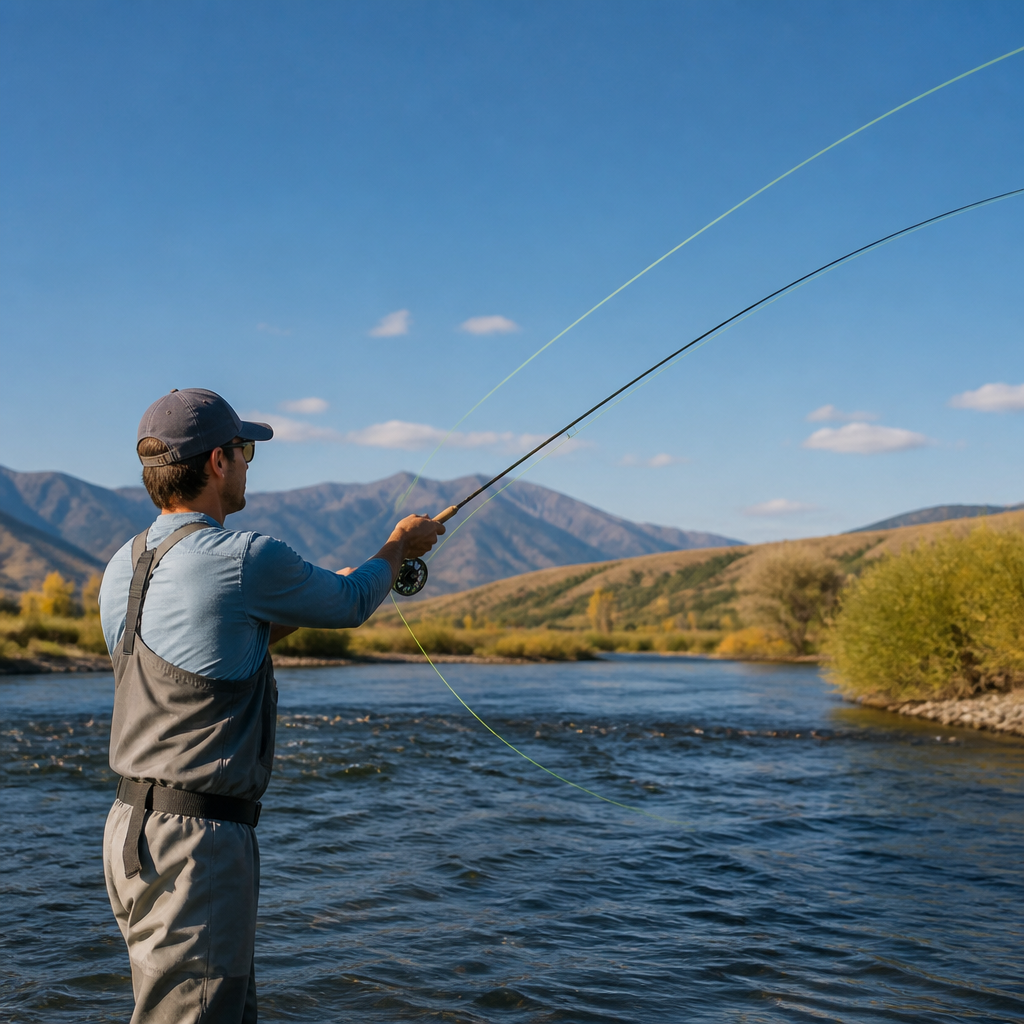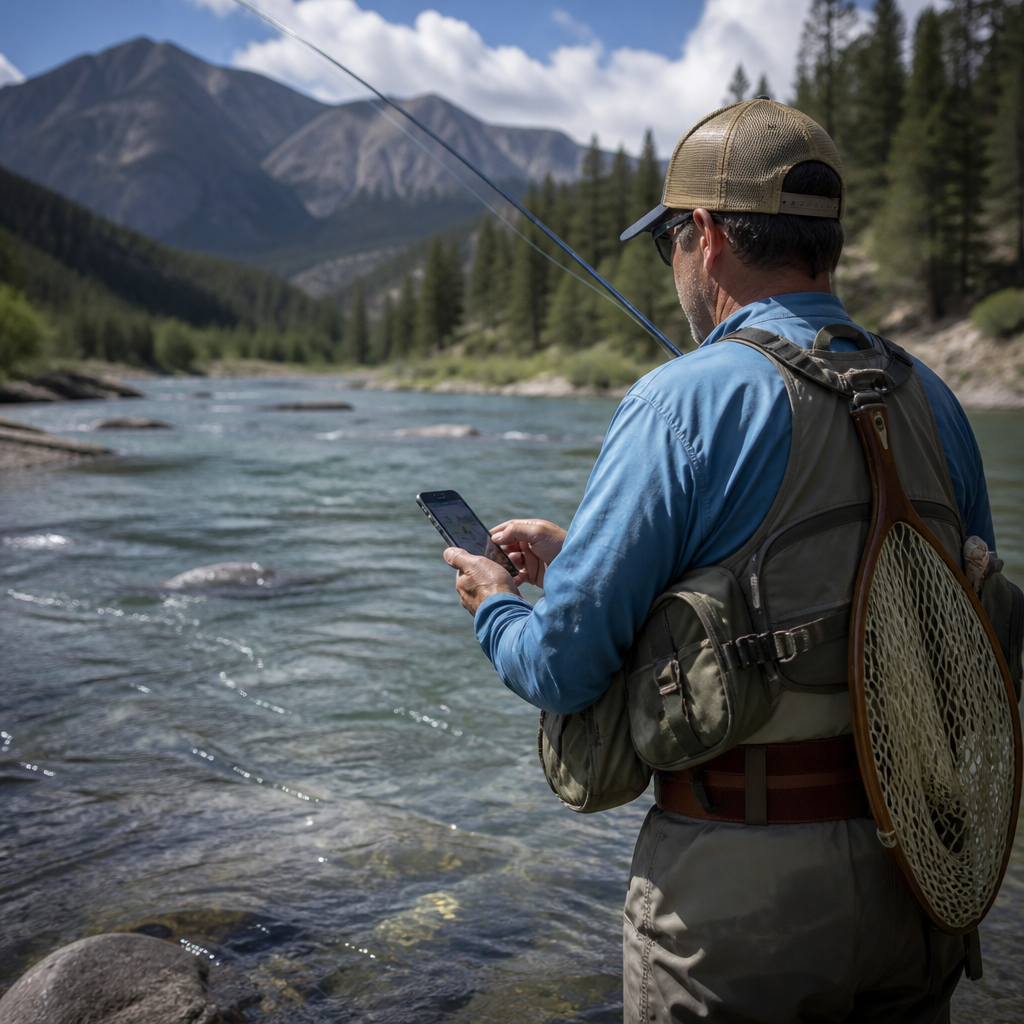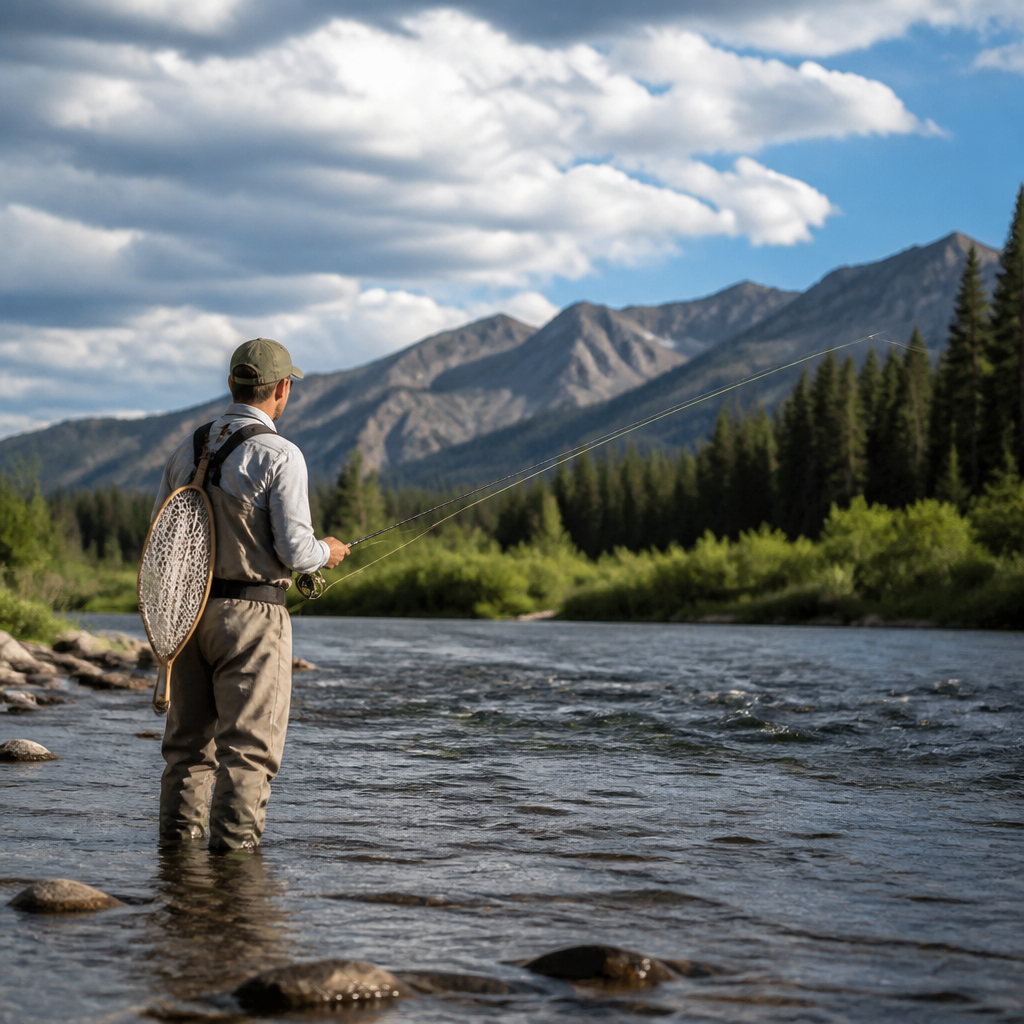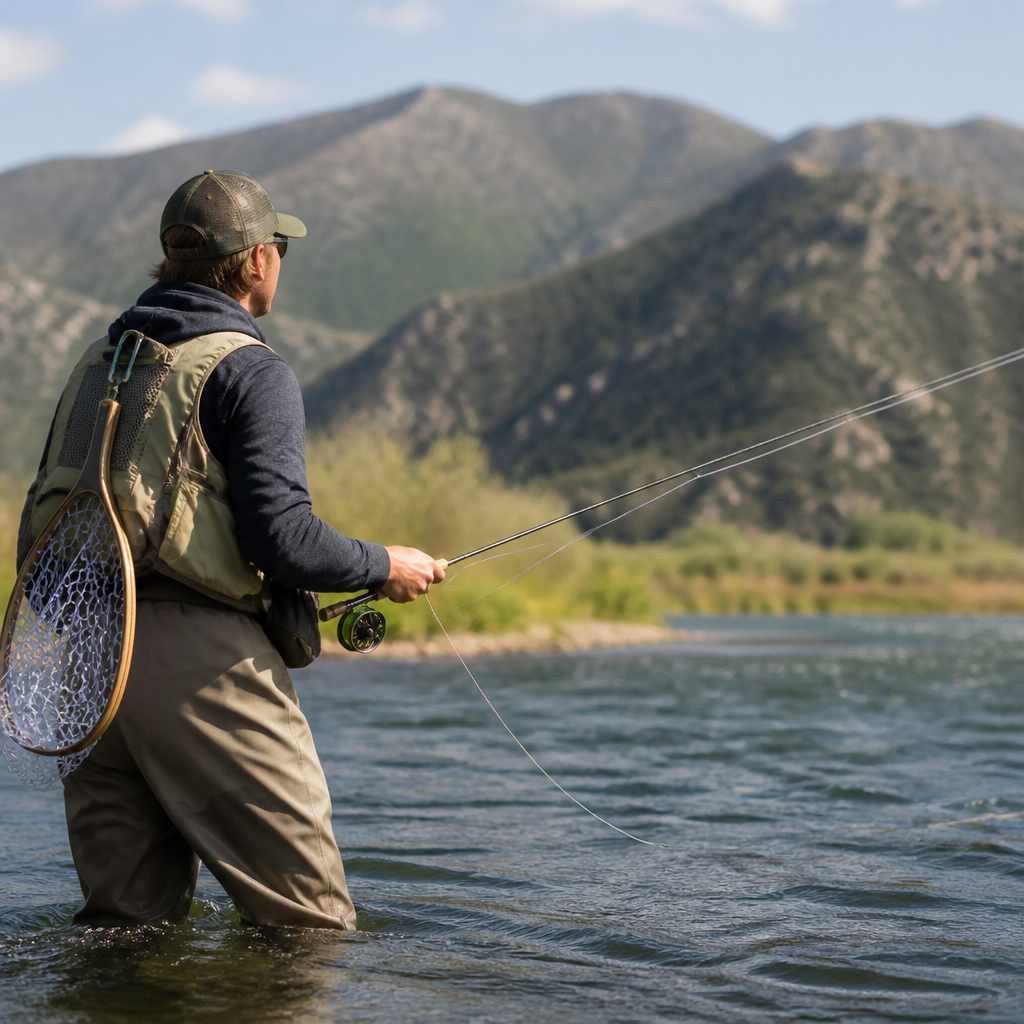
Nymphing is the practice of presenting subsurface fly patterns that imitate aquatic insects, crustaceans, or other drifting food, and it is one of the most reliable ways to catch trout in rivers, streams, and stillwaters. Anglers who begin with dry flies often think of surface takes as the essence of fly fishing, yet most trout feed underwater most of the time. That simple feeding fact is why nymphing matters. If you understand where fish hold, how currents move food, and how to control depth and drift, you can fish effectively in far more conditions than surface-only anglers. In my own seasons guiding and teaching beginners, nymphing consistently turns frustration into confidence because it replaces guesswork with observable mechanics: weight, depth, speed, and strike detection.
The term nymph usually refers to the immature life stage of aquatic insects such as mayflies, caddis, and stoneflies. In practical fishing language, however, nymphing includes flies that imitate midge larvae, scuds, sowbugs, worms, and small bait-protein forms carried by current. A nymphing rig is the complete system used to deliver those flies. That system can include a floating line, leader, tippet, one or more weighted or unweighted flies, split shot, and a strike indicator, or it can use a specialized tight-line setup with a long rod and highly controlled leader. Nymphing techniques differ in style, but they all pursue the same goal: place the fly at the fish’s feeding depth and allow it to drift naturally enough that the trout accepts it as food.
As a hub within techniques and strategies, this introduction to nymphing covers the fundamentals that support every advanced topic in nymphing techniques. You need a working grasp of insect behavior, reading water, rig construction, strike detection, line control, and hook-setting before specialized articles on indicator nymphing, tight-line methods, seasonal rigs, or euro-style adaptations make full sense. The basics are not simplistic. They are the operating rules beneath every productive nymph approach. Once you know them, you can evaluate any river, choose a starting rig quickly, and adjust with purpose instead of changing flies at random. That efficiency saves time, improves catch rates, and makes your time on the water far more deliberate.
Why nymphing works and when to use it
Nymphing works because current delivers the majority of a trout’s daily food below the surface. Aquatic insects spend most of their lives in immature stages, often months or years, while their winged adult stage can last only days. Trout learn to feed where food is consistent, and that usually means near the streambed, along seams, inside buckets below riffles, and at the depth where drifting insects concentrate. Even during visible hatches, fish may continue taking emergers and nymphs just under the film. On pressured water, subsurface feeding is often less selective than surface feeding, but that does not mean presentation stops mattering. Drag, incorrect depth, and poor angle still ruin many drifts.
Use nymphing whenever water temperatures, light levels, current speed, or insect activity suggest trout are feeding under the film. High water after rain is a classic example. Visibility drops, current accelerates, and fish slide into softer lanes close to the bank where worms, stoneflies, and dislodged nymphs drift by. Winter is another prime nymphing period because trout conserve energy and feed opportunistically on small midges, mayfly nymphs, and scuds in slow to moderate current. Summer pocket water also favors nymphing. Fast oxygenated chutes push food continuously, and trout hold behind rocks where a short, controlled drift can produce immediate takes.
For beginners, the biggest strategic lesson is that nymphing is not a single method. It is a family of methods selected by depth, speed, fish position, and casting room. An indicator rig excels for longer drifts and obvious depth control. Tight-line nymphing shines in close and medium range where direct contact improves strike detection. A dry-dropper setup adds versatility when fish may eat on top or just below. Learning when each approach is most efficient is the foundation for every nymphing technique you will explore later.
Core nymphing techniques every angler should know
The most useful starting point is indicator nymphing. Here, a buoyant indicator suspends the flies at a chosen depth and helps detect takes. It is forgiving for beginners because the indicator provides a visual reference for drift speed and lets you cover broad runs from multiple angles. A standard setup might use a 9-foot 5-weight rod, floating line, a 9-foot leader tapered to 4X or 5X, then additional tippet below an indicator set roughly one and a half to two times the water depth. Split shot or a beadhead fly gets the rig down. This approach works especially well in moderate-depth riffles, runs, and seams where mending line upstream extends a drag-free drift.
Tight-line nymphing, often associated with long rods from 10 to 11 feet in 2-weight to 4-weight sizes, removes the indicator and relies on direct contact through a specialized leader, sighter, and weighted flies. The method is highly efficient because less fly line touches the water, reducing competing currents and allowing finer control of depth and drift speed. Instead of watching a bobber, you watch the sighter or feel subtle hesitation. In practice, this means leading the flies slightly downstream while keeping tension light enough that they drift naturally near the bottom. Tight-line systems are deadly in pocket water, short seams, and technical runs where fish hold close and reaction time is short.
A dry-dropper rig combines a buoyant dry fly with one or more nymphs suspended below. It is less precise at greater depths than a dedicated indicator rig, but it is excellent in shallow riffles, bankside pockets, and summer water where trout may rise opportunistically. The dry acts as both indicator and possible food item. This setup teaches an important nymphing principle: the best rig is the one that matches both depth and fish behavior, not the one that is trendiest.
| Technique | Best Water Type | Main Advantage | Main Limitation |
|---|---|---|---|
| Indicator nymphing | Riffles, runs, deeper seams | Easy depth control and long drifts | Less direct contact in complex currents |
| Tight-line nymphing | Pocket water, short seams, technical runs | Excellent strike detection and drift control | Less effective at long range |
| Dry-dropper | Shallow riffles, banks, summer pocket water | Covers surface and subsurface at once | Limited in deep or very fast water |
Across all these methods, success depends on the same mechanics. Your flies must reach the feeding lane quickly, travel near the trout at current speed, and stay there long enough to be eaten. If one of those conditions fails, change depth before changing pattern. In guided trips, I often see beginners switch flies three times when the real issue is that the flies never reached the bottom third of the water column. Depth is usually the first variable to fix, drift quality the second, fly choice the third.
Reading water, selecting rigs, and building a productive setup
Reading water for nymphing starts with identifying where trout can hold with minimal energy while intercepting food. Look for current seams, transition lanes beside faster flow, depressions below riffles, submerged structure, and softer cushions in front of rocks. Trout rarely sit in the fastest current unless food density is extremely high. They prefer edges, buckets, slots, and tailouts where current compresses drifting insects into predictable lanes. Polarized glasses help, but the better habit is to watch the surface for clues about underwater speed differences. Bubble lines often trace the path of concentrated current and drifting food.
Once you identify the likely holding water, build the rig backward from the depth and speed you need. In fast water deeper than three feet, start with enough weight to tick bottom occasionally without snagging every cast. Bottom contact every few drifts is usually a good sign that the flies are in the zone. If you never touch bottom, add weight or lengthen the distance from indicator to fly. If you snag constantly, reduce weight, shorten depth, or change your angle so the flies enter the lane with less sink delay. On a tight-line setup, choose a heavier point fly such as a tungsten bead perdigon or jig pattern and pair it with a lighter dropper if local regulations allow two flies.
Leader and tippet selection affect both drift and landing rate. Thicker tippet turns over weight more easily and resists abrasion around rocks, but finer tippet drifts more naturally and helps smaller flies sink. In clear, low water, 5X or 6X may be necessary for wary trout on size 18 to 22 patterns. In high flows with larger stoneflies or worm patterns, 3X or 4X is often more practical. Knot strength matters because nymphing rigs absorb repeated shock from split shot, snags, and abrupt hook sets. Clinch, improved clinch, Davy, Orvis, and triple surgeon connections all work if tied cleanly and tested before fishing.
Fly selection should be systematic rather than mystical. Start with confidence categories: a searching attractor, a natural mayfly or caddis shape, and a small clean-up pattern for selective fish. In many trout rivers, a size 14 to 18 pheasant tail, hare’s ear, perdigon, zebra midge, Frenchie, or small stonefly covers much of the menu. Match size before exact color, and match depth before either. The fly a trout never sees cannot be eaten. That is a blunt rule, but it is true often enough to keep you disciplined.
Presentation, strike detection, and common mistakes
Presentation begins before the cast. Position yourself so the flies can enter the target lane early and drift through it without immediate drag. Quartering upstream is a dependable angle for indicator rigs because it buys sink time and allows an upstream mend. Tight-line casts are usually shorter, with the rod high and the leader entering the water ahead of the flies. Whichever style you use, the line or leader should guide the flies, not pull them. A natural drift means the flies move at the speed of the current at their depth, which may be slower than the surface current you can see.
Strike detection is where nymphing becomes a discipline rather than a blind drift. With an indicator, any unnatural stall, twitch, dip, sideways slide, or acceleration can be a fish. Set on all of them. Trout often inhale and reject a nymph in a fraction of a second. Waiting for a dramatic dunk costs fish. Tight-line methods demand even more attention. A slight hesitation in the sighter, a tiny straightening, or a faint tap transmitted through the rod can signal a take. Experienced anglers seem fast because they assume irregularity equals fish until proven otherwise. That habit is trainable.
The hook set should be compact and directional. Lift smoothly but decisively, keeping the rod angle under control so you do not launch split shot or break light tippet. On indicator rigs, an upstream lift usually works. On tight-line drifts, a short wrist-driven lift or side set maintains contact better. After the hook set, let the fish dictate whether you raise the rod further or clear loose line. Barbless hooks penetrate quickly and release fish efficiently, but they reward steady pressure and punish slack line.
Most beginner mistakes are mechanical. They cast too far, creating slack and conflicting currents. They use too little weight because they fear snags. They watch only the indicator and ignore the drift lane, mend too late, or move the rod tip excessively. Another common problem is fishing one run with one rig from one angle and declaring that no fish are present. Productive nymphers vary angle, depth, and speed before moving on. Cover near water first, then middle lanes, then the far seam. Fish missed at ten feet are more common than fish caught at forty.
There are also tactical tradeoffs worth acknowledging. Indicators provide visibility but can spook fish in shallow clear water. Tight-line methods provide control but are range-limited and demand close wading discipline. Heavier flies sink faster but may drift unnaturally in slow pools. Lighter flies look alive but may never reach bottom in a heavy run. The best nymphing strategy is rarely absolute. It is an informed compromise based on water type, regulation, and fish behavior on that day.
Building skill over time and connecting to advanced nymphing topics
Nymphing improves fastest when you practice with specific variables in mind. Dedicate one session to depth control, another to mending, another to leading flies on a tight line, and another to reading likely holding water before you make a cast. Keep notes on river level, clarity, temperature, successful fly sizes, and where in the drift strikes occur. Patterns emerge quickly. You may find that a local freestone stream fishes best with heavier stonefly rigs in morning flows but shifts to smaller mayfly nymphs in softer afternoon seams. That kind of record is more useful than a large fly box with no system behind it.
As the hub for nymphing techniques, this article connects naturally to deeper subjects: indicator setup refinements, euro-style leader construction, seasonal nymph patterns, tandem rig spacing, strike-indicator placement, fishing deep slots, nymphing from a drift boat, and adapting to pressured tailwaters. Each advanced topic builds on the same basics covered here: fish where trout actually feed, choose the method that matches the water, control depth first, maintain a natural drift, and treat every irregular signal as a possible take. Master those fundamentals and the rest becomes refinement rather than reinvention. The next step is simple: take one nymphing method to the water this week, fish it with discipline, and adjust depth before anything else.
Frequently Asked Questions
What is nymphing in fly fishing, and why is it so effective for trout?
Nymphing is the method of fishing subsurface fly patterns that imitate the food trout commonly eat below the surface, including aquatic insect nymphs, larvae, pupae, small crustaceans, worms, and other naturally drifting prey. It is effective because it matches how trout actually feed most of the time. While surface rises are memorable and visually exciting, trout in rivers, streams, and stillwaters often spend the majority of their feeding time taking food underwater. That means anglers who learn to fish beneath the surface immediately tap into one of the most consistent and productive parts of the trout’s diet.
The real strength of nymphing comes from combining imitation with presentation. Trout usually hold in current seams, riffles, runs, pools, and other areas where current delivers food efficiently without forcing the fish to burn unnecessary energy. A well-drifted nymph passes through those feeding lanes at the right depth and speed, appearing natural rather than suspicious. Because subsurface food is constantly drifting, nymphing often produces fish even when there is little or no visible surface activity. In practical terms, that makes it one of the most dependable techniques for beginners and experienced anglers alike, especially on days when dry fly fishing seems slow or unpredictable.
Where do trout typically hold when nymphing, and how do currents affect success?
Trout generally position themselves where they can conserve energy while staying close to a reliable conveyor belt of food. In moving water, that usually means areas such as the softer edges of fast current, seams where two current speeds meet, the downstream side of rocks, ledges, drop-offs, undercut banks, riffle tails, runs, and the transitional zones at the heads and tails of pools. These holding lies give trout access to drifting insects while reducing the effort needed to remain in place. Understanding that balance between food availability and energy conservation is one of the foundations of effective nymphing.
Current matters because it controls both where food travels and how your flies move through the water. Fast water carries food quickly but can also make drag and poor drift more likely if your line is not controlled well. Slower water may require a more delicate presentation and careful depth adjustment to keep the fly where feeding fish can intercept it. Many beginners cast to obvious water but overlook the exact lane where the current delivers food most naturally. Successful nymphers learn to read subtle structure and current differences, then place the fly so it drifts naturally through the trout’s window of vision. Often, a small adjustment of just a foot or two in casting angle, depth, or drift path can make the difference between no interest and steady strikes.
How do you know what depth to fish when nymphing?
Depth control is one of the most important skills in nymphing because trout feeding below the surface usually respond best when the fly is drifting at or near their level. If your flies are too shallow, fish may never see them or may ignore them because they do not look like naturally drifting food. If your flies are too deep, they may snag constantly or move unnaturally. In many situations, the goal is to get the flies down into the lower part of the water column, often close to the streambed, because that is where many aquatic insects drift and where trout commonly hold. That said, exact depth depends on water speed, water depth, temperature, insect activity, and the specific position of feeding fish.
Anglers control depth using weighted flies, split shot, longer or shorter leaders, and strike indicators set at different distances from the flies. In faster or deeper water, more weight is often necessary to reach the strike zone quickly. In shallower or slower water, less weight may allow a cleaner and more natural drift. A useful rule of thumb is to adjust until you occasionally tick the bottom without snagging constantly. Those occasional taps suggest your flies are traveling near the feeding zone. If you are not getting strikes, depth is one of the first things to change. Many anglers improve dramatically once they realize that their flies often need to fish deeper than they initially expect.
What basic nymphing setup should a beginner use?
A simple and reliable beginner setup usually includes a 9-foot rod in an appropriate trout weight, a floating fly line, a tapered leader, tippet, one or two nymph flies, and either a strike indicator or a tight-line approach depending on the water and the angler’s comfort level. For most newcomers, an indicator setup is the easiest place to start because it provides a visible reference for depth, drift, and strike detection. The indicator is placed on the leader above the flies, and split shot can be added if extra weight is needed to get down. A common starter rig is a larger or heavier point fly with a smaller dropper fly attached above or below it, allowing you to cover more than one food type or size in a single drift.
Fly selection does not need to be complicated at first. General-purpose nymph patterns that suggest mayflies, caddis, stoneflies, midge larvae, or attractor-style subsurface food can all be effective. More important than owning dozens of patterns is learning how to fish a few proven flies at the correct depth and with a natural drift. Keep your setup straightforward enough that you can make changes easily. If the water gets deeper, add weight or move the indicator. If you are snagging too much, remove a little weight or shorten the depth. A beginner-friendly nymphing system should help you focus on reading water, controlling drift, and recognizing takes rather than constantly wrestling with an overly complex rig.
How can beginners improve their strike detection and overall nymphing presentation?
Beginners often miss trout not because the fish are absent, but because underwater takes can be subtle and easy to overlook. Trout may stop the fly, inhale it softly, or move just enough to change the drift without creating an obvious signal. That is why strike detection starts with concentration. If you are using an indicator, watch for any hesitation, twitch, dip, unnatural pause, sideways movement, or change in speed. If you are tight-line nymphing, watch the leader, sighter, or line connection closely and stay in contact with the flies without dragging them. In both methods, when something looks unusual, set the hook. It is better to respond to a few false alarms than to ignore real takes.
Presentation improves when the fly drifts at the same speed as the current carrying natural food. This is called a drag-free drift, and it is one of the central goals of nymphing. To achieve it, anglers should mend line when needed, keep only as much line on the water as necessary, and maintain a casting angle that lets the flies enter the target lane cleanly. Short drifts with careful line control are often more effective than long drifts with poor contact. It also helps to fish methodically: cover near water first, then work farther out; fish likely seams from multiple angles; and make one adjustment at a time if results are poor. In most cases, better nymphing comes from refining depth, drift, and line control rather than from constantly changing flies. Once beginners understand that small improvements in presentation lead to big gains in hookups, the technique becomes far less mysterious and much more productive.