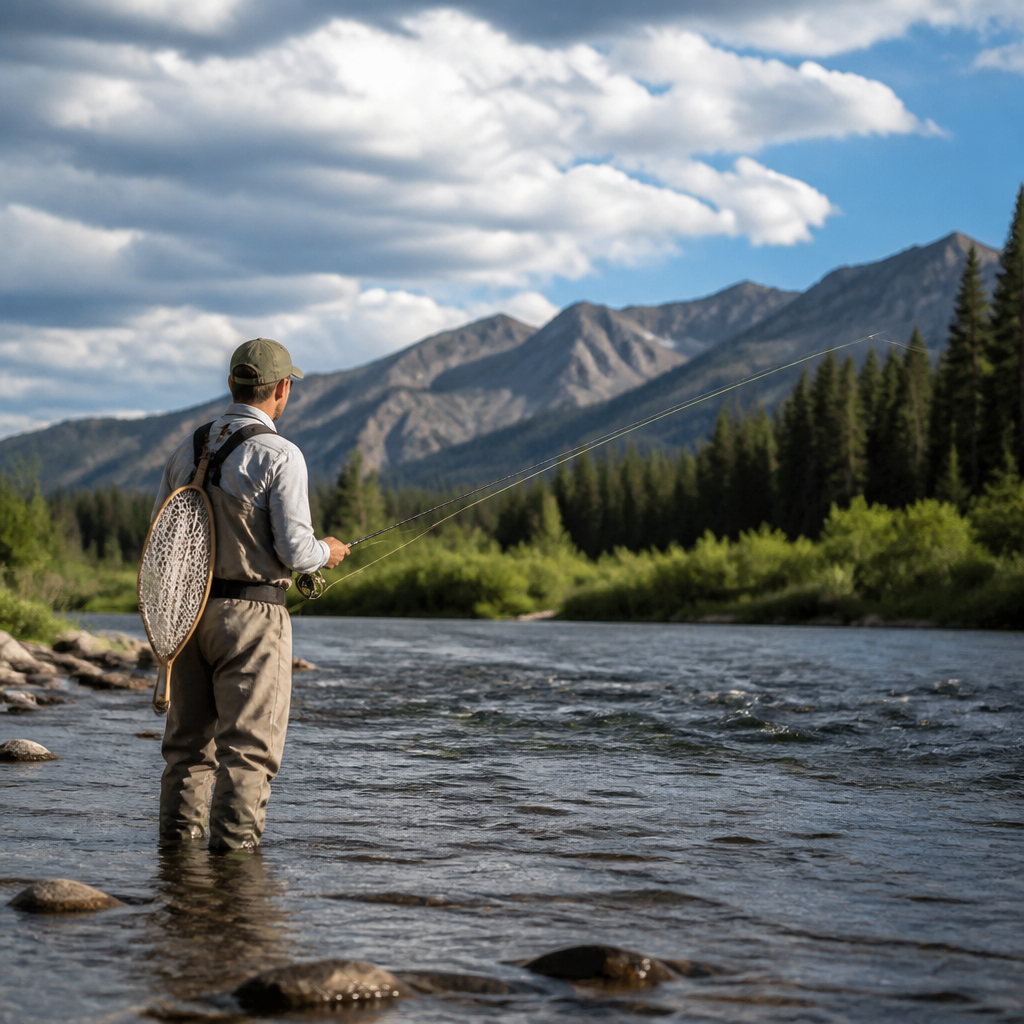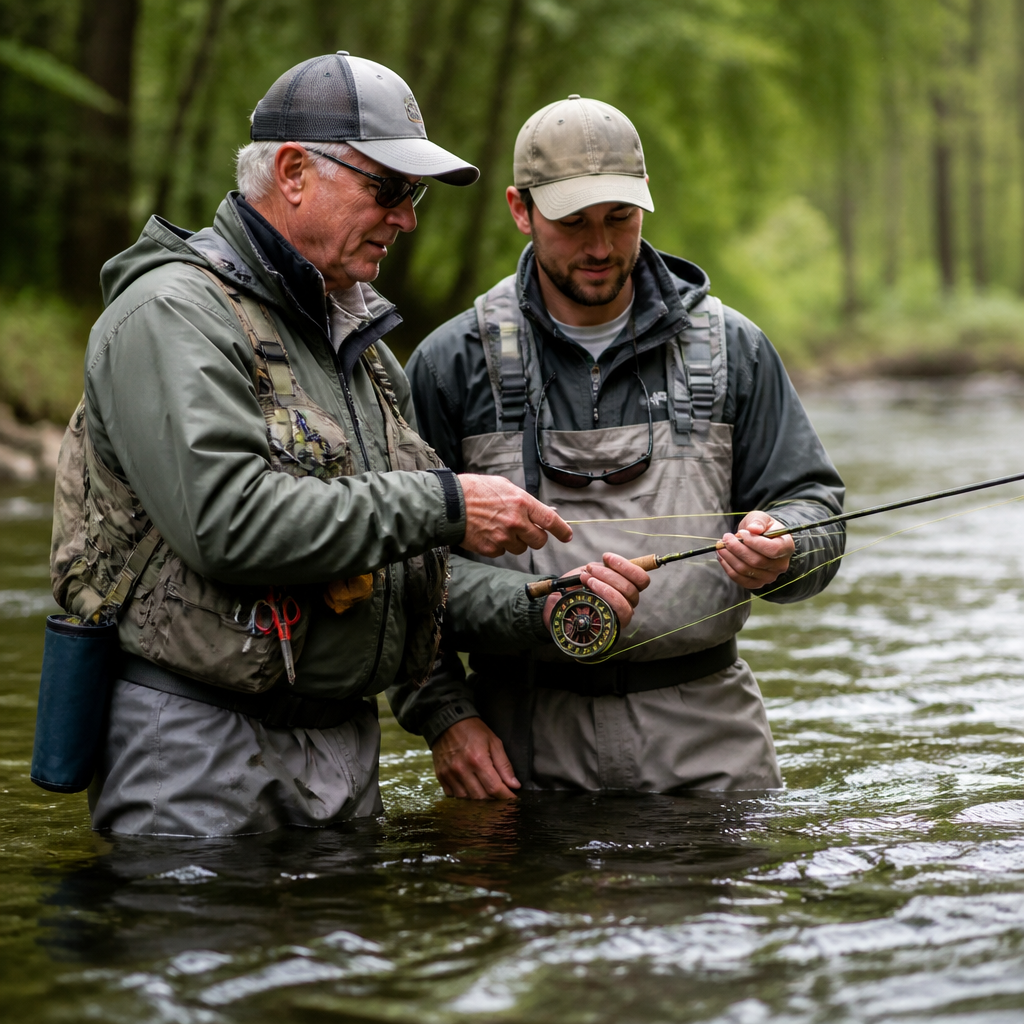
Mentoring new fly fishers requires more than teaching a cast; it means building judgment, confidence, and safe habits while introducing the advanced techniques that turn occasional success into consistent results. In fly fishing, mentoring is the practical transfer of skill from an experienced angler to a beginner through demonstration, guided repetition, and on-the-water feedback. Advanced techniques are not only elite tricks for experts. They include line control, reading currents, mending, presentation angles, strike detection, fish fighting, and adapting tactics to weather, water, and species. I have guided first-timers who could barely manage twenty feet of line in the morning and watched them hook trout on controlled drifts by afternoon once the teaching sequence matched the conditions. That is why this topic matters. New anglers stay in the sport when early instruction reduces frustration, shortens the learning curve, and helps them understand why one approach works while another fails.
For a techniques and strategies hub, mentoring is especially important because advanced fly fishing skills are interconnected. A beginner may think the problem is casting distance when the real issue is drag on the drift. Another may blame flies when poor leader turnover prevents natural presentation. Effective mentors connect these dots early. They teach novices how rod action, leader design, fly choice, current seams, and fish behavior influence one another. This article serves as a practical hub for advanced techniques within fly fishing instruction. It explains what to prioritize, how to structure lessons, which tools help, and where common mistakes appear. Whether you mentor on spring creeks, tailwaters, warmwater ponds, or small freestone streams, the goal is the same: teach beginners the right habits first, then layer in more technical methods in a way they can apply immediately.
Start with a Teaching System, Not Random Tips
The best mentoring follows a sequence. I begin by assessing what the new fly fisher can already do: knot tying, basic overhead casting, wading balance, line handling, and awareness of where the fly is drifting. Then I build the day around one performance goal, such as achieving a drag-free drift for three seconds or making accurate casts at twenty-five feet. This matters because beginners cannot absorb ten corrections at once. Instruction should move from safety, to control, to presentation, to fish fighting. The Fly Fishers International casting framework is useful here because it breaks casting into stance, grip, rod tip path, timing, and loop shape rather than vague advice like “slow down.”
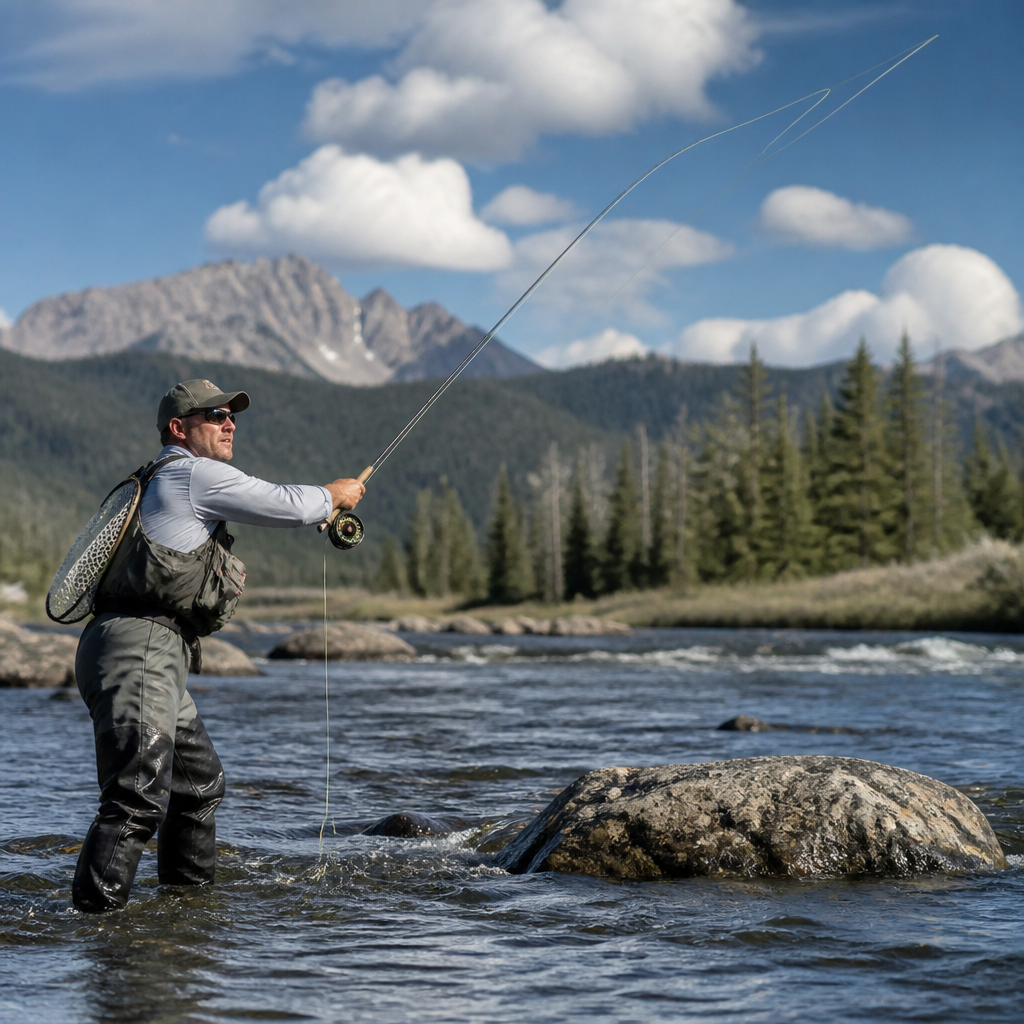
Clear demonstrations work better than long speeches. Show the cast from the side and from behind. Narrate one variable at a time. For example, if tailing loops appear, explain that the rod tip dipped below a straight-line path, often because the caster applied power too early. Then let the student repeat the motion with a single cue. When mentoring beginners in advanced techniques, simplicity creates results. A new angler can understand stack mending or reach casting if the concept is tied directly to the drift they need in front of them, not presented as abstract theory detached from the river.
Teach Advanced Casting Through Fishing Problems
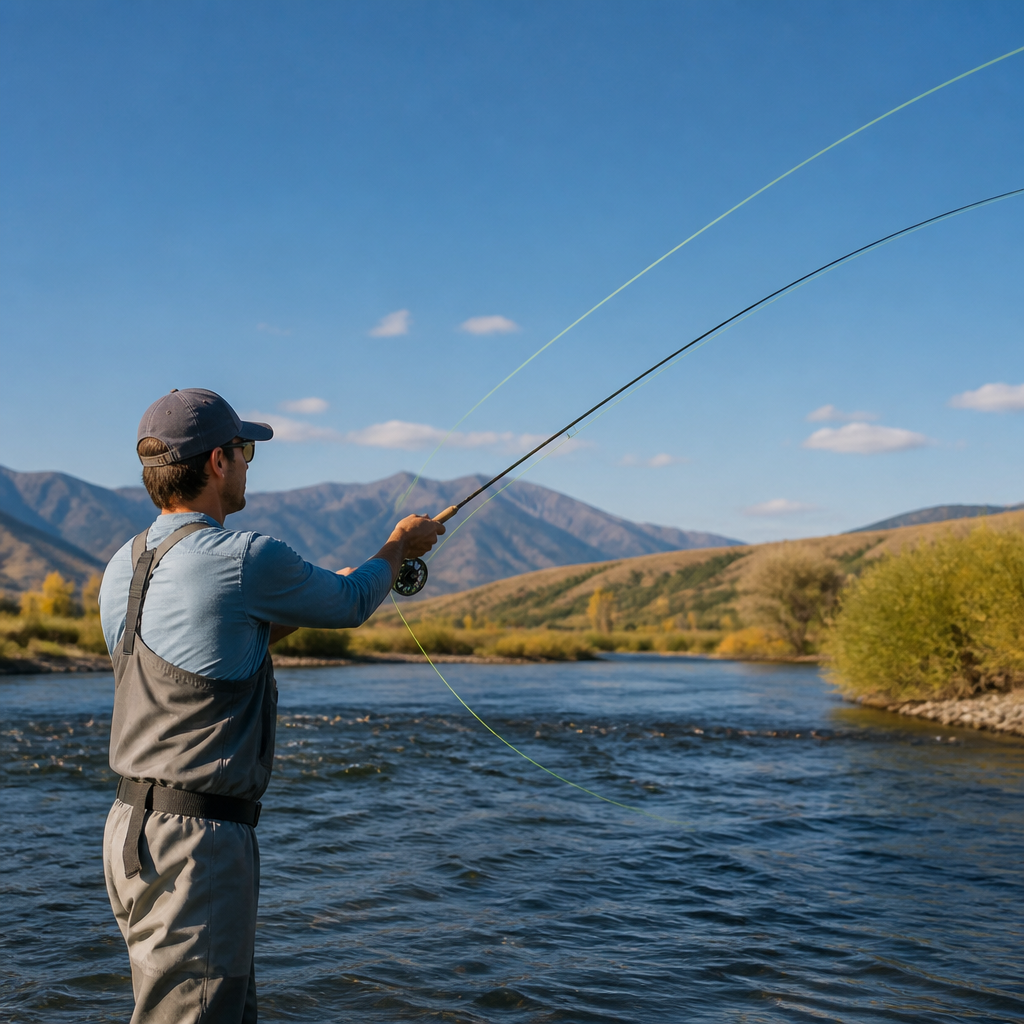
Advanced casting should be taught as problem solving. New fly fishers do not need tournament distance. They need presentations that solve real fishing situations: casting under overhanging branches, repositioning line upstream, throwing tight loops into wind, and changing direction quickly when a fish rises off the dominant shoulder. The roll cast is often the first advanced skill worth teaching because it eliminates false casts and works when brush blocks the back cast. From there, introduce the reach cast to create slack and improve drift, then the curve cast for positioning line around conflicting currents.
One of the most useful lessons is explaining why loop control matters. Tight loops cut wind and improve accuracy, but open loops protect weighted flies and indicators from colliding with the rod or caster. I often switch students between a dry-dropper rig and an unweighted dry fly so they can feel the difference in timing and casting stroke. This is where mentoring moves beyond mechanics. You are teaching them to choose the right cast for the rig, not just repeat a standard motion. On rivers where trout hold under opposite-bank grass, a beginner who learns a reach cast and immediate upstream mend can outfish someone who simply throws farther.
Build Line Management Skills Early
Many beginners think fly fishing success depends mostly on the cast. In practice, line management often matters more. Once the fly lands, the real work begins. Teach novices to strip line into neat coils, trap loose line against the cork, and maintain contact without pulling the fly unnaturally. On moving water, show how different current speeds grab belly in the fly line and create drag. The angler who understands line belly, mend timing, and leader angle will catch more fish than the angler with the prettiest back cast.
Mending deserves special attention because it is one of the first truly advanced techniques that beginners can use effectively. Explain that a mend is not random rod waving. It is a deliberate repositioning of line to extend a natural drift or improve connection during a swing. Start with the upstream mend after the cast lands. Then show stack mending, where additional slack is fed upstream during a longer drift. On broad riffles, I teach students to watch a floating sighter or the butt section of the leader while making small aerial or on-water adjustments. When they see a fly drift naturally through a feeding lane, the purpose of line control becomes obvious.
Reading Water Turns Techniques into Strategy
Advanced techniques make sense only when paired with water reading. New fly fishers should learn where fish hold, where they move to feed, and how current structure affects presentation. Break the river into visible features: seams, riffles, runs, pools, pocket water, undercut banks, eddies, and foam lines. Then explain energy economics. Trout generally seek positions that balance protection from current with access to food. A beginner who understands this can stop casting everywhere and start targeting high-probability water.
I like to stand beside a seam and ask a student to predict where the fish would sit if the water temperature were cold, if the sun were high, or if insect activity increased. This turns instruction into decision making. On tailwaters, for example, trout often slide into softer edges during higher generation flows. On freestone streams after rain, fish may shift out of heavy current into softer buckets behind rocks. In stillwater, wind lanes concentrate food and fish. Mentors should connect these patterns to technique choices. If fish are holding in a narrow seam twenty feet away, a tuck cast with a weighted nymph may be right. If fish are sipping emergers in flat water, longer leaders and softer landings become the priority.
Nymphing, Dry Fly, and Streamer Methods New Anglers Should Learn
Beginners benefit from early exposure to the three core presentation families: nymphing, dry fly fishing, and streamer fishing. Each teaches a different principle. Nymphing develops depth control and strike detection. Dry fly fishing sharpens drag-free drift and visual tracking. Streamer fishing introduces angle, retrieve cadence, and fish aggression. When mentoring, do not treat one as superior in every situation. Explain where each shines and why.
| Method | Primary Goal | Key Technique | Best Teaching Example |
|---|---|---|---|
| Nymphing | Present subsurface flies at feeding depth | Indicator adjustment, tuck cast, dead drift, contact nymphing | Riffle-to-run transition where trout feed near the bottom |
| Dry Fly | Natural surface drift | Reach cast, slack management, drag recognition | Foam line with rising trout during a hatch |
| Streamer | Trigger predatory response | Swing angle, strip cadence, pause control | Cut bank or pool tailout where larger fish ambush prey |
For nymphing, teach depth before fly changes. Split shot placement, indicator distance, and leader formula affect success more than constant pattern swapping. For dry flies, stress that micro-drag ruins more drifts than obvious drag. For streamers, teach intentional retrieves rather than mindless stripping. A pause beside structure often triggers the take. New anglers who understand these principles can later branch into euro nymphing, tight-line presentations, hopper-dropper systems, or articulated streamer tactics with a strong foundation already in place.
Help Beginners Detect Strikes and Fight Fish Efficiently
Strike detection is where many new fly fishers lose fish they never knew touched the fly. In nymphing, teach them to react to any unnatural hesitation, dip, stall, or sideways movement in the indicator or leader. In tight-line methods, emphasize watching the sighter and feeling subtle changes in tension. With dry flies, the lesson is patience and precision: set on the fish turning down, not merely on the splash. These distinctions sound small, but they prevent both late reactions and premature hook sets.
Once a fish is hooked, mentoring should become calm and specific. Keep the rod angle purposeful, use side pressure to steer fish away from current advantage, and avoid raising the rod straight overhead for long periods. Explain the reel only when needed. On small streams, stripping fish in by hand is often simpler. On larger rivers, getting the fish onto the reel quickly prevents slack and tangles. I have seen many beginners lose trout at the net because they stop leading the fish’s head. Teach them to guide, not chase. A smooth netting sequence is part of advanced technique because it finishes the entire process cleanly and protects the fish.
Use Gear, Knots, and Rigging as Teaching Tools
Equipment choices affect learning speed. A medium-fast 9-foot 5-weight remains the most forgiving all-around trout setup for mentorship because it handles dry flies, nymphs, and small streamers without demanding elite timing. Pair it with a weight-forward floating line from a recognized manufacturer such as Scientific Anglers, Rio, or Airflo, and use a leader system the beginner can understand. I usually start with a 9-foot tapered leader in 4X or 5X, then explain when adding tippet changes sink rate, drift, or stealth.
Knots should be limited to a small reliable set: improved clinch, Davy or Orvis knot for flies, double surgeon’s for tippet sections, and perfection loop where loop-to-loop connections make sense. More important than knot variety is knot discipline. Wet the knot, seat it smoothly, and test it every time. Rigging is also where mentors can introduce advanced thinking without overwhelming the student. Show how a longer leader improves dry fly separation, how fluorocarbon sinks faster for nymphs, and why tungsten beads change the sink profile. When the beginner sees rigging as tactical rather than arbitrary, every adjustment starts to mean something.
Teach Ethics, Safety, and Independent Decision Making
Strong mentors create capable anglers, not dependent followers. That means teaching safety and ethics alongside tactics. New fly fishers need explicit instruction on wading limits, river crossings, hook handling, eye protection, weather awareness, and local regulations. On tailwaters, discuss generation schedules and how rising water can cut off gravel bars. In cold conditions, talk about hypothermia risk. Around fish, emphasize wet hands, minimal air exposure, barbless hooks where appropriate, and avoiding overplaying trout in warm water. These are not side notes. They are core skills.
Finally, move the student toward independence. Ask what they notice. Ask where they would cast first and why. Have them adjust indicator depth or choose between a dry and a nymph based on observed insect activity. A good mentoring session ends with the beginner making informed decisions using advanced techniques in simple form. That is the purpose of this techniques and strategies hub: to show that advanced fly fishing is not mysterious. It is a set of learnable skills built through observation, repetition, and feedback. Teach one problem, one technique, and one reason at a time. Then encourage the new fly fisher to practice deliberately on the next outing and keep building from there.
Frequently Asked Questions
What should a mentor focus on first when teaching a new fly fisher?
A strong mentor starts with safety, confidence, and fishable fundamentals rather than trying to impress a beginner with distance casting or highly technical tactics. New fly fishers do best when they first understand how to move safely around water, handle hooks and flies carefully, wear appropriate gear, and stay aware of footing, weather, and current speed. From there, a mentor can introduce the basic mechanics that lead to early success: a simple casting stroke, proper grip, line management, and how to make a short, controlled presentation. This creates a foundation the beginner can repeat under real fishing conditions.
Just as important, the mentor should teach decision-making from the very beginning. That means showing the beginner why a fish might hold in one seam instead of another, how current affects drift, and why a small adjustment in position can matter more than a harder cast. When beginners are taught judgment alongside mechanics, they improve faster and become more independent. The goal is not to create someone who can merely copy motions, but someone who can observe water, solve problems, and make good choices without constant direction.
How can advanced techniques be introduced without overwhelming a beginner?
The best way to teach advanced fly fishing techniques is to break them into practical, useful pieces and connect each one to a clear fishing problem. Techniques such as line control, mending, reading currents, managing drag, and adjusting drift can sound advanced, but they become accessible when taught as simple solutions. For example, instead of presenting mending as a complicated concept, a mentor can explain it as a way to keep conflicting currents from pulling the fly unnaturally. That immediately gives the beginner both a reason and a result to look for.
Demonstration followed by guided repetition is especially effective. A mentor might first show a short cast across mixed currents, explain what drag looks like, then repeat the same cast with a mend so the beginner can see the difference. After that, the beginner tries it with coaching in real time. This sequence keeps the lesson grounded in observation rather than theory. It also helps avoid the common mistake of overloading a new angler with too many corrections at once. One skill, one purpose, and one visible result is usually the best formula.
It is also wise to introduce techniques in the order they are likely to matter on the water. A beginner often benefits more from learning line management, drift control, and where to stand than from trying to master long casts or highly specialized presentations. In fact, many “advanced” improvements come from small habits: keeping only the needed amount of line out, lifting line cleanly, watching the leader for subtle takes, and making controlled mends. Taught patiently, these habits accelerate progress without making the experience feel intimidating.
How does a mentor help a beginner read water and understand where fish are likely to hold?
Reading water is one of the most valuable skills a mentor can teach because it turns fishing from guesswork into informed decision-making. A beginner should learn that fish usually hold where they can conserve energy while still having access to food. That often means current seams, the softer water beside faster flows, the heads and tails of pools, pockets behind rocks, undercut banks, drop-offs, and transition zones where depth and speed change. An experienced mentor can point out these features and explain not just where fish might be, but why they choose those positions.
A helpful teaching method is to pause before fishing a section and ask the beginner to identify likely holding water. The mentor can then discuss the options, compare them, and explain which target should be fished first. This teaches observation and prioritization, which are critical on unfamiliar water. Instead of blindly casting everywhere, the beginner starts learning to look for current breaks, oxygen levels, shelter, and feeding lanes. Over time, this builds confidence because the angler begins to see the river as a series of fishable opportunities rather than a confusing stretch of moving water.
It is also important to connect water reading with presentation. A fish holding in a seam may require a different angle, mend, or drift length than a fish tucked behind structure. The mentor should show how position, cast angle, and current interaction all affect whether the fly reaches the target naturally. This is where mentoring becomes especially powerful: the beginner learns that success is not random, and that understanding water often matters more than changing flies repeatedly. Once that lesson clicks, progress tends to accelerate quickly.
What are the most common mistakes new fly fishers make, and how should a mentor correct them?
New fly fishers often struggle with trying to do too much at once. Common mistakes include overpowering the cast, using too much line, ignoring line management at their feet, rushing presentations, failing to account for current, and focusing so heavily on the fly that they miss subtle strikes. Another frequent issue is poor positioning. Beginners often stand too close to the target, cast from a bad angle, or wade into water that could have been fished effectively from the bank. These mistakes are normal, and a good mentor treats them as part of the learning process rather than as failures.
Correction works best when it is specific, calm, and limited to one or two adjustments at a time. If a beginner is getting drag, the mentor might focus only on changing angle and adding a simple mend rather than critiquing casting form, fly choice, and hook set all at once. If the cast is collapsing, the mentor may shorten the line, slow the tempo, and simplify the goal to a clean cast of twenty feet. This targeted approach protects confidence and helps the beginner connect the correction to an immediate improvement.
Positive reinforcement also matters. A mentor should point out what the beginner is doing correctly, such as spotting a seam, making a better stop on the back cast, or approaching the water more quietly. That balance keeps instruction productive and keeps the learner engaged. Effective mentors know that long-term progress depends not only on technical accuracy but also on maintaining curiosity and composure. In many cases, the real skill is not simply correcting errors, but helping the beginner learn how to notice and self-correct those errors independently.
How can mentoring build long-term confidence and good habits in new fly fishers?
Long-term confidence comes from repeated success with sound habits, not from a single lucky day. A mentor builds that confidence by creating realistic goals, choosing forgiving water when possible, and teaching skills in an order the beginner can absorb. Early wins matter, but so does understanding why those wins happened. When a beginner sees that a fish ate because of a better drift, a smarter approach, or cleaner line control, the lesson becomes durable. Confidence built on understanding is far more stable than confidence built on chance.
Good habits are formed through repetition under guidance. That includes checking knots, organizing line before casting, approaching likely holding water quietly, watching the leader for takes, and pausing to evaluate current before making the next cast. A mentor should model these behaviors consistently because beginners often learn as much from observation as from direct instruction. Over time, these small routines become automatic, and that is what separates occasional success from consistent performance on the water.
Perhaps most importantly, effective mentoring teaches beginners how to think like anglers. They learn to observe conditions, adapt tactics, stay safe, and remain patient when fishing gets difficult. They also learn that improvement in fly fishing is gradual and cumulative. A mentor who encourages questions, explains decisions clearly, and gives the beginner increasing responsibility helps create independence. That is the real measure of success: not whether the beginner can repeat one coached scenario, but whether they can step into new water, make sound decisions, and keep improving on their own.