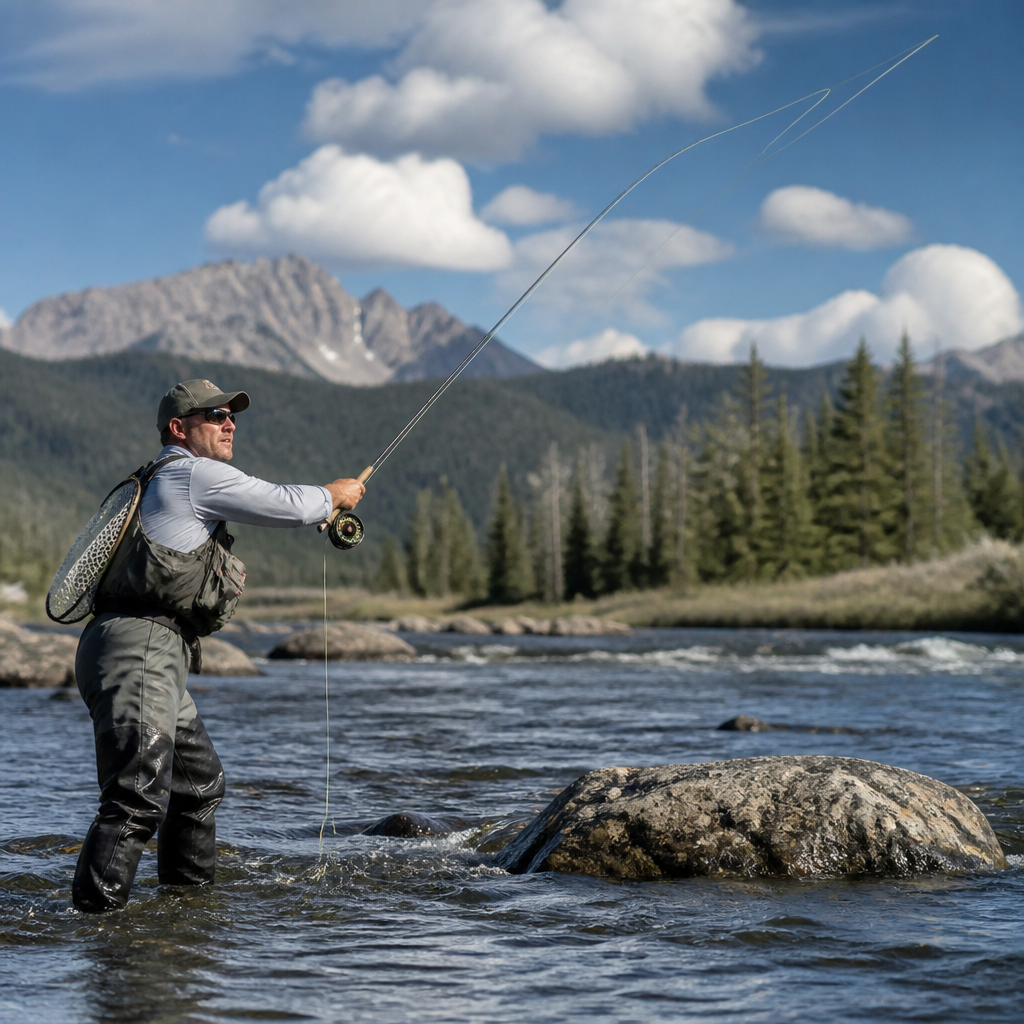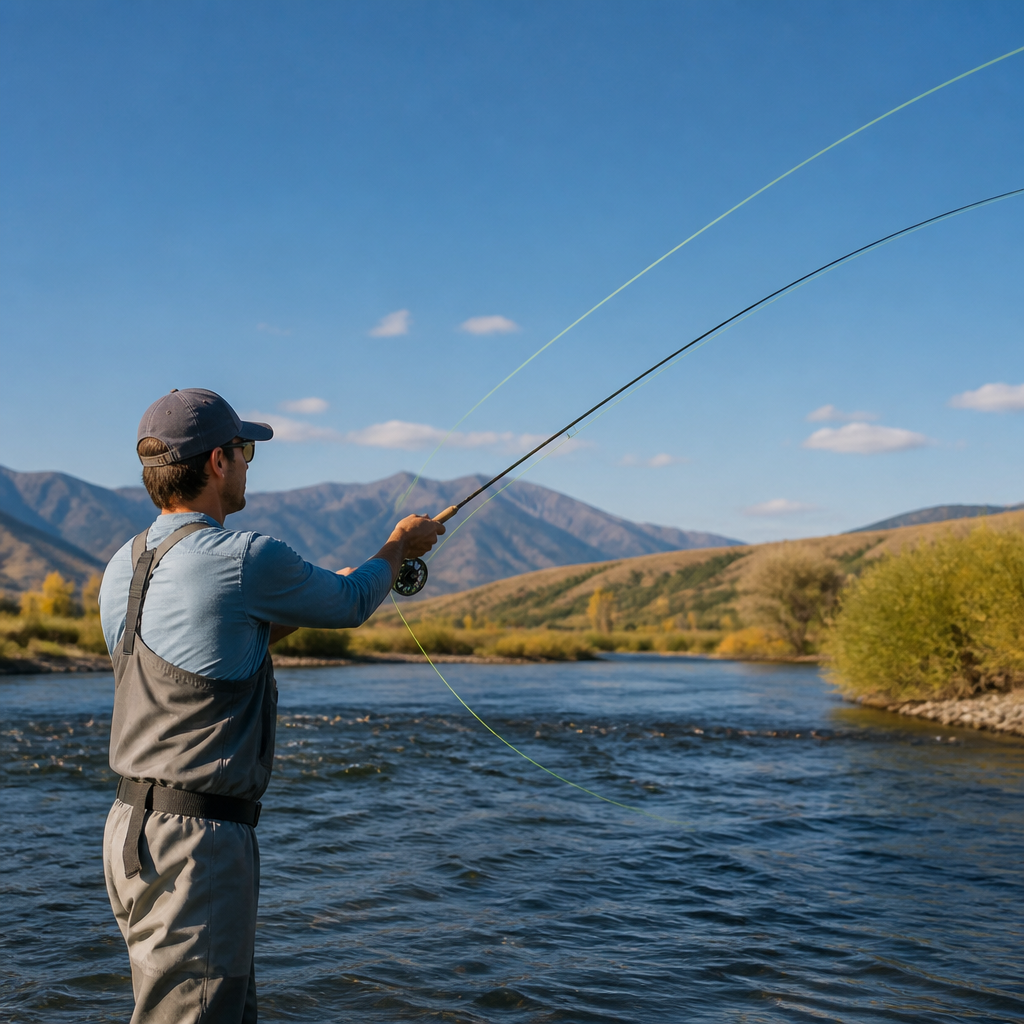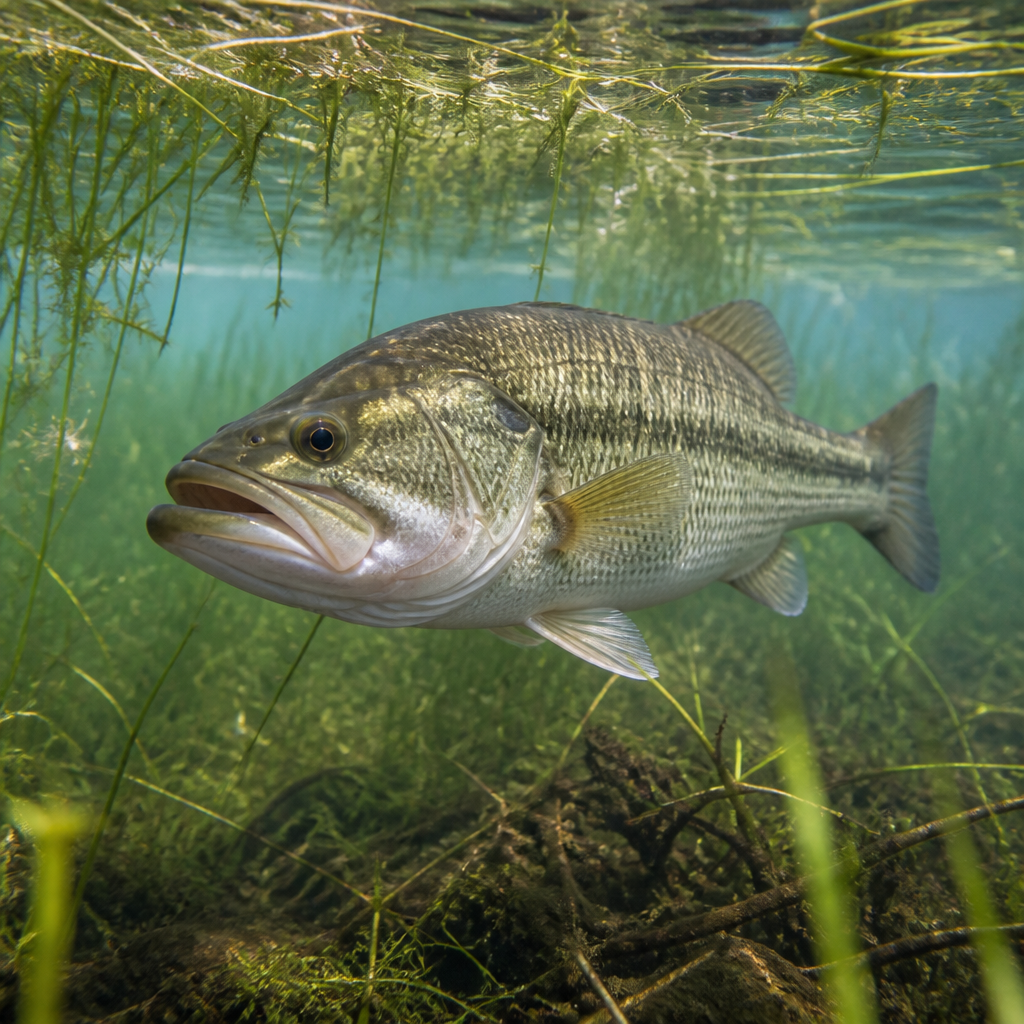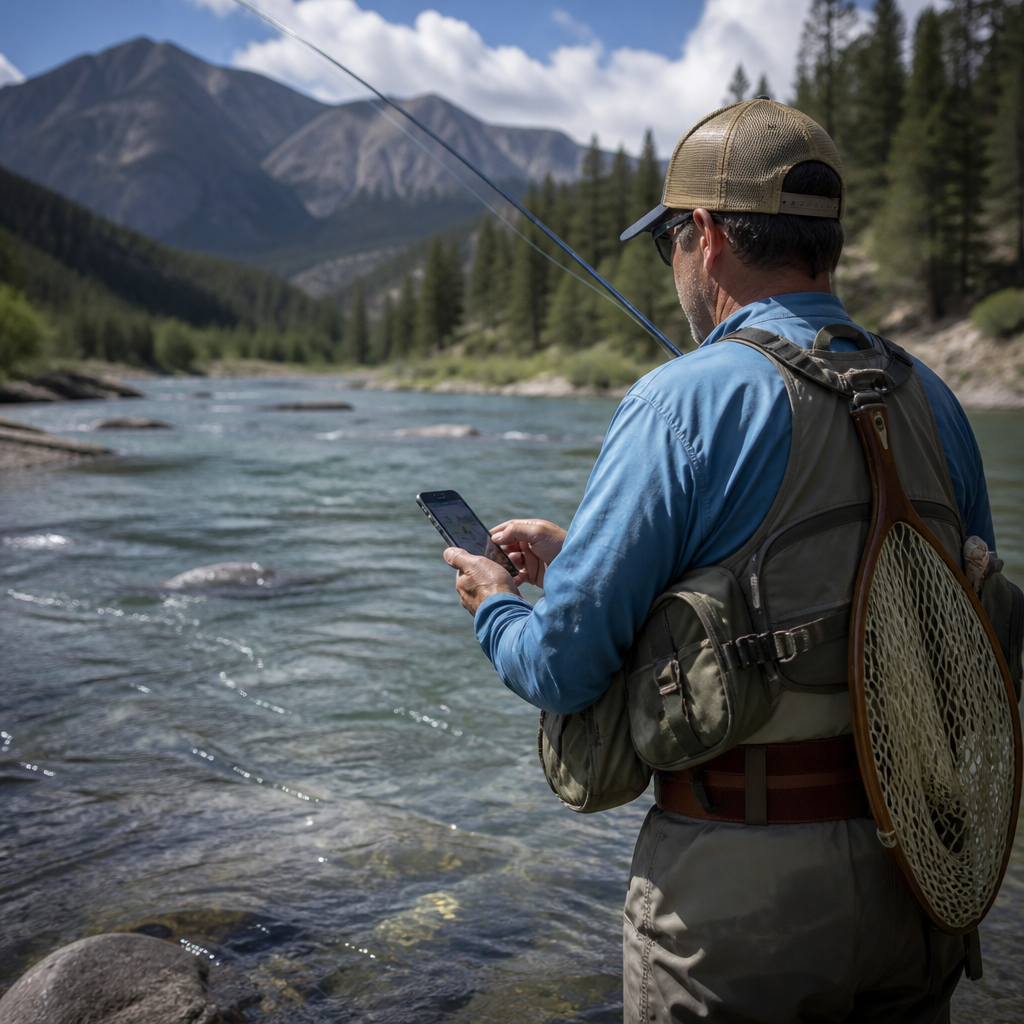
Landing big fish demands more than patience and luck; it requires a disciplined system of advanced strategies that match species behavior, water conditions, tackle performance, and angler decision-making. In practical terms, “big fish” refers to mature specimens of target species such as largemouth bass, striped bass, pike, muskellunge, catfish, salmon, tuna, or carp—fish that have survived years of pressure, learned to avoid obvious presentations, and often feed in narrower windows than smaller fish. “Advanced techniques” means moving beyond basic casting and bait selection into a framework built on seasonal patterning, sonar interpretation, boat control, line and leader engineering, strike triggering, and fish-fighting efficiency. This matters because trophy fish are rare by definition. In most fisheries, the largest individuals make up a tiny percentage of the population, and each mistake—poor angle, wrong retrieve cadence, weak hook penetration, or bad drag setting—dramatically lowers odds. After years on freshwater reservoirs, tidal rivers, and offshore structure, I have seen the same truth repeat: big fish are usually caught by anglers who eliminate avoidable errors and stack small advantages. This hub article explains the advanced techniques that consistently improve trophy outcomes and connects the key ideas serious anglers should master next.
Pattern Big Fish Behavior Before You Pick Up a Rod
The first advanced strategy is to pattern the fish, not just the spot. Smaller fish often scatter across obvious cover, but larger fish tend to hold where they gain feeding advantage while conserving energy. That usually means current seams, depth transitions, irregular structure, shade lines, thermocline edges, bait bottlenecks, or isolated hard cover adjacent to deeper water. In reservoirs, I routinely look for channel swings touching bluff ends, offshore humps with bait present, and secondary points near spawning flats. In rivers, oversized fish commonly position behind current breaks where they can ambush prey without burning calories. Offshore, tuna and amberjack relate to temperature breaks, bait schools, and vertical relief.
Season matters as much as structure. Pre-spawn fish often stage on the first reliable breaks outside spawning areas. Summer fish may feed low-light on shallow targets but spend the day deeper around oxygen-rich zones. In fall, bait movement can override nearly every other variable. In winter, the strike zone contracts, and precise depth control becomes critical. The practical question is simple: where can a mature fish feed efficiently today? Answer that before worrying about lure color. Water temperature, dissolved oxygen, moon phase, light penetration, and forage type all influence the answer. Good anglers note conditions; advanced anglers build repeatable location models from them.
Use Electronics as a Decision Tool, Not a Crutch
Modern sonar, side imaging, down imaging, and forward-facing sonar have transformed trophy fishing, but the best use of electronics is interpretation rather than blind dependence. Electronics help verify three things: fish presence, forage presence, and the exact shape of structure. A side-imaging pass can reveal rock transitions, shell beds, stump rows, and bait clouds long before a cast. Down imaging separates fish from brush more cleanly than traditional 2D sonar. Forward-facing sonar, when legal and appropriate, allows real-time cast placement and depth tracking, especially for suspended predators.
The mistake many anglers make is chasing every mark. Big fish strategy is about filtering. I pay attention to isolated targets, wolf packs of larger arches near bait, and fish positioned in places that suggest intent, such as the up-current edge of cover or the high side of a ledge. Electronics also improve efficiency by telling you when to leave. If a historically productive point has no bait and no life, the disciplined move is to relocate. Tools such as Humminbird MEGA Imaging, Garmin LiveScope, and Lowrance ActiveTarget are powerful, but they still require interpretation grounded in species behavior and local conditions.
Build Tackle Systems for Control, Sensitivity, and Landing Percentage
Advanced anglers think in systems, not single pieces of gear. Rod action, power, reel ratio, line type, leader diameter, hook style, and drag setting must work together. For single-hook techniques around cover, a fast-action rod with enough backbone to drive the hook and turn the fish is usually essential. For treble-hook lures, too-stiff rods can rip hooks free during boatside surges, so a more moderate action often lands more fish. Braided line increases sensitivity and hook power, but in clear water a fluorocarbon leader can reduce visibility and add abrasion resistance. Monofilament still has value for topwater because it floats and provides shock absorption.
One of the most overlooked big-fish adjustments is upsizing terminal components without overkilling the presentation. Heavier split rings, premium snaps where appropriate, stronger trebles, and correctly matched leader material can prevent failures on the one bite that matters. Drag should be measured, not guessed. A common starting point is roughly one-quarter to one-third of the line’s breaking strength, adjusted for cover, hook type, and fighting angle. I have watched anglers lose trophy fish because their drag was either locked down and tore hooks out, or set too light and allowed fish to bury in timber. Precision beats habit.
Match Presentation to Mood, Depth, and Pressure
Lure or bait selection for big fish is less about owning everything and more about matching profile, speed, depth, and deflection to fish mood. Large predators do not always want giant meals. Sometimes a compact jig stroked on deep rock outperforms oversized swimbaits because it stays in the strike zone longer. Other days, a glide bait, magnum soft plastic, live bait rig, or slow-trolled offering draws only quality bites. The advanced question is not “what bait is best?” but “what presentation keeps a believable target in front of the right fish for the longest useful time?”
Retrieve cadence is often the trigger. Pauses near cover, sudden acceleration, bottom contact, or a directional change beside a bait school can convert followers into strikers. Pressure changes this equation. On heavily fished waters, mature fish may ignore standard retrieves but react to altered line angles, longer casts, more natural sink rates, or quieter entries. Live bait anglers face the same principle. Hook placement, sinker style, drift speed, and leader length decide whether a bait looks vulnerable or unnatural. Advanced presentation means controlling details that beginners do not even notice.
Choose the Right Big-Fish Technique for the Situation
Technique selection becomes easier when conditions are compared directly. The table below summarizes where several advanced approaches shine and what tradeoffs they carry.
| Technique | Best Use Case | Main Strength | Primary Limitation |
|---|---|---|---|
| Deep jigging | Fish holding tight to bottom structure or vertical cover | Precise depth control and strong strike triggering | Requires exact boat position and constant line awareness |
| Big swimbaits | Targeting apex predators feeding on large forage | Exceptional size selectivity | Lower bite numbers and high tackle demands |
| Live bait rigs | Neutral fish in clear water, current, or cold conditions | Natural presentation with long strike-zone time | Slower coverage and bait-care complexity |
| Trolling structure edges | Locating suspended or roaming fish over large areas | Efficient search method with repeatable depth control | Needs precise speed management and spread discipline |
| Topwater low-light program | Dawn, dusk, overcast, or feeding windows near surface | Draws explosive reaction strikes from dominant fish | Shorter daily window and lower effectiveness in some conditions |
What this comparison shows is that advanced fishing is situational. Deep jigging excels when fish are pinned to a ledge or wreck. Big swimbaits are powerful when large forage like trout, gizzard shad, or herring dominate the food chain. Live bait becomes deadly when fish inspect presentations closely. Trolling covers water and reveals productive depth bands fast. Topwater can pull giant fish from cover, but only when surface conditions and feeding posture align. Strong anglers rotate techniques based on evidence, not emotion.
Boat Positioning, Casting Angles, and Stealth Win More Trophy Bites
Many trophy fish are lost before the cast because the boat, kayak, or bank position is wrong. Position determines casting angle, lure depth, line control, and how long the bait stays in the strike zone. On ledges, casting up-current and bringing the lure naturally with the flow often looks more realistic than pulling it against current. Around isolated cover, the best angle may be the one that keeps the lure tight to shade longest. On flats, long casts reduce disturbance and prevent pushing fish off subtle feeding lanes.
Stealth matters more in shallow water, clear water, and heavily pressured fisheries. That means reducing trolling motor noise, managing hull slap, avoiding unnecessary deck impact, and making the first cast count. I treat high-percentage targets as finite opportunities. A mature bass under a dock float or a giant pike beside cabbage edge may react to one perfect presentation and ignore five sloppy ones. Wind direction also affects approach. Using wind to drift naturally along a contour can produce better bait movement than fighting it with constant correction. Advanced boat control is not glamorous, but it regularly separates average days from memorable ones.
Master Hooksets, Fight Management, and Landing Execution
Big fish expose weak execution. The strike itself is only part of the job; landing percentage depends on matching the hookset to the technique, maintaining pressure, controlling angles, and preparing for the final moments. With jigs, worms, and single-hook swimbaits, firm hook penetration matters. With treble-hook lures, a sweeping load-up often works better than a violent snap. Circle hooks with live bait require a steady come-tight approach, not a dramatic strike. Each method exists because hook geometry and fish behavior differ.
Once connected, angle control becomes critical. Side pressure can turn a fish more effectively than simply lifting. Keeping the rod loaded while avoiding overhigh angles reduces breakage risk. Drag should slip on surges, especially near the boat where leverage changes fast. Nets should be sized for the target species and used head-first when the fish is under control. For catch-and-release, rubberized nets reduce slime loss and hook tangles. Gloves, lip grips, and jaw spreaders have species-specific roles, but none replace calm handling. In my experience, anglers who rehearse landing steps before the bite make fewer costly errors when a true trophy appears.
Track Data, Build Patterns, and Refine Your Big-Fish System
The fastest path to consistent results is structured review. Keep a log with date, water temperature, weather trend, moon phase, location type, depth, lure or bait, retrieve, and bite window. Over time, patterns emerge that memory alone misses. You may discover that your largest fish on one reservoir come from secondary points during warming spring afternoons, or that a tidal species feeds best two hours before slack on cloudy days. This is how advanced strategy becomes personal and repeatable rather than generic advice.
Refinement also means knowing when to break the rules. If your data says fish usually set up on hard-bottom transitions, but today bait is suspended over timber, adapt quickly. The point of a system is not rigidity; it is faster, better decision-making under changing conditions. Learn a handful of advanced techniques deeply, test them in varied environments, and review outcomes honestly. Landing big fish is never guaranteed, but a disciplined approach sharply improves your odds. Start by auditing one area this week—patterning, electronics, tackle, presentation, or landing execution—and strengthen it with purpose. That single improvement can be the step that turns rare opportunities into fish on the deck, bank, or leader board.
Frequently Asked Questions
What makes catching big fish different from catching average-sized fish?
Big fish are rarely just “more of the same.” Mature fish behave differently because they have survived changing seasons, heavy angling pressure, shifting forage patterns, and countless poor presentations. They often feed less frequently, hold in more efficient positions, and conserve energy in ways smaller fish do not. That means anglers targeting trophy largemouth bass, striped bass, muskellunge, catfish, salmon, tuna, or carp need a strategy built around precision rather than volume. Instead of trying to generate constant bites, the goal is to create a small number of high-probability opportunities.
In practical terms, larger fish tend to favor locations that give them immediate access to food, security, and energy efficiency. That could be a deep edge near a shallow feeding flat, a current seam beside structure, a submerged point, a thermocline-related holding zone, or a transition line where bait concentrates. Big fish also respond strongly to environmental stability. Water temperature, oxygen levels, light penetration, current speed, barometric shifts, and forage availability often matter more than lure color debates or random tackle changes. If the conditions do not align with the species’ preferred feeding window, even perfect presentations can feel dead.
Another major difference is that tackle, drag settings, hook quality, and fish-fighting technique become far more important at trophy size. Small errors that go unnoticed on average fish can cost a once-a-season giant. A mature fish can expose weak knots, dull hooks, poor rod angles, rushed hooksets, or an angler’s tendency to panic near the boat or bank. Advanced anglers prepare for that by thinking through the entire sequence: finding, triggering, hooking, controlling, and landing the fish. The best big-fish anglers are not simply more patient; they are more systematic, more observant, and more disciplined in how they match conditions to fish behavior.
How do I locate trophy fish consistently instead of relying on luck?
Consistent success with big fish starts with understanding location as a process, not a guess. Trophy fish are usually tied to predictable patterns involving seasonal movement, forage concentration, and access to multiple depth or current options. The first step is to identify where your target species should be in a given season. Pre-spawn fish may stage near migration routes and structural breaks, summer fish may relate to oxygen-rich depths or current-fed feeding lanes, and fall fish often position where baitfish are heavily concentrated. Winter patterns, especially in cold-water systems, typically narrow to stable zones where fish can feed efficiently without expending much energy.
After the seasonal framework is clear, narrow the search using high-value structural elements. Focus on areas that combine cover, depth change, ambush advantage, and forage access. For bass that might mean offshore humps, brush, drains, and isolated hard spots. For pike or muskies it could be weed edges, saddles, or bait-rich transition zones. For striped bass and salmon, current breaks, rips, contour intersections, and bait schools are often central. For catfish, deep outside bends, channel ledges, wood, and current seams can hold the biggest individuals. Carp often favor routes between sanctuary zones and feeding areas, especially where natural food accumulates.
Electronics, mapping, and observation dramatically improve this process, but they only help if you interpret them correctly. Side imaging, sonar, and contour maps can reveal bait, bottom composition, fish position, and hidden irregularities that concentrate larger specimens. On rivers, watch current behavior on the surface and connect it to structure below. On lakes and reservoirs, pay attention to wind direction, water color changes, and bird activity. Offshore, temperature breaks, bait stacks, and current lines often matter more than simply marking fish. The key is to stop asking, “Where are fish?” and start asking, “Where can a mature fish feed efficiently, stay safe, and move only when conditions favor it?” That shift in thinking turns random searching into repeatable location strategy.
What tackle and rigging choices matter most when targeting big fish?
When targeting large, mature fish, tackle should be selected as an integrated system rather than as separate pieces. Rod power, action, reel size, drag performance, line type, leader strength, hook design, and terminal connections all need to match the species, environment, and presentation style. The goal is not simply to use “heavier gear,” but to use balanced gear that lets you present naturally while still controlling a fish under pressure. A giant largemouth in thick vegetation requires a different system than open-water striped bass, river catfish, or offshore tuna, but in every case reliability matters more than convenience.
Line and leader decisions are especially important. Braided line offers sensitivity, hook-setting power, and cutting strength in vegetation or current, but visible braid may need a fluorocarbon or monofilament leader in clear water or around wary fish. Fluorocarbon sinks and offers abrasion resistance, which can help around rock, timber, shell, or structure, while monofilament can provide useful stretch with moving baits or live bait rigs. Hook quality should be non-negotiable. Trophy fish expose weak wire, poor penetration, and dull points immediately. Whether you use circle hooks for catfish, heavy flipping hooks for bass, stout trebles for muskies, or live-bait hooks for saltwater species, sharpness and fit to bait size are critical.
Rigging also needs to match fish behavior. Big fish often reject unnatural movement, so the cleanest presentation usually wins. That may mean a properly balanced swimbait, a live bait rig that allows natural swimming action, a carefully pegged Texas rig for penetrating cover, a slip sinker setup that reduces resistance, or a trolling spread tuned to exact depth and speed. Drag should be tested before fishing, not during the fight. Knots should be simple, proven, and retied often after abrasion or repeated fish. Advanced anglers also think about landing equipment before they make a cast or deploy bait. A quality net, fish grips where appropriate, long pliers, jaw spreaders for toothy species, and a clear landing plan prevent last-second chaos. Big fish are often lost in the final moments, and well-chosen tackle reduces those failures dramatically.
How important are timing and feeding windows when trying to land a trophy fish?
Timing is one of the most important factors in big-fish success because mature fish often feed in narrower, more efficient windows than smaller fish. They do not need to eat as recklessly or as often, and many of them have become highly selective after years of pressure and survival. As a result, a spot that seems lifeless for hours can suddenly produce a giant when light, current, tide, wind, temperature, or bait movement changes. Experienced anglers plan around those windows instead of judging a location too quickly.
Low-light periods remain classic big-fish times for a reason. Dawn, dusk, night, cloud cover, and weather transitions can reduce visibility, increase confidence, and push prey into vulnerable positions. But advanced timing goes beyond the obvious. On rivers, current generation schedules, inflow changes, and water release timing can switch fish from inactive to aggressive. In tidal systems, the most productive phase may be the start of incoming water, the final push of outgoing flow, or a short slack-water adjustment period, depending on species and structure. On reservoirs and natural lakes, wind can create feeding opportunities by positioning bait and oxygenating productive banks or points. Offshore anglers often track moon phases, temperature edges, and bait movements because trophy pelagics respond to those cues consistently.
The best way to improve your timing is to keep detailed records. Log the species, size, location type, depth, water temperature, clarity, weather trend, moon phase if relevant, bait presence, and exact bite time. Over time, patterns become obvious. You may discover that your biggest catfish bite just before a storm front, your largest bass feed on the first hard shade line after sunrise, or your best muskies move during short moon-related windows. Timing does not replace good location and presentation, but it amplifies them. If you combine the right place with the right conditions and stay mentally ready during the best feeding period, your odds of landing a true trophy increase sharply.
What are the most common mistakes anglers make when fighting and landing big fish?
The most common mistake is losing composure once a truly big fish is hooked. Many anglers do everything right up to the strike, then rush the fight, over-tighten the drag, change rod angles erratically, or try to force the fish to the net before it is ready. Big fish punish impatience. The correct approach is controlled pressure, steady mechanics, and constant awareness of the fish’s angle, the surrounding structure, and the condition of your line and hook hold. You are not trying to overpower the fish in one moment; you are trying to reduce its options without creating slack or applying reckless force.
Another frequent error is poor drag and rod management. A drag that is too tight causes pulled hooks, broken leaders, and straightened hardware. A drag that is too loose allows the fish to reach cover, gain leverage, or sustain long runs that increase the odds of failure. Rod position matters just as much. High-sticking a rod can break it, while dropping too much pressure at the wrong time can create slack and let the fish shake free. With species