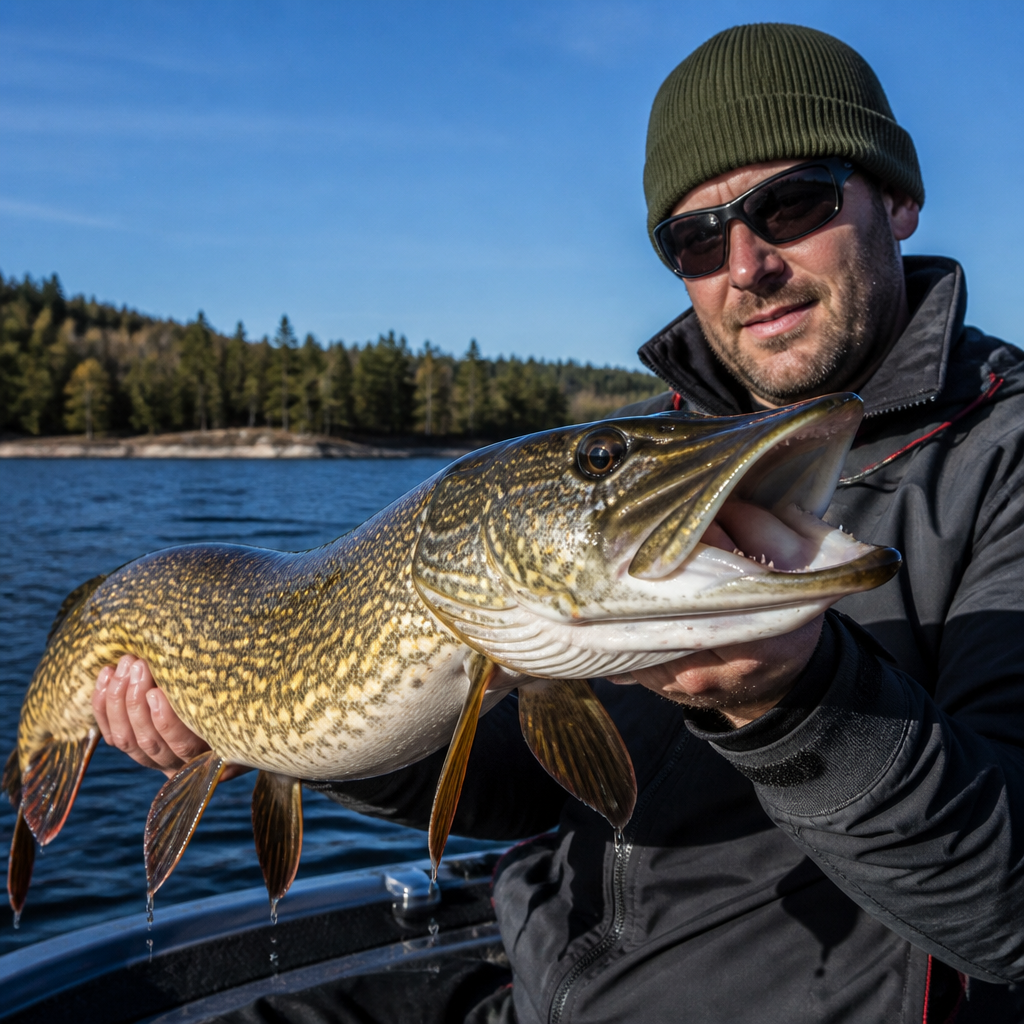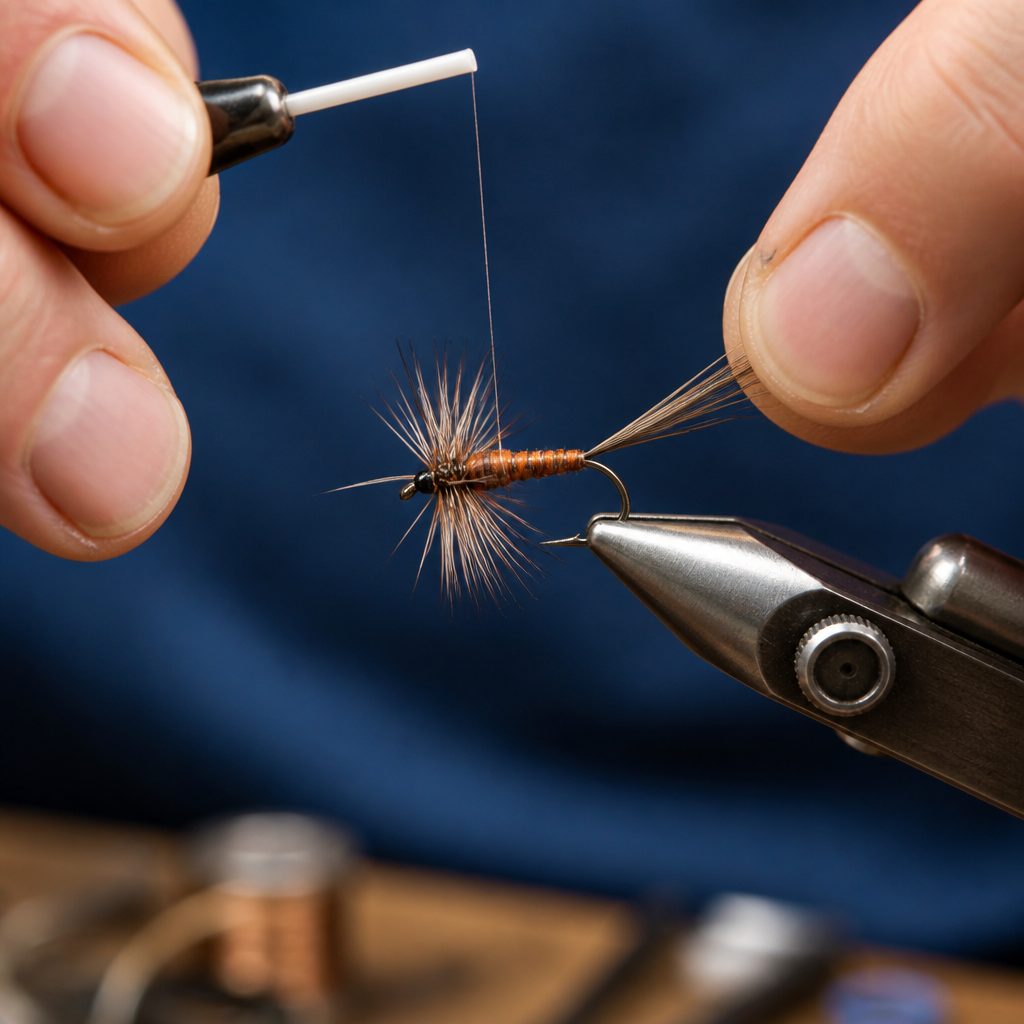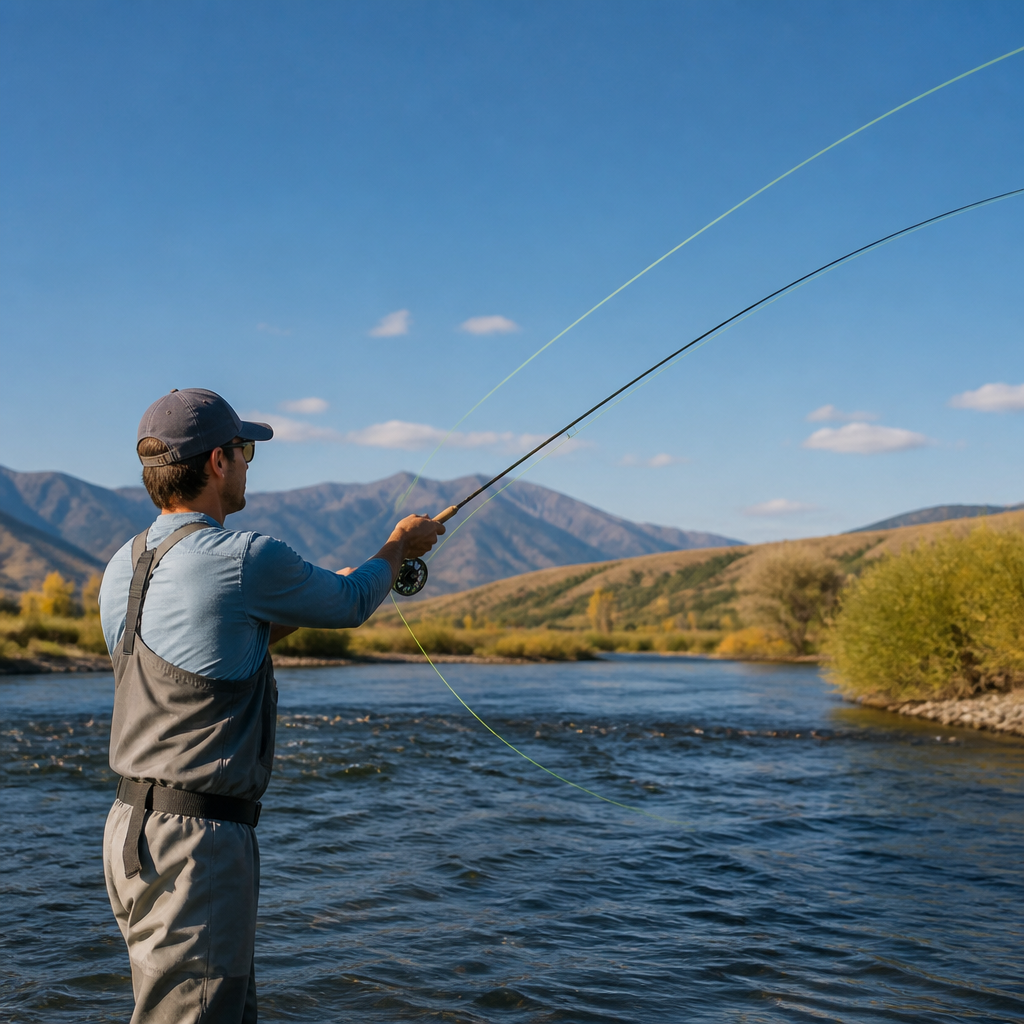
Perfecting your casting is the fastest way to catch more fish, because casting controls distance, accuracy, lure presentation, line management, and ultimately how naturally your bait reaches the strike zone. In fishing, “casting” means loading the rod, transferring energy through the blank, and delivering a lure or fly with enough control that it lands where you intend, with the right entry angle and minimal disturbance. Advanced casting goes beyond simply throwing farther. It includes trajectory control, spool or line speed management, loop shape, timing, body mechanics, wind compensation, skipping, pitching, roll casting, and situational adjustments for cover, current, and boat position. I have coached anglers who upgraded reels, lines, and electronics before fixing their cast, and the results were always the same: expensive gear cannot compensate for poor mechanics. Once the cast is clean, every other part of fishing improves.
This matters because modern fishing rewards precision. Bass tucked under docks, redfish tailing on shallow flats, trout rising along seam lines, and surf species feeding past a breaker all require different presentations, but each starts with a cast that matches the target. Better casting also reduces fatigue and prevents common failures such as backlashes, tailing loops, cracked-offs, and line slap through guides. For anglers building a complete “Advanced Techniques” skill set, casting is the hub skill that connects lure selection, retrieve cadence, boat positioning, and fish behavior. If you cannot place a bait under a pontoon cable, land a jig on a current seam, or drop a fly upwind of a cruising fish, the rest of your strategy never gets a chance to work. Mastery comes from repeatable mechanics, deliberate drills, and feedback you can trust, not from random practice.
Key terms help frame the work. Accuracy is hitting a chosen target consistently. Distance is useful only when it does not sacrifice control. Trajectory is the path the lure or fly takes in the air; lower trajectories help under overhangs, while higher ones clear shoreline brush. Line management refers to controlling slack, spool speed, and line path before, during, and after the cast. Loading the rod means bending it enough to store energy; timing means releasing that energy at the right moment. Presentation is how the lure lands and begins fishing immediately. Across spinning, baitcasting, and fly tackle, the principles are remarkably similar: efficient motion, clean energy transfer, and adaptation to conditions. The anglers who improve fastest treat casting like a measurable athletic movement. They isolate variables, practice with intent, and build drills around real fishing scenarios rather than mindless repetitions in an open field.
Build a Repeatable Casting Foundation
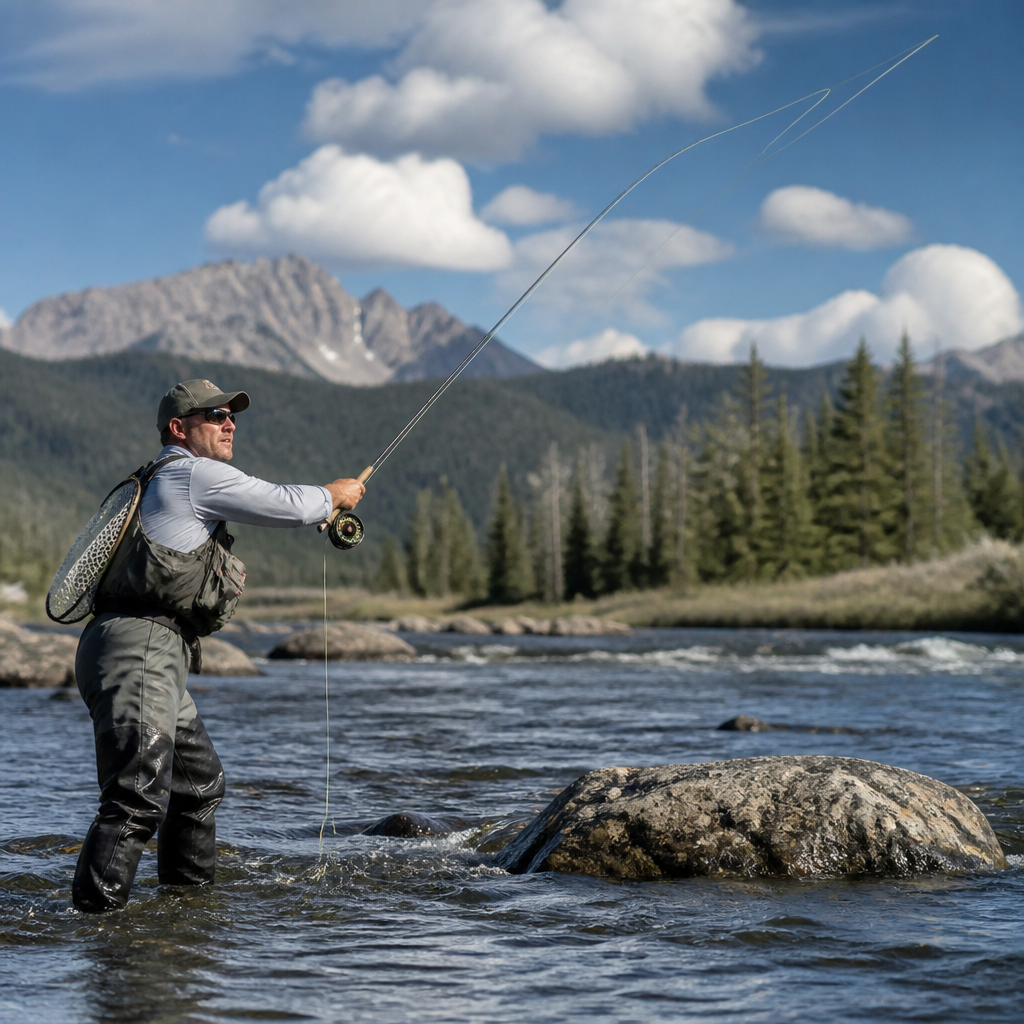
Advanced casting starts with posture, grip, and sequencing. Stand balanced, with your lead foot slightly forward and your hips free to rotate. On baitcasting and spinning tackle, grip pressure should be firm enough to stabilize the rod but light enough to preserve feel. A death grip slows the tip and disrupts timing. The cast should flow from larger muscles to smaller ones: weight shift, torso rotation, shoulder movement, forearm acceleration, then a crisp stop that allows the rod to unload. Many anglers overuse the wrist and underuse the body. That creates wild release points, inconsistent trajectories, and shoulder fatigue. In fly casting, the same principle applies through a compact stroke and positive stops, with the line doing the work rather than brute force.
The most common technical error I see is rushing the transition. On a backcast, anglers often begin the forward cast before the line or lure fully straightens, which bleeds energy and opens the loop. On conventional tackle, this shows up as line snapping forward unevenly or baits sailing high and left or right of target. On a fly rod, it produces tailing loops and collapsing presentations. Fix timing first. Count a brief pause on the backcast, feel the rod load, then drive forward on a straight path. For baitcasters, brake settings and spool tension should support learning, not maximum distance. Start with moderate brakes and just enough tension to control lure fall. As mechanics improve, back off assistance gradually. For spinning reels, focus on line lay, closing the bail by hand, and avoiding oversized loops that trigger wind knots.
Control Distance, Accuracy, and Trajectory
Distance comes from efficient rod loading and a clean release, not from casting harder. With baitcasting gear, choose a rod power that matches lure weight, because underloading a stiff rod costs energy while overloading creates a sloppy release. A 3/8-ounce jig on a medium-heavy fast rod is a standard benchmark because the blank loads predictably. With spinning gear, thin braided main line and an appropriately long fluorocarbon leader can improve distance by reducing friction, but only if the leader knot passes guides smoothly. The FG knot remains a top choice because it is slim and strong when tied correctly. In fly fishing, line speed determines distance. Tight loops, crisp stops, and proper haul timing matter more than muscular effort. Double hauling can add substantial line speed, but if the tracking path is crooked, the extra speed simply magnifies errors.
Accuracy depends on repeatable release points and visual discipline. Pick a specific target the size of a dinner plate, not a general area like “near the dock.” Keep the rod tip tracking toward that point and finish with the tip where you want the lure to travel. Lower trajectories are useful for skipping and shooting under limbs; higher arcs help clear grass edges or riprap. Wind changes everything. Into a headwind, tighten loops or lower lure trajectory and avoid lightweight, high-drag presentations. With a crosswind, offset your aim and choose a casting plane that keeps line away from your body. Following wind can increase distance but may introduce slack on landing, so prepare to engage the reel instantly. Good casters do not force one default motion onto every problem. They alter angle, power, and finish to match the window they have.
Use Purpose-Built Drills That Transfer to the Water
Deliberate practice beats volume. I prefer short sessions of twenty to thirty minutes with a measurable goal: ten accurate pitches at twenty feet, six skips under a target rope, or five fly casts that land with controlled slack upstream of a marker. Practice in the yard, a park, or an empty boat ramp using casting plugs, yarn flies, or hookless lures. Mark distances with cones or tape. Film from the side and from behind. Slow-motion video reveals release errors, drift, and rod tip bounce better than memory ever will. If you fish from a boat, practice while standing on a cooler or casting deck substitute to mimic elevation and balance. If you wade, rehearse from uneven footing. Skill transfers best when the drill resembles the fishing context.
| Drill | Purpose | How to Run It | What Good Looks Like |
|---|---|---|---|
| Plate Accuracy Drill | Improve target focus and release consistency | Place paper plates at 20, 30, and 40 feet; make five casts to each | At least 70 percent land within one rod length of the plate |
| Trajectory Ladder | Control cast height | Cast under a rope, then over a cone, alternating low and high paths | Trajectory changes without major loss of accuracy |
| Skip Progression | Build dock-skipping mechanics | Start with sidearm casts to open pavement, then skip under a low line | Lure contacts surface two to four times and tracks flat |
| Backcast Pause Drill | Fix rushed timing in fly casting | Say “stop-wait-go” on each false cast and final delivery | Loops stay tight and unroll fully before the forward stroke |
| One-Step Pressure Drill | Add realism and decision speed | Take one step to a random station and cast within three seconds | Accurate first delivery without extra false motions |
These drills work because they isolate one variable at a time. The plate drill teaches visual commitment and release timing. The trajectory ladder forces you to manage rod angle intentionally. The skip progression uses immediate feedback: if the lure bounces high, your entry angle is too steep; if it digs, the lure is too heavy or the rod path is downward. In my own practice logs, tracking first-cast accuracy has been more useful than tracking average distance. Fishable presentations usually happen on the first cast, especially to visible cover or cruising fish. Build pressure into training by changing targets, shortening setup time, and requiring a clean follow-up cast after a deliberate “bad skip” or simulated backlash. That teaches recovery, which is part of advanced performance.
Master Technique-Specific Casts for Real Situations
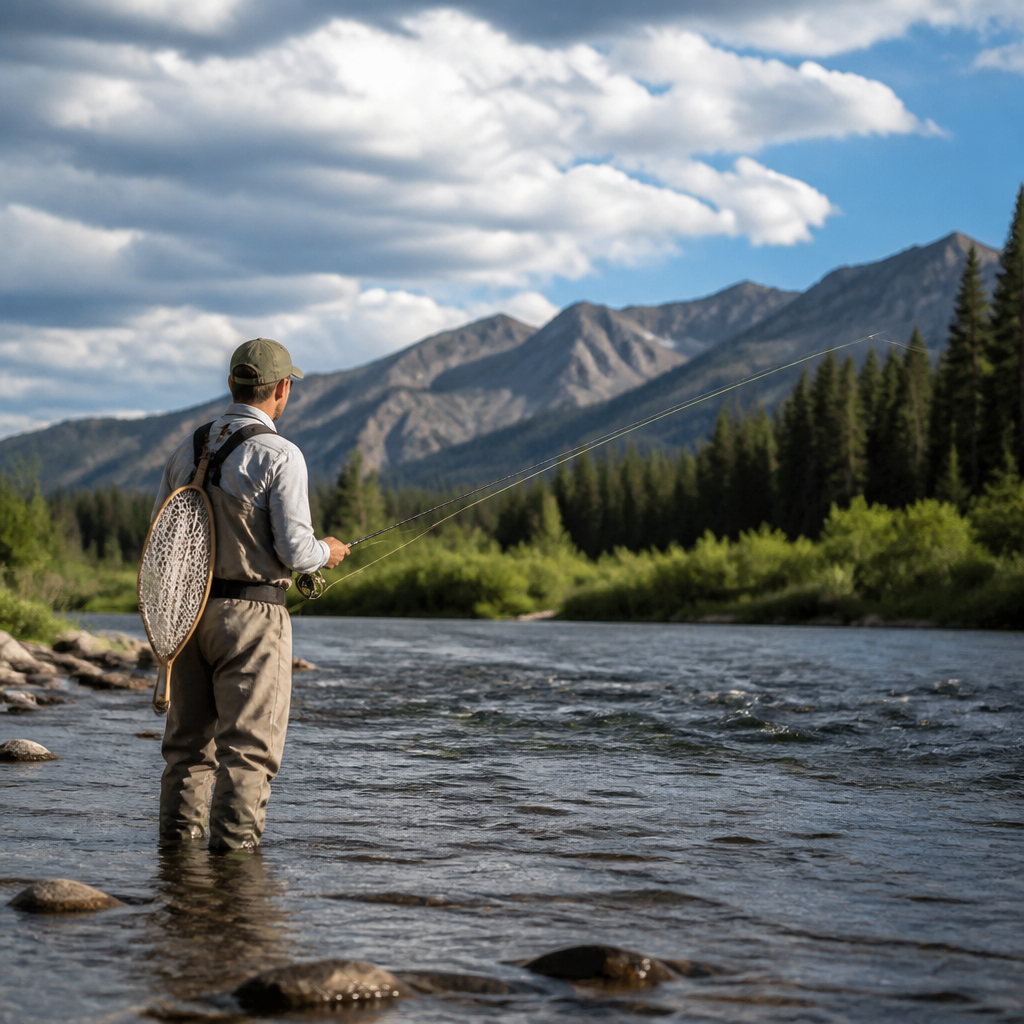
Every serious angler should own a small menu of specialized casts. The pitch is indispensable for bass around wood, reeds, and dock poles because it enters quietly and stays connected to the reel for immediate control. The flip is even quieter at short range and excels when dissecting repetitive targets. The skip cast extends reach far under cover by using a flat entry angle, compact sidearm stroke, and lures that plane well, such as jigs with streamlined trailers. In saltwater, the quick backhand cast matters when a fish appears on your weak side and there is no time to reposition. In fly fishing, the roll cast is essential where brush blocks the backcast, while the reach cast and curve cast create drag-free drifts in current. These are not tricks. They are practical solutions to common presentation problems.
Learn each cast by linking mechanics to use case. A pitch uses pendulum energy and a short rod swing, so it is ideal when targets are close and quiet entry matters more than distance. A skip cast demands a lower rod plane and a lure that behaves like a flat stone, which is why a bulky spinnerbait is harder to skip than a compact skipping jig. A roll cast works because water tension anchors the line, letting the rod load without room behind you. The double haul matters when wind or distance requires extra line speed. Match tackle accordingly. A high-speed baitcaster can help pick up slack after a pitch, but braking must be tuned for low, fast spool startup. A fast-action fly rod can generate speed in wind, but without smooth timing it becomes unforgiving. The right cast, paired with the right tool, turns difficult water into available water.
Troubleshoot Common Advanced Casting Problems
When casts fail, diagnose the symptom instead of guessing. A baitcaster backlash at the start of the cast usually means the spool accelerates faster than the lure; increase braking, smooth the stroke, or use a heavier practice weight. A backlash near splashdown points to poor thumb control or a lure losing speed in wind. Line slap and noisy guide contact often signal an overly wide path or mismatched line and rod setup. On spinning gear, wind knots come from loose line on the spool, oversized line diameter, or opening and closing the bail carelessly. In fly casting, tailing loops usually result from an uneven power application or a convex rod tip path, often caused by overpowering the stroke. Wide, lazy loops suggest insufficient line tension, weak stops, or too long a casting arc for the amount of line outside the tip.
Use a simple correction sequence. First, reduce variables: shorten line, increase control settings, and cast in calmer conditions. Second, check mechanics on video. Third, inspect equipment. Dirty fly lines, worn levelwind systems, chipped guides, and grooved stripping guides all degrade performance. Fourth, test one change at a time. I have seen anglers chase accuracy by replacing rods when the real issue was standing too square to the target, or blame wind knots on braid when the leader was too long and the knot was hanging in the tip-top. Advanced casters are methodical. They know that problems leave clues, and they trust evidence over frustration.
Build a Long-Term Improvement Plan
Lasting gains come from structured progression. Set benchmark skills for each tackle system: with baitcasting, hit a one-foot target at twenty-five feet with a pitch, skip under a dock line at fifteen feet, and land a controlled overhead cast at forty feet without overrunning the spool. With spinning tackle, deliver light lures accurately in wind and manage slack immediately on splashdown. With fly gear, form consistent tight loops, execute a dependable roll cast, and add an efficient double haul. Keep a practice log with date, weather, tackle, drill, and result. That record will show patterns quickly. Many anglers cast worse in quartering wind from their off side or lose mechanics when they rush. Knowing that lets you target weakness directly.
As this advanced techniques hub makes clear, perfect casting is not one isolated talent. It supports lure presentation, boat control, current reading, and hook-setting efficiency across freshwater and saltwater fishing. The path is straightforward: build a repeatable foundation, control distance and trajectory, practice with drills that mirror real conditions, learn specialized casts for specific problems, and troubleshoot with evidence. Improvement is visible when your first cast lands ready to fish, your misses become predictable instead of random, and your body feels smoother rather than strained. Start with one drill, one target distance, and one correction this week. Then connect those gains to the rest of your fishing strategy, because better casting turns good decisions into fish in the net.
Frequently Asked Questions
Why is casting accuracy more important than simply casting farther?
Casting farther can be helpful in some situations, but accuracy usually catches more fish because it puts your lure in the strike zone more consistently. Fish often position themselves around specific pieces of structure, current seams, weed edges, dock posts, laydowns, or pockets in cover. If your cast lands five or ten feet off target, you may be fishing empty water even though you achieved impressive distance. Accurate casting also improves lure presentation. A bait that lands softly and on the correct angle looks more natural, while a cast that splashes loudly or lands past the target can spook fish or force the lure to move unnaturally through the zone.
Another reason accuracy matters is efficiency. Anglers who can place a lure where they want on the first try spend more time fishing effectively and less time making correction casts. This is especially important when covering water or targeting fish that react to a brief window of opportunity. In practical terms, better accuracy improves line control, reduces snagging, and helps you work your bait through the exact path fish are expecting prey to travel. Distance still matters when you need to stay back from shallow fish, reach schooling activity, or cover open water, but in most day-to-day fishing scenarios, controlled placement beats raw power. The best casters learn to combine enough distance with repeatable precision, because fish are usually caught from well-placed presentations rather than maximum-effort throws.
What are the most common casting mistakes anglers make?
One of the most common mistakes is trying to cast too hard. Many anglers assume more force automatically means more distance, but overpowering the cast usually creates timing problems, poor rod loading, wider loops, backlashes, wind knots, or loss of accuracy. A rod is designed to load and unload energy efficiently, so smooth acceleration and clean timing are usually more effective than brute force. Another frequent mistake is releasing the line or lure at the wrong point in the casting motion. Release too early and the cast sails high; release too late and it drives low or crashes down short of the target. Small timing errors can make a major difference.
Poor stance and body alignment also cause trouble. If your feet, shoulders, and rod tip are not oriented toward the target, consistency becomes difficult. Many anglers rely only on their arms when they should be using a balanced, compact motion that includes proper wrist control and, when appropriate, subtle body rotation. Slack line before the cast is another issue, because it interferes with clean rod loading and reduces control from the very start. In spinning gear, overfilling the spool, using twisted line, or allowing loose loops to form can create tangles and rob distance. In baitcasting gear, poorly adjusted spool tension and brakes often lead to backlashes. Anglers also make the mistake of ignoring trajectory. A low sidearm cast may be ideal under docks, while a higher cast may help clear shoreline grass or keep a lure above waves. Advanced casting is about matching the cast to the target, wind, lure weight, and surrounding obstacles, not using the same motion every time.
How can I improve my casting technique quickly?
The fastest way to improve is to practice with a purpose rather than just making random casts. Start by focusing on the fundamentals: a balanced stance, eyes locked on the target, minimal slack in the line, and a smooth acceleration that allows the rod to load properly. Aim for controlled mechanics instead of power. Pick a safe practice area such as a yard, park, or open shoreline, then place targets at different distances and angles. Buckets, paper plates, cones, or hula hoops work well. Begin with short casts, because short-range precision builds the timing and rod control that transfer to longer casts later. Once you can repeatedly hit close targets, gradually increase distance without sacrificing accuracy.
It also helps to isolate specific variables. Practice overhead casts for general distance and line control, sidearm casts for low trajectories, and pitching or flipping drills for close cover. If you use spinning tackle, work on reducing line twist and learning a clean release. If you use baitcasting gear, spend time dialing in spool tension and braking so the reel matches the lure weight and your casting speed. Recording yourself can reveal flaws you may not feel in the moment, such as a rushed forward stroke, exaggerated wrist snap, or inconsistent release point. Wind practice is valuable too, because real-world fishing rarely happens in perfect conditions. Spend a few sessions learning how headwinds, crosswinds, and tailwinds change trajectory and line behavior. Most importantly, track improvement. Measure how many of ten casts land within a chosen target area. That creates immediate feedback and turns practice into a skill-building routine rather than casual repetition.
What are the best casting drills for improving distance, accuracy, and lure presentation?
A strong all-around drill is the multi-target accuracy circuit. Set up several targets at different distances and directions, then make one cast to each in sequence without repeating the same angle twice in a row. This simulates real fishing better than casting to a single spot, because it forces you to reset your stance, adjust power, and control trajectory each time. For distance, use a smooth-power progression drill. Make five casts at 50 percent effort, five at 70 percent, and five at 85 percent, focusing on technique rather than speed. Many anglers discover that their longest and cleanest casts happen below maximum effort, because the rod loads more efficiently and the line flows better.
For lure presentation, practice entry control. Place targets in shallow water or on grass and work on landing the lure softly just beyond, beside, or directly into the target zone depending on the scenario. This teaches you to think beyond where the cast lands and consider how the lure begins its path through the water. Another excellent drill is obstacle casting. Use chairs, cones, or hanging markers to create “dock gaps,” “branches,” or “weed lanes,” then practice sending the lure through or under those windows. Sidearm skip practice is especially useful for anglers targeting fish under overhangs or docks. You can also do a line-management drill by making a cast, then immediately controlling slack as if the lure were falling on semi-slack line or drifting in current. That bridges the gap between casting and fishing, which is important because a perfect cast loses value if the line lands in a pile or prevents a natural presentation. The best drills are the ones that train not only where the lure lands, but also how it arrives and what your line is doing the moment it touches down.
How do I adjust my casting for wind, lure type, and fishing conditions?
Good casters make constant adjustments based on conditions. In the wind, the key is controlling trajectory and line exposure. Into a headwind, a lower, more penetrating cast usually works better because it keeps the lure out of the strongest airflow and reduces line bow. With a tailwind, you can often let the cast travel a little higher and longer. In crosswinds, it helps to aim slightly upwind and use a compact stroke that limits excess line in the air. Heavier or more aerodynamic lures naturally cast better in windy conditions, while lighter baits, bulky soft plastics, and air-resistant rigs require more finesse and usually a shorter, tighter casting style.
Lure type should always influence your approach. Treble-hook baits, weightless plastics, spinnerbaits, jigs, crankbaits, and flies all behave differently in the air and on entry. A topwater lure may need a precise landing lane to start working correctly, while a jig may need to enter quietly next to hard cover. If fish are shallow and spooky, soften the entry and stay off the target with your body position and boat angle. If you are fishing current, think about where the lure needs to land so it drifts or swings naturally into the fish’s holding area. In tight quarters, shorten your stroke and rely on compact, repeatable mechanics. In open water, you may prioritize distance and line pickup. Rod action, line type, and reel setup matter as well, because they affect loading, recovery, and how efficiently energy transfers to the lure. The most effective anglers are adaptable. They do not force one favorite cast in every situation; they read the conditions, choose the right trajectory and power level, and deliver the lure in a way that gives it the most natural and fishable presentation possible.