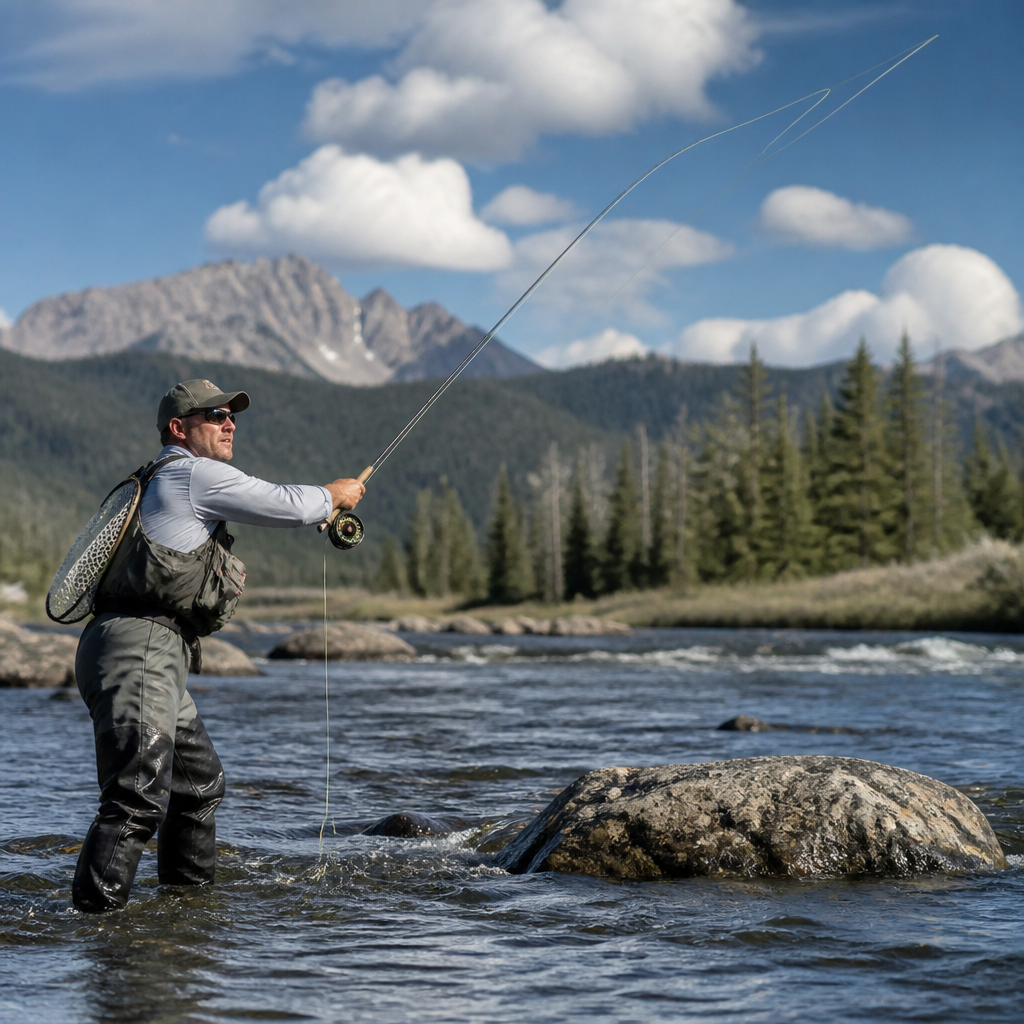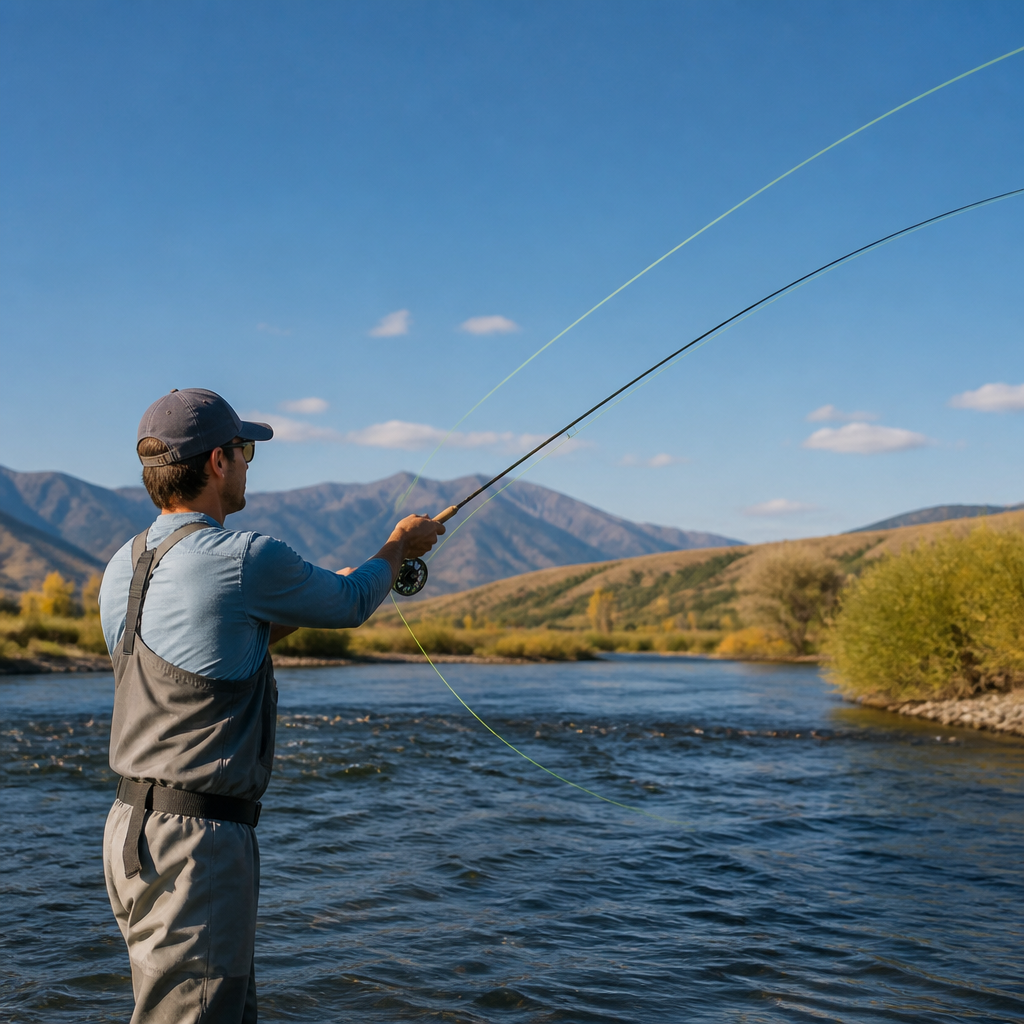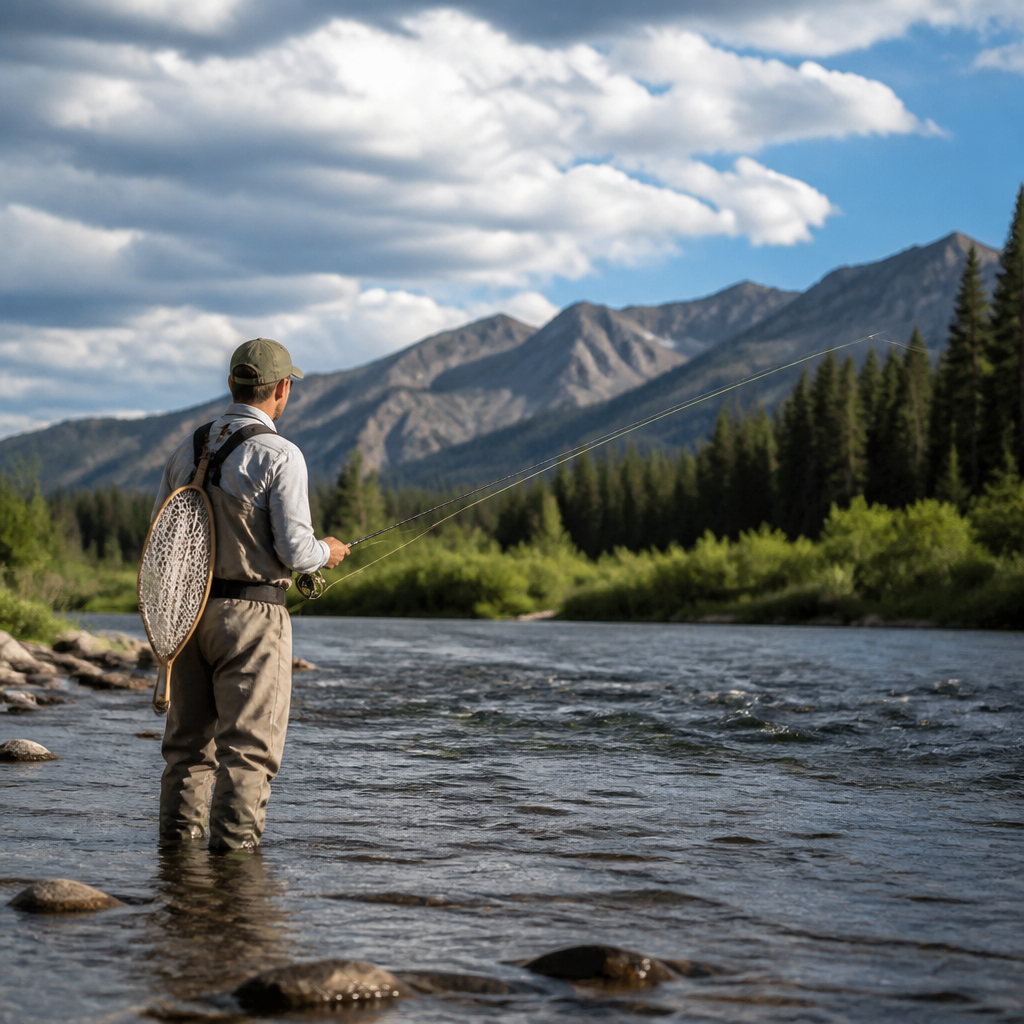
Writing about fly fishing at an advanced level requires more than knowing how to cast, mend, and choose flies; it requires translating technical decisions on the water into clear, useful prose that helps skilled anglers refine results. In this context, advanced techniques means the set of higher-order tactics used after an angler has mastered basic presentation: controlling drag with aerial and on-water mends, reading complex current seams, targeting selective fish, adapting to entomology, and managing depth, angle, and speed with intent. A hub article on advanced techniques must do two jobs at once. It must stand alone as a practical guide for readers searching for direct answers, and it must also organize the broader subject so related articles on nymphing, streamer tactics, euro rigs, dry-dropper systems, lake methods, and fish behavior all make sense as part of one framework.
I have written and edited enough fly fishing instruction to know where most advanced articles fail. They either become vague lifestyle copy with pretty scenery and little instruction, or they drown readers in jargon without explaining what changes outcomes. Good writing about fly fishing techniques and strategies is different. It defines the variables, shows the relationship between conditions and tactics, and uses specific examples a serious angler can test on the next trip. If a paragraph on slack line casts does not explain when the cast buys extra drift time, in which current structure, and at what tradeoff in hook-setting speed, it is incomplete. Precision is not optional when the audience already knows the basics.
This matters because advanced readers are not looking for inspiration alone. They want decision-making help. They want to know why trout refuse a clean drift in glassy tailouts, when to switch from indicator nymphing to tight-line methods, how water temperature changes streamer cadence, and which observations deserve emphasis in a fishing report or how-to piece. For a sub-pillar hub under techniques and strategies, the goal is to give that reader a reliable map: the core concepts, the language, the practical benchmarks, and the pathways to deeper coverage. When writing about fly fishing well, your authority comes from accurately describing what expert anglers actually do, why they do it, and where the limits of each tactic appear.
Build the Hub Around the Core Variables That Control Success
The strongest advanced fly fishing articles are organized around variables, not around random tips. On the water, nearly every tactical choice can be traced to a short list: depth, current speed, drift angle, line control, visibility, forage type, and fish position. When I plan a hub page, I start by framing those variables clearly because they connect every advanced technique. Euro nymphing, for example, is not just a style; it is a system for maximizing contact and depth control in specific current structures. Streamer fishing is not simply “stripping big flies”; it is the deliberate manipulation of angle, sink rate, and retrieve speed to trigger predatory or territorial responses. Dry-fly fishing at an advanced level is often a line-control problem before it is a fly-pattern problem.
That framework helps readers understand transfer, which is the mark of useful instruction. If they learn that drag occurs when currents of different speeds pull line and leader at conflicting rates, they can apply that idea whether they are fishing size 22 midges on a spring creek or a dry-dropper rig on a freestone river. Define key terms precisely. Distinguish dead drift from controlled drift. Explain that strike zone means the three-dimensional lane where the fish can intercept the fly with minimal energy cost. Clarify that presentation angle affects not only visibility but also how quickly the line tightens during a hook set. A hub page should teach these concepts once, then point readers toward specialized articles that deepen each one.
Advanced technique writing also benefits from naming the contexts in which decisions change. Pocket water, riffle corners, foam lines, undercut banks, plunge pools, tailouts, spring creeks, lakes, and tidal estuaries create different problems. Readers trust an article more when those distinctions are explicit. A sentence like “mend upstream to reduce drag” is too thin. A stronger explanation states that an upstream mend is most effective when the line lands in faster current than the fly, and that too aggressive a mend can move the fly unnaturally or displace a small indicator. Real instruction lives in those details.
Explain Advanced Presentation With Cause and Effect
Presentation is where advanced fly fishing becomes visible on the page. Experienced anglers already understand that fish rarely reward a sloppy drift, but many articles still describe presentation in clichés. Better writing explains cause and effect. Reach casts, parachute casts, pile casts, and wiggle casts all buy slack in different ways. The reason to discuss them is not to list names; it is to show what each cast solves. A reach cast repositions line before it lands, extending a drag-free drift across conflicting seams. A pile cast introduces intentional slack for downstream presentations where immediate tension would skate the fly. A wiggle cast can help during close-range dry-fly work when micro-currents would otherwise tighten the leader instantly.
Mending deserves the same treatment. Separate aerial mends from on-water mends, and tell readers when each matters. An aerial mend preserves a cleaner drift because it moves line before currents grab it. An on-water mend is often a recovery tool once the line has landed, useful but inherently more disruptive. If you are writing a section that supports later articles on dry flies, nymphs, and emergers, explain how the same mend changes meaning by technique. With a dry fly, the objective is often extended float without visible skitter. With an indicator rig, the objective may be keeping the leader butt from pulling the bobber ahead of the flies. With a tight-line setup, the “mend” may be more about repositioning the rod and sighter than moving floating line.
Hook-set timing is another overlooked subject. Skilled anglers know that delayed reactions and rod-lift habits lose fish. In prose, specify the mechanics. On a downstream dry-fly presentation, trout may eat and turn before the angler feels tension, so a sideways set can improve connection. In euro nymphing, contact is direct enough that hesitation often means a missed chance. In streamer fishing, trout may slash short, pin a fly, or eat on the pause, so writers should distinguish strip sets from trout sets and explain why lifting the rod can pull a streamer out of the fish’s mouth. These distinctions turn generic advice into advanced instruction.
Make Water Reading the Center of Every Advanced Techniques Guide
If there is one topic that separates intermediate from advanced fly fishing, it is reading water accurately. Strong writing on advanced techniques should treat water reading as the operating system behind all tactical decisions. Fish position is governed by three practical needs: access to food, protection from current, and security from predators. That means the best lies are usually not random. They are cushions beside rocks, soft seams adjacent to speed, shelves near drop-offs, tongues entering pools, or undercut banks that provide shade and overhead cover.
When describing a run, write vertically and horizontally. Horizontally, note where the fast and slow currents meet because seams concentrate food and create efficient feeding lanes. Vertically, note whether trout are suspended, hugging bottom, or rising through the column. This is especially important in nymphing and lake articles linked from the hub. Many anglers change flies when they actually need to change depth by six inches or adjust lead placement. The article should say so plainly. In rivers, fish often hold where they can move only a short distance to intercept insects. In lakes, cruising trout may patrol weed edges, shoals, inlets, and drop-offs according to oxygen levels, light penetration, and food availability.
Use examples that reflect real observation. During caddis activity on a freestone river, trout may refuse to hold in obvious riffle heads and instead slide into softer edge lanes where emergers collect. On a spring creek, fish in shallow tailouts may reject a perfect pattern because micro-drag appears instantly over a short drift path. In high, slightly off-color water, trout often shift closer to banks, slower inside bends, or the soft side of structure because they can conserve energy there. Articles that explain these shifts teach readers how to think, not just what to try.
| Condition | Likely Fish Position | Advanced Adjustment |
|---|---|---|
| Low, clear water | Tailouts, shade lines, undercut banks | Longer leaders, finer tippet, longer drifts, reduced false casting |
| High, cold runoff | Soft edges, inside seams, slower buckets | Heavier flies, shorter drifts, tighter angles, slower presentations |
| Bright midday sun | Depth, cover, broken surface water | Target structure, fish deeper, use stealth on approach |
| Active hatch with refusals | Selective feeding lanes | Match stage, improve drag control, refine angle before changing pattern |
Cover Specialized Tactics as Interconnected Systems
A sub-pillar hub on advanced techniques should introduce specialized methods without pretending one style solves everything. Indicator nymphing, euro nymphing, dry-dropper fishing, streamer fishing, stillwater tactics, and night fishing each deserve dedicated articles, but the hub should explain the strategic role of each. Indicator nymphing excels when you need controlled depth, visible strike detection, and enough versatility to cover mixed current speeds. Euro nymphing shines in shorter to medium ranges where contact, sink rate control, and sensitivity matter more than broad drifts. Dry-dropper systems bridge topwater visibility with subsurface coverage, especially in broken water where trout are opportunistic rather than hyper-selective.
Streamer fishing deserves especially careful treatment because many articles romanticize it instead of explaining it. Advanced streamer fishing hinges on three interacting variables: fly profile, sink behavior, and retrieve cadence. A weighted articulated streamer swung broadside through a bank shadow sends a different signal than a lightly weighted baitfish stripped erratically over a gravel shelf. Water temperature matters. In colder water, slower strips and longer pauses often keep the fly in the fish’s window longer. In warmer conditions, more aggressive retrieves may trigger chase responses. Mention recognized tools and systems where relevant, such as sink-tip lines, full-sink lines, fluorocarbon leaders for abrasion resistance and sink characteristics, and articulated patterns inspired by baitfish, sculpins, or leeches.
Stillwater methods also belong in the hub because advanced techniques are not confined to rivers. Writing about lake fly fishing should address chironomid suspensions, balanced leeches, figure-eight retrieves, wind lanes, shoal drop-offs, and depth tracking with confidence. Trout in lakes commonly feed at precise depths, and a one-foot adjustment can matter more than a fly change. A useful hub article makes that principle explicit. It also sets up internal pathways to more focused pieces on seasonal lake behavior, line selection, and boat positioning.
Finally, connect tactics to fish species where appropriate. Brown trout often reward low-light streamer approaches and structure-oriented ambush presentations. Rainbow trout may feed more openly in current and respond differently to emergences. Carp on fly demand stealth, lead angle control, and written guidance that borrows more from flats fishing than from classic trout prose. The hub becomes more valuable when it acknowledges species-specific behavior instead of treating all fly fishing as one uniform game.
Write About Entomology, Gear, and Strategy Without Losing Clarity
Advanced readers expect entomology and gear discussions, but they still need them translated into decisions. The point of identifying mayflies, caddisflies, midges, stoneflies, damselflies, or baitfish is to connect life stage and behavior to presentation. If trout are taking emergers just beneath the film, saying “match the hatch” is not enough. Explain that fish may prefer ascending insects because they are vulnerable, concentrated, and easier to intercept than fully emerged adults. If caddis are egg-laying and skittering, say that slight movement can be correct, while the same motion would ruin a technical mayfly drift on flat water.
Gear should be framed the same way. Rod length affects line control, not just comfort. A 10-foot nymph rod improves reach and contact; a short fiberglass creek rod changes casting tempo and fish-fighting feel but limits some long-line mending options. Leader formulas matter because butt stiffness transfers energy, taper influences turnover, and tippet diameter influences sink rate, visibility, and drift. Wader color matters less than approach angle and skyline exposure. Polarized lenses matter more than many anglers admit because they improve both spotting and safety. These are the kinds of specifics that elevate a hub article.
Clarity also means acknowledging tradeoffs. Finer tippet may improve drift but reduce abrasion resistance and pressure tolerance. Heavier flies reach depth faster but can snag more and land noisily in shallow water. Longer leaders aid stealth but complicate turnover in wind. Tight-line systems increase sensitivity but lose efficiency at long distance. Readers trust instruction that recognizes limitations. The best writing in fly fishing does not promise a magic rig; it shows how experienced anglers balance competing demands under changing conditions.
Use a Hub Structure That Guides the Reader to Deeper Strategy Content
Because this page is the center of advanced techniques within techniques and strategies, structure matters as much as content. Every section should answer a complete question while naturally leading to a deeper article. A reader looking for advanced fly fishing tactics often asks: how do I get a better drift, how do I read complicated water, when should I switch methods, how do I fish more effectively during hatches, and what adjustments matter most in changing conditions? If the hub answers those directly, it becomes genuinely useful rather than merely decorative.
In practice, that means concise definitions, direct explanations, and logical progression. Start with controlling variables, move into presentation, then water reading, specialized tactics, and strategy modifiers such as weather, season, and species behavior. Use consistent terminology across the subtopic so linked articles feel coherent. If one article uses “contact nymphing” and another uses “tight-line nymphing,” define the relationship clearly. If you mention strike zone, feeding lane, swing phase, or induced take here, use those terms accurately everywhere else. Consistency builds authority and helps readers navigate the sub-pillar without friction.
Strong fly fishing writing also benefits from restraint. Advanced does not mean obscure. Keep sentences concrete. Replace empty adjectives with measurable ideas: water speed, leader length, sink rate, hook angle, drift duration, retrieve cadence, light level, and fish position. When you do that, the article serves experienced anglers, supports related strategy pages, and gives a durable reference readers can return to before trips.
Writing About Fly Fishing: Advanced Tips works best when it treats advanced techniques as a system of decisions rather than a bag of tricks. The essential ideas are consistent across rivers, lakes, and species: control depth, manage speed, read water accurately, match presentation to fish behavior, and understand the tradeoffs built into every rig. A strong hub article defines those principles clearly, explains the cause behind each tactic, and uses real situations to show how experienced anglers adapt. That is what makes advanced instruction useful on the water and credible on the page.
As the hub for advanced techniques under techniques and strategies, this page should help readers find their next step with confidence. Some will need deeper guidance on euro nymphing or indicator rigs. Others will want dedicated articles on streamer retrieves, dry-fly refusals, stillwater depth control, or reading seasonal water. The hub earns its place by creating that map while still delivering immediate answers. If you are building or improving this section, review each linked article through one lens: does it explain what to do, why it works, when it fails, and how to adjust? If not, refine it until it does.
Use these advanced tips as the standard for every piece you publish on fly fishing. Write with precision, favor observation over cliché, and connect every recommendation to a condition an angler can recognize. Do that consistently, and your advanced techniques coverage will become more valuable, more trustworthy, and far more effective for serious readers planning their next day on the water.
Frequently Asked Questions
What makes writing about advanced fly fishing different from writing beginner-level instruction?
Writing about advanced fly fishing is different because the goal is no longer to explain what a cast is, what a mend does, or how to tie on a fly. At the advanced level, readers already understand the mechanics. What they need is help interpreting complex on-the-water decisions: why a specific aerial mend is better than an on-water mend in one seam, how a micro-adjustment in angle changes drift length, or when a refusal points to profile rather than drag. Strong advanced writing moves beyond description and into cause-and-effect thinking. It connects observation, decision, execution, and outcome in a way experienced anglers can immediately apply.
That means your writing should emphasize judgment, sequence, and context. Instead of saying, “Mend upstream to reduce drag,” say, “On a fast-inside, slow-outside seam, a reach cast placed before the line lands often preserves a longer natural drift than a reactive upstream mend, because the latter can pull the fly across the feeding lane.” That kind of explanation respects the reader’s existing knowledge and gives them something more valuable: a sharper framework for making decisions under real conditions.
Advanced instruction also benefits from precision in language. Terms like “drag,” “depth control,” “selective feeding,” and “current complexity” should be used carefully, not as generic jargon. A strong article defines exactly what kind of drag is occurring, which layer of current matters, and what evidence suggests a fish is refusing for one reason rather than another. In other words, advanced fly-fishing writing should sound less like a checklist and more like an informed debrief from someone who understands not just what worked, but why it worked at that moment.
How can I clearly explain technical tactics like mending, seam reading, and selective-fish strategies without overwhelming the reader?
The best way to explain advanced tactics clearly is to break them into decisions rather than drowning the reader in terminology. Start with the problem the angler is facing, then walk through the observation, the tactical choice, and the expected result. For example, before discussing mending, identify the exact issue: conflicting current speeds between the fly, leader, and fly line. Once the reader understands the problem, the solution has a purpose. You can then explain whether a reach cast, stack mend, parachute cast, or subtle on-water repositioning is best suited to preserving drift or changing swing speed.
With seam reading, clarity comes from describing current relationships instead of listing stream features in isolation. Rather than saying fish hold near riffles, buckets, and soft edges, explain how fish use transition zones that deliver food while minimizing energy expenditure. Show the reader what to look for: converging current tongues, soft shelves adjacent to faster lanes, submerged structure that changes flow, and feeding windows that open only at certain light angles or water levels. This kind of writing teaches pattern recognition, which is far more useful than memorizing labels.
When discussing selective fish, avoid vague advice like “go smaller” or “change flies until something works.” Advanced readers want to know how to diagnose selectivity. Is the fish rejecting the fly because of drag, silhouette, stage of emergence, depth, leader flash, or timing? Good writing narrows the possibilities. It explains, for example, that repeated inspections followed by late refusals often suggest presentation or micro-drag, while confident rises that miss the fly may indicate an emergent behavior mismatch or incorrect stage. If you structure your explanations around observable clues and tactical responses, the content stays sophisticated without becoming cluttered.
What should a strong article include when writing about entomology and fly selection for experienced anglers?
A strong advanced article on entomology should focus less on memorizing insect names and more on showing how insect behavior drives tactical fishing decisions. Experienced anglers already know that matching the hatch matters; what they need is help understanding when exact imitation matters, when impressionism is enough, and how to tell the difference. That means discussing life stage, emergence timing, drift behavior, and feeding posture. A useful article explains not just that fish are eating mayflies, but whether they are keying on ascending emergers, crippled duns, spent adults, or nymphs dislodged by changing flows.
Fly selection should be framed as a hierarchy of decisions. Size is often the first filter, but profile, behavior, depth, and visibility can matter just as much. In clear, pressured water, a fish may reject a fly that is technically the right species but sits too high, glints unnaturally, or fails to suggest movement consistent with the natural insect. Writing at an advanced level means making these distinctions explicit. Explain why a sparse emerger might outperform a high-floating dun during a transitional hatch, or why a soft-hackle presentation can solve a problem that repeated dry-fly changes do not.
It also helps to address adaptability. Real-world hatches are messy. Multiple insects can overlap, currents can alter how naturals drift, and fish can shift feeding lanes within minutes. Good advanced writing acknowledges this complexity and shows readers how to respond. Instead of presenting fly selection as a static matching exercise, present it as an interpretive process built on observation: what insects are present, where they are in the water column, how fish are taking them, and what that implies for pattern choice, drift speed, and depth. That approach makes entomology practical rather than academic.
How do I write about presentation and drag control in a way that is truly useful to skilled anglers?
To make writing about presentation and drag control useful to skilled anglers, focus on interactions between current, angle, line architecture, and time. Advanced anglers already know that drag is bad in many situations. What they need is a clearer understanding of where drag begins, how early it starts, and which adjustment solves the specific problem with the least disturbance. Effective writing should identify whether the issue originates from fly line crossing faster water, leader butt landing in conflicting current, an overly direct casting angle, or a mend made too late to matter.
It is especially valuable to distinguish among different forms of control. Aerial mends, reach casts, pile casts, slack-line presentations, and on-water mends all accomplish different things. A reach cast may buy immediate alignment before the line lands. A stack mend may add controlled slack for a downstream target with mixed currents. A subtle downstream mend can sometimes improve tension and connection during a swing rather than reduce drag. Writing becomes more credible when it shows that “mending” is not one generic action but a set of tools with different tradeoffs in drift quality, strike detection, and repositioning risk.
Advanced readers also appreciate writing that includes failure analysis. Explain what happens when a mend is too aggressive, when excess slack prevents an effective hook set, or when a supposedly perfect dead drift is actually less effective than a slight induced movement. In many difficult situations, the key is not total drag elimination but controlled influence. By discussing presentation as a dynamic balance between natural drift, contact, angle, and intention, your article becomes far more practical than content that simply repeats the usual advice to “get a drag-free drift.”
What writing techniques help make advanced fly-fishing content more authoritative, readable, and SEO-friendly?
Authority starts with specificity. Readers trust advanced content when it sounds grounded in real situations rather than assembled from generic tips. Use concrete scenarios: low clear water on a spring creek, broken pocket water during runoff drop, or flat light over a technical tailout with feeding trout refusing duns. Situational detail makes your advice more believable and more useful. It also naturally improves SEO, because highly specific language aligns with how serious readers search for nuanced topics such as drag-free drift techniques, reading complex seams, or matching emergers during selective feeding.
Readability improves when complex ideas are organized into clean logical progressions. Define the condition, explain the challenge, describe the tactical adjustment, and then clarify the expected outcome. This structure works especially well in advanced outdoor writing because it mirrors how anglers actually think on the water. Short paragraphs, precise verbs, and carefully chosen subtopics help maintain momentum without oversimplifying the material. If you introduce technical language, anchor it to an observable effect so it feels useful rather than performative.
For SEO, cover the topic comprehensively while keeping the language natural. Include the core concepts advanced readers care about: current seams, selective trout, aerial mends, drag control, fly behavior, leader setup, presentation angles, and hatch interpretation. But do not force keywords into every sentence. Search performance is strongest when the article genuinely satisfies search intent, and advanced readers quickly recognize filler. A strong article answers specific questions, uses terminology accurately, and demonstrates enough practical depth that readers stay engaged. In SEO terms, that depth signals relevance. In reader terms, it signals credibility.