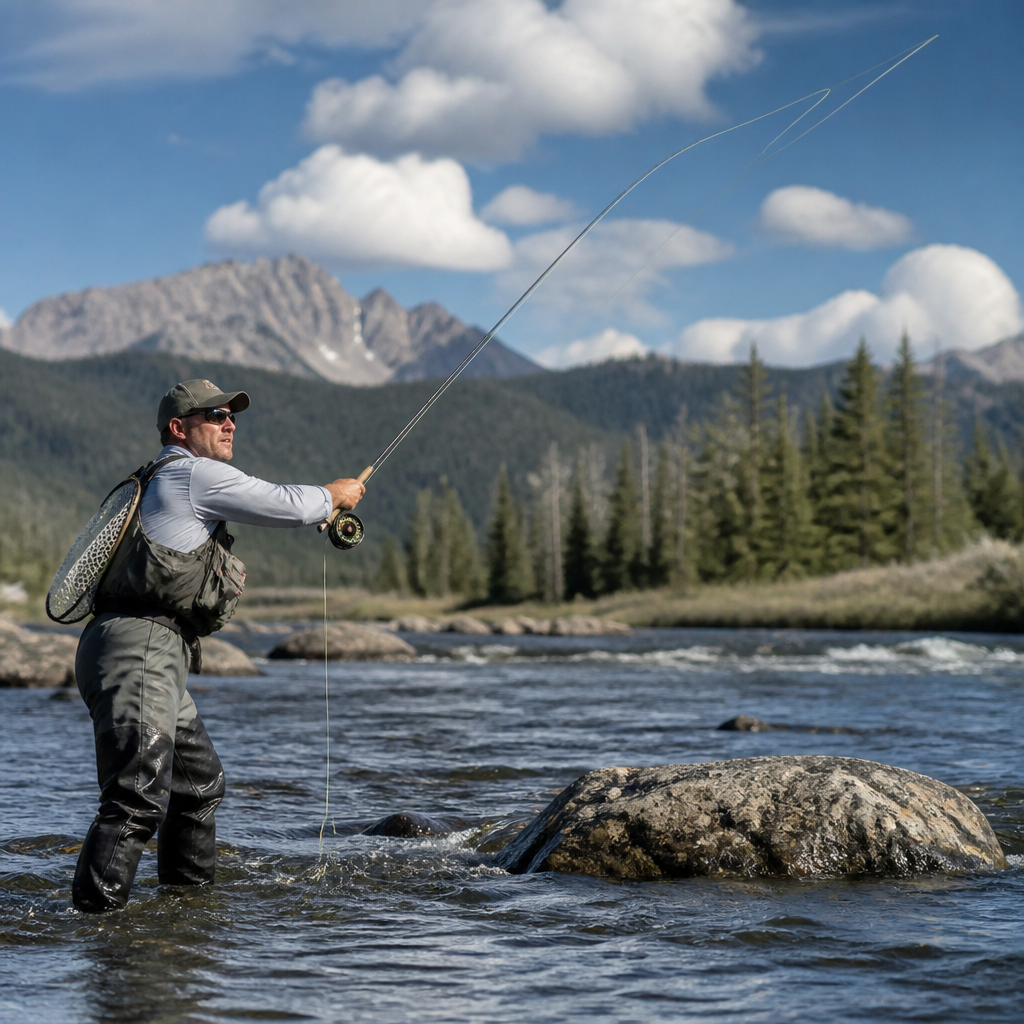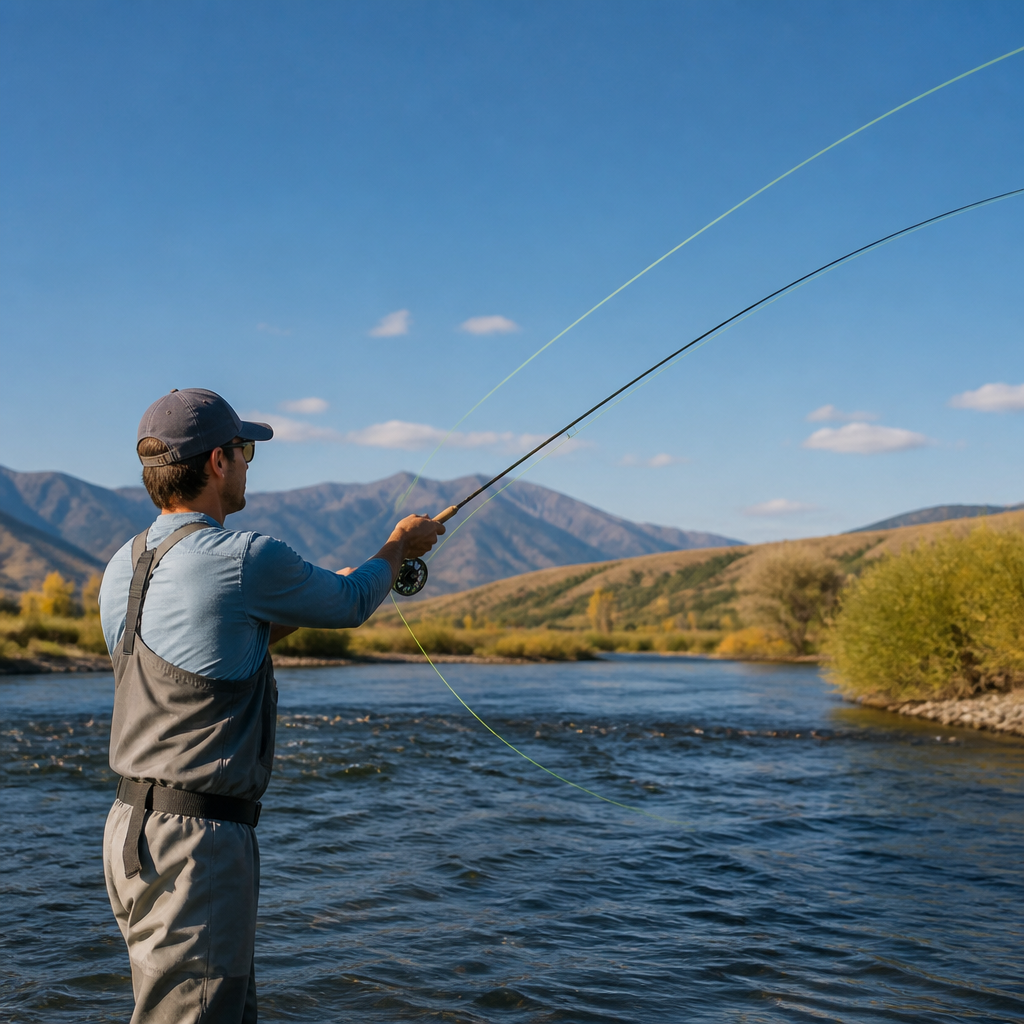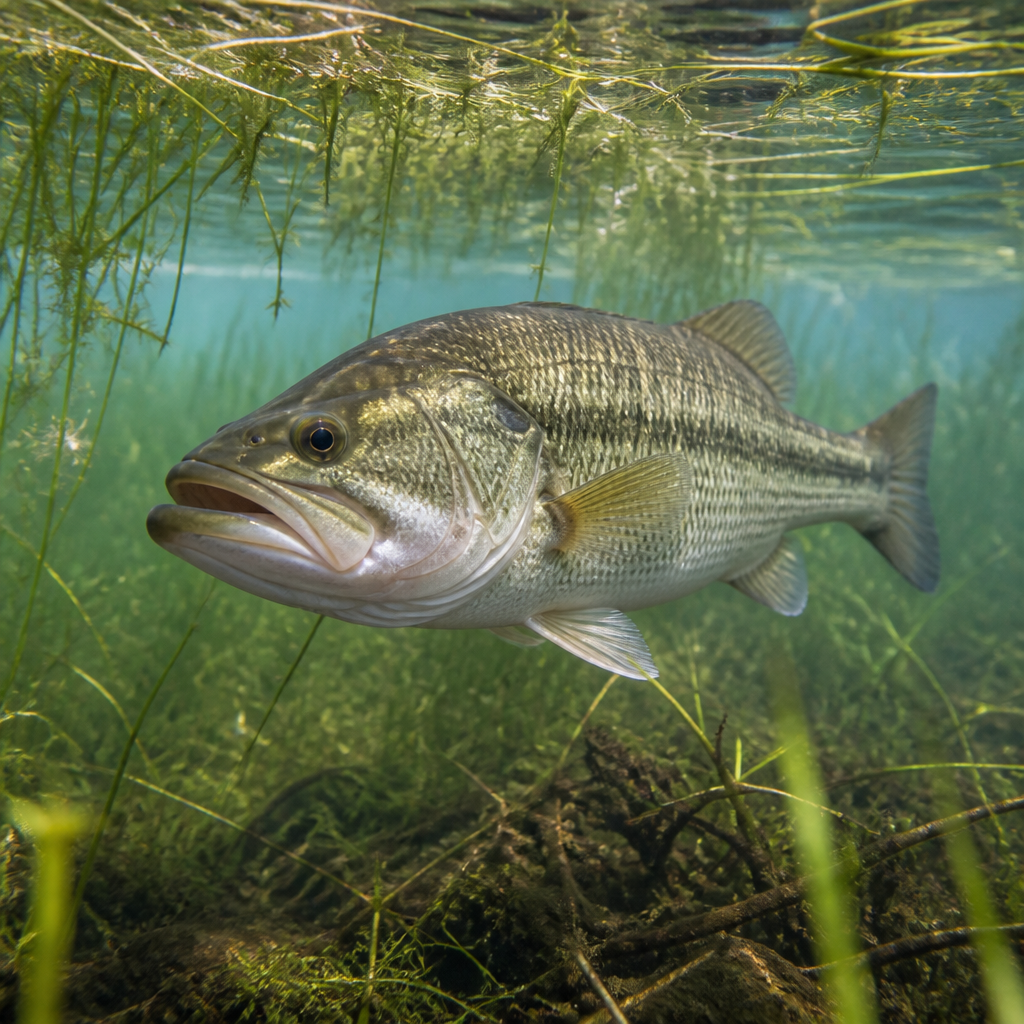
Fly fishing for records demands more than luck. It requires advanced techniques, disciplined preparation, fish-specific strategy, and a clear understanding of what qualifies as a record catch. In fly fishing, a record usually refers to a fish recognized by an official body such as the International Game Fish Association, measured by weight, length, tippet class, or species category under defined rules. Anglers chasing these milestones operate in a different arena than everyday recreational fishing. They think in terms of seasonal windows, water temperature, fly design, legal tackle parameters, and post-catch documentation. I have spent enough time around competitive anglers, guides, and serious record hunters to know that the difference often comes down to decisions made long before the first cast.
Why does this topic matter? Because record-oriented fly fishing sits at the intersection of skill, ethics, and precision. It asks anglers to maximize opportunity without abandoning fish care or regulations. It also sharpens every aspect of the sport. The same methods used to target a potential world-record brown trout, giant trevally, tarpon, or peacock bass can make any angler more effective on difficult water. Advanced techniques include reading macro and micro holding water, matching pressure systems to feeding behavior, building leader systems for specific presentations, and fighting large fish efficiently on a fly rod. This article serves as a hub for advanced fly fishing strategies, connecting the core principles that underpin every specialized tactic. If you want to fish with purpose, evaluate conditions like a guide, and improve your odds on exceptional fish, these are the methods that matter most.
Defining Record-Class Fly Fishing
Record-class fly fishing is the practice of intentionally targeting unusually large specimens within official fly-fishing rules. That definition matters, because a record fish is not just a big fish. It must be landed on compliant equipment, often photographed and weighed on certified scales, and submitted with evidence that the catch meets line-class, tippet, and species requirements. IGFA fly record categories are the benchmark most anglers recognize. Their rules affect tackle choices directly. For example, shock tippet lengths, leader construction, and allowable fly design all influence whether a catch qualifies. Before you invest in travel, guides, or specialized gear, study the latest record requirements for your target species and destination.
There is also a practical side to this definition. Record fish are statistical outliers. They live in nutrient-rich systems, survive multiple seasonal hazards, and often occupy feeding lanes or structures that smaller fish cannot dominate. A ten-pound trout and a thirty-pound tarpon do not behave exactly like average fish of their species. Bigger fish typically conserve energy better, feed more selectively, and position themselves where current, oxygen, forage, and cover align. Advanced anglers account for that. Instead of covering water randomly, they narrow the hunt to places where an oversized fish can exist consistently: tailout shelves at dawn, deep current seams near bait concentrations, mangrove edges on strong flood tides, or spring-fed trout water with stable temperatures and high protein forage.
Choosing Waters, Seasons, and Species
The fastest way to improve your odds is to choose fisheries with a documented history of exceptional fish. Record hunting rewards research more than optimism. Start with public data: state fish and wildlife records, guide reports, creel surveys, stocking histories, and forage assessments. Then layer on local intelligence. In my experience, the best guides are not just fish finders; they are pattern archivists. They know when cisco spawn draws giant lake trout shallow, when mullet migrations stack tarpon, or when low-light mouse patterns trigger top-end brown trout. That knowledge compresses years of trial and error into a usable plan.
Timing is usually more important than destination branding. Famous rivers often fish worse than lesser-known waters during the wrong week. Water temperature is the most reliable planning variable across freshwater and saltwater. Trophy trout often feed aggressively within narrow temperature bands tied to dissolved oxygen and insect or bait movement. Tarpon migration routes hinge on temperature stability and bait density. Giant trevally activity can swing with tides and moon phase more than air temperature. Peacock bass respond strongly to dropping water levels that concentrate forage. When evaluating a fishery, ask four direct questions: when are the biggest fish present, when are they most catchable on flies, what forage are they keyed on, and what weather shuts the pattern down?
Species choice should also match your technical strengths. Some anglers excel at precision sight-casting under wind pressure. Others are better at night fishing, streamer control, or extended boat-side fights. Record ambitions become realistic when your strengths align with the species. If you are exceptional at two-handed casting and swinging big flies, king salmon or steelhead may offer a better path than permit. If your strip-set timing and boat communication are excellent, tarpon or billfish may be the right obsession.
Tackle Systems Built for Big Fish
Advanced fly fishing for records starts with balanced tackle, not simply heavier tackle. The objective is to present effectively, survive the strike, and end the fight quickly enough to protect the fish. Rod action, reel drag, backing capacity, line taper, leader design, and hook selection must work as a system. For trout streamers, that may mean a fast six- or seven-weight with a short-headed sinking line and stout fluorocarbon leader. For tarpon, it often means an eleven- or twelve-weight with a sealed drag capable of smooth pressure above ten pounds, plus tropical line coatings that do not wilt in heat. For giant trevally, abrasion resistance and drag consistency become non-negotiable because coral, current, and brute force expose every weak point immediately.
Hooks are one of the most overlooked variables in record pursuits. Factory flies often need upgrading. Chemically sharpened hooks penetrate well, but gap width, wire strength, and point geometry must fit the species and pressure applied. Big fish lost on opened hooks are usually lost before the fight becomes memorable. Knots deserve the same scrutiny. A Bimini twist, Huffnagle, slim beauty, non-slip loop knot, or improved Albright should not just be familiar; it should be repeatable under fatigue, low light, and wind. Test every connection with a scale. Many serious anglers use a digital pull tester to verify actual breaking strengths rather than trusting package labels.
| Target species | Typical rod class | Line approach | Leader priority | Critical concern |
|---|---|---|---|---|
| Brown trout | 6-7 weight | Sinking streamer line | Turnover and abrasion | Low-light presentation |
| Tarpon | 11-12 weight | Floating tropical line | Shock tippet legality | Drag smoothness |
| Giant trevally | 12 weight | Aggressive tropical taper | Abrasion resistance | Coral and boat pressure |
| Peacock bass | 8-10 weight | Floating or intermediate | Shock absorption | Violent eats near cover |
| Permit | 9-10 weight | Floating saltwater line | Stealth and turnover | Presentation accuracy |
Presentation, Positioning, and Reading Big-Fish Water
Big fish are caught where presentation intersects position. That sounds simple, but it is the essence of advanced technique. Elite anglers break water into feeding windows and casting lanes. On rivers, they identify structure that funnels food with minimal energy expenditure: undercut banks, inside seams adjacent to depth, foam lines entering dark buckets, and transitional shelves below riffles. On lakes, they focus on thermoclines, bait edges, shoal breaks, and wind-driven banks. On flats, they account for sun angle, tide speed, bottom color, and fish direction before the cast ever starts.
Boat and wading position decide whether the fly behaves naturally. A giant trout may refuse a streamer stripped across its face if the angle is wrong but crush the same pattern when it swings broadside and stalls near cover. Tarpon often eat after a lead cast and one controlled strip because the fly enters the vision cone without crossing the fish unnaturally. Giant trevally commonly reward aggressive presentations placed tight to current edges or reef pressure points, where the fly appears vulnerable and trying to escape. The advanced lesson is that fly movement matters more than fly ownership. Anglers obsess over patterns, but in practice, angle, depth, pause duration, and retrieve cadence are what separate follows from eats.
Reading big-fish water also means respecting negative water. Some spots look fishy and consistently fail because they attract smaller, more reckless fish while dominant specimens hold nearby in less obvious lies. Keep notes. Record light level, flow, barometric trend, moon phase, and response to retrieves. Over time, your journal becomes more valuable than any single fly box.
Advanced Techniques That Trigger Record Fish
Several advanced techniques show up repeatedly in record catches. First is controlled depth management. Most trophy fish are not missed because the wrong fly was chosen; they are missed because the fly never reached the right level for the right amount of time. Use sink rates, mend angles, countdown timing, and line density deliberately. Second is induced change. Predators often react when a fly accelerates, stalls, rises, or deflects. Strip-pause combinations, rod-tip sweeps, downstream mends, and bank-side figure-eight finishes all create directional shifts that imitate an injured baitfish.
Third is low-visibility optimization. Many record fish are taken at dawn, dusk, night, or stained-water conditions because large predators feel safer feeding then. That demands bigger silhouettes, louder water displacement, and line control you can execute without visual references. Swinging mouse patterns for giant browns, dredging articulated streamers after sunset, or presenting black-and-purple tarpon flies under cloud cover are not gimmicks; they exploit sensory advantage. Fourth is precision repetition. If a fish shows once, the next cast must arrive at nearly the same angle and depth. Sloppy follow-up casts waste the narrowest opportunity in angling.
One more advanced technique is strategic restraint. Trophy fish are often educated fish. Resting water after a refusal, changing the cast angle before changing the fly, or leaving a known lie until the light improves can be smarter than pounding the spot. The best anglers I know are patient enough to wait for the moment when the fish is vulnerable rather than forcing presentations into dead windows.
Fight Management, Fish Care, and Record Documentation
Landing a record candidate requires calm mechanics. Set hard, clear the line cleanly, and get the fish on the reel fast. Then apply side pressure, change angles often, and avoid fighting off the rod tip alone. The strongest pressure usually comes with the rod butt engaged and the fish pulled laterally, which disrupts balance more effectively than high sticking. In saltwater, using the boat aggressively can cut fight time dramatically. In rivers, moving your feet to change current angle may matter more than increasing drag. Long fights create lactic acid buildup and reduce survival, especially in warm water, so efficiency is not just sporting discipline; it is conservation.
Documentation must be planned in advance. Keep a waterproof measuring device, certified or certifiable scale access, camera, and knowledge of submission requirements ready before you fish. Record the entire setup if line-class or tippet-class recognition is the goal. Preserve knots, flies, and terminal tackle exactly as landed. Photograph the fish from multiple angles, capture identifying marks, and obtain witness information. Check local regulations on transport, harvest, and possession immediately. Some records require the fish to be weighed whole, while catch-and-release categories may use measured length under separate standards. Know the difference before the fish of a lifetime arrives.
The final principle is ethical ambition. Not every giant fish should be pushed to official certification if conditions make survival unlikely. Warm water, exhaustive fight times, and delayed handling can turn a milestone into a mistake. Serious anglers understand that legacy includes restraint. Chase records hard, but do it with methods that respect the fish, the fishery, and the standards that make the accomplishment meaningful.
Fly fishing for records is really the disciplined pursuit of rare opportunities. Success comes from understanding rules, selecting productive waters, timing seasonal windows, building balanced tackle, presenting flies at the correct angle and depth, and managing the fight with authority. Advanced techniques are not mysterious. They are repeatable decisions made with precision: choosing a proven forage match, positioning for the best drift, controlling sink rate, changing retrieve cadence at the right instant, and documenting a catch correctly if the moment arrives.
As a hub for advanced techniques and strategies, this topic connects every serious subskill in modern fly fishing. Streamer tactics, sight-fishing, line control, leader construction, species-specific planning, and fish-care protocol all feed into record outcomes. The common thread is intent. Anglers who consistently contact exceptional fish do not fish casually; they fish systematically. They prepare before the trip, observe constantly on the water, and adjust without ego.
If you want a realistic chance at a record-class fish, pick one species, study one fishery deeply, and refine one advanced method until it becomes automatic. Then build from there. The path to remarkable fish is rarely dramatic. It is technical, patient, and exact. Commit to that process, and your next cast may carry real history.
Frequently Asked Questions
What counts as a fly fishing record, and who verifies it?
A fly fishing record is not simply the biggest fish an angler has ever landed. It is a catch that meets the standards of a recognized governing organization, most commonly the International Game Fish Association. These records are typically organized by species, line or tippet class, weight, and in some cases length-based categories. What makes a fish a record is not just its size, but whether it was caught under the exact rules for that category. That means the tackle, terminal setup, fight, landing, and documentation all matter just as much as the fish itself.
Verification usually involves a formal submission process. The fish must be weighed on a certified scale or measured according to the organization’s rules, photographed clearly, and documented with details about tackle, tippet, location, date, and witnesses when possible. Many organizations also require the actual tippet or leader sample for testing to confirm it falls within the stated class. If any part of the catch fails to comply, even a truly exceptional fish can be denied. For anglers serious about pursuing records, reading the current rulebook before ever stepping on the water is essential. Record fishing starts long before the hookset.
How should I prepare differently when targeting a record fish instead of just fishing recreationally?
Record-focused fly fishing requires a much more disciplined approach than a casual day on the water. Instead of going out with a general plan, you need a species-specific strategy built around timing, location, tackle selection, and legal compliance. That starts with research. Serious anglers study historical record data, seasonal feeding windows, water temperatures, moon phases, spawning behavior, forage patterns, and regional fish growth potential. You are looking for the narrow overlap where a target species has both the opportunity to reach exceptional size and the conditions that make it vulnerable to a fly.
Tackle preparation also becomes far more deliberate. Every knot should be tested, every connection inspected, and every component chosen with both performance and rules in mind. Rods, reels, backing, leaders, and flies should be matched not just to the species, but to the realistic size class of the fish you hope to encounter. Drag systems need to be smooth, hooks need to be sharp, and your leader design should reflect the legal class you intend to claim. Experienced record hunters often carry documentation tools as carefully as they carry flies, including a measuring device, camera, extra tippet samples, and access to a certified scale or weighing station.
Mental preparation matters too. Record opportunities are often rare and brief, and mistakes usually happen under pressure. Anglers chasing records train themselves to stay methodical during the fight and disciplined after the landing. In practical terms, that means knowing the rules beforehand, rehearsing the documentation process, and being willing to pass on shortcuts. Preparation is what turns a once-in-a-lifetime fish into a legitimate record application.
What techniques improve the odds of hooking and landing a record-class fish on a fly rod?
The best techniques depend on the species, but a few principles apply across nearly all record pursuits. First, presentation must be precise and intentional. Larger, older fish are often more selective, more cautious, and less willing to move far for a fly. That means your cast placement, line control, sink rate, drift, retrieve speed, and angle all have to match the fish’s feeding behavior. In many record scenarios, success comes from repeatedly putting the fly in the exact strike zone rather than covering water casually. Big fish often reward patience and repetition.
Second, fly selection should focus on what truly drives large fish to feed. Record-class trout may key on large baitfish, mice, or high-protein forage rather than the small insect patterns used for average fish. Saltwater species may respond to flies that imitate mullet, crabs, or squid in the right size and profile. Predatory fish that have reached exceptional size generally feed efficiently, so matching the caloric payoff of their preferred forage can make a major difference. It is often smarter to fish fewer patterns with greater confidence than to change flies constantly without a clear reason.
Landing technique is just as critical as hooking technique. Once connected, pressure angle, drag management, and line control become everything. A record fish is often lost because the angler fights emotionally instead of mechanically. Keep steady pressure, use the rod butt rather than over-lifting with the tip, and change angles when needed to disrupt the fish’s leverage. Avoid unnecessary hand stripping chaos, clear line quickly, and let a quality reel do its job. If fishing for a tippet-class record, protecting legal tippet strength is part of the strategy, so the fight must be efficient but controlled. The objective is not just to land the fish, but to land it cleanly, legally, and in verifiable condition.
Why is tippet class so important in record fly fishing?
Tippet class is one of the defining features of many official fly fishing records because it creates a standardized measure of challenge. In simple terms, it refers to the breaking strength category of the tippet used to catch the fish. This allows anglers to compare catches not only by species and size, but by the tackle limitations under which those fish were landed. Catching a given species on heavier tippet is one achievement; catching an equally large fish on very light class tippet can qualify for a different and often more technically demanding record category.
This matters because official organizations may test the submitted tippet to verify that it breaks at or below the maximum allowed strength for the claimed class. If the material tests over that class, the application can be disqualified, even if everything else was done correctly. That is why experienced record anglers use reputable tippet material, understand manufacturer variance, and often pre-test or carefully select spools. The strongest knot in the world will not help if the tippet itself exceeds the legal rating for the category you intend to enter.
Tippet class also influences every part of your approach, from hook choice to fighting style. Lighter class tippet demands cleaner drag settings, smoother pressure, and greater patience during the fight. It may also affect where and when you choose to fish, because current speed, structure, and fish behavior all change the odds of landing a giant on delicate material. For many record hunters, mastering tippet class is where technical fly fishing and official record strategy truly meet.
What should I do immediately after landing a potential record fish?
The minutes after landing a potential record fish are often just as important as the catch itself. First, stay calm and protect both the fish and the integrity of the record claim. Confirm that the catch appears to meet the relevant rules for your target category, then move quickly into documentation mode. Take clear photographs from multiple angles, including full-body shots, close-ups of the fish, the fly, and the tackle setup if useful. If the record is based on length, follow the approved measurement procedure exactly. If it is based on weight, get the fish to a certified scale as fast as possible while complying with all applicable regulations and fish care requirements.
You should also preserve anything that may be required for submission. Do not discard the tippet, leader section, or any supporting evidence connected to the catch. Record the date, time, location, witnesses, species identification, and any notable details while they are fresh. If the rules require witness signatures or scale certification information, gather that immediately rather than trying to reconstruct it later. Small omissions can create major problems in the application process.
Finally, think beyond excitement and focus on precision. A legitimate record claim depends on complete, rule-compliant evidence. Many potential records are lost not because the fish was unworthy, but because the angler failed to document it properly or unknowingly violated a technical requirement. The best record anglers treat post-catch procedure as part of the catch itself. If you prepare that process in advance, you dramatically improve the odds that an extraordinary fish will be recognized officially rather than remembered only as a story.