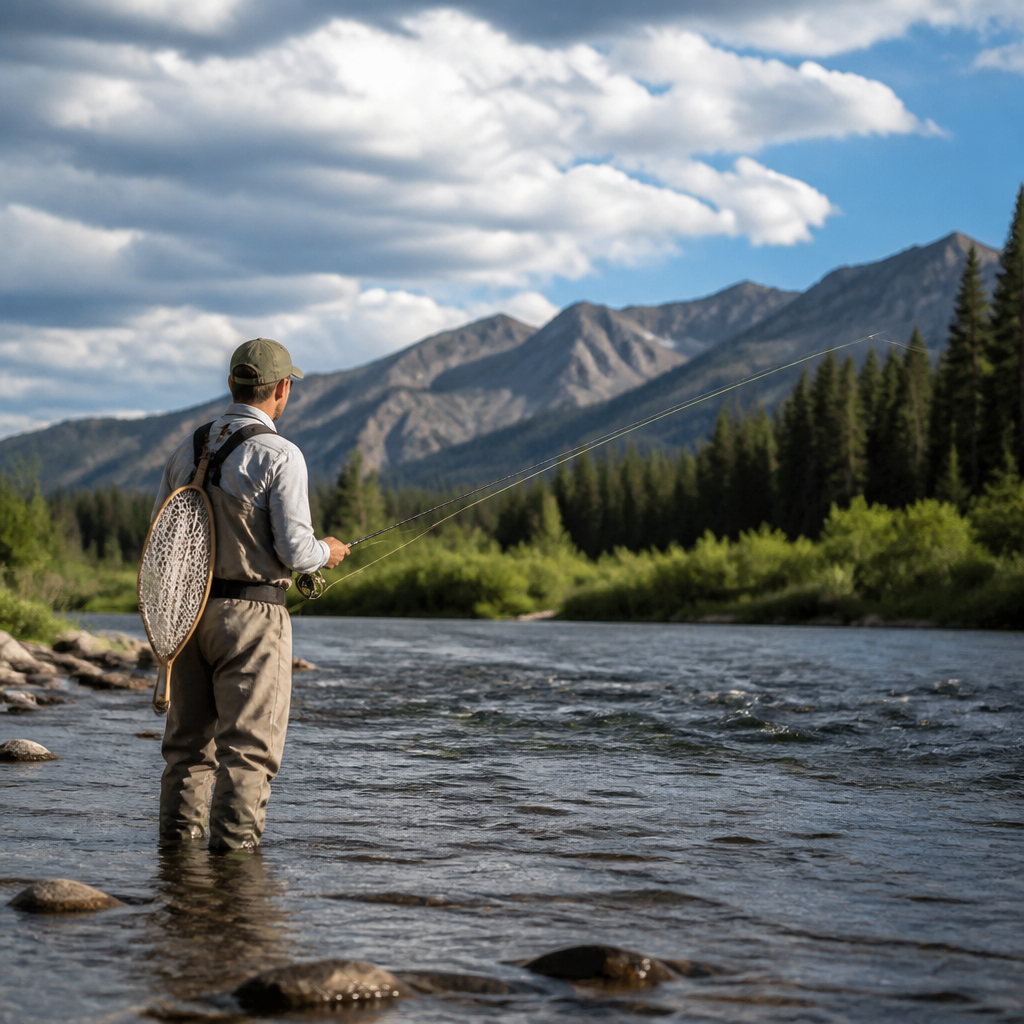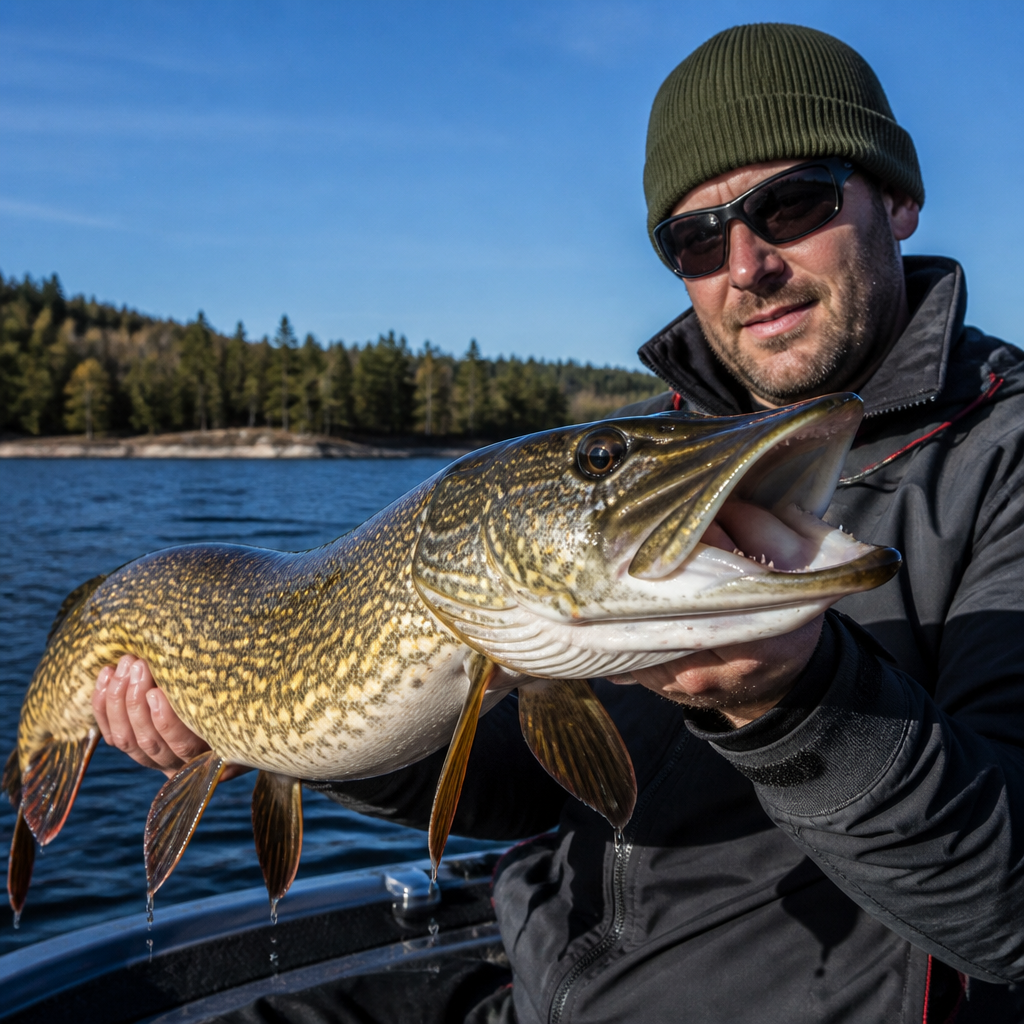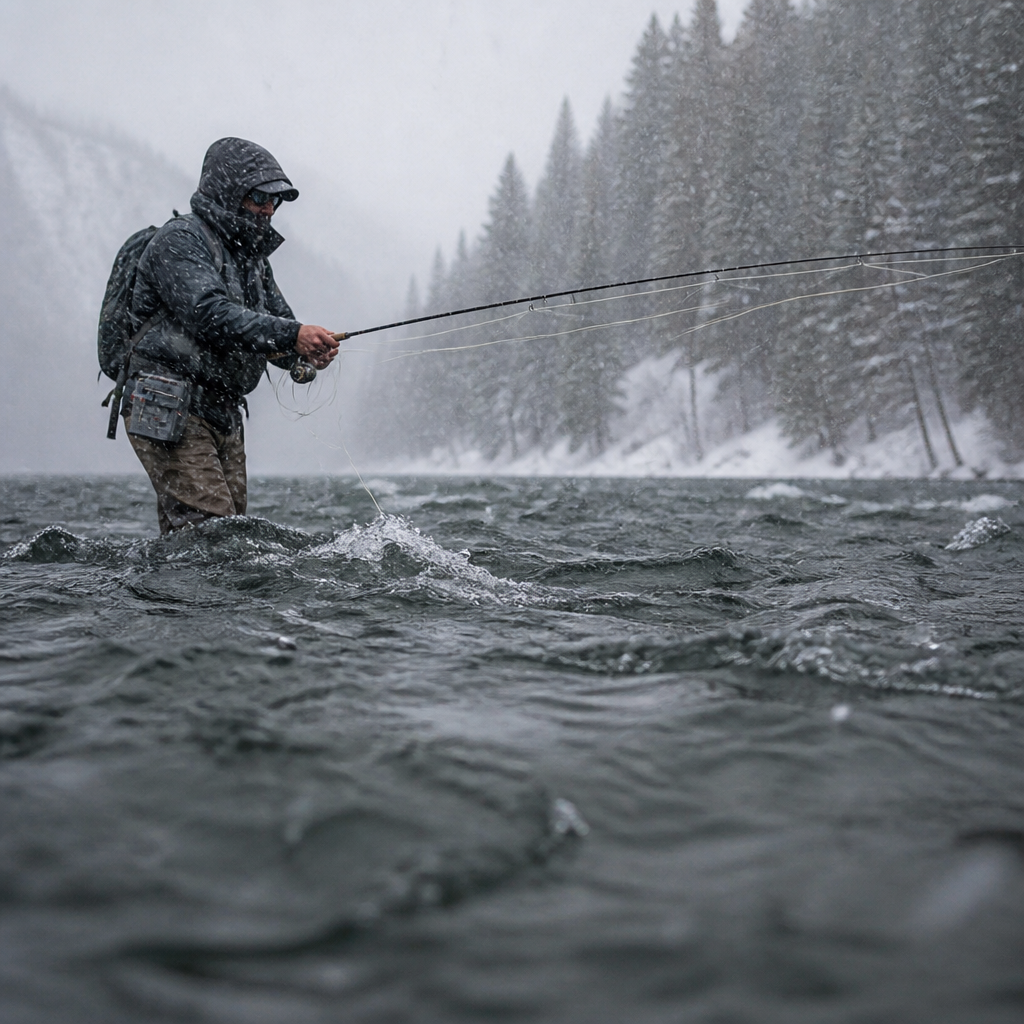
Fly fishing in extreme conditions demands more than standard casting skill, because wind, cold, heat, runoff, low water, and storm-driven pressure shifts all change how trout, bass, salmon, and saltwater species feed, move, and conserve energy. In practical terms, extreme conditions means any environment where the normal playbook stops working: a spring creek during a summer heat wave, a freestone river blown out by snowmelt, a high-country lake under gale-force wind, or a winter tailwater with shelf ice and water temperatures near freezing. Advanced techniques are the set of deliberate adjustments anglers make to solve those problems, including line control, fly selection, presentation angle, leader design, reading microstructure, and fish handling that protects the resource.
This matters because difficult conditions often concentrate the best opportunities and the biggest mistakes. I have seen skilled anglers fish hard all day with good drifts and quality flies, yet fail because they ignored dissolved oxygen in August, over-weighted nymph rigs in soft winter seams, or cast directly into a headwind instead of changing position by fifteen feet. The difference between average and advanced performance is not toughness for its own sake. It is diagnosis. You identify the limiting factor, adapt tackle and approach, then present a fly where fish can take it with minimal energy cost. That mindset turns hostile weather and water into a system you can read, rather than a day you simply endure.
As a hub for advanced techniques, this guide explains how to think through extremes methodically. It covers fish behavior, tactical adjustments by condition, rigging decisions, safety, and conservation. It also points toward related subtopics within techniques and strategies, such as streamer fishing, euro nymphing, dry-dropper systems, stillwater presentation, and saltwater line management. If you understand the principles here, those specialized methods become easier to apply under pressure, because each one is really a tool for solving a specific environmental problem.
Start With Fish Physiology and the Energy Equation
The first advanced strategy is to stop asking what fly you want to fish and start asking what the fish can afford to do. Fish are governed by water temperature, current speed, light level, and oxygen. In cold water, metabolism slows, so feeding windows may narrow and takes may become subtle. In very warm water, especially above about 68°F for trout and increasingly risky near 70°F, oxygen declines while metabolic demand rises, creating stress that can make ethical anglers quit early or switch species entirely. In high flows, fish often slide out of the main current into softer edges, inside bends, back eddies, and current breaks behind structure, because holding in fast water costs too much energy.
This energy equation explains why advanced anglers fish inches, not just pools. During a winter session on a tailwater, I often find trout stacked along the soft lip where slow water meets moderate current, because food funnels past without forcing the fish to move far. In summer heat, smallmouth bass may pin bait against shade lines or rocky banks during the first and last hour of light. On windy lakes, trout cruise chop lanes because broken surface texture gives cover and pushes food. Once you understand why fish occupy a spot, presentation becomes more exact. You stop blind casting and begin targeting the fish’s lowest-cost feeding station.
Advanced Tactics for Wind, Storm Fronts, and Rough Surface Water
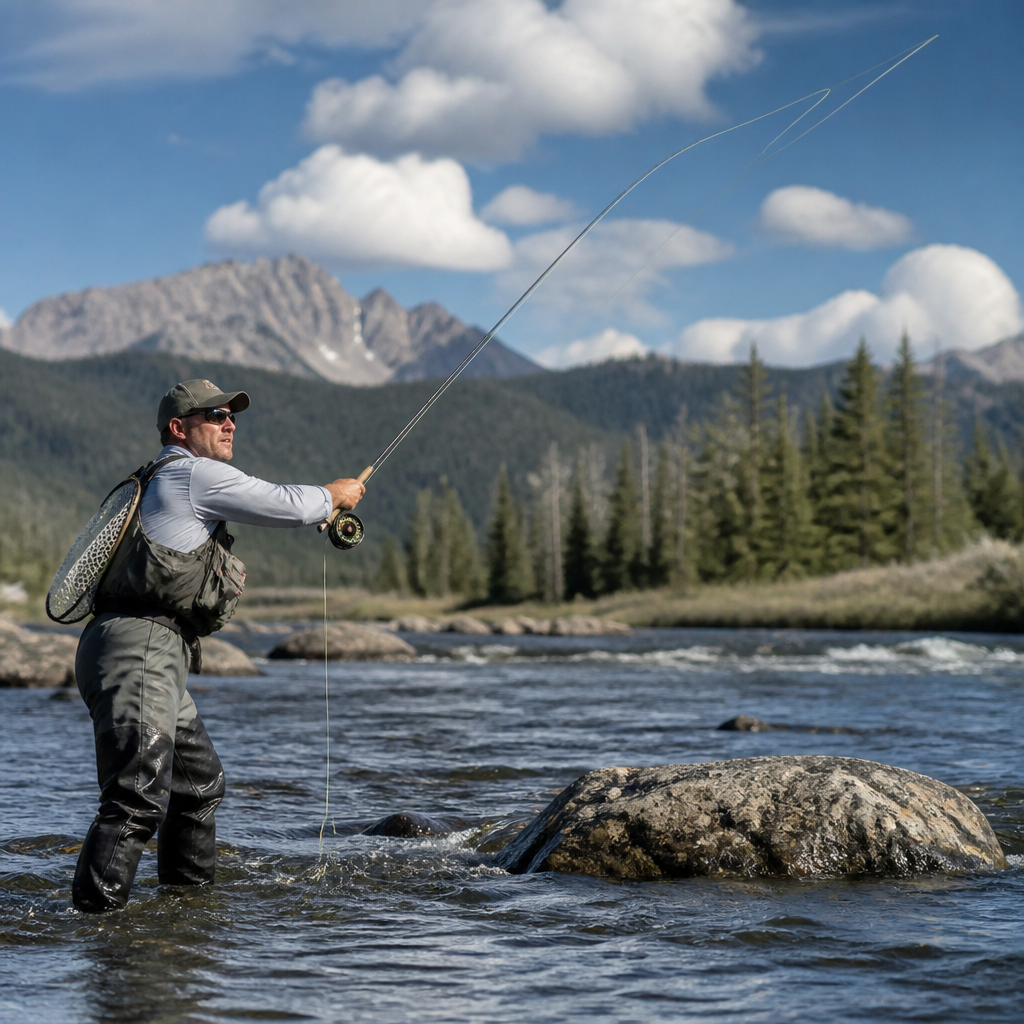
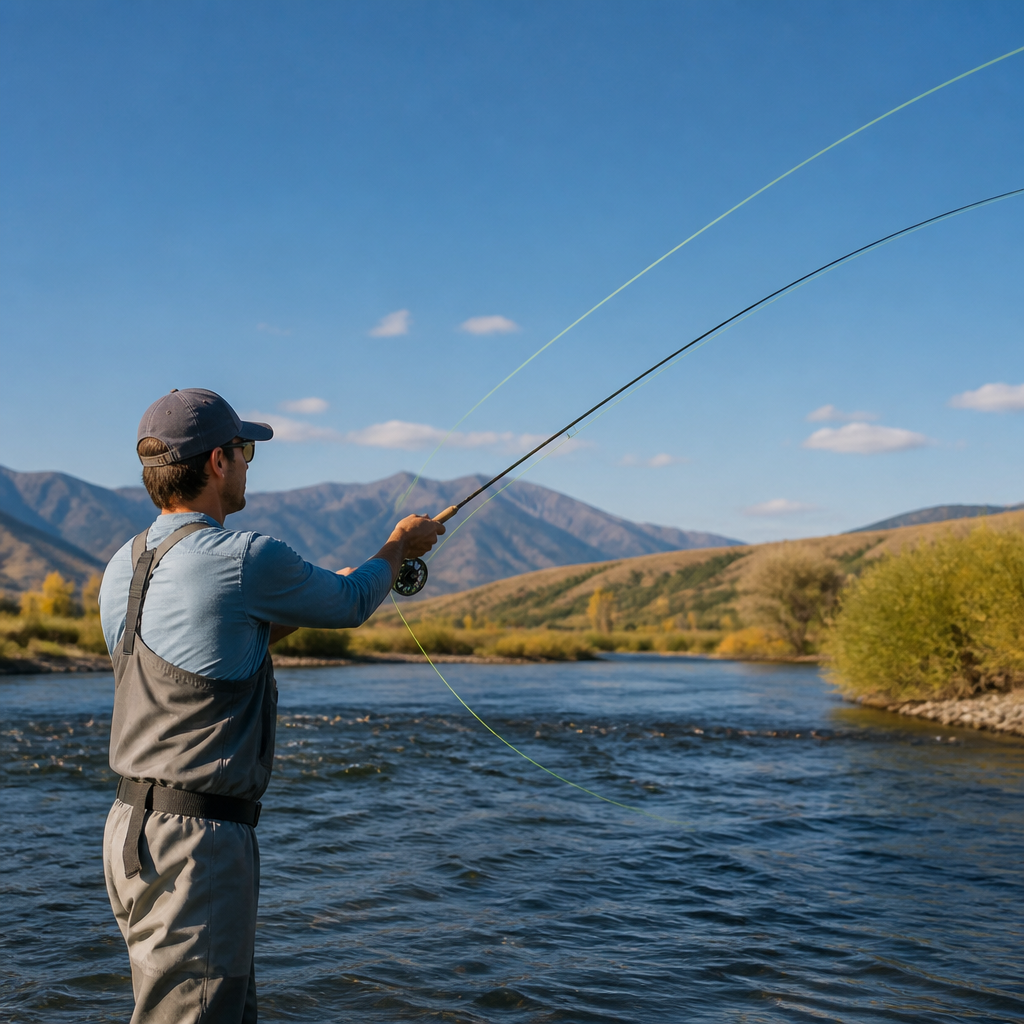
Wind is usually treated as a nuisance, but strong wind can improve fishing if you adapt. The central rule is simple: change your angle before you change your cast. Casting directly into a 20-mile-per-hour headwind wastes energy and destroys loop shape. Instead, move to create a crosswind or quartering angle, lower the back cast, tighten the stroke, and drive a narrow loop with a positive stop. In severe wind, many experienced anglers overcarry line. The better move is to shorten the aerialized line, haul aggressively, and shoot on the forward cast. Saltwater anglers do this instinctively, but the same principle works on reservoirs and big rivers.
Wind also affects fly choice and leader construction. Bushy dry flies twist light tippet and become hard to turn over, so I often shorten the leader and fish more aerodynamic patterns. Streamers and weighted nymphs can be easier than dries because mass helps turnover, though they require stricter casting discipline for safety. When gusts create chop, fish often become less spooky. This is the time to fish larger indicators, heavier tippet, and flies with stronger silhouettes. Before a storm front, barometric pressure shifts can trigger brief aggressive feeding, especially among predatory fish. After the front passes, bluebird skies often push trout tighter to cover and reduce surface confidence, making subsurface presentations more dependable.
| Condition | Likely Fish Position | Best Presentation Adjustment | Common Mistake |
|---|---|---|---|
| Strong headwind on river | Soft seams near bank structure | Change angle, shorten cast, use heavier rig | False casting too much into the wind |
| Post-front bright skies | Deeper slots, cutbanks, shade | Longer drifts, smaller flies, controlled depth | Fishing the same surface pattern as yesterday |
| Choppy lake surface | Wave lanes, windward shore, drop-offs | Use intermediate line and pulls with pauses | Assuming surface disturbance hurts fishing |
| Gusty flats fishing | Leeward edges and current corridors | Lead fish more, quick delivery, compact loop | Waiting for a perfect cast window |
Cold Water, Winter Tailwaters, and Near-Freezing Conditions
Winter fly fishing rewards precision more than mobility. In water near 34°F to 40°F, trout rarely sprint far to eat, so depth control and drift speed matter more than pattern changes every ten minutes. My most reliable winter setup is a compact nymph rig with enough weight to touch the lower third of the water column quickly, then travel at the pace of the current seam rather than the faster surface layer. Strike detection must be immediate. Takes are often a slight hesitation of the sighter, a tiny stall of the indicator, or pressure that feels like leaf debris. Advanced anglers set on anything unusual.
Midge larvae, pupae, and small mayfly nymphs dominate many winter menus, especially on tailwaters with stable releases. Egg patterns can be effective below spawning areas, but they should match local size and tone rather than glowing unnaturally. Streamers still work in winter, though they are best fished slower and closer to structure. On sunny afternoons, shallow shelves that gain a degree or two can concentrate feeding fish. Safety is equally advanced, not optional. Ice shelves collapse, boot soles harden, and cold reduces dexterity. Carrying spare gloves, rotating wet gear, and planning shorter sessions often produces better fishing than grinding through numb hands and poor decisions.
Hot Weather, Low Water, and Late-Summer Technical Fishing
Extreme heat creates both tactical and ethical constraints. Trout under thermal stress are harder to revive, so the best strategy may be to fish at dawn, target colder tributaries where legal and appropriate, or switch to warmwater species. On rivers where afternoon temperatures approach stress thresholds, I use a thermometer rather than guesswork. That single habit prevents avoidable mortality. In low, clear water, fish gain time to inspect the fly, so concealment becomes a central technique. Longer leaders, finer tippet, subdued clothing, lower casting positions, and wading less all matter. Often the fish are not refusing the pattern; they are refusing the disturbance that came before it.
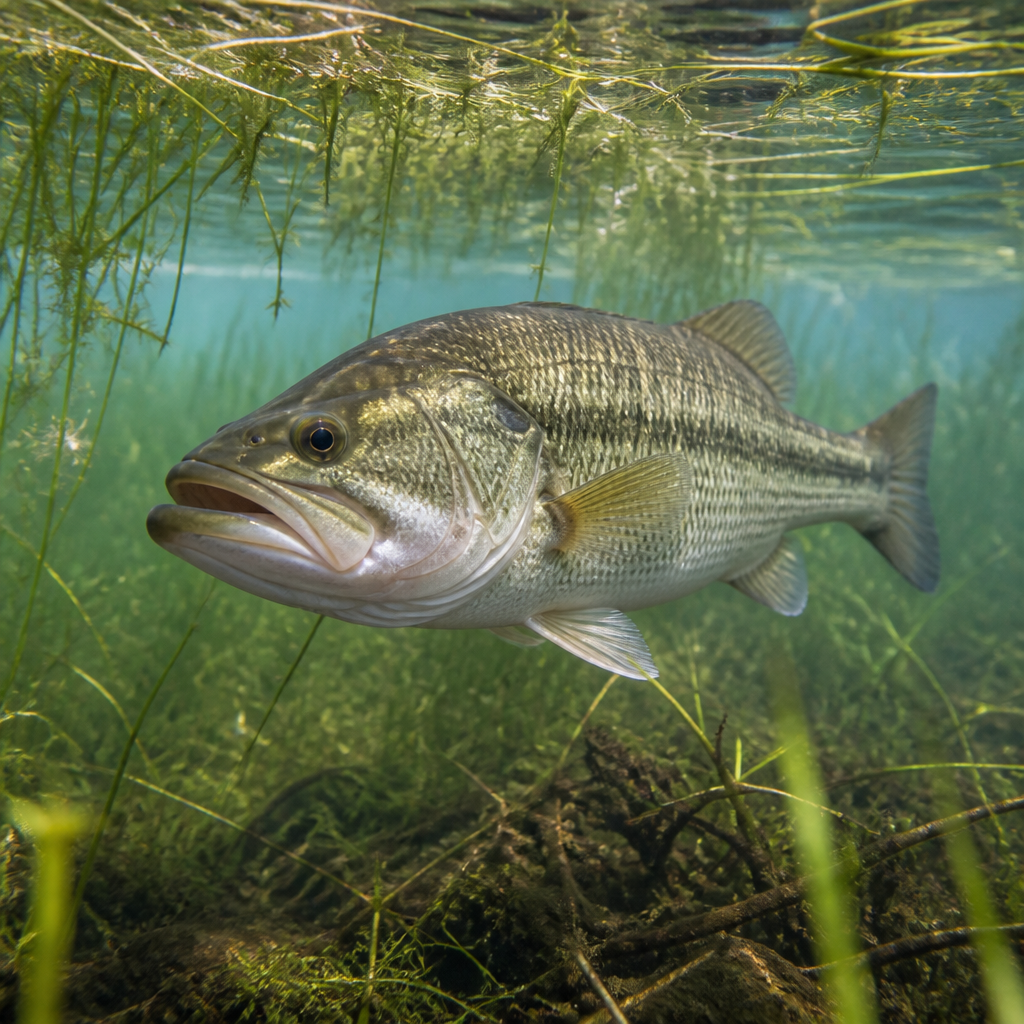
Presentation under low water must be exact and economical. Reach casts, slack-line deliveries, and downstream approaches help prevent drag while keeping the angler out of the cone of vision. On spring creeks and technical tailwaters, tiny terrestrials, spent spinners, Tricos, and midge clusters can dominate. On freestones in late summer, ants, beetles, and hoppers become high-value searching patterns, especially along grassy banks. If fish are feeding but not taking confidently, reduce false casts, refine your angle, and check the tippet diameter before changing flies repeatedly. Warmwater opportunities expand in these same conditions. Carp, smallmouth, and panfish often feed aggressively at first light around weed edges, under docks, and near inflows.
High Water, Runoff, and Flooded Banks
High water intimidates many anglers, but it can be one of the clearest examples of fish seeking energy-efficient positions. During runoff, trout do not vanish; they relocate. Look first for slower water adjacent to the main flow: flooded grass, inside seams, side channels, soft cushions behind boulders, tributary mouths, and the quiet water along banks. The biggest adjustment is usually horizontal, not vertical. Anglers stand in a normal casting position and keep fishing the main channel while fish are feeding two feet off the bank. I have had runoff days where nearly every trout came from water that looked too shallow or too soft to matter.
Visibility also drives fly selection in dirty water. Contrast matters more than intricate detail, so dark stonefly nymphs, eggs, leeches, and streamers often outproduce delicate mayfly imitations. That said, muddy and merely stained are different. In green or tea-colored water with one to three feet of visibility, fish can still track natural profiles well, and oversized flies may reduce eats. Weight should be heavy enough to get down quickly but not so excessive that the rig snags immediately in softer edge water. Wading during runoff carries real risk. Advanced anglers fish from the bank more often, use a wading staff, and avoid crossing where current speed and hidden depth combine.
Gear Systems, Rigging Choices, and Decision-Making Under Pressure
In extreme conditions, tackle is a problem-solving system. Rod choice, line density, leader formula, and terminal setup must fit the environment. A fast-action 6-weight may be ideal for throwing weighted streamers into wind, while a 3-weight euro nymph rod excels at contact and depth in winter seams. For lakes, carrying floating, intermediate, and full-sinking lines covers distinct parts of the water column. Intermediate lines are especially valuable in rough surface conditions because they slip under chop and maintain direct contact. On rivers, fluorocarbon sinks faster and can be useful for nymphing, while nylon remains superior for many dry-fly situations because it floats better and lands softer.
Decision-making should follow a sequence. First, evaluate water temperature, clarity, flow level, and light. Second, locate the softest high-probability holding water. Third, choose the method that keeps the fly in that zone longest: tight-line nymphing for narrow seams, indicators for broad drifts, streamers for aggressive fish or poor visibility, dry-dropper rigs when fish can rise but subsurface coverage is still needed. Fourth, adjust one variable at a time. Add weight before changing the fly if you are not ticking bottom occasionally in winter. Shorten the leader before overpowering the cast if wind is causing collapse. This disciplined process is what links all advanced techniques across the broader techniques and strategies category.
Safety, Fish Care, and Knowing When Not to Fish
The most advanced strategy in extreme conditions is restraint. Rivers in flood, lightning on open water, shelf ice, and heat-stressed trout all create moments when skill does not eliminate consequence. I have ended sessions because water temperatures rose too fast, because canyon wind made casting weighted flies unsafe, and because a promising run required a crossing that was unnecessary and foolish. Those decisions are part of competent angling, not missed opportunity. Tools help: a thermometer, polarized glasses, a wading staff, a personal flotation device in boats or powerful currents, and barbless hooks when quick releases matter.
Fish care changes with conditions too. In warm water, fight fish quickly with sufficiently strong tippet and keep them submerged during release. In freezing weather, avoid laying fish on snow or ice, which can damage eyes and skin. In high water, use heavier tackle so fish are not exhausted in strong current. Good technique should protect the fish as much as it improves catch rates. Build your own extreme-conditions checklist before every trip: measure temperature, assess access, identify shelter water, rig for turnover and control, and set a threshold for leaving. That habit will make you more consistent across every advanced technique covered in this hub, and it will keep your fishing effective, safe, and sustainable.
Fly fishing in extreme conditions rewards anglers who think like problem solvers. The core lesson is consistent across winter tailwaters, windy lakes, runoff rivers, and late-summer low water: fish seek the place where feeding cost is lowest and risk is manageable. Your job is to find that place, match your rig to it, and present the fly at the right depth and speed. Advanced strategies are not mysterious tricks. They are disciplined adjustments based on fish physiology, water movement, weather, and visibility.
If you remember only a few points, make them these. Measure water temperature instead of guessing. In wind, change angle before forcing a heroic cast. In cold water, prioritize depth and drift speed. In heat and low water, reduce disturbance and protect stressed fish. In runoff, target edges, not just channels. Across all conditions, modify one variable at a time so you learn what actually solved the problem. That approach will improve every related method in your broader techniques and strategies toolkit, from streamer fishing and euro nymphing to stillwater retrieves and technical dry-fly presentations.
Use this hub as your starting framework, then apply it on the water with deliberate observation. Keep notes on temperature, flow, weather shifts, productive holding lies, and the exact rig that worked. Over time, patterns will emerge, and extreme days will become some of your most reliable opportunities rather than the trips you dread. The next time conditions look difficult, go in with a plan, fish methodically, and let the environment tell you which advanced technique to use.
Frequently Asked Questions
What counts as an extreme condition in fly fishing, and how should it change your overall strategy?
In fly fishing, “extreme conditions” refers to any situation where fish behavior, water conditions, or weather make standard presentations unreliable. That includes strong wind, sudden cold fronts, heat waves, runoff-stained rivers, very low and clear water, rapidly changing barometric pressure, icy winter flows, and even bright high-sun conditions on heavily pressured water. The key idea is that the fish are no longer feeding in their usual locations, at their usual times, or with their usual level of aggression. Trout may slide into softer seams during runoff, bass may push deeper during intense heat, salmon may hold tighter to structure in high water, and saltwater species may change lanes entirely when surf, tide, and wind stack together.
Your strategy should shift from “what fly do I want to fish?” to “where can fish conserve energy and still feed?” In extreme conditions, fish are generally driven by efficiency. They seek stable temperature, reduced current, better oxygen, cover from light, and predictable food movement. That means reading water more carefully, shortening your target list, and focusing on high-percentage holding zones rather than casting broadly. Often, success comes from adjusting depth, speed, angle, and timing rather than constantly changing patterns. Think in terms of problem-solving: if visibility is poor, improve silhouette and vibration; if water is low and clear, reduce drag and profile; if fish are stressed by heat or cold, put the fly directly in the narrow feeding lane where they can eat without moving far. Extreme-condition fly fishing rewards anglers who stay flexible, observant, and disciplined.
How do you fish effectively in heavy wind without losing accuracy, presentation, and control?
Wind is one of the most challenging variables in fly fishing because it affects everything at once: casting loop shape, line speed, leader turnover, drift, fly depth, and your ability to detect strikes. The first adjustment is mechanical. Tighten your casting loop, keep your casting stroke compact, and increase line speed without overpowering the rod. Many anglers make the mistake of trying to muscle casts into the wind, which usually opens the loop and creates more instability. Instead, focus on a crisp stop, efficient tracking, and a lower trajectory. Sidearm casts, Belgian casts, and casting with the windward side adjusted for safety can all help maintain control. In very strong wind, shortening the amount of line you carry in the air and relying more on hauling often produces better results than trying to force long false casts.
Presentation changes matter just as much. If the wind is pushing surface chop across a lake or river, fish often become less leader-shy, which means you can use slightly heavier tippet, larger flies, or more aggressive patterns. Wind can also concentrate food. On lakes, windblown shores and current seams created by gusts often collect midges, damselflies, terrestrials, or baitfish. On rivers, wind can knock hoppers, beetles, and ants into the water, creating brief but excellent terrestrial windows. In saltwater environments, wind direction can reposition bait and gamefish quickly, making one bank, flat, or shoreline far more productive than another. Boat control, wading angle, and casting direction become strategic choices rather than conveniences.
Strike detection and line management also need to improve in wind. Keep as much unnecessary slack off the water as possible, and be realistic about what presentations are fishable. If a long dry-fly drift is impossible, switch to a short-line nymph rig, a streamer, or a more compact setup you can control. Wind is rarely just an obstacle; it is often a fish-positioning tool. If you stop fighting it and start using it to locate food concentration, current breaks, and sheltered holding water, it becomes far more manageable.
What are the best tactics for fly fishing during high water, runoff, or stained conditions?
High water and runoff change rivers dramatically, but they do not automatically make fishing impossible. In fact, some of the best fishing of the year happens when anglers stop fishing the middle of the river and start targeting margins, seams, and soft structure. During runoff, trout and other river fish usually avoid heavy current because holding in it costs too much energy. Instead, they slide into slower water near banks, behind large rocks, inside bends, flooded edges, side channels, back eddies, and transition lanes where fast and slow water meet. The biggest strategic mistake is continuing to cast where fish held under normal flows. Extreme current redistributes fish, and productive water often shrinks into very specific soft zones.
Visibility is the next major factor. In stained or off-color water, fish have less time to inspect a fly, so profile, contrast, and proximity matter more than subtle imitation. Heavier nymphs, streamers with movement, dark silhouettes, hot spots, rubber legs, and flies that push water all become more effective. Depth is critical. If fish are hugging the bottom or tucked into soft shelves, your fly needs to get down quickly and stay in the lane long enough to be noticed. That may mean adding split shot, using a sinking tip, adjusting leader length, or changing your casting angle to create a more controlled drift through the holding water. Short drifts done precisely often outperform long, generic drifts through mixed current.
Safety should guide all decisions in runoff conditions. Strong current, hidden drop-offs, floating debris, and unstable banks can turn a routine outing into a dangerous one quickly. Fish from the bank when possible, wade only when necessary, and treat every step with caution. From a tactical standpoint, think compact and methodical. Cover near water thoroughly, move slowly, and expect fish to be much closer to shore than usual. In high water, the angler who reads soft water correctly will usually outfish the angler who insists on fishing the obvious main flow.
How should you approach fly fishing during extreme heat, low water, and clear conditions?
Hot weather and low, clear water create one of the most technical situations in fly fishing because fish become both more selective and more stressed. In summer heat, many species shift their feeding windows toward early morning, late evening, and nighttime, when water temperatures are lower and dissolved oxygen is higher. Trout are especially vulnerable in warm water, so responsible angling starts with monitoring temperature and understanding when not to fish. If water temperatures move into stressful ranges, it is better to stop targeting trout altogether or switch to more heat-tolerant species. Ethical decision-making is part of advanced strategy in extreme conditions.
When fishable conditions exist, stealth becomes your biggest asset. In low, clear water, fish often hold in deeper slots, undercut banks, shaded seams, spring inflows, and any structure that offers security. Your approach should be slower, quieter, and more deliberate. Wear muted clothing, stay low, lengthen leaders when needed, lighten tippet appropriately, and avoid false casting over fish. Long casts are sometimes useful, but a smart angle and careful positioning are usually more important than pure distance. Drag-free presentation becomes non-negotiable. In technical water, a natural drift with a smaller fly will almost always outperform a sloppy drift with the “perfect” pattern.
Fly selection should match both food availability and fish mood. During heat and low flows, fish often key tightly on small mayflies, midges, terrestrials, ants, beetles, hoppers, or sparse subsurface patterns that do not look threatening. For bass and warmwater species, slower presentations near shade, wood, weed edges, and deeper structure are often best during the hottest part of the day. In saltwater, low clear water may require longer leaders, subtler flies, and more accurate shots at fish that can see extremely well. The common theme is restraint: lighter impact, cleaner drifts, quieter movements, and a willingness to fish during the narrow windows when conditions are genuinely in your favor.
What adjustments matter most when cold weather, winter flows, or storm-driven pressure changes affect fish behavior?
Cold conditions compress fish metabolism, shorten feeding windows, and make location more important than fly variety. In winter rivers and tailwaters, trout usually seek stable water where they can conserve energy: deeper pools, slow shelves, tailouts with moderate flow, soft inside seams, and structure-protected slots. They rarely want to move far to eat, so your presentation has to be precise, slow, and close to the fish. That usually means smaller flies, thinner profiles, controlled drifts, and enough weight to keep the fly near the bottom without constant snagging. Indicator nymphing, tight-line techniques, and very slow streamer presentations can all work, but only if depth and speed are dialed in. A fly passing one foot above a winter fish might as well be in another river.
Storm fronts and barometric pressure shifts add another layer. Before a front, fish often feed more actively, especially if cloud cover reduces light and wind creates broken surface conditions. During or immediately after a sharp pressure change, fish may become inconsistent, reposition, or refuse to move far for a fly. The answer is not always to fish smaller; often it is to fish more deliberately. Cover likely holding water thoroughly, adjust depth repeatedly, and pay attention to short feeding bursts rather than expecting steady action. In saltwater or anadromous situations, tidal timing, current speed, and visibility can outweigh pressure