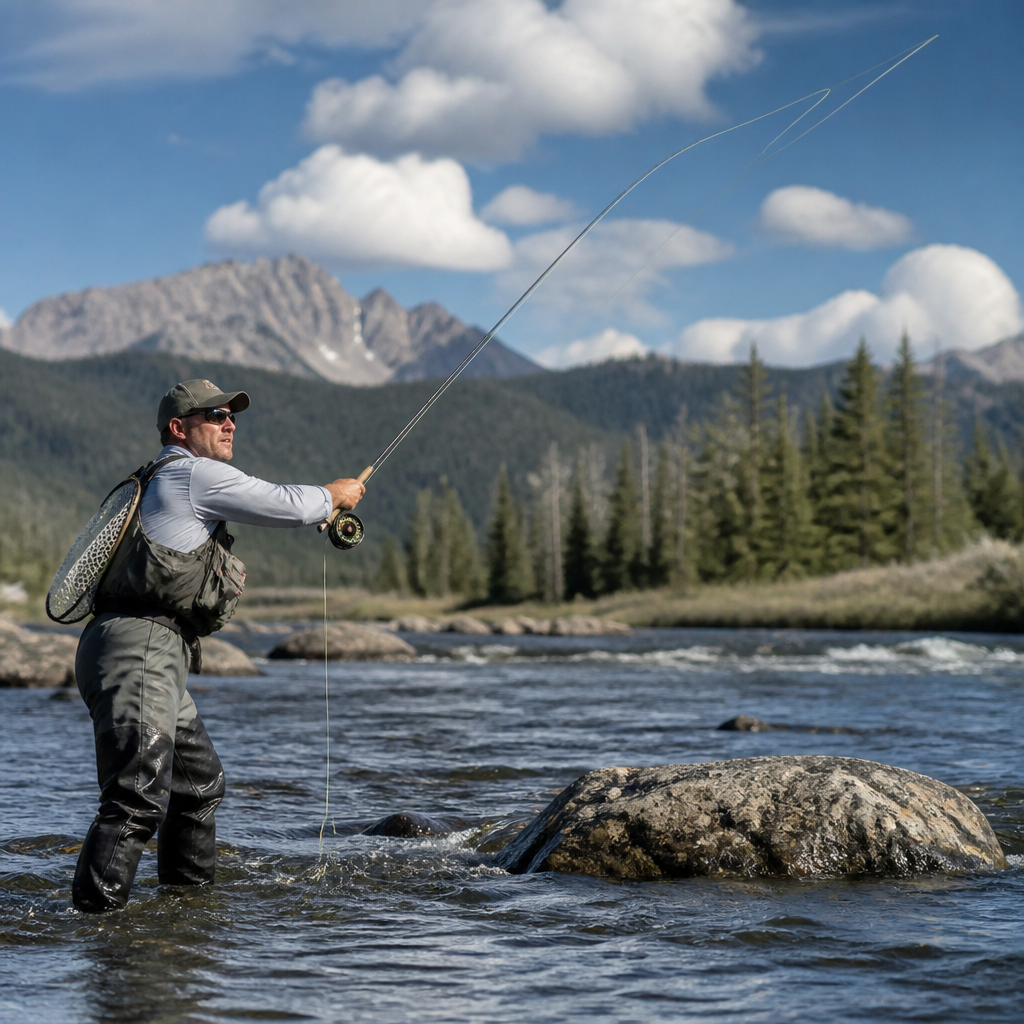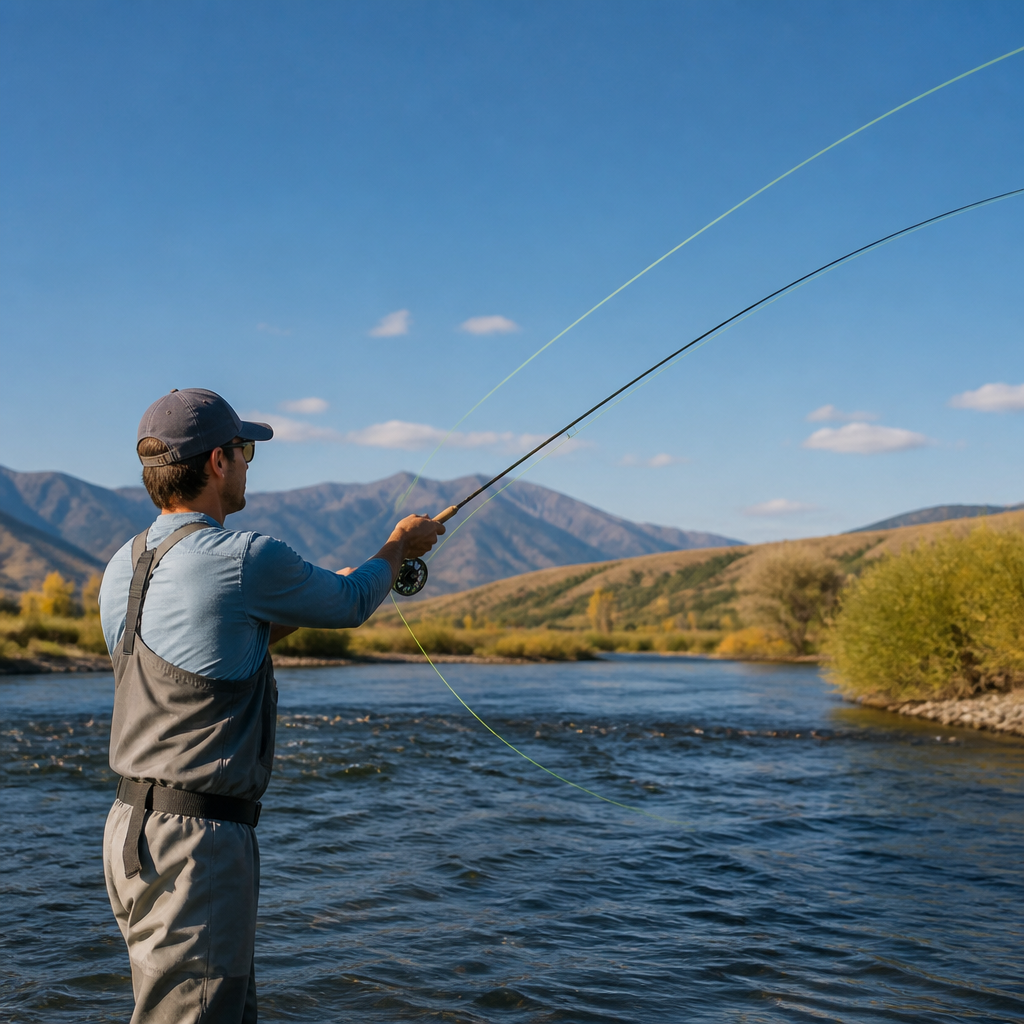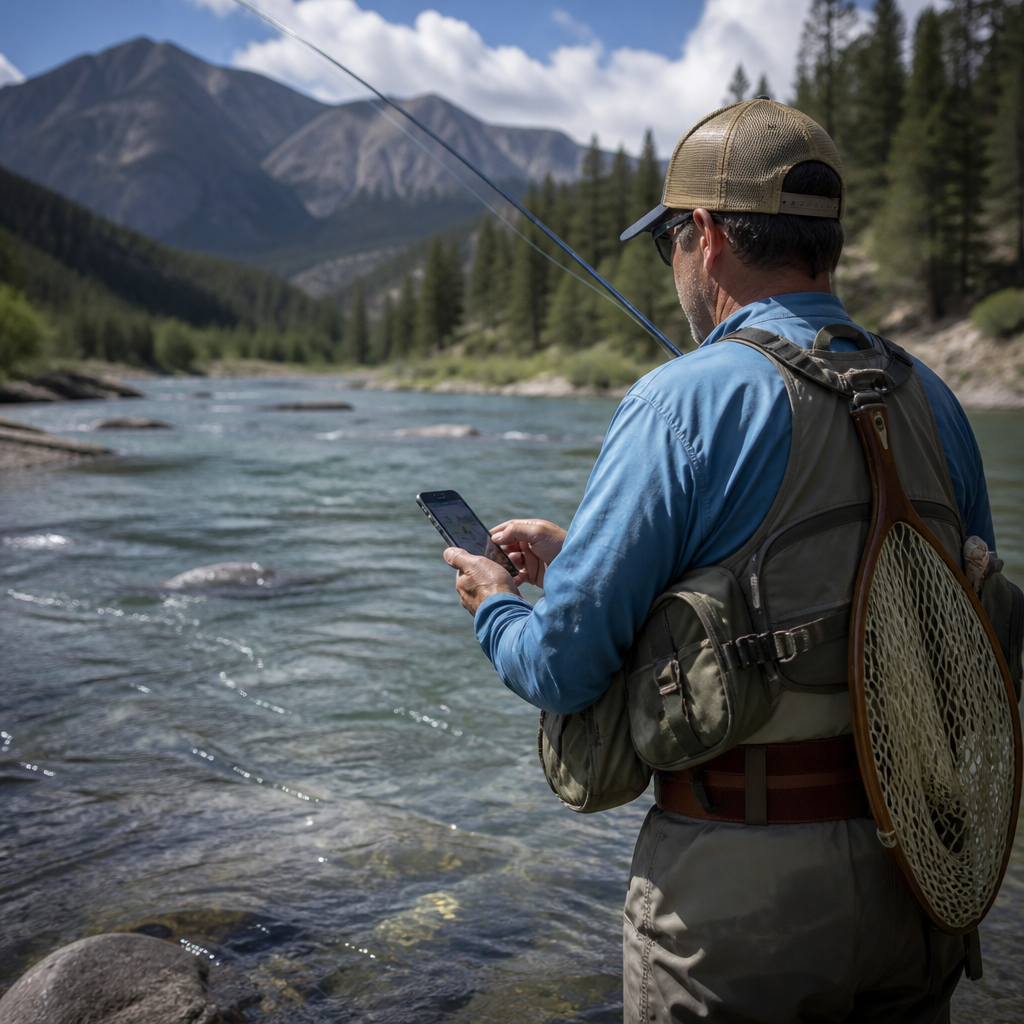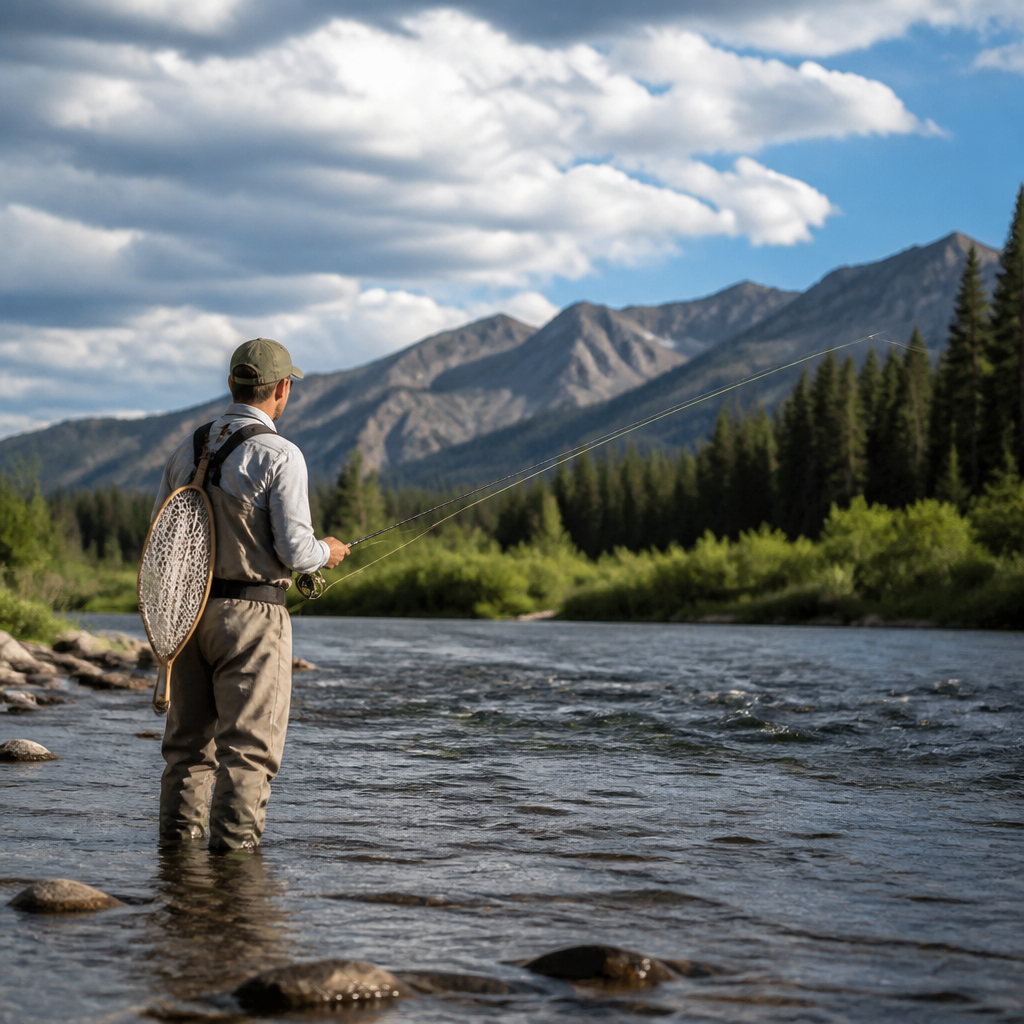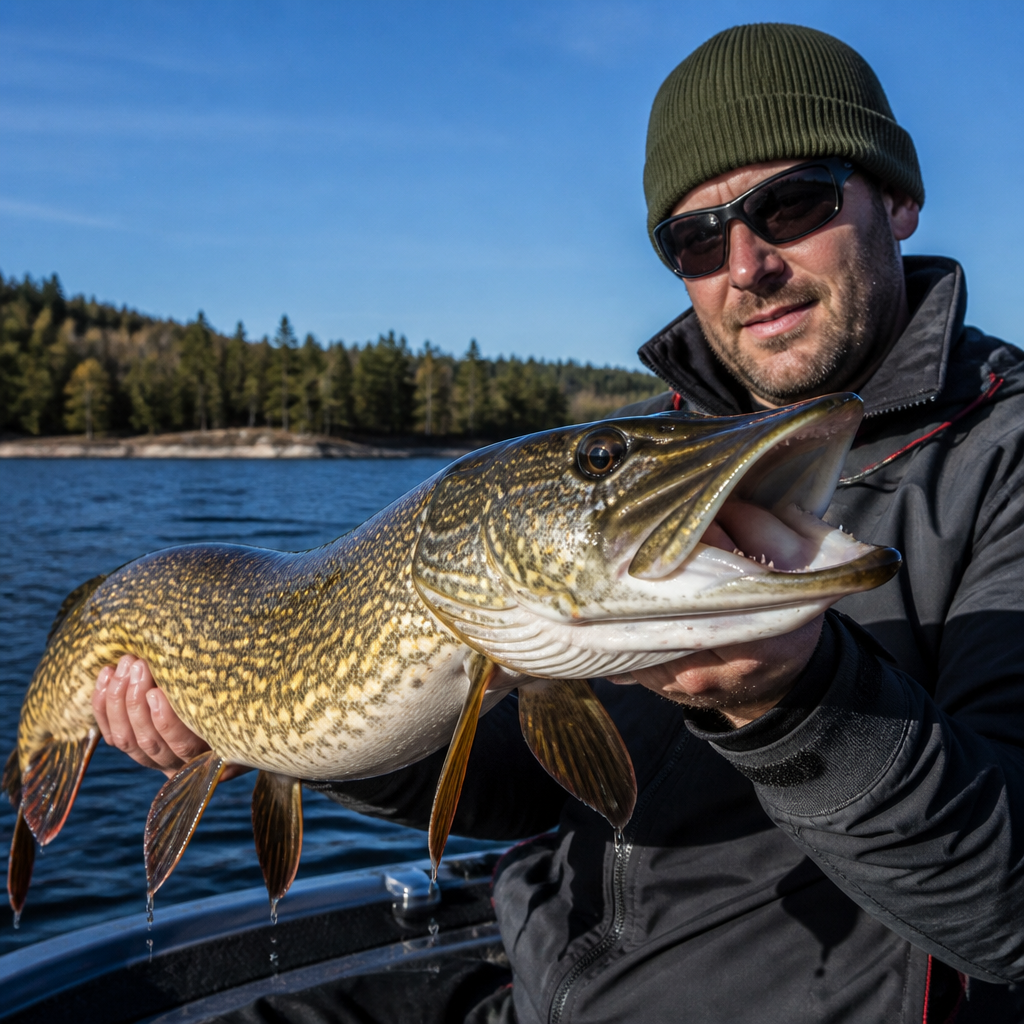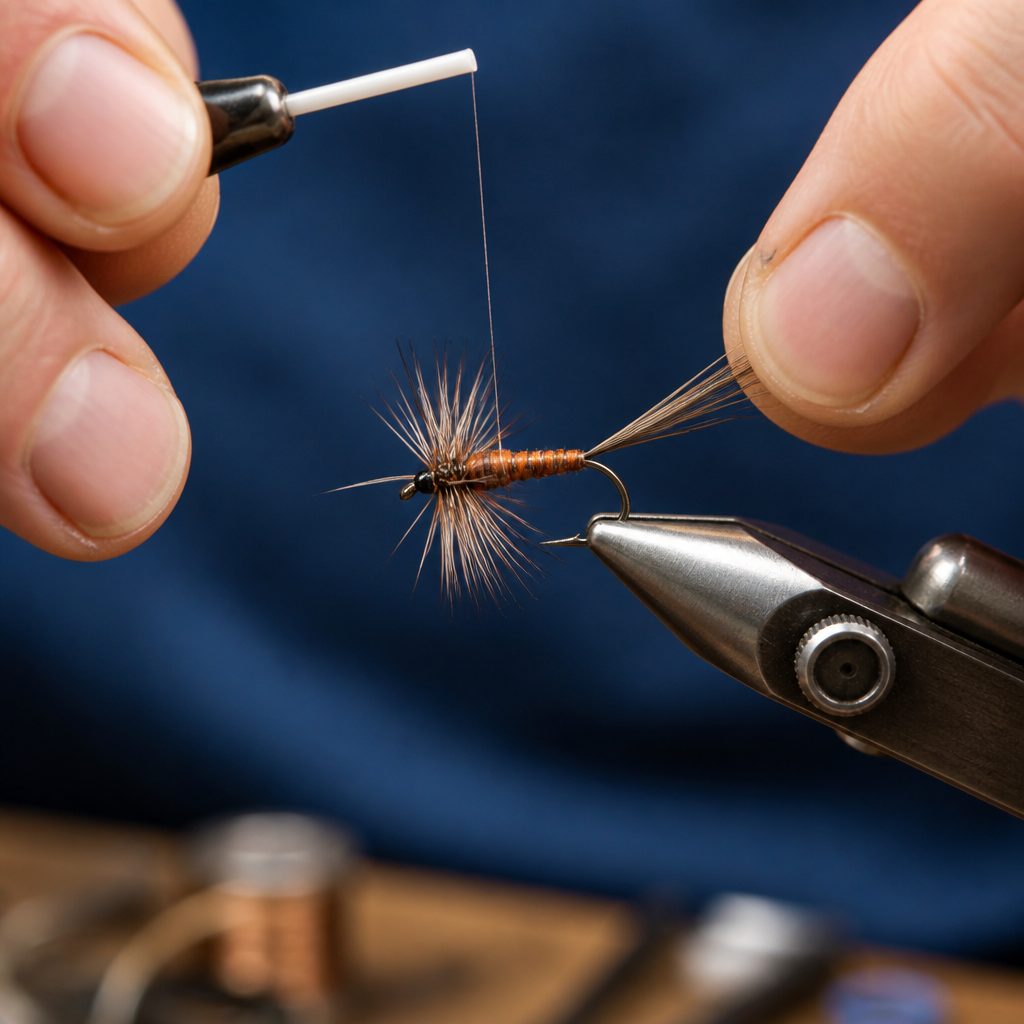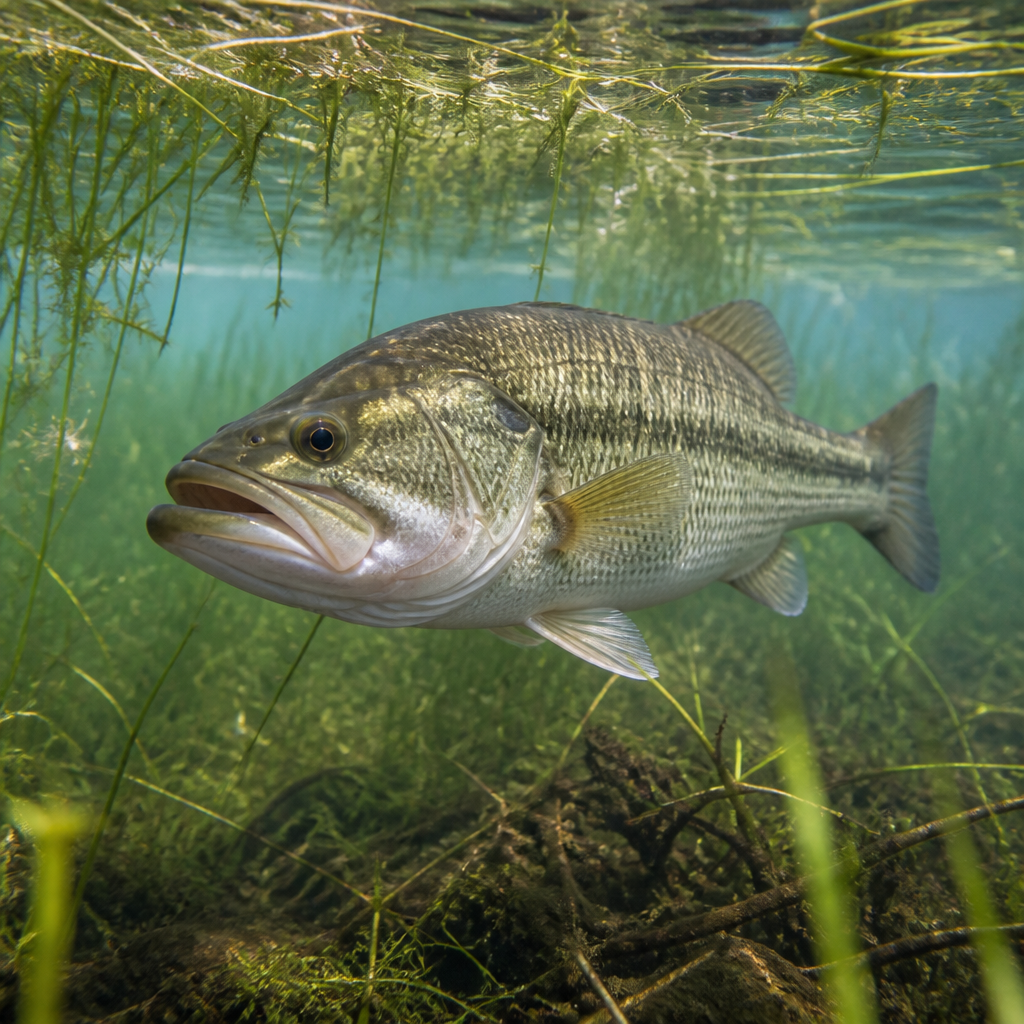
Understanding fish behavior is the foundation of advanced angling, because every successful presentation depends on predicting where fish position, when they feed, and how they react to light, temperature, current, pressure, forage, and fishing pressure. In practical terms, fish behavior means the repeatable patterns fish follow to survive: conserving energy, finding oxygen, locating food, avoiding predators, and selecting spawning habitat. Advanced strategies build on that biology. They move beyond lure color debates and focus on environmental signals, seasonal movement, strike-window timing, and the relationship between habitat and metabolism. After years of mapping reservoirs, drifting rivers, and tracking bait movement on sonar, I have found that the anglers who consistently outperform others are not simply better casters. They read conditions more accurately and adjust faster.
This matters because modern fisheries are more pressured, electronics are more sophisticated, and fish often adapt to repetitive presentations. A productive day on the water now requires more than a favorite bait. It requires an informed process. You need to know why bass suspend under bait on a high-sky post-front afternoon, why trout slide to soft seams during elevated flows, why walleye shift from windblown structure to basin edges as light fades, and why redfish may feed aggressively in mud stirred by tidal movement. Understanding fish behavior gives structure to those decisions. It helps anglers select locations efficiently, shorten unproductive periods, and make better choices about depth, speed, angle, and lure profile. As a hub for advanced techniques, this guide explains the principles that connect species and environments, so every specialized method has a clear behavioral reason behind it.
How Fish Use Energy, Oxygen, and Positioning
The most important advanced concept in fish behavior is energy economics. Fish are governed by a simple rule: gain more calories than they expend. That rule explains why predators often hold near current breaks, shade lines, grass edges, dock posts, riprap transitions, and bait chokepoints. In rivers, smallmouth bass and trout commonly set up beside eddies or inside seams where they can rest in slower water and intercept drifting food. In reservoirs, largemouth bass often suspend beside standing timber or position on the shady side of offshore structure because cover reduces exposure while keeping them close to forage. This is not random behavior. It is efficient positioning.
Oxygen is equally important. Warm water holds less dissolved oxygen than cool water, and heavy vegetation can create sharp swings, especially after calm nights or algae blooms. In summer, fish may avoid stagnant backwaters that look attractive on the surface but lack adequate oxygen below. On many natural lakes, the thermocline concentrates both bait and predator species because it creates a band of suitable temperature and oxygen. Finding that band with sonar immediately narrows the search. I have seen suspended fish ignored by anglers working shallow banks all morning, even though electronics showed the active zone twenty feet down over deeper water. Once the depth band was identified, presentations became precise and catches improved quickly.
Positioning also changes by species. Walleye frequently hold on the down-current side of structure and along breaklines that connect feeding flats to deeper refuges. Muskie use edges, but their movement windows can be short and strongly tied to light changes and weather shifts. Carp often patrol soft-bottom areas where invertebrates are abundant, while striped bass may herd pelagic bait against points, humps, or channel bends. The advanced takeaway is direct: stop asking only where fish are, and start asking what physical feature helps them save energy, breathe efficiently, and access food with minimal risk.
Seasonal Movement Patterns and Behavioral Triggers
Seasonal movement is predictable when you think in terms of biological need instead of calendar labels. In late winter and early prespawn, many species stage near spawning areas but rarely move all the way in unless temperature, photoperiod, and weather align. Bass often gather on secondary points, channel swings, and hard-bottom transitions near flats. Walleye concentrate below dams, rocky shorelines, or tributary mouths depending on system type. Trout may shift to slower wintering lies, then become more mobile as insect activity and water temperature increase. The common thread is that fish move in steps, not leaps. They use migration routes with stopping points.
During the spawn, behavior becomes less centered on feeding and more tied to territory, reproduction, and protection. That is why reaction strikes and nest-defense responses can matter as much as forage imitation. After the spawn, recovery periods vary by species and water temperature. Some fish remain near spawning habitat briefly, then slide toward nearby feeding structure. Summer patterns typically stabilize around oxygen, forage, and daily light cycles. In fall, cooling water often increases feeding intensity, but movement still follows forage. Shad-oriented bass, cisco-oriented lake trout, and perch-oriented pike all track prey before they track structure.
Weather acts as a trigger layered over these seasonal movements. A warming trend in spring can pull fish shallower for short windows, while a severe cold front may push them slightly deeper, tighter to cover, or into neutral moods without relocating them miles away. In tidal fisheries, the concept is similar but driven by water movement rather than only temperature. Flood tides create access to feeding zones; ebb tides force fish into drains, channels, and ambush funnels. Advanced anglers recognize these triggers and fish the route, not just the destination. They understand that staging zones, travel lanes, and temporary feeding shelves often produce better than the obvious target area itself.
Reading Structure, Cover, Current, and Light
Structure and cover are related but different, and that distinction matters. Structure refers to the shape of the bottom or basin: points, ledges, humps, creek channels, flats, saddles, depressions, and contour breaks. Cover refers to objects on that structure: grass, wood, docks, boulders, shell, reeds, bridge pilings, and debris. Fish use structure for movement and depth control; they use cover for concealment, shade, and ambush. When both overlap, the area becomes disproportionately valuable. A brush pile on a featureless flat can hold fish, but a brush pile on the end of a channel swing near bait is a far stronger pattern.
Current organizes behavior with even more precision. In rivers, fish rarely hold in the fastest water unless actively feeding or uniquely adapted to it. More often they use cushion water behind rocks, along undercut banks, near laydowns, and on inside bends where current speed drops. In tailraces, predator fish position where turbulent, oxygen-rich water delivers stunned bait. In lakes, wind creates a current effect that concentrates plankton, then baitfish, then predators. Many productive “wind bites” are simply food-chain compression events. Light completes the picture. Low light expands feeding range, especially for species with visual advantages in dim conditions such as walleye. Bright conditions often increase the value of shade, deeper breaks, dock floats, matted vegetation, and suspended presentations under bait schools.
| Behavioral cue | What it usually means | Best adjustment |
|---|---|---|
| Bait packed tightly on sonar | Predator pressure or unstable conditions | Use vertical or finesse presentations near the school |
| Fish positioned on the down-current edge | Energy-saving ambush posture | Present from upstream or across the seam |
| Marks suspended off structure | Forage-driven positioning, often pelagic feeding | Match depth precisely with counting or electronics |
| Shallow fish disappearing after sunrise | Light-driven retreat to nearby cover or breaks | Back off and target the first depth change |
| Short strikes or follows | Neutral mood, pressure, or speed mismatch | Change cadence, size, or angle before changing areas |
Advanced location work means stacking these signals. If wind is pushing bait onto a rocky point that intersects a creek channel near deep water, and the low-light period is approaching, the odds rise sharply. That is not luck. It is behavior mapped onto habitat. Anglers who internalize this process can transfer it from bass lakes to salmon rivers to coastal flats because the decision model stays consistent even when species change.
Forage Matching, Mood Shifts, and Presentation Strategy
Fish do not simply eat what is available; they often key on a specific forage size, profile, behavior, and depth. Matching forage therefore means more than choosing a lure that “looks like a baitfish.” If blueback herring are high in the water column and moving quickly, a bottom-dragging bait may be biologically disconnected from what predators expect to chase. If crayfish are molting along rock transitions, bottom contact and pauses become more relevant than speed. In clear trout streams, aquatic insect hatches can create intense selectivity where drift, silhouette, and micro-drag matter more than pattern color.
Mood shifts complicate this further. Active fish tolerate speed, noise, vibration, and imperfect angles. Neutral fish often require precision. Negative fish may still bite, but the trigger changes from feeding to irritation, reflex, or territorial response. That is why jerkbaits excel in cold water, why hover-strolling can keep a minnow profile in a suspended fish’s face, why dead-drifting nymphs outproduce aggressive strips during selective trout periods, and why a controlled glide bait pause can convert a muskie follow that a fast retrieve never would. The lure category matters less than the behavioral job it performs.
Retrieve angle is one of the most underused advanced strategies. Fish facing current, oriented to shade, or pinned to a grass edge often respond best when the bait arrives from a believable direction. A crankbait colliding with cover from upstream may trigger a different response than the same bait pulled away from the fish. On forward-facing sonar, many anglers have seen fish ignore repeated casts until cadence, depth, or angle aligns naturally. The lesson is practical: before changing lures, adjust speed, line angle, sink time, and approach path. Small tactical shifts often solve what looks like a major pattern failure.
Pressure, Electronics, and Pattern Refinement
Fishing pressure changes behavior in measurable ways. Repeated boat traffic, trolling passes, loud deck noise, and common lure styles can push fish deeper into cover, shift them off obvious structure, or shorten their commitment during follows. On heavily pressured urban lakes, I have watched bass abandon the visible outside weed edge after sunrise and hold instead on isolated hard spots ten yards away. The fish were still catchable, but only after the pattern was refined from “weed edge” to “subtle clean patch beside the weed edge.” Pressure often makes fish more exact, not impossible.
Electronics accelerate that refinement. Modern 2D sonar, side imaging, down imaging, mapping, and live sonar allow anglers to separate empty water from productive water with extraordinary efficiency. Used properly, they do not replace fish behavior knowledge; they confirm it. Side imaging identifies shell beds, rock veins, isolated brush, and bait clusters outside casting range. Mapping reveals funnels, contour turns, and high-percentage intersections. Live sonar shows posture, distance, and response, making it easier to detect whether fish are feeding upward, tracking without committing, or staying locked to cover. These observations matter because they connect visual data to behavioral interpretation.
The limitation is important: electronics can tempt anglers into chasing marks without context. A visible fish is not automatically a catchable fish. Behavioral clues still decide. Is the fish belly-to-bottom and inactive? Is bait present? Is current favorable? Did a front pass overnight? The most consistent anglers use technology to test hypotheses built on habitat, season, and forage. They do not let screens replace judgment. That disciplined approach is what turns information into a repeatable pattern across unfamiliar water.
Building a Repeatable Advanced Game Plan
An advanced game plan begins before the first cast. Study maps for migration routes, steep-to-flat transitions, inflows, wind-exposed banks, and likely spawning zones. Check water temperature trends, generation schedules, tide charts, moon phase, clarity, and recent weather. On the water, use the first hour to validate assumptions: where is the bait, what depth has life, how strong is current, and which cover type is attracting activity? Then narrow quickly. Instead of sampling everything, identify the winning variables. Depth plus cover plus forage is a pattern. Depth alone is not.
Refinement should be systematic. If fish are on secondary points at twelve feet near shad, test whether rock matters, whether wind improves the bite, and whether the active window peaks during sun angle changes. Log those observations. Over time, your notes become more valuable than generic advice because they reveal how fish in your regional waters react under repeat conditions. This hub article is designed to support deeper work on specific advanced techniques, from offshore structure fishing and finesse refinement to current seam presentations, pelagic targeting, and seasonal transition strategies. The unifying principle is simple: behavior first, tactics second.
Understanding fish behavior gives advanced anglers a durable edge because it explains not just where fish were yesterday, but where they are likely to move next and why they respond the way they do. Energy efficiency, oxygen, seasonal movement, structure, cover, current, light, forage, pressure, and electronics all fit into one decision framework. When you read those variables together, you stop fishing by habit and start fishing by evidence. That leads to faster adjustments, fewer wasted casts, and more consistent results across species and waterways.
The key takeaway is practical. Every advanced technique works best when attached to a clear behavioral reason. A finesse rig is not “subtle” in the abstract; it is a tool for neutral fish under specific conditions. A power presentation is not “aggressive” for its own sake; it is efficient when fish are using ambush lanes and willing to chase. If you want to improve under the broader Techniques and Strategies category, use this page as your hub, then explore each specialized method through the lens explained here. On your next trip, choose one environmental variable, track how fish react to it, and build your day around that evidence.
Frequently Asked Questions
Why is understanding fish behavior so important for advanced angling?
Understanding fish behavior matters because it turns fishing from a guessing game into a repeatable decision-making process. Fish do not move randomly. They position themselves according to survival needs such as conserving energy, accessing oxygen-rich water, locating dependable food sources, avoiding predators, and choosing suitable spawning or seasonal habitat. Advanced anglers use those predictable needs to narrow down where fish are likely to be, how active they may be, and what kind of presentation they are most willing to commit to.
In practical terms, behavior helps explain why fish may hold tight to current breaks one day, slide deeper during bright conditions, roam shallow flats during low light, or suspend near bait when temperature and oxygen levels are favorable. It also explains why a lure that works in one weather pattern may fail in another. When you understand the biological reasons behind positioning and feeding windows, you can make better choices about location, timing, lure selection, retrieve speed, and boat or bank approach. That is the core of advanced strategy: reading the conditions, predicting the fish, and adjusting before the bite disappears.
What environmental factors influence fish behavior the most?
The biggest influences on fish behavior are light, water temperature, dissolved oxygen, current, weather stability, forage location, seasonal timing, and fishing pressure. Each one affects how fish balance feeding opportunities with energy conservation and safety. Light often determines how exposed fish feel and how well they can feed visually. In low-light periods such as dawn, dusk, cloud cover, or stained water, many species become more comfortable moving shallow or feeding aggressively. In bright conditions, they often reposition to shade, deeper water, heavier cover, or structure edges.
Water temperature is equally critical because it governs metabolism. As temperatures rise within a species’ preferred range, fish may feed more often and move farther to intercept prey. When temperatures become too cold or too hot, many species reduce activity and seek more stable zones. Dissolved oxygen works alongside temperature, especially in summer and late winter, and can concentrate fish around inflows, vegetation edges, current seams, or depth ranges with better water quality. Current is another major positioning tool. Fish commonly use breaks, eddies, seams, and bottom irregularities to avoid fighting heavy flow while staying close to drifting food.
Forage location may be the most overlooked factor. Predatory fish often follow bait, bluegill, crayfish, or other natural food rather than simply holding on textbook structure. Weather changes and barometric pressure shifts can also influence movement and feeding mood, though often less directly than temperature, oxygen, and light. Finally, fishing pressure can make fish more cautious, pushing them tighter to cover, deeper into structure, or toward smaller feeding windows. Advanced anglers look at these variables together, not in isolation, because fish behavior usually reflects the combined effect of multiple environmental forces at once.
How can anglers predict where fish will position during different seasons?
Seasonal fish positioning becomes much easier to predict when you think in terms of biological priorities rather than fixed locations. In late winter and early spring, fish are often influenced by the need to preserve energy while preparing for spawning. They tend to favor areas with stable conditions, nearby depth changes, and access routes leading toward spawning habitat. As water warms, many species move progressively shallower, staging on points, channel swings, secondary structure, and transition banks before committing to beds or spawning areas.
During the spawn, location is often driven by reproduction rather than feeding, which means fish can be present but not equally willing to chase. After the spawn, many species shift toward recovery areas with access to food and security. In summer, heat and oxygen become major drivers. Fish may hold deeper, seek current, relate to offshore structure, suspend over open water near bait, or use thick cover and shade to remain comfortable. In reservoirs and lakes, thermocline development can further limit the depth range fish prefer. In rivers, seasonal current changes can reposition fish to different seams and feeding lanes.
Fall typically brings increased feeding as fish take advantage of cooling temperatures and abundant forage movement. This often creates more aggressive behavior and larger roaming patterns, especially when baitfish migrate into creeks, coves, flats, or shoreline zones. In winter, many fish slow down and gather in more stable environments where they can minimize energy use while still taking advantage of occasional feeding windows. Across all seasons, the key is to identify the most important need of that period—spawning, recovery, comfort, oxygen, or feeding—and then locate the structure, depth, cover, and water conditions that support it. Seasonal positioning is not random; it is a logical response to changing biological demands.
How should lure selection and presentation change based on fish behavior?
Lure selection should match not only what fish are eating, but also how they are positioned, how active they are, and how much effort they are willing to make to feed. Active fish in favorable conditions often respond well to faster, more aggressive presentations that cover water and trigger reaction strikes. Inactive or pressured fish usually require more precise placement, better angle control, subtler action, or a slower retrieve that stays in the strike zone longer. In other words, behavior should dictate both the bait and the way it is presented.
If fish are feeding around current seams or ambush points, choose presentations that move naturally with the flow or cross the fish’s line of sight without looking unnatural. If fish are buried in cover, you may need a lure that penetrates efficiently and can be worked slowly in tight quarters. If they are suspended near bait, horizontal presentations that maintain a controlled depth become more important than bottom contact. In low visibility conditions, vibration, profile, and displacement may matter more than fine visual detail. In clear water or under heavy pressure, natural color, subtle movement, and long casts can make a major difference.
Retrieve style is just as important as lure choice. Fish conserving energy often prefer presentations that appear easy to catch. Fish actively hunting may respond better to speed changes, deflections, or erratic movement that imitates vulnerable prey. Advanced anglers constantly interpret feedback: short strikes, follows, missed bites, or complete inactivity all reveal something about fish mood and positioning. Successful presentation comes from aligning lure depth, speed, action, angle, and duration with the behavior fish are showing in that moment.
What are the best advanced strategies for adapting when fish stop biting?
When fish stop biting, the best strategy is to assume something in the pattern has changed and then identify which variable shifted first. Fish rarely become “unfishable” without a reason. They may have repositioned because of light angle, current strength, boat traffic, changing wind, temperature fluctuation, forage movement, or increasing fishing pressure. Instead of cycling randomly through lures, advanced anglers work through a structured adjustment process: depth, location, speed, angle, profile, and timing.
Start by checking whether the fish moved vertically or horizontally. They may still be near the same area but holding deeper, suspending higher, sliding tighter to cover, or setting up on the opposite side of structure based on wind or sun. Then evaluate whether feeding behavior changed. A missed moving-bait bite might mean it is time for a slower follow-up presentation. A strong morning shallow bite that fades may signal a transition to shade lines, offshore cover, or current-related positions. If pressure is high, downsizing line or lure profile and improving casting distance or stealth can restore bites from fish that have become cautious.
Another advanced adjustment is to watch the food chain. If bait leaves a flat, predators often leave with it. If bluegill move into shade or grass, bass may reposition nearby. If current generation starts or stops, river and tailwater fish can completely reorganize. It is also important to stay aware of timing windows. Sometimes fish have not disappeared; they have simply become less willing between feeding periods. In those situations, slowing down, making repeated casts from improved angles, or temporarily searching for a fresh group of fish can be more effective than forcing the original pattern. The best anglers adapt quickly because they read changed behavior early and treat every slowdown as useful information rather than bad luck.