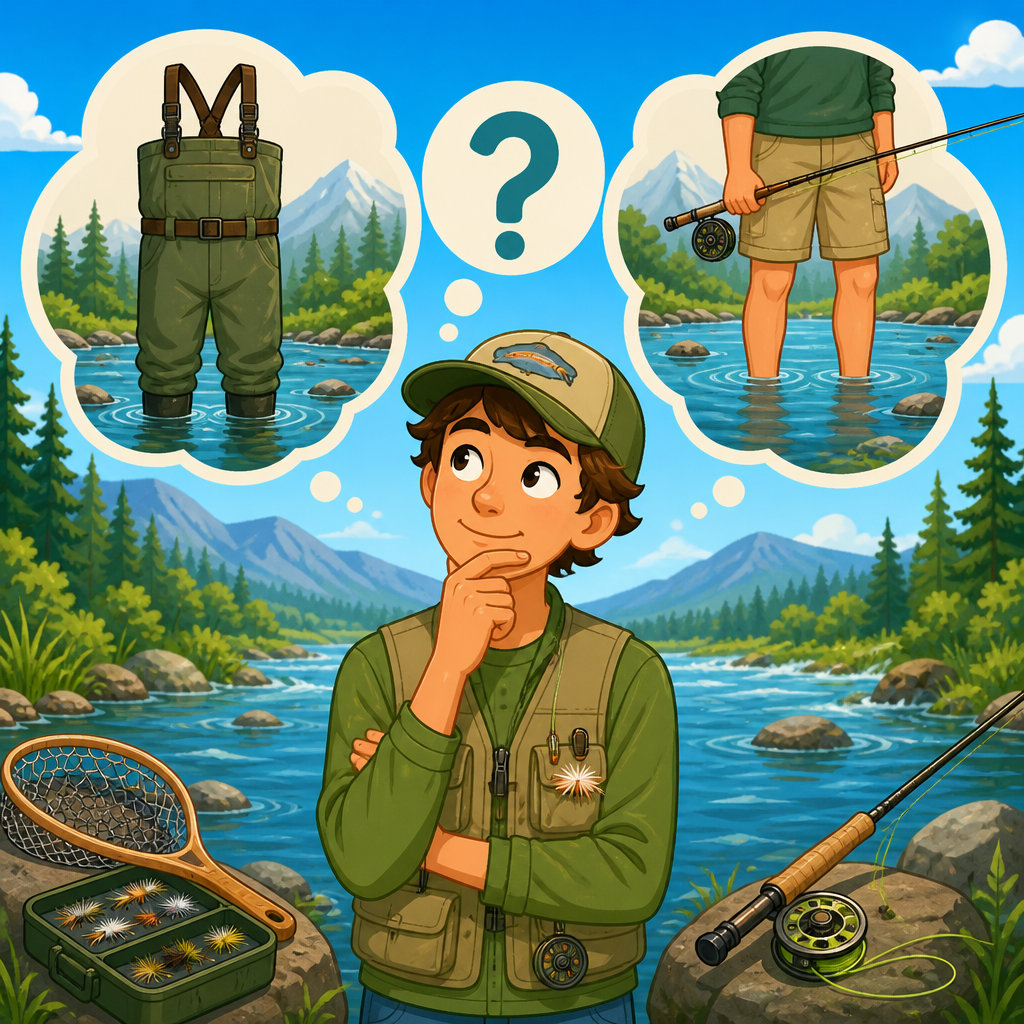
Do you need waders to learn fly fishing? Usually, no. Waders can make early outings more comfortable and extend where you can safely stand, but they are not a prerequisite for learning the fundamentals of casting, line control, fly selection, knot tying, fish handling, and reading water. I have taught beginners on grass fields, ponds, warmwater banks, drift boats, and shallow trout streams, and many of the fastest learners started in ordinary quick-dry clothing before they ever bought chest waders. For a new angler, the better question is not whether waders are required, but when they become useful, what type fits your fishing, and how they compare with investing first in a rod, reel, fly line, leaders, and instruction.
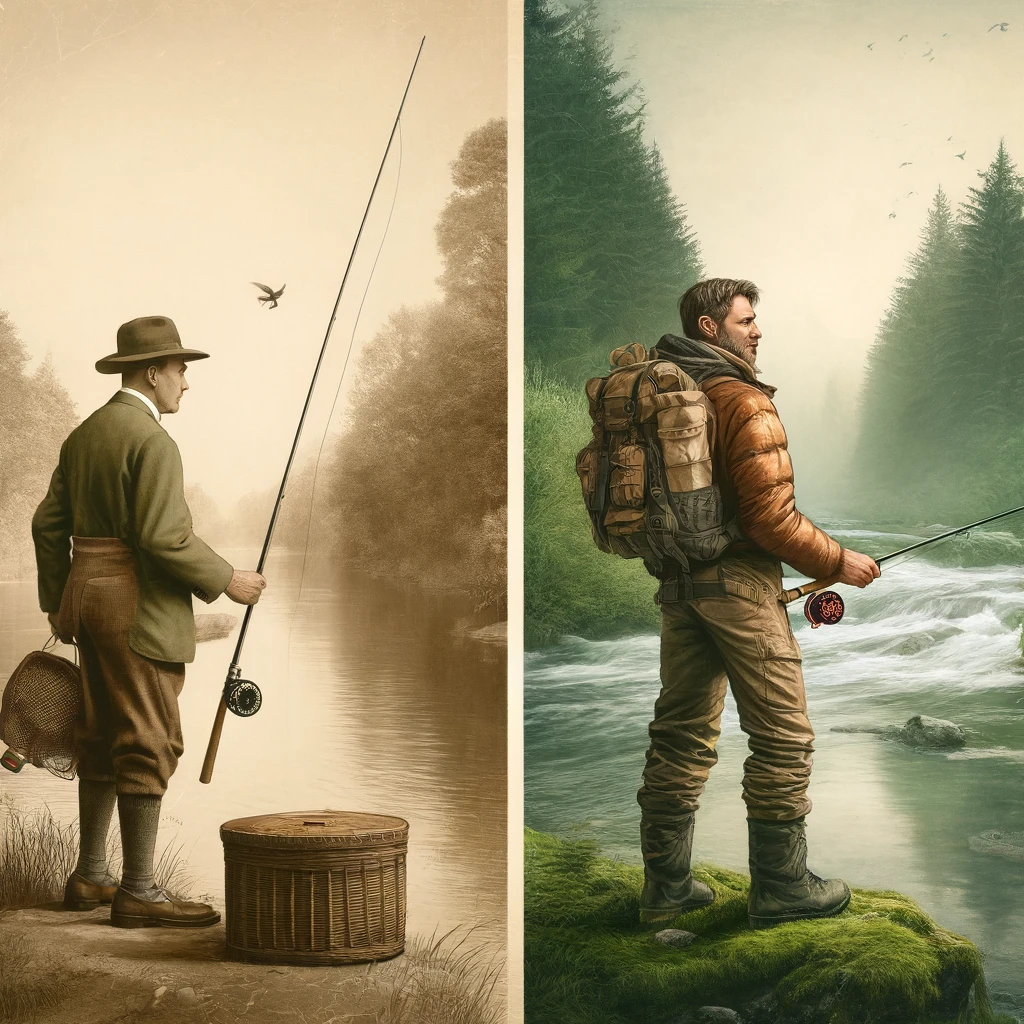
That distinction matters because fly fishing is often presented through images of anglers standing midstream in chest waders, which can make the sport look gear-heavy and expensive. In practice, fly fishing is a method of presenting lightweight flies with a weighted line. The core skills are transferable across rivers, lakes, saltwater flats, and even lawns used for practice. Waders are waterproof garments, commonly hip, waist, or chest height, that let you enter cold or moderately deep water while wearing boots. They improve access and comfort, but they also add cost, maintenance, and safety considerations. If you understand where waders help and where they are unnecessary, you can start with less gear, spend smarter, and learn the right habits from the beginning.
As a hub for Introduction to Fly Fishing, this guide covers the full beginner picture: what fly fishing actually involves, where novices should start, what gear matters first, when waders become worth buying, and how to stay safe whether you fish wet, dry, from shore, or from a boat. If you are building your foundation in Fly Fishing Basics, think of this page as your roadmap. It answers the immediate question about waders, but it also connects that answer to beginner casting practice, tackle selection, common fishing environments, and realistic first-trip expectations so you can make confident decisions instead of chasing a shopping list.
What beginners really need to start fly fishing
To learn fly fishing, you need a workable setup, room to practice, and a place with forgiving fish. The essential kit is simple: a balanced rod and reel outfit, a quality fly line matched to the rod, a leader, tippet, a few flies, forceps, nippers, and a fishing license. For most beginners, a 9-foot 5-weight rod is the best all-around starting point because it can cast dry flies, nymphs, and small streamers on trout water while remaining manageable during lessons. I strongly prefer that new anglers spend money on the line before upgrading the reel. A premium weight-forward floating line from brands such as Scientific Anglers, Rio, or Airflo loads the rod correctly and makes timing easier. Cheap line is one of the most common causes of frustrating first sessions.
You do not need waders to practice the mechanics that matter most in week one. False casting, line pickup, smooth acceleration, a crisp stop, loop control, and basic roll casting can all be learned on grass or from a shoreline. In fact, some instructors deliberately start students out of the water because it removes current, footing, and distance anxiety. Once a beginner can cast 30 to 40 feet with control, manage slack, and identify where the fly lands relative to likely holding water, stepping into a stream becomes an advantage rather than a distraction. This is why introductory fly fishing classes at clubs, parks, and retailers often begin on open fields.
Good beginner locations also reduce the need for waders. Farm ponds, public lakes, canal edges, park lagoons, and gentle river banks can produce bluegill, bass, trout, and panfish from shore. Bluegill are especially good teachers because they eat readily, reveal strikes clearly, and reward short casts. Trout in stocked ponds offer similar value. Learning to cast from a stable bank helps you focus on line hand coordination, hook sets, and fish fighting angles. You can add wading later, once you have enough control to benefit from a slightly better position.
When waders help, and when they are unnecessary
Waders become useful when water temperature, bank access, vegetation, depth, or river structure make shoreline fishing limiting. Cold water is the biggest reason. Many productive trout streams remain uncomfortably cold even in mild weather, and prolonged wet wading can shorten your session, reduce concentration, and become a safety problem. Enter breathable chest waders, usually paired with layered insulation and purpose-built wading boots. They let you cross shallow channels, reach better seams, and fish longer with stable footing. On freestone rivers with boulders or spring creeks with undercut banks, that mobility can materially improve presentation and drift length.
However, there are many scenarios where waders are unnecessary or even inconvenient. Warm summer fishing for bass and panfish, saltwater flats with hard bottoms, kayak fishing, boat fishing, and small urban creeks often favor wet wading or staying on shore. In drift boats, rafts, and guided lake trips, anglers commonly fish without entering the water at all. In mountain streams during hot weather, quick-dry pants, neoprene socks, and quality boots can be more comfortable than chest waders. I have seen beginners fish better without waders on technical creeks because they moved more naturally, watched their footing more carefully, and spent less energy adjusting straps, pockets, and layers.
The key principle is function, not appearance. If waders solve a real problem in your fishery, buy them. If they mostly satisfy the mental picture of what a fly angler is supposed to wear, wait. New anglers routinely overestimate how much time they will spend standing waist-deep in rivers. Most effective fly fishing happens from the bank, from ankle- to knee-deep positions, or from a boat. Better casting angles help, but they do not replace stealth, drift management, and observation. A beginner who learns to approach from shore, keep a low profile, and cast accurately will outfish a poorly positioned angler in expensive waders.
Types of waders, costs, and how to choose intelligently
If you decide waders would improve your learning, choose them based on climate, fishery, and frequency of use. The three main styles are hip waders, waist-high waders, and chest waders. Hip waders are the lightest and cheapest, but their use is narrow; they suit shallow irrigation channels, small streams, and occasional crossings. Waist-high models are cooler and less restrictive than chest waders, making them excellent for moderate-depth rivers and anglers who seldom go above the thigh. Chest waders are the most versatile and the standard recommendation for cold trout water because they provide maximum coverage, layering room, and emergency margin if you step deeper than planned.
Material matters as much as cut. Modern breathable laminates dominate because they vent perspiration better than old neoprene and work across more seasons. Neoprene still has a place in very cold conditions, but it is heavier and can feel clammy during hikes. Bootfoot waders integrate the boot and are common in some hunting and boat applications, yet stockingfoot breathable waders paired with separate boots are better for most fly anglers. They walk better, fit more precisely, and let you replace worn boots without replacing the wader. Expect entry-level breathable models from reputable brands such as Simms, Patagonia, Orvis, Redington, and Frogg Toggs to cover a wide price range, with higher prices generally buying better seam construction, fabric durability, pocket design, and warranty support.
| Option | Best use | Main advantages | Main drawbacks |
|---|---|---|---|
| Wet wading | Warm weather, small streams, ponds, summer rivers | Low cost, mobile, cool, simple | Cold water exposure, limited season, less protection |
| Waist-high waders | Moderate rivers, anglers who seldom wade deep | Lighter, cooler, easier movement | Less margin in deeper water |
| Chest waders | Cold trout streams, varied conditions, most versatility | Maximum coverage, layering, access | Higher cost, warmer, more maintenance |
Fit should be tested with the same layers you expect to wear. Restricted stride, tight knees, or compressed feet lead to poor balance and cold extremities. Boots deserve equal attention. Wading boots should feel secure on uneven rocks, drain efficiently, and hold the ankle without pinching. Outsoles vary by regulation and terrain: felt grips algae-slick rocks extremely well but is restricted in some regions because of invasive-species concerns, while rubber soles with tungsten or aluminum studs offer broad legal compatibility and strong traction on mixed surfaces. For many beginners, the smartest buying sequence is rod outfit first, instruction second, then waders and boots once local water and season justify them.
Safety, comfort, and skill development for first-time anglers
The biggest beginner mistake around waders is assuming they create safety by themselves. They do not. Wading safety comes from judgment, route selection, staff use, and respecting current. Fast water exerts more force than most newcomers expect, especially above the knee. Before stepping in, study entry and exit points, look for smooth tongues of current rather than choppy drop-offs, and shuffle or slide your feet instead of taking tall steps. Keep your stance wide and move one point of contact at a time. A wading staff is not an advanced accessory; on rocky rivers it is a practical safety tool. So is a snug belt, which reduces water entry and improves fit.
Comfort also affects learning quality. Beginners absorb more when they are warm, dry, and not worried about slipping. Layering under breathable waders follows the same moisture-management logic used in hiking: synthetic or wool base layers, insulating fleece as needed, and no cotton against the skin in cold conditions. In hot weather, overheating inside waders can be just as distracting as cold water during wet wading. That is another reason many instructors encourage seasonally appropriate simplicity. If the day is warm and the fish can be reached from shore, wearing lightweight sun clothing may make you more attentive to casting feedback and fish behavior.
Skill development should stay ahead of gear accumulation. Your first milestones are not measured by how deep you can stand but by whether you can form consistent loops, cast with the wind on either side, mend line upstream and downstream, detect strikes, and land fish quickly enough to release them in good condition. Learn a short list of knots well: arbor knot, improved clinch or Davy knot, loop-to-loop connection, surgeon’s knot, and blood knot if you build leaders. Practice fish-friendly habits from day one: wet your hands, keep fish in the water when possible, pinch barbs where appropriate, and carry forceps for fast hook removal. Those basics matter more to long-term success than owning every category of apparel.
Building your fly fishing foundation beyond the wader question
As the hub for Introduction to Fly Fishing, this topic should lead you into the broader system that makes the sport work. Start by understanding the basic categories of flies and presentations. Dry flies imitate insects on the surface. Nymphs represent subsurface life stages and catch fish consistently because many species feed underwater most of the time. Streamers suggest baitfish, leeches, or larger prey and often trigger aggressive takes. Matching these flies to conditions requires reading water, which means identifying seams, riffles, runs, pools, drop-offs, weed edges, and current breaks where fish conserve energy while intercepting food.
Next, connect tackle choices to technique. A floating line covers most beginner situations. Leaders taper energy from the fly line to the fly, while tippet adds stealth and replaceable terminal diameter. Rod weight influences what you can cast efficiently: 3-weight and 4-weight setups excel on small streams, 5-weight rods are the standard all-round trout tools, 6-weight rods bridge trout and warmwater duties, and heavier outfits enter bass, pike, salmon, and saltwater territory. Reels matter most when fish run hard or when line management is critical, but smooth drag and proper balance still improve usability.
Finally, shorten the learning curve by seeking structured feedback. A good casting lesson can prevent months of self-taught compensation, especially tailing loops, creeping, overpowering the forward stroke, and poor tracking. Join a local club, visit a reputable fly shop, or book a half-day guide trip with the explicit goal of learning rather than maximizing fish count. Keep notes after each outing: water type, flies used, weather, successful retrieves, missed strikes, and any wading challenges. Those observations quickly reveal whether waders would genuinely expand your fishing. Start simple, fish often, and add equipment only when a clear limitation appears. That is how most competent fly anglers build skill efficiently and enjoy the sport from the start.
You do not need waders to learn fly fishing, and understanding that can save money, reduce intimidation, and get you on the water sooner. The essentials are a balanced outfit, a few proven flies, safe access, and focused practice on casting, line control, and fish handling. Waders become valuable when cold water, difficult banks, or river structure make them functional tools rather than symbolic purchases. For some fisheries, especially trout streams in cool weather, chest or waist-high waders are a wise next step. For many first outings on ponds, banks, lakes, boats, and warm creeks, ordinary quick-dry clothing or simple wet-wading is entirely adequate.
The larger lesson for anyone entering Fly Fishing Basics is that progress comes from matching gear to conditions, not from copying a catalog image. Build your foundation around transferable skills: accurate casting, reading water, choosing flies by depth and food source, tying dependable knots, and moving safely around fishable water. Buy waders when they solve a repeated problem, and choose the style that suits your climate and local access. If you are ready to begin, assemble a simple 5-weight setup, practice on grass, visit a nearby beginner-friendly water, and make your first trip about learning. The sport opens up quickly once you start.
Frequently Asked Questions
Do you need waders to start learning fly fishing?
No, you do not need waders to start learning fly fishing. For most beginners, waders are a comfort item and access tool, not a requirement. The core skills that matter early on—casting, line control, knot tying, fly selection, reading water, and basic fish handling—can all be learned without stepping into a river in chest waders. Many new anglers make faster progress when they begin in simple conditions such as a grassy field, a pond bank, a dock, or a gentle shoreline where they can focus on technique without also managing extra gear.
In fact, learning without waders can remove a lot of distractions. You do not have to worry about fit, layering, overheating, leaks, or moving awkwardly in unfamiliar equipment. That lets you put your attention where it belongs: making clean casts, understanding how your fly line moves, practicing mends, and getting comfortable with basic presentation. If your first few outings are on warmwater banks, easy-access ponds, or shallow edges of trout streams, quick-dry clothing and sensible footwear are often enough. Waders become more useful later when you want to fish colder water, stand deeper safely, or reach better positions in a stream.
What can a beginner realistically learn without ever putting on waders?
A beginner can learn almost everything important without waders. Casting mechanics can be practiced on grass or any open area, and this is often one of the best ways to build fundamentals because there is no current, no slippery footing, and no pressure from rising fish. You can work on your grip, stance, timing, loop shape, false casting, shooting line, and accuracy before you ever step near moving water. That foundation carries directly into real fishing.
You can also learn line management from shore. Stripping line, controlling slack, setting the hook, and managing a fish at close range are all skills that can be practiced while bank fishing. On ponds and lakes, beginners often get excellent repetition because they can cast comfortably from firm ground. On streams, many lessons in reading water—identifying seams, riffles, runs, undercut banks, and current breaks—can be taught perfectly well from the bank or in shallow margins. Knot tying, leader setup, tippet selection, fly changes, and fish-friendly handling techniques are entirely independent of waders. Even presentation concepts such as drift, swing, depth, and retrieve can be introduced successfully from dry land or very shallow water.
What waders do not teach you is how to fish well. They may help you reach different water, but they do not replace skill. Beginners are often better served by spending money and practice time on instruction, a balanced rod-and-line setup, and time on the water rather than assuming waders are the missing piece.
When do waders actually become helpful for learning fly fishing?
Waders become helpful when they expand your safe fishing options or make conditions comfortable enough that you can stay focused and fish longer. Cold water is the most obvious example. If you are learning on trout streams during spring, fall, or winter, waders can keep you warm and dry, which improves concentration and endurance. They also help when stream structure makes bank casting difficult and you need to step slightly off shore to open up a casting lane or get a better drift.
They are also useful in rivers where a small change in position matters. Being able to stand a few feet farther out can improve your casting angle, line control, and drift through a productive seam. For beginners, that can make certain lessons easier to understand because you can better see how position affects presentation. On the other hand, that benefit only matters if the water is shallow, the footing is safe, and you know your limits. Waders should improve access, not encourage risky wading.
Another reason beginners buy waders is comfort over a longer day. If you plan to fish frequently in cooler climates, chest waders can make the sport more enjoyable from the start. But that still does not make them mandatory. They are best thought of as an upgrade that broadens where and when you can fish, not a gatekeeper to learning fly fishing properly.
If you skip waders at first, what should you wear instead?
If you are skipping waders, wear practical clothing suited to weather, water temperature, and footing. Quick-dry pants or shorts, moisture-wicking layers, and a lightweight sun shirt are excellent choices for warm conditions. Avoid heavy cotton if possible, since it stays wet and uncomfortable. A hat, polarized sunglasses, and sunscreen are important not only for comfort but also for safety and visibility. Polarized lenses help you see current seams, submerged structure, and fish movement, which makes learning much easier.
Footwear matters just as much as clothing. For bank fishing, sturdy trail shoes, sandals designed for wet use, or grippy approach shoes often work well. If you will be stepping into shallow water, choose footwear that protects your feet and provides traction on slick rocks or muddy edges. The key is stability. Many beginner mistakes come from bad footing rather than bad casting. If you are cold, wet, or slipping around, it is hard to learn effectively.
The overall goal is to stay mobile, comfortable, and focused. You do not need a highly specialized outfit to start fly fishing. Simple, weather-appropriate, quick-drying clothes and secure footwear will handle many beginner situations just fine. As you gain experience, you will quickly learn whether your local waters and seasons justify investing in waders.
Should a beginner buy waders right away, or wait until after a few trips?
Most beginners should wait until after a few trips unless they already know they will be fishing cold rivers regularly. Waiting gives you a chance to learn what kind of fly fishing you actually enjoy and what environments you will fish most often. Someone spending weekends on ponds, bass water, drift boats, or easy summer trout access may discover that waders are not an urgent need at all. Someone else fishing freestone streams in chilly conditions may decide they are worth buying sooner. A little real-world experience makes that decision much clearer.
There is also a practical budget reason to wait. New fly anglers usually benefit more from putting early money into the right rod, line, leader material, flies, nippers, hemostats, and perhaps a lesson with a good instructor. Those items have a more direct impact on learning success than waders do. If you buy waders too early, there is a chance you will choose the wrong style, size, or price point before you understand your needs.
When you do decide to buy, think in terms of safety, fit, and frequency of use. Make sure they allow comfortable movement, work with appropriate boots if needed, and match the climate and waters you fish. But until that point, do not let the lack of waders stop you from getting started. Many anglers build strong fundamentals in ordinary quick-dry clothing and only add chest waders later, once they know exactly why they want them.