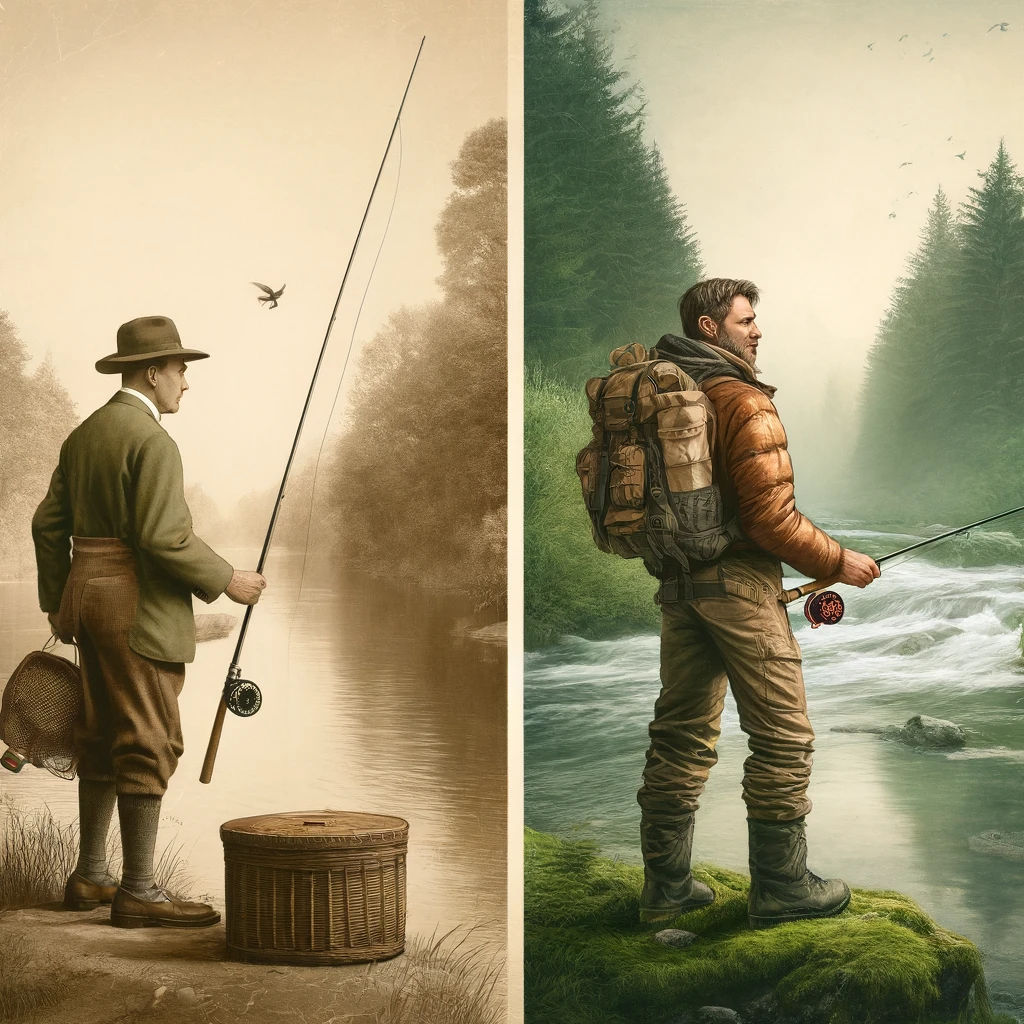
Fly fishing is more than just a sport; it’s an art form that combines the technicality of casting with the calmness of immersing oneself in nature. Whether you’re looking to catch trout in a serene mountain stream or land a giant tarpon in coastal waters, the beauty of fly fishing lies in the skill and finesse that goes into it. For many, it’s a meditative experience that helps them connect with both the environment and themselves.
As a beginner, the world of fly fishing can seem daunting. There’s an array of equipment to understand, different casting techniques to master, and water conditions to read. But don’t be discouraged. With a bit of patience and practice, you’ll soon find yourself casting like a pro and basking in the joy of your first catch. This article is designed to demystify fly fishing basics, introducing you to the essential principles and concepts that every beginner should know.
We’ll cover everything from the must-have gear to fundamental casting techniques. You’ll learn how to choose the proper rod, reel, and line for different fishing environments and species. We’ll also delve into the subtleties of flies and how to select the right ones depending on your target fish and the conditions you face. By breaking down these components, you’ll be well-equipped to embark on your fly fishing adventures with confidence.
Essential Equipment
Understanding fly fishing equipment is crucial for any beginner. The main components you’ll need are a fly rod, fly reel, fly line, leader, tippet, and, of course, flies. Let’s break these down:
- Fly Rod: The fly rod is pivotal. For beginners, a 9-foot rod for a 5-weight line is typically recommended, as it’s versatile and easy to handle. The rod’s length and weight depend on the type of waters you’re fishing in and the fish species you’re targeting.
- Fly Reel: The fly reel acts primarily as a storage device for the line but also plays a vital role when fighting larger fish. Ensure it matches your rod’s weight for balance and effective casting.
- Fly Line: Fly lines come in various types, including floating, sinking, and sink-tip lines. For beginners, a weight-forward floating line is a good starting point as it helps with easier casting.
- Leader and Tippet: The leader is a tapered section of monofilament that connects the fly line to the fly. The tippet is the final section of this, which is usually thinner and less visible in the water. The diameter of your tippet should match the size of your fly and the fish you’re targeting.
- Flies: Flies mimic the fish’s natural diet, such as insects or smaller fish. They generally fall into three categories: dry flies (which float on the surface), wet flies/nymphs (which sink), and streamers (which imitate larger prey). Choosing the right fly depends on the fish species and water conditions.
Equipping yourself with the right gear can make a profound difference in your fly fishing experience, enhancing your accuracy, control, and ultimately, your success rate.
Basic Casting Techniques
Casting is the heart of fly fishing and mastering it is essential. There are two basic types of casts that beginners should focus on:
- The Overhead Cast: This straightforward cast involves lifting the rod to a 10 o’clock position and then back to 2 o’clock, allowing the line to extend behind you. Then you flick the rod forward, allowing the line to shoot forward in a controlled manner.
- The Roll Cast: Ideal for tighter spaces where a back cast isn’t possible, the roll cast involves letting the line lay on the water while lifting the rod to create a loop. A quick forward flick rolls the line out in front of you.
Here are some essential tips:
- Always keep your wrist firm to maintain control.
- Avoid whipping the rod; aim for smooth, controlled motions.
- Practice in an open area free of obstructions to improve your technique.
Perfecting these casts will lay a solid foundation for more advanced techniques and will play a significant role in your fly fishing journey.

Understanding Fish Behavior
Knowing where and when to fish is as crucial as the gear you use and the casts you perform. Fish behavior is influenced by a range of factors, including water temperature, time of day, and available food sources.
Water Temperature: Different species have specific temperature ranges they prefer. For instance, trout thrive in cooler waters, typically between 50-60°F. Conversely, bass are more active in warmer conditions.
Time of Day: Early mornings and late evenings are often the most productive times to fish, as fish are more likely to be feeding during these cooler parts of the day.
Food Sources: Fish are opportunistic feeders and tend to be found where food is abundant. Observing surface activity like insect hatches can provide clues about what’s on the menu and where fish are feeding.
By understanding these behavioral patterns, you’ll be better equipped to choose the right spots and times, significantly increasing your chances of a successful catch.
Fly Selection
Choosing the right fly is an art in itself. It’s not just about matching the hatch; it’s also about understanding the fish’s feeding patterns and preferences.
- Dry Flies: These float on the water’s surface and mimic adult insects. They’re excellent for targeting fish feeding on the surface.
- Wet Flies/Nymphs: These sink below the surface and imitate larval stages of insects or other underwater prey. They are particularly effective when fish are feeding beneath the surface.
- Streamers: Designed to imitate larger prey like baitfish, streamers provoke aggressive strikes and are effective for larger, predatory fish.
Beginners should start with a basic assortment of these flies and gradually expand their collection as they become more familiar with local conditions and fish species.
Knots and Rigging
Knowing how to tie essential knots and rig your line is fundamental to fly fishing. Here are some basic knots every fly fisher should know:
- Improved Clinch Knot: Ideal for tying your fly to the tippet.
- Surgeon’s Knot: Useful for connecting the leader to the tippet.
- Arbor Knot: Necessary for attaching the backing to the fly reel.
Practice these knots at home until they become second nature. A properly tied knot ensures that your fly stays attached when you hook a fish, minimizing the risk of losing a catch due to knot failure.
Reading Water
Understanding how to read water is a skill that comes with experience but is crucial for effective fly fishing. Here are a few tips:
- Look for Riffles and Pools: Fish often congregate in these areas due to a combination of oxygenation and food availability.
- Identify Structure: Natural features like rocks, downed trees, and undercut banks offer shelter to fish.
- Observe Surface Activity: Swirling or breaking water can indicate actively feeding fish.
By honing your ability to read water, you’ll be able to better predict where fish are likely to be and position yourself for optimal casting and presentation.
Conclusion
Fly fishing is a rewarding pursuit that combines physical skill, mental acuity, and a deep connection with nature. Whether you’re drawn to the peaceful solitude of a mountain stream or the thrill of a coastal catch, mastering the basics is the key to enjoying this timeless sport.
From selecting the right gear to understanding fish behavior, casting techniques, and fly selection, there’s a lot to learn. But don’t let the complexity overwhelm you. Take it one step at a time, practice regularly, and most importantly, enjoy the process.
Remember, the joy of fly fishing isn’t just in the catch, but in the moments of tranquility and connection it offers. So pick up your rod, step into the water, and let the journey begin!