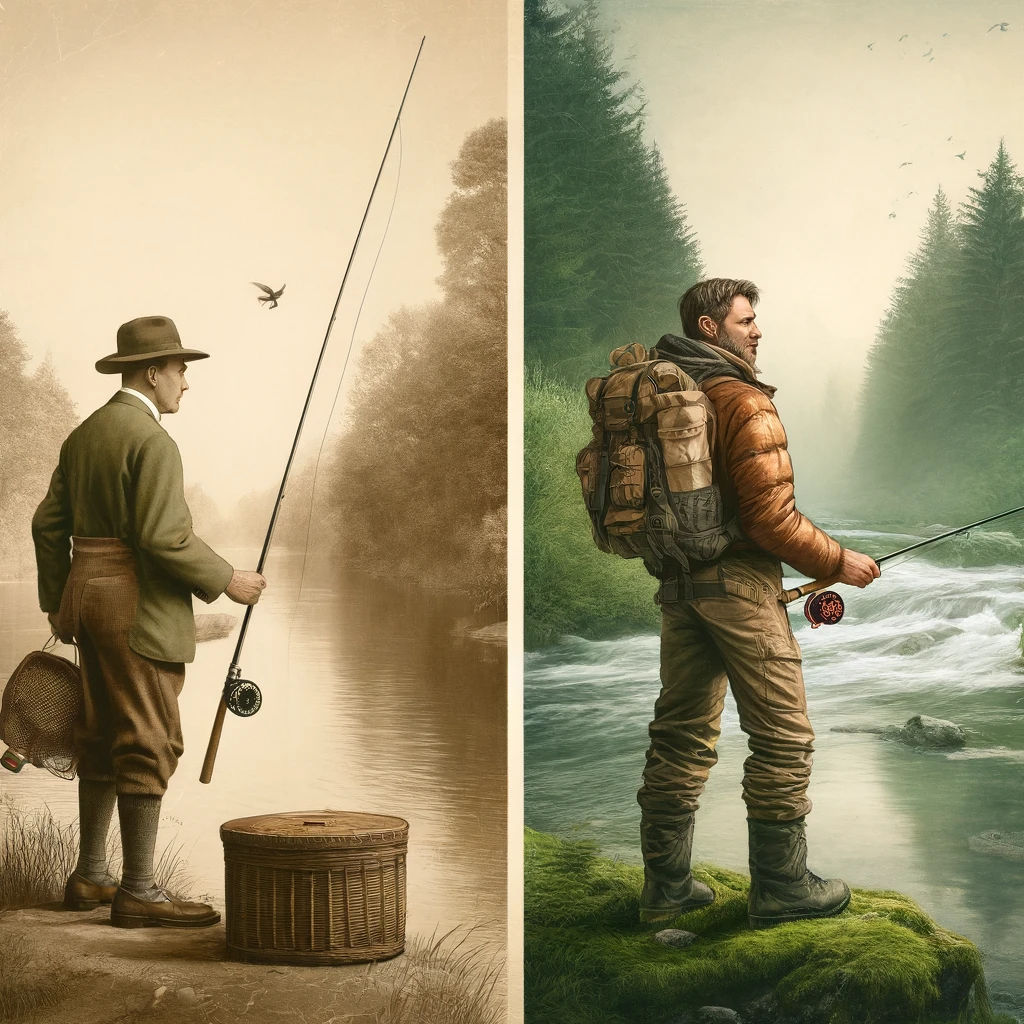
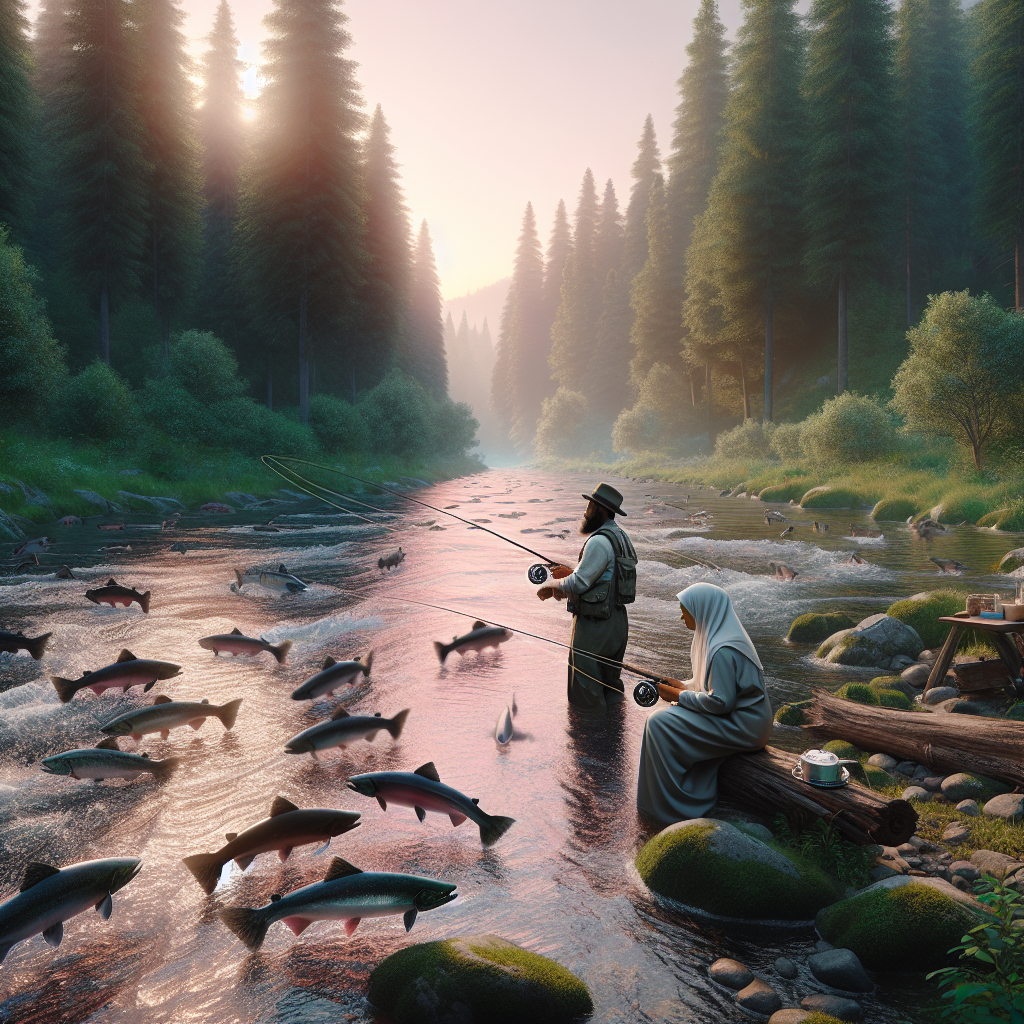
Welcome to the enthralling world of fly fishing! Whether you’re a novice angler or simply someone curious about what makes fly fishing so captivating, this guide will offer you a window into the basics of this incredible outdoor sport. Fly fishing is not just about catching fish; it’s a deeply immersive experience that combines the serenity of nature, the thrill of the catch, and the art of casting a fly rod.
Introduction
Fly fishing may seem daunting at first, but it’s an incredibly rewarding pastime that can be enjoyed by people of all ages and skill levels. Unlike conventional fishing methods, which generally use bait, fly fishing uses specially designed artificial flies to attract fish. These flies mimic insects and other small animals that fish feed on. The beauty of fly fishing lies in the artistry of creating these flies and the skill involved in making them behave like real prey.
One of the first things you’ll need to understand is that fly fishing is divided into two main categories: freshwater and saltwater. Freshwater fly fishing is typically done in rivers, lakes, and streams, whereas saltwater fly fishing occurs in the ocean or estuaries. Freshwater fly fishing is usually more beginner-friendly, so this article will primarily focus on that.
Getting started in fly fishing involves understanding the essential gear, learning some basic techniques, and practicing your casting. With time and practice, not only will you improve your fishing skills, but you’ll also develop a deeper connection to nature and a better understanding of aquatic ecosystems.
Essential Gear
Before you hit the water, it’s important to get equipped with the basic gear required for fly fishing. Here’s a breakdown of the essential items you’ll need:
- Fly Rod: The fly rod is your primary tool, and choosing the right one is essential. For beginners, a 9-foot, 5-weight rod is a versatile choice that can handle a variety of fishing conditions.
- Fly Reel: While the reel might not be as crucial as the rod for beginners, it’s still important to get one that balances well with your rod. Look for a quality reel with a good drag system.
- Fly Line: Fly lines come in different types, such as floating, sinking, and sink-tip lines. A weight-forward floating line is usually the best choice for beginners.
- Backing and Leader: Backing is a thin, strong line that goes on the reel before the fly line. The leader is a tapered length of monofilament tied to the end of the fly line, which helps to present the fly naturally.
- Flies: These are the artificial lures used to catch fish. There are thousands of different patterns, but starting with a few basic ones like Woolly Buggers, Adams, and Elk Hair Caddis will set you up for success.
Additional accessories such as fly boxes, nippers, and forceps can also make your fly fishing experience more efficient and enjoyable. Waders and wading boots are advisable if you plan to fish in deeper water.
Basic Casting Techniques
One of the most crucial skills in fly fishing is casting. The goal is to present the fly to the fish in a natural and delicate manner. The two most basic and essential casts you need to learn are the Overhead Cast and the Roll Cast.
Overhead Cast
The overhead cast is the most common fly fishing cast and serves as the foundation for many other casts. Here’s a step-by-step guide:
- Start with around 10-15 feet of line outside the rod tip.
- Lift the rod smoothly until it reaches a vertical position, causing the line to unroll behind you.
- Pause for a moment to allow the line to straighten out fully behind you.
- Accelerate the rod forward to bring the line forward, aiming to stop the rod at around the 10 o’clock position.
- Lower the rod tip slowly to let the fly settle on the water.
Roll Cast
The roll cast is especially useful when you have limited space behind you. Here’s how to execute it:
- Start with the rod tip close to the water and the line straight out in front of you.
- Slowly lift the rod, bringing the line towards you, and stop when your hand is near your shoulder.
- Form a D-loop with the line behind the rod.
- Push the rod forward smoothly while aiming at a 45-degree angle to the water.
- Finish the cast by lowering the rod tip to the water’s surface.
Practice these casts on the lawn or in a park before heading to the water. Mastering these basics will make your fly fishing experience more enjoyable and productive.

Understanding Fish Behavior
One of the keys to successful fly fishing is understanding how fish behave and where they are likely to be found. Fish are opportunistic feeders and are generally located in areas where they can easily find food. Here are some important concepts to grasp:
Reading the Water
Fish tend to be found in certain types of water features, such as:
- Riffles: These are shallow areas where water flows quickly over rocks. They oxygenate the water and often contain abundant food.
- Pools: Deeper, slower-moving sections of the river where fish rest and hide from predators.
- Eddies: Spots where the current is disrupted, causing water to flow backward or in a circular pattern. Eddies often trap food, making them attractive to fish.
Feeding Behavior
Fish feeding patterns can change depending on the time of day, water temperature, and available food sources. Generally, most fish are more active in the early morning and late evening when the water is cooler and insects are most active. Understanding these patterns will help you determine the best times to fish and the most effective flies to use.
Choosing the Right Fly
As a beginner, the vast array of flies can be overwhelming. Flies are generally categorized into three types: dry flies, nymphs, and streamers.
- Dry Flies: These float on the surface and mimic adult insects. They are great for fishing when you see fish feeding on the surface, known as “rising” fish.
- Nymphs: These imitate the larval stage of aquatic insects and are fished below the surface. They are effective because fish feed on nymphs throughout the year.
- Streamers: These emulate larger prey, such as minnows or leeches. They are often used to target larger fish and can be very effective in both still and fast-moving water.
A good starting point is to carry a variety of each type of fly and to change flies until you find one that works. Local fly shops can also offer valuable advice on what patterns are currently successful in your fishing area.
Conservation and Ethics
As an angler, it’s vital to practice responsible fishing to ensure that fish populations remain healthy for future generations. Here are some key points to consider:
Catch and Release
Many fly fishers practice catch and release to help sustain fish populations. When releasing a fish, handle it as little and as gently as possible. Use wet hands to avoid removing the fish’s protective slime coat, and keep the fish in the water while you remove the hook.
Respect the Environment
Fly fishing often takes place in beautiful, pristine environments. Always practice Leave No Trace principles: pack out all your trash, stay on established paths, and avoid disturbing wildlife.
Know the Regulations
Familiarize yourself with local fishing regulations, such as season dates, catch limits, and any specific rules that pertain to the waters you’re fishing. Following these regulations helps protect fish populations and ensures a sustainable fishery.
Community and Learning Resources
Fly fishing can be a lifetime journey of learning and improving. Joining a community of fly fishers can greatly enhance your experience. Look for local fly fishing clubs, online forums, or social media groups where you can ask questions, share your experiences, and learn from others.
Many regions also offer fly fishing classes or workshops where you can receive hands-on instruction from experienced anglers. These can be invaluable for beginners, providing a structured learning environment and immediate feedback on your technique.
Conclusion
Becoming proficient in fly fishing is a rewarding endeavor that blends skill, patience, and a love for the outdoors. While there is a learning curve, the process itself is enriching. Armed with the knowledge of basic equipment, casting techniques, fish behavior, fly selection, and conservation principles, you’re well on your way to becoming a competent and responsible fly fisher.
Remember, fly fishing is as much about enjoying the journey as it is about catching fish. Take the time to practice, observe, and immerse yourself in the natural setting. With dedication and respect for the environment, you will find fly fishing to be an incredibly fulfilling pursuit that offers a lifetime of enjoyment.