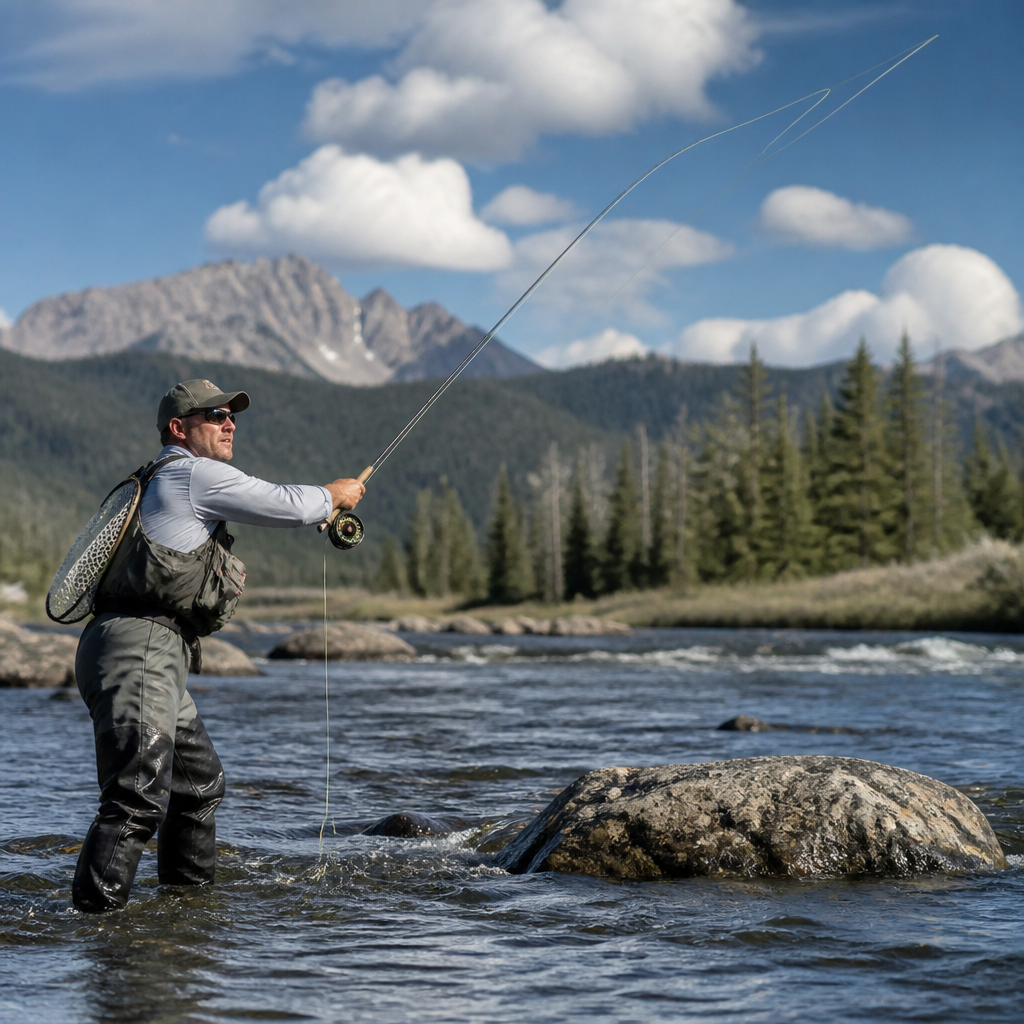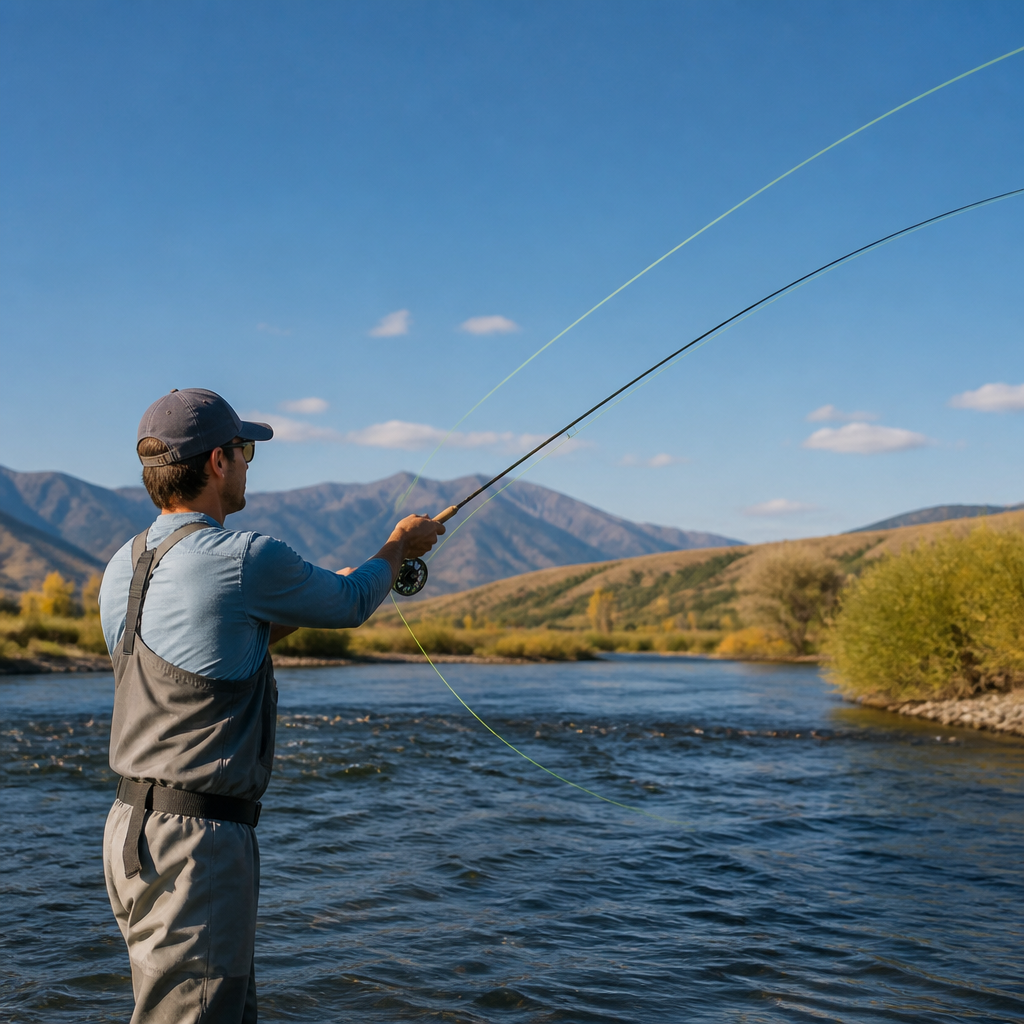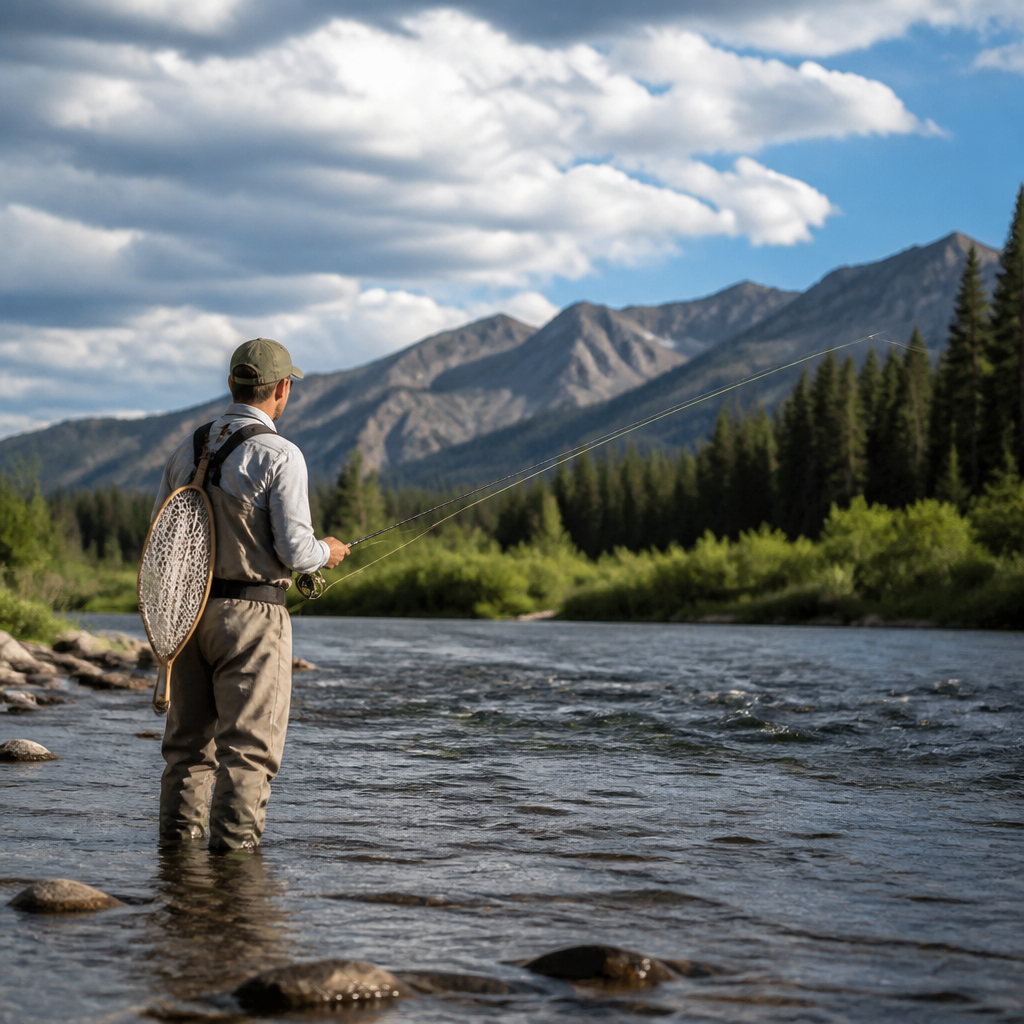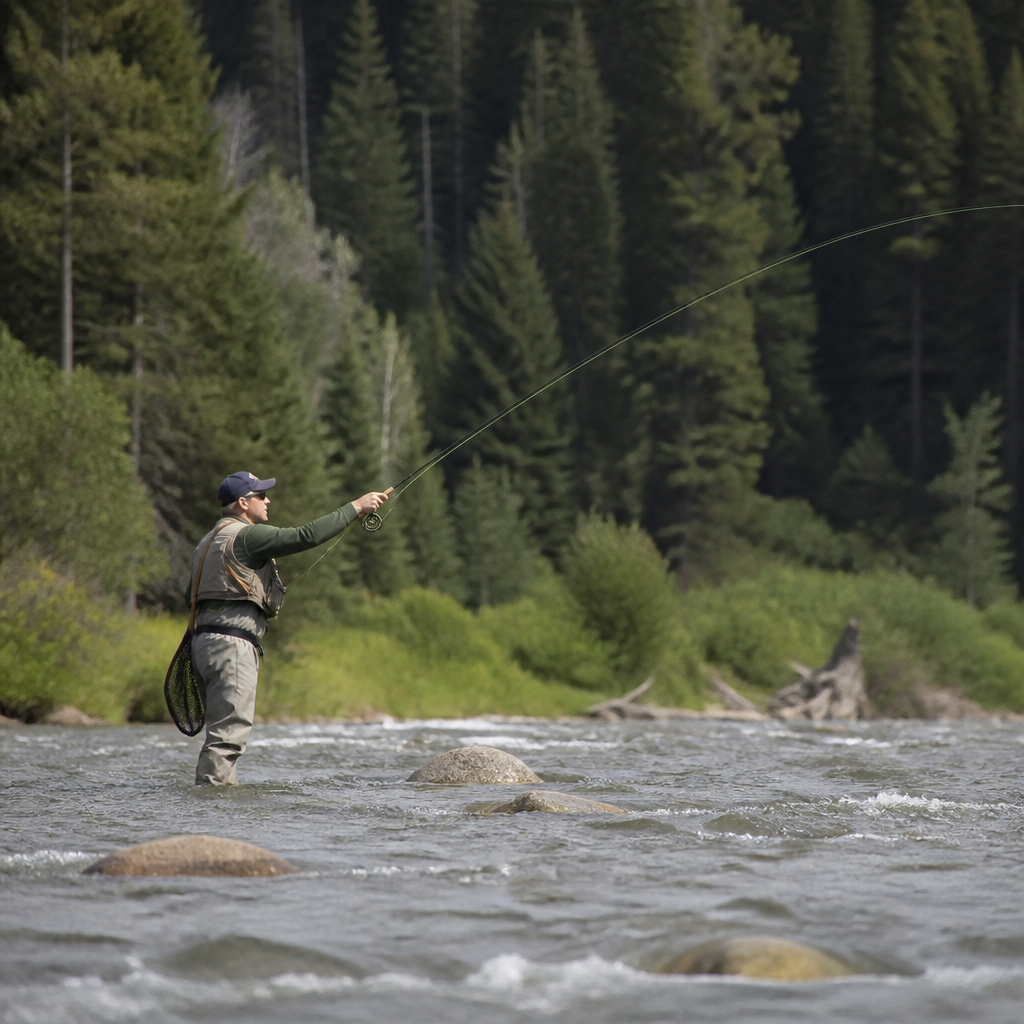
High sticking nymphing is a close-range dead-drift method that keeps most of the fly line off the water, maintains direct contact with weighted nymphs, and helps anglers detect subtle strikes in broken currents where standard indicator rigs lose precision. In practical terms, you cast short or nearly upstream, lead the drift with a high rod tip, and control slack so the flies travel at the speed of the current near the streambed. I have used high sticking nymphing on pocketwater freestones, tailouts below boulders, and tight runs under overhanging brush, and it consistently solves the same problem: how to present subsurface flies naturally in complicated current seams without drag.
As a nymphing technique, high sticking sits inside a broader family that includes indicator nymphing, tight-line nymphing, Euro nymphing, Czech nymphing, and contact nymphing. The distinctions matter. Indicator nymphing relies on a visible float to suspend flies and signal takes. Euro nymphing uses long leaders, thin diameter lines, and direct contact over longer controlled drifts. High sticking overlaps with both, but its defining feature is position: the angler is close to the target lane, the rod is elevated, and line on the water is minimized. Many anglers use the terms loosely, yet understanding the mechanics makes fly selection, rigging, and water reading much easier.
This matters because most trout feed subsurface most of the year. Aquatic insects such as mayfly nymphs, caddis larvae, cased caddis, stonefly nymphs, scuds, sowbugs, and midges drift near the bottom, especially in cold water, high flows, and bright conditions. Fish often hold in seams where food funnels efficiently but drag is severe. In those places, high sticking nymphing improves strike detection, depth control, and drift length over a very specific piece of water. For anglers building a complete nymphing skill set, this hub article explains when to choose the method, how to rig it, how to fish it, and how it connects to the wider category of nymphing techniques.
When high sticking nymphing works best
High sticking nymphing is best when trout are holding close, currents are mixed, and drag-free presentations are hard to achieve with more line on the water. Think short runs from six to twenty feet away, pocketwater, riffle corners, plunge pools, ledge slots, and the inside edge of heavy current where fish have a feeding lane but little time to inspect a fly. In these situations, the method shines because you can keep near-direct contact from rod tip to flies while adjusting angle and pace every second of the drift.
I reach for it first on freestone streams with broken surface texture. Surface chop hides the leader, oxygen levels stay high, and insect drift is constant. Trout sit behind rocks, on the soft side of midstream boulders, or at the heads of short pools where current funnels food. A strike indicator often skips unnaturally in micro-eddies there, but a high rod and short line let the weighted flies tick the bottom naturally. Tailwaters can be excellent too, especially during winter midge and blue-winged olive periods when fish pod up in defined lanes and refuse anything that drags an inch too fast.
It is also a strong choice in high or off-color water. Rising flows push trout toward bank seams, current cushions, and slower pockets beside structure. Because you are close to the target, you can place heavy flies quickly, get down fast, and cover many holding lies with little false casting. The limitation is reach. If fish are forty feet away across uniform current, indicator nymphing or a longer tight-line setup usually covers them better. High sticking is not a universal replacement; it is the highest-percentage answer for compact water where control matters more than distance.
Core gear, leader design, and fly patterns
The best rod for high sticking nymphing is usually between 9 and 10 feet in weights 3 through 5. A longer rod lifts more line, improves reach over conflicting currents, and cushions light tippet on close-range hook sets. I prefer a responsive 10-foot 3-weight or 4-weight on technical small to medium rivers because it protects 5X and 6X well while still turning over split shot and weighted flies. On larger, rougher freestones, a 9-foot 5-weight handles tungsten rigs and bigger stonefly nymphs with less compromise. A standard floating line is fine, since most control comes from the leader and rod position.
Leader construction depends on water type. For compact pocketwater, a 9- to 12-foot leader tapered to 4X or 5X is simple and effective. If you want more contact, reduce butt mass and extend the tippet section. Many anglers also add a short sighter section of high-visibility mono between leader and tippet, even in classic high sticking, because it helps track subtle hesitations. Weight is critical. Tungsten bead nymphs, jig hooks with slotted beads, and occasional split shot get flies into the strike zone fast. In my own fishing, underweighting is the most common mistake I see; if flies never touch the bottom occasionally, they are often riding above feeding fish.
Productive fly patterns reflect local food and depth needs. A heavy stonefly nymph such as a Pat’s Rubber Legs or 20 Incher anchors the rig in fast current. Smaller point flies include Pheasant Tail nymphs, Hare’s Ear nymphs, Perdigons, Walt’s Worms, zebra midges, Frenchies, caddis pupa imitations, and jigged perdigon variants designed for rapid sink rates. Color matters less than profile, size, and depth, but confidence colors have their place: black and olive in winter, tan and cream for caddis-rich systems, and natural mayfly shades during hatches. The right rig matches current speed, bottom contour, and the specific aquatic insects trout are actually eating.
How to rig and fish the method
The mechanics of high sticking nymphing are straightforward but unforgiving. Start by positioning slightly below or beside the target lane so your flies can enter naturally with minimal line crossing conflicting currents. Make a short upstream or upstream-and-across cast, often no more than a controlled tuck or flip. Immediately raise the rod tip and lead the drift at the same speed as the bubbles on the surface, or slightly slower if you need the flies to sink before they begin a true dead drift. The goal is contact without pulling. You should feel enough to notice bottom taps and soft takes, but not so much tension that the flies skate.
Depth control is the heart of the method. Good high sticking means the flies travel near the streambed, where trout conserve energy and intercept drifting nymphs. Adjust depth with tungsten size, split shot placement, tippet diameter, and cast angle. A steeper upstream angle gives flies more time to sink. A thinner tippet reduces resistance. If I am not touching bottom every few drifts in bouldery runs, I add weight. If I am hanging up every cast, I either shorten the sink time, lift the rod sooner at the end of the drift, or swap the anchor fly for a lighter bead. These are deliberate adjustments, not guesses.
Strike detection comes through the sighter, leader tip, rod hand, and intuition built from repetition. Many eats are not hard pulls. The line simply stops, twitches, straightens, or feels heavier than the current should allow. Set on anything unusual. A compact upstream or sideways lift is enough at close range; giant trout-set motions create slack and break tippet. Finish each drift by allowing the flies to rise slightly. This induced lift often triggers fish that track a nymph but hesitate. Then take one step, fish the next lane, and methodically dissect water from near to far and from soft edges into the faster central slots.
Reading water and choosing the right nymphing approach
Reading water determines whether high sticking nymphing is the best tool or just one option among many nymphing techniques. The ideal target is a lane where trout can hold out of the heaviest push while food drifts directly to them. Look for current cushions behind rocks, slots beside ledges, the soft seam at the edge of a chute, bucket water below a drop, and knee-deep riffles that transition into a defined run. These spots are small, high percentage, and perfectly suited to short, controlled drifts. If the lie is larger and more uniform, a longer dead drift with an indicator may cover the zone more efficiently.
Because this page is a hub for nymphing techniques, it helps to compare where each approach excels. High sticking is strongest in close broken water. Euro nymphing expands the same contact principles across longer drifts with specialized leaders and rods. Indicator nymphing is usually better for deep slow pools, broad tailouts, and situations where fish are farther away or depth changes are moderate rather than abrupt. Dry-dropper systems cover shallow riffles when trout may also rise. The best anglers are not loyal to one system; they switch according to depth, current complexity, casting room, and fish position.
| Technique | Best Water | Main Strength | Main Limitation |
|---|---|---|---|
| High sticking nymphing | Pocketwater, short seams, plunge pools | Maximum close-range drift control | Limited reach |
| Euro nymphing | Runs, seams, moderate distance lanes | Direct contact over longer drifts | Less ideal for broad still water |
| Indicator nymphing | Deep pools, tailouts, wide rivers | Depth suspension and distance coverage | More drag in mixed currents |
| Dry-dropper | Shallow riffles, banks, summer pocketwater | Covers surface and subsurface at once | Limited depth range |
A practical example makes the choice clearer. On a steep mountain stream with three-foot pockets between house-sized boulders, I would high stick with a heavy stonefly and a small perdigon, moving one step at a time. On a broad Western tailwater with fish stationed on a twenty-five-foot shelf, I would likely fish a yarn or air-lock indicator. On a medium river run fifteen feet away with multiple seams and moderate depth, a long-leader tight-line rig could outperform both. Effective nymphing techniques are situational systems, not identities.
Common mistakes, refinements, and seasonal adjustments
The most common errors in high sticking nymphing are standing too far away, using too little weight, leading too fast, and fishing only obvious water. Distance is the silent killer. Every extra foot of line on the water adds drag and weakens strike detection, so wade carefully and get close enough to control the drift safely. Weight mistakes are just as costly. Anglers often fear snagging, but occasional bottom contact is evidence that the flies are in the feeding zone. Leading too fast lifts the flies. Watch the current speed, slow your hand, and let the nymphs drift naturally rather than towing them downstream.
Another mistake is ignoring the soft water at your feet and beside major current tongues. Trout frequently hold in one- to three-foot-deep slots that many anglers step through. High sticking nymphing is built for this near water. Start short, then extend. Refine presentation by opening or closing the angle of your rod, mending in the air before the line lands, and changing your stance so the leader tracks over one clean lane instead of several conflicting currents. Polarized glasses help reveal dark holding shapes, gravel transitions, and submerged structure, but they do not replace methodical coverage and repeated quality drifts.
Seasonally, the technique stays relevant all year with a few changes. In winter, trout usually hold deeper and move less, so drifts must be slower and more precise; small midges, tiny mayfly nymphs, and slim jig patterns often outproduce bulky flies unless flows are high. In spring runoff, add weight, target softer bank seams and flood edges, and expect reaction takes near structure. Summer brings productive pocketwater fishing with stoneflies, caddis pupa, and attractor nymphs, especially during morning and evening windows. In fall, trout feed aggressively before winter, and high sticking excels around spawning-adjacent travel lanes, though redds must always be avoided to protect fish and future recruitment.
High sticking nymphing remains one of the most efficient ways to catch trout in close, complex current because it solves three problems at once: it improves depth, reduces drag, and turns vague underwater takes into detectable signals. As a core nymphing technique, it belongs in every angler’s toolbox alongside indicator rigs, Euro nymphing setups, and dry-dropper systems. The central lesson is simple: choose it when fish are within controlled range, currents are broken, and bottom-oriented trout need a natural dead drift delivered with precision.
The practical path to mastering it is equally simple. Use a longer rod, a leader built for contact, enough tungsten or split shot to reach the feeding zone, and flies that match local subsurface food. Approach from the right angle, keep line off the water, lead without pulling, and set on any hesitation. Read small holding lies carefully, fish the near water first, and make measured adjustments instead of random changes. Those habits matter more than owning specialized gear, and they transfer directly to every other nymphing technique you will learn.
If you want to build a complete system for subsurface trout fishing, start with high sticking, then connect it to the rest of your nymphing techniques by practicing when to switch methods. Fish one stream this season with a specific plan: high stick pocketwater, tight-line medium seams, and indicator fish broader pools. That comparison will teach you more than theory alone, and it will make every drift more intentional.
Frequently Asked Questions
What is high sticking nymphing, and why is it so effective in fast or broken water?
High sticking nymphing is a short-range dead-drift presentation in which you keep the rod tip elevated and hold as much fly line off the water as possible while your weighted nymphs drift naturally near the bottom. Instead of relying on a long cast and a floating indicator to track the drift, you stay close to the target seam, make a short cast or lob slightly upstream, and lead the flies downstream with the rod tip. The goal is direct contact without drag. That contact is what makes the method so effective.
In pocketwater, freestone rivers, riffles, and choppy seams, surface currents often move at different speeds than the slower currents near the streambed where trout feed. Standard indicator rigs can get pushed around by those conflicting currents, which creates slack, unnatural drag, and delayed strike detection. High sticking solves that by removing most of the line from the water and shortening the distance between you and the flies. As a result, your nymphs sink faster, drift more naturally, and transmit subtle takes more directly.
It is especially effective when fish are holding in short feeding lanes behind rocks, along current tongues, at the heads of runs, and in any place where a precise, controlled drift matters more than distance. In those situations, high sticking gives you more control over depth, speed, and tension than many traditional nymphing approaches. It is not just a tactic for getting deeper; it is a precision method for maintaining a clean drift in turbulent water where other setups lose efficiency.
When should you use high sticking nymphing instead of an indicator rig or a longer cast?
High sticking nymphing shines when trout are close, current seams are complex, and drift length is short. If you are fishing pocketwater, boulder gardens, plunge pools, tight riffles, broken runs, or small-to-medium streams where you can wade into position and approach feeding lies from close range, it is often the best choice. It is also a smart option when fish are holding deep in fast water and you need your flies to reach the strike zone quickly without surface line drag pulling them out of the lane.
Compared with an indicator rig, high sticking is generally more precise at short distance. Indicators are useful for longer drifts, slower water, and situations where you cannot get close without spooking fish. But in broken currents, indicators can skate, stall, or create a hinge point that reduces sensitivity. High sticking keeps you directly connected to the flies, so you can respond immediately to hesitation, a light tap, or a slight tightening of the leader. That added sensitivity matters when trout are taking softly.
You should also consider high sticking when you are fishing slots only a few feet long, where one good drift matters more than repeated casts. It is ideal for methodically covering one pocket at a time, especially on streams with irregular current structure. On the other hand, if fish are feeding far away, the water is broad and flat, or stealth demands a long presentation from a distance, an indicator or another nymphing system may be more practical. In simple terms, high sticking is best when accuracy, fast sink rate, and direct strike detection matter more than casting range.
How do you properly fish a high sticking nymph drift from start to finish?
A good high sticking drift starts with positioning. Move into a place where you can approach the target lane from slightly below or beside it without lining the fish. Because this is a close-range method, angle and distance matter. Ideally, you want to be near enough to maintain contact but not so close that you put trout on alert. Once in position, make a short cast or controlled upstream toss, usually just far enough to let the flies enter the seam naturally.
As soon as the flies land, lift the rod tip high and follow the drift with the rod, leading slightly but not pulling. This is one of the most important skills in the method. You want enough tension to stay in touch with the flies, but not so much that you accelerate them or lift them off the bottom. Think of it as tracking the drift rather than towing the rig. Your rod tip should move at the same pace as the subsurface current carrying the nymphs. If done correctly, the flies drift naturally while you maintain near-continuous awareness of where they are.
Slack control is the heart of the technique. Too much slack and you lose contact, miss strikes, and struggle to keep the flies at depth. Too little slack and you drag the flies unnaturally. A skilled angler constantly adjusts rod angle, arm position, and line hand tension to balance those two extremes. As the drift finishes below you, let the flies continue briefly, then either allow a slight hang at the end or smoothly pick up and recast. Many takes happen at the end of the drift as the flies rise, so stay alert until the rig is fully out of the water.
Strike detection is often visual and tactile at the same time. Watch for any pause, twitch, jump, or unnatural slowing in the leader or sighter, and set the hook on anything unusual. In high sticking, hesitation costs less than waiting too long. A quick, controlled hook set upstream or slightly to the side is usually enough. Because drifts are short, repetition is part of the system. Cover one seam thoroughly, adjust depth or weight if needed, then move to the next pocket or lane and repeat.
What gear, flies, and setup work best for high sticking nymphing?
The best high sticking setup is built around control, sensitivity, and depth. A rod in the 9- to 11-foot range is common because added length helps you keep line off the water and reach across conflicting currents. Lighter line weights are often preferred, especially in the 2- to 4-weight range for dedicated nymphing rods, because they improve sensitivity and reduce fatigue over a day of constant rod-high fishing. That said, a standard 9-foot 4- or 5-weight trout rod can still work very well, especially for anglers learning the technique.
Leader design matters a great deal. Most anglers use a longer leader than they would for conventional nymphing so they can keep fly line away from the fish and maintain contact through the drift. A visible sighter section is helpful because many strikes show up as subtle stalls or twitches rather than obvious pulls. Tippet size depends on fly size, water clarity, and fish behavior, but it must be fine enough for natural drift while still strong enough to handle weighted flies and quick hook sets in current.
Weighted nymphs are central to the method because high sticking is all about getting near the streambed quickly and staying there through a short drift. Tungsten beadhead patterns are especially useful because they sink fast without requiring excessive split shot. In some cases, anglers fish a two-fly rig with a heavier point fly and a smaller dropper above it. Common productive choices include stonefly nymphs, perdigons, pheasant tails, hare’s ears, and other compact patterns that sink efficiently and match local subsurface food. If extra weight is needed, use enough to tick bottom occasionally without constantly snagging.
Other useful gear includes quality waders and boots for safe, close positioning, polarized glasses for reading current seams, and a landing net you can access one-handed. Because high sticking often means precise work in fast water, good wading discipline is as important as tackle selection. The ideal setup is the one that lets you fish short, controlled drifts with confidence, maintain direct contact, and adjust depth quickly as conditions change.
What are the most common mistakes anglers make with high sticking nymphing, and how can they fix them?
The most common mistake is fishing with either too much slack or too much tension. Both problems ruin the drift, just in different ways. Excess slack makes strike detection late and unreliable, while excess tension causes the flies to drag unnaturally and lift out of the feeding zone. The fix is to practice leading the drift with the rod tip just enough to stay connected. If you are not occasionally feeling the flies near the bottom or seeing subtle signals through the leader, you may be too loose. If you are hanging up constantly in spots that should drift cleanly or moving the flies faster than the current, you may be too tight.
Another frequent mistake is standing too far from the target and trying to fish high sticking drifts at distances better suited to an indicator. This method is designed for close-range control. If you stretch it too far, line management becomes difficult and sensitivity drops. Move your feet, improve your angle, and break the water into smaller targets. Fish one seam, pocket, or bucket at a time rather than trying to cover a whole run with one long presentation.
Many anglers also underweight or overweight their flies. If the flies never get down, you are not truly high sticking the strike zone. If they snag every cast, you are too heavy or drifting too slowly relative to the bottom current. Make small adjustments and let the stream tell you what is right. Ideally, you want occasional bottom contact, not constant hanging up and not a completely suspended drift. Depth control is one of the biggest separators between average and highly effective nymphing.
A final mistake is reacting