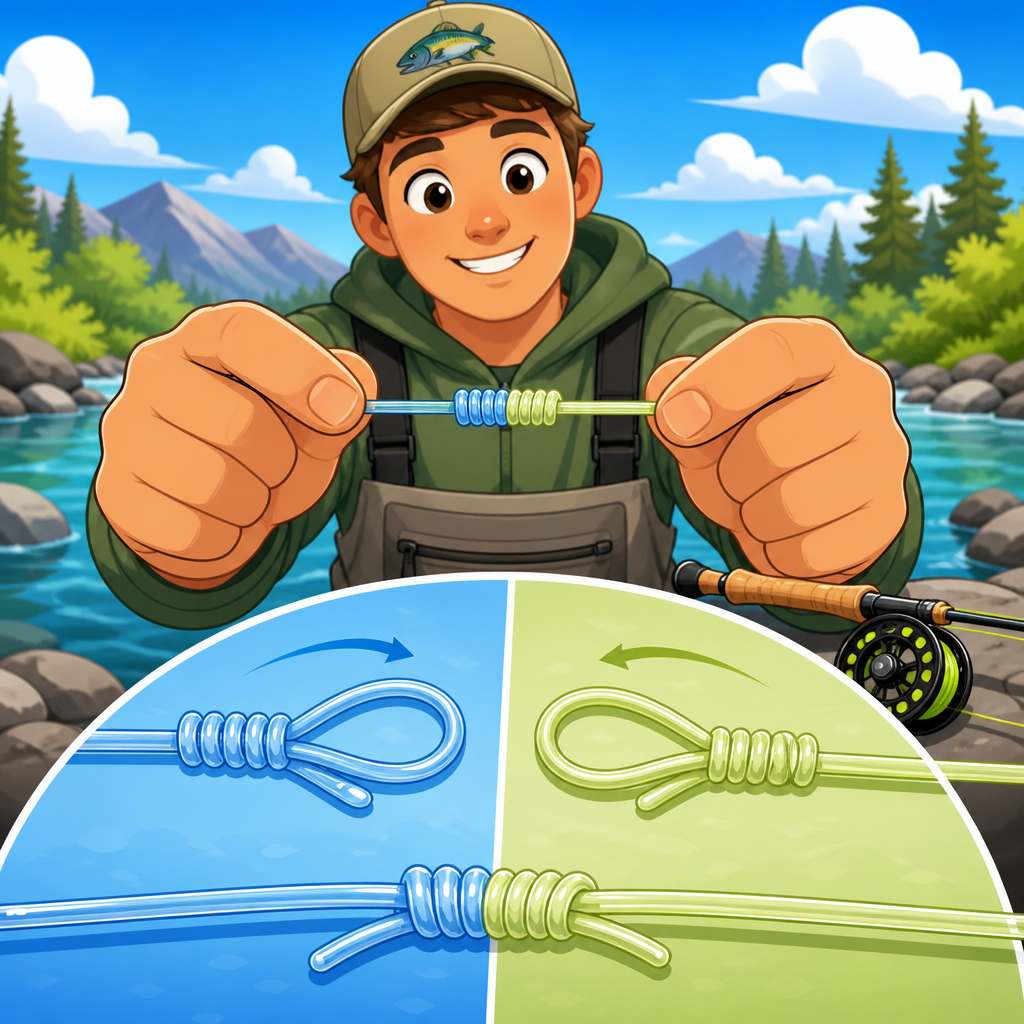
Joining fluorocarbon and nylon tippet without slipping is one of the most important knot-tying skills in fly fishing basics because modern leaders often combine materials with different stiffness, surface texture, and stretch. Nylon usually offers better shock absorption and buoyancy, while fluorocarbon sinks faster, resists abrasion, and becomes nearly invisible underwater. Those advantages disappear when the connection knot creeps, cuts, or breaks at the exact moment a fish surges. I learned this the hard way while building trout leaders that paired a nylon butt and midsection with a fluorocarbon point: knots that seemed fine on the bank slowly cinched unevenly after a few drifts, then failed on the hook set. The fix was not luck. It was understanding material behavior, choosing the right joining knot, and tying it with disciplined technique every time.
In practical terms, “without slipping” means the knot remains stable under steady tension, sudden shock, repeated casting, and water exposure. It also means the knot seats cleanly without burning the line, forms a compact profile that passes through guides when needed, and preserves a high percentage of the tippet’s rated strength. For most anglers, the best answer is not a single universal knot but a short list of proven options used in the right context. The blood knot remains excellent for similar diameters. The triple surgeon’s knot is fast and forgiving. The double uni knot works when diameters differ more noticeably. For the slickest fluorocarbon combinations, careful lubrication and even tightening matter as much as knot choice. If you want stronger leaders, fewer break-offs, and more confidence changing rigs on the water, mastering these tippet connections is foundational.
Why fluorocarbon and nylon behave differently at the knot
Fluorocarbon and nylon are both monofilament, but they do not act the same once wrapped, compressed, and loaded. Nylon is softer, stretchier, and generally easier to cinch. Fluorocarbon is denser, stiffer, and more abrasion resistant, but it is also slicker and less forgiving when a knot is rushed. That difference is exactly why anglers see one side of a connection tighten faster than the other, creating crossed wraps or pressure points. When two materials do not compress evenly, the knot can appear seated while hidden gaps remain inside the turns.
Diameter matters as much as material. A 4X fluorocarbon tip joined to a 4X nylon section may still differ slightly in actual thickness because manufacturers vary. Brands such as Rio, Scientific Anglers, Orvis, TroutHunter, and Umpqua publish diameter charts, and checking them is worth the minute it takes. If one line is significantly thinner, the thinner side can bite into the thicker side under load. That can lock the knot securely, or it can create a cutting edge that weakens the system. Good knot selection manages that pressure intentionally.
Surface condition also affects slippage. Fresh tippet from the spool behaves differently than material that has been nicked on rocks, kinked by a wind knot, or aged in a hot car. I have tested connections streamside by pulling steadily with gloved hands, and the same knot tied in clean material held while a knot tied in abraded fluorocarbon crept several millimeters before parting. A reliable connection starts before the wraps begin: inspect both tag ends, trim damage away, and never tie with compromised tippet if you care about consistency.
The best knots for joining fluorocarbon and nylon tippet
For most fly anglers, three knots cover nearly every tippet-to-tippet connection: the blood knot, the triple surgeon’s knot, and the double uni knot. Each earns its place because the ideal knot depends on diameter match, time pressure, visibility, and how cleanly you need the knot to travel through guides. None is magic. All three work when tied correctly, lubricated thoroughly, and tightened in a controlled way.
The blood knot is the classic choice when the diameters are close. It creates a slim, symmetrical connection, which is why it remains standard in hand-tied tapered leaders. It also aligns the line beautifully, reducing hinge points in turnover. The tradeoff is that it demands precision. Uneven wraps, crossed tags, or hurried seating can reduce strength quickly, especially when fluorocarbon is part of the pairing. I use it most when building leaders at a bench or when conditions on the water are calm enough to tie carefully.
The triple surgeon’s knot is the field-friendly workhorse. It is faster, easier in fading light, and very secure across slightly mismatched diameters. Many anglers underestimate it because it looks simple, but simple knots often outperform fancy ones when hands are cold and time is short. In guiding situations and instructional clinics, I have watched more anglers tie a strong triple surgeon’s correctly on the first try than a clean blood knot. Its main drawback is bulk. The knot is not as streamlined, so it can tick guides more noticeably.
The double uni knot is the problem solver when diameters differ or when you want a joining knot that grips slick material confidently. Because each side forms its own gripping barrel, it handles fluorocarbon well, especially in heavier tippet and light saltwater applications. It is bulkier than a blood knot, but it is forgiving and dependable. For anglers moving between trout, bass, and inshore setups, it is one of the most versatile knots to keep sharp.
| Knot | Best use | Main strength | Tradeoff |
|---|---|---|---|
| Blood knot | Similar diameters, hand-tied leaders | Slim profile, straight alignment | Less forgiving to tie |
| Triple surgeon’s knot | Fast streamside tippet changes | Quick, secure, easy in poor conditions | Bulkier through guides |
| Double uni knot | Different diameters, slick materials | Excellent grip and versatility | Larger finished knot |
How to tie these knots so they do not slip
Technique prevents slippage more than brand choice. Start by overlapping the two tippet sections with enough working length. Short tag ends force rushed wraps and make controlled tightening difficult. Moisten the knot thoroughly before cinching; saliva works, stream water works, and specialized line lubricant works, but dry mono against dry mono is an avoidable mistake. Friction heat weakens nylon and can deform fluorocarbon at the exact point you need maximum strength.
For a blood knot, make five turns with each tag around the standing line of the other material when diameters are light and similar. Some anglers drop to four turns in heavier material, but with slick fluorocarbon I prefer five unless the line is notably thick. Feed each tag through the center opening from opposite directions. That opposing entry matters. Then pull slowly on both standing lines while maintaining light control of the tags so the wraps stack neatly. Once the knot begins to barrel up, snug the tags and then finish by drawing the standing lines firm and evenly. Trim tags close, but not flush enough to risk cutting the knot.
For a triple surgeon’s knot, overlap the tippet ends and form a loop with both lines together. Pass both tag ends through the loop three times. Keep the passes organized so they do not cross chaotically. Lubricate heavily, then pull the standing lines apart while easing the tags so the knot compacts symmetrically. Because surgeon’s knots can bunch abruptly, many failures come from yanking too hard at the start. Let the knot dress itself before fully seating it.
For a double uni knot, create a loop in one line around the other and make four to six wraps through the loop, depending on diameter and stiffness. Repeat on the opposite side, then lubricate and draw the two barrels together by pulling the standing lines. The key is to seat each uni neatly before jamming them together. If one barrel is loose and the other is over-tightened, the finished connection can test weak. After tying any of these knots, give it a deliberate pull test before the fly goes back in the water.
Common mistakes that cause fluorocarbon-to-nylon knots to fail
The most common mistake is choosing a knot that does not match the line diameters. A blood knot tied between materials that differ too much in thickness can slip or cut because the wraps do not compress evenly. In that case, a triple surgeon’s or double uni is safer. Another mistake is insufficient lubrication. Anglers often think a quick lick is enough, but the goal is to reduce friction across every wrap as the knot cinches. If the knot chatters or grabs while tightening, it was too dry.
Crossed wraps are another hidden problem. A knot may look compact from one angle and still contain overlapping turns that create sharp pressure points. Those points become failure initiators under shock load, especially on hook sets with little tippet stretch left in the system. This is common when anglers rush a blood knot or crowd a surgeon’s knot with too-short tag ends. Good light helps, but so does slowing down and dressing each wrap before final tension.
Over-trimming the tags also causes preventable break-offs. Fluorocarbon in particular can settle slightly after the first hard load, and a microscopically short tag leaves no margin. I leave a small visible tag on new connections, especially in cold weather. The extra fraction of a millimeter costs nothing in presentation and can save a fish. Finally, many anglers blame the joining knot when the actual issue is damaged tippet above or below it. Always run your fingers along the line after landing a fish, ticking bottom repeatedly, or breaking off a fly from a snag.
Building stronger leaders and knowing when to change the system
A good joining knot is only part of a functional leader design. In most trout leaders, nylon works well in the butt and midsection because it turns over dry flies smoothly and offers cushioning against sudden runs. Fluorocarbon shines in subsurface presentations such as nymphing, streamers, and technical clear-water setups where sink rate and abrasion resistance matter. Joining those materials makes sense, but the transition should be logical. Do not jump dramatically in diameter unless you have a specific reason, because abrupt transitions create hinge points that hurt turnover and concentrate stress at the knot.
If you fish dries all day, an all-nylon leader may be simpler and better floating. If you euro nymph, a long fluorocarbon section may be the right tool. If you fish hopper-dropper rigs, a nylon base with fluorocarbon terminal tippet is often ideal. The point is that knot tying serves leader design, not the other way around. When your connection keeps slipping, the answer may be a different knot, but it may also be that the leader formula is forcing an awkward material jump.
As a knot-tying hub within fly fishing basics, this topic connects to every other skill in the system: attaching tippet to leader, tying on flies with improved clinch or Davy-style knots, connecting backing to fly line, and building custom leaders from spool material. The same principles repeat across all of them. Match the knot to the materials. Control friction with lubrication. Seat wraps gradually. Test before fishing. Replace damaged line early. Those habits build consistency faster than memorizing a dozen specialty knots you cannot execute under pressure.
To join fluorocarbon and nylon tippet without slipping, choose a knot that matches the diameters and conditions, then tie it with deliberate technique. Use a blood knot for similar diameters when you want a slim leader connection. Use a triple surgeon’s knot when you need speed, simplicity, and reliable performance on the water. Use a double uni knot when the materials are slick or uneven enough to demand extra gripping security. In every case, inspect the tippet first, lubricate thoroughly, tighten slowly, and pull-test the finished knot before making the next cast.
The larger lesson in knot tying is that reliability comes from repeatable process, not from collecting complicated patterns. Anglers who understand how nylon stretches, how fluorocarbon compresses, and how diameter differences change load distribution lose fewer fish because they make better decisions before the knot ever sees pressure. A strong connection also improves confidence, and confidence changes how you fish. You cast tighter to cover, mend more decisively, and fight fish with control instead of hesitation because you trust the leader system in your hands.
If you want to improve quickly, pick these three joining knots and practice them with actual tippet materials, not oversized cord. Tie each one ten times, then test them until they fail so you can see what a properly seated knot looks like compared with a flawed one. That short practice session will do more for your fly fishing basics than reading another tackle catalog. Master the connection between fluorocarbon and nylon, and every other knot-tying skill in your setup becomes easier to build on.
Frequently Asked Questions
What is the best knot for joining fluorocarbon and nylon tippet without slipping?
For most fly fishing situations, the best knot for joining fluorocarbon and nylon tippet without slipping is a well-tied blood knot or a carefully seated double surgeon’s knot, but the right choice depends on diameter difference, material stiffness, and how cleanly you can tie the knot on the water. If the two materials are fairly close in diameter, many anglers prefer the blood knot because it creates a slim, smooth connection that passes through guides well and distributes pressure evenly. When tied correctly and lubricated before tightening, it holds very reliably between nylon and fluorocarbon.
If the materials differ more noticeably in diameter, or if you want a faster knot in cold fingers or low light, a double or triple surgeon’s knot is often more dependable than people expect. It is easier to tie correctly, which matters because an easier knot that is tied perfectly usually outperforms a more technical knot tied poorly. Fluorocarbon is harder and slicker than nylon, so any knot choice must be seated slowly and snugged evenly to prevent one material from biting into the other or creeping under load. In practice, the “best” knot is the one that matches the materials and that you can tie cleanly every time without crossing wraps, burning the line, or leaving weak tag ends.
Why do fluorocarbon-to-nylon knots slip even when they seem tight at first?
These knots slip because fluorocarbon and nylon behave differently under tension. Fluorocarbon is generally denser, stiffer, and more slippery, while nylon tends to be softer, stretchier, and slightly more forgiving. When you join them, the knot may appear tight on the outside but still be uneven internally. Under a hard pull from a fish, a sudden hookset, or repeated casting, those internal wraps can shift. That movement causes the knot to creep, and once creeping starts, the connection gets weaker very quickly.
Another common reason is poor seating. Many anglers tighten too fast, which creates heat and friction that can damage the line surface or cause the wraps to stack incorrectly. The knot should be lubricated and drawn down gradually so both materials compress evenly. Slipping also happens when tag ends are cut too short, when line diameters are mismatched beyond what the knot handles well, or when fluorocarbon has memory coils that prevent the wraps from lying cleanly. Even a strong knot design can fail if the wraps cross over each other or if one side cinches before the other. In short, most slipping problems are not caused by the idea of combining fluorocarbon and nylon, but by the small details of how the knot is tied, seated, and trimmed.
How can I tie the knot so it stays secure under pressure from bigger fish?
Start by choosing a knot that suits the lines you are connecting, then focus on execution. Make sure the tippet diameters are reasonably compatible. If the difference is small, a blood knot is excellent. If the diameters are farther apart, a surgeon’s knot often gives a more secure result. Before tightening, inspect the wraps closely. They should lie neatly without crossing, bunching, or twisting. Lubricate the knot with water or saliva so it cinches smoothly instead of grabbing abruptly. Then tighten it in stages rather than all at once. Pull each standing line and tag end in a controlled sequence so the knot compresses evenly.
After the knot is seated, test it firmly before fishing. A steady hand pull is essential. Do not just glance at the knot and assume it is fine. If it slips in your hands, it will definitely slip under a strong fish. Leave sensible tag ends, especially on the fluorocarbon side, because the material can be unforgiving if trimmed too close. Also check the knot after catching a fish, snagging bottom, or changing flies multiple times, because shock and abrasion can weaken the connection. Bigger fish expose every shortcut in your knot tying, so consistency matters more than speed. A carefully tied knot, properly lubricated, slowly seated, and hard-tested before the first cast is the real key to preventing failure under pressure.
Is a blood knot or a surgeon’s knot better when fluorocarbon and nylon are different diameters?
When fluorocarbon and nylon are noticeably different diameters, the surgeon’s knot is often the safer and more practical choice. The reason is simple: it tolerates uneven diameters better and is easier to seat evenly when one material is stiffer or slicker than the other. A blood knot excels when the two sections are relatively similar in size because its wraps grip symmetrically and create a sleek, streamlined profile. But if the fluorocarbon is much thinner or harder than the nylon, a blood knot can become less forgiving. The wraps may not compress uniformly, which increases the risk of creeping or cutting.
A double surgeon’s knot works well for many standard leader-to-tippet transitions, and a triple surgeon’s can add insurance when the fluorocarbon feels especially slick or the diameter difference is more significant. The tradeoff is that a surgeon’s knot is bulkier and may not pass through guides as smoothly as a blood knot. Even so, reliability usually matters more than elegance when you are trying to prevent slippage. If you fish technical water and need a slimmer knot for repeated casting through guides, you can still use a blood knot, but only if you tie it very carefully and the diameter gap is moderate. In general, if your priority is ease and security with mixed materials, the surgeon’s knot often wins; if your priority is slim profile with closely matched diameters, the blood knot is usually the better tool.
What mistakes should I avoid when joining fluorocarbon and nylon tippet?
The biggest mistakes are using the wrong knot for the diameter difference, tightening too quickly, failing to lubricate, and trimming the tags too short. These may seem minor, but they are exactly the kinds of details that cause knots to fail at the worst moment. A knot that is rushed into place often burns or distorts the line. That damage may be invisible, yet it weakens the connection dramatically. Dry knots also tend to bind unevenly, especially when slick fluorocarbon is involved. Once the wraps lock in crooked, the knot may hold during a casual pull test but slip under a sudden surge from a fish.
Another mistake is assuming all tippet materials behave the same. They do not. Nylon stretches more and often cushions shock better, while fluorocarbon is harder and less forgiving. If you do not account for that difference, one material can bite into the other or fail to grip properly. Avoid sloppy wrap alignment, do not ignore memory coils in fluorocarbon, and never skip a firm test pull after tying. Also, replace the knot if it looks cloudy, flattened, curled, or asymmetrical after seating. Finally, do not keep fishing a connection that has already been stressed by a snag or a hard fish. Retying takes a minute; losing a fish because of a compromised tippet connection lasts a lot longer.