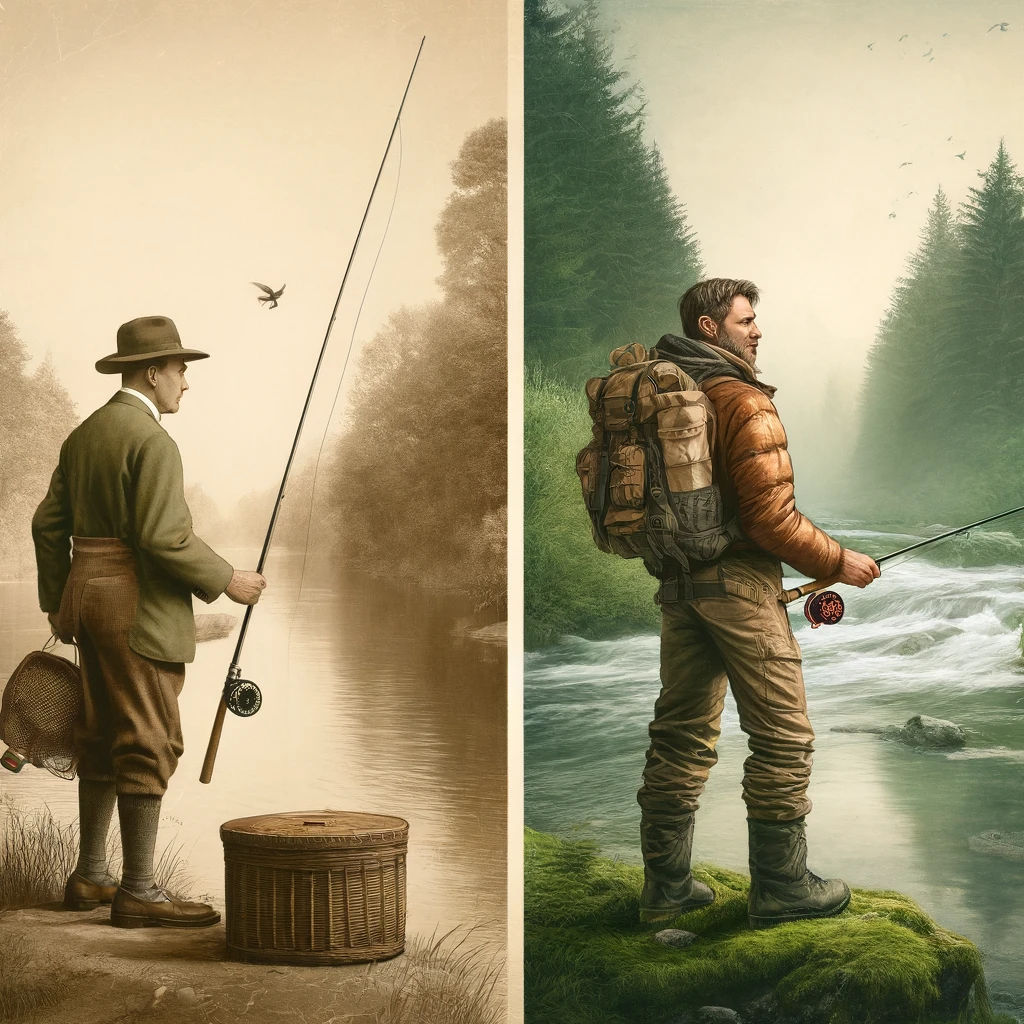
Fly fishing has long been revered as a cherished pastime that not only brings one closer to nature but also creates lasting memories and nurtures familial bonds. This guide aims to shed light on the numerous benefits of learning fly fishing as a family and how it can serve as a harmonious and transformative experience for all members involved. Whether you are a seasoned angler aiming to introduce your family to the wonders of fly fishing or a novice curious about this rewarding activity, read on to discover the many ways fly fishing can enrich your family life.
Introduction: Understanding Fly Fishing
At its core, fly fishing is a method of angling that uses a lightweight lure called a fly to catch fish. Unlike traditional fishing, where the weight of the lure propels the line, fly fishing employs a specialized weighted line to cast the nearly weightless fly. This nuance in technique requires a certain level of skill and practice, making it both a challenging and highly satisfying activity.
Learning fly fishing as a family is more than just picking up a hobby; it’s about immersing yourselves in nature, exploring diverse aquatic ecosystems, and developing a sense of patience and resilience together. The common goal of casting the perfect line and landing the catch of the day fosters teamwork and communication, two vital skills for any thriving family unit.
Why Fly Fishing is Ideal for Families
Fly fishing is often viewed as a solitary pursuit, but it is, in fact, one of the best activities to engage in as a family. Here are a few compelling reasons why:
1. Bonding Time
In today’s fast-paced world, finding quality time to spend with family can be challenging. Fly fishing offers the perfect opportunity to slow down and enjoy each other’s company without the distractions of everyday life. The peaceful surroundings and the shared goal aid in creating meaningful conversations and stronger relationships.
2. Teaches Patience and Persistence
Learning to cast properly, understanding fish behavior, and patiently waiting for a bite are all aspects of fly fishing that teach patience and persistence. These qualities once developed through fly fishing, translate well into other areas of life, helping family members to approach challenges with a healthier mindset.
3. Promotes Physical Activity
Fly fishing is a great way to get everyone moving. Whether it’s hiking to a remote fishing spot or wading through streams, it involves a fair amount of physical activity. This promotes a healthy lifestyle for the entire family and can be a fun way to stay active together.
4. Educational Benefits
Fly fishing is an excellent opportunity to learn about various fish species, water ecosystems, and conservation efforts. These educational aspects can be particularly beneficial for children, fostering a deeper appreciation for the natural world and a sense of responsibility towards environmental preservation.

Getting Started with Family Fly Fishing
So, you’re convinced that fly fishing is a great family activity, but where do you start? Here’s a brief guide on getting your family ready for their first fly fishing adventure:
1. Choose the Right Gear
Fly fishing requires specific equipment including rods, reels, lines, and flies. For beginners, starter kits that include all the essentials can be a good investment. Ensure the gear is appropriate for the size and strength of each family member to make the experience enjoyable for everyone.
2. Learn the Basics
Before heading out to the water, spend some time learning the basics of fly fishing together. There are numerous online resources, instructional videos, and local workshops that offer valuable insights into casting techniques, knot tying, and fly selection.
3. Find a Suitable Location
Choose a fishing location that is safe and suitable for beginners. Local lakes, ponds, or rivers with a healthy fish population are great places to start. Don’t hesitate to ask for recommendations from local fishing shops or other anglers.
4. Plan a Practice Session
Before your first full day on the water, consider having a practice session in your backyard or a local park. Practicing casting techniques on dry land can help build confidence and reduce frustration when you get to the water.
Practical Tips for Enjoyable Family Fly Fishing
To ensure your family fly fishing trips are enjoyable and memorable, keep these practical tips in mind:
1. Pack Appropriately
Make sure to pack essentials such as sunscreen, insect repellent, hats, water, and snacks. Comfortable clothing and sturdy footwear are also crucial. Preparing for various weather conditions can make a huge difference in comfort levels.
2. Keep Expectations Realistic
Especially with younger children, it’s important to keep expectations realistic. Celebrate small victories and ensure that the primary focus remains on having fun rather than making a big catch. This helps maintain a positive atmosphere and keeps enthusiasm high.
3. Take Breaks
Fly fishing requires patience and concentration, which can be tiring for children. Plan regular breaks to rest, enjoy a snack, or explore the surroundings. These pauses can rejuvenate energy and spirits, making the day more enjoyable for everyone.
4. Integrate Learning Moments
Use the time on the water to teach about fish species, aquatic plants, and the importance of conservation. Turn these moments into engaging stories and facts to spark curiosity and a love for nature in young minds.
Enhancing the Experience: Beyond the Basics
Once your family has had a few successful fly fishing outings, there are several ways to enhance the experience and deepen your connection to the sport:
1. Join a Fly Fishing Club
Many communities have fly fishing clubs or organizations that host events, workshops, and outings. Joining one of these can provide additional learning opportunities and a chance to meet like-minded families.
2. Participate in Conservation Efforts
Fly fishing often instills a sense of stewardship for the environment. Participating in clean-up events, habitat restoration projects, or conservation initiatives can be a rewarding way to give back and teach children about the importance of preserving natural resources.
3. Explore New Locations
As your family becomes more comfortable with fly fishing, consider exploring new fishing spots. Plan trips to different lakes, rivers, or even consider fly fishing vacations to experience diverse environments and challenges.
4. Document Your Adventures
Keeping a journal or scrapbook of your fly fishing adventures can be a wonderful way to preserve memories. Encourage family members to write about their experiences, add photos, and perhaps even sketches of favorite spots or catches.
Conclusion: A Rewarding Family Journey
The journey of learning fly fishing as a family is indeed a rewarding one, offering countless opportunities for bonding, learning, and adventure. As each family member hones their skills and gains confidence, the shared experiences will deepen relationships and create precious memories to cherish for a lifetime.
Fly fishing is more than just a hobby; it is a gateway to understanding and appreciating the natural world. It encourages a mindful approach to life, where patience, persistence and respect for the environment become second nature. Whether you are casting a line in a serene mountain stream or simply practicing in your backyard, the time spent together as a family is invaluable.
So, gather your gear, pick a perfect spot, and embark on your fly fishing adventure. Embrace the tranquility of nature, learn together, and most importantly, enjoy each other’s company. Happy fishing!