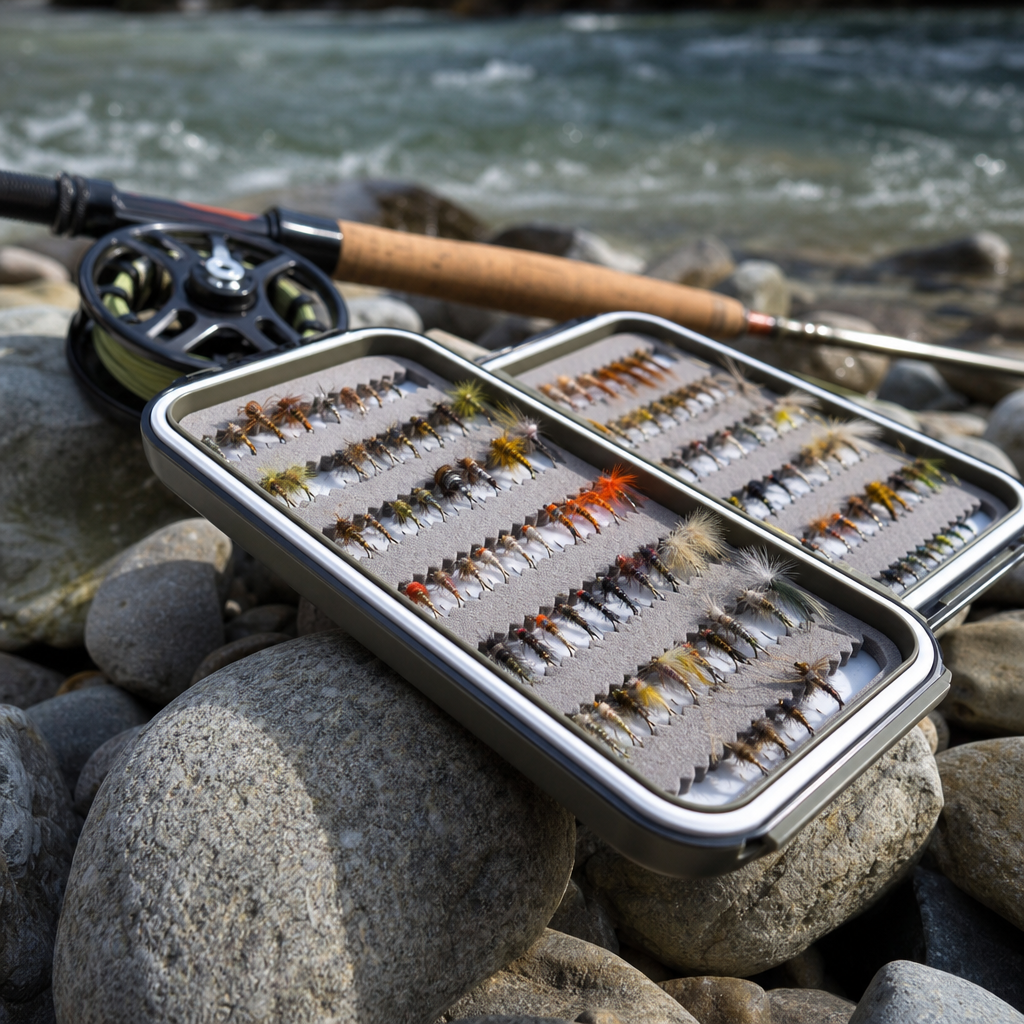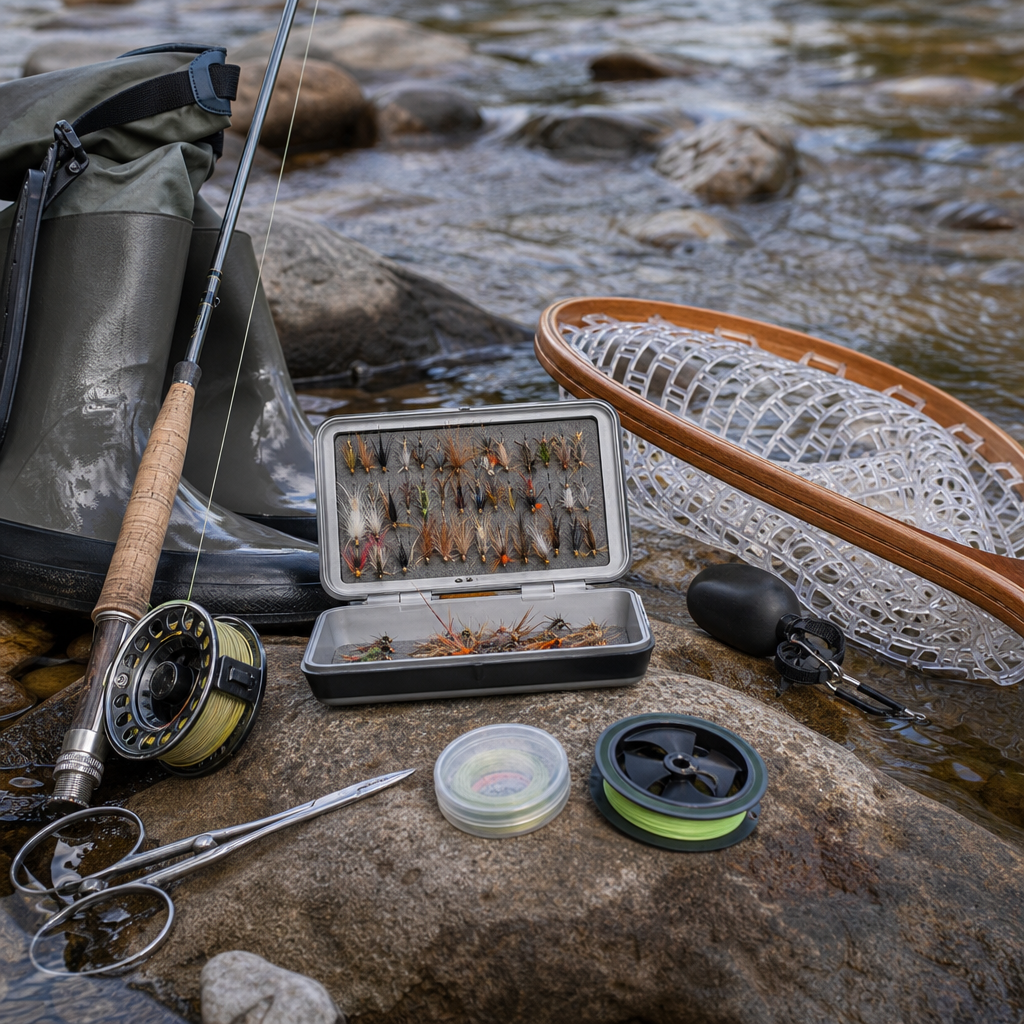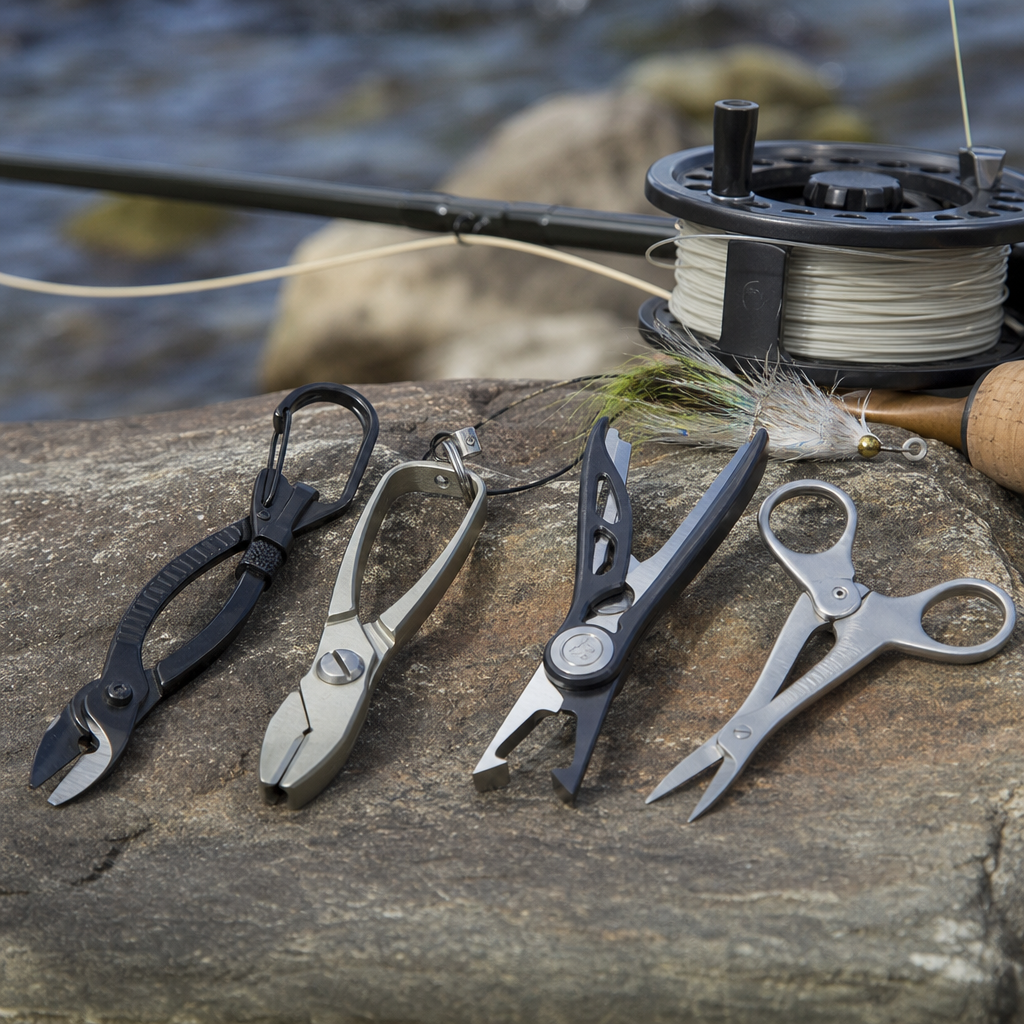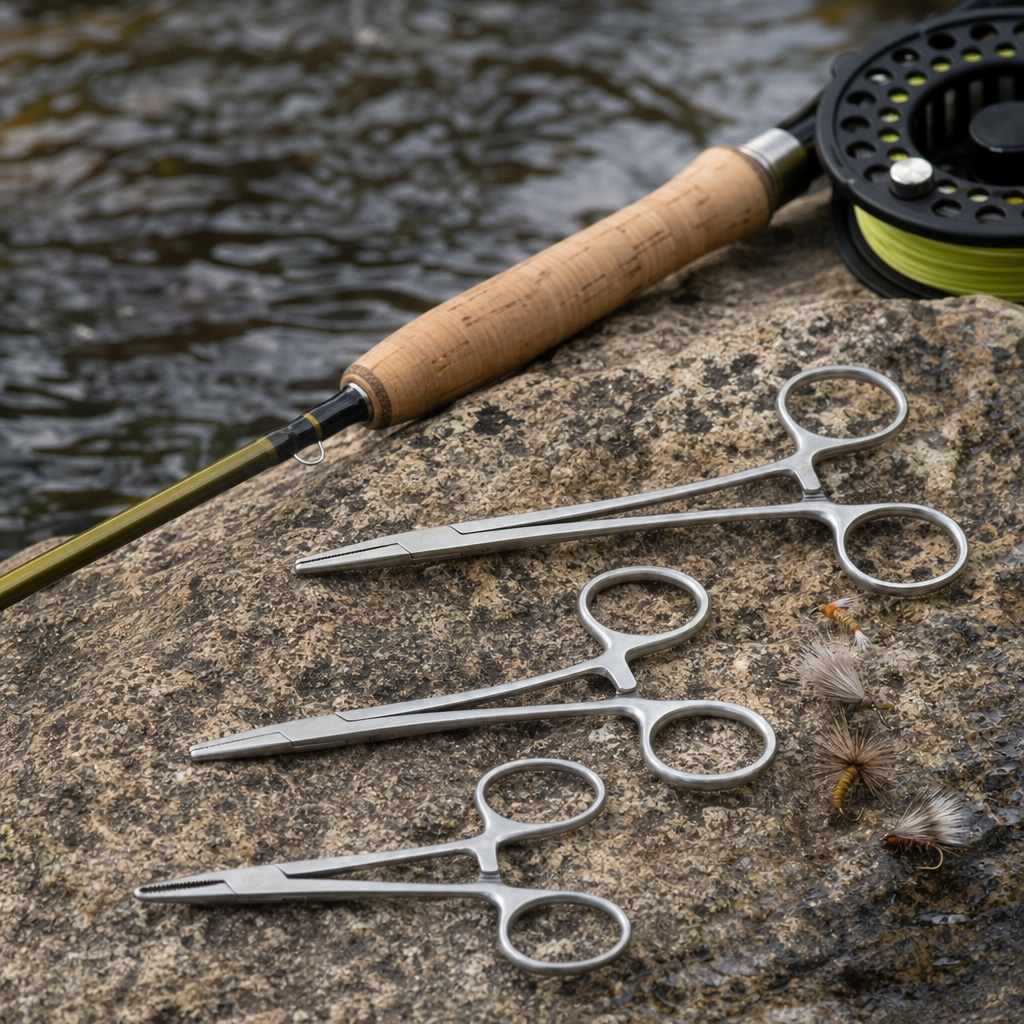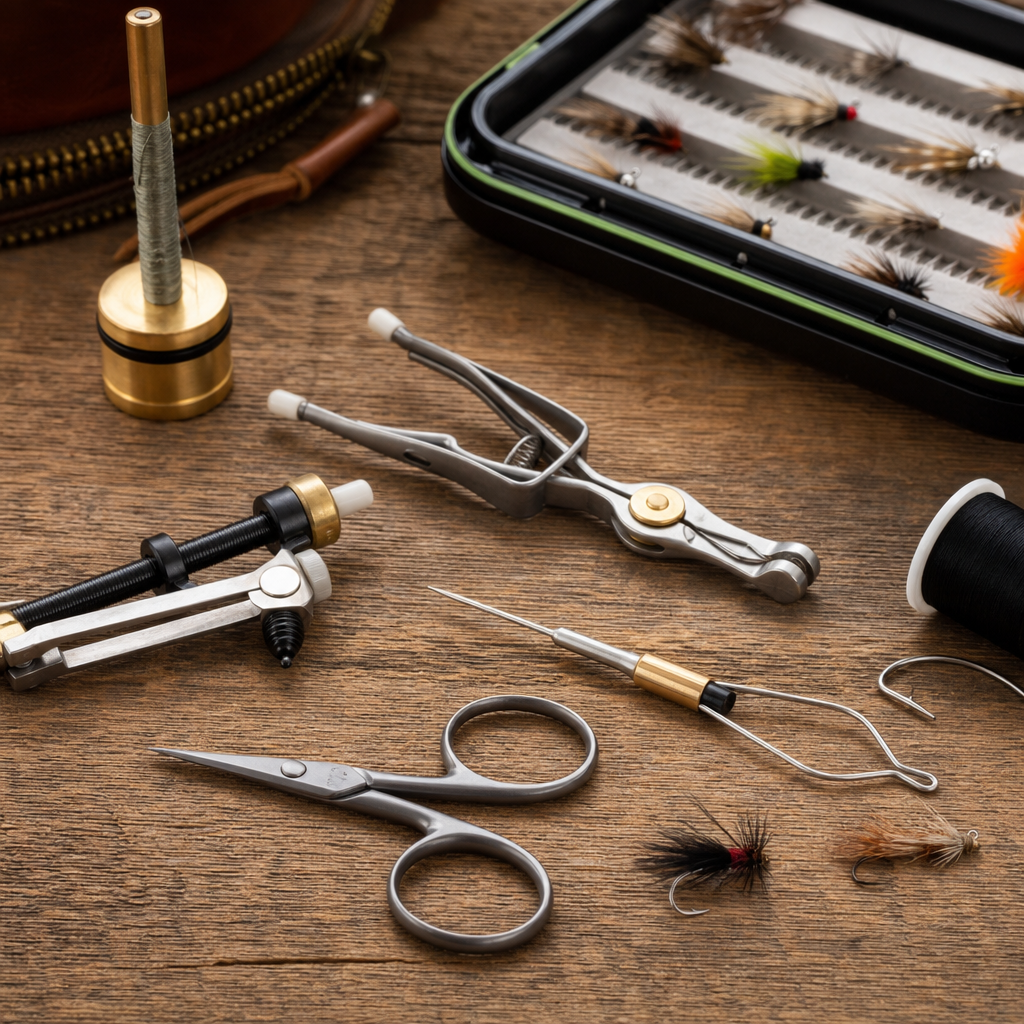
Fly fishing knot tying tools turn a frustrating streamside chore into a repeatable, reliable part of rigging, and the right accessories directly affect landing percentage, leader longevity, and time spent with a fly in the water. In practical terms, these tools include line nippers, hemostats, knot-tying aids, hook-eye threaders, tippet spool holders, zingers, and compact streamside stations that help anglers cut, grip, organize, and tie knots with cold fingers or low light. I have tested these accessories on trout rivers, stillwater boats, and saltwater flats, and the difference between a gimmick and a genuinely useful tool becomes obvious when wind is blowing, your hands are numb, and a fish is rising twenty feet away. A solid knot tool setup matters because modern fly fishing relies on thin tippet, small hook eyes, and quick rig changes. Good accessories reduce wasted material, improve knot consistency, and make technical presentations easier. This hub article covers the essential categories, what each tool does well, where it falls short, and which options are worth considering if you are building or upgrading your accessory kit.
What knot tying tools actually do on the water
The best fly fishing knot tying tools solve three recurring problems: dexterity, visibility, and efficiency. Dexterity matters because many trout anglers tie 5X to 7X tippet, often with wet or cold hands. Visibility matters because tiny hook eyes and clear mono are difficult to see against glare or dark water. Efficiency matters because every rig change takes time away from casting. When people search for top fly fishing knot tying tools, they usually want to know which accessories make knots easier without adding clutter. The answer is to choose a small number of tools that each handle a specific failure point in your system. A nipper gives you a clean tag end. Hemostats help hold small flies and cinch material gently. A knot tool assists with repeatable knots like the nail knot or improved clinch variation. A threader gets tippet through small eyes. A spool holder keeps tippet organized and accessible. Together, these tools create a compact rigging workflow.
Not every angler needs every category. If you fish larger dries on 4X and have excellent close vision, a simple nipper and forceps may be enough. If you Euro nymph with micro rings, sighter material, and frequent tippet replacement, organization tools become more important. Saltwater anglers often prioritize corrosion resistance and stronger cutters for heavier mono and fluorocarbon. The key is matching the accessory to the line diameters, fly sizes, and fishing conditions you actually face. In my experience, many anglers overspend on specialized gadgets before buying quality basics. Start with tools that improve consistency first, then add niche accessories that solve a real problem in your style of fishing.
Core tools every fly angler should evaluate
The first accessory I recommend is a quality pair of nippers. Clean cuts are not cosmetic; they help knots seat properly and reduce tag-end fraying. Cheap blades crush fluorocarbon and dull quickly, especially if you trim wire indicators, split shot tabs, or heavy butt material. Models from Simms, Abel, Loon, Dr. Slick, and Hatch are widely recognized because they use durable cutting edges and practical attachment points. Premium nippers often justify their cost through replaceable jaws, better ergonomics, or corrosion resistance, but a mid-priced pair can perform very well if maintained and used for line only.
Second are hemostats or forceps. These are not strictly knot tiers, yet they are indispensable for gripping hooks, flattening barbs, clearing debris from hook eyes, and helping with precise material control. Dr. Slick, Orvis, and Loon make reliable options in multiple lengths. For trout fishing, a straight or slightly curved five-inch model covers most needs. For saltwater, stainless construction is critical. Locking forceps can also hold a hook steady while you thread tippet in windy conditions, effectively serving as an extra hand.
Third are dedicated knot-tying tools. The classic example is a nail knot tool, used for tying backing-to-fly-line nail knots or building leaders. Some compact tools also aid in blood knots, loop knots, and snell-style wraps. These matter most for anglers who build their own leaders or rig often on the water. They are less essential for casual anglers who buy factory leaders and only tie tippet-to-fly connections. Still, when a welded loop fails or a leader butt needs replacing, a compact knot tool can save a trip.
Fourth are eye threaders and hook-eye cleaners. These become highly valuable when fishing size 18 to 24 flies, especially at dusk. Tools from C&F Design and Loon can speed up threading dramatically. Finally, spool tenders and tippet bars reduce frustration. Tangled loose spools waste time, and ultraviolet exposure can degrade nylon over time if spools bounce around uncovered. A good holder keeps diameters visible and ready.
How to compare accessory reviews without getting fooled by branding
Accessory reviews are useful only when they evaluate actual performance criteria. Marketing often emphasizes premium machining, anodized finishes, or heritage branding, but those are secondary to function. For nippers, assess cut quality on both nylon and fluorocarbon, edge longevity, ease of use with gloves, and whether the pin clears hook cement from eyes without bending. For forceps, check jaw alignment, lock tension, hinge smoothness, and corrosion resistance after repeated wet use. For threaders, ask whether they handle tiny dry-fly eyes consistently or only work on medium hooks under ideal light. For tippet holders, look at retention, one-hand access, and whether labels remain readable.
I weigh durability heavily because knot tying tools live in abrasive conditions. They get dropped in sand, soaked in rain, clipped to packs, and exposed to fish slime, sunscreen, and salt. A polished finish means little if the hinge seizes after a season. Likewise, ultralight construction is not automatically better if it sacrifices grip or leverage. Reviews should also discuss attachment systems. A tool that fishes well but is easy to lose is a poor value. Zinger compatibility, lanyard holes, and secure clips deserve attention because streamside organization is part of performance.
Another point often missed in accessory reviews is task overlap. A beautifully made knot tool may duplicate what your forceps and fingers already do. The best purchase is not always the most specialized item; it is the one that meaningfully improves your rigging speed or knot quality. That is why this hub for accessory reviews should be used as a decision framework, not just a shopping list.
Best tool categories by use case
Choosing the top fly fishing knot tying tools is easier when you organize them by fishing scenario rather than by brand alone. The table below summarizes where each category delivers the most value and what to watch for before buying.
| Tool category | Best for | Key features to look for | Main limitation |
|---|---|---|---|
| Nippers | All anglers; daily tag trimming | Sharp jaws, hook-eye pin, lanyard hole, replaceable cutters | Dulls quickly if used on wire or hard materials |
| Hemostats or forceps | Hook handling, barb pinching, line control | Aligned jaws, smooth hinge, locking mechanism, stainless steel | Bulkier than minimalist tools |
| Nail knot or multi-knot tool | Building leaders, backup fly-line connections | Clear groove layout, compact size, easy wraps | Less useful for anglers using factory loop systems |
| Hook-eye threader | Small flies, aging eyes, low-light rigging | Fine wire, protective case, easy handling | Fragile if crushed in a vest pocket |
| Tippet spool holder | Multi-spool rigs, nymphing, frequent changes | Secure retention, visible labels, one-hand dispense | Adds one more item to manage |
For most trout anglers, the highest-value combination is nippers, forceps, and a tippet holder. Add a threader if you regularly fish tiny patterns. Add a knot tool if you build custom leaders or travel where field repairs matter. This practical sequencing prevents overspending and keeps your setup lean.
Brand strengths, standout products, and realistic tradeoffs
Several brands dominate accessory reviews because they repeatedly produce usable, durable tools. Dr. Slick remains one of the best values in forceps, scissors, and combo tools. Their products are common in guide boats because they work, replacements are easy to find, and the designs are straightforward. Loon focuses on practical streamside accessories, often with clever ergonomic touches such as better grips, bright finishes for visibility, and purpose-built rigging tools. Simms and Orvis offer broad, dependable accessory lines that integrate well with packs, zingers, and vest systems. Abel and Hatch sit at the premium end, especially with nippers, where machining quality, replaceable components, and corrosion resistance are strong selling points.
C&F Design deserves special attention for threaders and organized rigging systems. Their micro slit foam cases and threader platforms address a genuine problem for technical trout anglers fishing small flies. In testing, these tools are especially helpful during midge hatches and tailwater conditions where re-rigging quickly matters. The tradeoff is price and specialization. A C&F threader system is excellent if tiny flies are a regular part of your fishing, but unnecessary if most of your season is spent throwing hoppers, streamers, or saltwater baitfish patterns.
There are also hybrid tools combining nippers, knot needles, and eye cleaners. Some are handy, but combination tools can force compromises in ergonomics. A dedicated nipper usually cuts better than a tiny cutter built into a multitool. Likewise, a compact combo device may be harder to use with gloves than separate tools clipped in predictable locations. Minimalist anglers may still prefer them because they reduce clutter. The right answer depends on how disciplined your carry system is and whether you value redundancy or simplicity.
Setting up an efficient streamside knot station
The most effective accessory kit is not the biggest one; it is the one you can access without thinking. My preferred arrangement is simple. Nippers ride on a zinger high on the chest where they can be reached with either hand. Forceps clip to a retractor or pack tab on the dominant side. Tippet spools stay on a holder or bar low enough not to swing into the rod. Threaders and floatant stay in a small chest pocket. This layout reduces searching, dropping, and line snagging. It also supports a repeatable sequence: cut, thread, tie, cinch, trim, fish.
Placement affects efficiency more than many reviews admit. Tools on long retractors can bang against rods and reels. Magnets are convenient but may release unexpectedly when crawling through brush or kneeling at the net. Fixed clips are secure but slower to use one-handed. If you wet-wade in summer with a minimalist sling pack, bulk matters. If you fish from a drift boat in cold weather, quick access with gloves matters more. Think through where each accessory rides and how your line moves around your body while rigging.
Maintenance is equally important. Rinse tools after salt exposure. Dry hinges before storage. Touch a drop of light oil to forceps pivots occasionally. Replace dull nipper jaws before they begin crushing line. Check threader wires for bends. These small habits extend tool life and protect knot strength. Many line break-offs blamed on bad tippet actually start with damaged material from worn cutters or rough gripping surfaces.
How this accessory reviews hub helps you choose better gear
As a sub-pillar hub under product reviews and recommendations, this page is designed to guide anglers toward the right accessory category before they drill into individual product comparisons. The main benefit of a hub approach is context. If you read a standalone review of premium nippers without understanding when a knot tool or threader matters more, you can end up solving the wrong problem. Here, the goal is to map the full accessory landscape: cutting tools, gripping tools, threading aids, organization systems, and knot-specific devices. From that foundation, deeper reviews can compare specific products within each category, such as premium versus budget nippers, best forceps for trout, or the most useful threaders for tiny dries.
The core takeaway is straightforward. Buy tools that remove friction from the way you actually fish. Prioritize clean cuts, secure grip, easy access, and proven durability over flashy finishes or novelty functions. For most anglers, a dependable pair of nippers, solid forceps, and an organized tippet system will deliver the biggest gain. Add specialized knot tying tools and hook-eye threaders when your fisheries, fly sizes, or vision make them necessary. If you are refining your setup, use this hub as your starting point, then move into detailed accessory reviews to compare the best models for your budget and fishing style.
Frequently Asked Questions
What knot tying tools are most useful for fly fishing, and which ones should I buy first?
If you are building a practical fly fishing knot tying kit, start with the tools that solve the biggest streamside problems: cutting line cleanly, gripping small materials securely, and making knots easier when your hands are cold, wet, or tired. For most anglers, the first three tools worth buying are a sharp pair of line nippers, quality hemostats, and a simple knot-tying aid. Those three cover the most common rigging tasks and immediately make leader changes, fly swaps, and tippet repairs faster and more consistent.
Line nippers matter because a clean cut on tippet and leader material helps knots seat properly and reduces fraying at the tag end. Hemostats are just as important because they let you grip hooks safely, pinch barbs, remove flies, and hold fine line when your fingers lose dexterity. A knot-tying aid becomes especially valuable if you often fish small flies, light tippet, or low-light conditions. It helps create repeatable knots with less fumbling, which can be the difference between fishing confidently and wasting time retying at the bank.
After those essentials, the next tier includes hook-eye threaders, tippet spool holders, retractable zingers, and compact streamside stations. A hook-eye threader can feel optional until you try to thread a tiny eye in wind or fading light. Tippet spool holders keep your materials organized and accessible, which means fewer tangles and faster adjustments. Zingers keep your most-used tools attached and ready, and a compact station brings everything into one efficient system for anglers who want maximum organization on the water.
The best buying strategy is to match tools to your actual fishing conditions. If you fish technical trout water with fine tippet and small dry flies, prioritize precision and visibility aids. If you fish bigger water, streamers, or warmwater setups, durability and easy access may matter more than ultra-fine knot tools. The right first purchases are not necessarily the most expensive ones; they are the ones you will reach for every single outing.
Do knot tying tools really improve knot strength and landing percentage, or are they mostly about convenience?
They absolutely improve convenience, but the better ones also have a direct effect on knot quality, leader life, and ultimately your landing percentage. In fly fishing, many lost fish trace back to weak or poorly seated knots, damaged tippet from rough handling, or hurried streamside rigging. Knot tying tools help reduce those errors. That does not mean the tool itself makes the knot stronger than the line’s limits, but it does help you tie the knot correctly and consistently, which is what preserves strength.
A sharp nipper, for example, gives you a clean tag end instead of a crushed or frayed one. That matters because damaged mono or fluorocarbon can fail more easily under shock loads. Hemostats allow controlled grip without overhandling fine tippet, and a good knot aid helps you form wraps uniformly and cinch the knot smoothly. Uniform wraps and smooth seating are critical with common fly fishing knots because uneven tension can create weak points or friction damage. When every connection from fly to tippet to leader butt is tied more cleanly, your whole system becomes more dependable.
These tools are especially valuable under the exact conditions where anglers tend to make mistakes: cold weather, numb fingers, rain, poor light, fast current, or pressured fish forcing a quick retie. Under ideal indoor conditions, most anglers can tie a decent clinch, improved clinch, Orvis, Davy, or loop knot by hand. On the water, with stress and distractions, repeatability becomes the real advantage. Tools reduce fumbling, shorten downtime, and make it more likely that each knot is tied the same way every time.
Landing percentage is influenced by many factors, including drag setting, hook sharpness, fish fighting technique, and line choice, but clean and reliable terminal connections are a major part of that equation. If a tool helps you avoid a compromised knot once or twice over a season, it can easily justify its place on your vest or pack. Convenience is the first benefit anglers notice; improved reliability is the benefit they appreciate most over time.
How do I choose the best fly fishing knot tying tools for small flies, light tippet, and difficult streamside conditions?
When you are fishing tiny flies, fine tippet, or technical water, your tools need to prioritize precision, control, and visibility. Start by looking for compact nippers that make a crisp cut on 5X, 6X, and 7X material without flattening it. The cutting edge should be sharp enough to trim fine tag ends closely, because bulky tags can interfere with knot performance and presentation. For hemostats, choose a model with a precise tip and a secure but smooth clamp so you can handle small hooks and delicate line without crushing or slipping.
A knot-tying aid becomes much more than a convenience in this category. For anglers who struggle with tiny hook eyes or reduced dexterity, a well-designed knot tool can make small-fly rigging dramatically easier. The best models are intuitive to use, work with the knot styles you already trust, and are small enough to carry comfortably without becoming another thing to manage. If you regularly fish during hatches that run into dusk, a hook-eye threader is also worth considering. It can save a surprising amount of time when your eyes are straining and fish are still feeding.
Material quality matters too. Corrosion-resistant metal, durable springs, secure attachment points, and easy one-handed operation all become more important when you are standing in current and trying not to drop gear. Tools with textured grips or slightly oversized contact points are often better for cold-weather use. If your fingers are numb, tiny slick handles are frustrating, even if they look refined on a store display.
Organization also plays a big role in difficult conditions. A tippet spool holder keeps sizes clearly available, while zingers or retractor systems prevent constant searching through pockets. Many anglers overlook this, but the best knot tool is the one you can find instantly when a fish breaks you off. Streamside efficiency matters. If your tools are compact, dependable, and easy to access, you will spend less time fumbling with gear and more time putting accurate drifts over rising fish.
Are expensive knot tying tools worth it, or can budget options perform just as well?
Expensive tools can be worth the money, but only when the higher price reflects meaningful improvements in cutting performance, corrosion resistance, durability, ergonomics, or overall streamside efficiency. In many cases, a mid-priced nipper or pair of hemostats will perform nearly as well as a premium option for the average angler. The key is to separate true functional value from branding, styling, and extra features you may never use.
For line nippers, what matters most is edge retention, clean cutting ability, and durability over time. A premium pair may stay sharper longer, resist rust better, and feel better attached to your vest or pack, but a cheaper pair can still work very well if maintained properly. The same logic applies to hemostats. A budget model that locks reliably, aligns correctly, and resists corrosion can be a smart buy. What you want to avoid are bargain-bin tools with sloppy jaws, poor springs, rough edges, or metal that stains and pits quickly after repeated exposure to water.
Knot-tying aids are a little different because design matters as much as build quality. A budget tool that works intuitively with your preferred knots may serve you better than a more expensive one with a steeper learning curve. Comfort and ease of use are crucial. If a tool is too awkward or fiddly, you simply will not use it, no matter how well made it is. That is why practical field testing matters more than catalog claims.
In general, spend more on the tools you use constantly and on the items where failure would be most frustrating. Sharp, dependable nippers and corrosion-resistant hemostats are usually safer long-term investments than premium versions of niche accessories. If you fish often, especially in harsh weather or varied environments, paying for durability can make sense. If you fish occasionally, a well-chosen budget setup may cover your needs perfectly. Value in knot tying tools is not about buying the most expensive gear; it is about buying the gear that remains reliable when conditions get difficult.
How should I carry, organize, and maintain fly fishing knot tying tools so they stay reliable on the water?
The best system is one that keeps your most-used tools accessible, secure, and easy to operate without breaking your fishing rhythm. For many anglers, that means attaching nippers and hemostats to retractable zingers or keeping them on dedicated exterior loops of a vest, sling, or chest pack. Frequently used tools should never be buried in a pocket. If you have to stop and search every time you change flies or trim a knot, your setup is costing you fishing time.
Tippet spool holders help prevent loose spools from cluttering your pack and make it easier to step through sizes quickly when adjusting to changing conditions. A compact streamside station can be a smart option if you prefer a centralized system with designated places for nippers, floatant, tippet, forceps, and