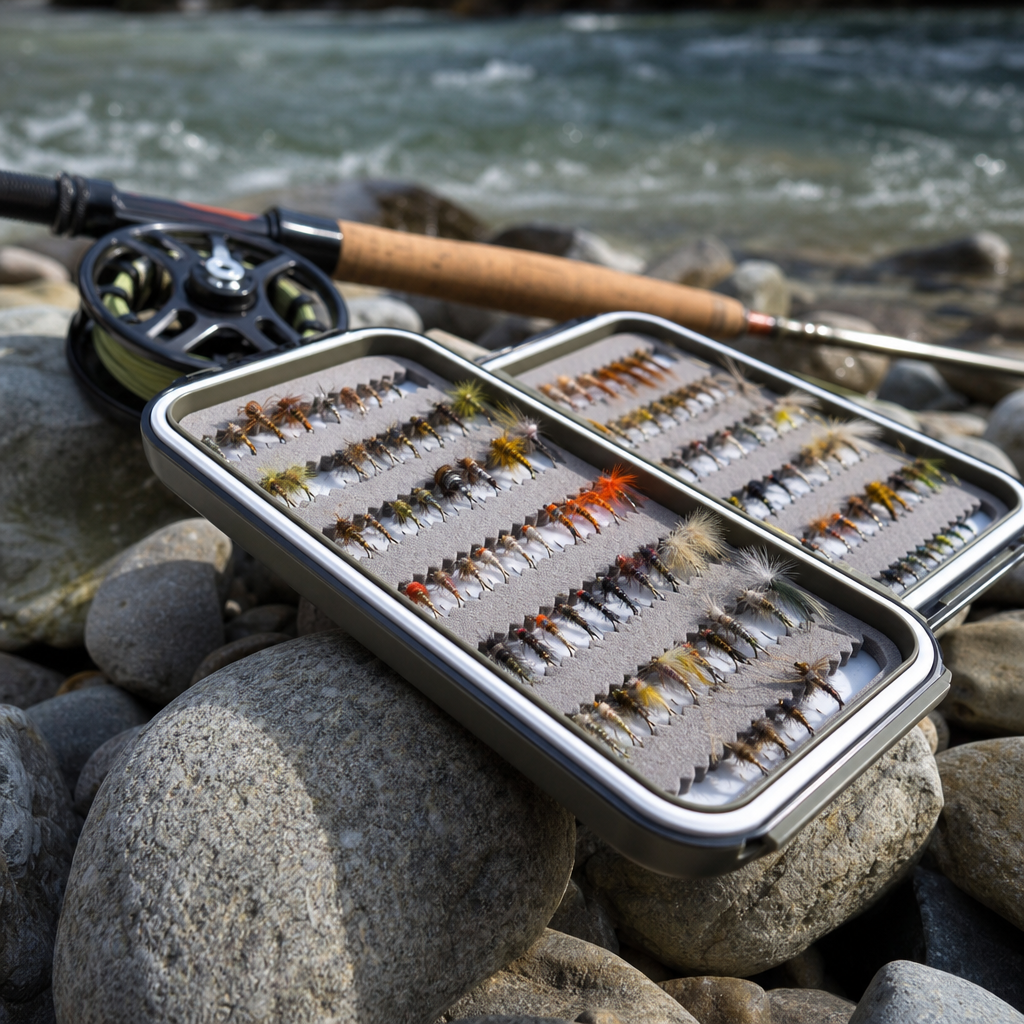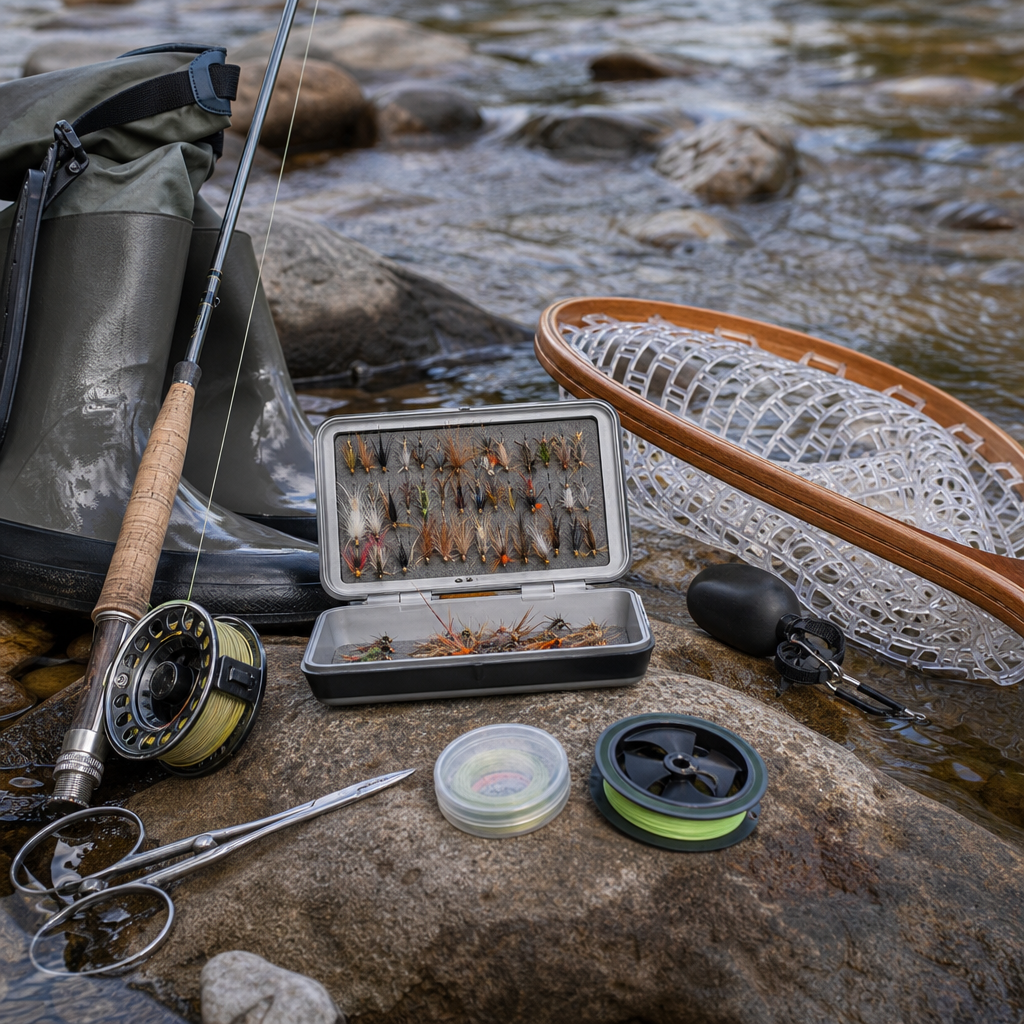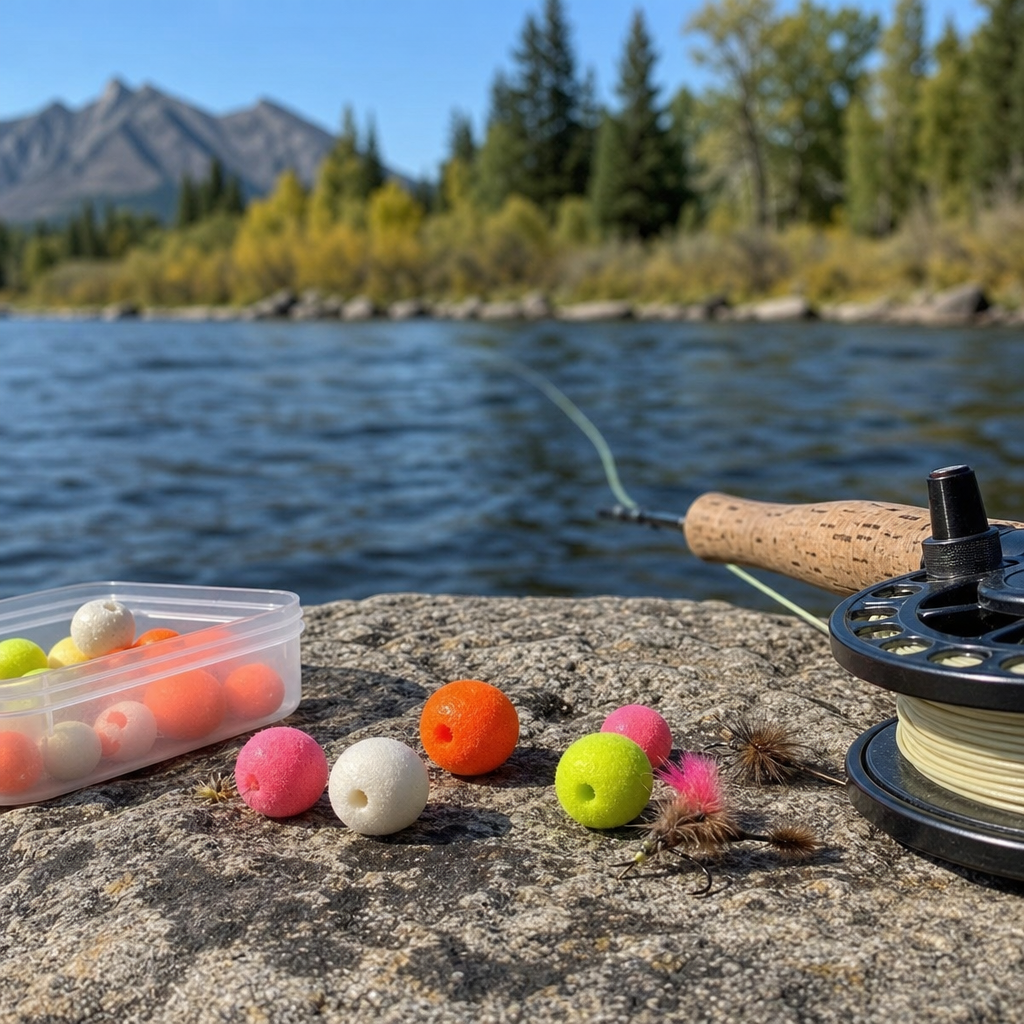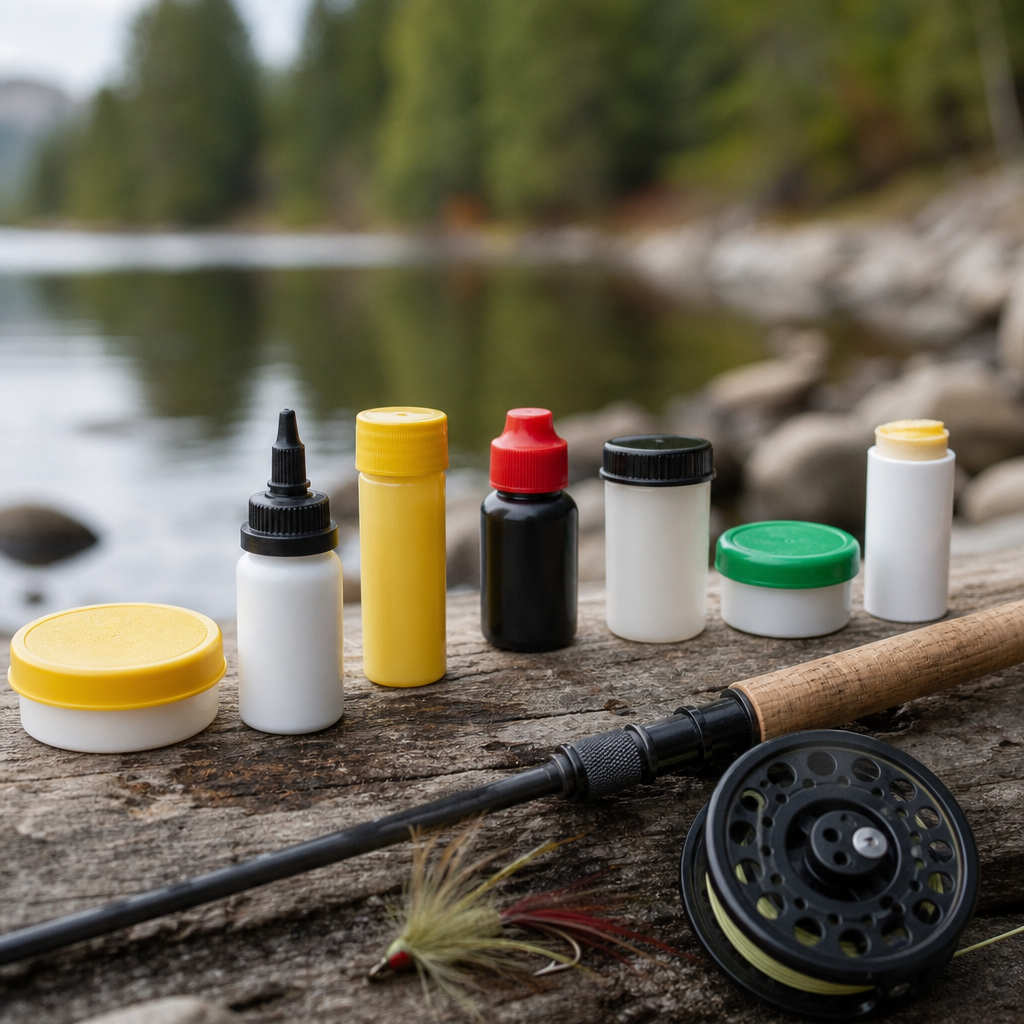
Fly fishing floatants are one of those small accessories that quietly determine whether a dry-fly day feels effortless or frustrating, and after testing many of them streamside, I consider them essential gear rather than optional extras. A floatant is any treatment applied to a dry fly, indicator, leader butt, or occasionally a fly line segment to improve buoyancy, reduce waterlogging, and help the pattern ride naturally in the surface film. Reviewing the top fly fishing floatants matters because product labels often promise the same outcome, yet gels, powders, liquids, pastes, desiccants, and silicone treatments perform very differently depending on fly material, water temperature, hatch conditions, and how often you false cast. Anglers looking for the best fly fishing floatant usually want a simple answer, but the real answer depends on whether you fish high-floating attractors on freestone rivers, tiny CDC mayflies on spring creeks, or foam terrestrials in windy summer conditions. This accessory category also matters as a hub topic because floatants connect directly to broader gear decisions: fly boxes, tippet management, drying patches, amadou, strike indicators, and line cleaning all influence presentation. A good review therefore must do more than rank products. It should explain which floatants suit hackled dries, which destroy the natural movement of CDC, which revive a soaked fly fastest, and which are convenient enough to use every fifteen minutes without interrupting your rhythm.
What a fly fishing floatant actually does on the water
The best fly fishing floatants work by creating a water-repellent barrier, restoring trapped air in fibers, or removing moisture after a fish, a bad drift, or a few accidental dunks. In practical terms, that means your Parachute Adams sits flush but visible instead of sinking by the third cast, your Elk Hair Caddis skates without drowning, and your Chubby Chernobyl remains buoyant through repeated drifts. Onstream, I separate floatants into two functional groups: preventive treatments and rescue treatments. Preventive products go on a dry fly before fishing or when switching patterns. Rescue products are used after the fly is wet and need to wick moisture away quickly. Gels and pastes usually belong in the preventive category. Shake desiccants, drying powders, and amadou pads are rescue tools. Some liquids straddle both roles, but they are most effective when used before the first cast and allowed to dry thoroughly.
Material compatibility is the critical concept many reviews miss. Traditional hackle, deer hair, synthetic wings, and foam generally tolerate silicone or hydrocarbon-based gels well. CDC is different. The fine natural oils and microstructure of CDC fibers are responsible for its buoyancy and movement. Heavy gel can mat those fibers together, reduce mobility, and make an expensive technical fly fish worse. That is why dedicated CDC powders and brush-on treatments exist. The wrong floatant can absolutely reduce effectiveness, especially on low-riding emergers where profile matters more than raw flotation. Temperature also changes performance. In cold weather, thick gels become harder to spread evenly, while some powders clump if they absorb humidity in your vest.
Another overlooked factor is presentation control. A dry fly should not simply float high; it should float correctly. Mayflies, cripples, and emergers often need to sit partially in the film, while caddis skaters and attractor dries can ride higher. The top floatants let you tune that behavior by applying treatment selectively to hackle, wing, or body. That precision matters more than marketing claims about “maximum flotation.”
Reviewing the top fly fishing floatants by category
After years of using floatants on trout rivers, tailwaters, and stillwaters, I have found that no single product dominates every situation. The most reliable approach is to carry two or three complementary options. Gink remains a benchmark gel floatant because it is easy to apply, widely available, and consistently effective on standard dry flies with hackle, hair, and synthetic wings. It is the product many anglers start with, and for good reason: a small amount rubbed into a fly before the first cast creates solid initial buoyancy without much mess. Loon Aquel occupies the same core category, with a similar gel format but slightly different texture. Many anglers prefer Aquel for its squeeze bottle and visibility in a crowded vest pocket. In direct use, both are dependable all-purpose dry fly floatants, though overapplication can leave a sheen on small flies and cause hackle fibers to clump.
Shimazaki Dry Shake is the classic rescue floatant and still one of the most effective products ever made for reviving a soaked fly. You place the wet fly into the container, shake briefly, and the desiccant powder pulls moisture out while coating the surface to restore flotation. When I am fishing technical dry-fly water and changing flies as little as possible, Dry Shake saves time and keeps a proven pattern in service. Loon Top Ride and Frog’s Fanny serve a similar role, though they differ slightly in particle consistency and applicator style. Frog’s Fanny, especially, has a loyal following among anglers who fish tiny dries and emergers because the powder can be brushed onto specific areas with control. For CDC flies, products like Loon Lochsa or CDC-specific powders usually outperform general gels because they preserve softness and movement.
| Product | Type | Best use | Main advantage | Main limitation |
|---|---|---|---|---|
| Gink | Gel | Standard dry flies before fishing | Reliable all-around flotation | Can overload tiny flies |
| Loon Aquel | Gel | Hackled dries, attractors, hair-wing patterns | Easy streamside application | Less ideal for CDC |
| Shimazaki Dry Shake | Desiccant powder | Reviving soaked flies | Very fast moisture removal | Container can absorb humidity if left open |
| Frog’s Fanny | Powder with brush | Small dries, emergers, selective application | Excellent control on technical patterns | Messier in wind |
| Loon Lochsa | Thin liquid-gel | CDC and delicate dry flies | Light coating with less matting | Shorter-lasting on heavy foam flies |
Blue Ribbon and Gehrke’s Gink also deserve mention because many guides still trust older proven formulas over newer branding. These products continue to sell because floatant performance is measured by drift quality, not packaging. If a fly stays up for six accurate presentations and then revives quickly, the product has done its job.
How to choose the best dry fly floatant for your fishing style
If you want the best fly fishing floatant for trout, start by matching the product to the fly type you use most often. Anglers fishing bushy attractors, hopper-dropper rigs, and larger caddis patterns benefit most from a gel or paste. These flies have enough material to accept a coating without losing shape, and the goal is sustained high flotation. In contrast, anglers focused on spring creek trout with #20 to #24 mayflies should prioritize a desiccant powder or CDC-friendly formula because subtle profile and movement are more important than brute buoyancy. For warmwater panfish or bass bugs, floatant matters less on foam patterns, but it still helps deer hair poppers shed water and track better after repeated strips.
Think about workflow, not just chemistry. On a windy riverbank, a brush-on powder may be awkward, while a squeeze bottle gel is simple. In a drift boat, where you can organize gear, carrying both a preventive gel and a rescue desiccant is easy. If you wade small streams with a minimalist pack, one versatile bottle may be the better choice. I also advise anglers to consider packaging durability. Caps crack, powders spill, and bottles leak under pressure. The best product on paper is a poor choice if it empties into your sling pack during a hike.
Water type changes the equation too. Fast freestone currents often reward higher flotation because rough water drowns flies quickly. Slow slicks expose overtreated flies because trout inspect them longer. On lakes, where static presentation and repeated pick-ups matter, a floatant that keeps hackle from sliming up is more valuable than one that simply rides high at first. Matching floatant to conditions creates better drifts and more consistent hook-ups than chasing a universal number-one product.
Application techniques that make floatants work better
Most complaints about floatants trace back to application errors rather than bad formulas. The first rule is to use very little. A pinhead-sized drop of gel is enough for many trout flies. Work it into the fly with your fingers before the first cast, targeting hackle, wing, and hair rather than smearing the entire hook bend and point. If you cover everything indiscriminately, the fly can look greasy and the hook may pick up debris. The second rule is to dry before retreating. After landing a fish or dunking a fly, squeeze the fly in a drying patch or amadou, false cast lightly, then apply powder or floatant. If you add gel to a saturated fly, you often trap moisture instead of removing it.
For CDC, the sequence matters even more. Blot the fly gently, then use a powder or CDC-safe treatment, and avoid crushing the fibers. I learned this the hard way on a technical tailwater where heavy gel turned an elegant CDC emerger into a sticky clump that fish refused. Since then, I reserve standard gel for hackled dries and use powder for CDC, comparaduns, and low-riding patterns. Another useful technique is selective floatation. Treat only the wing and hackle on an emerger if you want the abdomen to hang in the film. This creates a more realistic posture and often outperforms fully coated flies during selective hatches.
Maintenance matters as well. Powders should stay sealed and dry. Gels should be kept clean so grit does not contaminate the nozzle or transfer to flies. At home, I periodically test old floatants because some formulas separate or degrade over time. Fresh product, applied correctly, consistently beats premium product used carelessly.
Common mistakes, tradeoffs, and what most reviews overlook
The biggest mistake anglers make is assuming more floatant equals better performance. Excess product can add unnatural shine, collapse delicate materials, and make tiny flies land poorly. Another mistake is using one floatant for every pattern. That habit is convenient, but it ignores material science. CDC, snowshoe rabbit, foam, deer hair, and hackle each respond differently. The third mistake is waiting too long to retreat a fly. Once a fly becomes slimed with fish mucus or saturated from repeated drifts, a quick powder shake may not fully restore it. Sometimes the right move is to switch to a fresh fly while the wet one dries on a patch.
There are also legitimate tradeoffs among the best fly fishing floatants. Gels are versatile and portable, but they can be messy and are less effective as rescue tools. Powders are excellent at reviving flies, but wind and humidity reduce convenience. Liquids can penetrate materials well, yet they often require drying time before use, which many anglers skip. Environmentally, not all formulas are equal. Some brands emphasize biodegradable or lower-impact ingredients, while others still rely on conventional petroleum-derived chemistry. The practical performance difference is not always dramatic, but conscientious anglers may care about ingredient profile, especially on heavily used trout waters.
What many reviews overlook is how floatants fit into a larger accessory system. A drying patch, amadou, or even a clean bandana can make any floatant perform better. Hook sharpness, fly quality, and leader design also affect whether a floating fly actually catches fish. In other words, floatant solves one specific problem extremely well, but it does not compensate for poor presentation or the wrong pattern choice.
Hub guide to accessory reviews and related gear decisions
As a hub for accessory reviews, this page should help you connect floatants to the rest of your dry-fly system. If you fish dry flies regularly, the next accessories worth reviewing are drying patches, amadou wallets, floatant holders, tippet spools, leader straighteners, and fly boxes designed to protect hackle and CDC. These items interact directly with floatant performance. A crushed fly in an overstuffed box floats poorly no matter which product you buy. A poor drying patch leaves too much moisture for powder to work efficiently. A leader with excessive memory drags a fly under, making you blame floatant for a leader problem.
I recommend building your accessory kit around tasks instead of brand loyalty. For flotation, carry one preventive product and one rescue product. For storage, use a fly box that preserves delicate profiles. For maintenance, add amadou or an absorbent patch. For line control, keep a small line cleaner or dressing if you fish dry-fly leaders off the tip often. This system-based approach is what separates occasional dry-fly success from repeatable performance over an entire season. It also makes future product reviews more useful because you evaluate each item by how it improves the whole process, not just one feature in isolation.
The top fly fishing floatants are not interchangeable, and the best choice depends on fly material, water type, and how you manage a soaked pattern between casts. For most anglers, the strongest setup is simple: a dependable gel such as Gink or Loon Aquel for standard dry flies, plus a rescue powder such as Shimazaki Dry Shake or Frog’s Fanny for reviving wet flies quickly. If you fish CDC patterns frequently, add a CDC-friendly treatment and apply it sparingly. That combination covers nearly every realistic dry-fly situation without cluttering your vest with redundant products. The bigger lesson is that floatant works best as part of an accessory system that includes proper fly storage, drying tools, and disciplined application technique. When you match the product to the pattern and use it at the right time, your flies drift longer, sit more naturally, and stay fishable through more presentations. Use this hub as your starting point for accessory reviews, then build a dry-fly kit that supports the kind of water and flies you fish most often.
Frequently Asked Questions
What is a fly fishing floatant, and why does it matter so much for dry-fly fishing?
A fly fishing floatant is a treatment designed to help a fly, indicator, leader butt, or even part of a fly line stay on or near the surface rather than becoming saturated and sinking. In practical terms, it is one of the most important small accessories an angler can carry because it directly affects drift quality, visibility, presentation, and the amount of time a fly remains fishable. A dry fly that sits properly in the surface film looks more natural, is easier to track, and performs the way it was intended by the tier. Once a fly becomes waterlogged, it often drags unnaturally, disappears from view, and needs repeated false casting or replacement just to stay effective.
This is why reviewing the top fly fishing floatants is worthwhile. Not all products behave the same on the water. Some excel as pretreatments before fishing, some revive a drowned fly after a fish eats it, and others work best in cold weather, on delicate patterns, or with bushy attractors. The best floatants improve buoyancy without adding excessive shine, matting hackle, or leaving residue that changes the silhouette of the fly. On technical water, that difference can matter a great deal. A good floatant helps maintain a clean drift, keeps your fly visible in broken currents, and reduces the constant need to dry and re-treat your fly every few casts. In other words, floatants are not just convenience products; they are performance tools that help dry-fly anglers fish more efficiently and more effectively.
What are the main types of fly fishing floatants, and how do they differ in real-world use?
The main categories of fly fishing floatants are gels, pastes, liquids, powders, and desiccant-based drying products, and each one has a specific role. Gel floatants are among the most common because they are easy to apply streamside, versatile across a wide range of dry flies, and effective at adding a water-resistant coating to materials like hair, hackle, and synthetic wings. They are especially useful before the first cast and during routine maintenance throughout the day. Pastes behave similarly, though some anglers find them slightly heavier or better suited to larger, more buoyant patterns.
Liquids are often used as pretreatments, particularly for freshly tied flies before they ever touch the water. Many anglers dip flies in liquid floatant, let them dry completely, and then fish them later with much better long-term buoyancy. This approach is especially helpful for small dry flies, CDC-adjacent patterns when the liquid is compatible, and flies that are difficult to treat evenly with a gel. Powder floatants and desiccants are different because they shine after the fly is already wet. Instead of simply coating the fly, they help absorb moisture and restore loft, making them ideal after a fish strike, after repeated drifts, or anytime a fly starts to sag in the film. Shake-style desiccant containers are popular for this reason: they can bring a drowned dry fly back to life quickly.
In real-world use, the best anglers often carry more than one type. A common system is to pretreat with a liquid, maintain with a gel, and revive with a powder or desiccant. That combination covers nearly every dry-fly situation. The right choice also depends on fly materials. A classic elk hair caddis can tolerate and even benefit from many gel products, while delicate CDC flies often require specialized powders or CDC-friendly formulas to avoid clumping fibers and ruining the pattern’s natural movement. Understanding these differences is what separates simply owning floatant from using it well.
How do I choose the best floatant for different fly patterns and fishing conditions?
The best floatant depends on what you are fishing, how the fly is built, and the conditions you are facing. For high-floating, bushy dry flies such as hoppers, stimulators, stoneflies, and heavily hackled attractors, gel floatants are usually the most practical choice because they are easy to apply, durable enough for rough water, and effective on hair and hackle. These patterns often benefit from a visible, reliable boost in buoyancy, especially in pocket water, riffles, and windy conditions where surface disturbance can drown a fly faster than expected.
For tiny mayflies, technical spring creek patterns, and flies tied with sparse materials, the choice becomes more precise. You want a floatant that helps the fly ride naturally without overcoating it or making it unnaturally shiny. In these cases, lighter applications are better, and many anglers prefer pretreatment liquids or very sparing use of gel. For CDC flies, material-specific caution matters. CDC works partly because of its fine natural structure, and heavy gels can collapse those fibers. Specialized powders and CDC-safe floatants are usually a better fit because they restore buoyancy without matting the material.
Fishing conditions should influence the decision as well. In fast, turbulent water, durability matters more, so stronger gels and regular reapplication may be necessary. In calm, clear water where fish inspect the fly closely, subtlety matters more, which means using less product and choosing formulas that leave minimal residue. Cold weather can also expose differences among floatants. Some gels become harder to spread in low temperatures, while powders may become the more convenient option after a fly gets soaked. If you fish all season, one of the smartest strategies is to evaluate floatants not by advertising claims alone but by how they perform on the specific flies and waters you fish most often.
How should floatant be applied correctly to get the best performance without ruining the fly?
Proper application makes a major difference, and more floatant is not necessarily better. For most gel or paste products, the best method is to use a very small amount and work it lightly into the fly before it becomes wet. Focus on buoyant materials such as hackle, hair wings, and body surfaces, while avoiding overloading fine fibers or clogging the hook eye. A thin, even coating is what helps repel water; a thick blob of product can distort the pattern, add shine, trap debris, and make the fly behave unnaturally. On small dry flies, a tiny dab applied with fingertips is usually enough.
If the fly has already become waterlogged, drying it first is important. False casting can help somewhat, but blotting the fly on an absorbent patch or amadou and then using a desiccant powder is often much more effective. Once the fly is dry again, a light reapplication of gel can restore protection. With dip-style liquid floatants, follow the product’s instructions carefully. Most are designed for pretreatment, meaning the fly should be dipped before fishing and allowed to dry completely. Fishing a fly before the liquid dries can ruin the pattern’s profile or leave it sticky.
The biggest mistakes are overapplication and using the wrong product on the wrong material. CDC, snowshoe rabbit, and some fine synthetic patterns can lose their shape when coated too heavily. Foam flies are naturally buoyant and may need far less product than anglers assume. Another smart habit is to apply floatant to a fresh fly before the first cast, rather than waiting until it sinks. Preventing saturation is easier than reversing it. When used this way, floatants help maintain the intended silhouette and keep the fly riding correctly for much longer.
What should I look for when reviewing or comparing the top fly fishing floatants?
When comparing fly fishing floatants, the first factor to evaluate is actual buoyancy performance over time. A strong floatant should not just make a fly float for a cast or two; it should help the fly stay high and fish naturally through repeated drifts, mends, and occasional refusals or missed strikes. The next factor is versatility. Some products are excellent on bushy dries but poor on delicate patterns, while others perform best as revive-and-dry solutions rather than first-line treatments. The best-reviewed floatants are usually the ones that clearly excel in a particular role and do so consistently.
Ease of application is another major point. Onstream, anglers need products that open easily, dispense cleanly, and can be used quickly with cold fingers or limited light. Packaging matters more than many people expect. A superior formula in a frustrating bottle can become a nuisance during a hatch. You should also consider whether the floatant leaves visible residue, creates unnatural sheen, mats fibers, or collects streamside dust and debris. These are practical issues that affect presentation just as much as pure flotation does.
Durability, temperature stability, and fly compatibility also deserve attention in any serious review. Some floatants perform beautifully in mild weather but stiffen or separate in colder conditions. Others are outstanding on traditional dry flies but unsuitable for CDC or emergers. Finally, value matters, but not simply in terms of price per bottle. A floatant that works better, lasts longer, and saves flies from constant replacement often offers better real-world value than a cheaper product that underperforms. The most useful reviews are the ones grounded in streamside testing across different fly styles, water types, and weather conditions, because that is where the strengths and weaknesses of each floatant become obvious.