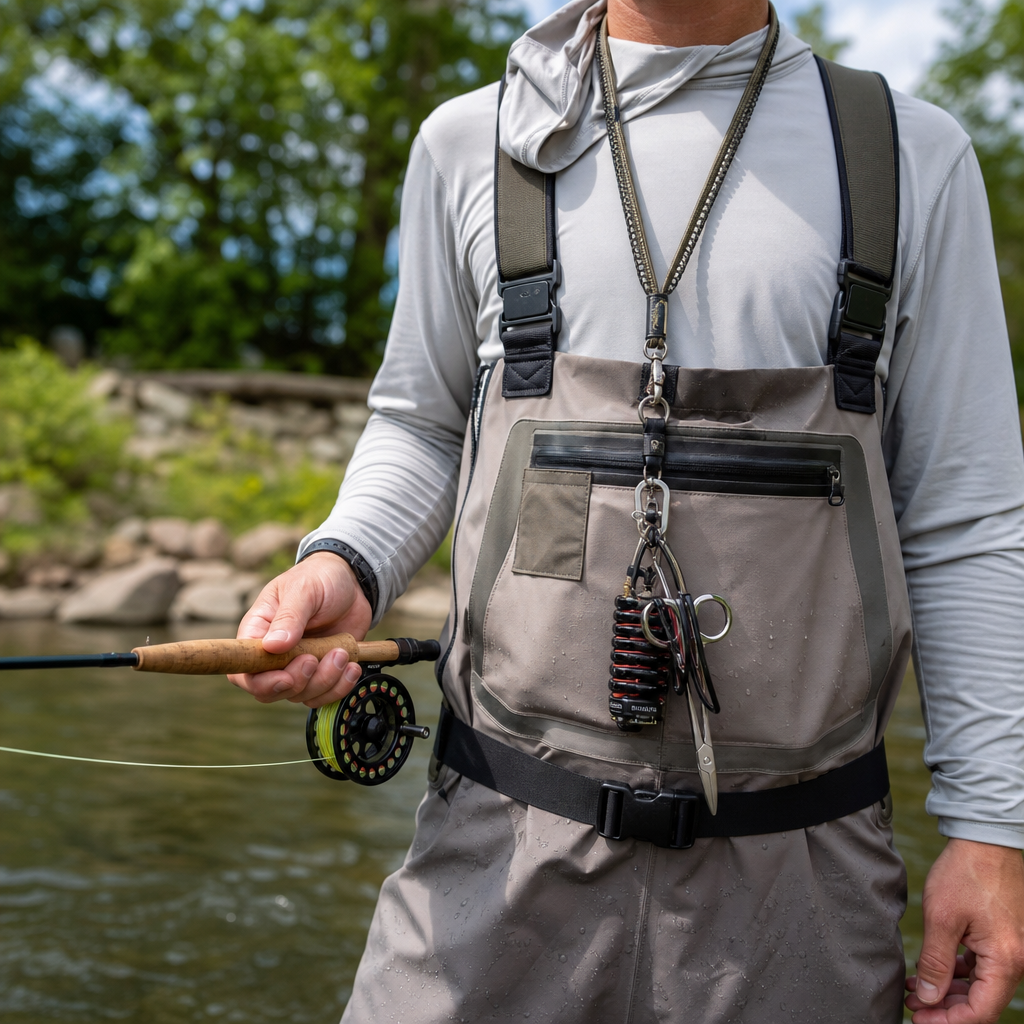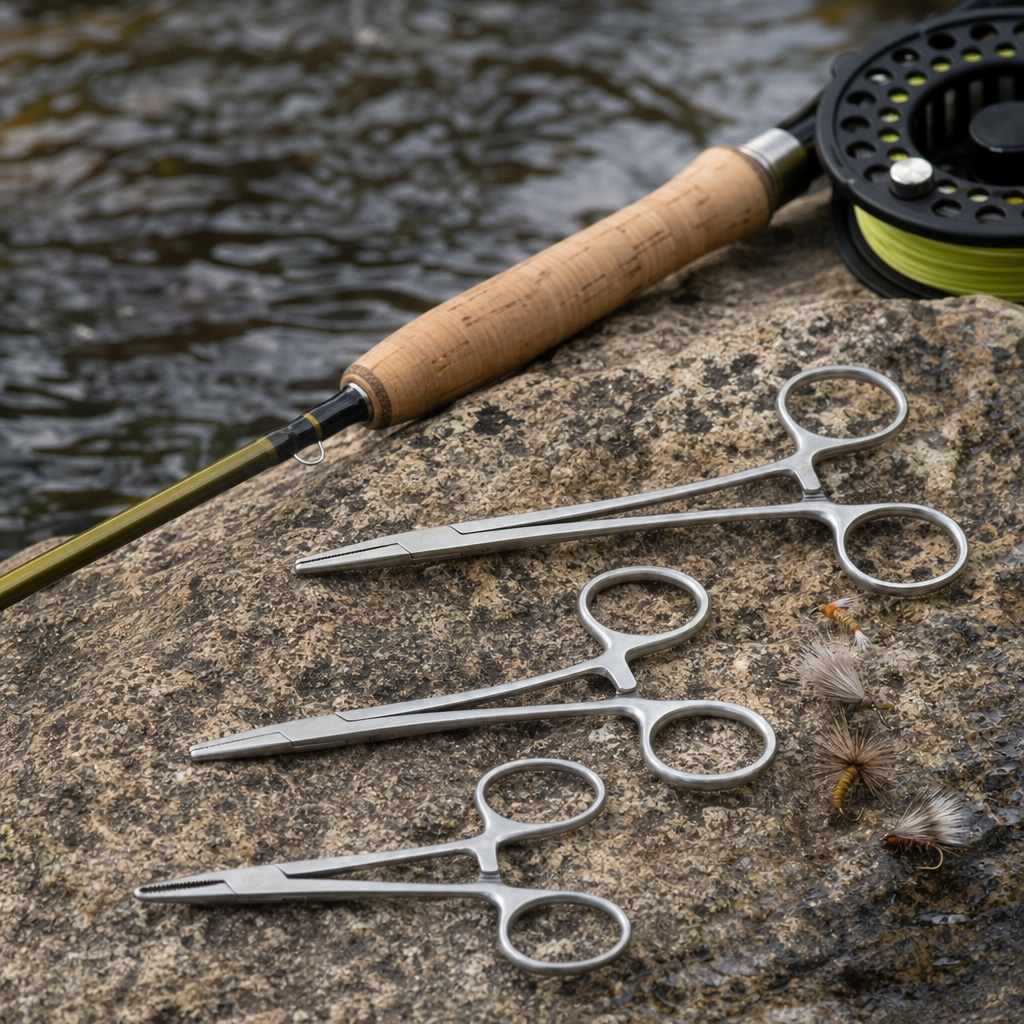
Fly fishing forceps are one of those small tools that quietly determine whether a day on the water feels smooth and efficient or clumsy and frustrating. Anglers use them to remove hooks, crimp barbs, pinch split shot, clear hook eyes, and manage delicate flies with far more control than fingers alone. In practical terms, the best fly fishing forceps combine corrosion resistance, precise jaws, reliable locking action, and enough comfort to ride on a vest, sling, or lanyard all day without becoming an annoyance.
As a category within accessory reviews, forceps deserve hub-level attention because they sit at the intersection of fish handling, rigging efficiency, and long-term gear value. A premium rod or reel gets more attention, but forceps are handled dozens of times in a single outing. I have used budget hemostats from pharmacy supply stores, midrange fishing-branded models, and top-end machined tools from companies like Dr. Slick, Loon Outdoors, Rising, Orvis, and Simms. The pattern is consistent: poor forceps fail at the lock, rust at the hinge, or lose jaw alignment, while well-made forceps become daily-use tools that last for years.
This article is designed as a complete guide to top fly fishing forceps, with reviews and recommendations for different budgets and use cases. It also serves as a central resource for accessory reviews, helping anglers understand where forceps fit alongside nippers, zingers, packs, floatant holders, and other carry essentials. If you are deciding between straight and curved jaws, trying to identify the best forceps for trout versus saltwater use, or wondering whether premium materials justify the cost, the sections below answer those questions directly and with specific examples.
What makes the best fly fishing forceps
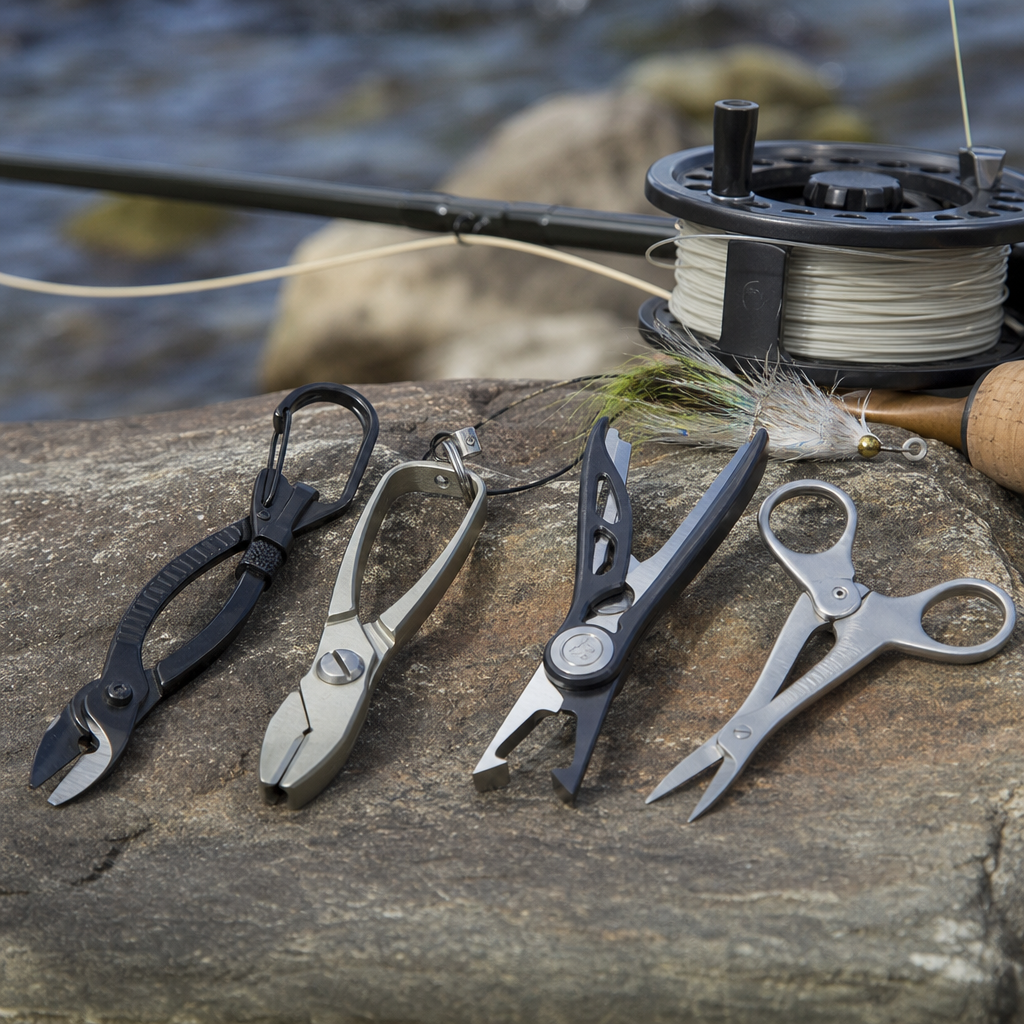
The best fly fishing forceps do four jobs exceptionally well: grip securely, release cleanly, resist corrosion, and stay accessible. Jaw geometry matters first. Fine tapered jaws are ideal for small trout flies, midge hooks, and tight spaces around a fish’s mouth. Broader jaws provide more power for larger hooks, streamers, and warmwater patterns. Straight jaws offer direct line access and excel at general hook removal, while curved jaws improve visibility and angle control, especially when a fish is moving and the hook sits awkwardly.
Material quality is equally important. Most top fly fishing forceps use stainless steel, but not all stainless performs the same. Better tools use higher-grade passivated stainless, tighter machining tolerances, and stronger hinge pins. In saltwater or brackish conditions, these details determine whether the forceps still open smoothly after a month of exposure. Tungsten carbide inserts, found on some premium models, improve grip and can add cutting capability, though they raise price and can make the tool slightly heavier.
Locking mechanism design is a major differentiator in reviews. Traditional ratcheting locks are secure, simple, and familiar. However, some cheaper versions become too stiff, requiring two hands to release. Better forceps click positively but disengage with a subtle thumb movement. Handle size also matters more than many buyers expect. Anglers with cold hands or gloves need larger finger loops and enough handle length for leverage. Compact forceps are easier to wear on a retractor, but ultra-small versions often sacrifice control.
Accessory integration rounds out the buying criteria. A good forceps tool should pair well with a zinger, lanyard, or sheath. Matte finishes reduce glare. Oversized thumb pads help operation with wet fingers. Built-in eye needles can clear cement-clogged flies, and some jaws are designed specifically for crimping barbs or split shot. These details sound minor in a catalog description, yet they are exactly what separate a merely acceptable fishing accessory from a genuinely useful one on the river.
Top fly fishing forceps reviews and recommendations
Among the most consistently reliable options, Dr. Slick remains a benchmark brand because its forceps line covers nearly every use case without unnecessary gimmicks. The Dr. Slick Standard Clamp is a durable all-around choice for trout anglers who want proven performance at a fair price. Its serrated jaws grip hooks well, the lock is predictable, and replacement is easy because the model is widely stocked in fly shops. For anglers who fish tiny dries and nymphs, the Dr. Slick Arrow Scissor Clamp stands out by combining forceps and scissors into one streamlined tool, reducing clutter on a chest pack.
Loon Outdoors Rogue series forceps are another strong recommendation, especially for anglers who prioritize ergonomic design and modern finishes. The Comfy Grip Rogue Mitten Scissor Forceps are particularly useful in cold weather because the handles are easier to manage with gloves and wet fingers. Loon also does a good job with visibility, using color accents that make the tool easier to find when dropped into dark pack compartments. In actual use, that is not cosmetic; it saves time during rig changes when light is fading.
For premium buyers, Rising and Hatch occupy the upper end of the market. Rising’s hemostats are known for excellent machining, smooth hinge action, and strong visual design. They cost more, but they feel more refined in hand than commodity stamped tools. Hatch Nomad pliers are technically closer to pliers than classic forceps, yet many anglers cross-shop them because they deliver superior corrosion resistance and leverage, especially for larger fish and saltwater applications. If your fishing includes redfish, bonefish, stripers, or pike, stepping beyond traditional forceps can be justified.
Orvis, Simms, and Fishpond offer dependable middle-to-premium options that fit well into broader accessory systems. Orvis stainless forceps tend to emphasize practical utility and understated design. Simms often focuses on durability and integration with packs and wear systems. Fishpond earns attention for balancing function with thoughtful carry solutions, especially for anglers building out a modular setup around zingers, retraction cords, and vest attachments. In accessory reviews, these ecosystem advantages matter because a good forceps tool works best when it is always within reach.
| Model | Best For | Strengths | Limitations |
|---|---|---|---|
| Dr. Slick Standard Clamp | General trout fishing | Affordable, dependable lock, easy to find | Basic finish, less refined than premium options |
| Dr. Slick Arrow Scissor Clamp | Small flies and compact kits | Combines forceps and scissors, saves space | Scissor feature adds complexity |
| Loon Rogue Forceps | Cold-weather and glove use | Comfortable grip, visible design, solid control | Bulkier profile than minimalist models |
| Rising Hemostats | Anglers wanting premium feel | Smooth action, precise machining, durable build | Higher price for marginal gains |
| Hatch Nomad Pliers | Saltwater and large fish | Excellent corrosion resistance, strong leverage | Expensive and larger than classic forceps |
How to choose forceps for trout, bass, and saltwater fishing
Trout anglers usually benefit most from 5-inch to 5.5-inch stainless forceps with fine serrated jaws. This size is long enough for safe hook removal but still precise around size 18 to 24 flies. Straight jaws are the default recommendation for dry-fly and nymph fishing because they line up naturally with the hook shank. If you fish barbless regulations often, crisp jaw alignment becomes more valuable than raw clamping force, since the hook should back out with controlled pressure rather than brute torque.
Bass, panfish, and streamer-focused anglers can go slightly larger and heavier. Bigger hooks, bulky flies, and occasional toothy fish demand more leverage. Curved jaws help when removing hooks from fish that shake aggressively or inhale flies at odd angles. If you routinely crimp split shot, look for stronger jaws and a lock that does not slip under pressure. In my experience, ultralight trout forceps wear faster when pressed into heavier-duty warmwater work every weekend.
Saltwater forceps must be chosen more cautiously. Corrosion is relentless, especially around hinges, lock teeth, and any coating damage. Marine-grade stainless or anodized aluminum plier-style tools justify their cost if you fish coastal flats or surf regularly. Rinsing gear helps, but rinse habits do not turn mediocre materials into saltworthy materials. A cheap pair can seize in one season. For occasional salt use, quality stainless forceps from established fly brands can suffice, but frequent saltwater anglers should strongly consider purpose-built pliers or forceps with documented corrosion resistance.
Fish species and handling style also influence the best choice. Small stream trout often require delicate control and minimal contact. Larger trout, carp, steelhead, and pike may call for longer tools that keep hands farther from teeth or deep hook placements. If you release most fish, prioritize smooth hook extraction and one-handed operation. Those characteristics reduce air exposure and handling time, which is better for fish and more efficient for the angler.
Features that actually matter on the water
Many product listings emphasize coatings and styling, but daily performance comes from simpler details. The first is hinge smoothness. Forceps should open freely without wobble and close without lateral play. Poor alignment shows up when the jaw tips cross, gap, or twist under light pressure. That weakness makes tiny hook removal frustrating and can damage delicate flies. The second essential detail is ratchet quality. A good lock holds firmly on the first or second click and releases predictably every time.
Grip texture and handle ergonomics deserve more attention than they usually get in quick accessory reviews. Bare stainless loops can become slick with fish slime, sunscreen, or winter gloves. Rubberized inserts or enlarged loops improve control, especially during fast releases. Weight is another factor. Heavier tools may feel premium, but they bounce more on retractors and can pull awkwardly on lightweight shirt fabrics. For most freshwater anglers, the sweet spot is a tool substantial enough to inspire confidence but light enough to forget between uses.
Combination tools require honest assessment. Scissor forceps are efficient for anglers who want fewer accessories on their chest pack. A built-in eye needle can rescue flies clogged with head cement. Some jaws are specifically milled for split-shot crimping. These additions are useful when executed well, but they also create more points of wear. If your fishing style is simple and repetitive, a dedicated forceps plus separate nippers often lasts longer and is easier to maintain.
Visibility and attachment options are underrated safety and convenience features. Matte black tools look sleek but disappear in mud, gravel, and dark pack interiors. Bright accents, lanyard holes, and compatible zingers reduce loss risk. On guided trips and busy float days, I see more forceps lost to poor attachment habits than broken from actual use. The best tool is the one attached where your hand naturally goes without looking.
Care, maintenance, and accessory system recommendations
Proper maintenance extends the life of fly fishing forceps dramatically. After freshwater trips, dry them fully before storing them in a closed pack or boat box. After saltwater use, rinse with fresh water, dry thoroughly, and apply a light corrosion inhibitor around the hinge if recommended by the manufacturer. Avoid leaving forceps clamped shut in storage because tension on the ratchet and trapped moisture can accelerate wear. If the hinge starts to feel gritty, clean it before forcing movement and damaging alignment.
As the hub page for accessory reviews, this guide should also frame how forceps fit into a broader fishing setup. Pair them with quality nippers for line trimming, a reliable zinger or magnetic retractor for quick access, and a storage system that matches your fishing style. Vest anglers often prefer a retractor mounted high on the chest. Sling users may clip forceps to the shoulder strap for one-handed reach. Lanyards work well for minimalist wading but can become cluttered if overloaded. Accessory organization directly affects efficiency, especially during technical dry-fly fishing where seconds matter.
The strongest recommendation for most anglers is simple: buy the best forceps you can reasonably afford for your primary fishing environment, then maintain them consistently. A dependable midrange stainless model will outperform a flashy bargain tool over time, and a premium saltwater-ready tool pays for itself if you fish corrosive environments regularly. Start with proven brands, prioritize jaw alignment and corrosion resistance, and choose a size suited to your target species rather than chasing novelty features.
In the end, top fly fishing forceps are not about prestige; they are about clean hook removal, faster rigging, safer fish handling, and fewer small frustrations across an entire season. That makes them one of the smartest accessory upgrades available. Use this hub as your starting point for accessory reviews, compare the models that match your fishing style, and then build the rest of your gear system around tools you will actually trust on the water every time.
Frequently Asked Questions
What should I look for when choosing the best fly fishing forceps?
The best fly fishing forceps balance precision, durability, and day-to-day usability. Start with jaw design, because that affects nearly every task on the water. Fine, narrow tips are excellent for removing small flies from trout mouths and clearing tight hook eyes, while slightly broader jaws can feel more secure when crimping barbs or pinching split shot. A well-machined tip should close evenly without gaps, since poor alignment makes forceps feel sloppy and limits control on tiny flies and delicate tippet work.
Material matters just as much. Stainless steel is popular because it resists rust and handles frequent exposure to water better than basic plated metals. If you fish in saltwater or brackish environments, corrosion resistance becomes even more important, and higher-grade stainless or purpose-built saltwater models are usually worth the investment. Locking action is another major factor. Good forceps should open and close smoothly, lock securely without slipping, and release easily with one hand. If the ratcheting mechanism is too stiff or too loose, the tool becomes frustrating quickly.
Comfort and carry options also deserve attention. Since forceps are often clipped to a vest, sling pack, or retractor for hours at a time, they should feel light enough to carry but substantial enough to grip confidently with wet hands. Features like finger loops, textured handles, built-in eye needles, scissors, or hook sharpeners can be useful, but only if they do not compromise the tool’s core performance. In the end, the best forceps are the ones that feel dependable for the specific fishing you do most, whether that means technical trout fishing, all-around freshwater use, or rugged saltwater applications.
Are expensive fly fishing forceps really better than budget models?
Not always, but higher-priced forceps often justify their cost through better materials, tighter construction, and more consistent long-term performance. A budget pair can absolutely work for occasional anglers or as a backup tool, especially if the jaws align well and the locking mechanism functions reliably. For basic hook removal and barb crimping, many affordable models do the job just fine at first. The difference usually shows up over time, particularly with repeated exposure to water, grit, fish slime, and constant opening and closing.
Premium fly fishing forceps tend to offer stronger corrosion resistance, smoother hinge action, cleaner jaw alignment, and better fit and finish overall. Those details matter when you are handling small flies, reaching into tight mouths, or using the tool in cold conditions where dexterity is reduced. Better forceps also tend to maintain their spring, locking reliability, and tip precision longer, which can make them more cost-effective in the long run if you fish regularly. Cheap models sometimes develop play in the hinge, rust around the joint, or lose their grip when clamped, all of which become noticeable at the worst moments.
The most practical approach is to match the tool to your fishing frequency and environment. If you fish a few weekends a year on freshwater streams, a solid mid-range option may be perfect. If you are on the water often, fish in saltwater, or want one dependable tool to clip on every trip, investing in a better pair usually makes sense. Expensive does not automatically mean best, but quality forceps are one of those small pieces of gear that can noticeably improve efficiency and reduce frustration every single outing.
What size and style of forceps are best for trout fishing and small flies?
For trout fishing, especially when using small dry flies, nymphs, and midge patterns, many anglers prefer forceps in the roughly 4- to 5.5-inch range with fine, tapered jaws. This size offers a strong mix of control and portability. Shorter forceps can feel more nimble and are easy to clip to a vest or wear on a lanyard, while slightly longer models give a bit more reach when unhooking fish or working around larger hands. The key is choosing a pair that feels precise rather than bulky.
Fine-tip jaws are particularly valuable in trout fishing because they allow you to grip tiny hooks cleanly, remove flies with minimal handling, and clear cement or debris from hook eyes without damaging materials. If you fish barbless or frequently pinch barbs before fishing, a model with enough jaw strength to crimp cleanly without slipping is important. Some anglers also appreciate built-in scissors or a hook-eye needle, but these extras should not come at the expense of tip accuracy or comfortable handling. For technical trout fishing, precision is usually more important than having multiple functions packed into one tool.
Another factor to think about is fish care. A well-designed pair of trout forceps helps speed up hook removal, which reduces handling time and can be better for catch-and-release fishing. Smooth jaw action and dependable locking can make that process quicker and gentler. If most of your fishing involves small hooks and delicate presentations, prioritize compact size, fine points, and excellent control over oversized forceps designed for heavier species or general-purpose use.
How do I maintain fly fishing forceps so they last longer?
Proper maintenance is simple, but it makes a major difference in how long fly fishing forceps continue to perform well. The most important habit is rinsing and drying them after use, especially if they have been exposed to saltwater, muddy water, or heavy moisture. Even stainless steel can develop corrosion over time if grit and moisture are left in the hinge and locking surfaces. A quick rinse with fresh water followed by thorough drying helps prevent rust, stiffness, and premature wear.
It is also smart to pay attention to the hinge and ratcheting lock. These moving parts collect debris easily, and that buildup can make forceps feel rough or unreliable. An occasional drop of light oil at the hinge can restore smooth action, but use it sparingly so it does not attract excessive grime. If the jaws become dirty with dried slime, dirt, or fly tying cement residue, clean them carefully so the tips continue to close evenly. Forceps that are used for crushing split shot or heavy crimping may need more frequent inspection because those tasks put added stress on jaw alignment.
Storage matters too. Avoid tossing wet forceps into the bottom of a pack where they stay trapped in moisture. Let them air out after a trip and keep them in a dry location between outings. If you notice rust beginning near the hinge, address it early before it spreads and affects performance. With basic care, a good pair of forceps can remain smooth, precise, and dependable for many seasons, making maintenance one of the easiest ways to protect a useful piece of fly fishing gear.
Can one pair of fly fishing forceps handle hook removal, barb crimping, split shot, and hook-eye clearing?
Yes, a well-designed pair of fly fishing forceps can handle all of those tasks, which is exactly why forceps are considered such an essential multi-use tool on the water. For many anglers, they function as the small utility tool that quietly keeps everything moving efficiently. They can remove hooks more safely and precisely than fingers, pinch barbs before fishing, crimp split shot onto the leader, and clear hook eyes clogged with head cement, varnish, or debris. A good pair adds both speed and control to everyday fly fishing tasks.
That said, not every pair excels equally at every job. Fine-tip forceps are ideal for hook-eye clearing and delicate fly handling, but they may not feel as strong or comfortable for repeated split shot crimping. Heavier-duty jaws can manage shot and larger hooks more easily, though they may feel less precise with tiny dries and midges. This is why many review roundups and recommendations separate models by strength: some are true all-around tools, while others lean toward finesse or durability. If you want one pair to do everything reasonably well, look for forceps with accurately aligned jaws, enough tip precision for small flies, and enough structural strength for light crimping tasks.
It is also worth remembering that forceps have limits. Repeatedly crushing large shot or using them as a substitute for pliers can wear the jaws and reduce precision over time. For standard trout and general freshwater use, though, one solid pair is usually enough to cover the core jobs most anglers need throughout the day. That versatility is a big reason forceps remain one of the smartest and most practical tools to keep attached to your vest, sling, or pack.