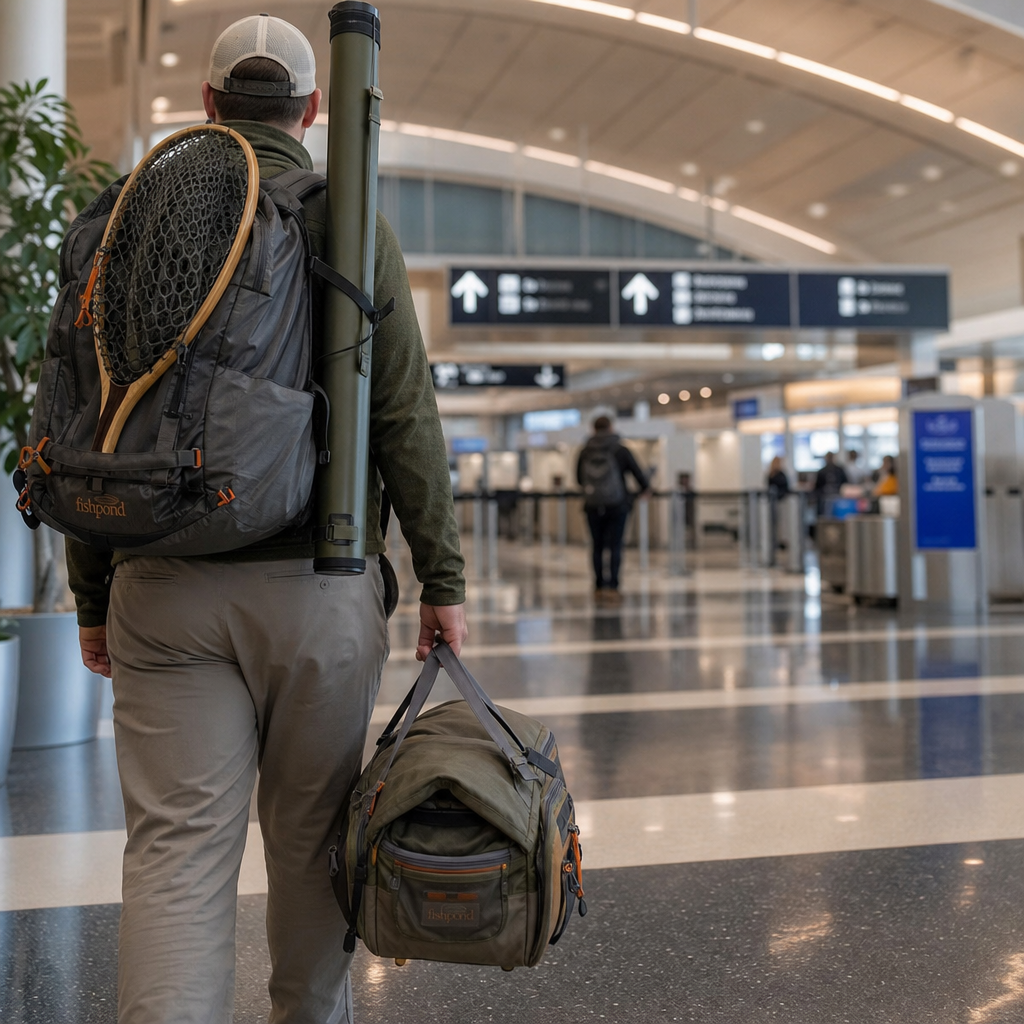
Navigating airports with fly fishing gear requires equal parts packing discipline, airline knowledge, and destination planning. For anglers heading abroad, the challenge is not only protecting expensive rods, reels, lines, and flies, but also moving them through security, customs, and connecting flights without delays or damage. International travel adds another layer: baggage rules vary by carrier, import regulations differ by country, and items that seem harmless at home can trigger questions at checkpoints. I have traveled with fly gear through major hubs in North America, Europe, and Latin America, and the difference between a smooth transfer and a missed connection usually comes down to preparation. This guide explains how to fly internationally with fishing equipment, what to pack in carry-on versus checked luggage, how to handle security inspections, and how to reduce risk when your trip includes remote lodges, charter flights, or multiple airlines. If you want one reliable framework before booking and packing, start here. Good airport strategy protects your gear, saves money on baggage fees, and gets you on the water faster.
Know the Rules Before You Book
The first rule of international travel with fly fishing gear is simple: do not assume every airline treats fishing equipment the same way. Some carriers classify a rod tube as standard carry-on if it fits length limits, while others treat it as sporting equipment regardless of diameter. Weight allowances also vary. A full-size checked duffel that is free on one transatlantic fare may cost significant fees on a regional leg operated by a partner airline. Before buying tickets, read the sporting equipment page, the cabin baggage page, and the policy for codeshare flights. The strictest segment often controls the trip.
Look beyond the airline. Transportation Security Administration officers in the United States, CATSA in Canada, and equivalent authorities elsewhere can permit an item that the gate agent still refuses under airline policy. That is why security rules and airline rules must be checked separately. For international arrivals, customs rules matter too. Countries can restrict biological materials, untreated wood, food, and animal products. If your flies use feathers, fur, or exotic materials, keep them in commercially labeled boxes and avoid carrying loose tying materials unless necessary.
At booking time, also consider aircraft type. Small regional jets and bush planes have limited overhead space and tighter checked baggage allowances. I have seen anglers breeze through a long-haul flight with rod tubes in the cabin, then get forced to gate-check them on the final hop. A four-piece or six-piece travel rod in a compact case is the safest format for international itineraries. If your destination requires tiny aircraft transfers, ask the lodge or outfitter for exact luggage dimensions, not general advice.
Pack Fly Fishing Gear for Security and Survival
Successful airport travel starts with dividing gear by risk. Critical, fragile, and hard-to-replace items belong in carry-on whenever permitted. Durable, replaceable, or restricted items go in checked luggage. For most anglers, that means rods, reels, fly boxes, leaders, tippet, sunglasses, medications, documents, and one change of fishing clothes should stay with you. Waders, boots, tools, spare lines, and bulk accessories usually ride in checked bags. The goal is simple: if checked luggage is delayed for forty-eight hours, you can still fish with rented or borrowed outer gear.
Use a padded travel rod case inside a carry-on duffel or roller if dimensions allow. Hard tubes protect blanks well, but a tube by itself can be awkward in crowded terminals and attractive to handlers if gate-checked. Reels should be packed in neoprene cases, with drags backed off and lines dry. Saltwater reels deserve extra rinsing and drying before departure to prevent corrosion during a long trip. Place fly boxes in a clear pouch near the top of your bag so they are easy to inspect. I have found that tidy organization reduces secondary screening because officers can identify contents quickly.
Checked bags need structure. Waders should be fully dry and turned right side out. Boots should be scrubbed clean, especially when traveling to countries sensitive to invasive species or didymo transfer. New Zealand, for example, is notably strict about outdoor gear cleanliness, and biosecurity inspections are routine. Put tools such as forceps, nippers, hook files, and knives in checked luggage. Lithium batteries for headlamps, cameras, or boat accessories should follow airline guidance; spare lithium batteries generally belong in carry-on with terminals protected.
What Usually Goes in Carry-On and What Should Be Checked
Many travelers ask the same practical question: can you bring fly fishing gear on a plane? Usually, yes, but not every item belongs in the cabin. Airlines and security officers focus on sharp edges, potential blunt instruments, liquid limits, and bag dimensions. A conservative packing plan prevents arguments at the checkpoint and speeds your passage through unfamiliar airports.
| Item | Best Location | Why |
|---|---|---|
| Multi-piece fly rods | Carry-on if size allows | Fragile and expensive; least likely to be damaged in cabin |
| Reels | Carry-on | High value, compact, and difficult to replace mid-trip |
| Fly boxes | Carry-on | Essential for fishing immediately; easy to inspect when organized |
| Leaders and tippet | Carry-on | Light, nonthreatening, and useful if checked bags are delayed |
| Waders and boots | Checked | Bulky, heavy, and usually acceptable if cleaned thoroughly |
| Forceps, nippers, knives, hook sharpeners | Checked | Sharp tools can be challenged at security checkpoints |
| Floatant, gels, liquids | Carry-on only within liquid limits, otherwise checked | Must comply with cabin restrictions |
| Spare batteries | Carry-on | Most airlines require loose lithium batteries in the cabin |
Even with this framework, exceptions happen. Large saltwater flies, weighted patterns, and oversized pike or musky hooks can attract scrutiny. When I travel with substantial streamers for international destinations, I pack the majority in checked luggage and keep only a small, practical selection in carry-on. If a security officer is uncertain, a cooperative attitude matters more than winning a debate.
Handle Security Screening Without Surprises
Airport security is easier when your gear is easy to explain. Use plain language: “These are fishing reels,” “This is a travel fly rod,” and “These are artificial fishing flies.” Avoid burying dense fly boxes under electronics, cords, and snacks. Separate laptops, cameras, and battery packs according to local screening rules. In many airports, the agent’s concern is not fishing gear itself but the clutter that makes an X-ray image harder to read.
Sharp objects are the most common trigger. Hemostats, fishing pliers, line cutters, scissors, and knives belong in checked luggage. Hooks are more variable. In my experience, standard trout flies rarely create problems when packed neatly, but there is no universal guarantee, especially outside North America. If a box contains large articulated flies with multiple hooks, move it to checked baggage. The same applies to tube-fly rigging needles, dubbing twisters, and tying tools. Travel days are not the time to test how much discretion a checkpoint officer will exercise.
Build extra time into your schedule. International departures already involve document checks, and sporting equipment can invite bag inspection. A thirty-minute delay at security can cascade into a missed boarding call at a large hub like Heathrow, Frankfurt, or Dallas Fort Worth. I aim to arrive early enough that a full hand search of my carry-on is inconvenient, not trip-threatening. Keep digital and printed copies of reservations, baggage policies, and any outfitter letters in one folder on your phone and in paper form.
Prepare for Customs, Biosecurity, and Border Questions
Customs is where anglers often focus too little attention. Border agencies care about more than declarations of value. Outdoor equipment can carry mud, plant material, and invasive organisms. Countries with strong agricultural or fisheries protections may inspect boots, waders, nets, and even waterproof packs. The cleanest possible gear is the best answer. Wash boots thoroughly, remove felt soles if the destination discourages or bans them, and dry everything completely before packing. A bag that smells damp invites scrutiny and can undermine your credibility when you say gear is clean.
Documentation also helps. If you are carrying expensive reels or cameras, keep purchase records or photos showing prior ownership. This can matter when reentering your home country, especially if officers suspect goods were purchased abroad. For guided trips, carry lodge contacts, transfer details, and destination addresses. If you are bringing prescription medication, keep it in original packaging. If your flies include natural materials, commercially packaged products are easier to explain than unlabeled loose feathers and fur stuffed into side pockets.
Ask one destination-specific question before every trip: are there import controls affecting fishing tackle, equipment cleanliness, or protected species materials? Regulations change. An outfitter, tourism board, or national customs website is a better authority than a forum post from five years ago. This is especially important for remote fisheries where local enforcement is strict because ecosystems are sensitive and visitor numbers are manageable.
Manage Connections, Lost Bags, and Remote Transfers
The longer and more fragmented the itinerary, the more valuable redundancy becomes. International fly fishing travel often includes a long-haul flight, an overnight in a gateway city, a regional connection, and then a vehicle or boat transfer. Each handoff increases the chance of delay. Pack so you can fish for at least a day or two without your checked bag. That means rod, reel, fly selection, leaders, tippet, polarized glasses, sun protection, and minimal clothing in the cabin. On a trout trip, I often add wet-wading socks and lightweight pants to my carry-on for this reason.
Use luggage trackers such as Apple AirTag or Tile in every checked bag and rod case that leaves your direct control. They do not replace airline tracing systems, but they provide location confidence when a bag misses a connection. Photograph each bag before departure, including brand, color, and any straps. Lost-baggage counters process claims faster when you can show the exact item. Distinctive tags help too, but avoid advertising expensive contents with labels that scream premium tackle.
For remote destinations, coordinate with the lodge in advance. Ask whether they maintain loaner rods, boots, or waders if baggage is delayed. Good operations in places such as Patagonia, Alaska gateway towns, or tropical flats lodges often have backup gear, but sizes and line weights may be limited. If the final leg uses a charter aircraft, reconfirm baggage weight the day before. Charter operators can be far stricter than major airlines because balance and fuel calculations are operational necessities, not pricing tactics.
Protect Valuable Gear and Control Travel Costs
Insurance and fee planning deserve the same attention as packing. Standard airline liability for damaged sporting equipment may not cover the replacement value of premium rods and sealed-drag reels. Review homeowners, renters, travel, or specialized equipment coverage before departure. I recommend recording serial numbers, photographing every major item, and storing receipts in cloud storage. If a claim becomes necessary, detailed records shorten the process and reduce disputes over value and ownership.
Baggage fees can reshape the economics of a trip. A “cheap” fare with strict baggage rules may cost more than a full-service ticket once rod cases, overweight duffels, and regional add-ons are included. Weigh bags at home with a digital luggage scale. Wear heavier travel clothing and move dense items like reels into carry-on if your checked bag is close to the limit. But stay realistic: carrying a shoulder bag loaded with metal can make airport movement miserable and may still attract scrutiny at the gate. Efficient packing beats heroic last-minute redistribution on the terminal floor.
The best long-term solution is a travel-specific setup. Four-piece rods, compact reel cases, quick-dry apparel, and lightweight boots reduce both risk and cost. If you travel internationally more than once a year, purpose-built luggage pays for itself. A well-designed roller with internal compression, waterproof compartments, and reinforced corners protects gear better than an overstuffed general duffel. Good systems are not glamorous, but they are the reason experienced traveling anglers look calm while everyone else is repacking at check-in.
International airport travel with fly fishing gear is manageable when you treat it as logistics, not luck. Check airline and border rules before booking, choose compact travel-friendly equipment, separate fragile essentials from bulky checked items, and organize your bags so security officers can understand them quickly. Clean boots and waders thoroughly, keep records for valuable gear, and pack enough core tackle in carry-on to fish if checked luggage is delayed. Build extra time for screenings and connections, especially when small aircraft or remote lodges are involved. The payoff is significant: less stress in transit, lower chance of damage or confiscation, and a much better start to the trip you have already invested heavily to reach.
As the hub for international travel within fly fishing destinations, this guide gives you the operating principles that apply whether you are chasing trout in Patagonia, bonefish in the Bahamas, grayling in Scandinavia, or taimen in Mongolia. Every destination adds local details, but the fundamentals stay consistent: know the rules, minimize complexity, protect essentials, and plan for delays. Use this page as your starting checklist, then map those principles to your airline, route, and fishery. Do that work before departure, and the airport becomes one more step toward the water instead of the hardest part of the adventure. Start your trip planning with your packing list and airline policy tabs open today.
Frequently Asked Questions
Can you bring fly fishing rods, reels, and tackle through airport security?
In many cases, yes, but the practical answer depends on three separate checkpoints: the airline, the airport security authority, and the destination country. Travel rods packed in a protective tube are often accepted, especially compact four-piece or six-piece rods that fit inside standard carry-on dimensions. Reels are also commonly allowed, but line cutters, nippers, hemostats, pliers, knives, and certain fly-tying or rigging tools may be restricted from carry-on bags and are usually safer in checked luggage. The biggest variable is flies and hooks. Some security agents allow small quantities of flies in carry-on baggage, while others may question even small tackle items, particularly if they include larger hooks or sharp accessories.
The safest strategy is to separate expensive, hard-to-replace gear from potentially questionable items. Keep delicate rods and reels with you when airline size rules allow, but place hooks, tools, spare leaders, sink tips, and anything sharp in checked baggage. Before departure, review the carry-on and checked baggage policies for your airline as well as the screening rules published by the relevant security authority, since domestic and international standards are not always identical. If you are connecting through multiple countries, remember that the most restrictive airport in your itinerary can shape what you should pack where. A calm, organized presentation at security also helps: store gear neatly, use clear pouches for small items, and be prepared to explain that you are carrying sport-fishing equipment.
Should fly fishing gear go in carry-on luggage or checked baggage?
Ideally, split your gear based on value, fragility, and how likely an item is to attract scrutiny. Expensive rods, reels, fly lines, and essentials for the first day of fishing are generally best kept in carry-on baggage if they fit airline limits and pass security screening. These are the items most likely to be damaged, delayed, or lost when checked. A quality rod tube placed inside or attached to a carry-on bag gives added protection, and reels packed in padded cases are much less vulnerable when you control how they are handled.
Checked baggage is usually the better place for waders, boots, landing nets, tools, large quantities of flies, and any item with blades, points, or hardware that could be flagged. This includes forceps, multi-tools, knot-tying tools with cutters, and spare spools stored with potentially sharp accessories. If you do check gear, build in layers of protection. Use hard-sided luggage or reinforced duffels for boots and bulky equipment, cushion reels if they must be checked, and pack rods in crush-resistant tubes. It is also smart to divide critical items between bags when traveling with a partner, so one missing suitcase does not ruin the trip. The general rule is simple: carry on what is valuable and fragile, check what is bulky or potentially restricted.
How can you protect fly fishing gear from damage during international air travel?
Protection starts with choosing travel-friendly equipment before you ever leave home. Multi-piece rods designed for travel are much easier to secure than long two-piece rods, and hard rod tubes are essential, not optional. A rigid tube with a secure cap protects against impact in overhead bins, baggage holds, and transfer points during connections. Reels should be stored in padded cases, with drags loosened and lines neatly wound to reduce stress on internal components. Fly boxes need to close tightly, and leaders, tippet spools, and accessories should be grouped in zippered pouches so they do not scatter or snag.
For checked baggage, think in terms of compression, impact, and moisture. Boots can crush lighter items, so place heavier gear at the base of the suitcase and surround vulnerable equipment with clothing or purpose-built padding. Waders should be packed dry and protected from sharp edges. If your destination involves saltwater or humid tropical conditions, include silica packets or moisture-resistant storage to reduce corrosion risk during long travel days. Label every case and bag inside and out with your name, phone number, email, and destination address. It is also wise to photograph all major items before departure and keep a digital gear list with model numbers and approximate values. If something is damaged or goes missing, that documentation can speed up airline claims, insurance filings, and replacement purchases.
What should anglers know about customs, import rules, and international airline policies?
International travel with fly fishing gear is not just about getting through security at departure. Customs rules, agricultural controls, and airline baggage policies can affect your trip at several stages. Some countries may inspect outdoor gear closely to prevent the introduction of invasive species, soil, plant matter, or biological contaminants. That means boots, waders, nets, and packs should be thoroughly cleaned and fully dried before travel. Felt soles in particular may attract attention in destinations with environmental restrictions, and some regions discourage or prohibit them altogether because of biosecurity concerns.
Airline policy is another area where assumptions cause problems. One carrier may treat a rod tube as standard carry-on, while another may count it as a separate specialty item. Weight limits for carry-ons and checked bags can also vary dramatically, especially on regional or connecting international flights. Review each operating carrier, not just the ticketing airline, since partner airlines often apply different rules. At customs, be ready to answer basic questions about the purpose of your equipment and whether it is for personal sporting use. For high-value gear, carrying purchase records or a gear inventory can help establish ownership and avoid confusion about resale. If you are bringing unusually expensive equipment abroad, it may also be worth checking whether your home country offers a way to document possessions before departure, which can simplify re-entry and reduce the chance of duty disputes when you return.
What is the best way to avoid delays, lost gear, or problems on connecting flights?
The best defense is planning for failure points before they happen. Tight connections, terminal changes, and regional aircraft are common trouble spots for anglers traveling with specialized gear. If possible, book itineraries with longer connection windows, especially when you must clear immigration, collect checked bags, and recheck luggage. Small regional planes may have limited overhead space, which can force gate-checking even carefully packed rod tubes. When that is a possibility, use a truly protective case rather than relying on a soft sleeve or lightly built tube.
To reduce disruption, keep one compact, fishing-critical kit in your carry-on: medications, travel documents, a change of clothes, polarized glasses, licenses if applicable, and enough essential tackle to fish for a day if checked baggage is delayed. Use luggage tags, airline tracking apps, and mobile alerts so you know immediately if a checked bag misses a connection. Arrive early enough that security screening does not become rushed, since unusual items often require extra inspection. Finally, maintain a polite, confident explanation of what you are carrying. Most airport staff and security officers respond better when gear is clean, organized, and easy to inspect. A little preparation goes a long way toward turning a potentially stressful travel day into a smooth start to the fishing trip.