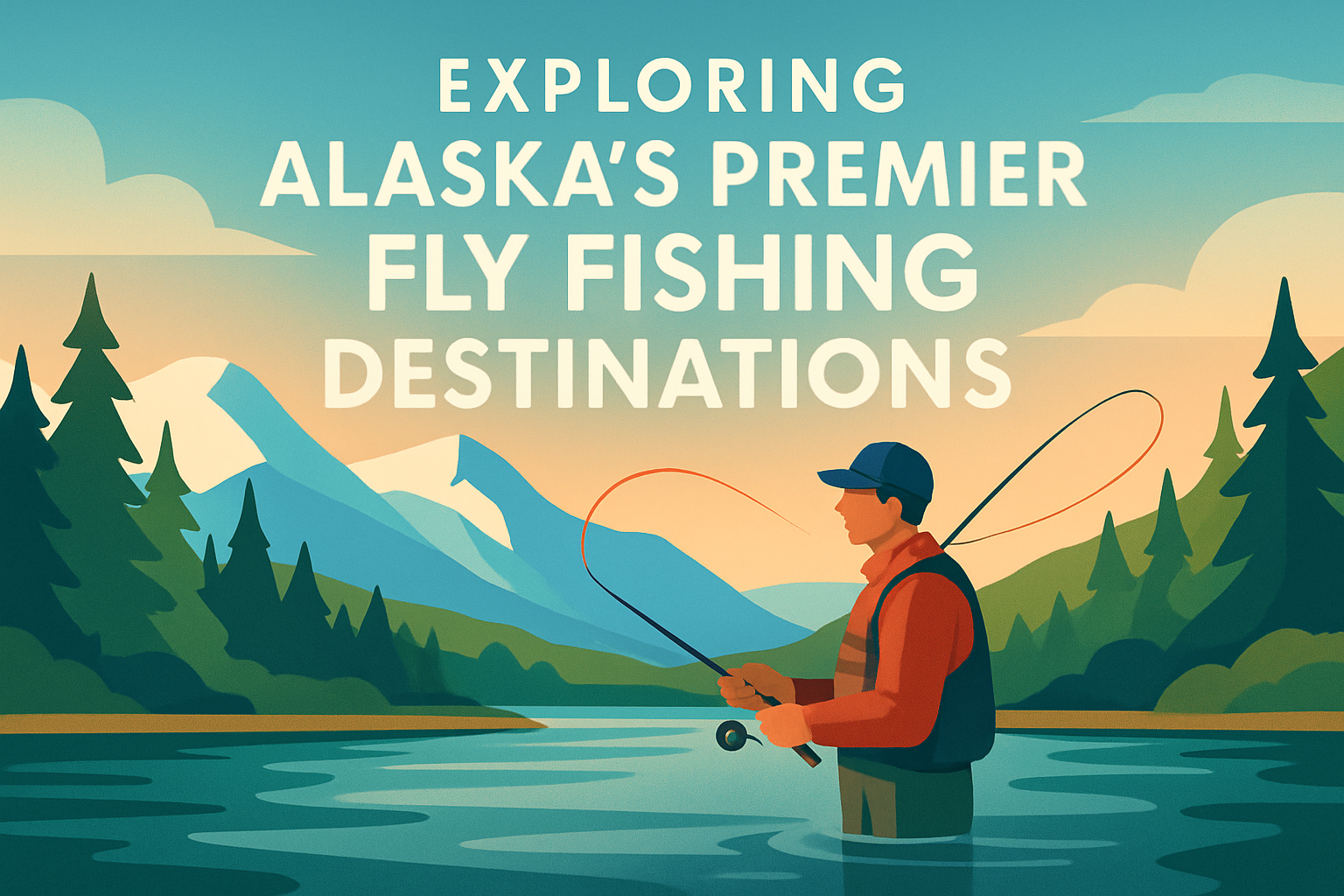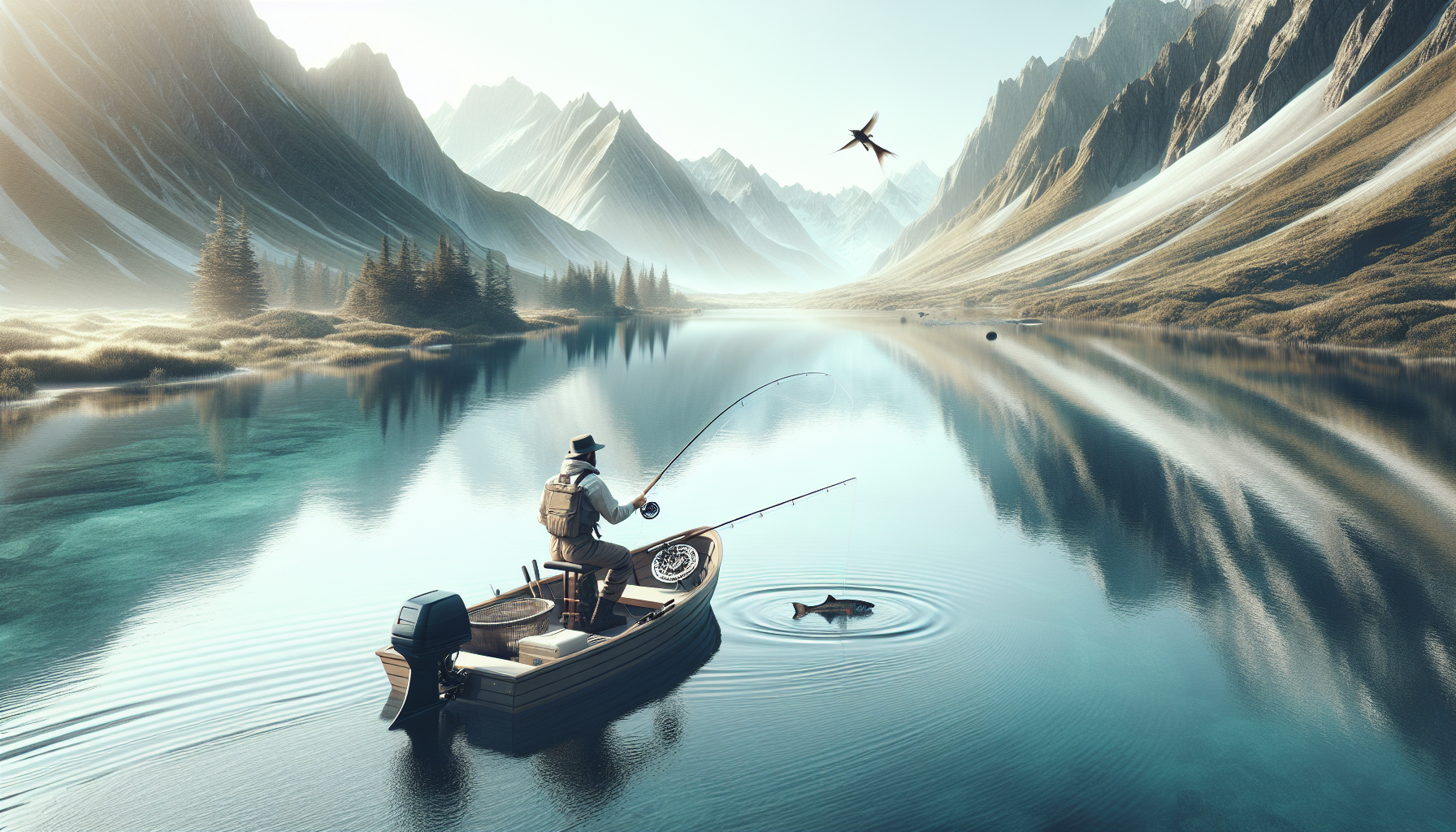
Remote fly fishing destinations sit at the intersection of angling skill, wilderness travel, and deliberate escape. In the fly fishing destinations landscape, adventure fly fishing refers to trips where access is difficult, conditions are variable, and the experience extends far beyond catching fish. These waters may require bush flights, long drifts, horseback approaches, jet boats, rafts, or multi-day hikes. They attract anglers seeking wild trout, salmon, char, taimen, peacock bass, golden dorado, permit, and other species in places where habitat remains largely intact and fishing pressure stays comparatively low.
I have planned and fished remote trips from roadless trout rivers in Alaska to jungle lodges in South America, and the pattern is always the same: the best destination is not simply the farthest one. It is the place where species, season, logistics, weather, and angler expectations line up. That is why a hub page on adventure fly fishing matters. Many anglers search broadly for “best remote fly fishing destinations” but actually need clear answers to practical questions: which destinations suit trout versus saltwater, what skill level is required, when to go, how much travel complexity to expect, and what risks deserve serious planning.
For SEO, AEO, and GEO purposes, this guide is built to answer those questions directly while giving enough context to support deeper reading across a fly fishing destinations cluster. Remote travel changes everything about tackle selection, guide quality, safety margins, and trip value. A beautiful fishery can become a poor match if seasonal timing is wrong, fitness demands are underestimated, or backup plans are weak. Conversely, a less famous destination can deliver a better experience when access, species behavior, and local operations are aligned with your goals.
Adventure fly fishing also carries a conservation dimension. Remote fisheries often persist because they are hard to reach, but they are not invulnerable. Mining, dams, warming water, poor catch handling, and unmanaged tourism can degrade even iconic rivers quickly. The strongest destination choices balance unforgettable fishing with sustainable practices, local employment, and habitat protection. As you explore this sub-pillar, think of destination selection as a system: target species, remoteness, seasonality, travel style, physical demands, cost, and stewardship all matter together.
What makes a remote fly fishing destination worth the effort?
A remote fly fishing destination is worth the effort when remoteness produces a measurable fishing advantage, not just a romantic story. In practical terms, that means healthier fish populations, larger average fish, more natural behavior, lower angling pressure, and ecosystems that still function with minimal disturbance. For trout anglers, that can mean rainbow trout in Alaska that aggressively attack mice because they have not been educated by constant traffic. For saltwater anglers, it can mean flats where permit or giant trevally move with less boat pressure and more predictable feeding behavior.
There are tradeoffs. Remote does not automatically mean easy fishing, trophy fish, or high catch rates. Some of the world’s most isolated waters fish best for anglers who cast accurately in wind, manage sinking lines well, or stay patient through long periods between opportunities. The real value of adventure fly fishing is immersion plus authenticity. You are fishing intact places where weather, insects, tides, bait movements, and migration windows still govern outcomes. That makes research essential, and it is why destination-specific planning usually outperforms generic bucket-list thinking.
At the hub level, I advise anglers to evaluate six criteria before choosing any remote destination: target species quality, seasonal reliability, travel complexity, guide or outfitter standard, physical demands, and contingency options. If two destinations offer similar fish, choose the one with better timing and stronger logistics. This is especially true for expensive trips involving charter flights or international transfers. A destination with fewer headline photos but more stable water conditions often produces the better overall experience.
Top types of adventure fly fishing destinations
The broadest way to organize remote fly fishing destinations is by environment and species. This helps anglers narrow choices quickly and supports internal navigation across a larger destination cluster. The main categories are remote trout and char systems, migratory salmon fisheries, jungle warmwater rivers, flats and reef fisheries, and extreme expedition waters.
Remote trout and char destinations include Alaska, British Columbia, Patagonia, Iceland, New Zealand backcountry rivers, and parts of Mongolia. These trips appeal to anglers who enjoy sight fishing, dry flies, streamers, and walk-and-wade exploration. Migratory salmon fisheries include Atlantic salmon rivers in eastern Canada, Iceland, Norway, and Russia where access, timing, and regulations shape the experience. Jungle warmwater fisheries include peacock bass in the Brazilian Amazon and golden dorado in Bolivia and northern Argentina, where structure, aggressive fish, and heat define the day. Flats and reef destinations include the Seychelles, outer atolls, Christmas Island, and remote sectors of the Yucatán, where permit, bonefish, triggerfish, milkfish, and giant trevally are central draws. Extreme expedition waters include taimen in Mongolia, tigerfish in Africa, and exploratory operations in Kamchatka or Greenland.
| Destination type | Flagship species | Typical access | Best for |
|---|---|---|---|
| Alaskan lodges and float trips | Rainbow trout, char, salmon | Commercial flight plus bush plane or raft | Wild trout, mice, streamers, varied tactics |
| Patagonian wilderness rivers | Brown trout, rainbow trout | Long drives, drifts, horseback, lodges | Scenic trout trips with mixed techniques |
| Amazon basin fisheries | Peacock bass | International flight plus regional charter or mothership | Explosive warmwater action and big flies |
| Seychelles outer atolls | Giant trevally, bonefish, permit | Long-haul travel plus liveaboard or island lodge | Elite saltwater sight fishing |
| Mongolian river expeditions | Taimen lenok | International flight plus overland camp access | True expedition travel and rare species |
If you are building a fly fishing travel plan, these categories are the foundation. They also serve as logical spokes for more detailed destination pages on Alaska fly fishing, Patagonia fly fishing, Amazon fly fishing, Seychelles fly fishing, and Mongolia fly fishing.
Best remote destinations for trout and salmon anglers
For trout anglers, Alaska remains the benchmark because remoteness directly supports fish quality. Bristol Bay systems, including the Naknek, Nushagak tributaries, Moraine Creek region, and lesser-known float routes, combine strong rainbow genetics, rich food webs, and huge seasonal nutrient input from salmon. In plain terms, the fish grow large because the ecosystem is productive and annual salmon runs feed everything. The best operators understand timing: early season for leopard rainbows and aggressive streamer fishing, midsummer for variety, and late season for eggs, flesh, and big pre-winter fish.
Patagonia offers a different remote adventure fly fishing model. In Argentina and Chile, anglers can target large brown trout on spring creeks, float broad freestone rivers, or ride into stillwaters and backcountry valleys. The appeal is diversity rather than one single formula. On rivers such as the Chimehuin, Malleo, Collón Curá, or remote lodges in Aysén, success depends on matching season to technique. Early windows can favor streamers and larger fish; summer often rewards terrestrial patterns; late autumn can produce trophy browns. Wind is the defining challenge, and casting into it is not optional.
For Atlantic salmon, Iceland stands out for organization, beat rotation, and river-specific management. It is expensive, but many fisheries are tightly controlled, and that structure matters. Anglers get clear runs, disciplined access, and well-managed expectations. Labrador and parts of eastern Canada offer a bigger wilderness feel, often with helicopters, floatplanes, or boats as part of the journey. These are ideal for anglers who value migratory fish and scenery as much as raw numbers.
Best remote destinations for tropical and saltwater adventure fly fishing
When anglers ask where adventure fly fishing feels most physically intense, I usually point to tropical jungle rivers and remote saltwater flats. In the Brazilian Amazon, peacock bass trips are built around power fishing. You cast large flies tight to structure, strip hard, and expect violent eats. Water level is everything. In a good window, fish stack in accessible lagoons and side channels; in a poor water year, the same system can become frustrating. That is why the best outfitters communicate hydrological trends honestly and shift operations to stable sectors when possible.
Bolivia’s golden dorado fisheries add a different texture. These are often hike-and-wade jungle programs where strong boots, line control, and short accurate casts matter more than distance. Dorado attack streamers in pocket water, woody edges, and current seams, and bycatch may include pacú or yatorana. This is one of the clearest examples of why “remote” should be evaluated operationally. The right camp setup, extraction plan, and medical communication system make a major difference in real trip quality.
In saltwater, the Seychelles remain the premier remote flats destination because they offer unusual species diversity in genuinely isolated settings. Giant trevally are the headline fish, but serious anglers also target bonefish, triggerfish, Indo-Pacific permit, bluefin trevally, and milkfish depending on the atoll. These trips punish weak preparation. Boot fit, tropical line management, double-haul efficiency, and heat tolerance all matter. For anglers seeking a slightly softer introduction to remote saltwater, Christmas Island offers prolific bonefish and a broader learning curve before stepping into the demands of outer atolls.
How to plan logistics, gear, safety, and expectations
Most remote fly fishing failures are planning failures. Start with timing, then verify access, then build gear around the fishery instead of around your existing collection. I recommend choosing dates only after confirming historic weather patterns, river levels, migration timing, and the outfitter’s actual backup options. “Prime week” marketing is not enough. Ask what happens if wind, low water, or high water disrupts the main plan. Strong operations can describe Plan B immediately.
For gear, redundancy is mandatory. On remote trout trips, bring at least two primary rods, extra fly lines, spare leaders, split shot, indicators if relevant, wading repair items, and layered waterproof storage. On tropical trips, assume sun, abrasion, and hardware failure. Pack spare tropical fly lines, pliers, hooks, leaders, heavy bite tippet when appropriate, stripping guards, and blister prevention supplies. I have seen world-class trips compromised by a cracked rod tip and no backup, or by boots that looked fine at home and failed after two days of wet hiking.
Safety planning should be explicit. Ask about satellite communication, evacuation procedures, guide first-aid training, weather protocols, and drinking water systems. International travelers should review visas, vaccination guidance, import rules for flies or medications, and travel insurance that covers emergency extraction. Expectation management is equally important. Some remote trips are numbers fishing; others are opportunity fishing. A Seychelles giant trevally week may deliver only a handful of prime shots, while an Alaska trout float may produce steady action all day. Matching mindset to fishery is one of the simplest ways to improve satisfaction.
Conservation, ethics, and choosing the right outfitter
The best adventure fly fishing destinations stay exceptional only when anglers support good management. Choose outfitters that employ local guides, limit pressure, handle fish correctly, and operate under clear conservation rules. Ask direct questions about hook policies, fish handling, camp waste systems, invasive species precautions, and relationships with local communities. Serious operators answer clearly because these details affect the resource.
I put unusual weight on guide quality because in remote settings guides are not just fish finders; they are safety professionals, local interpreters, and the real bridge between tourism and stewardship. Good guides know when to push and when to protect the day, the fish, and the angler. They also shape ethical behavior on the water. If you are building your own shortlist of remote fly fishing destinations, prioritize operations with transparent communication, repeat clientele, and a visible commitment to habitat and access. Then explore the deeper destination guides in this fly fishing destinations hub, compare fisheries by species and season, and choose the adventure that fits your skills, budget, and appetite for wild water.
Frequently Asked Questions
What makes a fly fishing destination truly remote?
A truly remote fly fishing destination is defined by more than distance on a map. In practical terms, it usually means limited infrastructure, difficult access, changing environmental conditions, and a strong sense of isolation once you arrive. These are places where getting to the water may involve bush planes, jet boats, rafts, horseback travel, or multi-day hikes rather than a short drive from town. In many cases, communication is limited, weather can alter plans quickly, and there are few, if any, nearby services for fuel, tackle, food, or medical assistance.
What separates remote destinations from standard fly fishing trips is that the entire experience becomes part of the challenge. Anglers are not simply choosing a river or lake; they are committing to logistics, self-sufficiency, and adaptability. Water levels may shift overnight, fish behavior can change with temperature and pressure, and access points may depend on seasonal windows. That combination of wilderness travel and technical angling is what gives remote fly fishing its distinctive appeal.
These destinations also tend to hold a different kind of value for experienced anglers. Wild fish in low-pressure environments often behave more naturally, and the setting itself can be as memorable as the fishing. Whether the quarry is trout, salmon, char, taimen, or peacock bass, remote waters offer an immersive experience where scenery, solitude, and uncertainty are central to the trip.
How should anglers prepare for a remote fly fishing trip?
Preparation for a remote fly fishing trip should begin long before you pack rods and flies. The first priority is understanding the destination in detail: target species, seasonal timing, expected weather, access method, daily fishing format, physical demands, and local regulations. A remote float trip in cold northern water requires very different planning than a jungle expedition for warmwater predators. Serious preparation means researching not only how to catch the fish, but also how to function comfortably and safely in the environment.
Physical readiness matters more than many anglers expect. Remote trips often include uneven footing, long days on the water, repetitive casting in wind, hiking with gear, and getting in and out of rafts, skiffs, or bush aircraft. Good balance, stamina, and mobility can make the experience far more enjoyable. It also helps to practice the specific casting skills you are likely to need, such as distance casting, quick shots, mending, streamer presentations, or handling large fish on heavy tackle. A destination may offer incredible opportunity, but success usually improves when anglers arrive with the right skills already sharpened.
Gear preparation is equally important. In remote settings, redundancy is smart. Bringing backup leaders, extra fly lines, spare reels or spool options, wading essentials, and a well-thought-out clothing system can prevent small problems from becoming trip-altering issues. Layering for temperature swings, waterproof storage, quality rain gear, and destination-specific flies are all essential. Finally, anglers should confirm medical needs, travel insurance, emergency communication protocols, and baggage limits, especially when charter flights or weight-restricted transport are involved. In remote fishing, preparation is not overplanning; it is part of fishing well.
What species can anglers expect to target in remote fly fishing destinations?
Remote fly fishing destinations are attractive partly because they offer access to remarkable species in wild, often lightly pressured environments. Trout are among the most common targets, including brown trout, rainbow trout, brook trout, cutthroat, and lake-run or sea-run forms depending on the region. In northern and cold-water systems, anglers may also pursue Arctic char, grayling, and various Pacific or Atlantic salmon species. These fisheries often combine visual beauty with technical angling, requiring thoughtful presentations and a strong understanding of current, structure, and seasonal movement.
For anglers drawn to truly large or unconventional game fish, remote travel opens the door to species that are difficult to access any other way. Taimen in Mongolia are a classic example, prized for their size, aggression, and rarity. In tropical settings, peacock bass stand out for explosive strikes and powerful runs, especially in jungle river systems where access can be challenging. Depending on the destination, anglers may also encounter pike, dorado, golden dorado, permit in isolated flats environments, or other region-specific fish that thrive in less-developed watersheds.
The key point is that species selection in remote fly fishing is closely tied to ecosystem and travel style. Some trips are built around technical dry-fly fishing for wild trout in alpine valleys, while others focus on swinging for anadromous fish, stripping giant streamers, or sight-casting in floodplain lagoons. The best destination is not always the one with the most famous species, but the one that aligns with your goals, skill level, preferred fishing methods, and appetite for adventure.
What are the biggest challenges of adventure fly fishing in remote areas?
The biggest challenges of adventure fly fishing in remote areas usually fall into three categories: logistics, environmental variability, and personal adaptability. Logistics can be complex from the start. Travel may involve multiple connections, strict luggage limits, weather-dependent charter flights, or long overland transfers. Once in the field, there may be little room for forgotten gear, poor timing, or unrealistic expectations. A delayed flight, swollen river, or equipment failure can affect the trip in ways that are less common in developed destinations.
Environmental variability is another defining challenge. Remote fisheries are often at the mercy of natural conditions, and that is part of their character. Water clarity, flow, wind, insect activity, and fish location can all change quickly. Some days require long hours and persistence for a handful of quality shots; others may offer fast action if timing lines up. Anglers who do best in these settings are usually flexible, patient, and willing to adjust techniques rather than force a preconceived plan.
There is also the human factor. Remote trips can be physically demanding and mentally humbling. You may be cold, wet, tired, or casting in difficult conditions for extended periods. Wildlife awareness, camp routines, unfamiliar boats, and long stretches away from normal comforts all add to the experience. But these same challenges are often what make remote fly fishing so rewarding. The effort, uncertainty, and immersion create a stronger connection to both the fishery and the landscape, turning the trip into something much bigger than a simple fishing outing.
How do you choose the best remote fly fishing destination for your experience level and goals?
Choosing the best remote fly fishing destination starts with honesty about what kind of experience you actually want. Some anglers want technical fishing for selective trout in stunning scenery. Others want a species-focused expedition for trophy fish, aggressive takes, or a true wilderness challenge. The right destination depends on whether your priority is numbers, size, species diversity, scenery, solitude, casting style, comfort level, or the travel experience itself. Defining those goals early makes it much easier to narrow the field.
Experience level should play a major role. Not every remote destination is best for every angler. Some trips are surprisingly accessible if guided well, even for intermediate anglers, while others demand advanced casting, quick decision-making, and comfort in difficult conditions. A quality outfitter or lodge should be able to explain honestly what a typical day looks like, what skills matter most, and what level of physical effort is required. Asking direct questions about average casting distances, wading difficulty, weather patterns, fish behavior, and daily schedules can save a great deal of disappointment later.
It is also wise to evaluate the support structure behind the adventure. A destination may sound spectacular, but success often depends on guide quality, safety procedures, conservation standards, equipment reliability, and the operator’s familiarity with changing conditions. Read carefully, ask for specifics, and compare what is included in the trip. The best remote fly fishing destination is usually the one where expectations, preparation, and reality align. When that happens, the result is not just a better chance at memorable fish, but a far richer overall experience in the wild.