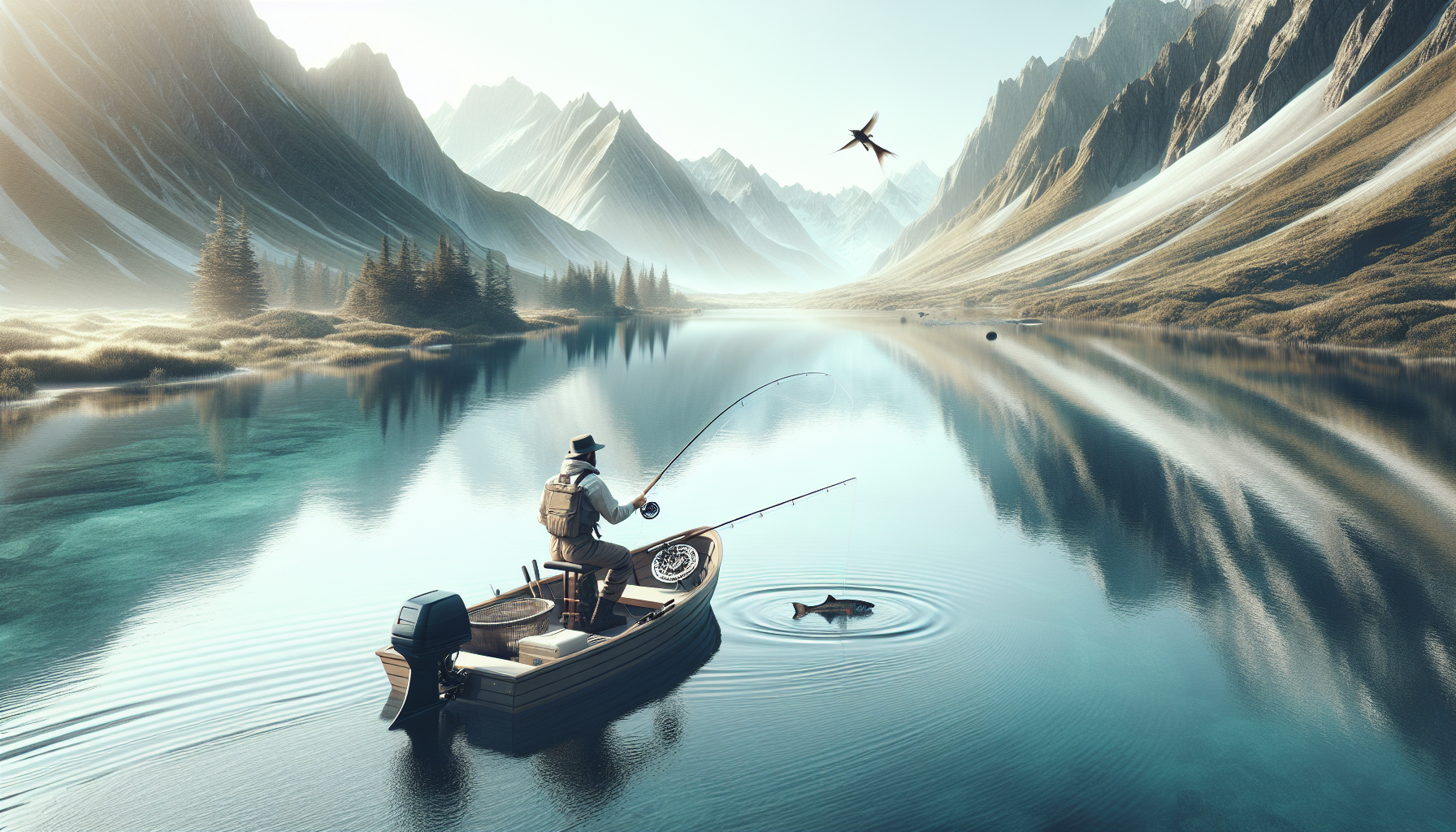
Alaska is one of the few places left where fly fishing still feels genuinely wild, with rivers, lakes, and coastal streams supporting huge runs of salmon, oversized trout, Arctic char, grayling, and northern pike across a landscape that remains largely intact. When anglers talk about Alaska fly fishing destinations, they usually mean waters where fish populations are healthy, access is realistic by road, boat, or bush plane, and the surrounding habitat produces consistent opportunities for dry flies, streamers, and egg patterns throughout a long but highly seasonal calendar. I have planned trips, fished lodges, floated remote drainages, and worked through weather delays that turned simple itineraries into logistics puzzles, so I know firsthand that choosing the right region matters as much as choosing the right rod. Alaska is enormous, conditions change fast, and a destination that is perfect for swinging for chrome-bright coho in August may be poor for sight-fishing trout in June. Understanding the state’s premier fly fishing destinations helps anglers match timing, species, budget, and skill level to the right water.
Fly fishing in Alaska matters because the state supports some of the most productive cold-water fisheries on Earth. According to the Alaska Department of Fish and Game, all five species of Pacific salmon return to Alaskan waters, and those annual runs fuel entire freshwater ecosystems. Rainbow trout in places such as the Naknek, Kvichak, and Kanektok systems grow unusually large because they feed on salmon eggs, flesh, and juvenile fish. Dolly Varden and Arctic char stage behind spawning salmon in numbers that would be remarkable almost anywhere else. Even fisheries that receive meaningful pressure can still fish well because the habitat base is so broad and the nutrient cycle is so strong. For readers comparing destinations, the key terms are straightforward. A fly-out fishery requires aircraft access, usually from a hub town such as Dillingham, King Salmon, or Bethel. A float trip involves traveling downstream while camping and fishing multiple beats. A lodge-based fishery centers on daily access to one or several nearby rivers. Knowing those categories lets anglers evaluate cost, comfort, and fishing style before booking.
The best Alaska fly fishing destinations also reward anglers who understand tradeoffs. Remote waters often offer lower pressure, but they demand weather tolerance, tighter packing, and expensive transportation. Road-access options are more affordable and simpler to plan, yet they can see concentrated angling pressure during peak salmon windows. Species timing is another decisive factor. Early summer often favors king salmon where regulations allow, fresh sockeye runs, and aggressive trout before heavy spawning activity begins. Mid to late summer brings strong rainbow trout fishing, classic mouse patterns in some systems, and peak returns of chum, pink, and silver salmon depending on latitude and drainage. Fall can be spectacular for large trout and char feeding behind late salmon spawners, but daylight shortens and weather becomes harsher. The smartest approach is not asking for the single best place in Alaska, but identifying the best destination for the exact experience you want: trophy trout, mixed-bag action, remote wilderness, or a first Alaska trip with manageable logistics.
Bristol Bay: Alaska’s benchmark for trophy trout and salmon diversity
If an angler asks me for the most complete Alaska fly fishing region, I usually start with Bristol Bay. This part of southwest Alaska includes legendary rivers such as the Naknek, Kvichak, Nushagak, Alagnak, Arolik, Kanektok, and Togiak, plus countless smaller creeks and tundra lakes. The reason Bristol Bay dominates serious fly fishing discussions is simple: it combines immense salmon biomass with world-class resident fish. Rainbow trout here are not just present; they are biologically advantaged by a food web supercharged by spawning salmon. Fish over twenty inches are common on better systems, and genuinely large trout are realistic for prepared anglers who can dead-drift beads, strip articulated streamers, and cover soft edges with mouse patterns. In the same week, you may also target chum, sockeye, pink, and coho salmon, along with Dolly Varden and Arctic grayling depending on drainage.
The Kvichak and Naknek are especially important names for anglers researching Alaska rainbow trout. Both are large, fertile systems with substantial lodge infrastructure and a long history in fly fishing literature. The Kvichak, flowing out of Iliamna Lake, is known for powerful trout, big water, and strong seasonal migrations of salmon. The Naknek offers a similar mix of scale and productivity, with roadside and boat access near King Salmon as well as guided sections farther afield. The Kanektok, often accessed from Quinhagak, is a favorite among fly-out and float anglers because it offers excellent trout, all five salmon species, and classic gravel-bar camping. I have seen anglers arrive focused only on salmon and leave talking about leopard rainbows smashing mice against cutbanks at midnight light. That is the Bristol Bay effect: the variety is so rich that your target species list often expands once you are on the water.
| Region or River | Best Known For | Typical Access | Prime Timing |
|---|---|---|---|
| Bristol Bay | Trophy rainbow trout, all five salmon species, mixed-bag wilderness fishing | Lodges, floatplanes, rafts, jet boats | June through September |
| Kenai Peninsula | Road access, rainbow trout, Dolly Varden, salmon variety | Road system, drift boats, walk-and-wade | May through October |
| Western Alaska rivers | Remote floats, coho, chum, trout, char | Bush planes, camps, raft trips | July through September |
| Southeast Alaska | Coastal salmon, sea-run char, scenic smaller streams | Boats, roads near towns, floatplanes | June through September |
Bristol Bay is also central to any discussion of fisheries conservation. The proposed Pebble Mine has drawn years of scrutiny because of the region’s unmatched salmon productivity, and that debate has made many anglers more aware of how watershed-scale decisions affect future fishing quality. From an E-E-A-T standpoint, this matters because the best destination is not just the one that fishes well today; it is the one managed and protected well enough to fish well ten years from now. Alaska’s wild salmon systems remain globally significant, but they are not invulnerable. When you choose Bristol Bay, choose operators who emphasize low-impact practices, local regulations, and fish handling standards. That means barbless hooks where appropriate, fast releases in warm conditions, and realistic expectations about weather and river levels. The region is premier because of abundance and intact habitat, not because it guarantees easy catching every hour of every day.
Kenai Peninsula: the most accessible premier region for visiting anglers
For many travelers, the Kenai Peninsula is the practical entry point into Alaska fly fishing. Within a reasonable drive from Anchorage, anglers can reach the Kenai River, Russian River, Kasilof River, Anchor River, and numerous smaller streams and lakes. This accessibility changes the planning equation dramatically. You can rent a vehicle, base out of Soldotna, Cooper Landing, or Homer, and fish several distinct waters without chartering aircraft. For anglers balancing family travel, limited time, or a first Alaska trip, the Kenai offers the rare combination of serious fish and manageable logistics. It is also one of the best places to understand Alaska’s species-driven calendar. Sockeye salmon draw crowds on the Russian and upper Kenai, while the middle and lower Kenai are known for large rainbow trout and Dolly Varden keyed to drifting eggs and flesh later in the season.
The Kenai River itself is not a delicate small-stream experience; it is broad, productive, and often busy. Yet dismissing it because of popularity is a mistake. Guided drift-boat days on the upper and middle river can be technically rewarding, especially for anglers who want to refine indicator nymphing, bead placement, and boat positioning in moving water. Regulations can be complex and sections may close or shift by season, so checking Alaska Department of Fish and Game emergency orders is mandatory. The Russian River is more compact and highly recognizable, famous for sockeye runs and crowds to match. While flossing controversies dominate some discussions about conventional methods there, fly anglers targeting legal presentations still find value in learning fish behavior, current seams, and timing windows. Nearby, the Kasilof can offer a quieter feel and excellent late-season opportunities for trout and salmon.
What makes the Kenai Peninsula a premier destination is not exclusivity but versatility. I have recommended it to experienced trout anglers who wanted strong action without a bush flight and to beginners who needed forgiving access, clear lodging options, and backup activities for non-angling companions. The region also supports shoulder-season possibilities. In spring, before peak summer tourism, some streams provide excellent steelhead-like sea-run Dolly Varden opportunities. In fall, post-spawn trout fishing can be exceptional where regulations allow. Because the road system is extensive, weather adjustments are easier than in bush Alaska. If one river blows out after rain, another may remain fishable. That flexibility lowers risk. For readers deciding between a lodge-focused Bristol Bay trip and a self-directed Alaska fishing vacation, the Kenai Peninsula is often the smartest answer when value, convenience, and variety matter as much as wilderness solitude.
Western Alaska float rivers: unmatched wilderness and multi-species adventure
Some of Alaska’s finest fly fishing happens on rivers best experienced from a raft. Western Alaska float trips on systems such as the Kanektok, Goodnews, Arolik, and portions of the Togiak region deliver the classic image many anglers carry for years before finally booking: gravel bars, tundra ridges, fresh salmon pushing upstream, leopard-spotted trout holding behind spawning pairs, and no roads or towns in sight. These are not casual vacations. They require weight discipline, rain-ready clothing, and comfort with the small unpredictabilities of wilderness travel. But for anglers who want immersion rather than convenience, a well-run float is the highest form of Alaska fly fishing. You wake on the river, cover new water daily, and fish runs that a day trip could never reach. The progression downstream also teaches you how a watershed changes, from clearer upper reaches to salmon-rich lower sections.
The Kanektok is widely recognized because it fishes well across many skill levels. Beginners can have memorable numbers days on salmon and char, while advanced anglers can hunt trophy trout with mice and streamers on structure that looks purpose-built for predation. The Goodnews system is famous for chrome-bright salmon, especially silvers, and also supports trout and char in a beautiful coastal setting. The Arolik, though smaller, has earned a loyal following for visual trout fishing and excellent coho opportunities. On these floats, species overlap is the real advantage. If trout fishing slows during part of the day, fresh chum salmon may provide astonishing power on an eight-weight. If weather muddies side channels, mainstem coho water may still be effective with intruders or brightly colored streamers. Alaska’s premier destinations are often those where anglers can pivot instead of waiting out one narrow hatch or one fragile pattern.
There are practical cautions, and they deserve clear treatment. Bears are part of the landscape, especially around salmon concentrations, so camps need disciplined food storage and clean fish handling. Weather can strand aircraft for pickup or drop-off. Wader failure becomes a significant problem when there is no nearby shop. A float also asks more of your casting than many anglers expect. Wind is common, big flies are standard, and repeated presentations from awkward raft positions can expose weaknesses quickly. My advice is always the same: practice before you go, especially double hauls with eight- and nine-weight rods, and do not build your trip around one species only. A float becomes truly elite when you appreciate the whole system. The best days I have had in western Alaska were not always the days with the largest trout, but the days when salmon, char, birds, weather, and landscape all aligned into something larger than catch totals.
Southeast Alaska and interior options: overlooked waters with distinct strengths
While Bristol Bay and the Kenai dominate search traffic, Southeast Alaska and the interior deserve a serious place in any list of premier fly fishing destinations. Southeast’s island-and-mainland geography creates a dense network of salmon streams, estuaries, and lakes around communities such as Juneau, Sitka, Ketchikan, and Petersburg. These fisheries are generally smaller than famous southwest rivers, but they offer outstanding sea-run cutthroat trout, Dolly Varden, pink salmon, chum salmon, and coho in lush temperate rainforest settings. For traveling anglers on cruises or shorter independent itineraries, Southeast can provide excellent fishing without the cost structure of a full bush lodge package. In late summer especially, coho salmon around Sitka and Juneau can be aggressive and highly fly-responsive, and small-stream char fishing can be visual, technical, and memorable. The setting alone matters: casting under spruce, with tides shaping fish movement, is a very different Alaska experience from broad tundra rivers.
Interior Alaska offers another underappreciated option, particularly for Arctic grayling, northern pike, lake trout, and selective trout in some clearwater systems. Around Fairbanks and farther into the Brooks Range or the Delta drainage, anglers can find waters where grayling rise freely to dries through much of the short summer. Grayling are often marketed as a secondary species, but on the right interior river they are the main event: willing on small attractors, beautiful in hand, and perfect for anglers who enjoy surface takes more than pure size metrics. Northern pike, especially in weedy sloughs and shallow lakes, can be astonishing on large streamers and poppers, adding an entirely different visual and tackle dimension to an Alaska trip. The interior lacks the broad brand recognition of Bristol Bay, but that is partly its appeal. If your priority is less pressure, easier DIY planning in some areas, and a chance to target species not centered on salmon runs, the interior can be an excellent fit.
Choosing between these regions comes down to the experience you want to remember. For trophy rainbow trout and ecosystem richness, Bristol Bay remains the standard. For accessibility and trip flexibility, the Kenai Peninsula is hard to beat. For immersive wilderness floats, western Alaska rivers are unmatched. For coastal variety or dry-fly grayling, Southeast and the interior offer distinctive rewards that many visitors overlook. The common thread is that Alaska’s premier fly fishing destinations are not defined only by famous names; they are defined by healthy habitat, appropriate timing, and realistic planning. Start with your target species, budget, and tolerance for weather and remoteness, then match those needs to the right region. Do that work before booking, study current regulations, and fish with respect for the resource. Alaska still delivers the kind of fly fishing anglers dream about, but the best trips happen when ambition is paired with preparation. If you are ready to plan your next serious angling adventure, build your itinerary around one of these destinations and let the water set the pace.
Frequently Asked Questions
1. What makes Alaska such a standout destination for fly fishing compared with other places?
Alaska stands apart because it still offers something many anglers feel is disappearing elsewhere: truly intact fisheries on a massive scale. Across the state, you will find river systems, lakes, and coastal streams that continue to support strong populations of wild salmon, rainbow trout, Dolly Varden and Arctic char, grayling, and northern pike. That abundance is tied directly to habitat. Alaska still has enormous tracts of undeveloped land, cold clean water, healthy spawning corridors, and food-rich ecosystems that allow fish to grow large and remain widely distributed.
Another reason Alaska fly fishing destinations are so highly regarded is the diversity of experiences available. In one trip, an angler may cast dry flies to grayling in a clear interior stream, swing flies for salmon in a coastal river, and target heavy rainbow trout feeding behind salmon spawners. Few places offer that kind of variety in both species and techniques. The fishing also feels wild in a very real sense. Even on well-known waters, it is common to be surrounded by expansive scenery, active wildlife, and stretches of water that feel far removed from crowds and development.
Practical access is part of the appeal as well. While some fisheries require fly-out logistics, many of Alaska’s premier locations can be reached by road, motorboat, guided lodge transport, or short bush plane hops. That range of access options means anglers can choose anything from a relatively straightforward DIY trip to a fully supported wilderness program. Combined with long summer daylight, seasonal runs of migratory fish, and the chance at unusually large specimens, Alaska delivers both quality and scale in a way very few destinations can match.
2. Which types of fish can anglers expect to target in Alaska’s top fly fishing waters?
Alaska’s best fly fishing destinations are known for a remarkable mix of species, and the exact lineup depends on region, timing, and water type. Salmon are often the headline draw. Depending on the river and season, anglers may encounter king salmon, sockeye, coho, chum, and pink salmon. Each species behaves differently on the fly, and each run can create unique fishing opportunities. Beyond the direct appeal of targeting salmon themselves, these migrations fuel the entire food web. As salmon enter rivers and eventually spawn, they provide an enormous food source that helps trout, char, and other fish grow exceptionally large.
Rainbow trout are among the most sought-after fish in many Alaska systems, especially in regions famous for big, aggressive wild trout. These fish often feed heavily on salmon eggs, flesh, sculpins, leeches, and seasonally available insects, which gives fly anglers a wide range of productive patterns and presentations. Dolly Varden and Arctic char are another major attraction, particularly in coastal drainages and tundra-influenced systems. They are strong fighters, vividly colored at certain times of year, and often gather in areas where salmon spawning activity concentrates food.
Arctic grayling add a completely different dimension to the experience. They are often found in clear rivers and small streams, readily rise to dry flies, and are especially appealing to anglers who enjoy visual takes and light-tackle fishing. Northern pike, common in some Alaska lakes and slow-moving backwaters, provide explosive action on streamers and topwater flies and can be a great option for anglers wanting something predatory and aggressive. Taken together, this species variety is one of the biggest reasons anglers return to Alaska. It is not just about one trophy fish; it is about the chance to build an entire trip around changing runs, varied water, and multiple unforgettable targets.
3. When is the best time to visit Alaska for a fly fishing trip?
The best time to visit depends on what species you want to target and what kind of fishing experience you prefer. Alaska’s season generally builds from late spring into early fall, with each window offering different strengths. Early summer often brings the first major salmon activity, along with aggressive trout and char that are transitioning into highly productive feeding periods. Water conditions can vary by region, but this part of the season can be excellent for anglers who want fewer crowds in some areas and the excitement of fresh fish entering river systems.
Mid-summer is often the most popular period because it combines reliable weather, long daylight hours, and broad fishing options. This is when many anglers target salmon runs while also taking advantage of strong trout and char fishing. In some waters, insect hatches become more important, creating opportunities for dry-fly fishing, especially for grayling and resident trout. Access is usually easiest during this stretch, and most lodges, guides, and fly-out operations are running at full capacity.
Late summer into early fall is considered prime time in many of Alaska’s premier fisheries, particularly where large rainbow trout and char feed behind spawning salmon. This period can produce some of the most consistent and memorable fishing of the year, especially for anglers interested in trophy-class trout. Coho salmon also become a major focus in many systems at this time and are highly regarded for their willingness to take flies aggressively. The main takeaway is that there is no single universal “best” month for all of Alaska. A successful trip starts by matching your target species, preferred techniques, and travel style with the right seasonal window in the specific region you plan to fish.
4. Do you need a guide to fish Alaska’s premier destinations, or can you plan a successful trip on your own?
It is absolutely possible to plan a successful Alaska fly fishing trip on your own, but whether that is the best choice depends on your experience, goals, and comfort level with logistics. Some of Alaska’s best-known fisheries are reasonably accessible by road and can support a well-organized DIY trip, especially for anglers who are comfortable researching regulations, reading water, handling variable weather, and navigating remote conditions. In these more accessible areas, independent anglers can do very well if they arrive with a realistic plan, appropriate gear, and a strong understanding of local run timing and species behavior.
That said, guides and lodges provide real value in Alaska, not just in finding fish but in solving the many variables that come with the state’s size and remoteness. A good guide knows which sections are fishing well, how water levels or tides are affecting conditions, what flies are currently producing, and how to adjust presentations for different species. They also help with boat access, safety, bear awareness, and local regulations, all of which matter much more in Alaska than in many lower-48 fisheries. For visiting anglers with limited time, a guide often shortens the learning curve dramatically and increases the chances of fishing productive water immediately.
Fly-out trips, float trips, and lodge-based programs are especially useful if your goal is to experience more remote and lightly pressured fisheries. These options can open up water that would be difficult or impossible to reach efficiently on your own. For many anglers, the best approach is a hybrid one: spend part of the trip with a guide to learn the fishery and then add a few self-directed days on accessible water. Whether guided or DIY, success in Alaska comes from preparation, flexibility, and respect for the conditions. The fish are there, often in impressive numbers, but the environment rewards anglers who plan carefully.
5. What gear and preparation are most important for fishing Alaska successfully and safely?
Alaska rewards anglers who come prepared for both excellent fishing and rapidly changing conditions. From a tackle standpoint, most trips benefit from bringing multiple rod setups if possible. A 5-weight or 6-weight can be ideal for grayling and some trout situations, while a 7-weight or 8-weight is commonly used for salmon, larger trout streamers, char, and pike. Floating lines cover a lot of water, but sink-tip or full-sink options can be extremely valuable depending on species and depth. Leaders and tippet should match the fish and technique, with lighter setups for dry flies and stronger material for salmon, pike, and trophy trout around structure or heavy current.
Fly selection should reflect Alaska’s seasonal food sources. Egg patterns, flesh flies, leeches, sculpins, articulated streamers, salmon flies, and attractor dries all have a place. The exact box you carry should be tied to the water you are fishing and the time of year. Waders, quality boots, a reliable rain jacket, layered insulation, and waterproof storage are essential, not optional. Weather can shift quickly from pleasant to cold, windy, and wet, even in peak season. Polarized glasses, a wading staff in larger rivers, and bear spray in appropriate areas are also smart additions.
Preparation goes beyond gear. Anglers should review current Alaska fishing regulations carefully, including species rules, emergency orders, retention limits, and fly-fishing-only restrictions where applicable. It is also wise to understand local access points, float plans, communication limitations, and wildlife protocols before arriving. In remote settings, safety planning matters as much as fly selection. Let someone know your itinerary, carry navigation and emergency essentials, and do not underestimate river conditions or weather changes. Alaska’s premier fly fishing destinations are extraordinary because they remain wild, productive, and largely intact. The best trips happen when anglers show up ready not only to catch fish, but to meet that wildness with the right equipment, judgment, and respect.