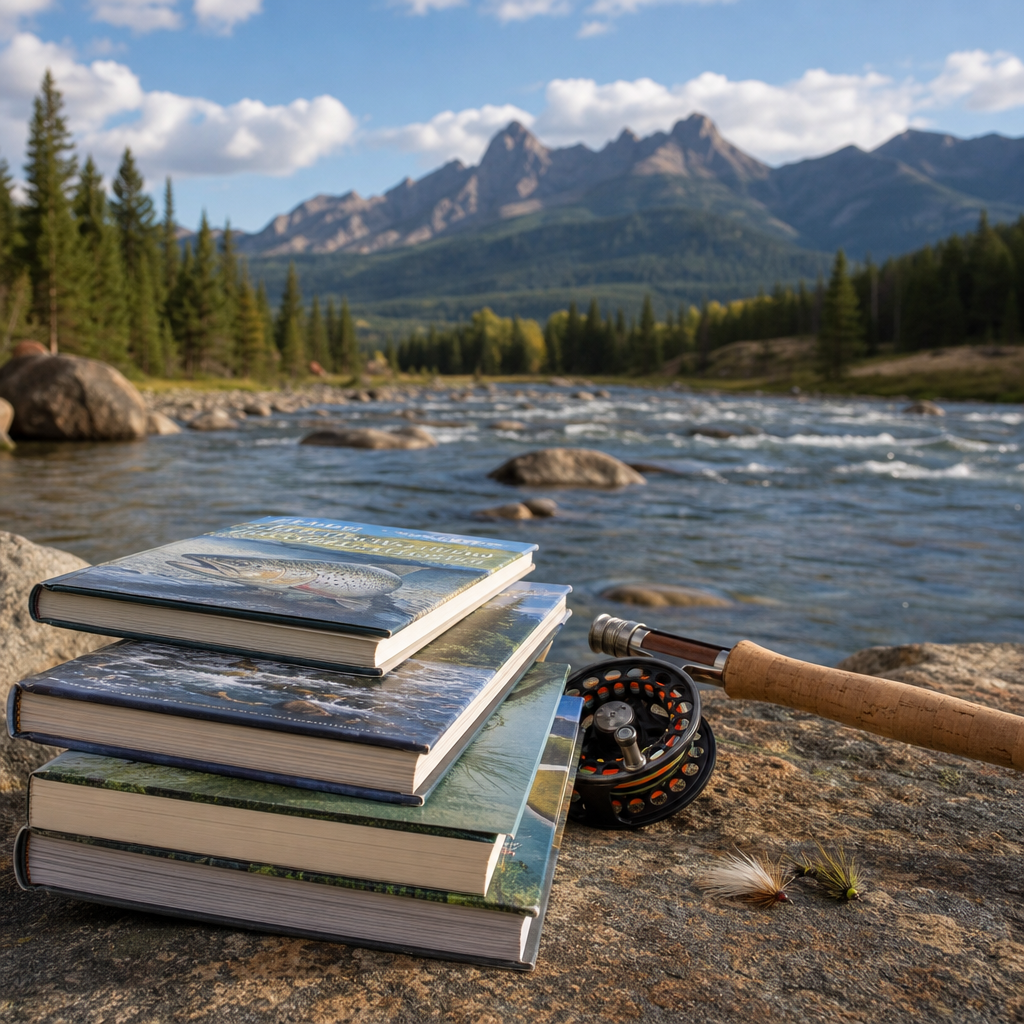
Best fly fishing guidebooks for North America help anglers solve a simple problem: where to go, what insects matter, how to approach unfamiliar water, and which references deserve space in a pack or on a tying bench. In this hub for Book and Media Reviews, I am focusing on guidebooks that genuinely improve decisions on the river, not coffee-table titles that look good but stay on a shelf. A strong guidebook combines maps, hatch information, access details, conservation context, and local tactics in a format that stays useful after trends change. For anglers traveling across the United States and Canada, that kind of reliability matters because regulations shift, river conditions vary by season, and even experienced fishers can waste days on poor intel.
When I evaluate fly fishing books, I look at four practical standards. First is geographic accuracy: does the book clearly define the waters it covers, including tributaries, public access, and seasonal windows? Second is tactical value: are there specific fly patterns, presentation methods, and species behaviors described in plain language? Third is durability of information: does the advice remain relevant even when hatch timing or access points change slightly? Fourth is editorial quality: good indexing, legible maps, and updated editions matter more than glossy photography. These standards are especially important in North America, where fly fishing ranges from small Appalachian brook trout streams to Pacific steelhead rivers, spring creeks in the Rockies, stillwaters in British Columbia, and saltwater flats along both coasts.
The term guidebook can mean several different products. Some books are regional directories covering dozens or even hundreds of rivers. Others are destination guides that go deep on one state, province, or watershed. A third category blends travel writing with instruction, giving enough access and technique detail to plan a trip while also teaching local water reading and entomology. For a Book and Media Reviews hub, all three categories deserve attention because readers are not always asking the same question. One angler wants the best fly fishing books for Montana. Another wants a broad North America fly fishing guidebook that compares trout, salmon, steelhead, bass, pike, and saltwater opportunities. A beginner may need a book that explains how to use a guidebook at all, including how to match map symbols, flow data, and hatch charts to real conditions.
Why does this matter now, when websites, apps, and map platforms update faster than print? Because the best fly fishing guidebooks still provide context that fragmented digital sources usually miss. A river app may show streamflow, but not why 450 cubic feet per second is ideal for a specific reach. A forum may recommend an access point, but not explain the gradient, insect life, or private-land constraints downstream. I still use books before every road trip because they force a disciplined planning process. A good guidebook tells you what makes a fishery work, what can go wrong, and which expectations are realistic. That makes this article useful as a starting point for anyone building a serious fly fishing library across North America.
What the Best North America Fly Fishing Guidebooks Have in Common
The best guidebooks are specific without becoming disposable. They tell you where fish live, but they also explain why those fish hold in certain currents, when hatches overlap, and how access pressure changes through the season. In practical terms, the best fly fishing guidebooks for North America include detailed maps, named access points, species breakdowns, hatch charts, regulations references, and seasonal timing notes. The strongest authors also distinguish between famous water and dependable water. That distinction matters. A river can be nationally known yet fish poorly in midsummer heat, while an overlooked freestone creek may offer consistent dry-fly action across several counties.
Another mark of quality is restraint. The books I trust do not claim every stream is world class. They tell you when a river is blown out by snowmelt, when summer temperatures stress trout, and when a destination is better for scenic solitude than for numbers. Writers like Trey Combs, John Gierach, Tom Rosenbauer, and regional specialists have earned long-term credibility because they describe conditions as they are. On the travel-planning side, books from Wilderness Adventures Press, Stackpole, Frank Amato Publications, and local university or state-focused presses often stand out because they combine field reporting with updated regional knowledge.
For readers comparing print versus digital, books still win in synthesis. A printed or downloadable guidebook can gather stream access, hatch timing, topographic cues, and tactics in one editorial framework. That reduces the noise that comes from piecing together advice from social media, state agency pages, and old forum threads. If you want one rule for choosing a title, buy books that help you make decisions under changing conditions rather than books that merely list rivers.
Top Guidebook Categories and Who They Serve Best
Not every angler needs the same type of book. Matching the format to your fishing style saves money and shelf space.
| Guidebook type | Best for | Strengths | Limitations |
|---|---|---|---|
| Regional overview | Road trips across multiple states or provinces | Broad coverage, trip planning, fishery comparisons | Less detail on individual access points |
| State or province guide | Anglers returning to the same destination | Better maps, local tactics, stronger seasonal notes | Can become dated faster |
| Single-river destination book | Serious planning for famous waters | Deep hatch and technique coverage | Narrow scope |
| Instructional travel hybrid | Beginners and intermediates | Teaches reading water while guiding trip choices | May offer less access detail |
Regional overviews are ideal for exploratory anglers. If you are driving from Alberta through Montana into Idaho, a broad Western guide gives enough perspective to rank options by season, species, and scenery. State and provincial books work better once you know you will return. They usually include more nuanced information on public easements, drift-boat sections, wade access, local fly shops, and timing for caddis, mayflies, stoneflies, and terrestrials. Single-river books matter on demanding fisheries such as the Delaware, Henry’s Fork, the Missouri, or major steelhead systems, where subtle differences between runs and seasonal windows determine success.
Instructional hybrids are often underrated. I recommend them to readers building a Book and Media Reviews collection because they remain useful after specific access details age. Tom Rosenbauer’s teaching style, for example, translates well across regions because it links entomology and presentation to what anglers actually see on the water. If your library is small, start with one broad regional book, one destination-specific title for your home water or most frequent trip, and one instructional text that strengthens transferable skills.
Best Guidebooks for Western North America
Western North America has the deepest bench of fly fishing guidebooks because the region combines iconic trout water, long road-trip distances, and a strong publishing culture around destination angling. For broad trip planning, books covering the Rockies and Pacific Northwest are the most useful starting point. Look for titles that include Montana, Idaho, Wyoming, Colorado, Utah, Oregon, Washington, Alberta, and British Columbia in a coherent way rather than as scattered lists. The key value in Western guides is comparison. You need to know whether a freestone river is best before runoff, after runoff, or in fall; whether a tailwater fishes through winter; and whether a stillwater deserves a float tube, pram, or full day from shore.
For Montana and Idaho, detailed state guides are often better than generic Western anthologies. Montana anglers need honest coverage of the Madison, Yellowstone, Missouri, Bighorn, Blackfoot, and smaller options that fish well when famous rivers are crowded. Idaho books should address the Henry’s Fork, South Fork Snake, Silver Creek, and less-publicized waters with equal clarity. Wyoming guidebooks benefit from balancing Yellowstone-area streams with the North Platte drainage and high-country lakes. In Colorado, the best books separate Front Range convenience from true destination value, especially on the South Platte, Gunnison system, Fryingpan, Roaring Fork, and Arkansas.
The Pacific Northwest demands another level of specialization. Trout, summer steelhead, winter steelhead, sea-run cutthroat, and salmon fisheries all require different timing, gear, and ethics. Trey Combs remains an essential name for steelhead and salmon literature because his work explains both where to fish and how these migratory fish behave across watersheds. For British Columbia, strong guidebooks should distinguish interior stillwaters, large rivers like the Bulkley and Skeena systems, and coastal opportunities. A useful Western guide does not flatten these fisheries into one generic trout narrative; it treats each watershed as its own ecological and tactical system.
Best Guidebooks for Eastern North America
Eastern fly fishing books are sometimes underestimated because the region is more fragmented, with many smaller rivers and shorter travel loops. In practice, that fragmentation makes good guidebooks even more important. In the Northeast, the best titles cover the Catskills, Adirondacks, Vermont, Maine, and Pennsylvania with enough historical and hatch context to explain why certain rivers became technical dry-fly or nymphing strongholds. Books on the Delaware system, Beaverkill, Willowemoc, Battenkill, and Letort tradition are especially valuable because they connect modern tactics to long-standing insect and flow patterns.
For the Appalachians and Southeast, quality guidebooks must handle elevation, temperature, and species diversity carefully. Brook trout in high-gradient headwaters, stocked tailwater trout, and warmwater bass streams all fish differently, even within the same state. The best Southern Appalachian books explain delayed-harvest regulations, summer thermal stress, and the practical difference between pocketwater tactics and tailwater midge fishing. State-specific books for North Carolina, Tennessee, Virginia, and Georgia can be excellent if they include public access and realistic seasonality rather than relying on tourism language.
Eastern Canada adds another layer. Atlantic salmon and brook trout guidebooks for Newfoundland, Labrador, New Brunswick, Nova Scotia, Quebec, and parts of Ontario need to address lodge access, crown land, regulations, and conservation rules with precision. These are not casual details. On some waters, booking windows, retention laws, and access structures determine whether a trip is possible at all. When reviewing books for Eastern North America, I place extra weight on regulatory clarity and map quality because a missed access note in the East often means private-land conflict or a wasted day.
Specialty Guidebooks: Steelhead, Salmon, Warmwater, and Saltwater
Trout dominate fly fishing publishing, but North America’s best guidebook libraries include specialty titles. Steelhead books deserve separate treatment because they cover migratory timing, water temperature, swing angles, sink-tip systems, and river etiquette in ways trout guides rarely do. Trey Combs’ steelhead work is foundational because it gives both tactical instruction and watershed-level perspective. Salmon books should do the same, especially for Pacific and Atlantic systems where regulations, handling rules, and seasonal patterns vary sharply.
Warmwater guidebooks are another overlooked category. Smallmouth bass rivers in the Ozarks, upper Midwest, and eastern streams can produce some of the most consistent fishing on the continent, yet many trout-focused libraries ignore them. The best bass books explain seasonal movement, water temperature thresholds, river structure, and forage such as crayfish, hellgrammites, and baitfish. Pike and musky guides should include boat positioning, fly size, leader construction, and figure-eight techniques, because these are not intuitive for trout anglers crossing over.
Saltwater fly fishing guidebooks for North America need especially high standards. A usable book on the Florida Keys, Gulf Coast redfish marshes, striped bass estuaries, Baja, Yucatán, or Pacific coast surf must address tides, wind, boat versus wade strategy, and fish behavior under changing light. Generic destination lists are nearly worthless here. You need books that explain spotting, approach angles, and seasonal migrations in practical detail. If your Book and Media Reviews hub aims to serve all anglers, these specialty guidebooks belong alongside trout classics because they fill major gaps in many reading lists.
How to Build a Useful Fly Fishing Book and Media Library
A strong library is layered. Start with one continent-level or region-level overview to compare destinations. Add state, provincial, or watershed guides for the places you fish most. Then include instructional books on entomology, knot systems, casting, and presentation so your knowledge transfers when local conditions differ from the page. Finally, use modern media wisely: state agency regulations, USGS flow gauges, Fish and Wildlife data, fly shop reports, and satellite mapping should update the book, not replace it.
For most anglers, the smartest buying sequence is simple. First, purchase one high-quality guide for your home region. Second, buy one travel guide for your next major trip. Third, add a species-specific or technique-specific title that addresses a weakness, such as nymphing, steelhead swinging, or stillwater chironomid fishing. This approach keeps your shelf practical. It also creates internal connections across your learning. A hatch chart in a Pennsylvania limestone book may clarify what you later see on a spring creek in Idaho. A bass river structure diagram may improve how you read bank seams for trout during summer.
The main takeaway is straightforward: the best fly fishing guidebooks for North America do more than tell you where fish live. They teach timing, access, ecology, and decision-making in a way scattered online information rarely matches. Choose books with strong maps, updated editions, honest limitations, and authors who know their waters intimately. Build your library by region, species, and skill level, and use books as the backbone of trip planning rather than as souvenirs. If you want better days on the water and a more reliable fishing library, start with one trusted guidebook for your home waters and one for the next destination on your list.
Frequently Asked Questions
What makes a fly fishing guidebook truly useful for North American anglers?
A truly useful fly fishing guidebook does more than list famous rivers or showcase attractive photography. The best North American guidebooks help anglers make better decisions before and during a trip. That means they include practical river access information, clear maps, seasonal timing, hatch charts, insect profiles, recommended fly patterns, water-reading advice, and enough regional context to help anglers understand why a river fishes the way it does. A strong guidebook should also explain how flows, water temperature, weather shifts, and angling pressure affect fish behavior, because those details are often what separate a productive day from a frustrating one.
Another hallmark of a valuable guidebook is how well it serves unfamiliar water. Many anglers buy guidebooks because they are traveling to a new state, province, or watershed and want a reliable starting point. In that situation, a good book should reduce uncertainty. It should identify public access points, note private land concerns, explain whether a fishery is best approached by wading, floating, or hiking, and provide realistic expectations about species, average fish size, and seasonal opportunities. Books that offer local tactics—such as nymphing pocket water in the Rockies, fishing hatches on limestone creeks in the East, or targeting steelhead on Pacific Northwest rivers—tend to be far more valuable than general titles that stay broad and vague.
The best references also balance detail with usability. If a guidebook is overloaded with information but hard to navigate, it becomes less effective on the road or at the tying bench. Clear organization, durable construction, readable maps, and region-by-region indexing all matter. For anglers who want references that earn a place in a pack, the ideal guidebook is one that helps answer four core questions quickly: where should I go, when should I fish it, what insects matter, and how should I approach the water once I arrive?
Are regional fly fishing guidebooks better than broad all-in-one books?
In most cases, regional fly fishing guidebooks are better tools than broad all-in-one books, especially for anglers who care about on-the-water decision-making. North America is simply too diverse for one volume to cover every fishery with equal depth. Trout streams in the Appalachians, spring creeks in the Rockies, bass rivers in the Midwest, salmon and steelhead waters in the Pacific Northwest, and stillwaters in Canada all demand different approaches. A broad guidebook may be useful for inspiration or trip planning at a high level, but it usually cannot provide the local detail needed to fish confidently in a specific area.
Regional books tend to be more effective because they reflect local conditions and local strategy. They usually include better hatch timing, more accurate access details, stream-specific notes, and a stronger sense of how fish respond to that region’s weather, flows, and seasonal cycles. They are also more likely to mention small but important details that generic books skip, such as whether a river gets crowded during runoff windows, whether a tailwater fishes best early or late in the day, or whether certain access points become difficult after rain or snowmelt. Those details are exactly what serious anglers want from a guidebook review or recommendation.
That said, broad all-in-one books still have value. They can help anglers compare destinations, understand major fisheries across the continent, and identify areas worth exploring more deeply. They are especially useful for beginners who want a big-picture introduction to North American fly fishing. The best approach for most anglers is to use a broad overview title to narrow down destinations, then rely on regional or state-specific guidebooks for the real tactical knowledge. If the goal is better decisions on the river rather than just building a handsome bookshelf, local depth almost always beats continental breadth.
How important are hatch charts, insect information, and fly recommendations in a guidebook?
They are extremely important, but only when presented in a practical and fishable way. Hatch charts, insect identification, and fly recommendations are often the difference between a guidebook that looks informative and one that genuinely helps anglers catch fish. In North American fly fishing, matching seasonal food sources is one of the most reliable ways to shorten the learning curve on unfamiliar water. A guidebook that explains when key mayflies, caddis, stoneflies, midges, terrestrials, and baitfish matter gives anglers a framework for planning trips and choosing productive patterns before they ever step into the river.
The most useful guidebooks do not treat insect information like a biology textbook. Instead, they connect entomology to actual fishing decisions. For example, a strong guidebook will explain not only that blue-winged olives hatch in spring and fall, but also what weather tends to trigger them, whether emergers or duns are more important, what water types fish during the hatch, and what sizes and colors are most reliable. It will also help anglers prioritize. That is critical, because too much insect detail without context can overwhelm readers, especially those new to a region. The best books show which hatches are foundational, which are opportunistic, and which are mostly worth noting for advanced anglers or highly specific conditions.
Fly recommendations matter most when they are tied to local tactics and realistic confidence patterns. A great guidebook should not just give a massive fly list; it should explain why certain patterns work and when to use them. Productive references often include a short list of proven dry flies, nymphs, streamers, or wet flies that cover the majority of situations in a given fishery. That makes the book useful both on a trip and at the tying bench. For anglers trying to simplify their boxes and improve efficiency, this kind of targeted guidance is far more valuable than exhaustive but unfocused pattern catalogs.
Can a fly fishing guidebook replace hiring a local guide or doing on-the-ground scouting?
A fly fishing guidebook can dramatically improve preparation, but it cannot fully replace a skilled local guide or firsthand scouting. The best guidebooks provide a strong foundation: they help anglers understand a river system, identify promising reaches, learn seasonal timing, choose flies, and avoid some of the common mistakes that come with fishing unfamiliar water. In that sense, a good guidebook can save time, reduce guesswork, and make independent travel much more productive. For many anglers, that alone makes a well-written regional guidebook a worthwhile investment.
However, rivers change constantly. Access points shift, regulations are updated, hatches vary from year to year, and factors like recent flows, water clarity, temperature, and pressure can alter how fish behave from one week to the next. A local guide brings current insight that no printed book can fully match. They also offer tactical refinement—how fish are holding right now, what presentation angle is working, which section of river is best at a specific flow, and what subtle pattern change is producing better results. Those are dynamic, real-time advantages.
The smartest approach is to see guidebooks and guides as complementary rather than competing resources. A guidebook helps anglers ask better questions, choose better destinations, and arrive with a stronger understanding of the fishery. If they then hire a guide, they get more out of that day because they already understand the river’s structure, hatches, and major access options. Even without a guide, the book improves independent scouting by narrowing the search and making field observations more meaningful. In other words, a strong guidebook is not a replacement for local knowledge, but it is often the best way to build it efficiently.
What should anglers look for when choosing the best fly fishing guidebook for their needs?
Anglers should start by identifying exactly what problem they need the book to solve. Some want destination guidance for road trips across multiple states or provinces. Others need stream-by-stream detail for a single region. Some care most about trout hatches and technical dry-fly fishing, while others want warmwater opportunities, steelhead systems, public access information, or conservation-minded coverage of sensitive fisheries. The best guidebook is the one that aligns with the way an angler actually fishes, not the one with the broadest claims or the flashiest presentation.
Look closely at the book’s practical features. Strong guidebooks usually include clear maps, concise but meaningful access notes, seasonal breakdowns, hatch timing, fly suggestions, and fishery-specific tactics. They should also be current enough to remain trustworthy, particularly when it comes to regulations, land access, and conservation concerns. Books written by respected regional anglers, guides, biologists, or long-time outdoor writers often stand out because they understand both the fish and the people using the information. Credibility matters in this category, especially when anglers are relying on a book to plan travel, manage expectations, and navigate unfamiliar water responsibly.
It is also worth considering how the guidebook will be used. If it is going into a pack or truck, portability and layout matter. If it will live near a tying bench or desk, more depth may be preferable. The best fly fishing guidebooks for North America tend to be the ones that remain useful after the first read—books anglers revisit for trip planning, fly selection, seasonal reminders, and river-specific insights. In a crowded field of book and media reviews, that repeat value is often the clearest sign that a title deserves space in a serious angler’s library.