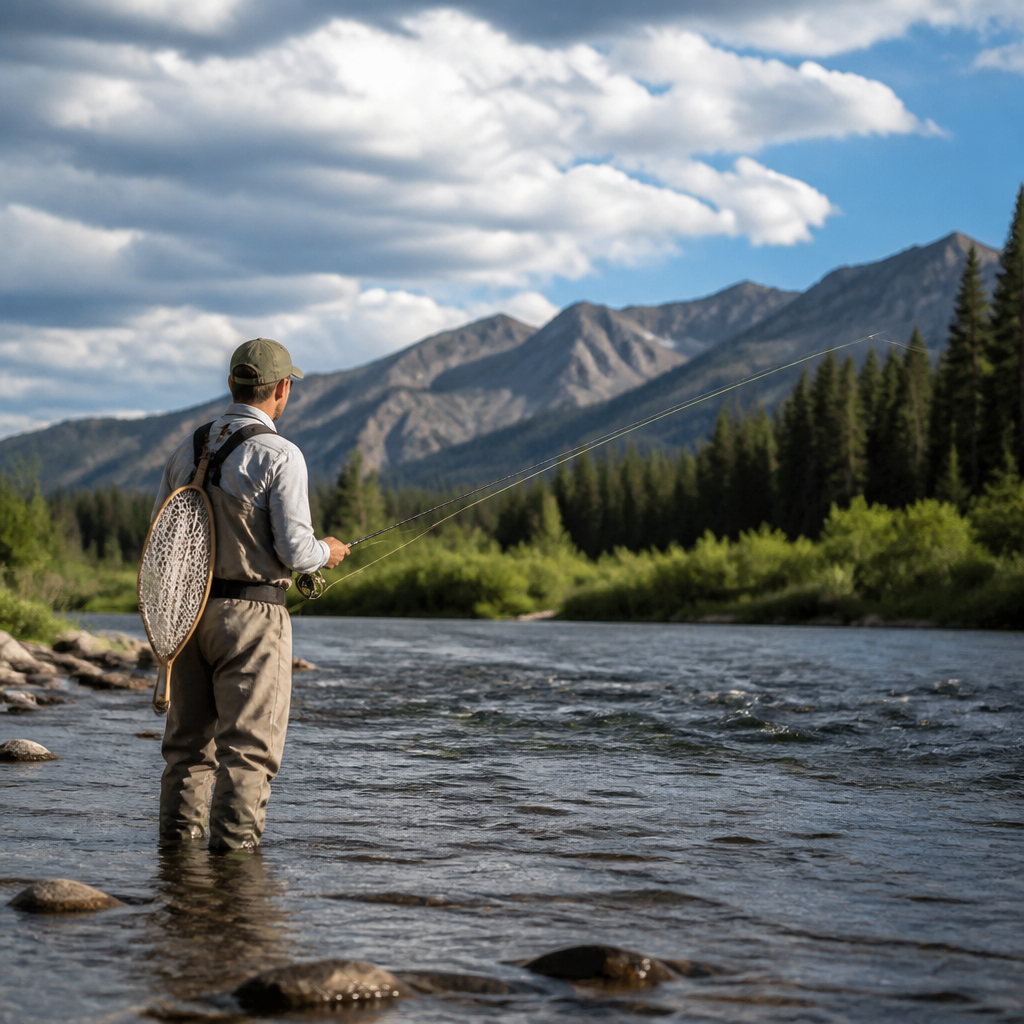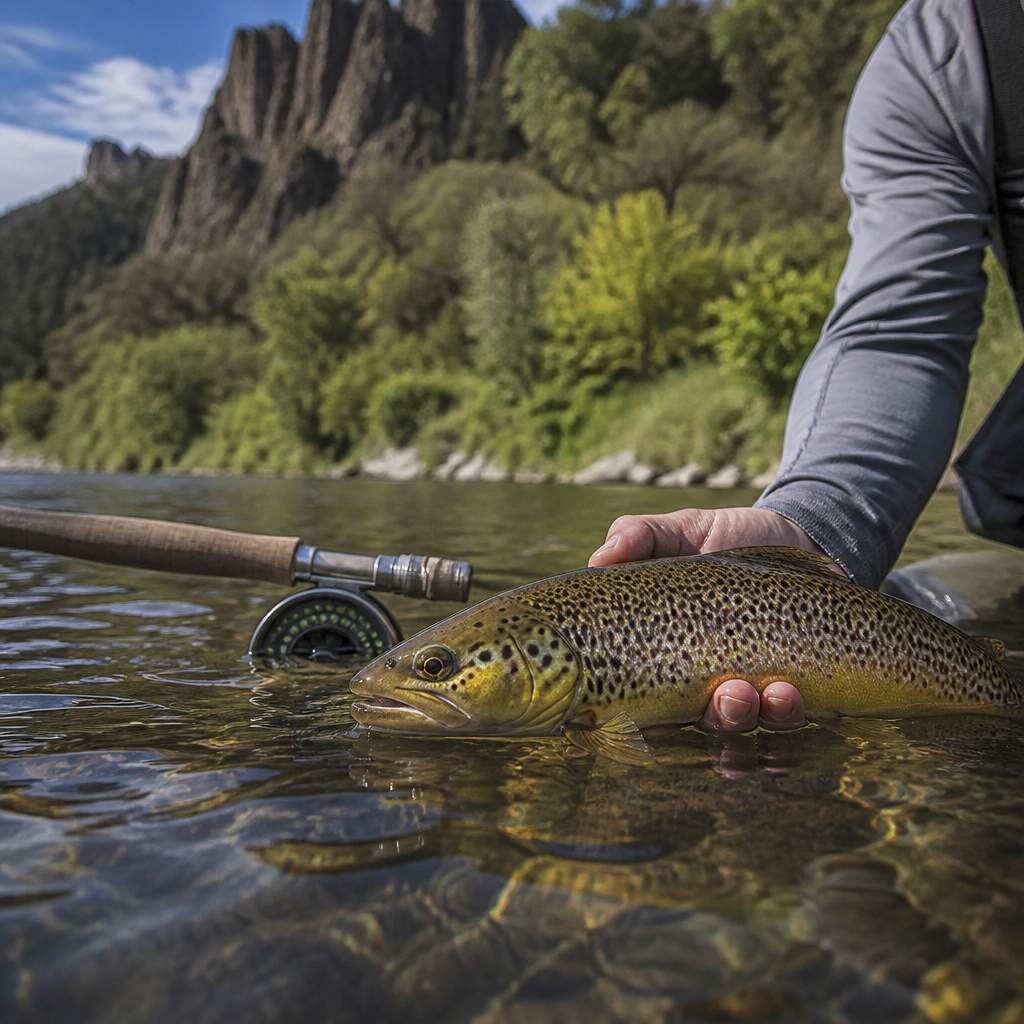
Czech nymphing is a tight-line nymphing method built for short to medium range drifts, heavy subsurface flies, and direct contact with the leader. In practical terms, it means leading weighted nymphs through likely holding water with the rod high, the line mostly off the surface, and strike detection coming from tension, feel, and a sighter rather than a conventional indicator. I have used it on compact freestone rivers, tailwater seams, and pocketwater runs where trout feed close to the bottom and where standard indicator rigs simply drift too slowly or too imprecisely. Among modern nymphing techniques, it remains one of the most efficient ways to put flies in the feeding lane quickly and keep them there.
The method grew from competitive European river fishing, where speed, control, and repeatable drifts mattered more than long elegant casts. That origin still defines its strengths. Czech nymphing excels in broken currents, riffles, chutes, and slots where fish hold in short feeding windows and where the angler can approach closely. Instead of waiting for a bobber to hesitate, you guide the flies through the run under measured tension. That contact shortens reaction time and improves hook-up rates, especially on subtle takes that would never register on a floating indicator. For anglers building skill in nymphing techniques, this style teaches drift control better than almost any other system.
Three terms matter at the start. Tight-line nymphing means maintaining controlled connection to the flies without relying on a floating strike indicator. A sighter is the brightly colored leader section that helps track angle, depth, and tiny changes in tension. Leading the flies means moving the rod at the speed of the current while keeping the leader just ahead of the drifting nymphs, not dragging them unnaturally. If that sounds technical, the payoff is simple: better depth, better strike detection, and better control over where the flies actually travel. Those are the foundations of effective Czech nymphing strategy, and they connect directly to every related topic in the wider nymphing techniques category, from leader design to fly selection and seasonal adjustments.
Why does it matter now, when anglers have euro rods, advanced tippet materials, and sophisticated indicators? Because the underlying problem has not changed. Trout hold where food is concentrated and where current speed lets them feed efficiently, often near the bottom and often in water too complex for a standard dead drift. Czech nymphing solves that problem with directness. It is not the only answer, and it is not ideal for every river, but on the right water it consistently outfishes looser systems. This article serves as a hub for the subtopic by covering core tactics, essential patterns, leader and tackle choices, reading water, and common mistakes, so you can connect the method to the broader family of nymphing techniques and apply it with intent.
Core Setup: Rod, Leader, Weight, and Contact
A practical Czech nymphing setup starts with a rod around 10 to 11 feet in a 2- to 4-weight, though traditional short-range versions can be fished effectively with a 9-foot rod. In my own fishing, the longer rod increases reach, keeps more leader off conflicting currents, and makes it easier to guide flies through slots no wider than a hallway. A thin level fly line or specialized competition line reduces sag, but the leader matters more. Most anglers use a long butt section, a high-visibility sighter, and then tippet to a team of two or three flies. Fluorocarbon remains common because it sinks quickly and resists abrasion around rock. Typical tippet diameters range from 5X to 3X depending on water size, fish size, and fly weight.
Weight placement is the defining tactical choice. In classic Czech nymphing, the point fly usually carries the most mass, often with a tungsten bead or a slim lead-free underbody, while the upper dropper is lighter and more mobile. This arrangement gets the rig down fast while allowing one fly to ride slightly above the other, covering two inches of the water column that often make the difference between refusals and takes. On a steep fast run, I may use a 3.5-millimeter tungsten point fly and a smaller perdigon or caddis pupa above it. In softer glides, reducing bead size often improves natural drift and avoids constant bottom snagging. The target is frequent but controlled contact with the streambed, not plowing it every second.
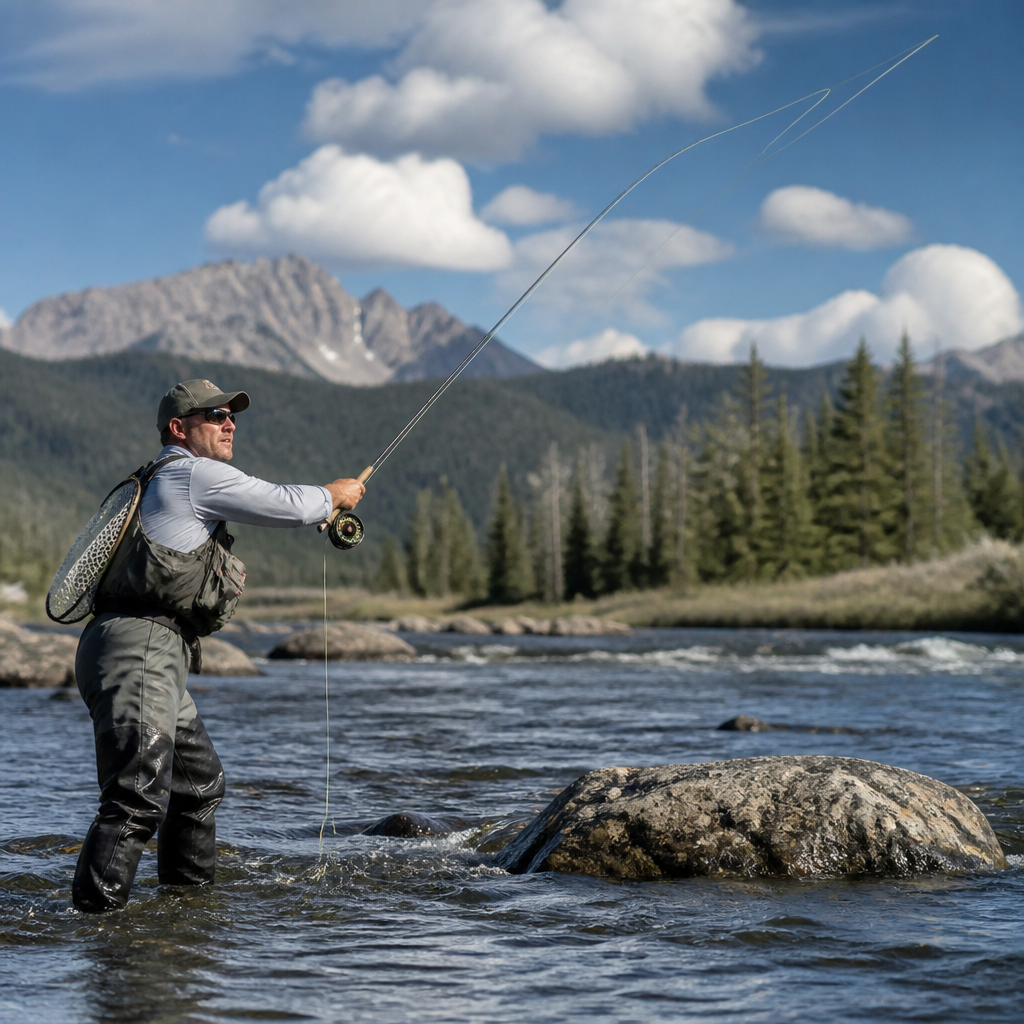
Contact is often misunderstood. You are not dragging the flies back toward you. You are staying connected enough to detect and respond while letting the current carry the flies naturally downstream. The rod stays high, the elbow relaxed, and the hand tracks the drift at the same speed as the current seam being fished. If the leader bows downstream too much, the rig is too heavy or too far away. If you never touch bottom, the flies are too light, the angle is too shallow, or the drift is too short. Good Czech nymphing feels almost like controlled bouncing: the flies tick stones occasionally, the sighter remains straight but not tight, and any pause, lift, or sideways kick gets an immediate hook set.
How to Fish the Drift Through Productive Water
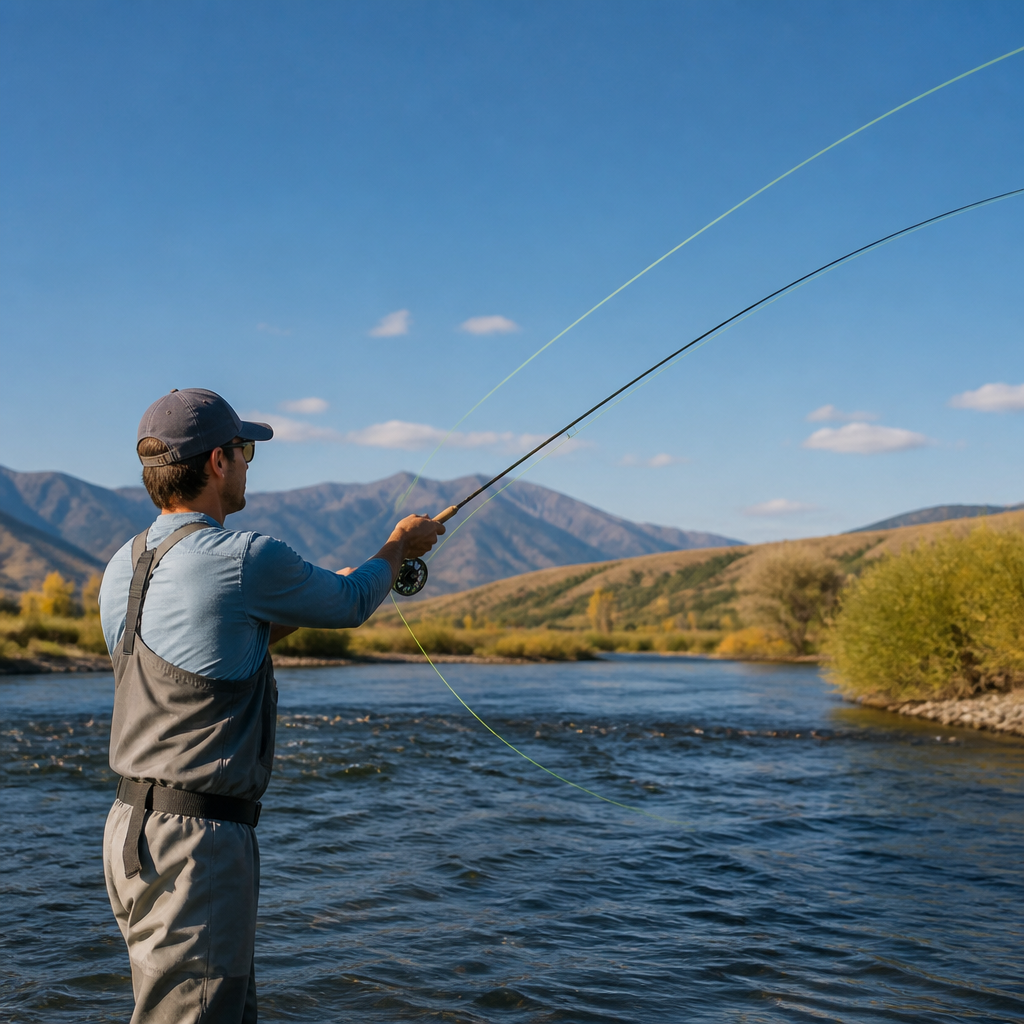
The basic presentation is compact and repeatable. Start with a short lob or tuck cast upstream or up-and-across, just far enough to enter the seam without slack piling on the water. As the flies sink, raise the rod and lead them downstream, keeping the sighter above the surface when possible. The best drifts are usually short, often one to two rod lengths, because short drifts preserve contact and depth. At the end of the drift, allow a slight lift. Many fish eat as the flies rise, imitating an emerging caddis or dislodged nymph. Then reposition and repeat, covering the run in narrow lanes before changing angle, depth, or fly pattern.
Reading water is where this method separates skilled anglers from casual dabblers. Czech nymphing shines in knee- to thigh-deep riffles, transition lanes below pocketwater, current tongues entering pools, and the soft edge beside a heavy chute. Trout choose lies that balance food supply, oxygen, and shelter from force. On a bouldery freestone stream, that may mean the cushion in front of a rock, the dark slot beside it, or the tail of a riffle where nymphs funnel through. On tailwaters, fish often stack along gravel seams and depressions where current speed drops just enough to make feeding efficient. If I can identify the exact path drifting nymphs naturally follow, I can guide the rig through that lane repeatedly with precision.
Approach matters because the method is intimate. Since you often fish close, wading carelessly can push trout off the very line you want to cover. Move from below, enter slowly, and fish near water before farther targets. Keep a low profile against the skyline. Competitive anglers have proved for decades that efficiency compounds: one step too many or one noisy crossing can ruin several prime drifts. Also pay attention to angle. Straight upstream presentations sink quickly, while slight upstream-and-across angles lengthen the drift and can help maintain better sighter visibility. Down-and-across is usually least effective for classic Czech nymphing because it introduces slack and reduces direct strike detection.
Best Czech Nymphing Patterns and When to Use Them
The best flies for Czech nymphing share three features: fast sink rate, slim profile, and a silhouette trout recognize as common subsurface food. Traditional Czech patterns were often tied to imitate caddis larvae, scuds, and shrimp-like invertebrates, with shellbacks, dubbed thoraxes, and weighted underbodies. Today the category is broader. Heavy jig flies with slotted tungsten beads ride hook point up and snag less on rough bottoms. Perdigons cut through current quickly because their resin-coated bodies are narrow and dense. Walt’s Worm variants, caddis pupa, pheasant tail nymphs, and small stonefly imitations all belong in the rotation. The key is matching weight and profile to water type before worrying about exact color.
In practical fishing, I divide patterns into anchors, natural searchers, and triggers. Anchor flies are the heavy point flies that establish depth, such as a tungsten jig hare’s ear, a heavy stonefly, or a compact Walt’s Worm with a 3.5-millimeter bead. Natural searchers are realistic drifters like olive caddis larvae, tan scuds, and pheasant tails that resemble what trout eat every day. Trigger flies add a hotspot collar, fluorescent rib, or contrasting tag to create visibility in stained water or aggressive feeding windows. On pressured rivers, a drab anchor with a subtle natural dropper often outfishes bright combinations. After rain or during caddis activity, a hot-spot pupa can dominate. Pattern selection becomes simpler when you think in these roles rather than in endless fly names.
| Pattern type | Best use | Typical features | Example water |
|---|---|---|---|
| Anchor fly | Fast depth gain and bottom contact | Tungsten bead, slim body, durable tie | Heavy riffles, plunge runs |
| Natural searcher | Imitating common subsurface food | Olive, tan, brown tones; soft movement | Seams, tails of runs, moderate current |
| Trigger fly | Visibility or reaction takes | Hotspot collar, fluorescent rib, flash tag | Stained water, competitive fish, high flows |
Matching patterns to seasonal food improves results. In early spring, heavier stonefly nymphs and dark caddis larvae often make sense because flows are cold and fish hold deep. Late spring and summer bring stronger caddis and mayfly presence, so slim olive or tan pupae and perdigon-style mayfly imitations work well. In autumn, when flows are lower and fish are wary, downsizing to subtler bodies with less flash usually produces more takes. None of this is rigid. Trout respond to depth and drift first. A perfect caddis imitation drifting six inches above the fish loses to a generic hare’s ear on the bottom. The most reliable strategy is to begin with the right weight, then refine color, size, and trigger level based on actual contacts.
Common Mistakes, Adjustments, and When to Choose Another Method
The most common Czech nymphing mistake is fishing too far away. Anglers often try to cover water like they would with an indicator rig, but the system depends on a compact connection. Once the flies drift beyond comfortable contact, sag increases, strike detection drops, and depth control becomes guesswork. The second mistake is using too much weight and mistaking constant snagging for proper depth. You want intermittent ticks, not a point fly wedged every cast. Third is setting too slowly. Tight-line takes can be tiny: a sighter stall, a slight straighten, a dull heaviness. If anything changes unexpectedly, lift firmly. Trout can eject a nymph in a fraction of a second, especially in cold clear water.
Good anglers adjust three variables in order: angle, weight, and fly choice. Before changing patterns, change presentation. A half-step closer, a slightly higher rod tip, or a more upstream entry often fixes the drift. If contact is still poor, increase bead size or shorten the leader-to-water angle. Only after depth and drift are correct should you swap from a caddis larva to a perdigon or add a hotspot. I also watch fish behavior and river conditions closely. In high off-color water, heavier anchors and brighter triggers make sense. In ultra-clear low summer flows, lighter beads, finer tippet, and quieter approaches matter more than fly novelty. These adjustments are central to all advanced nymphing techniques, not just this one.
Czech nymphing is powerful, but it is not universal. Long flat pools, broad slicks, and situations requiring drifts beyond two rod lengths often favor indicator nymphing or other long-line approaches. Dry-dropper systems can also be better when trout are split between surface and subsurface feeding. Wind is another limitation. Strong gusts create leader sag and reduce sighter visibility, making controlled contact harder. Regulations matter too. Some waters limit the number of flies, prohibit added weight beyond the fly, or define legal methods differently for competition-style rigs. The best anglers treat Czech nymphing as one tool within a complete nymphing techniques framework. Learn where it dominates, where it merely works, and where another method gives trout a more natural presentation.
Czech nymphing rewards disciplined mechanics and sharp observation more than flashy casting. Its central lesson is that trout are caught where food drifts naturally at feeding depth, and every part of the system exists to control that drift. A balanced setup, a high rod, short accurate presentations, and flies chosen by role rather than fashion will consistently outproduce random trial and error. If you are building a serious foundation in nymphing techniques, this method deserves a central place because it teaches depth control, contact, strike detection, and efficient water coverage all at once.
The most important takeaways are straightforward. Fish close enough to stay connected. Choose weight that reaches bottom without anchoring constantly. Lead the flies instead of dragging them. Cover likely holding lanes methodically, then adjust angle, weight, and pattern in that order. Use compact heavy patterns such as tungsten jig nymphs, caddis larvae, perdigons, and Walt’s Worm variations to match current speed and fish behavior. Just as important, know the limits of the method on long slick water, in heavy wind, or under restrictive regulations. Confidence comes from understanding those tradeoffs rather than forcing the approach everywhere.
As a hub within the broader Techniques and Strategies topic, this guide should help you connect Czech nymphing to the full range of nymphing techniques and make smarter choices on the river. Start with one short riffle, fish it carefully, and pay attention to what the sighter and flies tell you. Then expand to seams, pockets, and transitions as your control improves. Master the fundamentals here, and every other subsurface system becomes easier to understand and fish well.
Frequently Asked Questions
What exactly is Czech nymphing, and how is it different from standard indicator nymphing?
Czech nymphing is a tight-line presentation method designed to keep your flies in direct contact with the drift at short to medium range. Instead of casting a long line with a bobber-style strike indicator and waiting for a visual pause, you lead weighted nymphs downstream with a high rod tip, minimal fly line on the water, and a taut connection to the leader. The goal is to maintain close control over depth, speed, and drift angle so the flies stay near the bottom where trout are feeding, especially in faster currents, seams, slots, and pocketwater.
The biggest difference from standard indicator nymphing is how strikes are detected and how the drift is managed. In Czech nymphing, strike detection comes from subtle tension changes, the feel of contact, and movement in the sighter rather than from a floating indicator. That direct connection makes it easier to register soft takes quickly, but it also requires more active line control from the angler. You are not simply lobbing flies upstream and watching a float; you are actively guiding the drift, adjusting rod angle, and staying in touch with the flies throughout the presentation.
Another important difference is the intended water type and range. Czech nymphing shines in compact rivers, close seams, tailwater lanes, and broken runs where fish hold near the bottom and a long dead drift is less important than immediate sink rate and direct contact. It is especially effective when trout have little time to inspect a fly and are feeding opportunistically. While indicator nymphing can cover water farther away and suspend flies very naturally over long distances, Czech nymphing excels when precision, depth control, and quick strike response matter most.
What kind of rod, leader, and line setup works best for Czech nymphing?
A purpose-built Euro-style nymphing rod is ideal, but it is not mandatory. Most anglers prefer a rod in the 10- to 11-foot range in a 2- to 4-weight because extra length improves reach, line control, and the ability to keep as much line off the water as possible. A soft, sensitive tip helps protect light tippet and detect subtle takes, while enough butt strength is useful for steering fish in current. If you are just starting, a 9-foot rod can work, especially on smaller streams, but longer rods generally make Czech nymphing easier and more efficient.
Your leader matters just as much as the rod. A common Czech nymphing leader is long and specialized, often built with a butt section, a visible sighter, and a tippet ring leading to one or more tippet sections. The sighter is a highly visible section of leader material that helps you track micro-movements during the drift. Because conventional strike indicators are usually not part of the system, the sighter becomes a critical visual reference. Tippet diameter should match water clarity, fly size, and trout behavior, but many anglers fish relatively fine tippets to improve sink rate and drift quality.
As for fly line, the actual line often matters less than the leader in close-range Czech nymphing because little or no fly line is beyond the rod tip during the drift. Many anglers use thin Euro-nymph lines or level lines because they reduce sag and improve contact, but a standard weight-forward line can still work in many situations if you are fishing close. The key is not the label on the line box but whether your system allows you to lead the flies naturally, maintain direct contact, and detect strikes without dragging the flies unnaturally. In short, a longer rod, a well-designed leader with a visible sighter, and a setup that minimizes slack will give you the most consistent results.
How do you control depth and get the flies down quickly in Czech nymphing?
Depth control is the heart of Czech nymphing. Trout feeding in this style of water are often holding close to the bottom, conserving energy while waiting for food to tumble past. If your flies are riding too high, you may drift beautifully through good water and never get touched. To get down fast, anglers rely on heavily weighted flies, slim patterns that cut through current, and a short, direct leader angle that helps the rig sink immediately after entry. Tungsten bead nymphs are especially valuable because they combine dense weight with a compact profile.
Your cast and entry angle also matter. Rather than making long overhead casts, most Czech nymphing presentations are short upstream or upstream-and-across lobs that place the flies above the target seam with minimal slack. As soon as the flies land, you raise the rod, establish contact, and track them downstream at roughly the speed of the current. This allows the flies to sink while still drifting naturally. If you come tight too aggressively, you can lift the flies off the bottom; if you leave too much slack, you lose contact and delay sink rate. The best drifts are controlled, connected, and just loose enough to avoid dragging the flies unnaturally.
Adjustments should be practical and constant. If you are not occasionally ticking bottom, you may need more weight, a thinner tippet, a slightly shorter cast, or a better upstream angle. If you are hanging up every drift, lighten the point fly, shorten the contact window, or change your lead speed. Experienced Czech nymph anglers aim for controlled near-bottom contact, not constant snagging. That balance is what keeps the flies in the strike zone long enough to be effective without spending the day stuck on the riverbed.
What are the best fly patterns for Czech nymphing, and how should they be rigged?
The best Czech nymphing flies share a few traits: they sink fast, maintain a compact profile, and imitate the subsurface food forms trout actually see near the bottom. Heavy anchor flies often include tungsten-bead caddis larvae, jig-style stonefly nymphs, perdigons, and classic Czech-style bugs tied with weighted bodies and shellbacks. Slim perdigons are especially effective when fast sink rate matters, while slightly bulkier caddis or scud-style patterns can be excellent in fertile rivers where trout are used to seeing larger drifting food items.
A common rig uses two flies, sometimes three where legal, with the heavier fly often serving as the point fly to drive the rig down. A lighter dropper above it can add variety and target fish feeding just off the bottom. Many anglers pair attractor-style patterns with more natural imitations so the rig covers both reaction takes and selective feeding behavior. For example, a bright hotspot perdigon paired with a natural pheasant tail or caddis larva can be a very effective combination. Jig hooks and slotted tungsten beads are popular because they tend to ride hook point up, which can reduce snags and improve hook placement.
Pattern choice should still follow the river, season, and insect life. In cold water or high flows, heavier anchor patterns and darker profiles often perform well because fish stay deep and want an easy meal delivered right to them. In clear tailwaters or pressured fisheries, smaller, cleaner, more natural flies can outproduce flashy options. The main principle is not chasing endless complexity. In Czech nymphing, presentation, depth, and contact usually matter more than tiny pattern differences. If your flies are getting down quickly, drifting naturally through holding water, and matching the general size and silhouette of available food, you are already doing the most important things right.
How do you detect strikes and avoid common mistakes when learning Czech nymphing?
Strike detection in Czech nymphing is subtle but learnable. Because you are fishing in direct contact with the flies, a strike may feel like a sharp tap, a brief hesitation, extra weight, sudden slack, or a tiny twitch in the sighter. Many takes are not dramatic at all. Trout often intercept the fly and simply hold it for an instant while facing into the current. That is why experienced anglers set the hook on anything unusual. If the drift feels different, the sighter pauses, or the flies stop in a way that does not feel like the bottom, lift firmly and find out. Quick, compact hook sets are more effective than big sweeping motions because they stay connected and avoid blowing the flies out of the lane.
One of the most common beginner mistakes is fishing too far away. Czech nymphing is built around close control, and that control disappears as distance increases. If you cast too long, you introduce sag, slack, and delayed strike detection. Another common problem is leading the flies too fast, which drags them unnaturally and lifts them off the bottom. On the other hand, too much slack prevents proper contact and leaves you guessing where the flies are. The sweet spot is a guided drift where the rod tip tracks the flies closely, the line stays mostly off the water, and the tension is light but continuous.
Beginners also often misread bottom contact or fail to adapt weight and angle. Touching rocks occasionally is useful feedback; it tells you the rig is in the zone. Constant snagging, though, means the setup is too heavy or the lead is too slow. Finally, many anglers overlook positioning. Good Czech nymphing starts with wading into a smart angle, identifying the main feeding lane, and presenting from a distance that lets you stay over the drift without lining the fish.