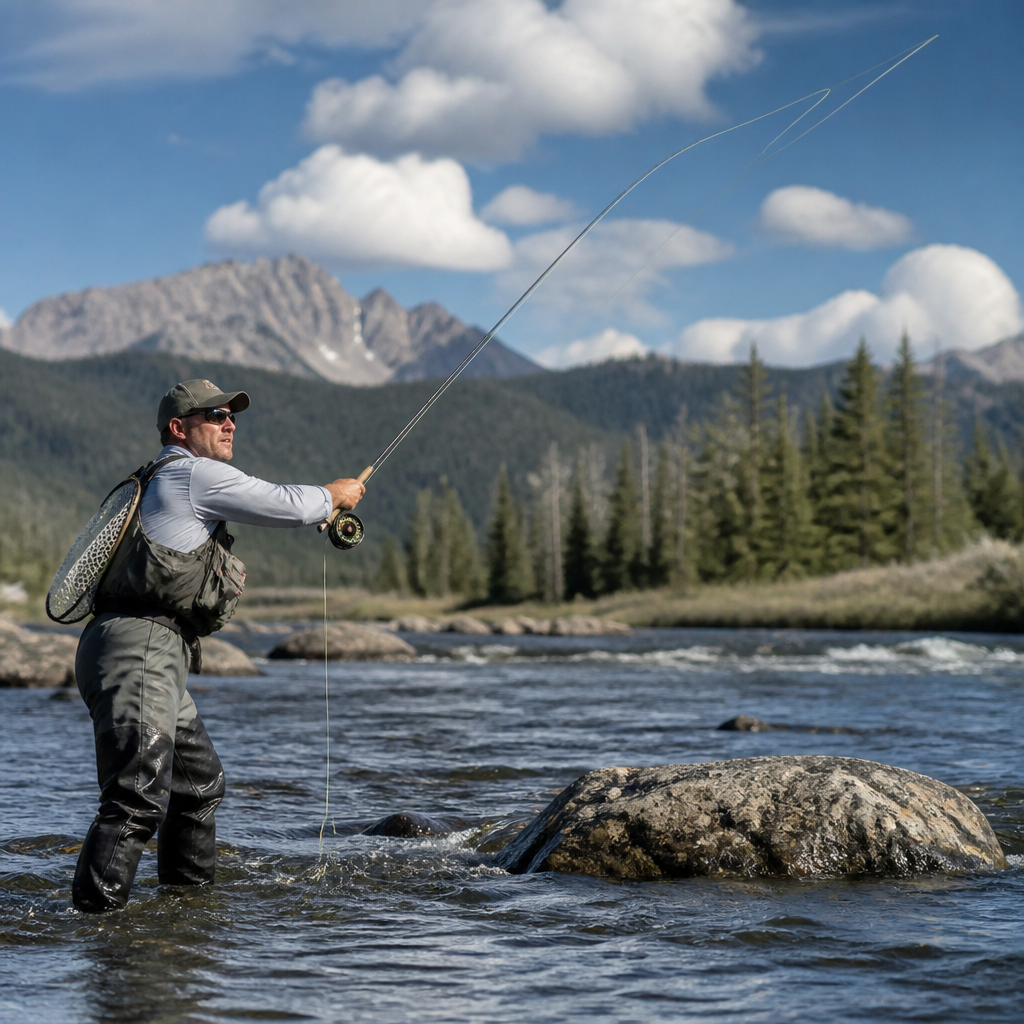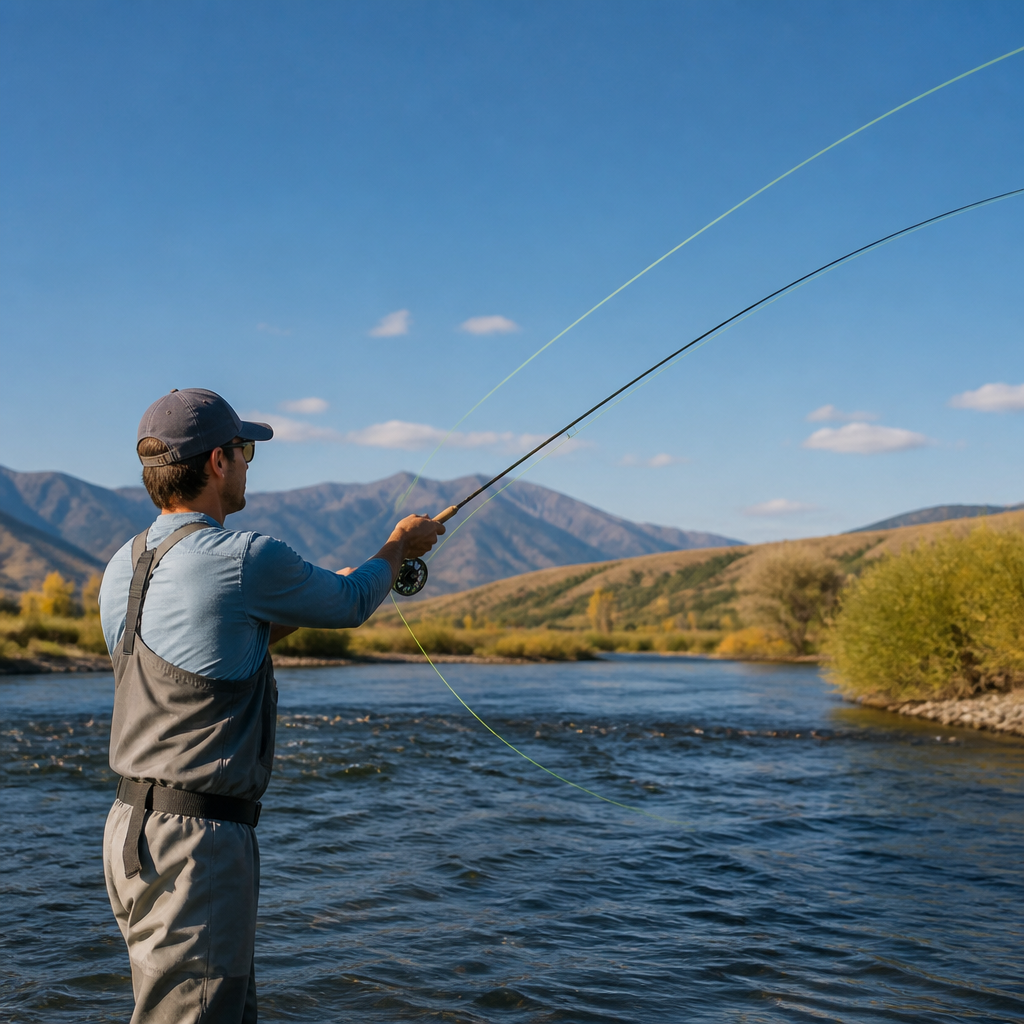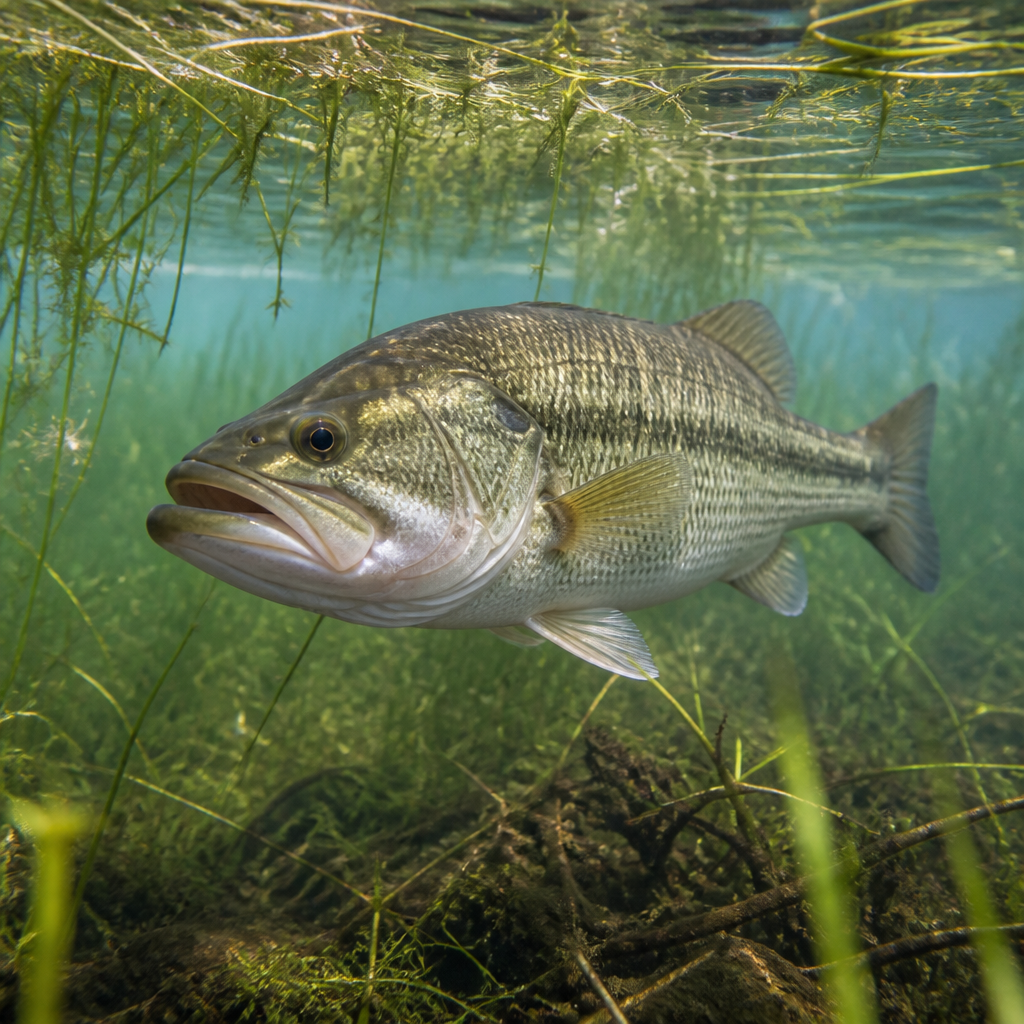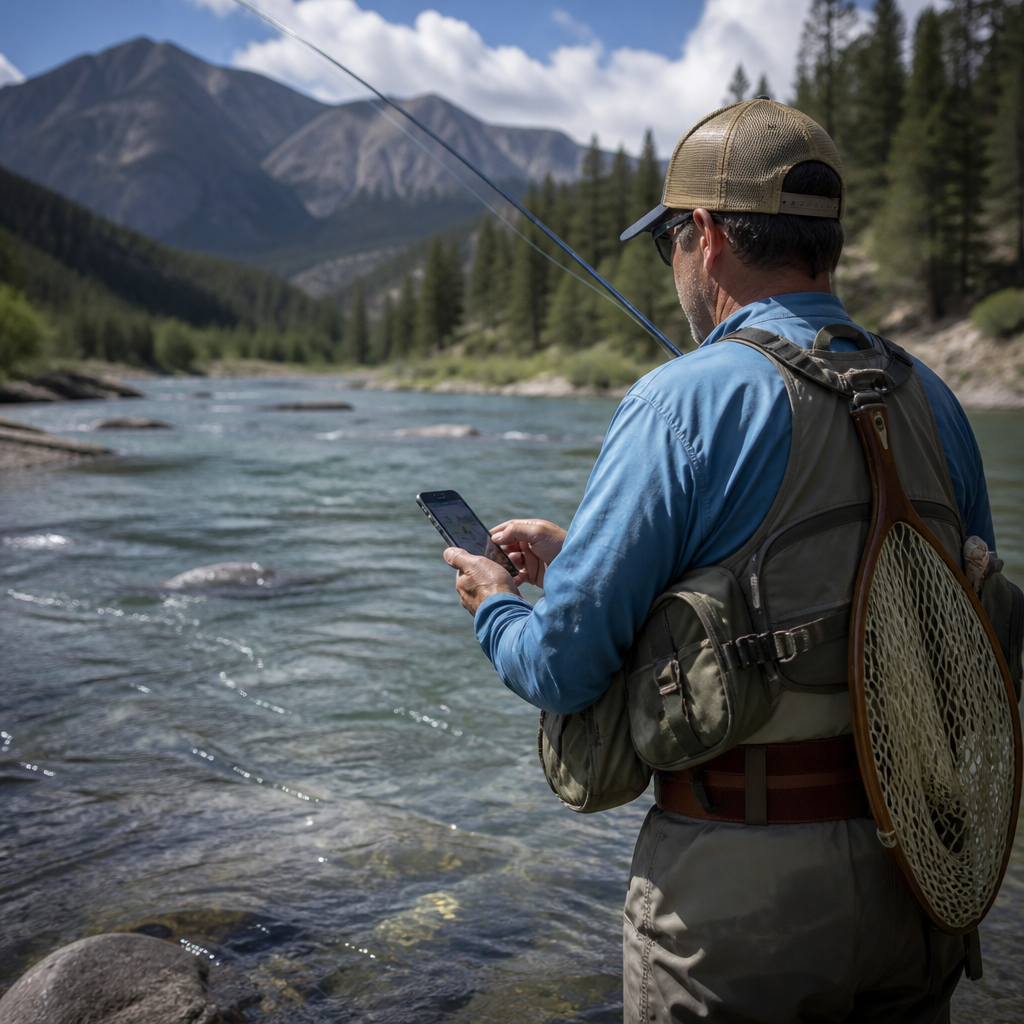
Reading the water is the skill that separates a competent angler from a consistently effective one. At an advanced level, it means interpreting visible structure, invisible current seams, temperature layers, dissolved oxygen patterns, seasonal fish positioning, and forage behavior, then turning those observations into precise casting, drift, or retrieve decisions. In practical terms, advanced techniques are not a bag of tricks. They are a system for predicting where fish hold, when they move, how they feed, and which presentation has the highest probability of success in a specific piece of water.
This matters because fish do not use a lake, river, reservoir, estuary, or surf zone randomly. They conserve energy, seek security, and feed where current or contour brings food to them with the least effort. After years on rivers and stillwaters, I have found that the anglers who improve fastest stop asking, “What lure should I throw?” and start asking, “What is this water doing right now?” That shift leads to better positioning, fewer wasted casts, and a repeatable process that works across species and fisheries. As a hub for advanced techniques, this guide explains the core water-reading concepts that support more specialized articles on river seams, lake structure, tidal timing, sonar interpretation, and seasonal strategy.
At this level, key terms need clear definitions. Structure is the physical shape of the bottom or bank, including points, ledges, drop-offs, channels, timber, weedlines, boulders, and docks. Cover is anything fish can hide in or use as a visual break, such as grass, wood, shade, foam lines, or bridge pilings. Current seam means the boundary where two water speeds meet; predatory fish often hold on the slower side and intercept food drifting by. Breakline is a distinct depth change visible on charts or electronics. Water clarity, turbidity, turnover, thermocline, and tide stage are not background details; they directly affect fish location and mood. If you can identify these elements quickly, you can fish with intention instead of hope.
Advanced water reading also matters for efficiency and safety. Good interpretation prevents overfishing dead water, helps you avoid wading blindly into pushy current, and improves boat control around wind, tide, and submerged hazards. It also creates a framework for decision-making under pressure, whether you are prefishing for a tournament, guiding clients, or trying to solve a tough post-frontal bite. The following sections break the subject into the essential environments and variables you need to master, with examples grounded in how experienced anglers actually evaluate water on the bank, in a drift boat, or behind a console.
How Fish Relate to Current, Contour, and Energy Use
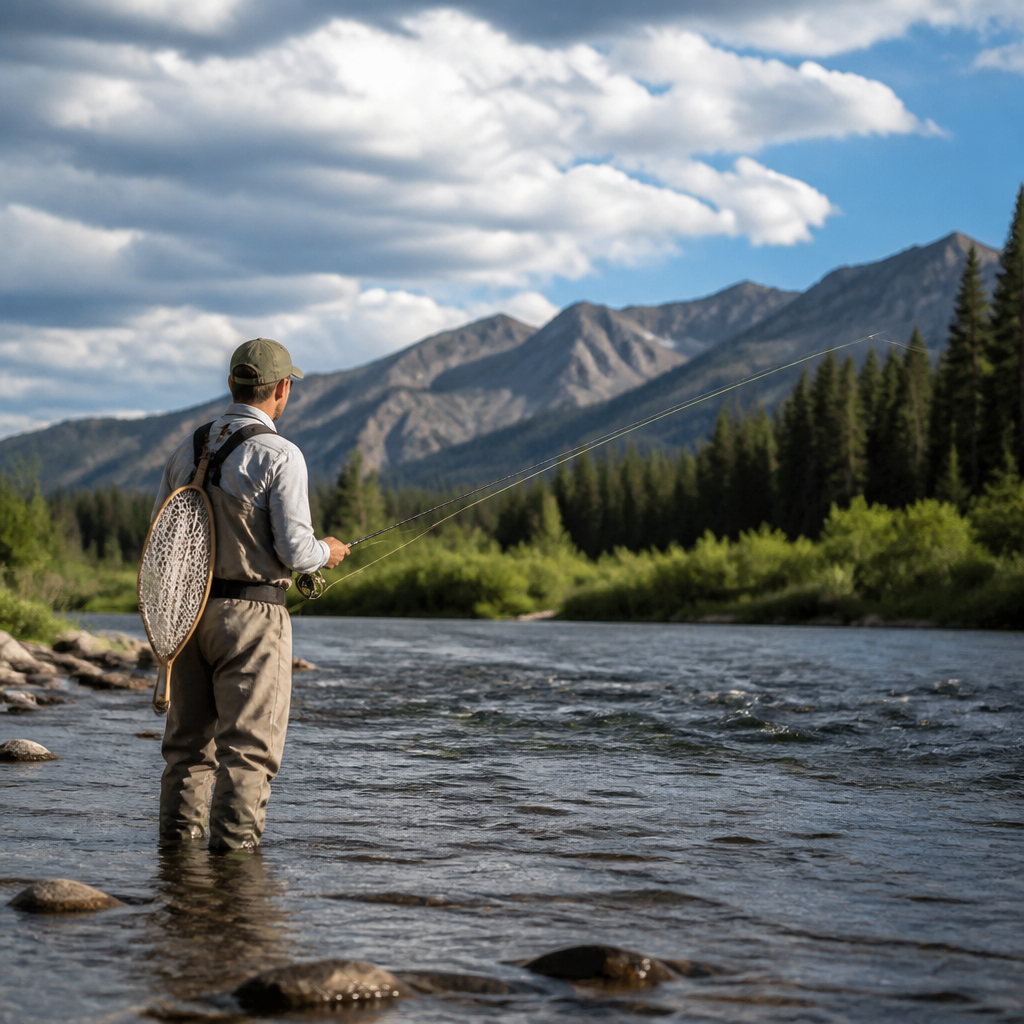
Fish position where food delivery, oxygen, and protection align. In moving water, that usually means they avoid the heaviest current while staying close to it. A trout holding behind a midriver boulder, a smallmouth on the downstream side of a wing dam, or a striped bass tucked just off a rip line is doing the same thing: minimizing energy expenditure while staying one short move from food. This is the single most important principle in river reading. Fast water attracts your eye, but the best lies are often the quiet cushions, walking-speed glides, and inside edges adjacent to that flow.
Contour controls this just as much as current. On lakes and reservoirs, depth changes create travel routes and feeding stations. A point extending into the main basin, a creek channel bend touching a flat, or a sharp transition from gravel to mud can concentrate fish because it funnels forage. Predators use these routes predictably. On many impoundments, I spend the first hour checking places where a contour break meets another trigger, such as wind-blown bait, shade, or submerged timber. If two or three variables overlap, the spot deserves repeated attention throughout the day.
Energy economics explain why this works. Fish are cold-blooded animals with limited incentive to chase unnecessarily. In water below about 50 degrees Fahrenheit, many species compress their movement windows and hold tighter to stable depth, slow current, or vertical structure. In warmer water, metabolism rises, but so does the need for oxygen. That is why summer fish may slide toward current, deeper water, or vegetation that creates shade and holds prey. Reading the water correctly means looking for the cheapest feeding lane available to the fish under present conditions, not where they were last weekend.
Advanced River Reading: Seams, Eddies, and Bottom Signals
In rivers, surface clues only tell part of the story. Advanced reading starts by matching what you see on top to what the bottom is probably doing underneath. A smooth tongue entering a rapid often signals a deeper slot. A line of standing waves indicates shallow rock or a constriction. Soft swirls near the bank can reveal a reverse current. Foam lines mark conveyor belts of food, especially insects, scuds, and debris. Experienced anglers track these signs before making a cast because they indicate feeding lanes, resting pockets, and ambush points.
Seams deserve special attention. Not all seams are equal. A hard seam, where fast and slow water collide sharply, can hold aggressive fish during high oxygen periods, but it is often difficult to present naturally. A soft seam, where current speeds blend more gradually, is usually easier to fish and commonly more productive. On tailwaters, I often target the inside edge of a seam where drifting nymphs or baitfish naturally collect. If the water is clear, fish may sit just a foot or two off the obvious line, especially under bright sun when they prefer softer, less exposed holding water.
Eddies are another high-value feature, but they must be classified correctly. A large slack eddy can look ideal yet hold very few feeding fish if it lacks incoming food flow. A micro-eddy behind a root ball, however, may hold a dominant fish because it offers shelter with immediate access to current. The same logic applies to hydraulic cushions below rocks, ledge pockets, undercut banks, and depth transitions at the heads and tails of pools. Each feature changes speed, pressure, and drift direction. Advanced anglers cast not just to the object, but to the exact current lane that delivers food to the fish using that object.
| River Signal | What It Often Means | Best Tactical Response |
|---|---|---|
| Foam line | Surface convergence concentrating drifting food | Drift flies, small plastics, or live bait along the edge, not through the center |
| Smooth tongue | Deeper, cleaner entry into a run or chute | Probe with weighted presentations before fishing the broken water beside it |
| Standing waves | Shallow rocks, constriction, or strong current over uneven bottom | Target downstream cushions and softer side lanes where fish conserve energy |
| Boil or upwelling | Submerged obstruction altering current vertically | Make repeated casts beyond the boil and work through adjacent feeding windows |
| Soft bank swirl | Reverse current or protected slack near shore | Fish the seam where the swirl rejoins main flow, especially in cold water |
Bottom composition matters as much as current shape. Gravel often supports aquatic insects and spawning activity. Chunk rock creates crevices for crayfish and juvenile baitfish. Sand may be less attractive unless paired with troughs, shell beds, or nearby hard cover. Mud can be excellent for carp, catfish, and some panfish, especially where warm inflow or decaying vegetation increases food availability. You can infer bottom type from water color, bank material, wading feel, and electronics, but the fastest feedback often comes from your lure. If a jig ticks cleanly, then wedges, then pops free, you are learning the substrate with every cast.
Stillwater and Reservoir Interpretation: Depth, Wind, and Seasonal Layers
Lakes and reservoirs demand a different reading style because current is subtler and fish use three dimensions more fully. The first advanced principle is that wind creates temporary structure. A bank hit by sustained wind concentrates plankton, then baitfish, then predators. This is not theory; it is one of the most repeatable patterns in freshwater angling. Even a modest ten-mile-per-hour breeze can improve a point, saddle, or grass edge by increasing oxygen mixing and food transport. The key is to distinguish productive wind from dirty, unfishable turbulence. Slight stain is often helpful. Chocolate runoff with falling temperature usually is not.
Depth control is the second principle. In summer, many stratified lakes form a thermocline, a band where temperature changes rapidly with depth. Below it, oxygen often drops enough to reduce fish activity, especially in eutrophic waters. On sonar, the thermocline may appear as a fuzzy line or clutter band, commonly between fifteen and thirty feet depending on region, weather, and reservoir fertility. Knowing this prevents the classic mistake of fishing beneath active fish. On turnover-prone lakes in autumn, this stable layering breaks apart, and fish may scatter temporarily. During that period, advanced water reading means focusing on fresh inflows, green weeds, and bait concentrations rather than assuming fish will remain on their usual summer breaks.
Contour interpretation in stillwater is best approached as route mapping. Fish move from deep refuge to feeding flats using channels, points, bluff ends, secondary points, and vegetation edges. A hump in open water can be excellent, but only if it connects logically to deeper water or bait movement. In clear reservoirs, I routinely prioritize long tapering points early and late, then steeper shade lines or timber near creek channels once the sun gets high. On natural lakes, outside weed edges, sand-to-gravel transitions, and remaining healthy cabbage or coontail often outproduce isolated hard structure because they combine cover with forage density.
Electronics sharpen but do not replace observation. Side imaging can reveal brush piles, shell beds, and bait schools. Forward-facing sonar can show suspended fish behavior in real time. Mapping platforms such as Navionics, C-MAP, and LakeMaster help identify breaklines before you launch. Yet advanced anglers still validate screen information with wind angle, water color, bird activity, and seasonal context. A textbook ledge is not automatically good if bait is absent. A featureless flat can become the best zone on the lake when mayflies hatch, bluegills bed, or shad spawn against riprap at dawn.
Coastal, Tidal, and Surf Water Reading
Tidal fisheries reward timing more than any other environment. In estuaries, marshes, inlets, and surf zones, water movement changes access, salinity, visibility, and feeding windows within hours. The advanced approach is not to ask whether tide should be high or low in general. It is to identify where a specific species can feed efficiently on a specific stage. Redfish sliding onto flooded grass, snook setting up beside an outgoing creek mouth, striped bass pinning bait against a breachway, and fluke lying on the down-current side of a channel edge all reflect stage-specific positioning.
Current edges are the first priority. Outgoing tide concentrates shrimp, crabs, and baitfish at drains and pinch points. Incoming tide often improves water quality and opens shallow habitat. In surf, look for troughs, cuts, bars, seams, and darker lanes that indicate depth. Waves breaking unevenly usually expose structure; a gap in the breakers often marks a cut where fish travel. On jetties and inlets, fish the calmer side of major flow, especially where an eddy forms behind rocks. Predators hold there for the same reason river fish hold behind boulders: easy food, less effort.
Water color tells an additional story in saltwater. A green, clean edge meeting stained runoff can create an immediate feeding line. Temperature breaks offshore or near inlets can stack bait and gamefish. Birds matter too. Terns dipping repeatedly over a small area may indicate glass minnows or anchovies pushed high. Gulls sitting, then suddenly lifting and diving, often reveal larger bait getting forced up by predators. The strongest anglers combine tide chart data with direct observation, adjusting for moon phase, wind direction, and local lag between charted tide and actual water movement at the spot.
Putting It Together: A Repeatable Decision Framework
The best advanced technique is a disciplined sequence for reading new water. Start broad: identify season, recent weather, water level, clarity, temperature, and dominant forage. Next, locate the major movement corridors: current seams, channels, points, drains, weed edges, bars, or tide cuts. Then narrow to high-percentage holding spots where fish gain food with minimal energy cost. Finally, test presentations that match the depth, speed, and forage profile the water suggests. This process prevents random lure changes and keeps your decisions tied to environmental evidence.
On the water, I use a simple hierarchy. First, find life: bait, birds, insect activity, or visible fish. Second, find advantage: shade, current shelter, depth change, or wind concentration. Third, find access: the exact angle, drift, or retrieve path that lets the offering enter the feeding lane naturally. If one element is missing, the spot may still produce, but repeated success usually comes when all three are present. That is why a mediocre-looking bank can outperform a beautiful point if the bank has bait, shade, and the right wind at that moment.
Keep records. Log water temperature, level trend, clarity, moon phase, successful depth, and the type of structure that produced. Over time, patterns emerge that are more valuable than memory alone. You will notice, for example, that post-rain smallmouth set up on the softer inside seams, or that summer walleyes on your home reservoir slide from the main-lake break to the first channel swing after two calm nights. Those details are the foundation of advanced techniques. Read the water carefully, compare what you expected with what happened, and use that feedback to sharpen every future decision.
Advanced water reading is the hub skill behind every refined angling strategy because it explains where fish are, why they are there, and how to approach them efficiently. Structure, cover, current, depth, oxygen, temperature, tide, and forage are not separate topics; they are linked variables that create predictable fish behavior. When you understand those links, lure choice becomes easier, boat or wading position improves, and unproductive water becomes obvious faster. That is the real benefit: better decisions before the cast, not just better luck after it.
The most important takeaway is to think in systems. In rivers, prioritize energy-saving lies near food delivery. In lakes and reservoirs, map movement routes, wind influence, and seasonal depth limits. In tidal water, match feeding spots to stage and current direction. Across all environments, validate what you see with what the fish need at that moment: security, oxygen, and efficient feeding. Tools such as charts, sonar, side imaging, and tide data help, but they work best when paired with trained observation and careful note-taking.
Use this hub as your starting point for deeper study within advanced techniques, then apply one concept at a time on your next trip. Pick a seam, breakline, drain, or wind-blown edge and ask what it offers the fish. Make fewer casts, but make them with a reason. That habit will improve your catch rates, your consistency, and your understanding of every fishery you fish.
Frequently Asked Questions
What does “reading the water” really mean at an advanced level?
At an advanced level, reading the water means moving beyond obvious visual cues and learning to interpret how multiple environmental factors work together to position fish. A beginner may notice a fallen tree, a weed line, or a deep pool and simply cast toward it. A more advanced angler asks deeper questions: How is current interacting with that structure? Where is the soft water or feeding lane? Is the area gaining or losing oxygen? Is the bait concentrated there, passing through it, or avoiding it altogether? Those are the details that turn random casting into informed decision-making.
In practical terms, advanced water reading is a predictive system. You are using surface clues, bottom contour, current speed, water clarity, sunlight angle, wind direction, temperature changes, and seasonal patterns to identify the highest-percentage holding water. Fish rarely position themselves by accident. They choose locations that conserve energy, provide access to food, offer security, and keep them within suitable temperature and oxygen ranges. The better you understand those priorities, the more accurately you can predict fish location before you ever make a cast.
It also includes understanding what you cannot see directly. Many of the best fish-holding zones are defined by invisible current seams, subtle depth changes, underwater hard spots, thermal transitions, or small concentrations of forage. Advanced anglers learn to infer those features from clues such as foam lines, slicks, boils, color changes, drifting debris, bird activity, bait flickers, and the way their lure or line behaves in the water. In that sense, reading the water is not guessing. It is observation, interpretation, and confirmation repeated over time.
How can I identify current seams, breaks, and feeding lanes more effectively?
Current seams and breaks are among the most important pieces of fishable water because they create a balance between food delivery and energy conservation. A seam is where two current speeds meet. A break is any obstruction or change that reduces the force of the current. Fish often hold just outside the heavy flow and slide into faster water to feed. To identify these areas more effectively, look for subtle differences on the surface: a narrow line of bubbles, foam, or drifting debris; a change in surface texture from smooth to rippled; or a visible “edge” where water speed changes. These signs often reveal exactly where the underwater current transition is happening.
Structure creates many of the best breaks. Midstream boulders, bridge pilings, points, laydowns, ledges, docks, weed edges, and depressions all alter flow. Behind them, beside them, and slightly downstream, fish can hold in reduced current while still staying close to drifting forage. The key is not simply spotting the object, but understanding how water is bending around it. Water accelerates over shallows, slows behind cover, and often creates recirculating pockets or soft cushions adjacent to fast lanes. Those “sweet spots” are frequently small, and a cast that lands a few feet off the mark may miss active fish completely.
Your presentation should match the seam or break you are targeting. In rivers and moving water, this often means adjusting your casting angle and line control so the lure, bait, or fly enters the feeding lane naturally. In lakes or reservoirs with wind-driven current, the same principle applies along points, grass edges, or bait-pushed shorelines. Watch how your lure tracks through the water. If it suddenly speeds up, stalls, rises, or swings, you have learned something about that lane. Advanced anglers use each cast as feedback, fine-tuning position and presentation until they intersect the exact travel path or holding line fish are using.
How do temperature, dissolved oxygen, and seasonal changes influence where fish hold?
Temperature and dissolved oxygen are fundamental to fish positioning because they directly affect metabolism, comfort, and feeding behavior. Fish do not use the entire water column equally at all times. They seek the best combination of suitable temperature, available oxygen, food access, and security. In warm conditions, especially during summer, some fish slide deeper to find cooler, more stable water. But depth alone is not the answer, because cooler water that lacks oxygen can be less attractive than slightly warmer water with better circulation. That is why inflows, wind-blown banks, current areas, and sections with vegetation or wave action can become important oxygen-rich feeding zones.
Seasonal transitions often reorganize an entire fishery. In spring, warming shallows, incoming water, and spawning-related movements concentrate fish in predictable staging areas such as channel swings, secondary points, gravel flats, and protected coves. In summer, fish may group around thermoclines, deeper structure, shade, current, or vegetation depending on species and water type. In fall, cooling water and bait migrations tend to pull fish toward feeding areas where forage collects, often around creek arms, flats near deep water, or wind-driven structure. In winter, fish usually become more energy-conscious, favoring stable zones with reduced current or easy access to depth changes.
The advanced takeaway is that fish position is rarely random within a season. If you know the seasonal phase, recent weather, water temperature trend, and oxygen dynamics, you can eliminate large sections of unproductive water. Pay attention not only to the absolute temperature, but to change. A one- or two-degree increase in a back bay, a cool inflow after hot weather, or a wind-driven shoreline with increased oxygen can shift fish activity dramatically. Reading the water well means recognizing that the “best-looking spot” is only productive if it also fits the fish’s seasonal and physiological needs.
What role does forage behavior play in advanced water reading?
Forage behavior is one of the most powerful shortcuts in water interpretation because predators position themselves where feeding opportunities are reliable. If you understand where baitfish, insects, crayfish, or other prey are holding and how they move, you can often locate fish faster than by focusing on cover alone. Predator fish are not simply attracted to structure; they are attracted to structure that intersects with food movement. A rock pile, grass edge, current seam, or point becomes far more important when it funnels or concentrates forage.
Bait behavior reveals conditions you may not notice otherwise. Nervous bait near the surface can indicate predators pushing from below. Tight schools often suggest pressure or open-water feeding patterns. Scattered bait may mean lower threat levels or abundant habitat. In moving water, drifting insects and disoriented baitfish tend to collect in seams, eddies, tailouts, and current edges. In lakes and reservoirs, wind can stack plankton, which draws bait, which then draws game fish. Birds diving, bait dimpling, flickers along grass lines, or occasional bursts near points can all tell you more than the water’s appearance alone.
At an advanced level, you should ask not only where the forage is, but what it is doing right now. Is it traveling, pinned against cover, rising in low light, buried in vegetation, or suspended over deeper water? Those details determine the right depth, retrieve speed, casting angle, and lure profile. If the prey is being swept naturally by current, an overly aggressive retrieve may look unnatural. If bait is escaping upward or tight to the surface, a subsurface approach may miss the most active zone. Reading forage correctly helps refine every tactical choice and often explains why fish are present but not responding to a poorly matched presentation.
How do I turn water observations into better casting, drift, and retrieve decisions?
This is where advanced water reading becomes truly useful. Observing a productive seam, depth change, temperature shift, or forage concentration means very little if your presentation does not intersect the fish correctly. The goal is to place your lure, bait, or fly where fish are holding, at the depth they are using, moving at a speed that looks natural or triggering, and approaching from an angle that keeps the fish comfortable. In other words, water reading should directly inform how you cast, where you stand or position the boat, how much line you feed, and how you control the drift or retrieve.
In current, small adjustments in angle can make a major difference. Casting slightly upstream may allow a longer natural drift through a feeding lane. Casting across or slightly down may create a controlled swing that covers a seam more effectively. In still water, boat angle, wind drift, and target approach matter just as much. If fish are set up on the shady side of a point, the outside grass edge, or the down-current face of structure, your cast should bring the offering through that exact zone rather than merely landing near it. Precision beats proximity.
Retrieve and drift control should reflect what the water is telling you. Faster current often requires more attention to line management so the presentation does not drag unnaturally. Cold water or inactive fish may call for a slower, tighter retrieve close to the bottom or structure. Active fish feeding on roaming forage may respond better to a moving bait that travels through the lane with speed changes or directional shifts. The best anglers constantly update their decisions based on feedback from each cast: how the lure feels, where it deflects, where it loses bottom contact, where followers appear, where strikes occur, and where bait is most concentrated. That feedback loop is the essence of advanced technique. You are not just fishing water; you are testing a prediction, refining it, and increasing your odds cast by cast.