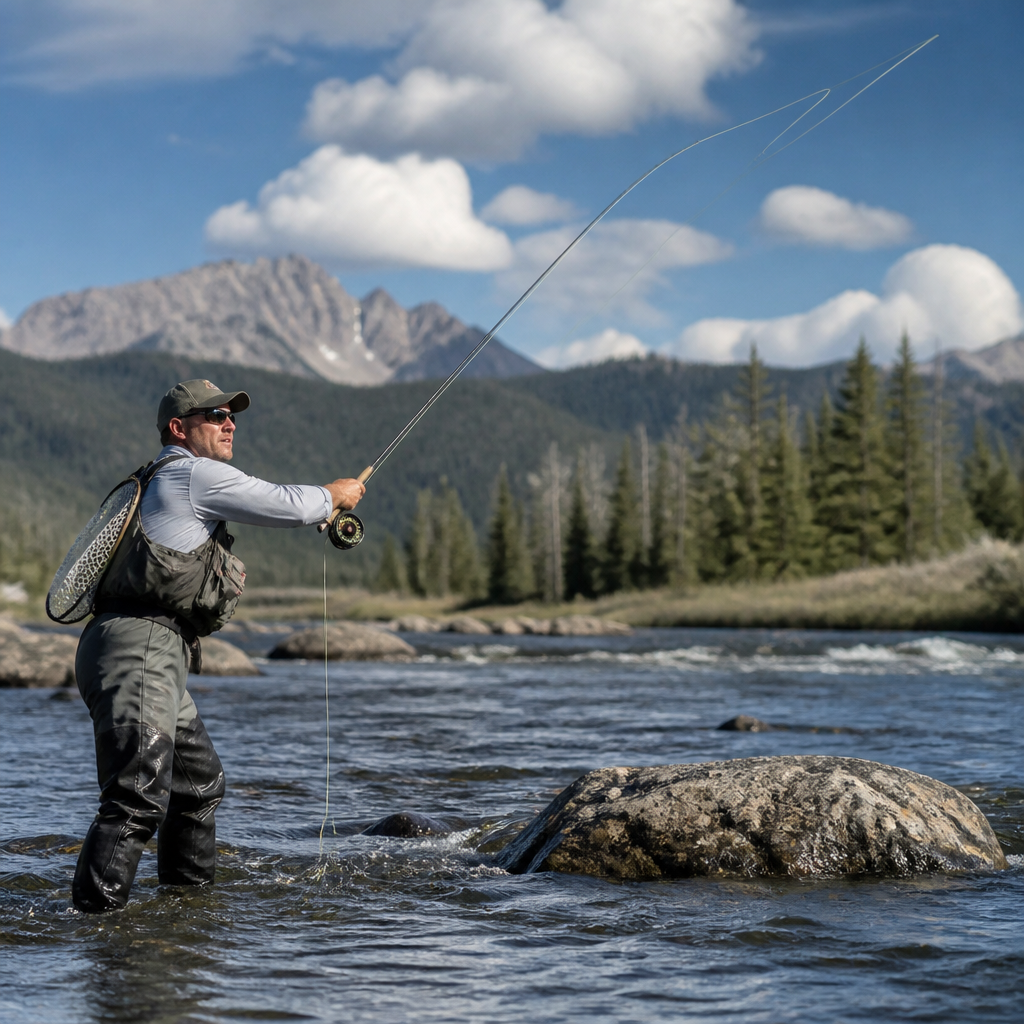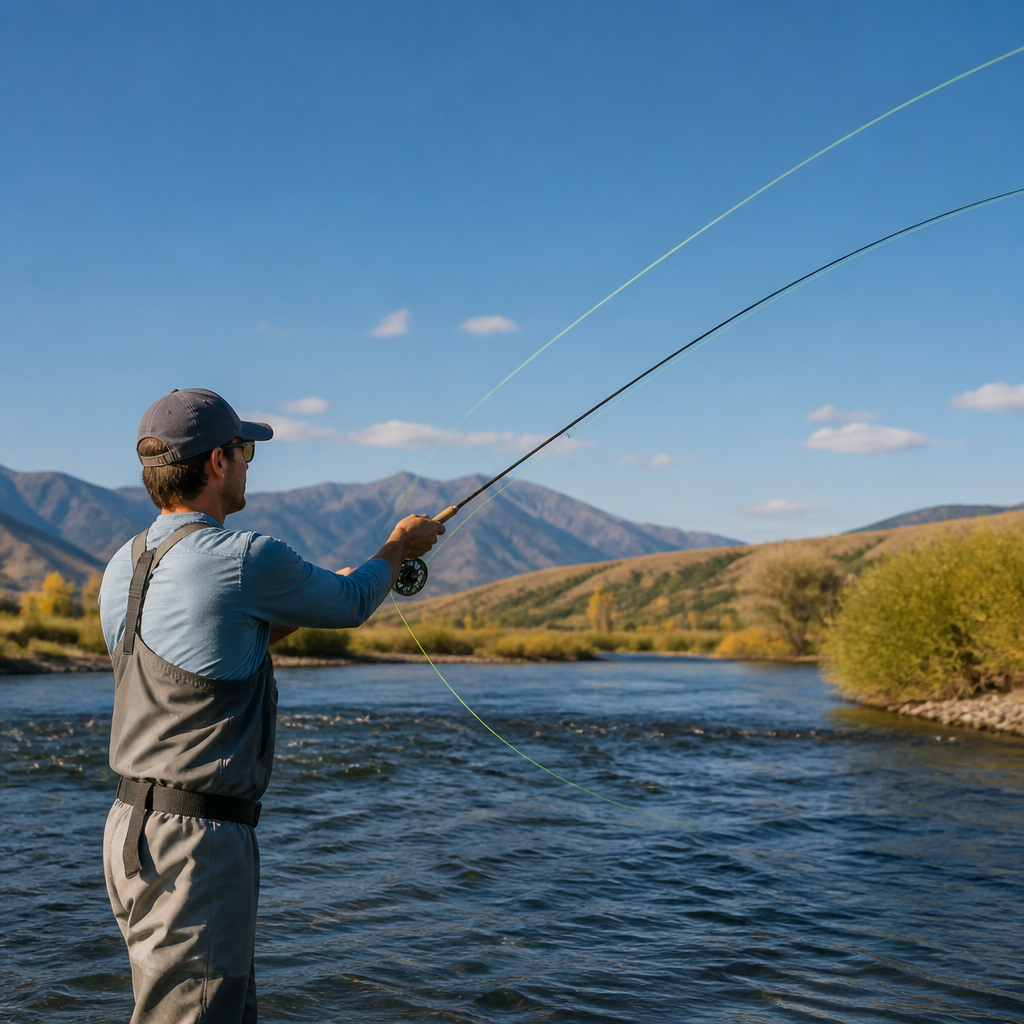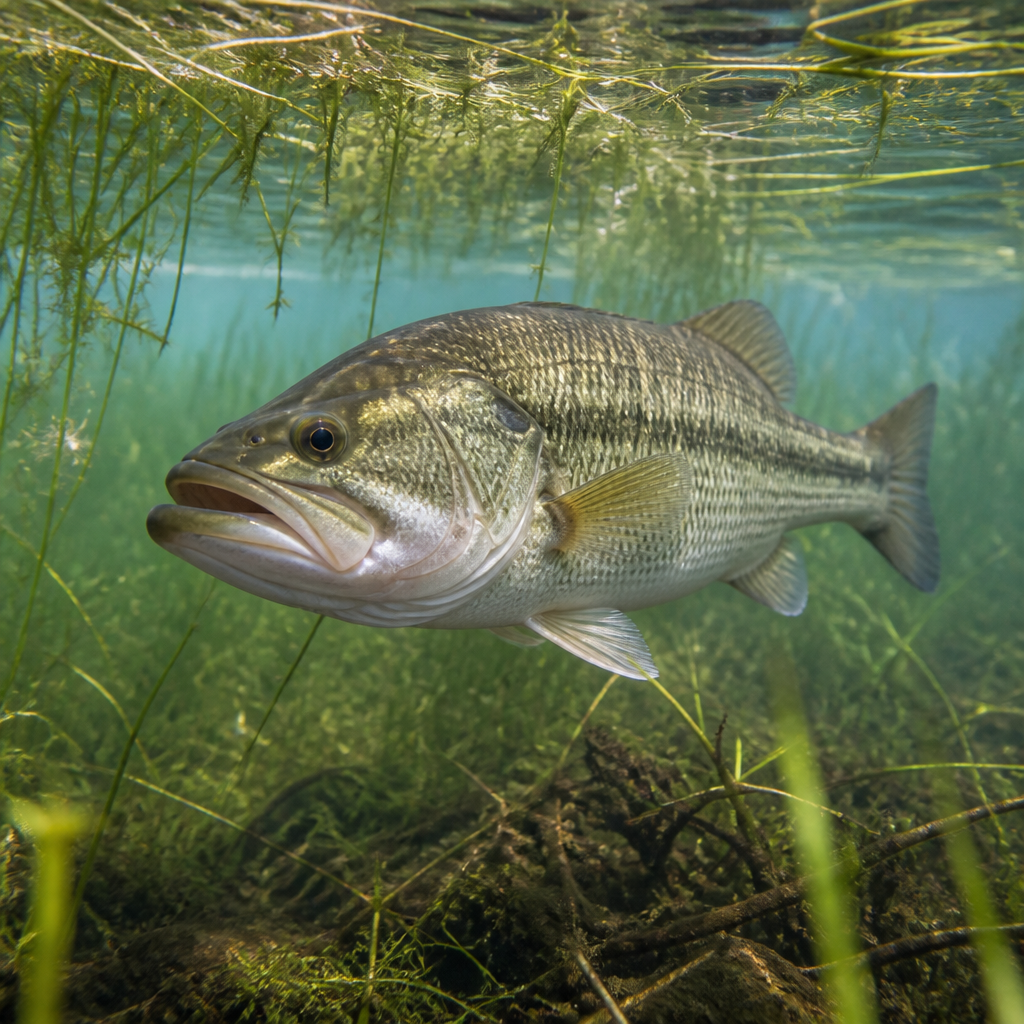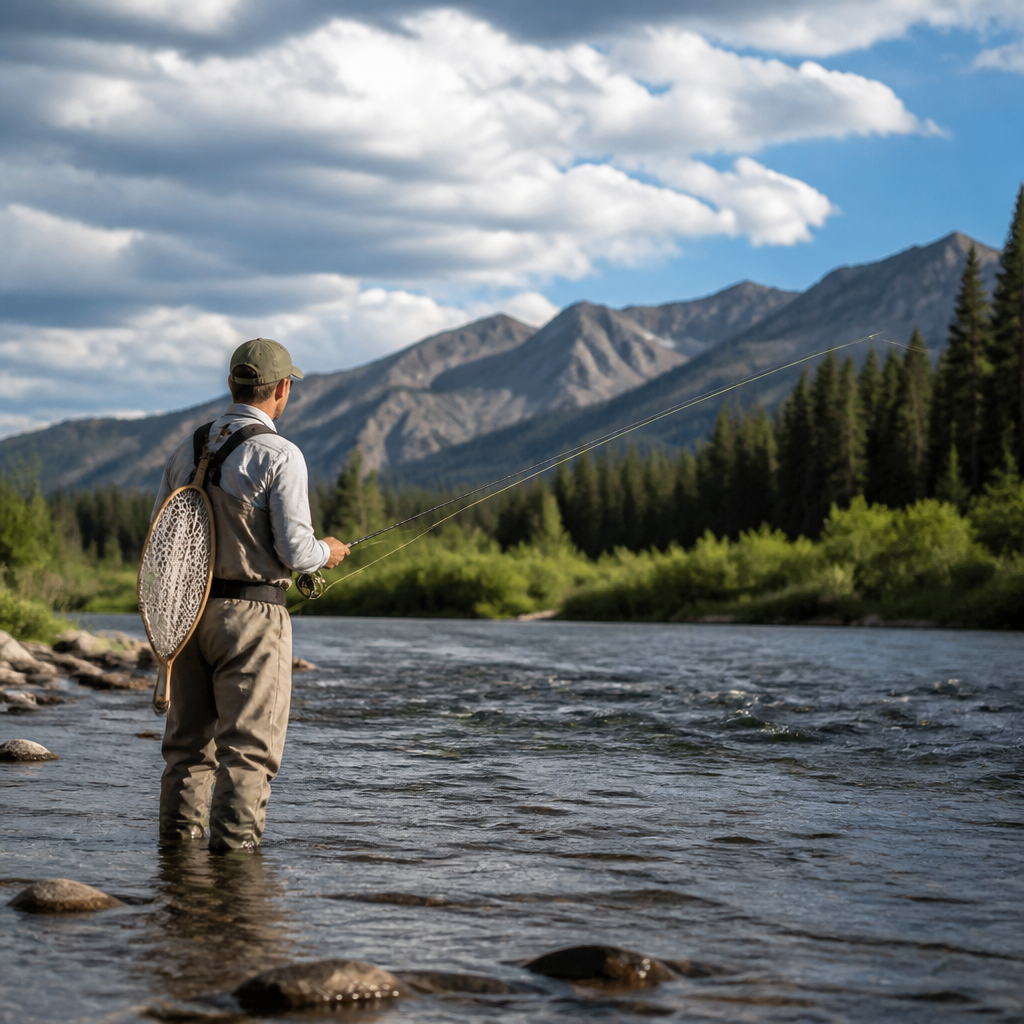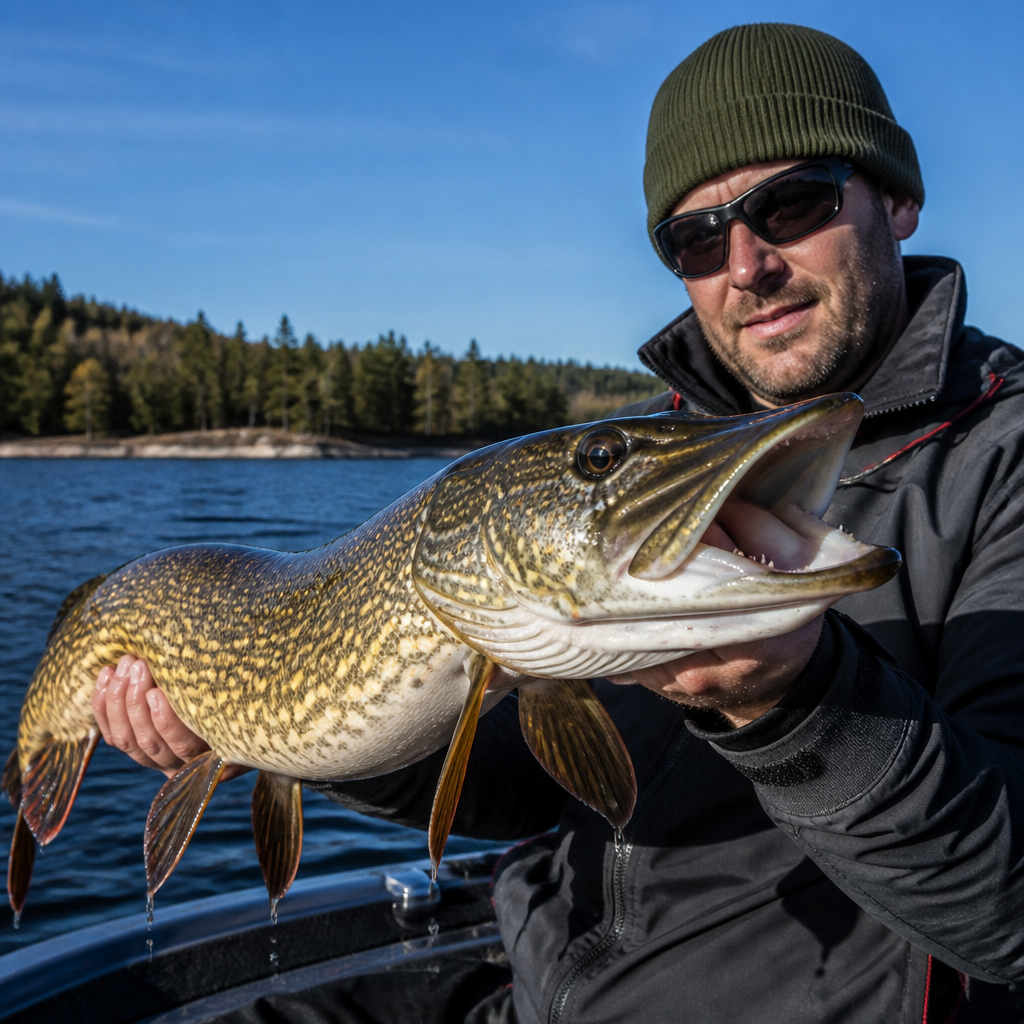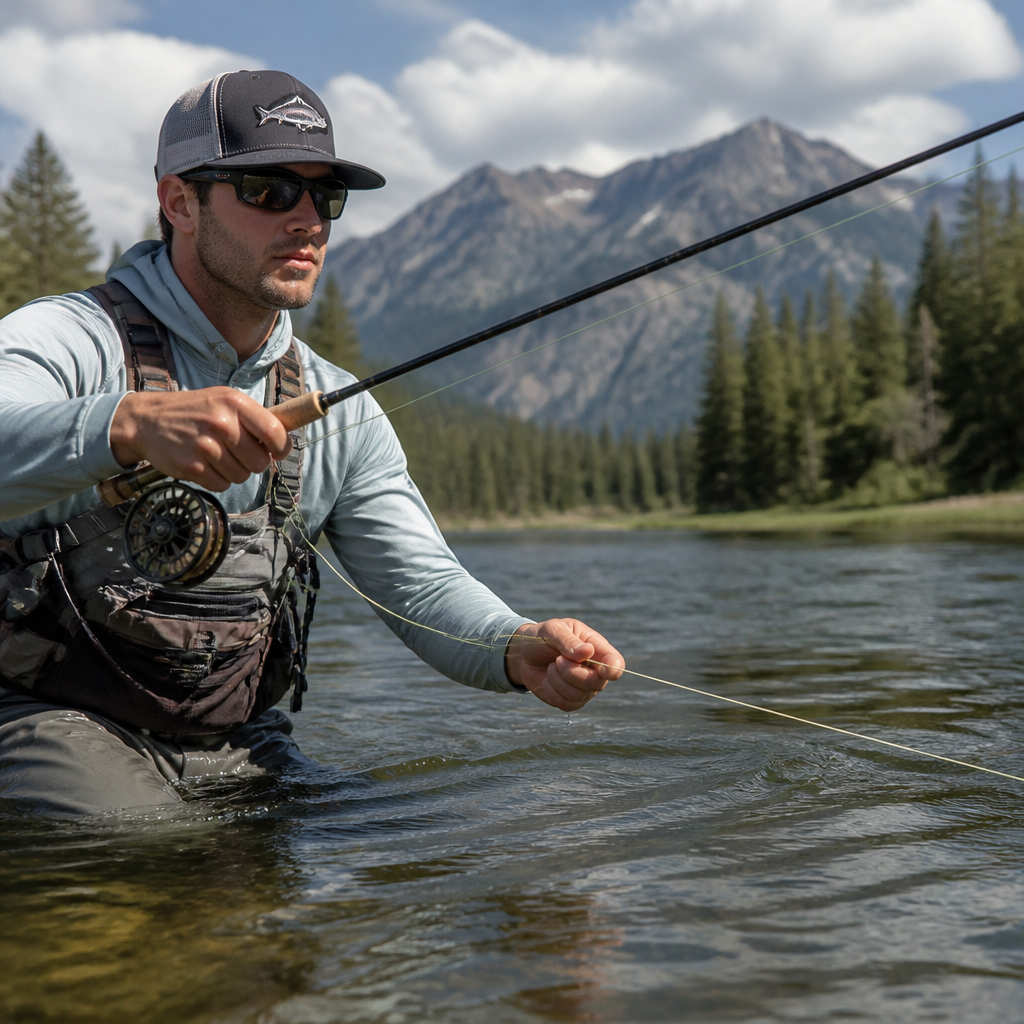
Streamer fishing with sink tips is one of the most efficient ways to cover water, control depth, and present large flies where predatory fish actually feed. In practical terms, a sink-tip line combines a floating running line with a denser front section, allowing the angler to cast, mend, swing, strip, and retrieve streamers at a targeted depth without committing to a full sinking line. For anglers focused on trout, bass, steelhead, salmon, and even pike, this setup matters because streamers imitate substantial prey such as sculpins, baitfish, leeches, and juvenile trout, triggering territorial and predatory responses that dry flies and small nymphs often cannot. After years of guiding and fishing rivers with mixed currents, ledge pools, and deep outside bends, I have found that sink tips solve a common problem: keeping the fly in the strike zone long enough to matter while still preserving line control. This hub article explains how streamer fishing works, when sink tips outperform other systems, how to choose gear, and how to fish streamer patterns with purpose across changing water types.
At its core, streamer fishing means presenting a larger subsurface fly designed to suggest movement, vulnerability, and caloric value. A sink tip is not simply about “getting deep.” It is about depth management, swing speed, and angle. If your line sinks too slowly, the fly tracks above fish; if it sinks too fast, it snags, stalls unnaturally, or becomes difficult to mend. Effective streamer fishing with sink tips is therefore a blend of line density, leader design, casting angle, retrieve cadence, and reading water. In trout systems, this is especially important during high water, cold water, low light, pre-spawn aggression, and periods when large fish are hunting rather than sipping. As a hub within techniques and strategies, this guide gives you the framework for streamer fishing decisions and points toward the key variables every advanced angler learns to control.
Why Sink Tips Change Streamer Presentation
A sink tip changes the geometry of the presentation. With a floating line, even a weighted streamer often rises during the swing because the line belly remains high in the water column. A full sinking line can get the fly down, but it is harder to pick up, recast, and adjust in varied current seams. A sink tip occupies the middle ground. The denser front section anchors the fly below the surface while the floating rear section allows mending and line management. The result is a more deliberate path through runs, buckets, shelves, and drop-offs.
This matters because predatory fish usually hold where current delivers food efficiently while conserving energy. Think of the soft edge beside a heavy seam, the darker trench under a cut bank, or the slow cushion behind a boulder. A sink tip helps the fly enter that lane and stay there. On many rivers, the difference between no follows and multiple grabs is less about fly pattern and more about whether the fly is moving one or two feet lower. I have repeatedly seen fish ignore a streamer on a floating line, then eat the same pattern immediately once a 7.5-foot or 10-foot tip was added and the presentation slowed into their holding depth.
Sink tips also improve contact. Because the front section is submerged, the fly line transmits the pull of the current more directly to the fly. That gives the angler better awareness of speed and tension. If the fly starts to plane upward, you can mend upstream, pause the strip, or change the casting angle on the next presentation. That feedback loop is central to consistent streamer fishing.
Choosing the Right Sink Tip System
The best sink-tip setup depends on target species, water depth, current speed, and fly size. For trout streamer fishing, the most common systems are integrated sink-tip lines and interchangeable-tip systems. Integrated lines have the sink section built into the fly line taper, which makes them smooth to cast and ideal for anglers who want simplicity. Interchangeable systems use loop-to-loop tips in different densities and lengths, letting you adapt quickly as conditions change. Brands such as Scientific Anglers, Rio, and Airflo all offer proven versions, with sink rates commonly measured in inches per second.
For most river trout situations, a 10-foot sink tip in the 3 to 6 inches-per-second range covers a broad range of uses. Lighter tips excel in moderate depth and allow easier mending; heavier tips shine in cold flows, deeper ledges, and high water. Steelhead and salmon anglers often fish longer and heavier tips, especially when swinging broad flies across bigger current. Bass and pike anglers in lakes or slow rivers may prefer integrated intermediate or sink-tip lines that maintain a level retrieve on baitfish patterns.
| Sink tip type | Best use | Typical sink rate | Main advantage |
|---|---|---|---|
| Intermediate tip | Shallow runs, lakes, slow current | 1.25 to 2 ips | Subtle depth control with easy pickup |
| Type 3 tip | General trout streamer fishing | 3 to 4 ips | Balanced sink and line control |
| Type 6 tip | Deep pools, fast current, cold water | 5 to 7 ips | Reaches fish holding near the bottom |
| Tungsten shooting tip | Big rivers, heavy flies, steelhead | 7+ ips | Fast penetration in strong current |
Line grain weight matters as much as sink rate. Overly light heads collapse under large articulated flies, while overly heavy systems can overload the rod and fatigue the caster. Match the line to the rod’s practical casting window, not just the number printed on the blank. Many modern streamer rods cast best with a slightly aggressive grain profile because bulky flies create air resistance. If you are throwing six-inch articulated patterns on a 6-weight, test several heads rather than assuming a standard trout taper will perform well.
Rod, Reel, Leader, and Fly Selection
A capable streamer outfit begins with the rod. For trout, a fast-action 6-weight is the most versatile choice because it turns over weighted streamers, handles sink tips, and protects tippet when a fish surges close. A 7-weight becomes useful when wind, large flies, or bigger rivers dominate the day. Reels should have a dependable drag, but line pickup is often more important than maximum stopping power because streamer eats can happen at the end of a swing when slack develops quickly. Large-arbor reels help recover line fast and reduce memory.
Leader design with sink tips is simpler than many anglers think. Long tapered leaders usually work against you because they separate the fly from the sinking section and reduce depth control. In most trout situations, I use a short, stout leader between 3 and 5 feet, often 0X to 3X depending on fly size and fish behavior. For toothy species, add wire or heavy fluorocarbon bite protection. Short leaders help the fly track with the tip, create a more direct connection, and improve the turnover of articulated patterns.
Streamer selection should reflect forage, water clarity, and the reaction you want. Sculpin patterns with broad heads excel near rocky bottoms; baitfish streamers with flash and slim profiles match shiners and dace; leech patterns remain deadly in lakes and slower tailouts. Articulated streamers create lifelike motion and can convert follows into committed eats, but they also cast with more air resistance and may require heavier tackle. Color choice is often situational. In clear water, olive, black, tan, and white are reliable anchors. In stained water, black, chartreuse, and combinations with contrast often improve visibility. The most important rule is profile first, color second, weight third. Fish detect shape and movement before they inspect fine details.
Core Presentations: Swing, Strip, Dead Drift, and Jig
The classic sink-tip presentation is the downstream or quartering swing. Cast across and slightly downstream, allow the tip to sink, mend as needed, and let the current carry the fly broadside through the holding water. This presentation excels for steelhead, salmon, aggressive trout, and fish holding near structure. The key is controlled tension. Too much tension makes the fly race and rise; too little produces no animation and poor connection at the strike. A brief hang-down at the end of the swing often triggers fish that tracked the fly from mid-current.
Stripping is more active and often more effective when fish want a fleeing baitfish. Quarter upstream or across, let the tip settle, then retrieve with varied strip lengths. Use short sharp strips for darting prey, long steady pulls for larger baitfish, and pauses to imitate injured movement. In cold water, slower strips with longer pauses usually outperform frantic retrieves. In summer, especially with smallmouth bass or aggressive post-run trout, speed can become the trigger.
Dead-drifting streamers sounds contradictory, but it is a productive tactic in high water and winter conditions. Cast upstream with a sink tip, mend to reduce drag, and allow a weighted streamer or jig-style fly to tumble naturally through deeper slots. Add subtle twitches as the line comes tight. This hybrid method blends nymphing depth control with streamer profile and can move fish that refuse a broadside swing. Similarly, jigging from a drift boat or while wading near vertical structure can be effective when fish are concentrated in buckets or along drop-offs. Lift the rod tip to animate the fly, then follow it back down under controlled slack.
Reading Water for Streamer Fishing Success
Streamer anglers improve fastest when they stop casting at “pretty water” and start targeting ambush structure. Predatory fish prefer places that concentrate prey and offer cover. On freestone rivers, prioritize outside bends, undercut banks, logjams, submerged boulders, confluences, plunge pools, and transitions between fast and slow current. On tailwaters, watch for ledge drops, weed edges, gravel shelves, and current softening below dam pulses. In lakes, focus on points, shoal edges, weed lines, and bait concentrations identified by visible activity or electronics.
Depth plus angle matters. A fish under a cut bank may only move a short distance laterally, so repeated casts from different angles often beat random fan casting. I commonly fish a lie with three passes: one shallower and faster, one at the fish’s eye level, and one deeper and slower. That sequence reveals whether the fish wants chase, intercept, or irritation. If I get a follow without a take, I change one variable only—often retrieve cadence or fly size—so the next cast gives me meaningful feedback.
Light conditions influence where fish position. Low light expands feeding lanes and makes banks, shallows, and mid-river shelves more productive. Bright sun can push trout tighter to wood, rock shadows, and depth changes. Rising water usually increases streamer opportunity because forage is displaced, visibility drops, and fish become more opportunistic. Falling, clear water often demands more precise depth and subtler fly movement.
Common Mistakes and How to Fix Them
The most common mistake in streamer fishing with sink tips is retrieving too soon. Anglers cast, make one mend, and strip before the tip and fly have reached fishing depth. Count the line down based on sink rate, current speed, and water depth. In six feet of medium current, a type 3 tip may need several seconds before the first meaningful strip. The second mistake is fishing only one angle. Depth and speed change dramatically with casting direction, so rotate between upstream quartering, straight across, and downstream quartering casts until fish show a preference.
Another frequent problem is using leaders that are too long or too light. That weakens turnover, reduces sink efficiency, and costs fish around structure. Oversized mends can also ruin presentations by dragging the tip off course. Mend with intent, not habit. Finally, many anglers strike upward like they are dry-fly fishing. With streamers, especially on the strip, a firm strip-set keeps pressure direct and buries the hook more consistently. Once the fish is connected, then raise the rod as needed to manage the fight.
Fly choice can become a distraction. Anglers change patterns every ten minutes instead of fixing depth or speed. In my experience, presentation variables outperform fly swaps unless the current pattern is obviously mismatched in size or profile. Put the fly where the fish can eat it, at a believable speed, and most proven streamers will produce.
Building a Repeatable Streamer Strategy
A repeatable system starts before the first cast. Assess water depth, current speed, clarity, and likely forage. Choose a sink tip that reaches the target zone without constantly hanging bottom. Pair it with a short leader, then select a streamer with the profile and weight that fit the water. Fish methodically by sectioning the run, changing angle before changing flies, and tracking what each response means. A chase without contact suggests speed or commitment issues; a bump may signal short strikes and justify a smaller trailer or shorter strips; a deep grab near structure confirms your sink rate is close to ideal.
Keep notes. Serious streamer anglers log flow level, water temperature, cloud cover, sink-tip density, fly size, and productive retrieves. Patterns emerge quickly. You may find that a particular river fishes best on moderate flows with a type 6 tip and black sculpin at first light, or that autumn browns follow white baitfish but eat olive on the pause. Those observations create consistency far faster than collecting more flies. As the hub for streamer fishing within techniques and strategies, this guide should help you build that decision-making process and connect it to specialized tactics such as bank pounding, articulated streamer retrieves, night fishing, and seasonal streamer approaches. Start with one river, one sink-tip system, and one confidence fly, then refine depth, angle, and speed until your presentations become deliberate rather than hopeful.
Streamer fishing with sink tips rewards anglers who think in three dimensions and fish with intent. The core lesson is simple: success comes from controlling depth, speed, and angle so the fly enters a predator’s lane naturally and stays there long enough to trigger a response. Choose a sink-tip system that matches the water, use short leaders that preserve connection, and apply the right presentation for the structure in front of you. When you combine those fundamentals with careful water reading and disciplined adjustments, streamer fishing becomes far more consistent than the old stereotype of blind casting big flies. Put this framework to work on your next outing, and you will fish streamers with more confidence, better control, and many more convincing eats.
Frequently Asked Questions
What is a sink-tip line, and why is it so effective for streamer fishing?
A sink-tip line is a fly line designed with two distinct sections: a floating running line and a denser sinking front portion. That combination gives anglers a very practical advantage when fishing streamers. Instead of dragging an entire full-sinking line through every cast, mend, and retrieve, you get the depth control of a sinking line at the business end while keeping much of the line easier to manage on the surface. In real-world streamer fishing, that means you can cover water efficiently, present larger flies in the strike zone longer, and still maintain better line control than you often would with a full sink setup.
The reason sink tips are so effective is simple: predatory fish usually do not feed on the surface when they are hunting baitfish, sculpins, leeches, or other larger forage. Trout, bass, steelhead, salmon, and pike often position near current seams, drop-offs, ledges, woody cover, undercut banks, or deeper buckets where food is pushed to them. A sink tip helps the fly get down to that level without forcing the angler to wait forever for the line to sink. It also allows you to cast across or slightly downstream, mend when needed, and swing or strip the fly through likely holding water at a more controlled depth.
Another major benefit is versatility. Sink tips perform well in rivers, tailwaters, lakes, and even stillwater edges where fish move along weed lines or structure. You can fish them with a broad range of streamer patterns, from lightly weighted baitfish imitations to bulky articulated flies. Because you can choose different sink rates and tip lengths, you can fine-tune the setup to match water speed, depth, and fly size. That makes sink-tip streamer fishing one of the most efficient and adaptable methods for anglers who want to search water quickly and consistently keep the fly where aggressive fish can actually intercept it.
How do I choose the right sink-tip length and sink rate for different water conditions?
Choosing the right sink-tip setup starts with understanding what you are trying to accomplish: reaching the right depth at the right speed while maintaining enough control to fish effectively. In general, shorter and lighter sink tips are easier to cast and ideal for shallower water, softer currents, and situations where fish are feeding just below the surface or along moderate-depth banks. Longer or faster-sinking tips are better for deeper runs, heavier flows, larger flies, and situations where fish are holding close to the bottom.
A useful rule of thumb is to match the sink rate and tip length to current speed, water depth, and fly profile. In relatively shallow runs or when fishing from a drift boat tight to the bank, a shorter sink tip can be perfect because it gets the fly down quickly enough without hanging up constantly. In deeper pools or faster water, a longer or denser tip gives the fly more time in the strike zone and helps prevent it from skating too high in the column. If you are fishing a heavily weighted articulated streamer, you may not need as aggressive a tip as you would with an unweighted pattern. Conversely, a buoyant deer-hair or synthetically bulky fly often needs a stronger sink tip to counteract lift and keep it tracking properly.
It is also important to think about presentation, not just depth. If the tip is too aggressive for the conditions, the fly may dredge, snag, or move unnaturally. If it is too light, the fly may never get down to fish holding near structure or bottom contours. Experienced anglers often carry multiple sink-tip options so they can adjust throughout the day as river levels, current lanes, light conditions, and fish behavior change. The most reliable approach is to begin with the depth you believe fish are using, make a few presentations, then adjust based on what the fly is doing. If you are ticking bottom occasionally, you are usually close. If you are hanging up every cast, lighten up. If you never touch structure and get no follows, you may need to go deeper.
What are the best casting and presentation techniques when fishing streamers with sink tips?
The best casting technique with a sink tip is usually a compact, controlled stroke rather than a long, airy presentation. Because the front of the line is denser, open-loop casting tends to work better than ultra-tight loops, especially with larger or articulated streamers. Many anglers make the mistake of overpowering the cast, but smooth acceleration and solid timing are far more important. Let the line straighten on the back cast, keep the casting arc slightly wider than you would with a dry-fly setup, and use water tension when possible to help load the rod efficiently. Roll casts, snap casts, and other waterborne anchors can be especially useful when repositioning a sink tip without false casting excessively.
Once the cast lands, presentation becomes everything. In rivers, a common and highly effective approach is to cast across or slightly downstream, allow the sink tip to settle briefly, then begin the swing, strip, or combination retrieve. If the fish are aggressive, a faster strip can trigger a reaction strike. If water temperatures are colder or fish seem less willing to chase, a slower swing with occasional short strips or pauses often produces better results. Mending can play a big role here. An upstream mend can buy your fly a little more time to sink before tension tightens the swing, while a downstream mend can speed the fly up and create a more fleeing baitfish look.
Depth control is closely tied to line management. Count the fly down after the cast, vary your casting angle, and change retrieve pace until you determine where the fish are responding. Keep the rod tip low enough to stay connected, but avoid stripping so fast that you pull the fly out of productive water too quickly. At the end of the swing, always fish the hang-down thoroughly. Many strikes happen as the fly rises, stalls, or changes direction below you. In lakes or slower pools, using longer strips interspersed with pauses can mimic wounded forage extremely well. The most productive anglers are constantly adjusting angle, sink time, retrieve cadence, and line speed until the fish tell them exactly what they want.
How should I set up my leader, tippet, and flies for sink-tip streamer fishing?
With sink-tip streamer fishing, simpler is usually better. Unlike dry-fly presentations where long, delicate leaders are essential, sink-tip systems generally perform best with shorter, more direct leaders that help the fly turn over cleanly and track at the intended depth. In many situations, a stout leader in the short-to-moderate range is ideal because it prevents the fly from hinging behind the sinking portion of the line and keeps the presentation more connected. If the leader is too long, it can actually work against the sink tip by allowing the fly to ride higher than intended, especially in current.
Tippet strength should match both the species and the fly size. Because streamers are often fished around heavy structure, current seams, rocks, logs, and aggressive fish, stronger tippet is usually an advantage rather than a liability. Heavier material turns over bulky flies better, resists abrasion, and gives you more control during the fight. For trout, many anglers fish stronger tippet than they would ever use with nymphs or dries because streamer strikes are generally reaction-based, not close inspections of tiny imitations. For bass, pike, steelhead, or salmon, stepping up even more is often necessary. If toothy fish are involved, bite protection may also be worth considering depending on local conditions and regulations.
Fly selection should reflect the forage base, water color, and fish mood. Articulated baitfish patterns, sculpins, leeches, and zonker-style streamers are all excellent candidates for sink-tip fishing. In off-color water, darker flies or patterns with added movement and contrast can stand out better. In clear water, more natural baitfish tones often shine. Weight matters as well. Unweighted or lightly weighted flies pair beautifully with sink tips because the line controls depth while the fly retains more natural motion. Heavily weighted streamers can still be effective, but they may require adjustments in sink-tip density, casting stroke, and snag management. The key is building a balanced system where the line, leader, and fly all work together to achieve the depth, action, and presentation you want.
What are the most common mistakes anglers make with sink tips, and how can they catch more fish?
One of the biggest mistakes anglers make is fishing too fast and too shallow. Streamer fishing often feels active and aggressive, so it is easy to start stripping immediately after the cast and unintentionally pull the fly above the fish. A sink tip only helps if you actually give it time to sink. In many situations, simply pausing a few seconds longer before beginning the retrieve can make a dramatic difference. Likewise, changing the casting angle or making an upstream mend can keep the fly in the strike zone much longer than a straight-across presentation with instant tension.
Another common problem is using the wrong line for the water. Anglers sometimes stick with one sink tip all day even when conditions clearly call for a change. If you are constantly snagging, the setup may be too aggressive. If your fly never seems to touch structure or draw interest from fish you know are present, it may be too light. The most consistent streamer anglers think in terms of system adjustments