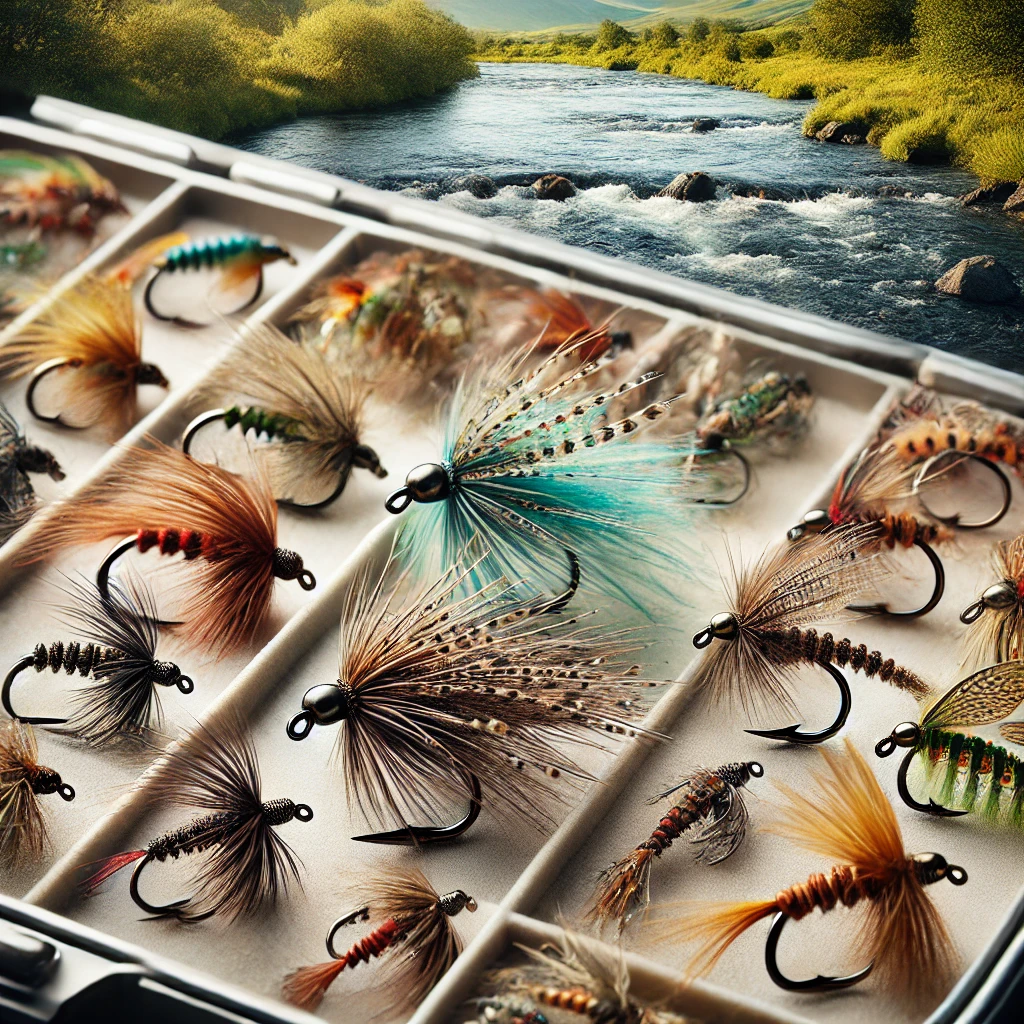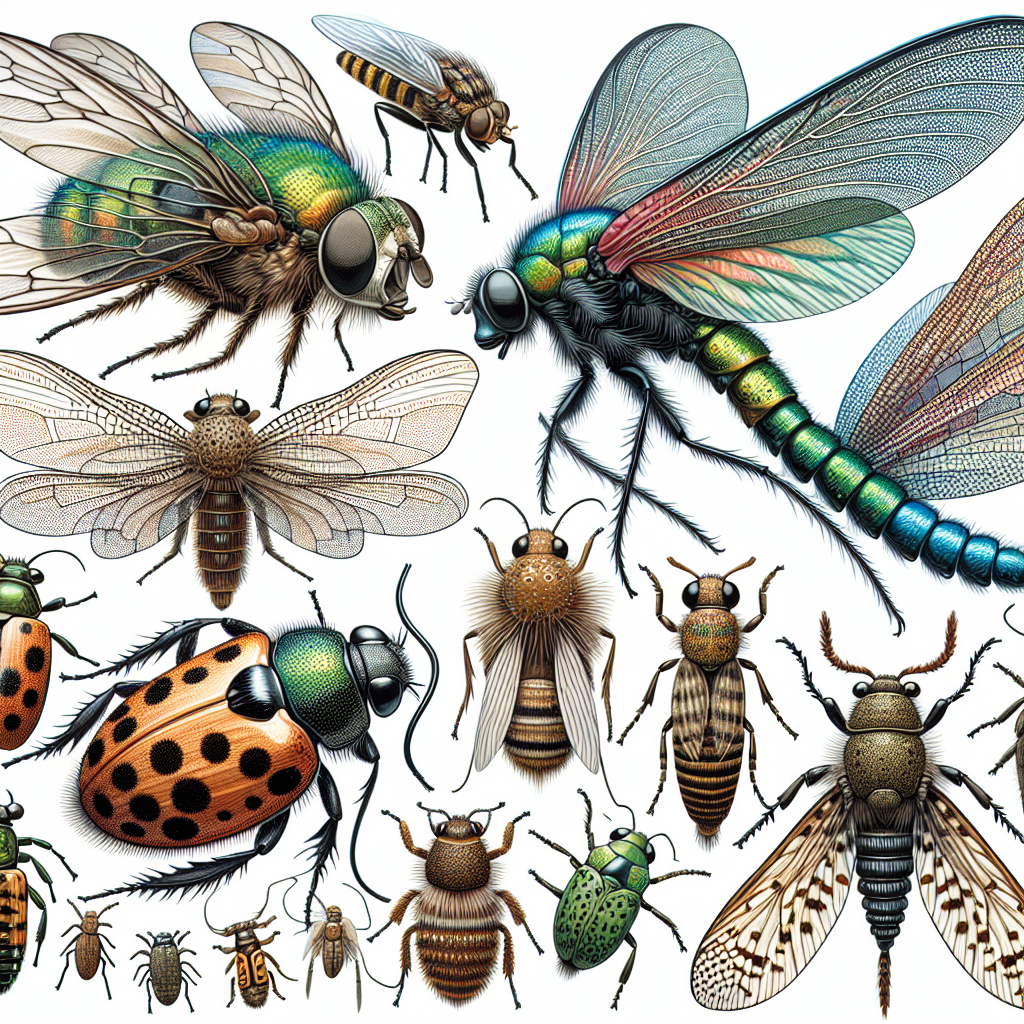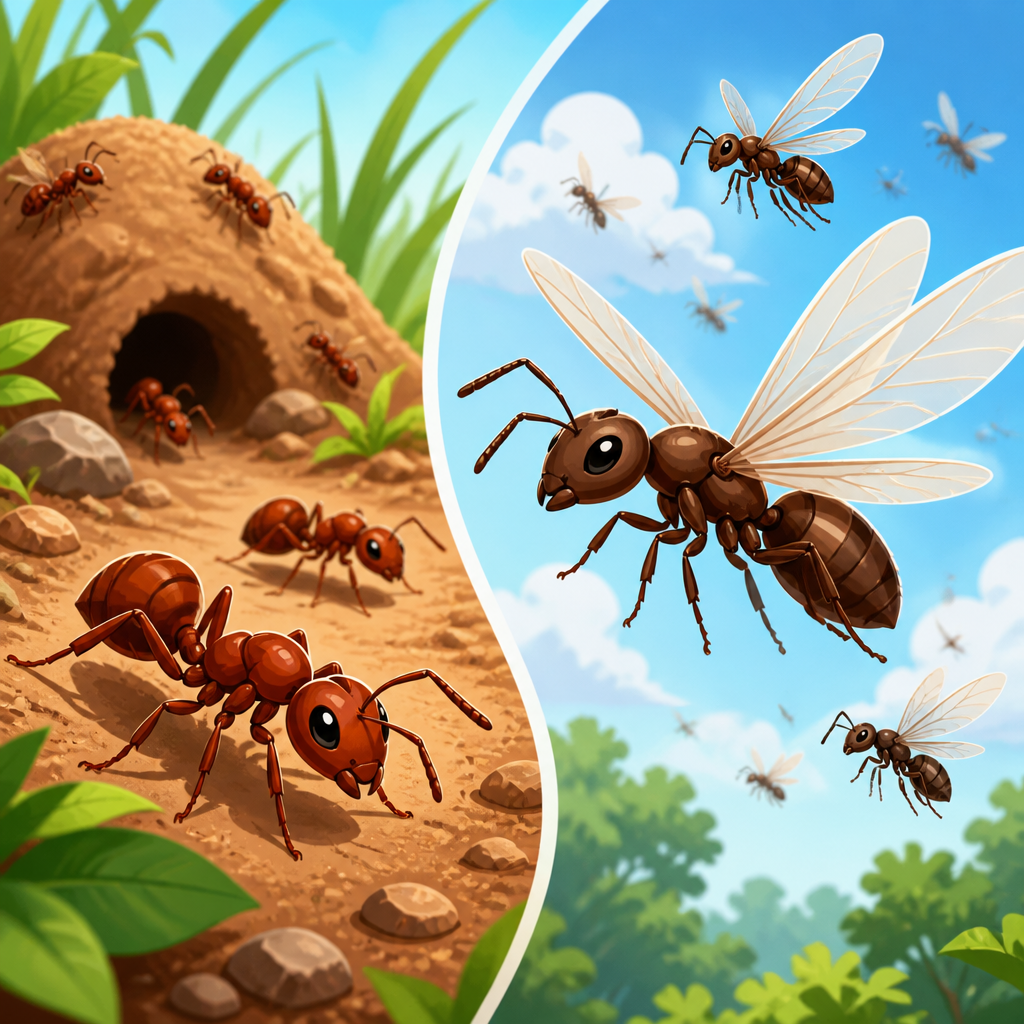
Ant and flying ant patterns occupy a small space in most fly boxes, yet they solve a remarkably broad set of problems on rivers, ponds, and stillwaters. In fly fishing, “ant patterns” usually mean wingless terrestrial imitations tied to suggest common ground ants that fall or get blown into the water, while “flying ant patterns” imitate the winged reproductive ants that appear during seasonal swarms. The wings matter because fish often key on profile before color, and a winged silhouette can trigger confident takes when trout, panfish, and carp ignore standard dries. I have seen ordinary summer evenings turn into selective feeding events where a size 18 black ant was refused repeatedly, then the same body with spent wings was eaten on the first drift. For anglers learning types of flies, ants provide a useful hub category because they connect dry flies, terrestrials, foam patterns, stillwater tactics, and hatch matching in one practical family.
This sub-pillar page covers the main ant and flying ant pattern types, when each excels, how to choose size and color, and how these flies fit into a complete understanding of fly categories. Ants matter for three reasons. First, they are available almost everywhere, from mountain streams to urban ponds. Second, they create highly concentrated feeding windows, especially after wind, rain, or warm humid weather. Third, they are simple enough for beginners to fish confidently but nuanced enough that experienced anglers can gain a real edge through silhouette, float level, and presentation. In practical terms, that means understanding not just what an ant fly is, but which style you need: fur ant, foam ant, parachute ant, flying ant with upright wings, flying ant with spent wings, or a low-riding stillwater version. Knowing the difference helps you cover the broader topic of types of flies with more precision, because ants sit at the intersection of imitation, visibility, and opportunism.
Where ant and flying ant patterns fit within types of flies
Among the major types of flies, ant patterns belong primarily to the terrestrial dry fly category. They imitate land insects rather than aquatic insects such as mayflies, caddisflies, midges, or stoneflies. That distinction affects both strategy and expectation. Aquatic insects usually emerge according to well-known life-cycle stages, but ants enter the water irregularly through accidents, wind, colony dispersal, or mating flights. As a result, ant patterns are less about matching a hatch stage and more about matching a food event. In my own boxes, I file them alongside beetles, hoppers, crickets, and inchworms, but I separate flying ants from standard ants because they often fish like a specific hatch rather than a generic searching pattern.
As a hub topic, “types of flies” should include dries, nymphs, emergers, wet flies, streamers, terrestrials, and specialty patterns. Ants touch several of those. Most are dry flies, but drowned ant imitations can be effective as soft hackles or lightly weighted wets after heavy rain. Foam ants behave like buoyant attractors in pocket water. Sparse flying ants tied flush in the film behave more like emergers in smooth glides and lake slicks. That overlap is important because many anglers think in rigid bins, yet fish do not. If trout are feeding in the meniscus on winged ants, the best “dry fly” may need to sit half sunken. If bluegill are slashing airborne swarmers near reed edges, a tiny black flying ant may outperform every popper in the box. Understanding ants as a flexible fly type makes the whole fly-selection system more useful.
Standard ant patterns: the dependable terrestrial
The classic ant pattern is wingless and segmented, with two or three rounded body sections suggesting the narrow waist and bulbous abdomen of a real ant. Traditional versions use dubbed fur, peacock herl, knotted pheasant tail, or chenille separated by thread dams. Modern versions often use foam cylinders or layered sheets for durability and flotation. Sizes 12 through 20 cover most fishing situations, with black, cinnamon, red, and occasionally flying-ant brown as the most consistent colors. If an angler asks what ant pattern belongs in every box, my answer is simple: a black foam ant in sizes 14, 16, and 18, plus a cinnamon option for bright summer afternoons.
Why are standard ants so effective? Trout, panfish, bass, and carp recognize them as calorie-efficient food that cannot escape once trapped on the surface. Unlike many mayflies, ants do not need perfect drift speed or exact stage matching to look edible. The fish often only need a compact profile and a believable footprint. That is why fur ants can shine on flat water: they land softly and sit low. Foam ants excel in broken currents because they remain visible and buoyant. On small freestone streams, I often prospect under overhanging brush with a size 14 foam ant and treat it almost like a beetle. On spring creeks, where fish inspect everything, a sparse fur ant or parachute ant usually gets more honest takes than a high-floating block of foam.
Flying ant patterns: when wings change the feeding response
Flying ants are not simply standard ants with decorative wings. They imitate alates, the reproductive males and queens released during mating flights. These insects usually appear in warm, humid conditions and can gather in large numbers over fields, trees, lakes, and streams. When they hit the water, fish may become strikingly selective. The body often looks slimmer than a ground ant, and the wings create a wider, flatter profile that can resemble tiny spent mayflies from below. That shape matters. During one late-summer evening on a reservoir, trout ignored black buzzers and ordinary ants for nearly an hour. A size 18 spent-wing flying ant produced fish immediately because it matched the cross-shaped silhouette trapped in the film.
The best flying ant patterns account for how real insects sit on the water. Freshly fallen ants may show upright or slightly splayed wings, but many quickly become flush-floating or spent. CDC, poly yarn, antron, organza, and hackle-tip wings are common materials. The body should remain ant-like, but excessive bulk is a mistake. If fish are keyed on winged ants, visible wing area is often more important than exact leg detail. Color still matters, especially black and cinnamon, yet profile leads. This is why anglers should carry both visible “locator” versions for rougher water and sparse stillwater versions for selective fish. When the wings matter, they matter enough to turn refusals into confident eats.
Key pattern types and best uses
Ant patterns are most useful when organized by fishing situation rather than by recipe alone. The table below summarizes the core styles that belong in a complete subtopic hub for types of flies.
| Pattern type | Best water | Key feature | Typical sizes | Best use case |
|---|---|---|---|---|
| Fur ant | Spring creeks, flats, slow pools | Low-riding, subtle silhouette | 16–20 | Selective trout inspecting natural drift |
| Foam ant | Freestones, pocket water, banks | High flotation, visibility, durability | 12–18 | Prospecting and rough current |
| Parachute ant | Mixed currents, riffle edges | Visible post with low body | 14–18 | When you need both drift realism and tracking |
| Flying ant upright wing | Rivers, ponds during active falls | Winged profile above film | 16–20 | Fresh swarmers landing on water |
| Flying ant spent wing | Lakes, slicks, tailouts | Flush silhouette trapped in film | 16–22 | Selective fish during concentrated swarms |
| Drowned ant | Rivers after rain or wind | Subsurface drift, sparse movement | 14–20 | Fish feeding just under the surface |
This classification helps anglers connect ants to the larger universe of fly types. Fur ants overlap with delicate dry flies. Foam ants overlap with attractor terrestrials. Spent-wing flying ants overlap with emergers and cripples because they live in the film. Drowned ants overlap with wet flies. If you build your box around these functional categories, you can cover nearly every ant-related feeding event without carrying dozens of near-duplicates.
How to choose size, color, and silhouette
Size is usually the first variable to solve. Real ants vary widely, but fish often feed on surprisingly small individuals, especially during swarms. On rivers, sizes 14 to 18 handle most standard ant fishing, while flying ants commonly run 16 to 20, with 22 useful on calm stillwaters. If rises are subtle and refusals frequent, go smaller before changing color. Trout can reject a size 14 that is only two hook sizes larger than the naturals, even when the pattern shape is otherwise correct.
Color comes next. Black is the universal starting point because many common ants appear black on the water even when they are dark brown. Cinnamon is the second essential shade and can be outstanding in late summer. Red works best as a trigger color in freestone water or where local ants genuinely show chestnut tones, but it is less universal. On bright days, a dark body with a light wing often improves visibility to both fish and angler. Silhouette, however, outranks both size and color during heavy feeding. If naturals have obvious wings and your fly does not, you are offering the wrong signal. Likewise, if fish are eating flush-floating insects and your foam ant stands high on hackle points, drag-free drift alone may not save it.
Presentation: the difference between carrying ants and catching on them
Ants reward accurate presentation more than fancy tying. Standard wingless ants are excellent searching flies along grassy banks, cutbanks, under willows, beside logjams, and below overhanging alders. The best drifts usually begin with a cast close to structure, followed by a drag-free float of only a few feet. Fish expect terrestrials near source cover. Randomly casting an ant into featureless midstream water can work, but the percentages drop. I often fish a foam ant as the lead fly in a dry-dropper rig, especially on summer freestones, because it doubles as an indicator and a legitimate food item.
Flying ants call for more observation. Look for dimples rather than splashy rises, clusters of tiny dark insects on the surface, birds feeding low, or fish suddenly rising in slick water where no mayflies are visible. During a swarm, the first mistake anglers make is fishing too fast. Real flying ants are trapped, not skating. Use longer leaders, finer tippet, and a reach cast or slack-line presentation to preserve a dead drift. On lakes, let the pattern sit. Trout often sip spent-wing ants after several seconds of stillness. If fish are bulging just under the film, switch to a drowned ant or grease only the leader butt so the fly hangs in the meniscus. The common thread across all types of flies is this: imitation gets attention, but presentation closes the sale.
Tying and buying patterns that actually fish well
The best ant patterns are simple, durable, and proportionate. When tying your own, avoid oversized hackle and thick thread heads that destroy the ant outline. A true ant silhouette needs distinct segmentation and a narrow waist. For foam ants, 2 mm foam is enough for most trout sizes; thicker foam can make small hooks ride unnaturally high. For flying ants, sparse wings are better than dense wings, particularly on sizes 18 and smaller. CDC gives lifelike movement but needs drying and powder treatment. Poly yarn and organza are tougher and easier for guides or frequent anglers who need repeatable float characteristics.
If you buy rather than tie, inspect three things before filling a box. First, does the fly land upright consistently? Some cheap foam ants twist because the body and hook shank are mismatched. Second, does the wing on a flying ant remain proportional after a fish or two? Third, is the hook wire appropriate for the intended water? Fine wire helps tiny ants sit low, but overly light hooks can open on hard-fighting carp or large stillwater trout. Reliable commercial patterns include simple foam ants, parachute ants, and spent flying ant designs from proven tying lines, but even the best catalog fly should be tested in a glass of water or stream margin before a hatch window matters.
Building an ant-focused fly box within a complete fly program
A practical ant selection does not require dozens of patterns. It requires coverage. For small streams, carry black foam ants in 14 and 16, cinnamon foam ants in 14 and 16, and a few fur ants in 18 for flat pockets. For technical rivers, add parachute ants in 16 and 18, plus sparse spent flying ants in 18 and 20. For lakes and ponds, emphasize flying ants and drowned ants, because many fish feed in or just under the film during swarms. This kind of organization turns a subtopic hub into action: you can connect ant patterns to your dry-fly row, your terrestrial row, and your stillwater row without duplication.
The larger lesson for anyone studying types of flies is that categories matter most when they improve decisions on the water. Ant versus flying ant is not a minor distinction. It is often the difference between a generic terrestrial and a precise answer to a short-lived feeding event. Carry both. Fish standard ants whenever bankside cover, wind, or summer prospecting suggests a terrestrial chance. Switch to flying ants whenever you see winged naturals, concentrated rises in calm water, or unexplained refusals to ordinary ants. If you build your fly box around function, not clutter, these patterns will earn permanent space. Review your current terrestrial section, add the missing ant styles, and you will be ready when the wings matter most.
Frequently Asked Questions
What is the main difference between an ant pattern and a flying ant pattern in fly fishing?
The core difference is silhouette and intent. A standard ant pattern imitates a wingless ground ant that has accidentally fallen, blown, or crawled onto the water. These flies are usually compact, segmented, and simple in profile because they are meant to suggest the everyday terrestrial ants trout, panfish, and other fish see regularly along grassy banks, brushy shorelines, and overhanging trees. A flying ant pattern, by contrast, imitates the reproductive stage of the ant life cycle, when winged males and queens swarm seasonally. That extra pair of wings changes the shape of the insect dramatically, and in many situations that altered outline is exactly what fish are targeting.
In practical fishing terms, that means the two patterns solve different feeding situations. A regular ant is often a searching terrestrial pattern. It works when fish are opportunistically eating small land insects, especially during warm months when ants are common. A flying ant, however, becomes especially important during swarm events, when large numbers of winged ants end up on the water at once and fish lock onto that specific profile. During those moments, the wings are not a minor detail. They can be the trigger that separates refusals from confident takes.
It also helps to think in terms of selectivity. Fish often show broad acceptance toward generic ant patterns because ants are a familiar, vulnerable food source. But during a flying ant fall, they may become very shape-conscious. Even if body size and color are close, a wingless fly can look wrong if the naturals all show that wider, flatter, winged footprint. That is why experienced anglers usually carry both styles, even though neither category takes up much room in a fly box.
When do the wings really matter enough that I should switch to a flying ant pattern?
The wings matter most when fish are feeding selectively on actual winged ants, which often happens during seasonal swarms. These events usually occur in warm, humid weather and can be associated with late summer or early fall in many regions, though timing varies by species and local conditions. You may notice flying ants in the air, on your car, on streamside vegetation, or collecting in eddies and foam lines. If you start seeing small insects with a narrow ant-like body but a wider profile on the water, that is a strong sign a flying ant pattern should come out immediately.
Fish behavior is another clue. If trout are rising steadily but refusing your usual dry flies, or if they seem to be taking tiny insects just under or flush in the film, profile often becomes more important than color. During a flying ant event, trout may ignore otherwise reliable attractors, standard ants, and even matching mayfly patterns because they are locked onto a very specific shape. The wings create a broader, more delicate look that fish can identify quickly from below. In that situation, switching from a wingless ant to a winged version can completely change the day.
Outside of obvious swarms, the wings can still matter during subtle terrestrial falls. A few isolated flying ants blown onto a pond or river can be enough to create focused feeding, especially on calm water where fish inspect food carefully. Stillwaters, spring creeks, and slick tailouts are classic places where a winged silhouette can outperform a generic ant. As a rule, if fish are feeding softly, inspecting the fly, or refusing at the last second, it is worth trying a flying ant even if you do not see dozens of naturals. In highly visual feeding situations, that extra detail is often not decoration; it is the feature that makes the imitation believable.
How should I fish ant patterns versus flying ant patterns on rivers, ponds, and stillwaters?
Ant patterns are generally at their best when fished as natural terrestrials: close to banks, under overhanging vegetation, beside cutbanks, along grassy edges, and near places where wind or brush can knock insects into the water. On rivers, a dead drift is usually the starting point. Cast slightly upstream or up-and-across, give the fly room to float naturally, and pay attention to seams, undercut edges, and softer lanes near structure. On ponds and stillwaters, ant patterns work well along weed edges, shaded banks, timber, and any shoreline receiving a breeze that pushes land insects onto the surface.
Flying ant patterns can be fished the same way, but they often shine when presentation is especially delicate and film-oriented. During a flying ant fall, fish may feed just beneath the surface or take insects trapped in the meniscus. That means long leaders, fine tippet, and drag-free drifts become more important. On rivers, target foam lines, eddies, slow glides, and gentle current tongues where spent insects collect. On ponds and stillwaters, look for slicks, wind lanes, and calm coves where winged ants accumulate. If rises are subtle, avoid skating the fly unless you are intentionally testing fish response; most of the time a motionless or barely moving presentation is best.
One overlooked tactic is to fish both patterns intentionally rather than treating them as interchangeable. If fish are feeding generally, start with a standard ant because it is durable, visible enough, and broadly suggestive. If the fish refuse, slash short, or rise without eating, switch to a flying ant with a flatter footprint and more translucent wing impression. On the other hand, if you begin during an obvious swarm and the feeding fades, downsizing or moving back to a wingless ant can help when fish transition from selective feeding to opportunistic feeding. In short, ant patterns are excellent prospecting terrestrials, while flying ant patterns are often the precision tool when fish key on the seasonal winged form.
What sizes, colors, and design features are most important in effective ant and flying ant patterns?
Size is usually more important than many anglers think, and profile often matters more than exact color. Most productive ant patterns fall into the small-to-medium range, commonly around sizes 12 through 20 depending on local insects and water type. On freestone streams with mixed terrestrial inputs, slightly larger patterns can work well as searching flies. On spring creeks, smooth glides, and technical stillwaters, smaller sizes are often necessary. With flying ants, matching the general body size and the apparent spread of the wings is especially important because fish often recognize that wider silhouette immediately.
In terms of color, black is the universal starting point. It is the most common and most reliable ant color in many fisheries, and it creates a strong silhouette from below. Cinnamon, red, brown, and combinations such as black-and-red also deserve space in the box because some fish clearly respond better to those shades under certain light or hatch conditions. That said, anglers frequently overemphasize color and underestimate the role of contrast, segmentation, and how low the fly sits in the film. A black ant that lands naturally often outfishes a perfectly colored fly that sits unnaturally high or drags.
For design, a standard ant should show obvious body segmentation and a compact, convincing shape. It can be tied sparse or buoyant depending on whether you want it to ride high or sit low. A flying ant should preserve the ant’s distinct body while adding a realistic suggestion of wings without becoming too bulky. The best patterns usually hint at the wings rather than overbuilding them. Sparse, translucent wing materials often work better than oversized, opaque ones because they create the right profile without ruining floatation or making the fly spin in the cast. If you want a practical box, carry a handful of simple black and cinnamon ants, then a few dedicated flying ants in similar sizes for periods when fish become profile-selective.
How can I tell on the water whether fish are eating ants, flying ants, or something else entirely?
Start by looking at rise form, surface clues, and where the food is collecting. Fish feeding on ants often rise in a steady but not always dramatic way, especially along banks, under trees, or anywhere terrestrials naturally fall in. If the takes are concentrated near structure or occur after wind gusts, a standard ant is a strong candidate. Fish feeding on flying ants may show up in more open slicks, foam lines, eddies, and broad collecting lanes where delicate surface insects gather. Their rises can be subtle, with noses barely breaking the film, because winged ants often sit low and vulnerable on the surface.
Visual inspection helps a lot. Before changing flies repeatedly, take a minute to watch the water closely. Look for trapped insects in back eddies, along scum lines, or on your landing net. Ground ants usually appear compact and wingless. Flying ants show the same pinched waist and segmented body but with visible wings that make them appear wider and more delicate. If you can catch one, compare body size and overall shape rather than obsessing over exact entomological detail. For practical fishing, the question is simple: does the insect present as a plain ant or a winged ant from the fish’s point of view?
Also pay attention to refusals. If fish are rising but repeatedly rejecting common dries, you may be dealing with a highly specific food form such as flying ants. Conversely, if fish are taking a range of surface food and your ant gets interest near likely bankside habitat, they are probably feeding opportunistically and a standard ant is enough. The key