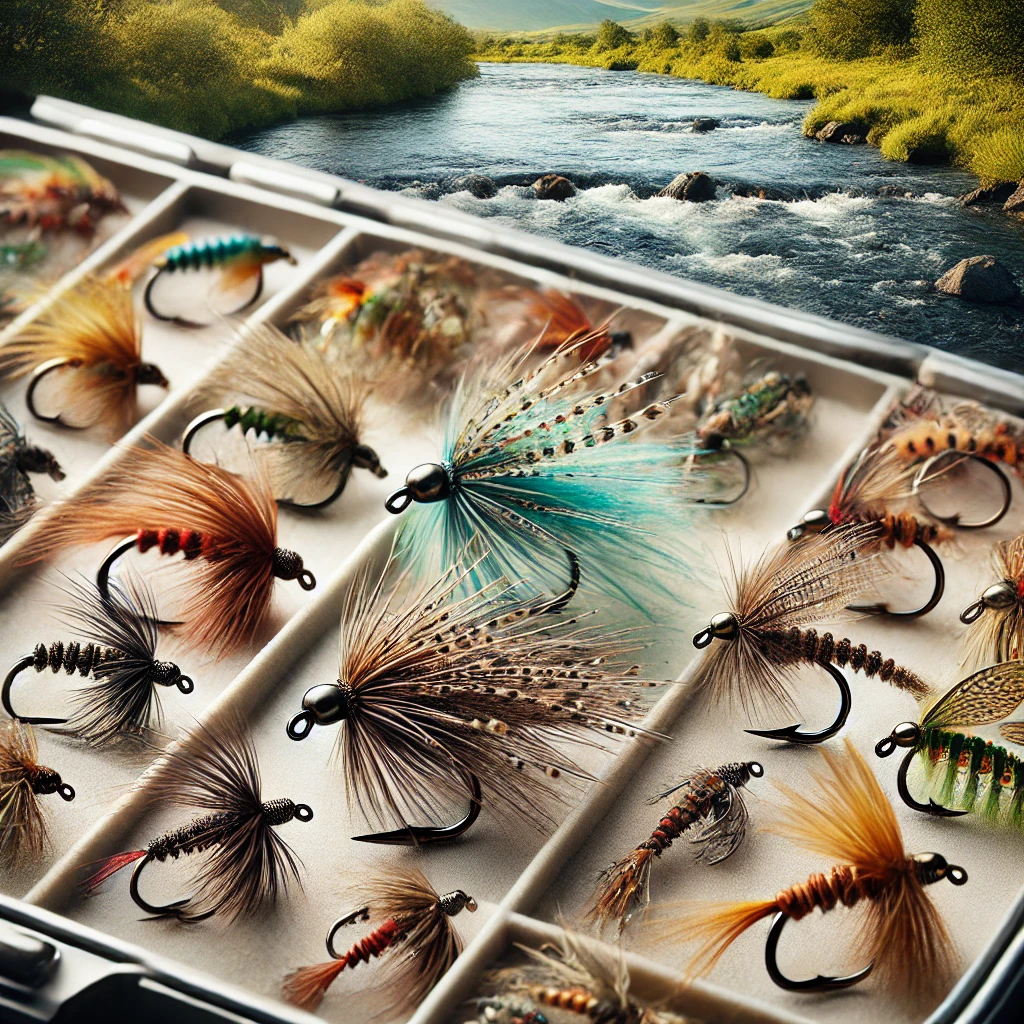
Fly fishing enthusiasts constantly search for the perfect combination of fly patterns and techniques to catch their target species. One category of fly patterns that has proven to be incredibly effective is attractor flies. These flies aren’t designed to imitate any specific insect or natural food source. Instead, they are crafted to provoke aggressive strikes from fish through their unique colors, shapes, and movements. This article provides an in-depth look into attractor flies, discussing different types, tying methods, and how to use them effectively.
Introduction to Attractor Flies
Attractor flies distinguish themselves from other fly patterns by their purpose and design. Unlike imitative flies that replicate specific insects, attractors aim to grab the attention of fish with their flashy colors and exaggerated features. These flies are particularly useful when fishing waters with diverse food sources or during off-peak feeding times when fish aren’t keyed into a specific hatch.
One reason attractor flies are so effective is that they capitalize on a fish’s instinctual behavior. Fish often strike not out of hunger but out of territoriality, curiosity, or aggression. An attractor fly’s unusual appearance and movement can provoke these reactions, leading to a successful catch. These flies are versatile and can be used in various fishing conditions, making them a staple in any fly angler’s arsenal.
Another aspect that makes attractor flies essential is their adaptability to different fishing scenarios. Whether you are fishing in rivers, lakes, or streams, attractor flies can be tailored to the specific conditions and target species. The adaptability also extends to the seasons; attractor flies can be just as effective in the spring and summer as they are during the slower fishing months of fall and winter.
Understanding the different types of attractor flies and learning how to tie them proficiently can significantly enhance your fly fishing experience. From the famous Royal Wulff to the versatile Humpy, this article will delve into various attractor fly patterns and provide insights into their applications and tying techniques.
Classic Attractor Fly Patterns
Several classic attractor fly patterns have stood the test of time due to their proven effectiveness. One such fly is the Royal Wulff. Initially developed by fly fishing legend Lee Wulff, this fly uses vibrant colors and a distinctive, bushy shape to attract fish. The Royal Wulff combines peacock herl with red floss and white calf-tail wings, creating a fly that is highly visible even in turbulent waters. This makes it an excellent choice for fast-moving rivers and streams.
Another renowned pattern is the Humpy. Its buoyant nature and high visibility make it an ideal choice for a dry fly. The Humpy uses a combination of elk hair and hackle feathers to create a bulky, floating body. This allows it to stay on top of the water and maintain its shape, even after repeated casts. The Humpy is effective in various situations, including rough waters and low-light conditions.
The Stimulator is another popular attractor fly pattern, especially effective for drawing attention during stonefly hatches. This fly is characterized by its long, bushy body and bright colors. The Stimulator can be tied in various color combinations to match the local fishing conditions. It’s especially effective when drifted along the banks or through riffles where stoneflies are prevalent.
The Trude is another versatile attractor fly, known for its efficient design and high visibility. It features a downwing style that mimics grasshoppers and other terrestrial insects. By using materials like deer hair and peacock herl, the Trude offers a unique silhouette that grabs the attention of fish. It’s particularly effective during summer months when larger insects are more common.
Each of these classic attractor fly patterns has a unique design and specific use case. Learning to tie them correctly requires practice, but the results can be highly rewarding. Next, we’ll move on to more specialized attractor fly patterns that have gained popularity in recent years.
Specialized Attractor Fly Patterns
In addition to the classic attractor flies, several specialized patterns have emerged, each designed for specific conditions or target species. One such fly is the Chubby Chernobyl. This fly is particularly effective in fast water due to its buoyant foam body and rubber legs. Its vibrant colors and large profile make it a go-to choice for fishing during high water levels when other flies might struggle to stay afloat.
The Frenchie is another specialized attractor fly that has gained popularity, particularly among competitive anglers. This nymph pattern uses a flashy hot spot, typically made of brightly colored thread or tinsel, to catch the eye of fish. It’s highly effective in clear waters where fish can be more selective. The Frenchie’s slim profile and bead head allow it to sink quickly, making it excellent for nymphing techniques.
The Rainbow Warrior is another innovative attractor nymph. Developed by Lance Egan, this fly uses iridescent materials to create a shimmering effect underwater. The Rainbow Warrior is particularly effective when fish are feeding on small, emerging insects. Its flashiness and compact design make it a versatile option for various water conditions.
For anglers targeting saltwater species, the Crazy Charlie is a must-have attractor fly. Originally designed for bonefish, this fly’s bead chain eyes and flashy body materials create an enticing movement and glitter underwater. It’s highly effective in shallow flats and can be tied in various color combinations to match the local baitfish.
The Czech Nymph is another specialized pattern, particularly effective in European nymphing techniques. This fly features a weighted body and segmented design, allowing it to mimic aquatic larvae effectively. The Czech Nymph is fished close to the bottom and is particularly useful in fast, deep waters where traditional dry flies might not reach.
Specialized attractor flies offer unique advantages in specific fishing conditions. By incorporating these patterns into your fly box, you can increase your chances of success, regardless of the environment. Next, we’ll explore the essential materials and tools needed for tying these attractor flies.

Materials and Tools for Tying Attractor Flies
Tying attractor flies requires a specific set of materials and tools to achieve the desired effect. The choice of materials can greatly influence the fly’s visibility, buoyancy, and durability. Here’s a comprehensive list of essential materials and tools:
Materials
- Hooks: Choose high-quality hooks that match the size and type of fly you are tying. Dry fly hooks have a lighter wire, while nymph hooks are usually heavier and more robust.
- Thread: Use strong, thin thread to tie materials securely to the hook. Colors can vary depending on the fly pattern, but having a range of colors can be beneficial.
- Hackle: These feathers are used for creating movement and adding buoyancy to dry flies. Rooster hackle is commonly used for its stiffness and durability.
- Foam: Essential for tying buoyant attractor flies like the Chubby Chernobyl. Foam comes in various colors and thicknesses to match different patterns.
- Peacock Herl: This versatile material adds iridescence and texture to fly bodies. It’s commonly used in patterns like the Royal Wulff and Trude.
- Deer or Elk Hair: These hairs provide buoyancy and a lifelike silhouette. They’re crucial for patterns like the Humpy and Stimulator.
- Beads: Used for adding weight and a hot spot to nymph patterns, beads come in various sizes and materials, including brass and tungsten.
- Rubber Legs: These add movement and attract fish through their lifelike wiggle. They’re commonly used in patterns like the Chubby Chernobyl.
- Tinsel and Flash: These materials add sparkle and visibility to attractor flies. They’re essential for patterns like the Rainbow Warrior.
Tools
- Vise: A good-quality vise is crucial for holding the hook securely while you tie. Look for one that offers adjustable tension and rotation.
- Bobbin: This tool holds the thread spool and allows for precise wrapping. A bobbin with a ceramic tube is less prone to fraying the thread.
- Hackle Pliers: These are used to grasp and wrap hackle feathers around the hook. Look for pliers with a strong grip and smooth operation.
- Scissors: Sharp, fine-point scissors are essential for cutting materials cleanly. Invest in a pair specifically designed for fly tying.
- Bodkin: A needle-like tool used for applying head cement and separating fibers. It’s essential for finishing flies neatly.
- Whip Finisher: This tool helps in making secure knots to finish off the fly. While it takes some practice to master, it ensures a durable finish.
- Hair Stacker: This tool aligns hair fibers uniformly, making it easier to tie patterns that require a clean, even wing or tail.
Having the right materials and tools is half the battle. In the next section, we’ll focus on the step-by-step process of tying some of the most effective attractor flies.
Step-by-Step Guide to Tying Attractor Flies
Tying attractor flies can seem daunting at first, but with practice and attention to detail, it becomes a rewarding part of the fly fishing experience. Below, we’ll outline the steps for tying a Royal Wulff, one of the most effective and classic attractor patterns:
Royal Wulff
- Attach the hook to the vise: Secure a dry fly hook in the vise. Ensure it’s firmly in place to avoid any movement while you tie.
- Base layer: Start the thread at the eye and wrap a base layer down to the bend of the hook.
- Tail: Tie in a small bunch of deer hair or calf tail fibers for the tail. Make sure they are even and extend about the length of the hook shank.
- Body: Wrap peacock herl to create the rear section of the body, followed by red floss for the middle section, and finish with more peacock herl for the front section. Each wrap should be neat and secure.
- Wings: Tie in white calf-tail wings at the front of the hook. They should stand upright and split, resembling the wings of a mayfly.
- Hackle: Add two hackle feathers (one brown and one grizzly) and wrap them around the hook shank just behind the wings. This will create a bushy, floating profile.
- Finish: Make a few final wraps of thread to secure all the materials, then use a whip finisher to tie off the thread. Apply a small drop of head cement to the knot for added durability.
Other flies such as the Humpy or Stimulator follow a similar structure, with variations in materials and techniques specific to each pattern. For instance, the Humpy’s body involves stacking and trimming deer hair, while the Stimulator requires careful layering of dubbing and hackle.
Mastering these steps will give you the confidence to create a range of attractor flies that can be adapted to different fishing conditions. In our next section, we’ll discuss tips and tricks for using attractor flies to maximize your catch rates.
Tips for Effectively Using Attractor Flies
Once you have a selection of attractor flies in your arsenal, understanding how to use them effectively is the next critical step. Here are some tips and tricks to help you get the most out of your attractor fly patterns:
1. Match the Hatch—But Not Always: While attractor flies don’t imitate specific insects, it’s still useful to be aware of the local hatches. In waters with a high density of certain insects, using an attractor fly that vaguely resembles these can be very effective.
2. Vary Your Retrieve: Fish can react differently to the same fly based on how it moves. Experiment with different retrieval speeds and strip lengths. Sometimes a fast, erratic strip triggers a strike, while other times a slow, steady retrieve might be more effective.
3. Use Fluorocarbon Leaders: Fluorocarbon leaders are less visible underwater and can provide a slight edge when fish are being particularly wary. They also offer better abrasion resistance, which is useful when fishing in rocky streams or near underwater structures.
4. Target Structure: Fish often hide around structures like rocks, logs, and undercuts to ambush their prey. Casting your attractor fly near these structures can increase your chances of a strike. Be prepared for a quick, aggressive take as fish come out of hiding to attack.
5. Fish During Off-Peak Times: Attractor flies are particularly useful when fish aren’t actively feeding. Early morning, late afternoon, and overcast days can be prime times to use attractors, as fish are more likely to strike out of aggression or curiosity rather than hunger.
6. Change Flies Frequently: If you’re not getting any bites, don’t hesitate to switch flies. Sometimes even a small change in color or pattern can make a big difference. Having a variety of attractor flies in your box allows you to adapt quickly to changing conditions.
7. Practice Catch and Release: Using barbless hooks reduces injury to the fish, making it easier to release them unharmed. This helps maintain healthy fish populations and ensures that productive waters stay that way.
These tips will help you get the most out of your attractor flies, enhancing your fly fishing experience and increasing your success rates. Finally, let’s summarize the key points and wrap up this comprehensive guide.
Conclusion
Attractor flies are an indispensable part of any fly angler’s toolkit. Their unique ability to provoke strikes through eye-catching colors, shapes, and movements sets them apart from imitative fly patterns. From classic patterns like the Royal Wulff and Humpy to specialized options such as the Chubby Chernobyl and Rainbow Warrior, there’s an attractor fly for virtually every fishing scenario.
Understanding the different attractor fly patterns and learning how to tie them proficiently can significantly enhance your fishing experience. Investing in the right materials and tools is essential for successful fly tying, as is mastering the step-by-step techniques. Practice and patience are key to creating durable and effective flies that will stand up to repeated use.
Using attractor flies effectively requires a combination of strategy and adaptability. Whether it’s varying your retrieve, targeting specific structures, or adjusting to local hatches, being flexible and observant can make a significant difference. Remember, fly fishing is as much about enjoying nature and the thrill of the chase as it is about catching fish. Experimenting with different flies and techniques can make each outing an adventure.
Incorporating attractor flies into your fly fishing approach opens up new opportunities and strategies, making every trip to the water an exciting experience. As you continue to expand your collection of attractor flies and refine your skills, you’ll find yourself becoming a more versatile and successful angler.