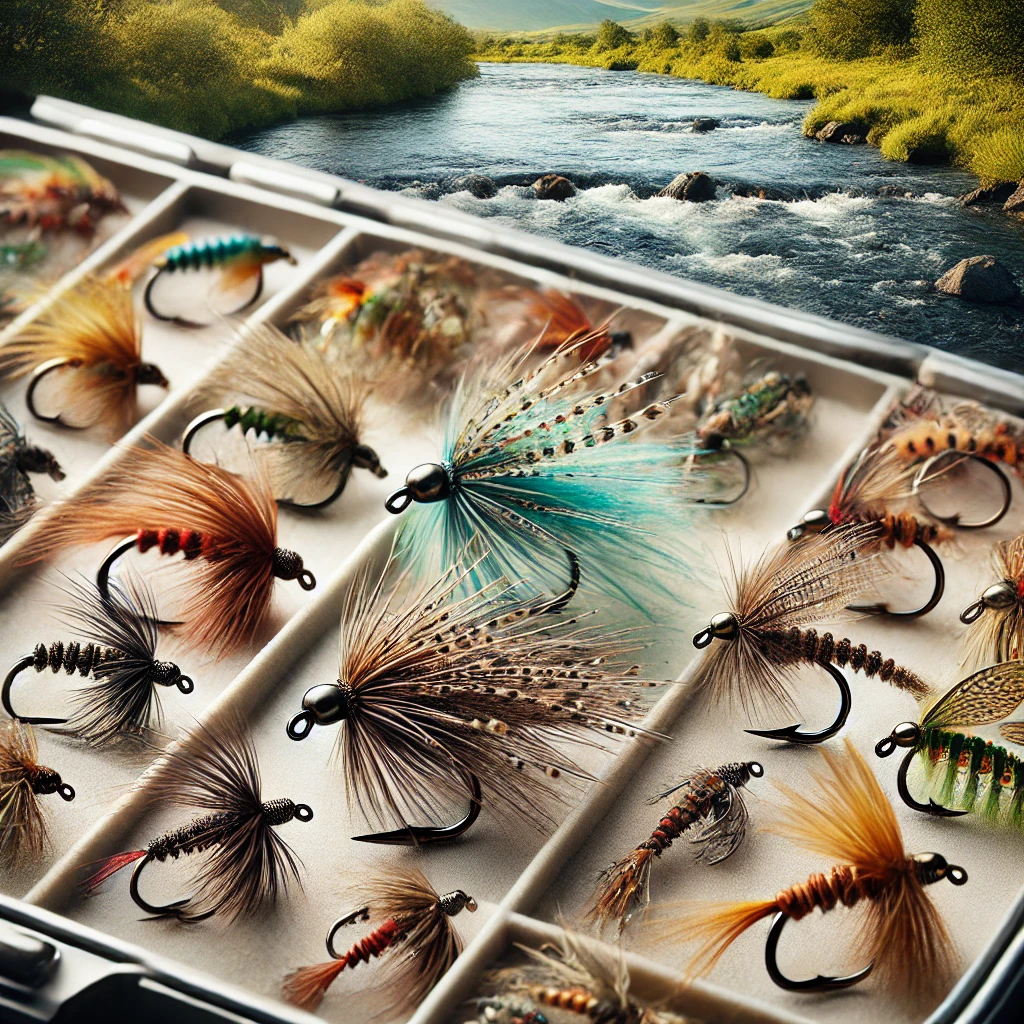
Welcome to the world of bass fly fishing, a thrilling and dynamic sport that combines the tranquility of nature with the excitement of reeling in a powerful fish. One of the most critical aspects of successful bass fly fishing is selecting and tying the right fly patterns, commonly known as “bass bugs.” Understanding the various types of flies and how they mimic the natural prey of bass can significantly increase your chances of a fruitful day on the water.
Bass bugs are specially designed to target largemouth and smallmouth bass, two of the most popular freshwater game fish in North America. These flies can imitate a wide range of creatures, from insects and small fish to frogs and crayfish, each featuring unique patterns, colors, and tying techniques. By mastering the creation and use of these fly patterns, anglers can enhance their fishing skills and experience more productive outings.
In this comprehensive guide, we’ll delve into the different types of bass flies, explore popular patterns, and provide tips on tying your own bass bugs. Whether you’re an experienced fly fisherman or just getting started, this article will offer valuable insights to help you refine your approach and boost your success rates on the water. So grab your vice and tying materials, and let’s dive into the fascinating world of bass flies!
Understanding Bass Behavior
Before diving into the specific types of bass flies and patterns, it’s essential to understand bass behavior and feeding habits. Bass are opportunistic feeders, meaning they will eat a variety of prey depending on what’s available in their environment. This can include insects, crayfish, minnows, frogs, and even small mammals. Given their aggressive nature, bass are often attracted to flies that create a commotion on the water’s surface.
Bass are generally found in warm, slow-moving or still waters, such as lakes, ponds, and reservoirs. They prefer habitats with plenty of cover, such as submerged vegetation, fallen trees, and rocky structures. Knowing where to locate bass and how they respond to different fly patterns is crucial for successful fishing.
When choosing or creating bass flies, consider the following factors:
- Water temperature: Bass are more active in warmer water, so bright and flashy flies can be particularly effective during the summer months.
- Water clarity: In murky water, use flies with strong silhouettes and contrasting colors to grab the bass’s attention.
- Time of day: Early morning and late evening are often the best times for bass fishing, as bass tend to be more active during these periods.
- Season: Different flies may be more effective during various times of the year, so adjust your fly selection based on seasonal changes in bass behavior.
With a solid understanding of bass behavior, you can now tailor your fly choices to match their feeding preferences and increase your chances of a successful catch.
Topwater Flies
Topwater flies, also known as surface flies, are designed to float on the water’s surface, creating a disturbance that attracts bass. These flies are highly effective during warm weather when bass are actively feeding near the surface. Topwater flies not only entice explosive strikes but also provide a visual and exhilarating fishing experience.
Some popular topwater fly patterns for targeting bass include:
- Poppers: Poppers are characterized by their large, concave faces that create a popping sound and splash when retrieved. This commotion mimics struggling prey and grabs the attention of nearby bass. Poppers come in various sizes and colors, with foam and cork being common materials for their construction.
- Frogs: Frog patterns are designed to imitate real frogs, a favorite food of bass. These flies typically have a more lifelike appearance with realistic legs and body movements. Using a slow, deliberate retrieve can make a frog fly appear natural and irresistible to bass.
- Deer Hair Bugs: These flies are made from spun, clipped deer hair, which gives them a buoyant and bulky profile. When stripped in short, quick bursts, deer hair bugs create significant surface disturbance, attracting curious and aggressive bass. They can imitate various prey, including insects and small mammals.
- Sneaky Pete:
- This fly features a long, smooth body with a flat face, allowing it to glide across the water with minimal disturbance. This subtle movement can be particularly effective in clear or calm waters where bass are more cautious.
When fishing topwater flies, vary your retrieve speed and rhythm to find what triggers strikes from bass. Pay attention to water conditions and adjust your fly choice and presentation accordingly to maximize your chances of success.

Subsurface Flies
Subsurface flies, also known as streamers or wet flies, are designed to imitate prey that moves below the water’s surface. These flies are highly versatile and can be used in various fishing conditions, making them a staple in any bass angler’s fly box.
Some popular subsurface fly patterns for targeting bass include:
- Clouser Minnow: The Clouser Minnow is a famous and effective streamer pattern that imitates a small baitfish. It features dumbbell eyes that sink the fly quickly and give it a jigging motion when retrieved. The Clouser Minnow’s versatility allows it to be fished at different depths and speeds, making it a reliable choice for bass fishing.
- Woolly Bugger: The Woolly Bugger is a versatile fly that can imitate various aquatic prey, such as leeches, crayfish, and nymphs. Its marabou tail and hackle body give it lifelike movement in the water, making it an enticing target for bass. The Woolly Bugger can be fished using various retrieval techniques, such as steady stripping or a jigging motion.
- Muddler Minnow: This classic pattern imitates minnows and other small fish. The Muddler Minnow’s spun deer hair head provides buoyancy, allowing it to be fished just below the surface or weighted to sink deeper. Its natural appearance and realistic movement make it a favorite for bass anglers.
- Crayfish Patterns:
- Many subsurface flies are designed to mimic crayfish, a common prey item for bass. These patterns often feature realistic claws, legs, and segmented bodies to fool even the most discerning bass. Fishing crayfish patterns near the bottom with a slow, crawling retrieve can be highly effective.
When fishing subsurface flies, use a variety of retrieval techniques to find what triggers strikes from bass. Pay attention to water depth and structure, as bass often hold near cover or in deeper water during the day. By experimenting with different flies and presentation styles, you can effectively target bass at various depths and conditions.
Terrestrial Flies
Terrestrial flies mimic land-dwelling insects that often fall into the water and become targets for hungry bass. These flies are great for fishing along the edges of rivers, lakes, and ponds, where bass patrol the shallows searching for an easy meal. Terrestrial patterns can be especially productive during late spring through early fall when insects are most active.
Some popular terrestrial fly patterns for targeting bass include:
- Grasshoppers: Grasshopper patterns imitate real grasshoppers that might be blown onto the water. These flies often have foam bodies and rubber legs to create lifelike buoyancy and movement. A subtle twitching retrieve can make a grasshopper fly appear natural and irresistible to bass.
- Beetles: Beetle patterns are effective for imitating small, crunchy insects that often fall into the water. These flies typically feature foam or deer hair bodies with a high-profile silhouette. Fishing beetle patterns with short, quick twitches can mimic the erratic movements of a struggling insect, attracting bass.
- Ants: Ant patterns are simple yet effective flies that can imitate a variety of small insects. They are often tied with a round, segmented body and can be fished on the water’s surface or just below. Ant flies are particularly effective when bass are feeding on small insects near the shore.
- Crickets: These patterns mimic real crickets that might find their way into the water. Crickets have a dark, bulky profile and can create a noticeable disturbance on the surface, attracting bass. A slow, deliberate retrieve can make a cricket fly appear natural and appealing to bass.
When fishing terrestrial flies, focus on areas with overhanging vegetation or near the shore where insects are likely to fall into the water. Match the size and color of your fly to the local insect population to increase your chances of success.
Tying Your Own Bass Flies
One of the most rewarding aspects of fly fishing is tying your own flies. This allows you to customize patterns to match the specific conditions and preferences of the bass you’re targeting. Tying your own bass flies can also be a creative and relaxing hobby, adding an extra layer of satisfaction to your fishing experience.
Here are some essential tips for tying effective bass flies:
- Choose Quality Materials: Invest in high-quality materials, such as durable hooks, strong threads, and lifelike feathers and hairs. Quality materials will ensure your flies perform well and withstand the rigors of bass fishing.
- Match the Hatch: Study the local insect and prey population to create flies that closely mimic what bass are feeding on. Observing the water and noting the types and sizes of creatures present can help you tie flies that are more likely to attract strikes.
- Experiment with Colors and Sizes: Don’t be afraid to experiment with different colors and sizes of flies. Bass can be unpredictable, and varying your fly patterns can help you discover what works best in different conditions.
- Watch Tutorials: There are numerous online resources, including videos and tutorials, that can guide you through tying specific bass fly patterns. Following step-by-step instructions can help improve your tying skills and expand your fly repertoire.
Tying your own bass flies allows for creativity and customization, so don’t shy away from experimenting with different materials, colors, and patterns. Additionally, participating in fly-tying workshops or joining a local fly fishing club can provide valuable insights and hands-on learning opportunities.
Conclusion
Fly fishing for bass with carefully crafted bass bugs is an exhilarating sport requiring skill, patience, and creativity. By understanding the feeding habits and behaviors of bass, anglers can choose and tie fly patterns that significantly increase their chances of success.
Bass bugs come in various forms, including topwater, subsurface, and terrestrial patterns, each with unique benefits and applications. From poppers and frog patterns that create surface disturbances to Clouser Minnows and Woolly Buggers that mimic subsurface prey, selecting the right fly can lead to explosive strikes and memorable fishing experiences.
For fly fishers passionate about creating their own flies, tying bass flies offers an opportunity to tailor patterns to match specific fishing conditions and bass preferences. High-quality materials, careful observation of local prey, and a willingness to experiment with different techniques can lead to more productive and enjoyable fishing trips.
Ultimately, combining knowledge, skill, and creativity can make bass fly fishing a deeply rewarding pursuit. So grab your fly-tying tools and materials, hit the water, and enjoy the thrill of bass fly fishing with your custom-crafted bass bugs!