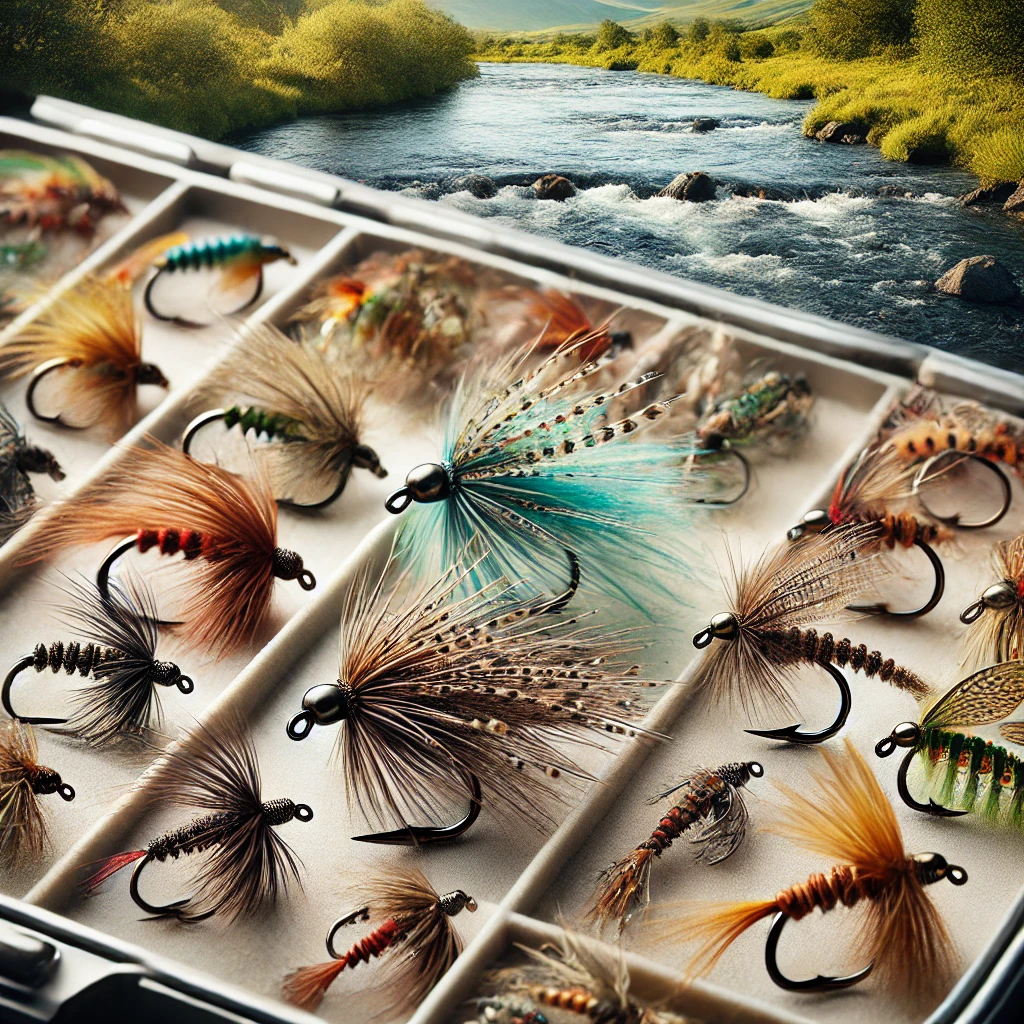
When it comes to fly fishing, few insects offer the diversity and effectiveness of the caddis fly. Recognized by their tent-shaped wings and intricate life cycle, caddis flies are staples in a fly fisherman’s toolbox. In this comprehensive article, we’ll dive into various caddis fly patterns and the techniques required to tie them effectively. Let’s get started!
Introduction
Caddis flies are one of the most abundant and varied insects you will encounter on the water. They belong to the order Trichoptera, and with over 12,000 species worldwide, they’re an essential element in aquatic ecosystems. For fishermen, understanding the caddis fly lifecycle and the types of fly patterns that mimic various stages of their development can significantly influence fishing success.
Caddis flies undergo complete metamorphosis, meaning they have four distinct life stages: egg, larva, pupa, and adult. Each stage offers unique opportunities for the fly fisher, and tying appropriate fly patterns for each can be your secret weapon. Adapting your approach throughout the year to reflect the caddis’ habits enhances your chances of luring that trophy fish.
When fish are feeding on caddis flies, your typical go-to patterns might not cut it. There’s an art and science to crafting flies that not only mimic the appearance of caddis flies but also their behavior and movement. In this guide, we’ll break down some of the most effective fly patterns for each stage of the caddis fly lifecycle, and offer tips on how to tie them.
Caddis Fly Larva Patterns
The larval stage of the caddis fly is where they are most vulnerable and most abundant. Caddis larvae are often found in cases they construct from small stones, sand, or plant material, although some species are free-living. Fishing with caddis larva patterns is especially effective in streams and rivers where these insects are a primary food source for trout and other fish.
One popular larva pattern is the Green Rock Worm. This pattern typically involves a green or yellowish body to mimic the natural color of the larva, with a weighted underbody to ensure the fly sinks properly. Here’s a simple recipe to get you started:
- Hook: Nymph hook size 12-18
- Thread: Olive or black, 6/0
- Body: Green or yellow floss
- Weight: Lead wire wraps on the underbody
- Head: Black or dark brown dubbing
To tie the Green Rock Worm, start by securing your hook in the vise and wrapping the lead wire around the shank. Cover the wire with thread, then tie in the floss and wrap it forward to form the body. Dub the head with dark material and whip finish. This simple yet effective pattern can be fished near the bottom to imitate the natural habitat of caddis larvae.
Caddis Fly Pupa Patterns
When transitioning from larva to adult, caddis flies enter the pupal stage. This stage is incredibly important because fish often key in on emerging pupae, which are highly vulnerable as they make their way to the surface. One renowned pattern to imitate this stage is the LaFontaine Sparkle Pupa.
The Sparkle Pupa is designed to capture the air bubbles that naturally form around a caddis pupa during emergence. The pattern’s effectiveness hinges on these features:
- Hook: Scud hook size 12-16
- Thread: Tan or olive, 8/0
- Body: Sparkle yarn or antron in the desired color
- Rib: Gold or copper wire
- Thorax: Peacock herl
- Head: Partridge hackle or similar material
To tie the Sparkle Pupa, start by securing the hook and wrapping the thread base. Tie in the ribbing material and then the sparkle yarn for the body. Wrap the yarn forward, leaving some space for the thorax. Secure the ribbing in even segments and add the peacock herl for the thorax. Finish by attaching a few turns of partridge hackle for the head and whip finish.
Adult Caddis Fly Patterns
Adult caddis flies are a significant source of surface action. Whether these adults are skittering across the surface to lay eggs or have fallen spent after emerging, they draw a lot of attention from feeding fish. One tried-and-true adult caddis pattern is the Elk Hair Caddis.
The Elk Hair Caddis is renowned for its buoyancy and realistic profile. Here’s what you need:
- Hook: Dry fly hook, size 12-18
- Thread: Olive, black, or tan, 6/0
- Body: Dubbing in olive, tan, or dark colors
- Hackle: Brown or grizzly hackle
- Wing: Elk hair, natural or bleached
Begin by tying in your thread and adding the dubbing for the body. Wrap the hackle feather forward in even turns to create a segmented look. Next, prepare a bunch of elk hair by cleaning and stacking it; the length should extend about one hook length beyond the bend. Tie in the elk hair on top of the hook shank, secure it, and whip finish. This pattern should float high and produce an enticing silhouette on the water surface.
Egg-Laying Caddis Patterns
During the egg-laying phase, female caddis flies return to the water, often skittering and dancing on the surface. This behavior can incite aggressive strikes from fish. To imitate this, patterns like the Egg-Laying Caddis are highly effective.
This pattern emphasizes movement and visibility:
- Hook: Dry fly hook, size 12-16
- Thread: Black or brown, 8/0
- Body: Peacock herl or any buoyant material
- Wing: Elk hair or foam
- Egg Sack: Green or yellow dubbing
Start by forming a small egg sack at the bend of the hook using brightly colored dubbing. Wrap the peacock herl or chosen material forward to form the body. Select bunch of elk hair (or foam), tying it in such a way to imitate the fluttering wings of an egg-laying caddis. Trim the wing material so it extends slightly beyond the body. Whip finish to complete.
Spent Caddis Patterns
Spent caddis flies, those that have completed their lifecycle and fallen to the water, are also available targets for fish. A pattern like the RS2 (Rim’s Semblance 2) is a fantastic representation of a spent caddis adult.
The RS2 is easy to tie and incredibly effective:
- Hook: Dry fly or emerger hook, size 16-20
- Thread: Black or brown, 6/0
- Tail: Fibers from a grizzly feather
- Body: Fine dubbing in olive, brown, or black
- Wing: CDC feathers aligned flat
Tie the RS2 by securing your hook and starting your thread. Attach the tail fibers and keep them sparse. Form a slim body using fine dubbing in your chosen color. Finally, tie in a CDC feather so it lies flat over the back of the fly, giving the appearance of spent wings. Whip finish to complete.
Conclusion
The caddis fly’s various stages offer numerous opportunities for presenting a range of fly patterns, each crafted to match the specific behaviors and appearances of the insects. Mastering a few of the essential patterns mentioned above will certainly enhance your fly fishing experience. Whether you’re imitating larva, pupa, or adult stages, understanding the caddis fly lifecycle and the corresponding fly patterns can significantly raise your catch rate.
Don’t be afraid to experiment within these categories. Each river, each season, and even each day can present new challenges and require new adjustments to your caddis fly patterns. Happy tying, and even happier fishing!