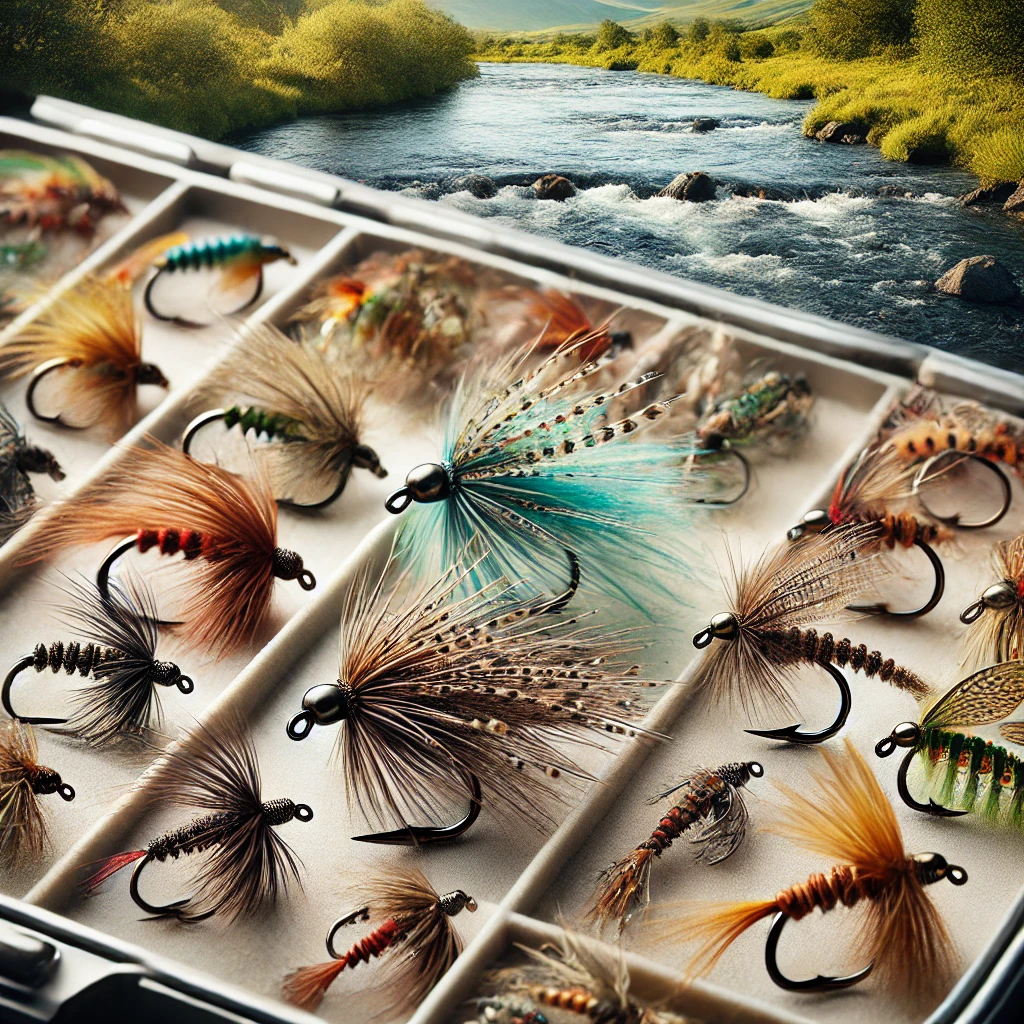
Fly fishing is a nuanced and captivating sport, adored by enthusiasts for the skill, knowledge, and patience it demands. Among the many facets that make fly fishing enthralling is the use of varied fly patterns crafted to replicate the insects fish feed on. One such intriguing category is the “crippled fly,” an artificial fly designed to mimic insects in their vulnerable stages of life or movement. The concept behind these flies is based on the premise that trout and other fish species are more likely to strike at prey that appears wounded or weakened, as it presents an easier target.
The use of crippled flies taps into the natural survival instincts of fish, making them an indispensable tool in an angler’s kit. These patterns simulate insects that are caught in transition, such as those emerging from their nymph stage to a dun, or those that have been weakened or injured during their lifecycle. Understanding the dynamics of these insects and how to imitate them effectively can vastly improve your chances of a successful catch.
In this article, we’ll delve deep into the world of crippled flies, exploring their origins, different types, and the techniques used to tie them. We will also provide insights into how they can be utilized effectively in fly fishing. Whether you’re a seasoned angler looking to refine your skills or a novice eager to learn, this comprehensive guide will equip you with the knowledge you need to make the most of crippled flies.
The Origins and Purpose of Crippled Flies
Crippled flies emerged as a response to the natural observation of fish behavior. Anglers noticed that fish, particularly trout, were more prone to attacking insects that seemed to struggle on the water’s surface. These insects often represent an easier meal, as their erratic movements signal vulnerability. Furthermore, many of these crippled insects are in crucial parts of their lifecycle, such as emerging from their pupal or nymph stages, where they are less capable of evasive maneuvers.
The concept of imitating these incapacitated insects soon translated into specific patterns designed by innovative fly-tiers. These patterns don’t just mimic the look of a vulnerable insect; they also replicate their movement and behavior on the water surface. This combination makes them irresistible to predatory fish looking for an easy meal.
An essential aspect of using crippled flies is understanding the behavioral patterns of the insects you are trying to imitate. For instance, during a hatch, a significant number of insects may be in the process of transitioning from an aquatic nymph to an airborne adult. Not all will succeed seamlessly; some will falter, becoming prime targets for waiting fish. By studying these patterns, anglers can select the appropriate crippled fly and present it in the most natural manner possible.
Types of Crippled Flies
There are several types of crippled flies, each designed to imitate different stages of insect vulnerability. Here are some of the most common ones:
Emerger Crippled Flies
These flies mimic the stage where nymphs or pupae are emerging to the surface to become adults. During this phase, many insects struggle to break free of the water’s surface tension, making them vulnerable. Emergers often have trailing shucks or partially exposed bodies to accurately represent this stage.
Spent Crippled Flies
After mating, many adult insects fall back onto the water surface, exhausted and lifeless. These spent insects are another example of easy prey for fish. Spent crippled flies replicate this with post-mating, lifeless patterns that lie flat on the water surface.
Semi-Submerged Flies
These flies imitate insects that are partially submerged in the water, struggling to exit their nymphal shuck or maintain stability. Semi-submerged flies often have realistic abdomens that hang below the water surface, while their thorax and wings keep them afloat.
Damaged or Injured Dry Flies
These patterns replicate insects that have damaged wings or other impairments preventing them from flying away. This category includes flies with asymmetric wings or frayed parts, emphasizing the insect’s vulnerability.

Materials and Tools for Tying Crippled Flies
Tying crippled flies requires a range of materials and tools to achieve the desired effect. Here are some essential items you will need:
Hooks
The foundation of any fly, the hook should be of high quality and appropriately sized for the insect you intend to imitate. Curved hooks are often used for emerger patterns to better represent the natural shape of struggling insects.
Thread
A good quality thread is crucial for tying durable flies. The thread is used to secure materials to the hook and to build up the body of the fly.
Feathers
Feathers from various birds, such as ducks or pheasants, are commonly used for wings and tails. These materials add a natural look and movement to the fly.
Dubbing
Dubbing is used to create the body of the fly. It can be made from natural or synthetic materials, each offering different textures and buoyancy.
Hackle
Hackle feathers are wrapped around the hook to create legs and imitate the insect’s motion on the water surface. They also help to keep the fly buoyant.
Specialty Materials
These can include anything from synthetic materials for added durability to specialized dubbings that give a more realistic look. Modern fly tiers often use UV-reactive materials, which can add an extra element of attraction.
Tying Techniques for Crippled Flies
Here, we’ll break down some fundamental techniques used to tie crippled flies effectively:
Trailing Shuck
This technique is used to imitate the shed skin or shuck of an emerging insect. Materials like Antron or Z-Lon fibers can be tied at the rear of the fly, trailing off to give a realistic appearance.
Parachute Hackling
Parachute hackles are used to create horizontal wings that lie on the water’s surface. The feather is wrapped around a post tied at the thorax, mimicking the wings of an insect stuck in its emergence stage.
Half-Submerged Body
To create a half-submerged effect, tiers often use materials that keep parts of the fly floating high while letting other parts sink. This can be achieved by using buoyant dubbing for the upper body and heavier materials for the lower parts.
Asymmetric Patterns
Injured insects often have asymmetric appearances. Tying flies with one wing longer than the other or with intentionally frayed materials can replicate this vulnerability, increasing their effectiveness.
Buoyancy Control
Successful crippled flies often rely on careful manipulation of buoyancy. Using floatant-treated feathers, foam, or other buoyant materials can help keep critical parts of the fly above water while letting other parts sink.
Fishing With Crippled Flies
Understanding how to fish with crippled flies can make a substantial difference in your success rates. Here are some tips:
Reading the Water
Before casting, it’s essential to read the water and understand where fish are likely to be. Crippled flies work well in areas where fish are actively feeding on the surface or near the surface.
Matching the Hatch
Understanding the specific insects hatching in your fishing area and the stages they are in can be vital. Match your crippled fly to the local hatch to increase your chances of a strike.
Presentation
Natural presentation is crucial when fishing with crippled flies. Cast gently to avoid spooking fish and allow the fly to drift naturally with the current. Mend your line as needed to prevent drag, keeping the fly’s drift looking as realistic as possible.
Using a Drag-Free Drift
A drag-free drift is essential for presenting crippled flies effectively. The fly should float naturally with the current, creating the appearance of a struggling insect.
Strike Detection
Pay close attention to the movement of your fly and any disturbances on the water surface. Often, fish will take a crippled fly subtly, so quick reflexes and attentiveness are crucial.
Conclusion
Crippled flies represent a fascinating and highly effective category of fly patterns. Understanding the nuances of insect behavior and stages of vulnerability can greatly enhance your fly fishing success. By studying the water, matching local hatches, and mastering the tying techniques specific to crippled flies, anglers can unlock new opportunities to entice and catch fish.
Incorporating crippled flies into your fly box offers the dual benefit of challenging your fly-tying skills and providing more realistic imitations that fish find hard to resist. Whether you are targeting trout in a swift-moving stream or bass in a calm lake, the principles of using crippled flies remain the same: imitate vulnerability and present it naturally.
As with any aspect of fly fishing, practice, observation, and continual learning are key. Keep experimenting with different patterns, materials, and presentation techniques to refine your approach. The time invested in understanding crippled flies and how to use them will be rewarded with more frequent and satisfying catches.
So next time you venture out with your fly rod, consider adding a few crippled flies to your arsenal. Their ability to imitate the natural vulnerabilities of insects can make them a powerful tool in your quest for a fruitful and enjoyable fly fishing experience.