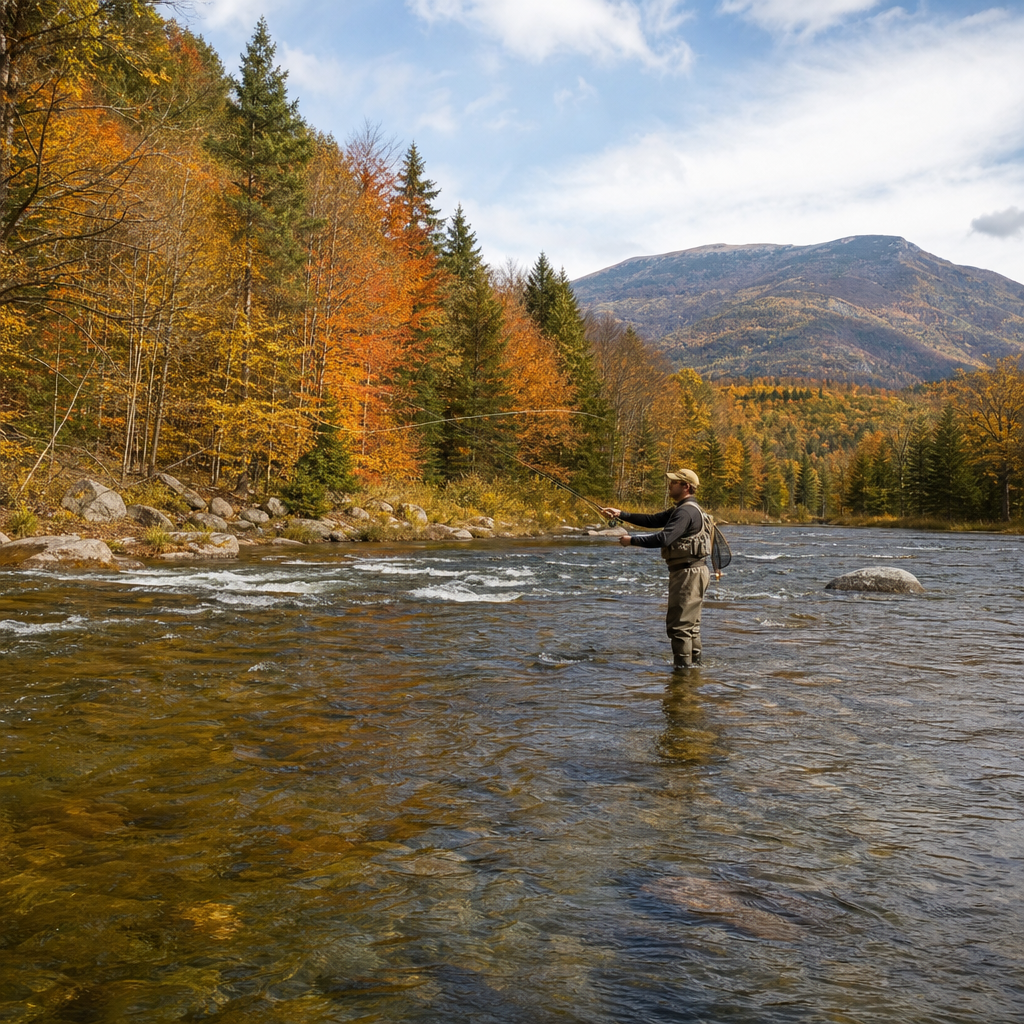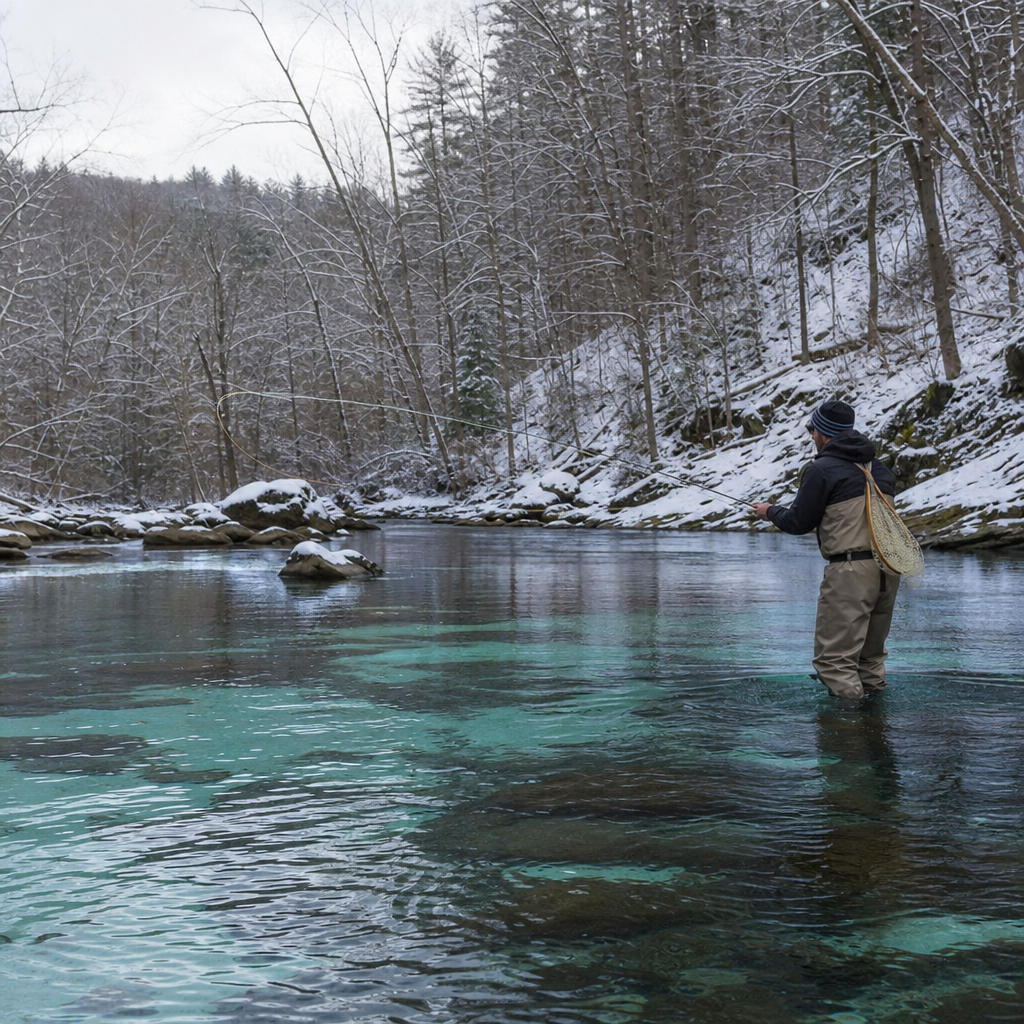
Winter fly fishing in spring creeks rewards anglers who understand cold-water trout behavior, stable groundwater systems, and the small technical adjustments that matter when temperatures hover near freezing. Spring creeks are trout streams fed primarily by groundwater rather than direct runoff, which means they usually maintain more consistent flows and temperatures than freestone rivers. In winter, that stability becomes the defining advantage. While many rivers drop into harsh, variable conditions that suppress feeding, a healthy spring creek often holds water in the upper thirties to low forties Fahrenheit, enough to keep aquatic insects active and trout willing to eat during predictable windows.
That matters because winter fly fishing is often misunderstood. Many anglers assume cold weather means inactive fish and random luck. My experience on limestone and meadow spring creeks says otherwise. Winter success is less about covering miles of water and more about reading subtle clues: where weed beds soften current, when midges cluster in the surface film, how low sun angles affect visibility, and why trout slide a few feet to conserve energy without abandoning feeding lanes. The anglers who fish well in January are usually not making heroic casts. They are making accurate ones, fishing slowly, and matching tiny food sources with disciplined presentations.
As a hub topic, winter fly fishing in spring creeks connects several essential skills: understanding winter entomology, choosing leaders and tippet for clear low water, identifying the warmest parts of the day, nymphing deep without excessive weight, and recognizing when a sparse midge emerger outperforms a heavy attractor. It also includes practical concerns many articles skip, such as wader safety on shelf ice, protecting hands from numbness that ruins knot strength, and handling trout carefully when air temperatures can freeze exposed gills and fins. Those details are not optional. In winter, small mistakes are magnified.
The good news is that spring creeks can offer some of the most technical and satisfying trout fishing of the year. Fish are concentrated in defined lies, hatches can be narrow but dependable, and pressured trout often reveal clear preferences if you pay attention. This guide explains where trout hold, what they eat, how to rig, when to fish, and how to approach winter fly fishing with the precision spring creeks demand.
Why Spring Creeks Fish Differently in Winter
A spring creek stays comparatively stable because groundwater temperature changes slowly. In many trout regions, incoming spring water remains close to the annual average ground temperature, often around 48 to 52 degrees at the source, then cools as it moves through open channels in winter. Even after that cooling, the creek is usually far more stable than a snowmelt river. That stability preserves insect life, aquatic vegetation, and trout metabolism. The result is simple: trout in spring creeks generally feed more consistently in winter than trout in rivers subject to sudden freeze-thaw swings, slush flows, and sharp water temperature drops.
Stable does not mean easy. Winter spring creeks are usually clear, slow to moderate in gradient, and rich in weeds, undercut banks, marl bottoms, and fine silt. Trout can inspect a fly for several feet. Current seams are softer, so fish do not need to move far to reject a drift that is half an inch off line. On famous systems such as Armstrong’s Spring Creek in Montana, Silver Creek in Idaho, or Paradise Valley spring creeks, winter fish often hold in classic feeding buckets but refuse poor angles, micro drag, or oversized tippet. The clarity that makes a spring creek beautiful is exactly what makes it demanding.
Another winter difference is oxygen and energy balance. Cold water holds dissolved oxygen well, so trout are rarely forced into fast riffles for oxygen the way summer fish may be. Instead, they prioritize calories versus effort. Expect them on soft edges near weed beds, inside bends with depth and shelter, tailouts where midges drift steadily, and undercut banks that offer security from overhead threats. If a lie gives a trout easy access to concentrated food with little swimming effort, it is a high-percentage winter spot.
Where Trout Hold and How to Read Winter Water
The best winter lies in spring creeks are rarely dramatic. Start with moderate-depth runs that have slow walking-speed current, especially where submerged vegetation creates soft slots. Weed beds are crucial because they shape microcurrents, trap nymphs, and provide cover. A trout may sit just off the downstream shoulder of a weed patch where current delivers midges, scuds, sow bugs, and tiny mayfly nymphs. Undercut banks are another prime holding feature, particularly on sunny afternoons when slight warming and reduced glare make fish more comfortable moving into adjacent feeding lanes.
Deep pools can hold fish, but they are often lower percentage than transitional water. In my own winter fishing, the most dependable targets are the first third of a pool below a riffle, the slow seam beside a weed line, and the tailout where current narrows food into a defined lane. Tailouts matter because winter hatches are often midge-based, and midges collect in smooth surface film where trout can feed rhythmically. If you see subtle dimples rather than splashy rises, stay back, kneel if needed, and study cadence before casting. One fish rising every fifteen seconds in a fixed lane is more valuable than ten random bumps over a broad flat.
Sun angle matters more than many anglers realize. On bright winter days, trout in clear spring creeks can become extremely light sensitive. Early afternoon often brings the best combination of slightly warmer water, improved insect activity, and visibility for the angler. Polarized lenses in copper or amber can help distinguish weed shadows from fish, but position still matters more than optics. Approach from downstream whenever possible, use bank-side cover, and avoid sending your shadow across the holding water.
Winter Food Sources and the Hatches That Drive Feeding
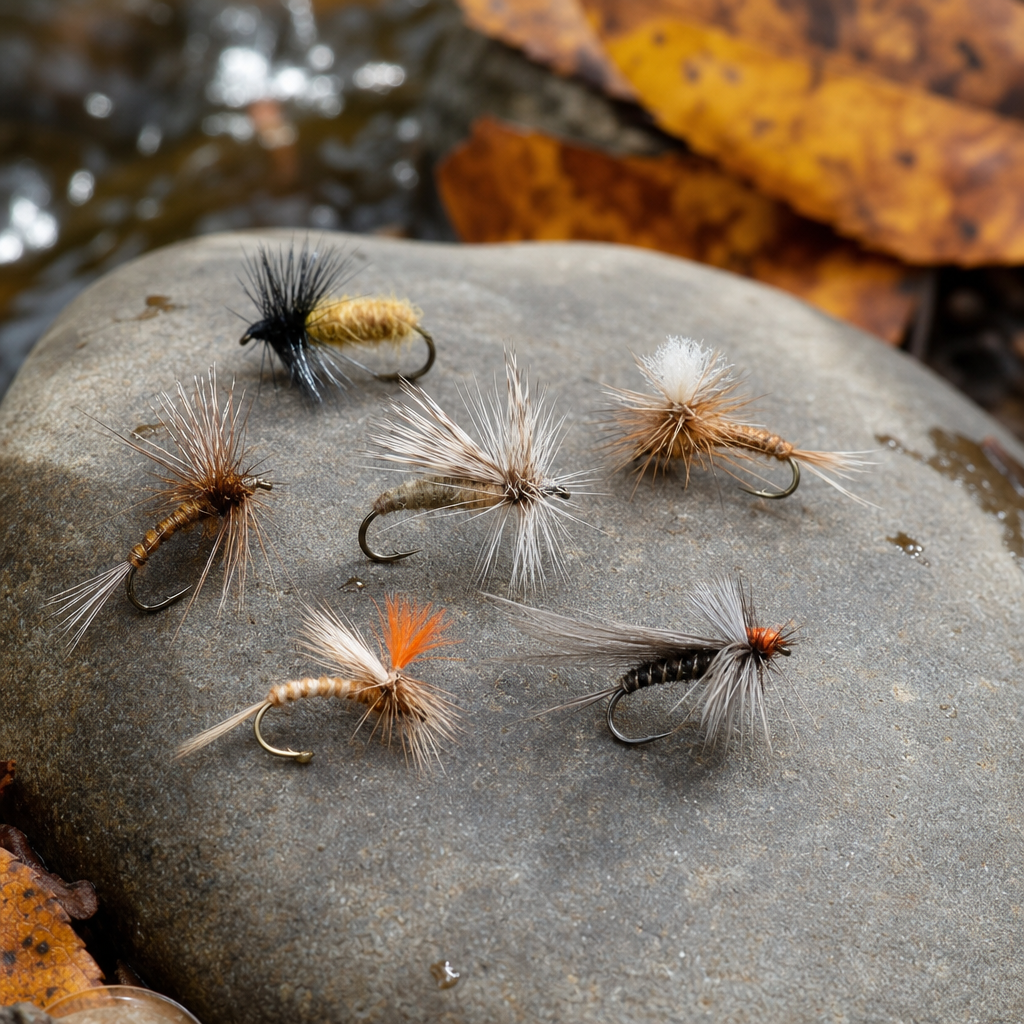
Midges are the center of winter fly fishing on most spring creeks. They hatch in cold conditions, appear in large numbers, and present trout with a steady supply of larvae, pupae, emergers, and adults. Sizes commonly range from 18 to 26, with black, olive, cream, and red among the most useful colors. Trout often prefer pupae and emergers because those stages drift naturally in the film and just below it, where fish can feed efficiently without committing to full surface takes. That is why a simple Griffith’s Gnat may work one day, while a sparse CDC midge emerger or thread pupa outfishes it the next.
Blue-winged olives also matter, especially during milder spells, overcast afternoons, or stable weather windows. On spring creeks, winter Baetis are often small, usually size 18 to 22, and trout can become highly selective to profile and drift. Scuds and sow bugs are year-round staples in many fertile spring systems, particularly those with abundant aquatic vegetation and calcium-rich water. These crustaceans are not glamorous, but they are calorie-dense and available every day. If trout are not visibly rising, a pink, gray, tan, or olive scud under a precise indicator setup is often the smartest starting point.
Egg patterns can also produce, especially in creeks with brown trout, rainbow trout, or spawning activity nearby, but they should be used thoughtfully and within regulations. In many technical spring creeks, however, natural subsurface patterns outperform gaudy attractors. Winter trout in clear water tend to reward realism. I carry thread midges, zebra midges, RS2-style emergers, unweighted scuds, slim pheasant tail variants, and tiny soft hackles because those patterns match what fish actually see every day.
Tackle, Rigging, and Presentation Adjustments That Catch Fish
A nine-foot 4-weight or 5-weight handles most winter spring creek fishing well, though a softer 3-weight can be excellent for delicate dry-fly work on smaller water. Longer leaders are usually necessary because winter flows are low and water is clear. For dry flies and emergers, I commonly fish 12- to 15-foot leaders tapered to 5X, 6X, or 7X depending on fly size, wind, and fish behavior. For nymphing, total leader length may shorten slightly, but fine tippet still matters. Fluorocarbon can help subsurface because it sinks and resists abrasion; nylon often remains preferable for dries because it lands softer.
Weight is one of the biggest winter mistakes. Anglers often add too much split shot, then drag flies unnaturally through soft spring creek currents. The objective is contact without distortion. Because many winter lies are moderate rather than deep and fast, lightly weighted flies or a single micro shot are often enough. Indicators should be small and sensitive; yarn, putty, or tiny foam styles generally outperform bulky bobbers that splash down and spook fish. In shallow technical water, tight-line tactics can work, but classic indicator nymphing with careful depth control is usually more practical on meadow-style spring creeks.
| Winter situation | Best rig choice | Why it works |
|---|---|---|
| Subsurface feeding in slow runs | Small indicator, 9 to 12 feet to flies, scud plus midge dropper | Covers two common food sources with minimal splash and controlled depth |
| Visible sippers in tailouts | Long leader, single midge emerger or adult on 6X to 7X | Reduces drag and matches selective surface feeding |
| No rises, overcast afternoon | Tiny Baetis nymph or RS2 under light indicator | Imitates drifting mayfly nymphs and emergers during weather-triggered activity |
| Bank feeders near cover | Short accurate casts with unweighted scud or soft hackle | Natural sink rate keeps fly in the lane without overpowering soft current |
Presentation is everything. Cast less, observe more, and build each drift around a specific feeding lane. Reach casts, aerial mends, and slack-line presentations are more valuable than distance. On flat water, even the leader butt can spook trout, so land flies above the fish only when current speed guarantees a natural approach. Otherwise, quartering upstream or across with room for a dead drift is safer. If a trout refuses twice, change one variable at a time: pattern, stage, depth, angle, or tippet diameter. Random fly swapping wastes the best winter feeding window.
Timing, Weather Windows, and Seasonal Strategy
The best time for winter fly fishing in spring creeks is usually late morning through midafternoon, with noon to three o’clock often strongest. That window aligns with slight daily warming and peak midge activity. Air temperature alone is not enough; look for stable barometric trends, light wind, and nights that were cold but not brutally so. A sunny day after a severe arctic drop can still fish poorly if trout have not settled into normal feeding rhythm. Conversely, a gray 34-degree day during a stable weather pattern can produce excellent Baetis activity.
Seasonal progression matters within winter itself. Early winter can fish differently from late winter because trout are still adjusting after spawning, weed growth has not fully collapsed, and food availability may be broader. Midwinter often becomes the most technical period, with clearest water, smallest flies, and shortest feeding windows. Late winter sometimes improves as daylight length increases and pre-spring insect activity builds. This is why a true winter fly fishing approach requires logs, not guesses. Record water temperature, insect presence, rise forms, cloud cover, productive flies, and exact times. Patterns emerge quickly on spring creeks.
Pressure is another strategic factor. Because spring creeks remain fishable when other waters lock up, they attract anglers. Weekdays generally outfish weekends, and the last hour of legal light can be productive if temperatures are not dangerously low. Still, avoid overplaying fish late in the day when landing nets and wet hands can freeze quickly. Good winter strategy includes knowing when enough is enough.
Safety, Fish Care, and Common Winter Mistakes
Winter spring creek safety starts before the first cast. Shelf ice near banks can collapse without warning, and silted bottoms around weeds can be slicker than freestone cobble. A wading staff, felt-free rubber soles with tungsten studs where legal, and conservative crossing decisions prevent the accidents I see most often. Keep dry gloves in the truck, carry a thermos, and protect phone and keys in waterproof storage. Numb hands are not just uncomfortable; they produce weak knots, poor hook removal, and delayed responses around cold water.
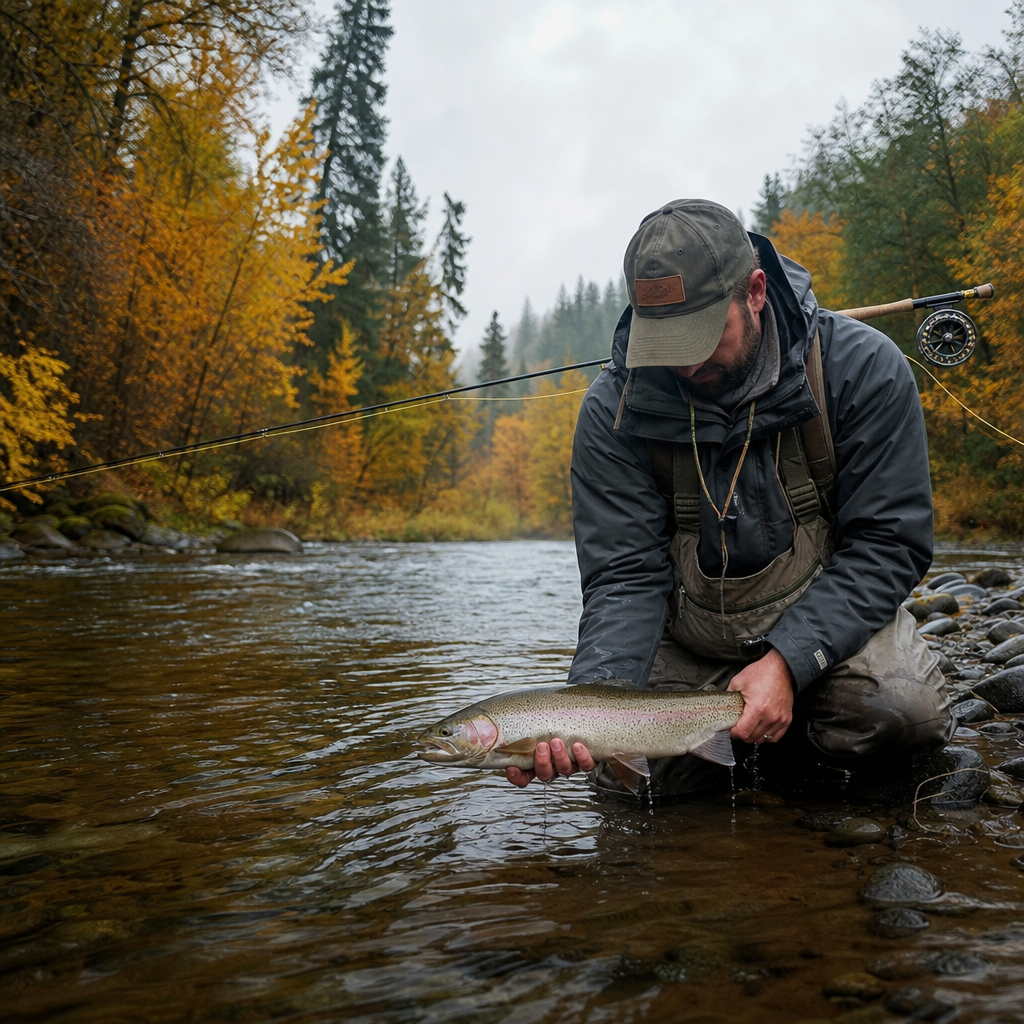
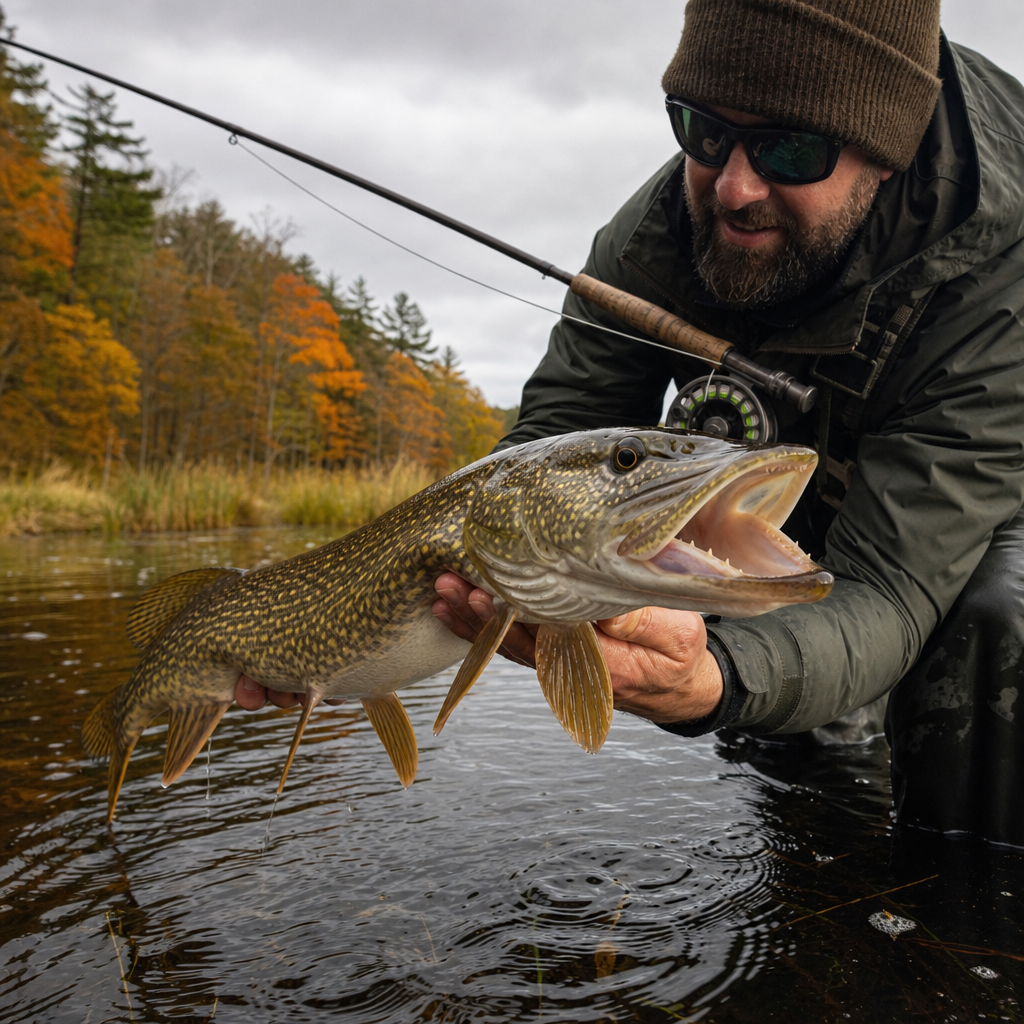
Fish handling matters more than many anglers realize. Trout can survive cold water well, but exposure to freezing air can damage eyes, gills, and fins. Keep the fish in the net, unhook it quickly with forceps, and limit any photo to a few seconds. If slush or skim ice is present, clear a safe landing space before fighting a fish. Pinched barbs make winter releases faster and reduce handling time.
The most common mistakes are moving too fast, using flies that are too large, overdressing the nymph rig with weight, standing too close, and ignoring fish behavior. Winter trout telegraph useful information. A flash below the fly suggests depth or angle is close. A nose that comes up and turns away often means drag or profile mismatch. Repeated short drifts over inactive-looking water usually mean you are fishing where trout can survive, not where they want to feed. The fix is rarely heroic. Slow down, look harder, and fish the highest-percentage lane with a cleaner drift.
Winter fly fishing in spring creeks is a game of stability, precision, and discipline. Groundwater influence keeps these fisheries more biologically active than many winter rivers, but clear water and educated trout demand technical skill. The consistent producers are well known: soft current near weeds, undercut banks, pool transitions, and tailouts with midge activity. The most reliable foods are equally clear: midges first, then Baetis, scuds, sow bugs, and occasional eggs. Success comes from matching those foods with fine leaders, light weight, accurate depth control, and drifts that look truly natural.
If you treat this article as your winter fly fishing hub, focus next on the linked subtopics it points toward in practice: midge pattern selection, winter nymph rigging, reading tailouts, cold-weather trout handling, and timing Baetis hatches on stable flows. Those deeper skills turn occasional winter luck into repeatable results. Start with one spring creek this season, keep detailed notes, fish the warmest part of the day, and commit to observation before casting. Do that consistently, and winter stops being the offseason. It becomes one of the most rewarding times to fish.
Frequently Asked Questions
What makes spring creeks such a good option for winter fly fishing?
Spring creeks are often the most dependable winter trout waters because they are driven primarily by groundwater instead of direct snowmelt or rainfall runoff. That groundwater influence keeps flows and water temperatures far more stable than what you typically find on freestone rivers. In practical terms, that means trout in spring creeks are less likely to experience the sharp temperature swings, slushy edges, and dramatic flow changes that can make winter fishing elsewhere inconsistent or nearly impossible. Even when air temperatures are brutally cold, a spring creek may remain fishable and biologically active because the water itself stays within a narrower, more moderate range.
That stability affects trout behavior in important ways. Fish in spring creeks often continue feeding throughout winter, but they do so selectively and efficiently. They do not need to roam as far or burn as much energy, so they settle into predictable lies near soft current seams, weed beds, undercut banks, spring inflows, and deeper glides where food can drift to them with minimal effort. The creek’s stable conditions also support year-round aquatic life, including midges, scuds, sowbugs, small mayflies, and occasional winter hatches, which gives trout reliable feeding opportunities even during the coldest months. For anglers, that combination of consistent water conditions and available food makes spring creeks one of the few winter environments where technical fly fishing can still be both productive and rewarding.
How do trout behave differently in spring creeks during winter?
Winter trout in spring creeks are usually not inactive, but they are far less forgiving. Cold water slows their metabolism, so they feed in shorter windows and are less willing to move far for a fly. On a spring creek, where water clarity is often high and currents are more refined than in larger rivers, trout can inspect food closely and reject anything that looks unnatural. As a result, their winter behavior is defined by efficiency. They hold where they can conserve energy, often in moderate-depth flats, slow inside bends, spring-fed troughs, and current transitions that deliver a steady drift of tiny food items. Rather than aggressively chasing prey, they tend to sip or subtly intercept drifting insects and crustaceans.
This means anglers should pay close attention to timing, location, and presentation. The warmest part of the day, especially late morning through mid-afternoon, is often when fish become most active. Bright sun can help slightly warm shallow sections, but in some creeks overcast conditions make trout feel safer and more willing to feed in the open. You may also notice pods of trout feeding in extremely specific lanes, sometimes only a foot or two wide. That kind of concentration is common in winter because fish gather where food delivery is most consistent. Success usually comes from understanding that trout are not absent or dormant; they are simply selective, energy-conscious, and heavily conditioned by stable water and abundant natural food.
What flies and rigs work best for winter fly fishing on spring creeks?
The best winter spring creek setups are usually simple, small, and precise. Because these streams often support steady populations of tiny invertebrates, the most effective patterns tend to be midges, scuds, sowbugs, small pheasant tails, zebra midges, RS2-style emergers, tiny baetis nymphs, and sparse soft hackles. If fish are feeding below the surface, a two-fly nymph rig is often hard to beat, with a slightly heavier anchor fly paired with a smaller trailing pattern. In many spring creeks, however, “heavier” is relative. You still want a natural drift and a rig that lands softly, so oversized indicators, thick tippet, and bulky flies can hurt more than help.
Dry-fly fishing is absolutely possible in winter, especially during midge hatches or on milder days when blue-winged olives appear. In those moments, tiny adults, emergers, and cripple patterns often outperform high-floating generic dries because trout key on vulnerable insects trapped in or just below the surface film. If fish are rising but refusing your fly, downsizing and switching to a more subtle profile is usually more productive than changing to something larger or flashier. Leader and tippet choice matter just as much as fly choice. Long leaders and fine tippet, often in the 5X to 7X range depending on the creek and fish size, help achieve the drag-free drift that winter spring creek trout demand. The overall goal is to imitate the small, natural food forms these fish see every day while presenting them with as little disturbance as possible.
How should you adjust your presentation and approach in cold-weather spring creek conditions?
Presentation is everything on a winter spring creek. Since the water is often clear, slow to moderate in speed, and full of wary trout, stealth matters before the cast is ever made. Start by approaching from downstream or from a low angle whenever possible, wearing subdued clothing, and avoiding heavy footfalls along the bank. Trout in these creeks are used to seeing real food drift naturally, so any drag, micro-drag, line flash, or abrupt splash can immediately put them off. Short casts are often better than long ones if they allow for cleaner control and less water disturbance.
Once you are in position, focus on depth, drift, and pace. In winter, trout usually want the fly delivered very close to their holding level because they are less willing to move vertically or laterally. That means careful weight adjustment is critical. Too much weight and the rig drags unnaturally; too little and the fly passes above the fish. Strike indicators should be as subtle as conditions allow, and in some situations tight-line tactics or sight nymphing can provide better control. Mending must be delicate and purposeful. On technical spring creeks, even a good fly pattern will fail if it moves differently than the naturals in the current. The anglers who do best in winter are usually the ones who make repeated micro-adjustments—leader length, split shot size, casting angle, fly size, and drift lane—until the presentation matches the creek’s slow, exacting rhythm.
What should anglers know about timing, safety, and overall expectations for winter spring creek fishing?
Winter spring creek fishing is rarely about high numbers or nonstop action, so realistic expectations are important. The reward is often quality over quantity: fewer opportunities, but more deliberate and memorable ones. Plan around the most productive window of the day, which is typically late morning into early afternoon, when water temperatures are at their highest and insect activity is most likely to increase. If the creek has known midge or baetis activity, time your outing so you are on the water and ready before those feeding windows open. On especially cold days, patience is essential. A creek may seem lifeless for hours and then suddenly come alive with subtle rises or a short but meaningful subsurface bite.
Safety matters just as much as strategy. Even stable spring creeks can have icy banks, slick vegetation, deep mud, and dangerously cold water. Wading should be conservative, especially because winter falls are more serious than summer mistakes. Use studded boots where legal, carry extra layers, protect your hands, and keep a dry backup set of essentials in the vehicle. It is also wise to check access rules carefully, since many spring creeks flow through private land or have special seasonal regulations, including catch-and-release stretches, barbless hook requirements, or spawning-area closures. Finally, remember that winter spring creek success often depends on careful observation rather than constant casting. Watch for tiny rises, drifting midges, subtle fish movement, and specific feeding lanes. If you embrace the technical nature of the experience, stay patient, and make small intelligent adjustments, winter spring creek fishing can be one of the most refined and satisfying forms of trout angling all year.