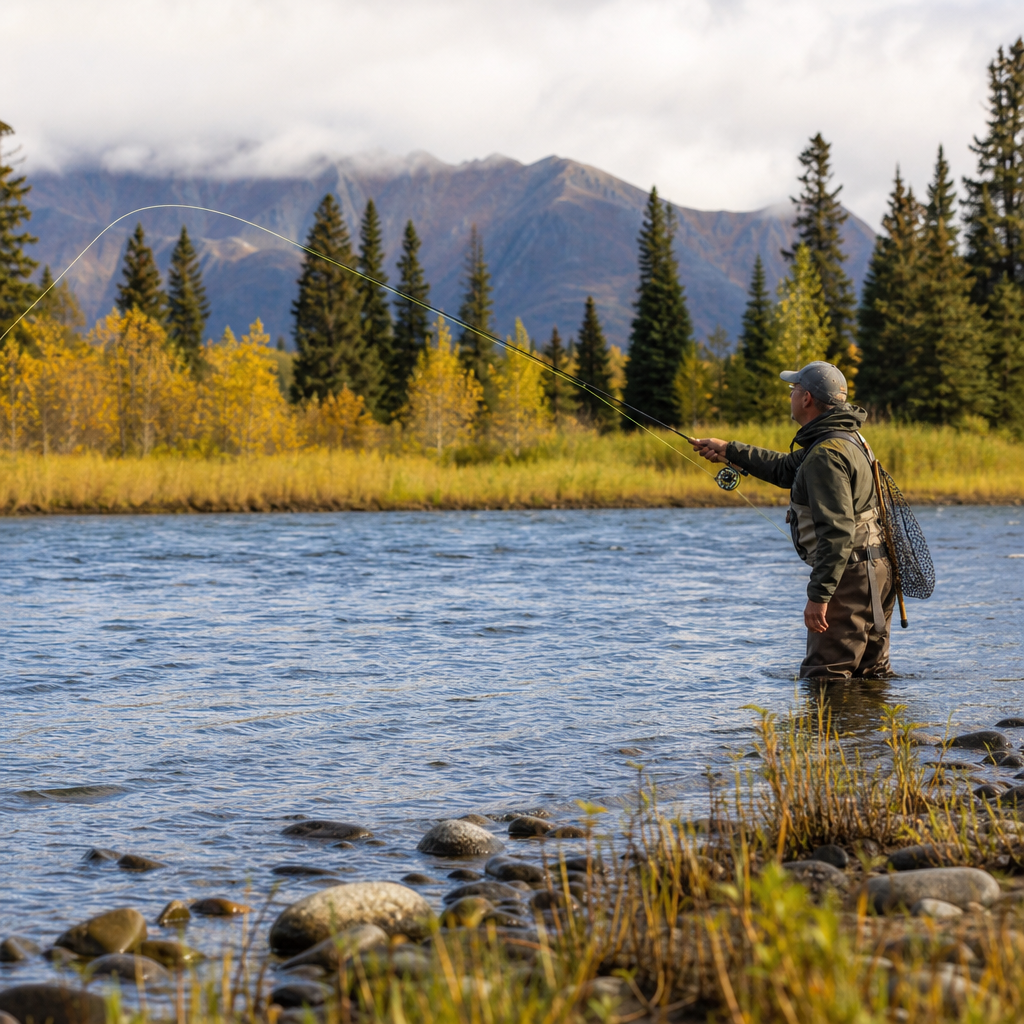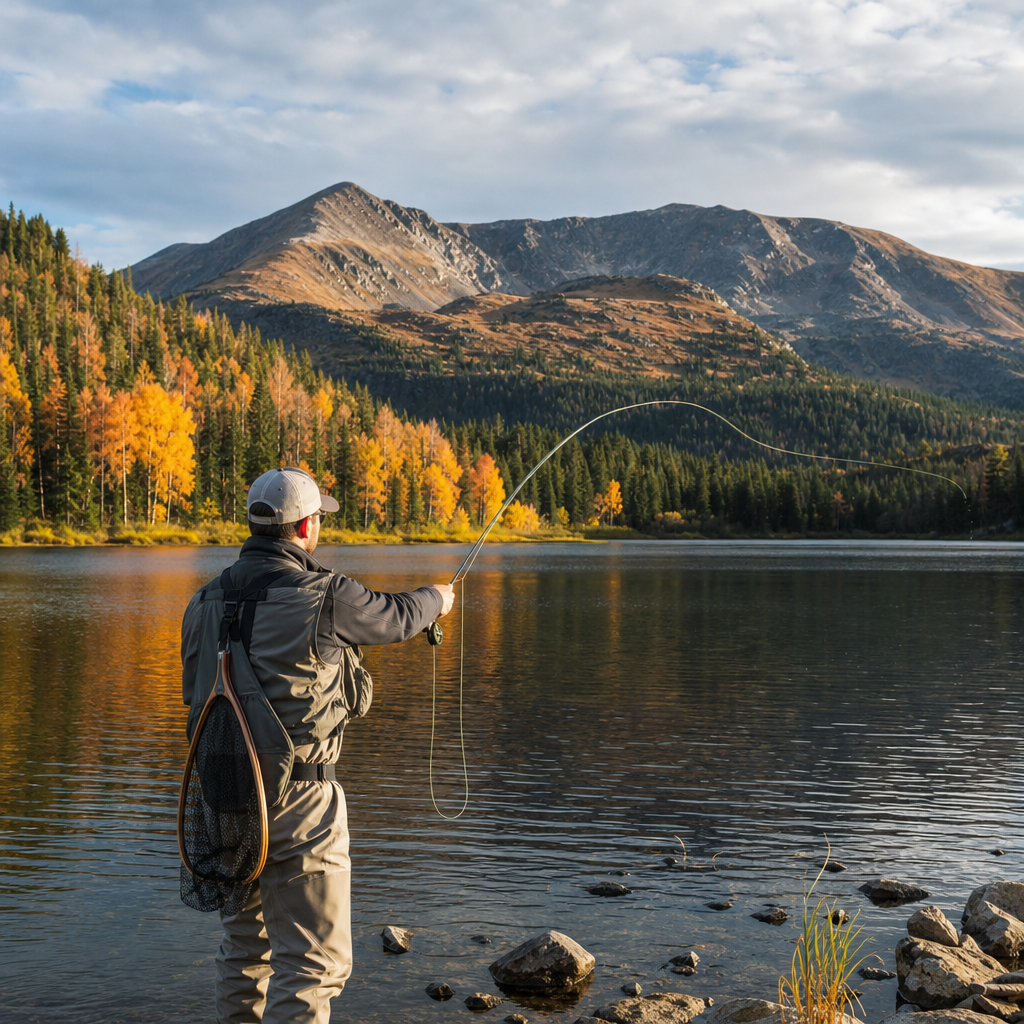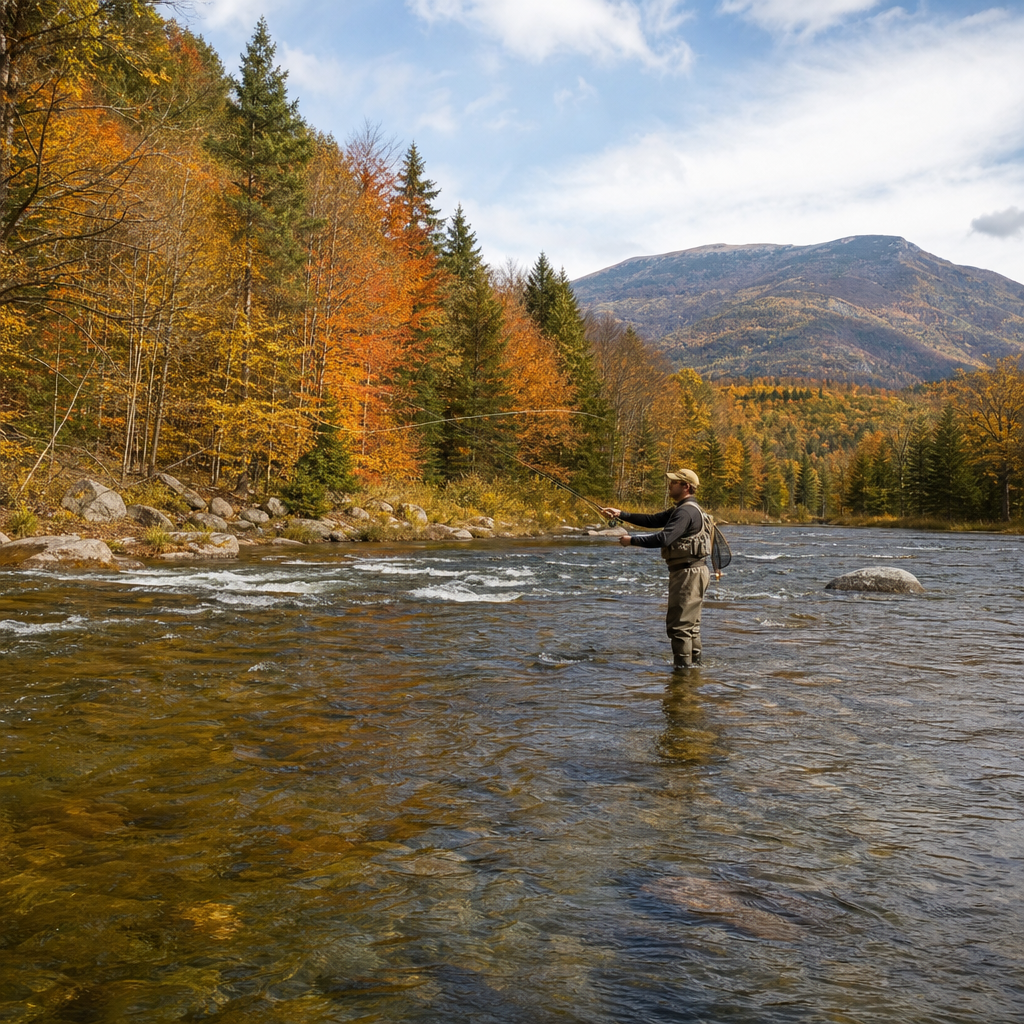
Fall fly fishing is the season many anglers circle on the calendar because rivers cool, insect activity shifts, fish feed with purpose, and crowds often thin after summer. In practical terms, fall fly fishing refers to the period when shorter days and dropping water temperatures change trout, bass, steelhead, salmon, and warmwater species behavior enough that tactics, timing, and fly choice need to adjust. I have planned guide days, personal trips, and scouting sessions around this transition for years, and the pattern is remarkably consistent: fish become more location specific, windows of activity sharpen, and small environmental details matter more than they did in midsummer.
For a hub page under seasons and conditions, the goal is to define what makes fall different and give anglers a framework for choosing water, reading fish behavior, matching food sources, and preparing gear. In most trout regions, fall begins when overnight air temperatures start pulling river temperatures back into an efficient feeding range, often around the low to mid 50s Fahrenheit. On stillwaters, surface temperatures drop, dissolved oxygen becomes more evenly distributed, and fish that spent summer deeper begin cruising shoals, weed edges, and drop-offs again. In salmon and steelhead systems, fall can mean migration, fresh fish entering rivers after rain, and a completely different set of holding lies.
Why does this matter so much? Because fall often offers the best balance of fish metabolism, manageable weather, and concentrated feeding opportunities. Trout that sulked through warm afternoons in August may chase streamers aggressively in October. Brown trout begin staging and defending territory before spawning. Brook trout color up and move shallow. Smallmouth bass feed heavily before cold water slows them down. Terrestrials can still matter on warm afternoons, while mayflies, caddis, and midges remain relevant. The season rewards anglers who understand transition rather than relying on one summer or winter approach.
Fall also demands judgment. Spawning fish and redds require ethical handling and route selection. Sudden rain can blow out a freestone stream overnight. Morning temperatures can push fish activity later in the day, while the first hour before dusk may become the prime window. Good fall fly fishing is not just about putting on a heavier jacket and tying on a streamer. It is about understanding temperature, flow, daylight, forage, and fish positioning as a connected system. Once you learn that system, fall becomes one of the most reliable and rewarding times to fish across rivers, creeks, lakes, and migratory runs.
How Fall Changes Fish Behavior and Water Conditions
The central fact of fall fly fishing is that cooling water changes fish behavior. Trout are cold-blooded, so their feeding intensity tracks water temperature more closely than air temperature. In many trout rivers, the ideal feeding band sits roughly between 50 and 60 degrees Fahrenheit, though exact comfort varies by species and watershed. After stressful summer warmth, that cooling trend lets fish spread out from oxygen refuges, hold in faster water again, and feed longer. I pay more attention to a stream thermometer in September and October than to almost any other single tool because temperature tells me whether to start early, wait for the sun, or expect an afternoon push.
Flow matters just as much. Fall can bring low, clear conditions in spring creeks and tailwaters, making long leaders, finer tippet, and subtle presentations essential. It can also bring rain events that raise flows, stain water, and trigger movement from migratory fish or aggressive feeding from resident trout. On freestone rivers, a modest bump in color often improves streamer fishing dramatically because fish feel secure enough to move. On stillwaters, turnover can redistribute food and oxygen, and although turnover sometimes makes fishing temporarily inconsistent, the period after stabilization can be excellent.
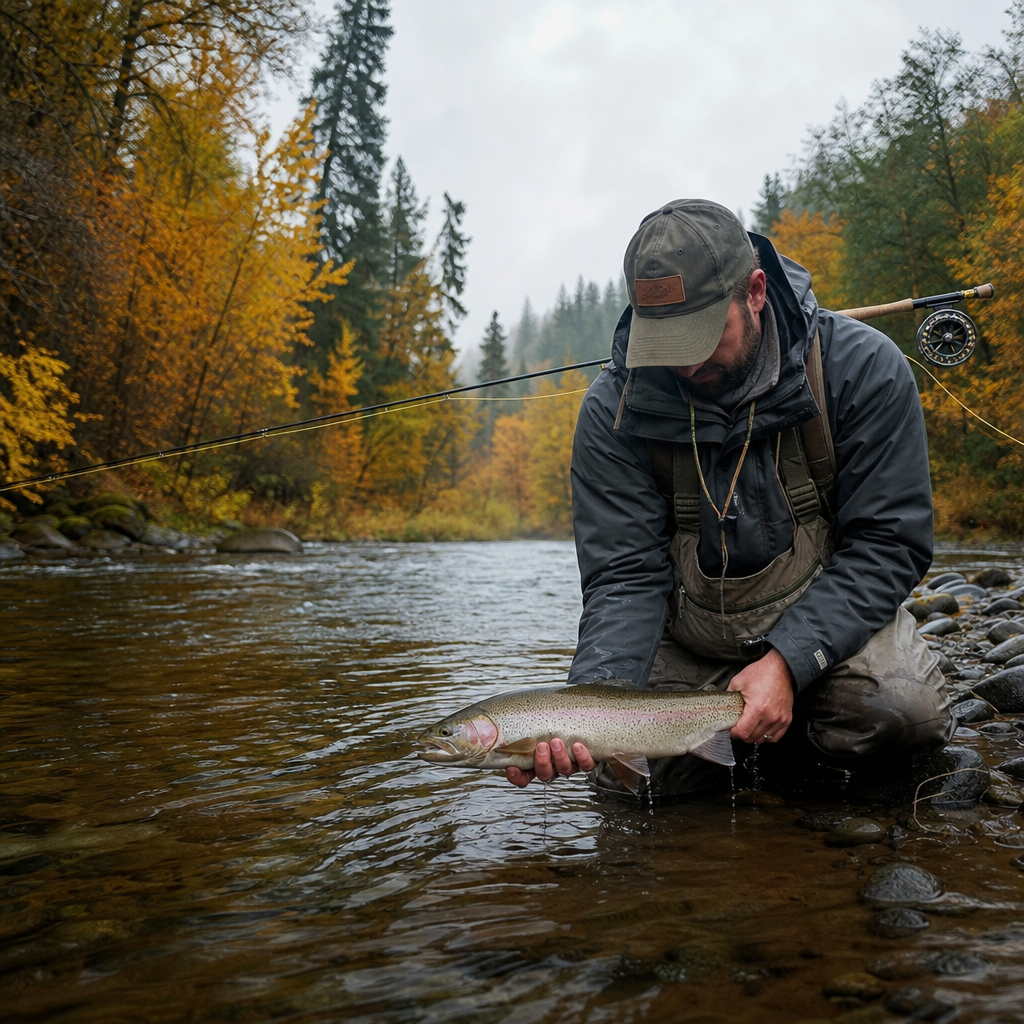
Species-specific behavior defines strategy. Brown trout frequently become territorial ahead of the spawn and react strongly to larger prey items or intrusion patterns. Rainbow trout may keep feeding predictably on nymphs and small mayflies without the same territorial edge. Brook trout often slide into pocket water, undercut banks, and shallow gravelly areas. Smallmouth bass use rock transitions, current seams, and baitfish-rich banks, especially on warmer afternoons. Steelhead and salmon in fall systems respond to flow pulses, water clarity, and travel lanes more than hatch cycles.
Light angle is another overlooked factor. Lower autumn sun changes how fish see flies and how anglers approach clear water. Midday can be excellent in cold snaps because solar warming lifts insect activity and metabolism, unlike summer when midday can shut fish down. Wind can also become more influential, particularly on lakes where it pushes bait and concentrates trout along structure. Across fisheries, the common thread is concentration: food, fish, and productive windows tend to compress into identifiable patterns, which is why fall rewards observation more than random casting.
Where to Find Fish in Autumn Rivers, Streams, and Lakes
Finding fish in fall starts with recognizing that they no longer use water exactly as they did in summer. In rivers, trout often shift from deep, slow refuge lies toward classic feeding water: the heads of runs, riffle corners, bucket water below pocket cascades, and seams beside moderate current. If nights are very cold, those fish may still delay activity until late morning, but they are usually closer to feeding structure than they were during heat stress. Brown trout in particular begin using banks, woody cover, undercut edges, and tailouts near spawning tributaries, although anglers should avoid targeting fish actively on redds or casting repeatedly into visible spawning groups.
Small streams can be outstanding in fall because reduced canopy cover improves casting angles and terrestrial food remains available during warm stretches. Brook trout creeks often fish best when flows are stable, skies are mixed, and anglers cover water methodically with dry-dropper rigs, small streamers, or attractor nymphs. In larger tailwaters, fish may pod in weed channels, foam lines, and gravel transitions where baetis, midges, and scuds stay abundant. On freestones, I look first for moderate depth and defined current, then for structure that breaks the flow without eliminating oxygen.
Lakes and ponds demand a different map. As water cools, trout, char, and bass often move shallower, especially during low-light periods. Weed edges, shoals, drop-offs adjacent to flats, inlets, and wind-blown banks become high-value targets. During turnover, fish may suspend unpredictably, so covering water with intermediate lines, leech patterns, baitfish imitations, and balanced flies under indicators can help locate the active zone. Once stable cooling sets in, chironomids, callibaetis nymphs, damsel remnants, scuds, and minnows all become relevant depending on the lake.
| Water Type | Primary Fall Holding Areas | Best Initial Tactic |
|---|---|---|
| Freestone river | Run heads, seams, pocket water, banks after rain | Nymph rig or streamer in broken current |
| Tailwater | Weed lanes, gravel shelves, foam lines, drop-offs | Technical nymphing with small flies |
| Small creek | Undercuts, plunge pools, shaded bends, woody cover | Dry-dropper or small streamer |
| Lake or pond | Shoals, weed edges, wind-blown banks, inlets | Intermediate line with leech or baitfish pattern |
| Steelhead river | Travel lanes, tailouts, walking-speed runs, soft edges after rain | Swing flies or dead-drift egg and nymph setups |
The practical lesson is simple: in fall, fish are usually easier to find when you narrow the search to food-rich structure and seasonal movement routes. Cover less random water and spend more time on lanes that connect current, oxygen, and forage. That approach consistently outperforms blind prospecting.
Best Fall Fly Fishing Tactics, Flies, and Timing
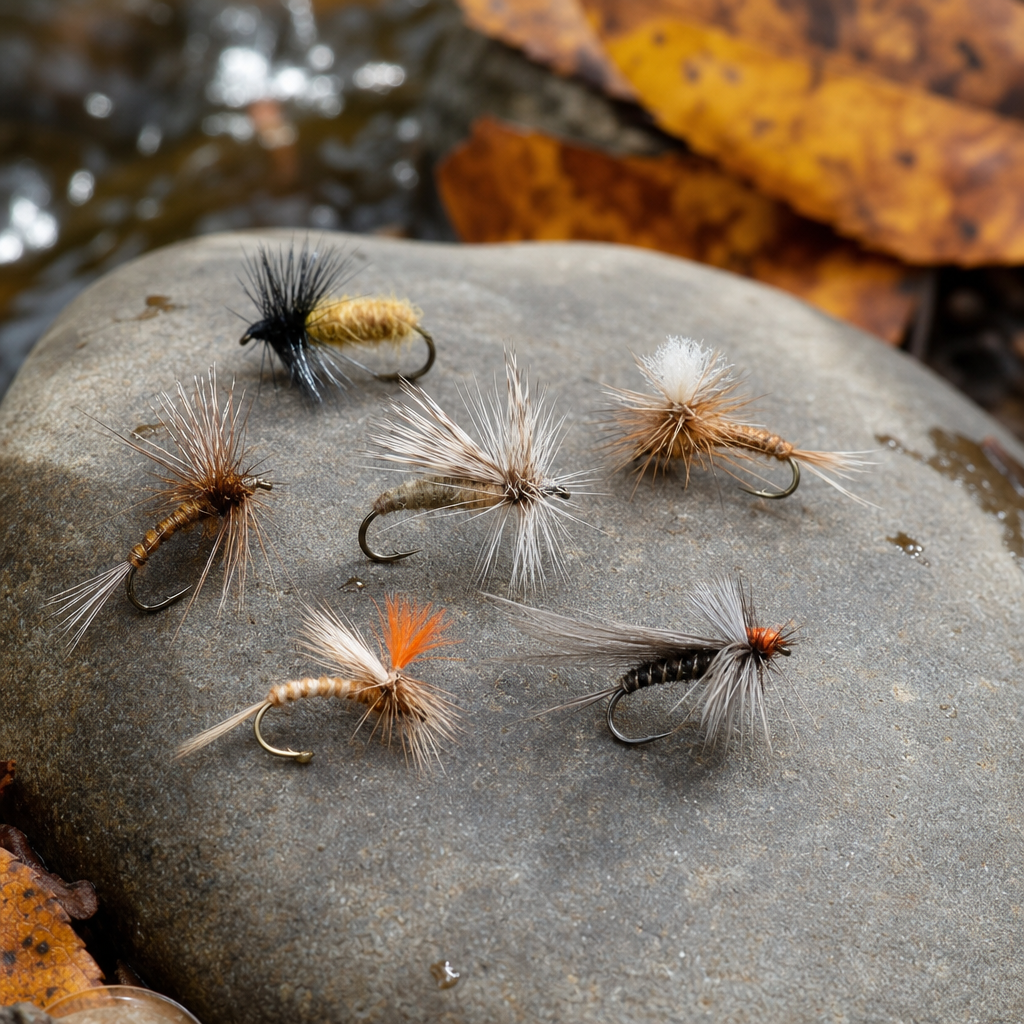
The best fall fly fishing tactics depend on water temperature, clarity, and species, but three methods consistently carry the season: nymphing, streamer fishing, and selective dry-fly fishing. Nymphing remains the highest-percentage approach on most trout water because baetis nymphs, caddis larvae, midges, scuds, sowbugs, stonefly nymphs, and egg patterns all produce under changing conditions. In low clear water, I often fish a two-fly rig with a slim perdigon or pheasant tail-style pattern above a smaller baetis, zebra midge, or scud. In slightly colored water, adding weight and a more visible anchor fly improves contact and strike detection.
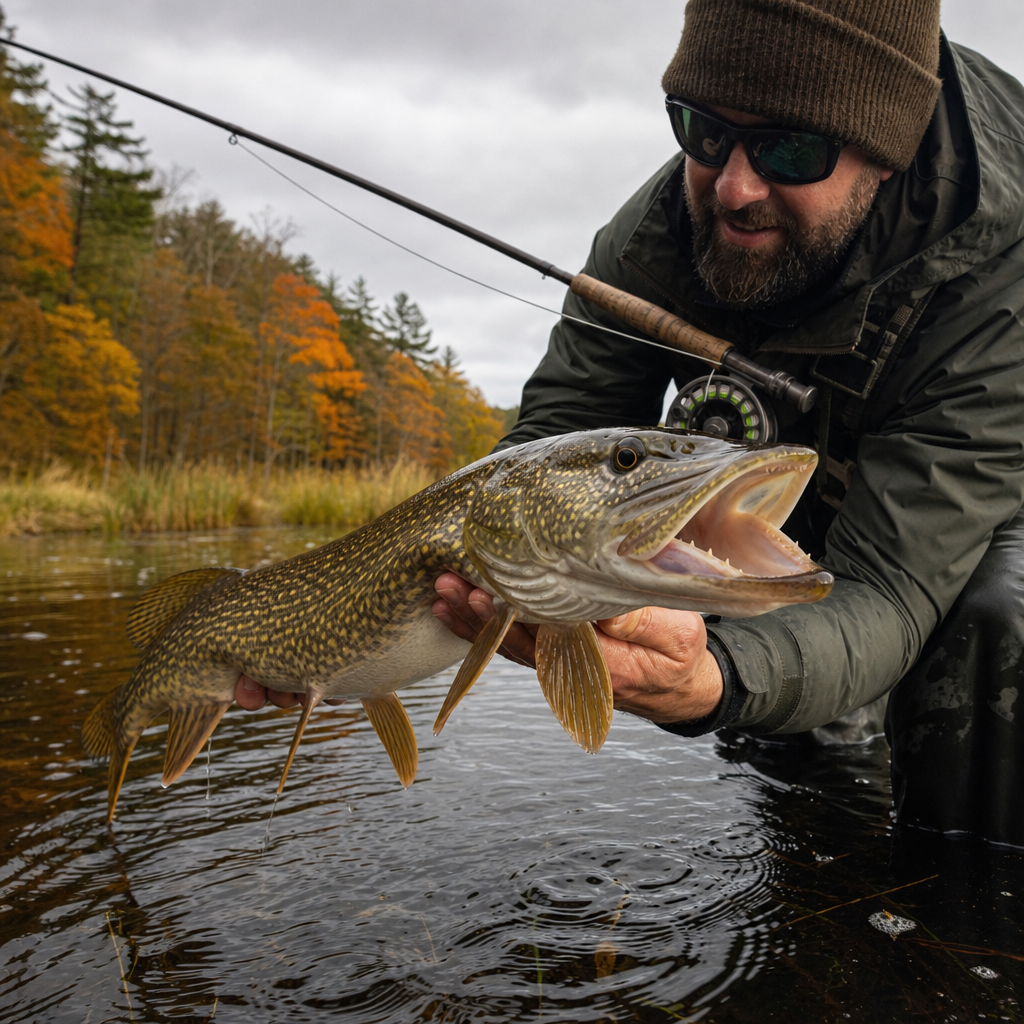
Streamer fishing is what draws many anglers to autumn, and for good reason. Brown trout, bull trout where legal, bass, and migratory species all respond to larger profiles in fall. The mistake is assuming streamers only work on giant articulated patterns stripped aggressively. Some days that is exactly right, especially with overcast skies or rising water. Other days a modest size 6 woolly bugger, sculpin imitation, or sparse baitfish fly dead-drifted, twitched, or swung slowly will outfish everything. Retrieve speed should match fish mood and water temperature. Colder water usually favors pauses, swings, and shorter strips rather than nonstop ripping.
Dry-fly fishing in fall is more nuanced but often excellent. Blue-winged olives can hatch in heavy numbers on cool, cloudy days, particularly on tailwaters and spring creeks. Mahogany duns matter on many Eastern trout streams. Caddis remain relevant in some Western rivers into fall. Midges are always worth considering. Warm afternoons can still bring hopper, ant, and beetle takes along grassy banks, especially early in the season. Anglers who carry only streamers miss some of the most technical and rewarding fishing of the year.
Timing is frequently the difference between a slow day and a memorable one. After cold nights, the best action may begin late morning and continue through the afternoon as temperatures climb a few degrees. Before storms, fish often feed aggressively. After a rain pulse, streamer fishing can peak during the first drop in water level when visibility improves but flows remain elevated. On lakes, low light around sunrise and sunset is productive, yet breezy afternoons can be better when wind stacks food onto a shoreline. Keep adjusting to water temperature and light, not just the clock.
Gear, Safety, Ethics, and Seasonal Planning
Fall gear should support versatility. On trout rivers, a 9-foot 5-weight handles most dry-dropper and indicator work, while a 6-weight is often better for larger streamers, windy banks, and bigger fish. For smallmouth, many anglers prefer a 6- or 7-weight with a stout leader. Steelhead gear typically starts at 7- to 8-weight single-hand rods or spey setups sized to the river. Floating lines cover a lot of autumn fishing, but sink-tip and intermediate lines become important for streamers and lake work. Waders, layered insulation, fingerless gloves, polarized glasses, and a reliable thermometer are not luxuries; they are core tools.
Leader and tippet choices narrow as water clears. A 9- to 12-foot leader tapered to 4X or 5X is common for technical trout work, while streamer leaders may shorten to 0X, 1X, or 2X depending on fly size and cover. Knots matter more in cold weather because numb hands create preventable failures. I retie more often in fall, especially after fish, logs, or split shot kinks. Rubber landing nets, hemostats, floatant, strike indicators, and split shot should be organized before stepping in, because daylight disappears quickly once a productive evening begins.
Safety becomes more serious in autumn. Wet rocks collect leaves, felt or rubber soles lose purchase differently, and cold water raises the consequences of a fall. Shorter days make exit timing important, particularly in canyons and unfamiliar access points. Hunting seasons overlap in many states, so bright outerwear on the walk in and awareness of public land boundaries are wise. On boats and stillwaters, sudden weather changes require a stricter margin than summer conditions.
Ethics are nonnegotiable during fall spawning activity. Avoid wading through clean gravel redds, which usually appear as lighter oval patches in suitable current. Do not target fish visibly paired up and spawning. Instead, focus on pre-spawn fish in feeding lies, post-spawn fish where appropriate, or species not engaged in reproduction. Local regulations may close tributaries or set tackle restrictions for exactly this reason. Checking state agency updates, stream gauges, and water temperature before a trip is part of responsible seasonal planning. Anglers who respect those details protect the resource and usually fish more effectively because they choose better water from the start.
Fall fly fishing rewards anglers who pay attention to change. Cooling water improves fish metabolism, shifts holding lies, and opens feeding windows that can be more predictable than summer once you understand them. Rivers often fish best around seams, run heads, banks, and structure connected to oxygen and forage. Lakes come back to life along shoals, weed edges, and wind-driven shorelines. Nymphs remain dependable, streamers become especially powerful, and dry-fly opportunities still matter whenever weather and hatches align.
The season is also a test of judgment. Water temperature should guide start times. Rain, clarity, and light should shape fly choice and presentation. Ethical awareness around redds and spawning fish is essential, not optional. Good layering, the right line system, and disciplined planning make more difference in autumn because conditions can swing fast within a single day. Anglers who prepare for that variability usually catch more fish and enjoy more comfortable, focused time on the water.
As the hub for this subtopic, this overview should help you decide where to fish, what tactics to start with, and what seasonal signals deserve your attention first. Use it as your foundation, then build into more specific fall articles on trout streams, stillwaters, streamer tactics, hatches, and regional conditions. If you want the best of the season, watch the thermometer, respect the spawn, and fish the transition days on purpose.
Frequently Asked Questions
What makes fall fly fishing different from summer fly fishing?
Fall fly fishing stands apart because the entire system begins to change at once. Water temperatures drop, daylight shortens, vegetation starts to die back, insect hatches shift, and many fish move from broad summer holding water into more defined feeding and travel lanes. In summer, anglers often focus on early mornings, late evenings, and technical presentations during low, clear, warm conditions. In fall, fish frequently become more willing to feed through longer parts of the day, especially once cold nights cool rivers into a comfortable range.
Another major difference is fish behavior. Trout often feed with more consistency as they respond to improved oxygen levels and seasonal forage opportunities. Brown trout can become increasingly aggressive as spawning season approaches, while rainbow trout and other resident fish may key in on nymphs, small baitfish, eggs, or late-season dries depending on the watershed. Warmwater species such as bass also change their patterns, often feeding heavily before colder conditions reduce their activity. Anadromous species like steelhead and salmon add another layer entirely, since their movement into rivers creates both direct opportunities and indirect food sources for resident fish.
From a tactical standpoint, fall rewards anglers who adapt rather than simply repeat summer habits. Fly size, depth, and retrieve often matter more than exact imitation alone. You may need to switch from delicate dry-fly presentations one day to streamer fishing, nymphing, or egg patterns the next. The season is dynamic, and that is exactly why so many anglers consider it one of the most exciting and productive times of the year.
What are the best flies to use in the fall?
The best fall flies depend heavily on species, river type, and current conditions, but a few broad categories consistently produce. Nymphs remain essential because subsurface food is available every day, even when no obvious hatch is taking place. Pheasant tails, hare’s ears, Prince nymphs, caddis larvae, midge patterns, and stonefly nymphs are all reliable starting points. In many trout rivers, smaller mayfly nymphs and midge patterns become especially important as the season progresses and water clears.
Streamers are often at their best in the fall. As fish become more territorial or feed more aggressively on baitfish and larger prey, patterns such as woolly buggers, sculpins, leeches, and articulated streamers can trigger larger fish. Brown trout in particular are famous for responding to streamers in autumn, especially during overcast weather, rising flows, or low-light periods. The key is not just choosing a streamer, but matching size, color, and retrieve speed to water temperature and fish mood. Some days call for a slow, deep swing or strip; other days fish react to short, erratic movement.
Dry flies still matter in fall, though anglers sometimes underestimate them. Blue-winged olives, caddis, midges, terrestrials lingering into early fall, and October caddis in certain regions can all create excellent surface opportunities. In waters with spawning salmon or other seasonal movement, egg patterns also become important for trout and steelhead. If you want a practical fall box, carry a balanced mix of nymphs, streamers, a few key dries, and egg patterns where appropriate and legal. That combination covers most of what the season is likely to present.
When is the best time of day to go fall fly fishing?
One of the advantages of fall is that the “best time” often broadens compared to the heat of summer. During hot summer months, fishing can be compressed into dawn and dusk because midday warmth stresses fish and reduces feeding activity. In fall, cooler nights and milder daytime temperatures can create productive windows from late morning through midafternoon, particularly on trout streams. As the sun gets higher, it can slightly warm the water, improve insect activity, and encourage fish to become more active after a cold night.
That said, timing still depends on species and weather. Trout may feed best from midmorning into afternoon when water temperatures climb a few degrees and hatches begin. Bass often remain very catchable around low light, especially in early fall before water cools significantly. Steelhead and salmon anglers may prefer early and late periods for movement, visibility advantages, and reduced pressure, though cloudy days can fish well all day. On tailwaters and spring creeks, consistent flows and stable temperatures may make timing less dramatic than on freestone rivers.
The smartest approach is to think in terms of water temperature, light conditions, and current food activity rather than the clock alone. A cold, frosty morning may start slowly and improve dramatically by noon. A storm front can turn on streamer fishing in the middle of the day. A blue-winged olive hatch may peak during drizzly afternoon weather. Fall rewards anglers who stay observant and flexible, because the best window is often created by changing conditions rather than a fixed schedule.
How should I adjust my tactics for trout, bass, steelhead, and salmon in the fall?
The biggest adjustment is recognizing that each species responds differently to the same seasonal changes. For trout, fall often means focusing on structure, depth, and changing food sources. Fish may slide into riffle seams, bucket water, undercut banks, and tailouts where drifting nymphs, eggs, and baitfish become available. Indicator nymphing, tight-line techniques, and streamer fishing are all strong fall methods. If fish are feeding selectively on top, keep dry-fly gear ready, but assume you may need to work below the surface first.
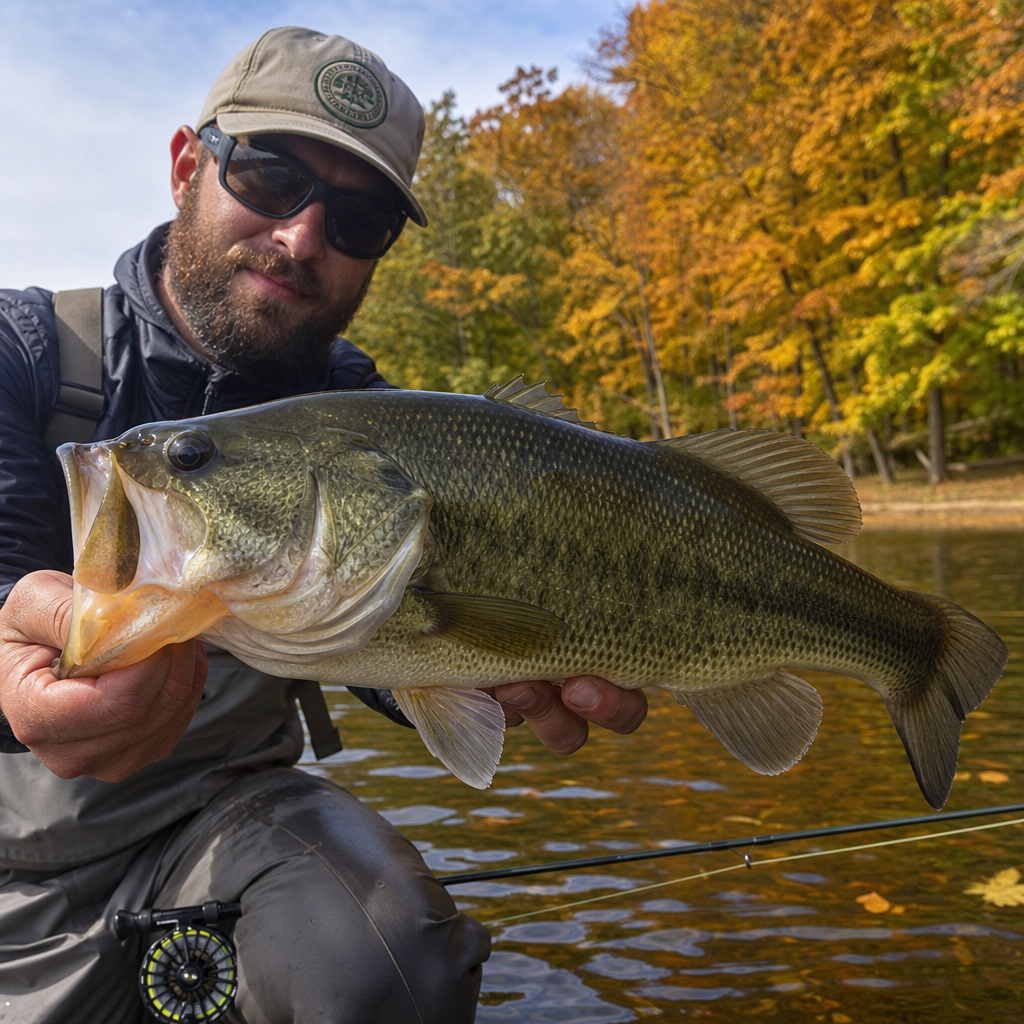
For bass, think transition. Early fall can still fish like summer, with surface flies and baitfish patterns producing around low light, weed edges, wood, and current breaks. As temperatures continue to drop, bass often shift toward slower presentations and more concentrated holding areas. Clousers, crawfish flies, leech patterns, and medium-sized streamers fished with pauses can be very effective. Rather than covering endless shallow water, focus on drop-offs, slower pools, and areas where bait gathers.
Steelhead and salmon require a more location-driven mindset. Success often depends on finding fresh fish, understanding travel routes, and presenting flies at the proper depth and angle. Swinging intruders, traditional wet flies, and baitfish-style patterns can be excellent, but nymphing with egg patterns, stoneflies, or attractor flies is also a major part of fall success. Presentation depth is critical: too high and fish ignore the fly, too low and the drift becomes unnatural or constantly snags. In all cases, fall tactics improve when anglers pay attention to fish movement, water clarity, flow changes, and the specific role a river section plays as feeding water, travel water, or holding water.
What conditions should I watch for to improve success during fall fly fishing?
If you want to fish fall well, pay close attention to water temperature first. It influences fish metabolism, dissolved oxygen, insect activity, and where fish choose to hold. Even a small temperature change can make a noticeable difference. Trout generally become more active once summer heat fades, while bass may feed hard during the transition before becoming more sluggish in late fall. Watching daily highs and overnight lows can help you predict when a river is likely to fish best.
Flow and water clarity are just as important. Fall often brings rain events, and those fluctuations can completely change fishing quality. A slight bump in flow may improve streamer fishing, move fish into new holding water, and reduce their wariness. Too much water, however, can spread fish out, stain the river heavily, and make presentation difficult. On the other end of the spectrum, low and crystal-clear water can demand lighter tippet, longer leaders, smaller flies, and more careful wading. Understanding whether a river is stable, rising, dropping, or blown out gives you a major edge before you ever step in.
Also watch cloud cover, wind, and insect activity. Overcast days often improve streamer fishing and may extend hatch windows. Light rain can be excellent, especially for blue-winged olive activity. Wind can knock terrestrials into the water early in the season, but it can also complicate casting and drag control. Finally, consider angling pressure. One of fall’s real advantages is that crowds often thin after summer, and fish in less-pressured water usually behave more naturally. When you combine good temperatures, manageable flows, seasonal food sources, and lower pressure, fall can offer some of the most consistent and rewarding fly fishing of the year.