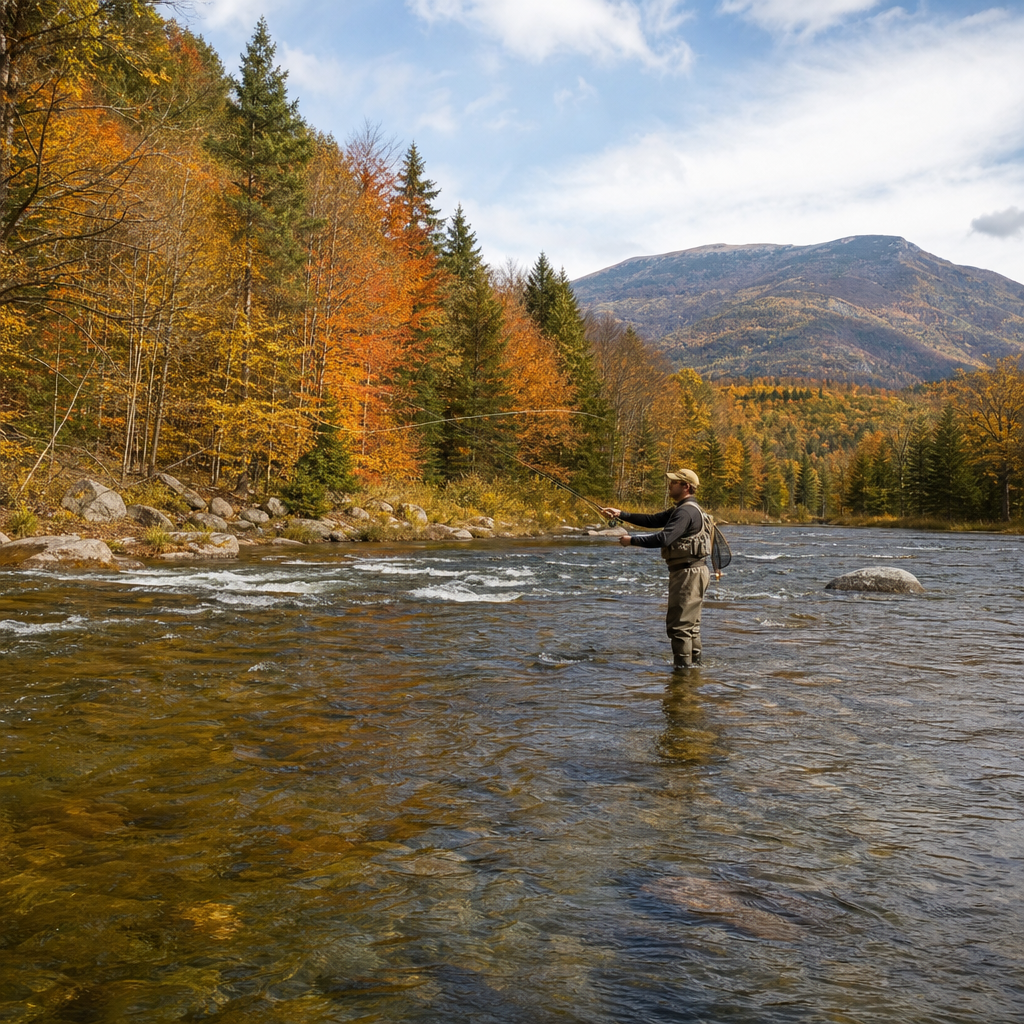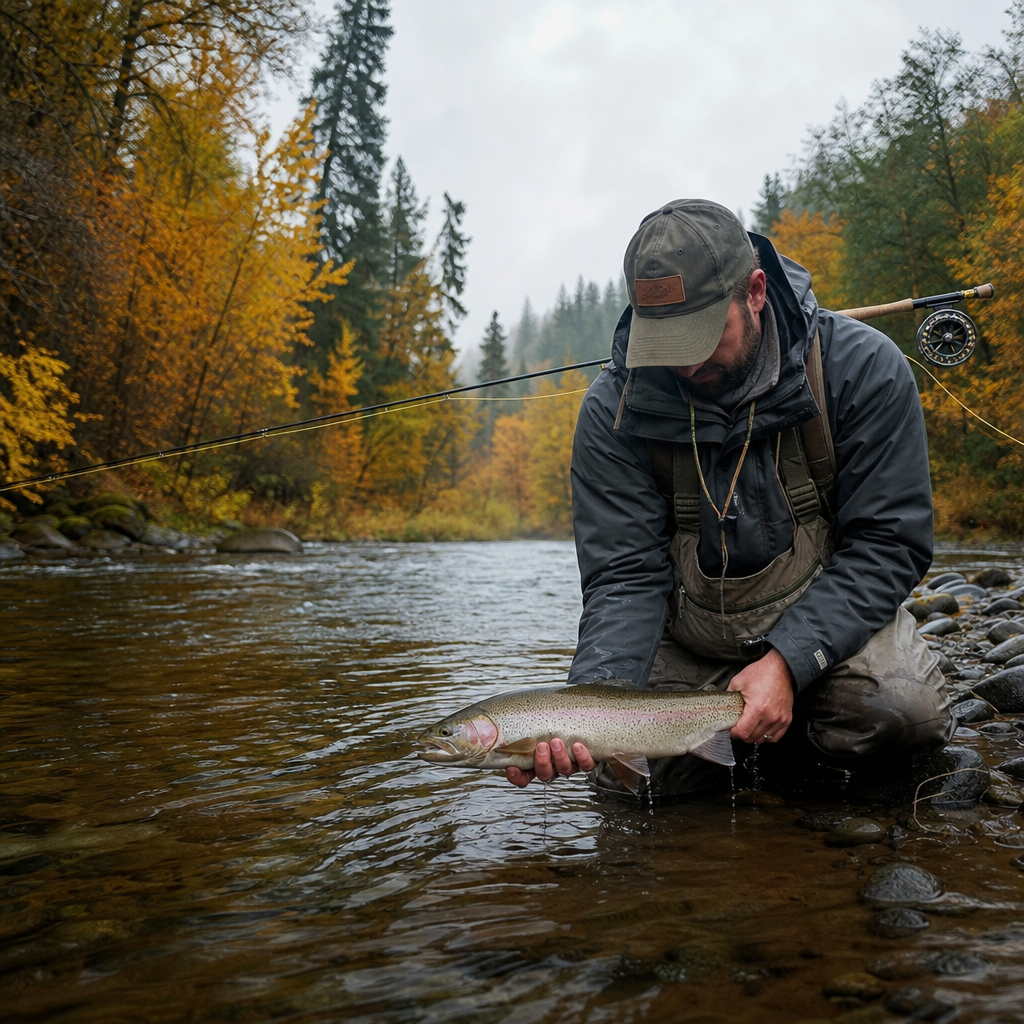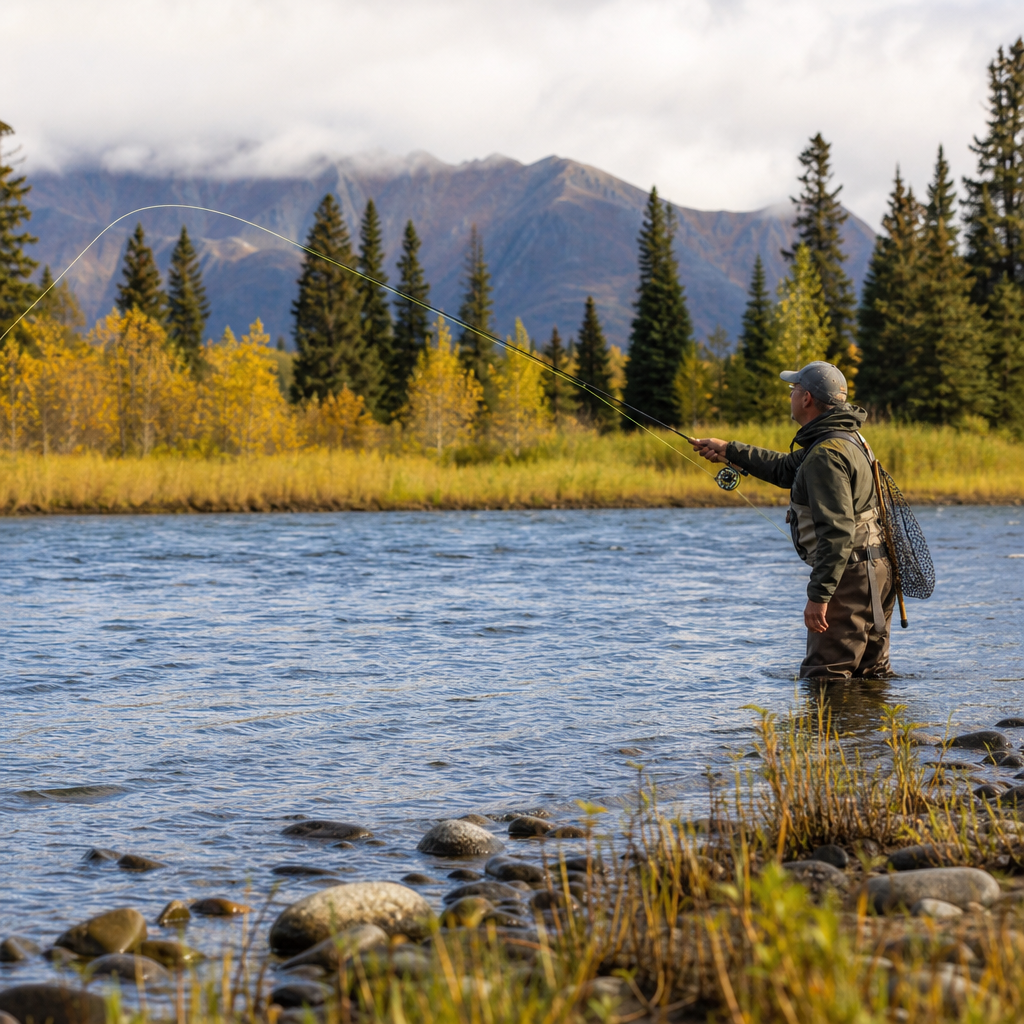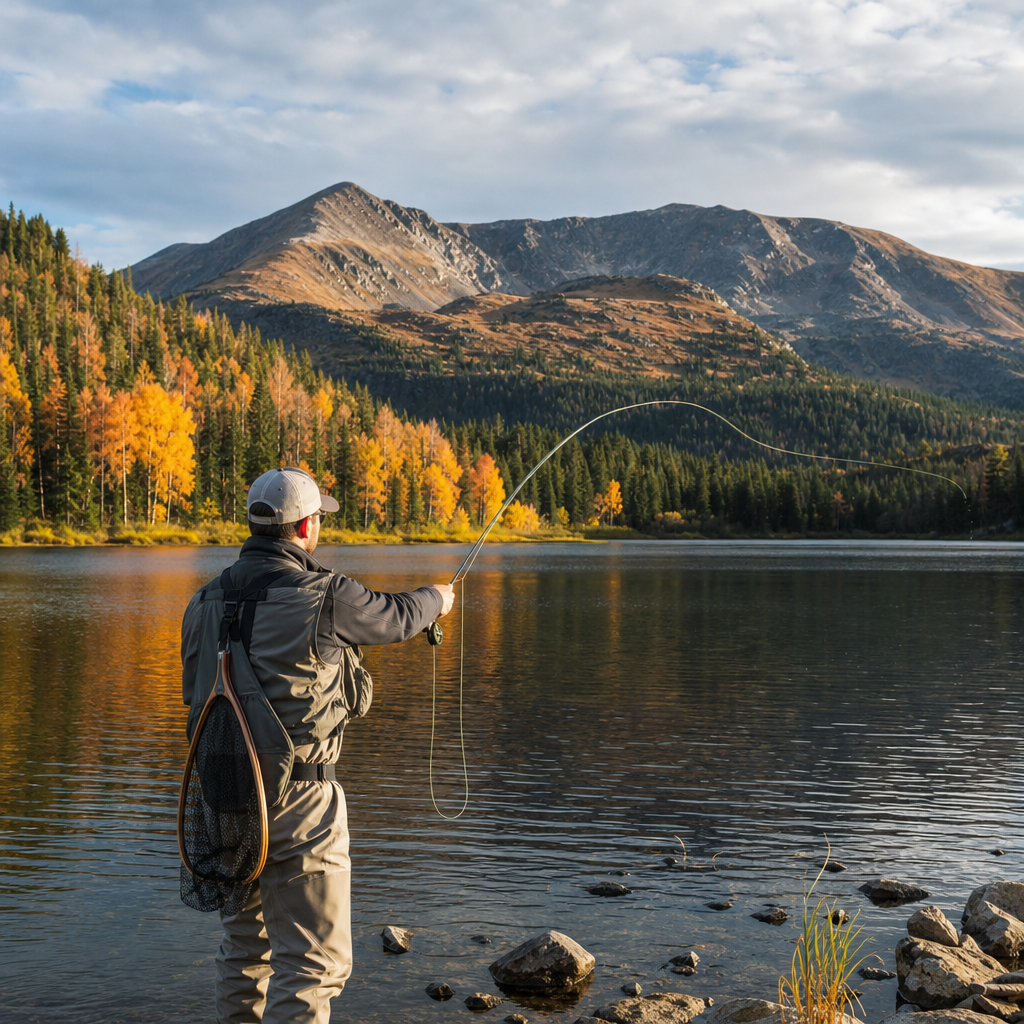
Fall fly fishing for trout is defined by transition: cooling water, shorter days, shifting insect activity, and fish that feed with urgency before winter. The best fall fly patterns for trout are not just a seasonal shopping list. They are a practical system for matching changing food sources, water conditions, and trout behavior from early September through late November. In my experience guiding and building seasonal fly boxes, anglers do best in fall when they stop thinking in summer terms and start fishing around three drivers: remaining aquatic hatches, aggressive streamer responses, and calorie-rich terrestrial or egg opportunities.
For a hub page on fall fly fishing, it helps to define the core terms clearly. A fly pattern is a standardized imitation or attractor tied to suggest a food item, trigger, or profile. Matching the hatch means selecting a fly that resembles the insects trout are currently eating in size, shape, color, and behavior. A searching pattern is a broader imitation used when no obvious hatch is present. In fall, both matter. Some days demand exact mayfly or midge imitations; on others, a Woolly Bugger, Slumpbuster, or articulated sculpin simply outperforms delicate dry flies because trout are hunting larger meals.
Why does this season matter so much? First, trout metabolism remains active while water temperatures often fall into the ideal feeding range, commonly around the low-to-mid 50s Fahrenheit for many rivers. Second, pressure usually declines after summer crowds fade. Third, spawning behavior changes fish location and aggression, especially for brown trout. Fall is also technically demanding. Insects are often smaller than anglers expect, flows can swing dramatically after rain, and trout may move between riffles, seams, undercut banks, weed edges, and tailouts within the same day. The right patterns solve these puzzles. This article covers the major fly categories, when to fish them, and how to build a dependable fall trout box that supports every other page in a seasons-and-conditions library.
Fall Hatches: Mayflies, Midges, and Caddis That Still Matter
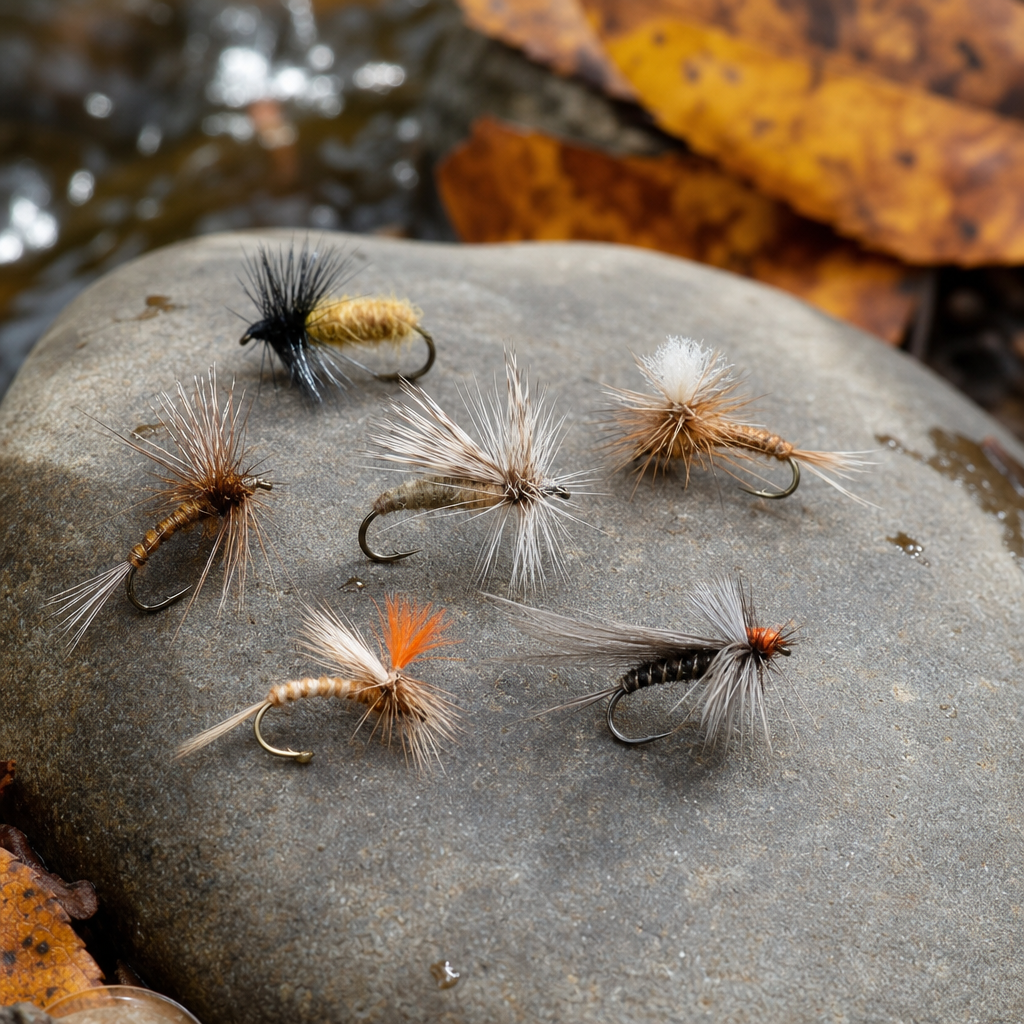
The first rule of selecting the best fall fly patterns for trout is simple: do not assume hatch fishing ends with summer. On many rivers, autumn mayfly activity is the backbone of daytime dry-fly action. Blue-Winged Olives, often from Baetis species, are the most reliable example. They typically appear on cool, cloudy, drizzly days and range from about size 16 to 22, with size 18 to 20 covering a lot of situations. Effective patterns include a Parachute BWO, Sparkle Dun, Comparadun, RS2, Pheasant Tail nymph, and Barr’s Emerger. If trout are refusing a high-floating dry, switch to an emerger in or just below the film; in fall, that subtle change often converts lookers into eaters.
Midges become increasingly important as temperatures drop, especially on spring creeks, tailwaters, and slow glides where insect life remains dense. Zebra Midges, Griffith’s Gnats, Top Secret Midges, and simple midge pupae in black, olive, red, cream, or silver should always be in a fall box. Sizes 18 through 24 are normal, and anglers who fish them confidently usually catch trout when others claim nothing is hatching. Presentation matters more than pattern complexity. Fine tippet, drag-free drifts, and watching for subtle sips are essential. During calm afternoons, trout may station in soft water and feed rhythmically on pupae or adults, making midge patterns a direct answer to seemingly selective fish.
Caddis still have a place in early fall, particularly in freestone rivers that hold healthy populations of tan, olive, or dark-bodied adults. An Elk Hair Caddis, X-Caddis, soft hackle pupa, or cased caddis larva can all produce before cold weather fully settles in. Late-season October Caddis also deserve mention in Western rivers. These large orange insects inspire buoyant dries, stimulators, and pupa patterns in sizes 8 to 12. Trout will not always key on them exclusively, but they are too important to ignore where present. In practical terms, a strong fall hatch box should combine BWOs for overcast afternoons, midge patterns for technical water, and caddis options for transitional early-season windows.
Nymphs for Fall Trout: The Most Consistent Daily Producers
If one category wins the title for most dependable fall fly fishing pattern, it is the nymph. Trout feed below the surface most of the time, and autumn currents concentrate aquatic insects in predictable lanes. Pheasant Tails, Hare’s Ears, Frenchies, Perdigons, Prince Nymphs, and Walt’s Worms remain foundational because they cover mayfly nymphs, caddis larvae, general attractor profiles, and fast-water efficiency. Sizes 14 to 18 are the core range. Tungsten beads become especially useful in fall because cooler, clearer water often pushes trout into defined slots where a quick sink rate gets the fly into the feeding zone fast.
In larger rivers, I commonly rig a two-fly setup with a heavier anchor fly and a smaller trailer. For example, a size 14 jigged Frenchie or olive Perdigon can carry a size 18 RS2, Zebra Midge, or soft hackle. That combination covers both active nymphs and ascending emergers. In pocketwater, a single attractor nymph under a tight-line setup may be enough. In slick tailouts, however, split-shot spacing, leader diameter, and drift length become more important than the exact fly name. Fall trout can be surprisingly position-specific, and the best nymph pattern is often the one that drifts naturally at eye level rather than the one tied with the fanciest materials.
Stoneflies deserve a realistic place in a fall discussion too. While they are not always the headline hatch, smaller stonefly nymphs can produce in freestones where trout expect a broad menu. Pat’s Rubber Legs in subdued colors, small black stone nymphs, and general attractors with rubber legs work well after rain or when flows rise. On heavily fished waters, slim profiles often outperform bulky classics. Keep colors natural: olive, brown, black, tan, and wine. Bright hotspot collars can help in broken water, but in flat clear runs, toned-down flies usually draw more confident takes. For anglers building a sub-pillar around fall nymphing, these patterns are the daily workhorses that connect hatch periods, weather shifts, and varied river types.
Streamers in Autumn: Why Bigger Flies Often Trigger Bigger Trout
Fall streamer fishing has a deserved reputation because brown trout become territorial and opportunistic as spawning season approaches. That does not mean every brown turns reckless, but it does mean larger prey patterns can trigger follows, eats, and violent reaction strikes that are rare in bright summer conditions. The best fall streamer fly patterns for trout imitate sculpins, baitfish, juvenile trout, leeches, and crayfish more than insects. Proven choices include the Woolly Bugger, Zonker, Slumpbuster, Circus Peanut, Sex Dungeon, Sculpzilla, and compact articulated minnows in olive, black, white, tan, and yellow.
Pattern selection should follow water color, depth, and trout mood. In clear water, natural olive or tan streamers with moderate flash tend to look believable. In stained flows after rain, black creates a strong silhouette, while white can stand out in slightly off-color water. Size matters, but not always in the obvious way. Many anglers jump straight to giant articulated flies, yet a size 6 or 8 Bugger can outperform a six-inch pattern when water is cold and fish are inspecting closely. I usually start medium, then scale up or down based on follows, water temperature, and the trout’s willingness to move.
Retrieve style is as important as fly choice. Across-and-down swings, short strips along undercut banks, and dead-drift-then-strip presentations all have a place. In rivers with woody cover or cutbanks, a weighted streamer drifted tight to structure often gets eaten on the pause. In broader runs, a sinking line or sink-tip helps maintain depth through the swing. Fall streamer fishing is not merely about aggression; it is about presenting a high-calorie meal where a trout can intercept it efficiently. That is why experienced anglers focus on angle, depth, and tracking speed before changing patterns repeatedly.
Dry Flies, Terrestrials, and Attractor Patterns for Opportunistic Feeding
Although fall is famous for subsurface fishing, dry-fly opportunities remain excellent, especially during the warmer parts of early autumn. Beetles, ants, hoppers lingering from summer, and general attractor dries can all be effective when trout are looking up but not keyed to a dense hatch. Foam beetles in black or peacock, flying ant patterns, small parachutes, and Purple Haze-style attractors are practical choices because they are visible and versatile. On meadow streams or banks lined with grass and brush, these patterns often produce best from late morning through midafternoon, when sun or breeze pushes terrestrials onto the water.
One common mistake is fishing oversized terrestrials too late into the season. Early fall can absolutely reward a size 10 hopper, but by mid-to-late fall, smaller beetles and ants often look more natural. Think size 14 to 18 instead of the giant foam offerings used in August. Another mistake is ignoring spent or crippled presentations. Trout in smooth water frequently prefer an emerger, a flush-floating ant, or a low-riding caddis over a perfectly upright dry. CDC patterns shine here because they suggest life without excessive bulk.
Attractor dries also help anglers cover water during uncertain feeding windows. A Chubby Chernobyl is often thought of as a summer fly, yet in early fall it still serves as a buoyant indicator for a small dropper. A Stimulator can suggest stoneflies, caddis, or October Caddis depending on size and color. These are not pure hatch-match tools, but they belong in a comprehensive fall system because they let anglers fish efficiently while remaining ready for a sudden hatch. When fish rise inconsistently, a visible dry with a precise nymph underneath is often the most practical answer.
Egg Patterns, Spawn Timing, and Building a Smart Fall Fly Box
Egg patterns are among the most effective and most misunderstood fall fly patterns for trout. Where brown trout, brook trout, or salmon are spawning, drifting eggs become a major food source for nonspawning fish. A simple Glo Bug, Otter’s Egg, or pegged egg in pale orange, apricot, cream, or chartreuse can be deadly below redds and in downstream seams. The key ethical point is crucial: never target trout actively paired on redds or standing on cleaned gravel nests. Instead, fish to staging trout before spawning or opportunistic trout downstream that are feeding on dislodged eggs. This distinction matters for fishery health as much as success.
A practical fall box should be compact but specific. The table below outlines a reliable starting lineup that covers most trout rivers and tailwaters through autumn.
| Category | Recommended Patterns | Typical Sizes | Best Conditions |
|---|---|---|---|
| Mayflies | Parachute BWO, RS2, Pheasant Tail, Sparkle Dun | 16-22 | Cloudy afternoons, gentle seams, hatch activity |
| Midges | Zebra Midge, Griffith’s Gnat, midge pupa | 18-24 | Tailwaters, spring creeks, cold calm days |
| Nymphs | Frenchie, Perdigon, Hare’s Ear, Walt’s Worm | 14-18 | Daily searching, riffles, runs, pocketwater |
| Streamers | Woolly Bugger, Slumpbuster, Sculpzilla, Zonker | 4-10 | Low light, stained water, undercut banks |
| Terrestrials and dries | Foam beetle, flying ant, Purple Haze, Elk Hair Caddis | 12-18 | Warm early fall afternoons, bank lines, risers |
| Eggs | Glo Bug, Otter’s Egg, pegged egg | 10-16 | Below spawning areas, late fall, mixed species water |
When organizing your box, carry patterns in multiple weights and shades rather than endless brand-name variations. A matte olive Perdigon, a black Zebra Midge, a size 18 RS2, a tan caddis, a black beetle, and a medium olive streamer cover more real scenarios than dozens of near-duplicates. If you are expanding a seasons-and-conditions library, link this fall fly fishing hub to focused guides on streamer tactics, BWO hatches, trout spawn ethics, and nymphing rigs, because those topics naturally deepen the choices introduced here.
The best fall fly patterns for trout work because they match the season’s real food sources and behavioral triggers, not because they are trendy. Start with BWOs, midges, and versatile nymphs, because they produce across the widest range of rivers and weather. Add streamers for bigger fish and aggressive moments, terrestrials and low-profile dries for opportunistic surface feeding, and egg patterns where spawning activity makes them relevant. Then refine by water type, light level, flow, and temperature. That is how consistent fall anglers think.
The main benefit of mastering fall fly fishing is efficiency. Instead of guessing, you can read the river, narrow the menu, and present a pattern that makes biological sense. On the water, that confidence matters. It shortens the trial-and-error cycle, improves presentations, and helps you fish ethically around vulnerable trout. Build your box around proven categories, carry the right sizes, and let conditions dictate emphasis rather than habit.
If you want better trout fishing this autumn, start by auditing your fall box today. Make sure it includes BWOs, midge patterns, core nymphs, two or three dependable streamers, a handful of terrestrials, and eggs where legal and appropriate. Then fish them with purpose the next cool, overcast afternoon.
Frequently Asked Questions
What are the best fall fly patterns for trout overall?
The best fall fly patterns for trout usually cover three major food categories: baitfish and large attractors, nymphs that imitate the most reliable subsurface food, and a small group of dry flies for late-season hatches and terrestrials. In practical terms, that means a strong fall box often includes streamers like Woolly Buggers, Sculpzillas, Zonkers, and small articulated baitfish patterns; nymphs such as Pheasant Tails, Hare’s Ears, Prince Nymphs, Zebra Midges, and caddis larvae or pupae; and dry flies like Blue-Winged Olive imitations, October Caddis adults, small parachute mayflies, and foam ants or beetles early in the season.
Fall is different from summer because trout feed with more urgency as water temperatures drop and seasonal food sources shift. Early fall can still fish like a late-summer crossover period, with hoppers, ants, beetles, and morning or evening dry-fly opportunities. As the season progresses, insect activity narrows, flows may change, and trout often become more willing to eat larger, calorie-dense meals. That is why streamers become increasingly important, especially on cloudy days, after a bump in flow, or when targeting larger brown trout.
If you want a simple but highly effective system, think in terms of function rather than dozens of patterns. Carry one or two searching nymphs, one or two slim mayfly imitations, a midge option, a caddis option, one terrestrial, one BWO dry, and a few streamers in multiple sizes and colors. Olive, black, brown, and white cover most streamer situations. In nymphs, natural colors like pheasant tail, olive, tan, cream, and black are consistently productive. The “best” fall flies are the ones that let you adjust to changing trout behavior from early September through late November without overcomplicating your box.
How should fly selection change from early fall to late fall?
Fly selection should become more subsurface-focused and more selective as fall deepens. In early fall, trout are often still willing to rise to terrestrials, especially on warm afternoons. Ants, beetles, hoppers in some regions, and attractor dries can still produce well, particularly on smaller streams and meadow water. At the same time, standard nymphs like Pheasant Tails, Hare’s Ears, and caddis patterns remain reliable because trout are feeding consistently below the surface even when they are willing to look up.
By mid-fall, the menu begins to narrow. Blue-Winged Olives often become one of the most important hatches, especially during overcast, damp, or cool weather. This is also when October Caddis can matter in certain western fisheries, and when egg patterns may become relevant in waters where trout are spawning or where other species provide egg food in the drift. Streamers grow in importance during this period because browns and other predatory fish become more aggressive, territorial, or simply more interested in larger meals. A drift boat angler, wading angler, or streamer specialist often sees the biggest shift in success by leaning harder into baitfish imitations in October and November.
In late fall, think efficiency and depth. The water is colder, insect windows may be shorter, and trout often hold in slower, deeper lies with easier access to food. That usually means small nymphs, midges, eggs where appropriate, and compact streamers fished methodically. Late-fall trout may still crush a streamer, but they often do it in a more defined window and from specific holding water. Instead of covering water like it is still September, fish more deliberately. Weight, drift quality, and presentation matter even more than pattern names by late November.
Are streamers the most important fall flies for trout?
Streamers are extremely important in fall, but they are not automatically the best choice every day, on every river, or for every angler. Their reputation is well earned because fall often triggers aggressive feeding behavior, especially in brown trout. Cooling water, shifting light, pre-winter feeding, and seasonal movement can all make trout more willing to chase or ambush larger prey. That is why patterns like Woolly Buggers, sculpin imitations, leeches, and articulated streamers produce some of the most memorable fish of the season.
That said, many anglers overcorrect and fish only streamers in fall, ignoring the fact that trout still eat a tremendous amount of subsurface insect life. On plenty of days, especially under clear skies, stable low flows, or heavy fishing pressure, a well-presented nymph rig will outfish streamers by a wide margin. Small mayfly nymphs, caddis pupae, and midges continue to account for fish throughout the season. Likewise, if Blue-Winged Olives are hatching, trout may feed selectively on emergers and duns while ignoring larger flies completely.
The smartest approach is to treat streamers as a major fall category, not the entire game plan. Use them when the conditions support them: low light, rising or stained water, bankside structure, deeper runs, cloudy afternoons, and whenever you are specifically hunting larger trout. If fish are not committing, change size before abandoning the approach entirely. A smaller, less articulated olive or black streamer often gets eaten when a large pattern only draws follows. In other words, streamers are essential in fall, but they work best as part of a balanced seasonal system that also includes nymphs and hatch-matching dries.
What sizes and colors work best for fall trout flies?
In fall, sizes and colors should follow water clarity, available food, and trout mood rather than rigid seasonal rules. For nymphs, sizes 12 through 18 cover most situations well, with larger caddis and stonefly-style flies on one end and smaller mayfly nymphs and midge patterns on the other. Pheasant Tail and Hare’s Ear variations in sizes 14 to 18 are classic because they suggest a wide range of natural food. Zebra Midges and other simple midge patterns in sizes 18 to 22 can be especially useful during late fall when trout are feeding subtly in slower water.
For dry flies, Blue-Winged Olive patterns are often most effective in sizes 16 to 22 depending on the fishery and hatch. Ants and beetles can range from 12 to 18, while October Caddis patterns are much larger where that hatch is present, commonly in sizes 8 to 12. Matching silhouette and stage often matters more than exact shade, but olive, gray, tan, black, and rusty tones are dependable choices during the season.
Streamer sizes vary more than any other category. A size 4 Woolly Bugger may be perfect on a small river, while a larger articulated pattern can be the right tool on bigger water when you are targeting larger fish. Color-wise, olive is one of the best all-around fall choices because it suggests sculpins, juvenile trout, and general baitfish. Black excels in low light and dirty water because it creates a strong profile. White works well when trout are keying on baitfish, and brown is a natural confidence color in rocky trout streams. In clear water and bright conditions, smaller and more natural usually wins. In stained water, deeper runs, or aggressive feeding windows, larger flies with stronger contrast often perform better.
How do I build a practical fall fly box for trout without carrying too many patterns?
The easiest way to build a practical fall fly box is to organize it by role instead of by brand-new seasonal hype. Start with a core nymph section: Pheasant Tails, Hare’s Ears, Prince Nymphs, caddis larvae or pupae, and Zebra Midges in a range of sizes. These are your day-in, day-out fish-catching tools. Add a few heavier anchor flies for deeper runs and pocket water, plus smaller trailer flies for slower pools and technical late-fall drifts. This gives you a flexible subsurface foundation that works from early September into late November.
Next, add a compact dry-fly section built around what actually matters in fall. Include Blue-Winged Olive adults and emergers, a handful of parachute-style searching dries, and early-fall terrestrials like ants and beetles. If your home water has a meaningful October Caddis hatch, make room for those. If not, there is no need to force patterns that do not match your river. A smart fly box is local first and seasonal second.
Finally, give streamers their own section and make it intentional. Carry a few confidence patterns in olive, black, brown, and white, with at least one smaller option and one larger profile in each category you trust. You do not need twenty different articulated flies. You need enough range to fish slow or fast, shallow or deep, clear water or stained water. When in doubt, build around confidence and versatility: a couple of Woolly Bugger styles, a sculpin pattern, a leech-like option, and one or two baitfish imitations will cover an enormous amount of fall trout fishing. A well-built fall box is not about owning everything