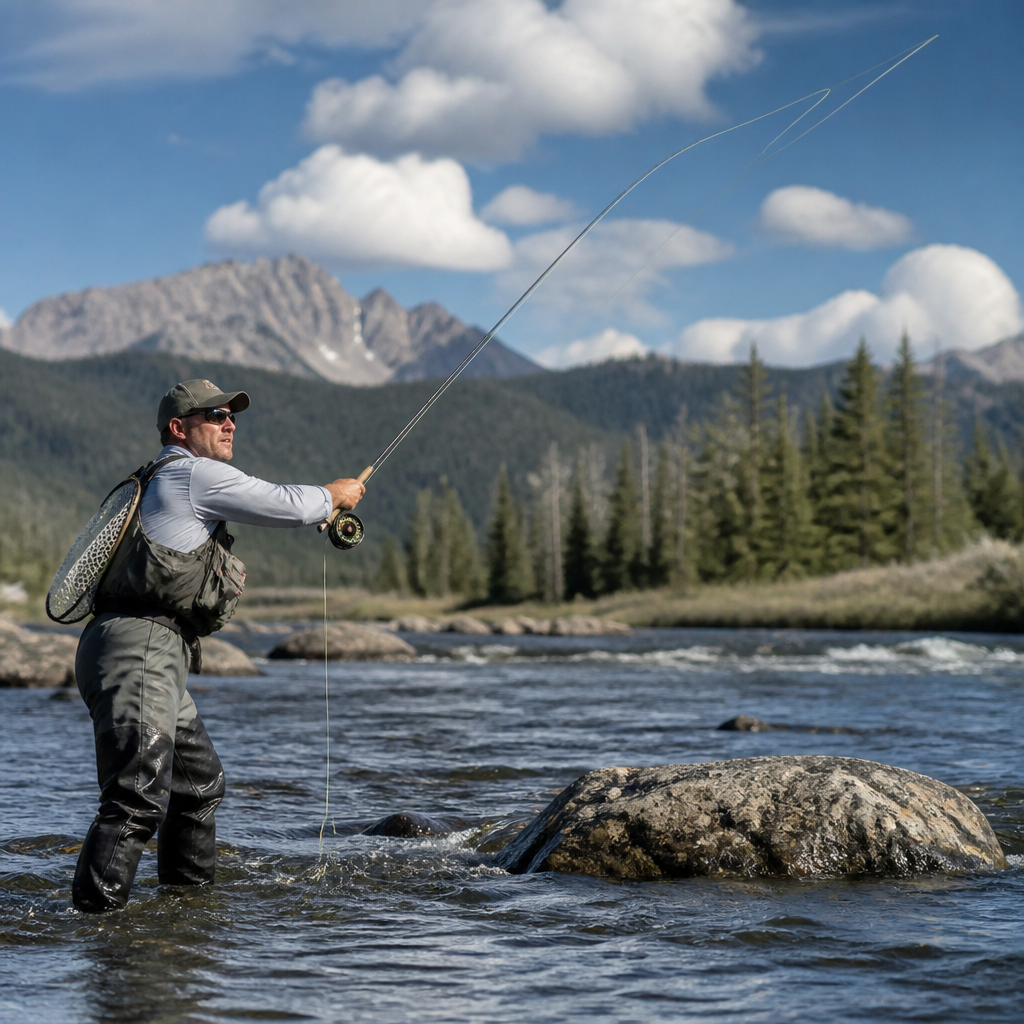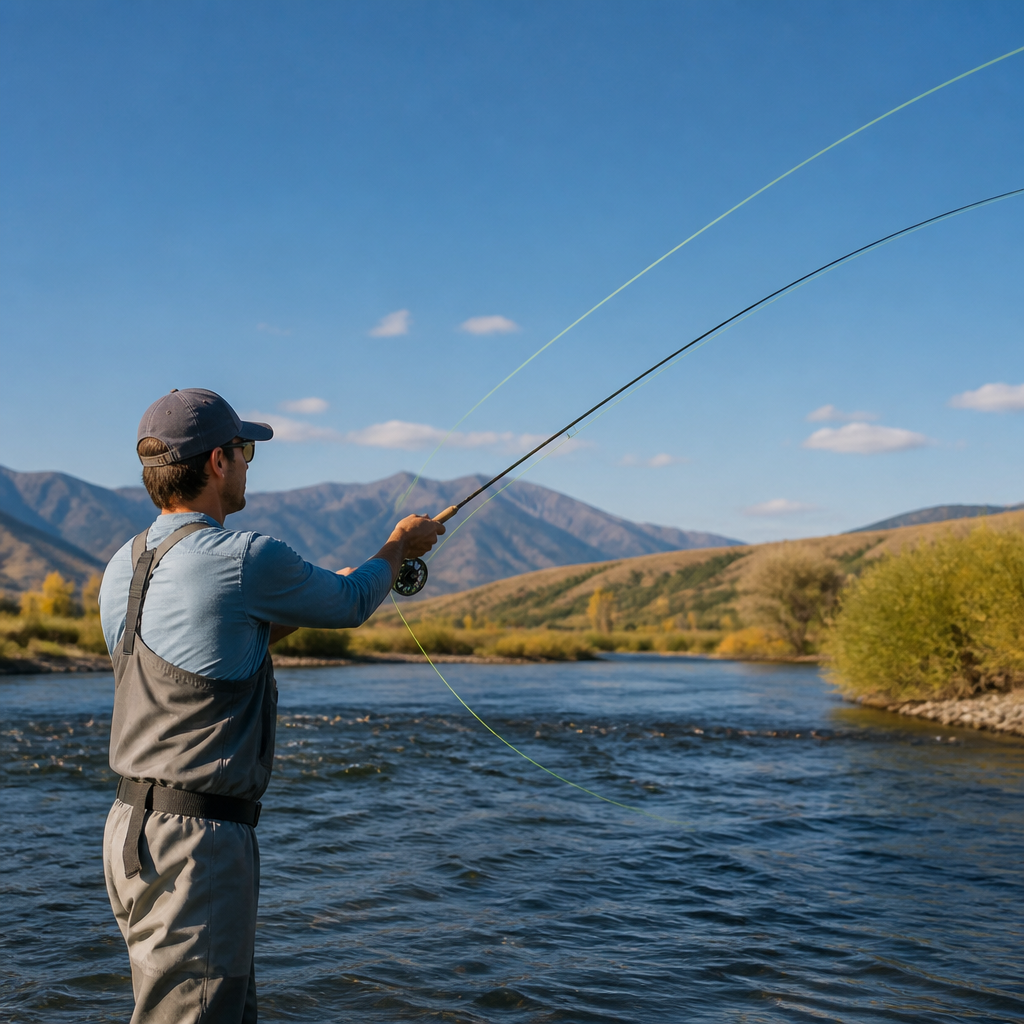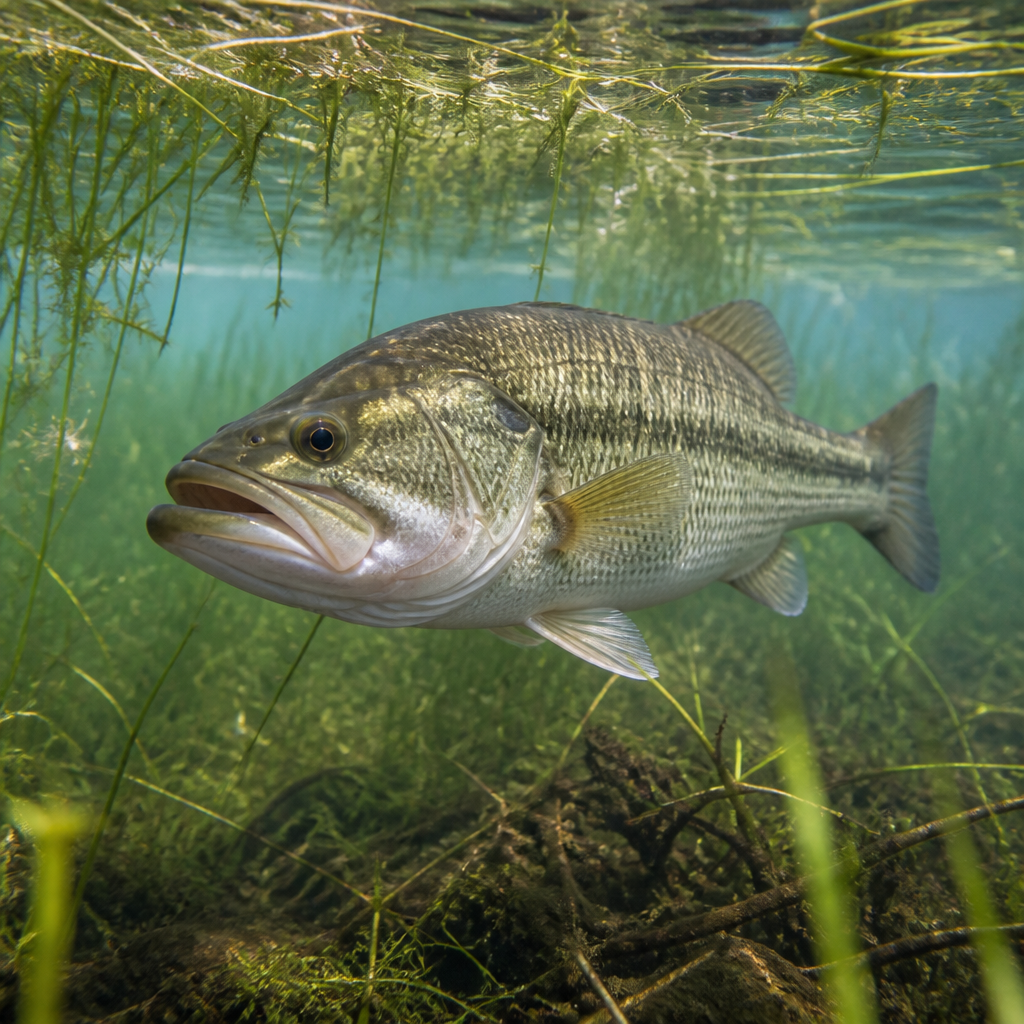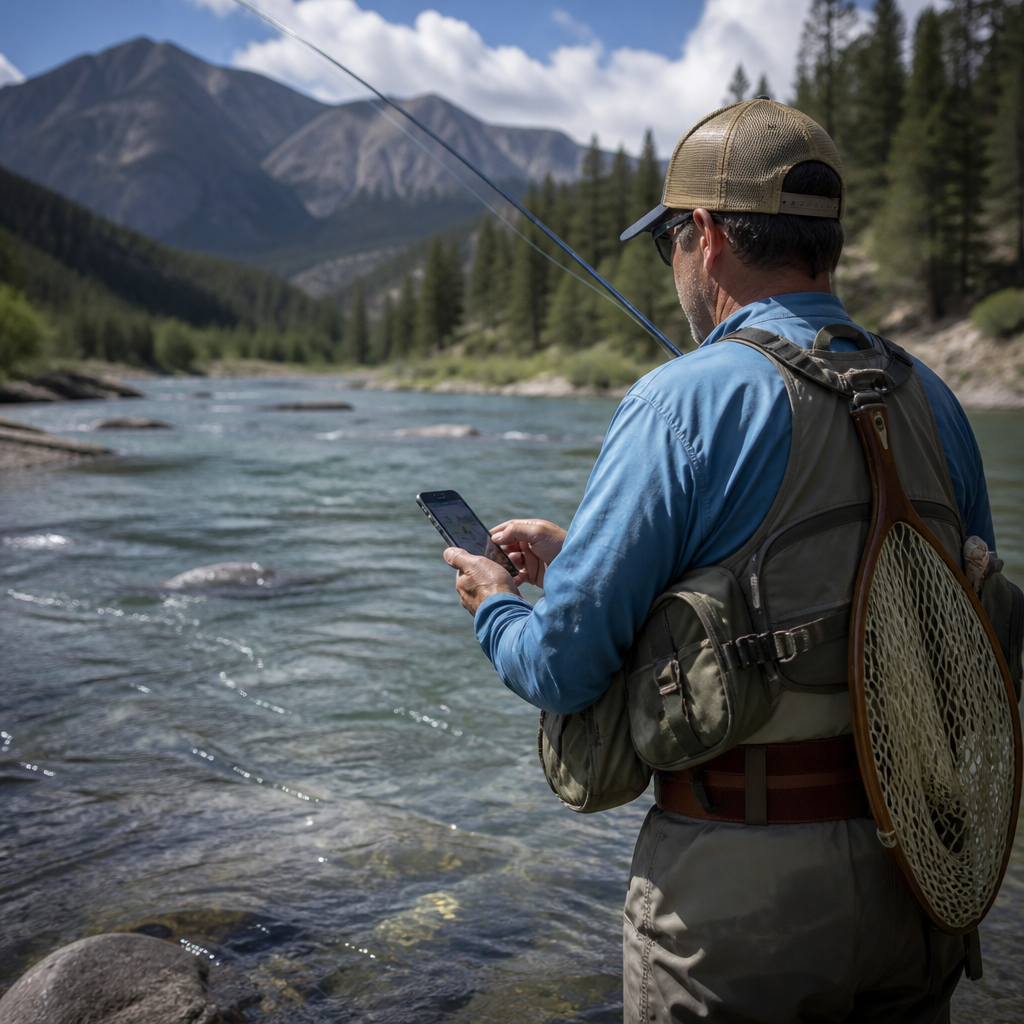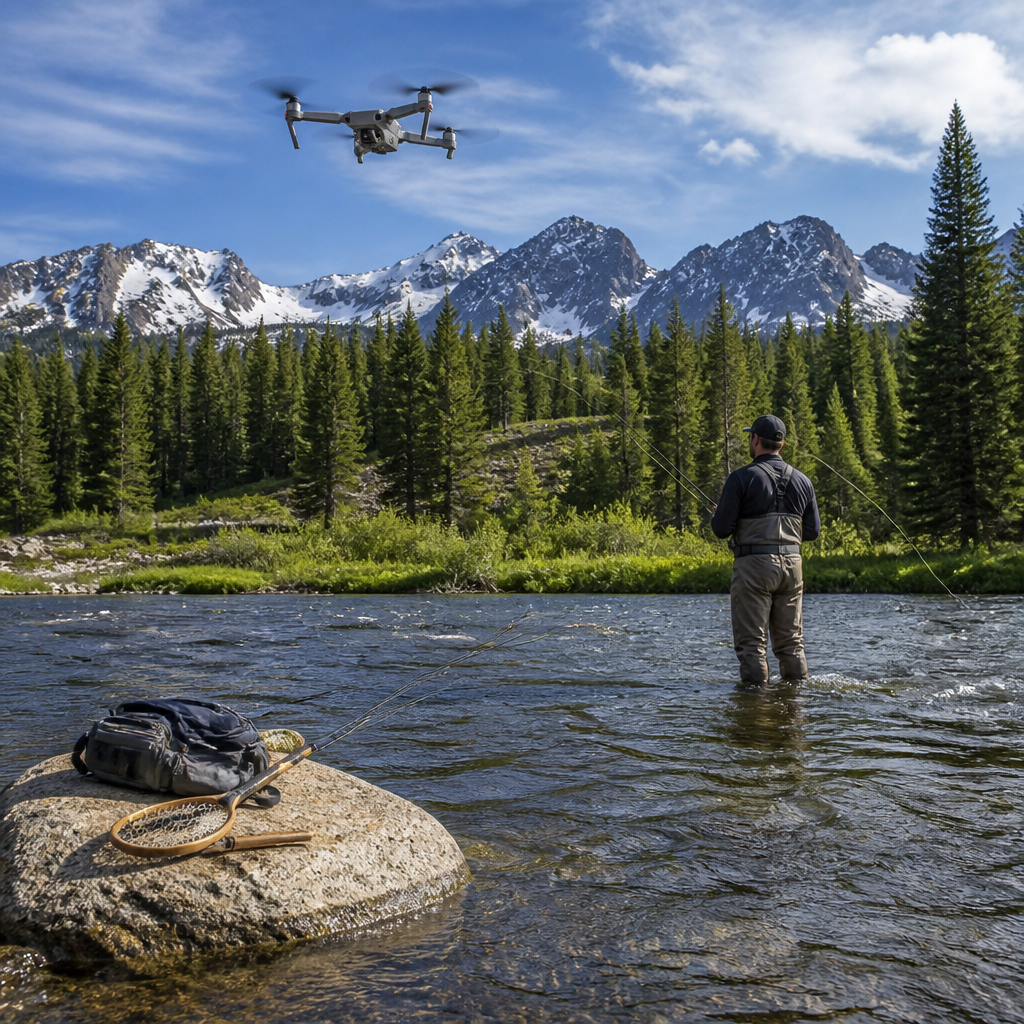
Using drones for fly fishing blends aviation, casting strategy, and fish behavior into one highly specialized approach. In practical terms, it means using a small unmanned aircraft to scout water, carry line, or place a fly in areas that are difficult to reach from shore or boat. For anglers focused on advanced techniques, drone-assisted fly fishing is not a gimmick; it is a toolset that changes how water is read, how presentations are planned, and how access limitations are managed. I have tested drones over flats, reservoirs, and braided rivers, and the lesson is consistent: the drone never replaces fly-fishing fundamentals, but it can sharpen them when used with restraint and skill.
The key terms matter. A scouting drone is flown primarily for observation, often using a high-resolution camera or polarized filter to identify structure, current seams, cruising fish, or safe wading routes. A delivery drone carries fly line or a release mechanism to drop a fly at distance. Line management refers to controlling slack, leader turnover, and retrieval path so the fly still behaves naturally after the drone’s role ends. Regulations matter as much as tackle. In many places, aviation rules, park restrictions, and local angling laws determine whether drone use is legal, restricted, or prohibited. Ethical questions matter too, especially where fish are vulnerable in clear water or where other anglers expect a low-impact experience.
This topic matters because modern fly anglers increasingly fish pressured water, technical stillwaters, and hard-to-access banks where precision creates the difference between spooking fish and getting an eat. Drones can help locate weed edges, count cruising carp, inspect surf current lanes, and map shoreline access before a first cast. They can also create problems when anglers treat them as shortcuts rather than instruments. Noise, rotor wash, line tangles, battery failure, and poor release timing can quickly turn an advanced method into a lost fly line or a dangerous situation. A reliable hub article on advanced techniques must explain not only what can be done, but when it should be done, what gear supports it, and where the limits are.
As a hub for advanced techniques, this guide connects the major decisions: choosing the right drone, matching fly-fishing gear to aerial delivery, planning scouting flights, managing legal and ethical constraints, and understanding when traditional casting is still the better play. The goal is simple. If you are considering using drones for fly fishing, you should leave with a realistic framework for gear, setup, and on-water judgment rather than a collection of internet tricks.
What drones actually do well in fly fishing
The first rule is to assign the drone one job at a time. In real-world use, drones excel at reconnaissance more consistently than at fly placement. A camera view from 30 to 120 feet can reveal channels, drop-offs, bait concentrations, submerged timber, and cruising fish that are invisible from bank level. On tailwaters, I have used short scouting flights to identify foam lines and depth transitions before ever stepping in. On warmwater flats, a top-down view can expose mud puffs from feeding carp or the dark shapes of bass holding near vegetation. This saves time and reduces random casting, which is one of the biggest causes of unnecessary fish disturbance.
Delivery is more demanding. Carrying fly line requires enough payload stability to avoid sudden yaw, enough battery reserve to return safely, and a release system that drops line cleanly without fouling propellers or landing gear. The best use case is not extreme distance for its own sake. It is controlled placement over obstacles, steep banks, flooded timber, surf breaks, or inaccessible pockets where a normal backcast is impossible. Saltwater shore anglers have long used drones to deploy bait rigs; adapting that practice to fly fishing is possible, but success depends on understanding line weight, leader length, wind direction, and drift path after the release.
There is also a strong mapping benefit. Repeated flights over a lake arm or estuary edge can build a visual log of water levels, weed growth, and fish movement by season. Many anglers already use satellite imagery, contour maps, and sonar screenshots. Drone footage adds current conditions, which is often the missing piece. If you run a broader techniques and strategies plan, this aerial observation connects directly to sight fishing, reading currents, presentation angle, and fish location strategy.
Choosing the right drone and matching it to fishing conditions
The best drone for fly fishing is usually a compact, GPS-stabilized camera drone with strong obstacle awareness, reliable hover control, and at least 25 minutes of real flight endurance. Models such as the DJI Air series, DJI Mini series, and Autel Evo line are commonly considered because they offer stable imaging, return-to-home functions, and widely available batteries. For scouting, camera quality and stability matter more than payload. A 4K sensor helps when reviewing footage frame by frame to confirm fish locations or bottom contours. Wind resistance matters greatly on coasts, large reservoirs, and alpine valleys where gusts are common.
For delivery, payload capacity and release compatibility become the main filters. Most consumer camera drones are not designed to carry fishing loads, so anglers typically add a third-party bait release clip. That introduces tradeoffs. Every added gram reduces efficiency and safety margin. A fly line is lighter than a bait rig, but it is also more prone to wrapping around the aircraft. In practice, a moderate-weight setup works best: 5- to 8-weight rods, compact fly lines with manageable running line, and leaders long enough for presentation but not so long that they tangle in transport. Very light trout leaders can twist in rotor wash; very heavy saltwater heads can pull awkwardly during flight.
| Use Case | Best Drone Traits | Fly-Fishing Match |
|---|---|---|
| Scouting rivers | Compact size, strong hover, high-resolution camera | 3- to 6-weight rods, visual sight-fishing setups |
| Lakes and reservoirs | Long battery life, wind resistance, waypoint reliability | 5- to 7-weight rods, intermediate or floating lines |
| Surf and flats | High wind tolerance, corrosion care, precise return-to-home | 7- to 10-weight rods, saltwater leaders, stripping basket |
| Fly delivery over obstacles | Payload stability, release clip compatibility, manual flight control | Compact heads, shorter leaders, minimal slack management |
One hard-earned lesson is that weather cancels more plans than gear does. If winds are above the drone’s comfortable operating range, leave it packed. Crosswinds distort release accuracy, and gusts near cliff faces or tree lines can produce rotor instability. Bright overhead light helps fish spotting, but glare can still ruin footage without careful angle control. Low sun often improves contrast for structure but shortens your clean viewing window. Batteries also drain faster in cold weather, so winter tailwater scouting demands tighter flight planning than summer pond work.
Essential fly-fishing gear and line management for drone use
The rod, reel, line, and leader system must be simplified when a drone is involved. Fast-action rods are useful because they pick up slack quickly after release and help drive a hook set at distance, but they should not be so stiff that delicate presentations become impossible. Reels need smooth drags and enough backing because drone-assisted placement can put the fly farther from the angler than a conventional cast. I favor highly visible fly lines for aerial deployment because they make twist detection easier. A stripping basket is one of the most underrated pieces of gear in this system, especially on beaches, rock jetties, and muddy banks where loose line snags immediately.
Leader design deserves more attention than most anglers give it. Standard long trout leaders can work for scouting-informed sight fishing when the drone never carries the fly. For delivery, shorter and slightly stiffer leaders usually behave better because they resist collapse during transport and turn over more predictably after release. Fluorocarbon sinks faster and can help when you want the fly to settle quickly after placement, while nylon remains more forgiving on topwater presentations. Weighted flies increase tangling risk near the release point, so many anglers do better with lightly weighted or unweighted patterns unless they have thoroughly tested the system.
Accessories should support safety and retrieval. Polarized sunglasses remain critical even with a camera feed because the angler still needs to read the water once the fly is in play. A landing net with a long handle matters if the drone helps place a fly near steep banks where fish cannot be led easily. If you fish from a boat, keep the launch area clear of rods, anchor rope, and loose leader material. More than one capable angler has lost a drone because a loose line loop caught a landing skid during takeoff. Clean deck discipline is not optional here; it is part of the technique.
Advanced techniques for scouting, delivery, and fish presentation
The most effective advanced technique is the two-pass scouting flight. On the first pass, fly high enough to map obvious structure without pressuring fish. On the second, lower the drone only where detail is needed: a seam behind a boulder, a mangrove pocket, or a weed lane with visible cruising fish. Record short clips rather than long continuous video so later review is faster. After landing, decide on approach angle, wading route, and cast sequence before touching the rod. This process creates a disciplined link between aerial observation and actual presentation, which is what separates useful drone work from sightseeing.
For delivery, the cleanest method is controlled line staging. Strip the necessary line into a basket or neat deck coils, attach the line to a release clip well away from the fly, and keep the fly secured by hand until the final launch moment to prevent hooking gear. Fly the drone out along the intended presentation lane rather than simply toward distance. Once over the target zone, release the line, allow the fly and leader to settle, and immediately transition to standard fly control. Mend if current requires it, strip if the pattern is meant to move, and treat the fish exactly as you would after a cast. The drone’s job is already finished.
Presentation quality determines whether the method feels like fly fishing or just line transportation. Fish still respond to drag, speed, profile, and angle. On rivers, dropping a fly upstream of a feeding trout is pointless if the line lands cross-current and drags instantly. On stillwaters, placing a fly far from shore does not help if the retrieve path cuts unnaturally across the fish’s travel lane. In surf, drone placement can put a fly beyond the first breaker, but species such as striped bass still need a convincing retrieve through current seams and bait concentrations. The drone expands access; it does not manufacture realism.
Legal, ethical, and practical limits every angler should respect
Before flying, verify three separate rule sets: aviation regulations, land-access rules, and fishing regulations. In the United States, Federal Aviation Administration rules govern airspace, registration thresholds, line-of-sight requirements, and restricted areas. State parks, national parks, and wildlife refuges may ban launches or landings even where airspace itself is not restricted. Fishing laws can also prohibit remote delivery methods or define what counts as legal tackle. Similar layers exist in Canada, the United Kingdom, Australia, and New Zealand. Do not assume that because a drone can physically fly over water, it can legally be used there for angling.
Ethics deserve equal weight. On heavily pressured sight-fishing flats, buzzing low over fish can alter behavior for everyone nearby. On small trout streams, drone noise can break the quiet that other anglers specifically sought. Spawning fish, bedding bass, and concentrated migratory runs are especially sensitive situations where restraint is the right choice. A good standard is simple: if the drone increases your reach while reducing your respect for fish, habitat, or other anglers, you are using the technology poorly. The most skilled drone anglers I know fly less than beginners expect because they understand that discretion often produces better fishing.
There are also practical failure points. Batteries fail, compasses misread, firmware updates interrupt plans, and release clips jam. Water and electronics remain a bad combination, especially in salt. Rinse exterior surfaces after salt exposure, inspect motors for grit, and retire damaged propellers immediately. Build habits that assume something could go wrong: maintain a safe launch zone, keep spectators back, carry spare propellers, and never fly beyond a return margin. Advanced techniques are only advanced when they remain repeatable under pressure.
When drone-assisted fly fishing is worth it and how to build skill responsibly
Drone-assisted fly fishing is worth it when it solves a real problem: inaccessible casting lanes, complex water that benefits from aerial reading, or large areas where fish location changes by hour. It is less worth it when a normal cast, a better wading angle, or a small boat adjustment would achieve the same outcome with less complexity. Start with scouting, not delivery. Learn how sunlight, altitude, and water color affect what the camera sees. Review footage after each trip and compare what looked promising from above with what actually held fish. That feedback loop builds judgment faster than any product purchase.
Developing skill responsibly means practicing away from prime water. Test release systems over grass, not over a river full of trout. Measure how much line your drone can carry without instability. Practice emergency procedures, including aborting a drop, handoff to return-to-home, and controlled landing with line attached. Keep a written checklist for batteries, props, controller updates, and legal permissions. As this hub within advanced techniques expands, related topics naturally include sight-fishing strategy, stillwater presentation, surf line control, fish-finding technology, and access planning. Master those connected skills, and the drone becomes a precise support tool rather than the center of the experience.
The central takeaway is straightforward. Using drones for fly fishing can improve scouting, expand access, and sharpen advanced strategy, but only when tackle, aircraft, conditions, and judgment are matched carefully. The best results come from anglers who treat drones as occasional instruments for observation and controlled placement, not as shortcuts around core fly-fishing skill. Choose a stable drone, simplify your line system, prioritize legal and ethical use, and practice methodically before applying the technique around fish. If you want to advance within techniques and strategies, use this article as your starting framework, then build your next sessions around one goal at a time: better water reading, cleaner presentation, and smarter decisions on the water.
Frequently Asked Questions
Is using a drone for fly fishing legal and ethical?
It can be, but legality and ethics should be the first things you sort out before ever launching. Drone laws vary by country, state, province, and even by specific waterway or park system. In many places, aviation rules govern where and how you can fly, while fishing regulations govern how you can present bait or flies, what counts as legal angling assistance, and whether remote placement methods are allowed. Some fisheries may treat drone-assisted line placement as acceptable, while others may view it as an illegal aid similar to using prohibited delivery devices. You also need to consider airspace restrictions, protected wildlife areas, private property boundaries, and local rules around operating over people or boats.
From an ethical standpoint, the main question is whether the drone is helping you access water intelligently or whether it is removing too much of the challenge that defines fair angling. Many experienced anglers see drones as most defensible when they are used to scout structure, identify safe approaches, or deliver a fly to otherwise inaccessible holding water without disturbing the fish with a boat or wading pressure. The ethical line usually gets crossed when technology overwhelms the sporting element or increases stress on fish and other anglers. Good practice means keeping flights short, avoiding repeated buzzing over pools, respecting solitude, and never using a drone in crowded fisheries where it becomes a nuisance. If you approach drone fly fishing as a precision tool rather than a shortcut, you are much more likely to stay on the right side of both the law and angling culture.
What kind of drone and gear setup works best for fly fishing?
The best setup is a compact, stable GPS-equipped drone with strong hovering performance, reliable obstacle sensing, and enough payload tolerance to carry a very light release system without compromising flight control. For most fly fishing applications, you do not want a heavy industrial drone. You want something portable, predictable in wind, and equipped with a high-quality camera for reading seams, current transitions, drop-offs, weed lines, and fish movement. Battery life matters because scouting and placement flights consume more power than many anglers expect, especially when flying low over moving water or in gusty canyon, coastal, or river-valley conditions.
On the fishing side, the key is to keep the airborne load as light and simple as possible. Most anglers use a drone-safe line release clip or purpose-built drop mechanism that allows the line to separate cleanly without entangling in the propellers or landing gear. Your fly rod, reel, and line should still match the target species and water conditions first; the drone does not replace sound fly tackle selection. Weight-forward floating lines are often the easiest to manage for placement experiments, while long leaders and heavily wind-resistant indicator rigs tend to be more difficult to control. Flies that are compact and less prone to helicoptering in the air are also easier to deploy safely. In practical terms, your ideal system includes the drone, spare batteries, propeller guards if appropriate, a reliable release mechanism, polarized glasses for visual confirmation, a weather-aware launch plan, and a stripped-down fly setup designed to minimize tangles. Simplicity is what makes drone-assisted fly fishing workable in the field.
How do you actually use a drone to place a fly without tangling the line?
The biggest mistake beginners make is thinking of the drone as a casting machine. It is not. The drone is better understood as a placement and scouting tool that helps you transport line or position a fly in a specific lane, pocket, or edge that would be difficult to reach by conventional casting. The cleanest method usually starts with a carefully organized line management area on shore or in the boat. Strip out only the amount of fly line and leader you realistically need, keep it free of debris and snags, and attach the line to a release clip designed to let go under light tension or by remote command. Before launch, confirm the fly is secure, the leader is not wrapped around anything, and the line path from rod to release point is completely clear.
Once airborne, fly smoothly and deliberately rather than aggressively. Sudden acceleration, hard turns, and altitude changes are what create slack loops, twists, and unwanted tension spikes. Many skilled users fly to a point slightly beyond the target zone, lower or position the line, and release so the fly settles naturally into the drift lane rather than dropping straight down in a way that looks unnatural. The goal is not splashy precision but controlled presentation. After release, your attention shifts immediately back to the rod, line control, and drift management. You still need to mend, track, and respond to the take like a fly angler, because presentation after release is what determines whether the fish eats. Practice in open water or even on grass first. If you cannot consistently deploy cleanly in calm, simple conditions, you are not ready for technical water. Good drone fly fishing is mostly line discipline, calm piloting, and restraint.
When is a drone most useful for scouting water and finding fish?
A drone is most useful when it gives you a perspective you cannot get from the bank, boat, or by wading without spooking fish. Overhead viewing can reveal current seams, submerged structure, undercut banks, depth changes, back eddies, travel lanes, and fish positioning in ways that are hard to interpret at water level. This is especially valuable on broad flats, braided rivers, stillwaters with weed edges, tidal zones, and hard-to-access runs where a long walk or difficult approach limits how much water you can efficiently read. In these situations, the drone helps you decide where to spend your time before you ever make a cast.
That said, scouting works best under the right visual conditions. Midday glare, chop, deep stain, and heavy tree cover can reduce what the camera sees. Clear water, favorable sun angle, and a little elevation usually improve the usefulness of the footage. Experienced anglers do not just look for fish shapes; they study how the water is organized. They look for oxygen-rich inflow, foam lines that concentrate food, transitions between fast and slow current, dark depressions, shade edges, and holding lies that fit the species being targeted. The real advantage is strategic, not just visual. A drone can help you identify approach routes, plan your first cast, avoid wading through prime holding water, and recognize whether fish are actively feeding, cruising, suspended, or tucked tight to cover. Used this way, it becomes a water-reading instrument that sharpens decision-making instead of just a gadget for spotting fish from above.
What are the main risks and limitations of drone-assisted fly fishing?
The main risks are safety, fish disturbance, equipment failure, and overcomplicating what should be a clean angling process. Water and electronics are an unforgiving combination. Wind can push a drone off line, batteries can drain faster than expected, GPS performance can vary in steep terrain, and low-altitude flights over rivers or surf leave very little margin for recovery. Add a fly line, leader, and hook to the equation, and the chances of tangles, prop strikes, or accidental snags go up quickly. A poor setup can damage your drone, your fly line, or both. There is also the risk of hooking wildlife, interfering with other anglers, or creating a hazardous situation near boats, trees, bridges, or power lines.
Just as important are the tactical limitations. A drone cannot replace sound fish behavior knowledge, drift control, stealth, or fly selection. In some conditions, a traditional cast is faster, quieter, and more effective. In tight cover, turbulent wind, or narrow overgrown streams, drones may be more trouble than they are worth. Fish can also react negatively to the visual presence or sound signature of a drone, especially in shallow clear water or heavily pressured systems. The best way to manage these limitations is to use the drone selectively. Launch only when the information gained or the placement advantage clearly outweighs the disruption and complexity. Build conservative habits: check regulations, inspect gear, keep flights short, maintain line discipline, carry spare batteries, and always have a conventional plan if the drone stays grounded. The most effective drone fly anglers are usually the ones who know when not to use one.