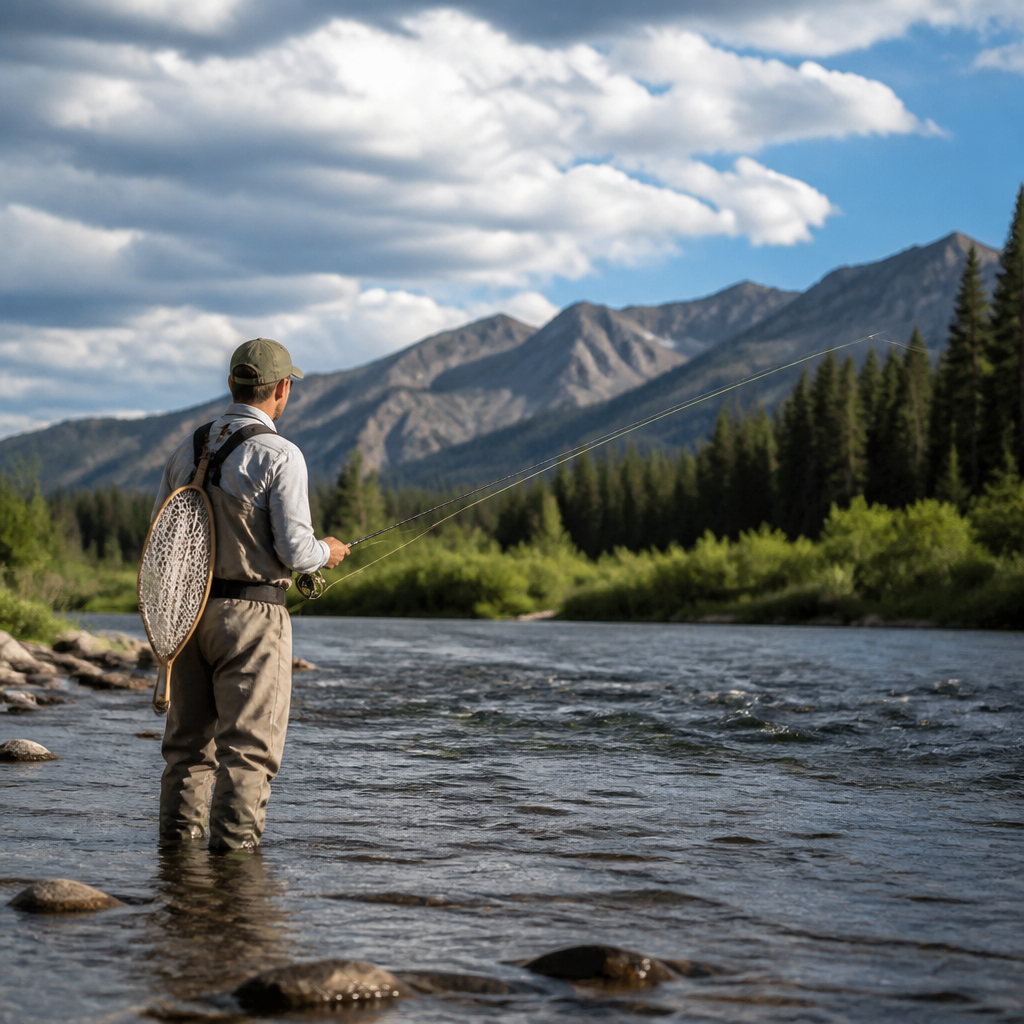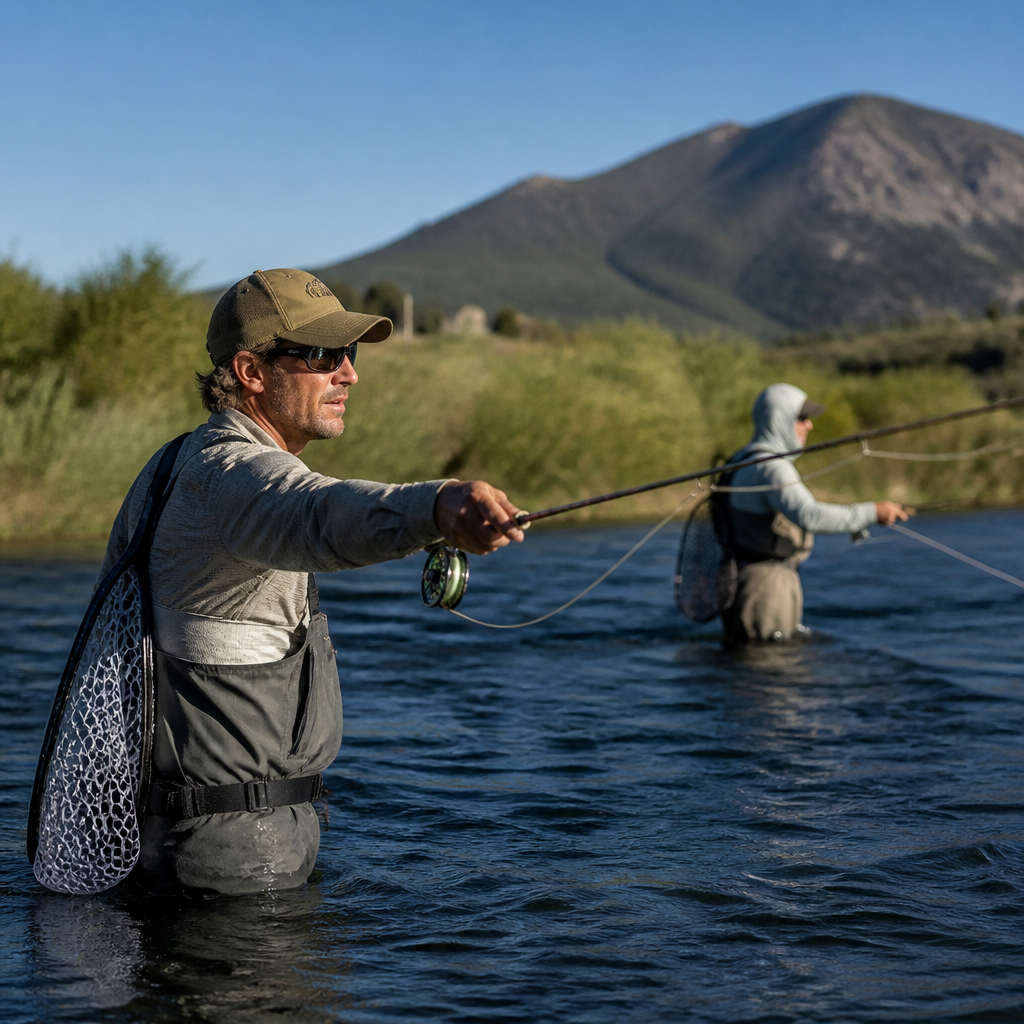
Fly fishing competitions demand a different mindset from recreational angling because the goal is not simply to catch fish, but to catch legal fish consistently under pressure, within rules, on unfamiliar water, and against anglers who make very few mistakes. In competitive fly fishing, strategy means choosing water efficiently, reading conditions quickly, and managing time, flies, and fish handling with precision. Techniques refers to the advanced methods competitors use to detect subtle takes, control depth and drift, and adapt rigs across rivers, lakes, and changing weather. This distinction matters because many capable trout anglers struggle in events when routine habits fail and every missed take costs points.
I have seen this gap repeatedly on competition beats where strong local anglers fish attractive water patiently while experienced match anglers move decisively, change leader formulas by inches, and convert difficult drifts into scoring fish. Most modern events use catch-measure-release formats, strict sector scoring, and fly-only regulations influenced by FIPS-Mouche standards and national team practice. Success therefore depends on efficiency, not romance. Advanced techniques are the foundation of that efficiency, and this hub article explains the core methods, decision frameworks, and tactical adjustments that serious competitors use to perform consistently.
At a high level, competitive fly fishing revolves around three questions. Where are the highest-probability fish right now? What presentation puts flies in their feeding lane for the greatest portion of the drift? How can that presentation be repeated with minimal wasted time? The answers change with water type, temperature, light, angling pressure, and session length. A freestone river in spring runoff demands a different setup than a low clear limestone stream or a wind-laned reservoir. Yet the principles remain constant: maximize contact, maintain natural movement, cover productive water methodically, and make evidence-based changes rather than random ones.
As a sub-pillar hub for advanced techniques, this article connects the practical building blocks competitors need: reading competition water, tight-line nymphing, indicator systems, wet flies, dry-dropper adaptations, lake methods, fish-playing efficiency, and pre-event preparation. It is written to answer direct questions such as what techniques win fly fishing competitions, how leaders should be built, when to switch methods, and which mistakes cost the most fish. If you want a clear framework for competitive success, start with the sections below and use them to sharpen every decision you make on the water.
Reading Competition Water and Building a Beat Plan
The first advanced skill in fly fishing competitions is not casting; it is triage. On an assigned beat, you must identify high-value water before the clock starts, then fish it in an order that matches fish behavior and crowding pressure. Productive holding lies usually include current seams, oxygenated pocket water, transition depth at the heads and tails of runs, undercut banks, shaded lanes, and soft edges beside faster main flow. In many events, the winning difference comes from recognizing that only twenty percent of the beat will produce most of the fish during a short session.
A beat plan should match the scoring system. In measure-and-release river formats, ten moderate trout taken quickly often beat a long hunt for one large fish. In lakes, however, a mobile approach with dries, washing-line setups, or booby tactics may be necessary to locate pods before refining depth. I walk beats looking for current speed changes, wading access, back-cast restrictions, and signs of pressured fish. If the session is three hours, I divide it into opening, adjustment, and closing phases. The opening phase targets obvious fish-holding structure while fish are least disturbed. The adjustment phase responds to refusals, drifts, and light changes. The closing phase revisits prime lies that may have rested or received fresh fish movement.
Competitors also evaluate fish mood. Active fish hold where food delivery is strongest and require speed. Neutral fish often sit tighter to the bottom or against cover, requiring deeper drifts and slower angles. Spooked fish need finer diameters, lower profiles, and cleaner wading. This is why beat planning is inseparable from method selection. A shallow riffle with broken surface may favor short-line contact nymphing, while a long flat with microcurrents may call for an indicator and extended leader. The best competitors make this decision early, then change only when evidence supports it.
Tight-Line Nymphing: Contact, Depth, and Drift Control
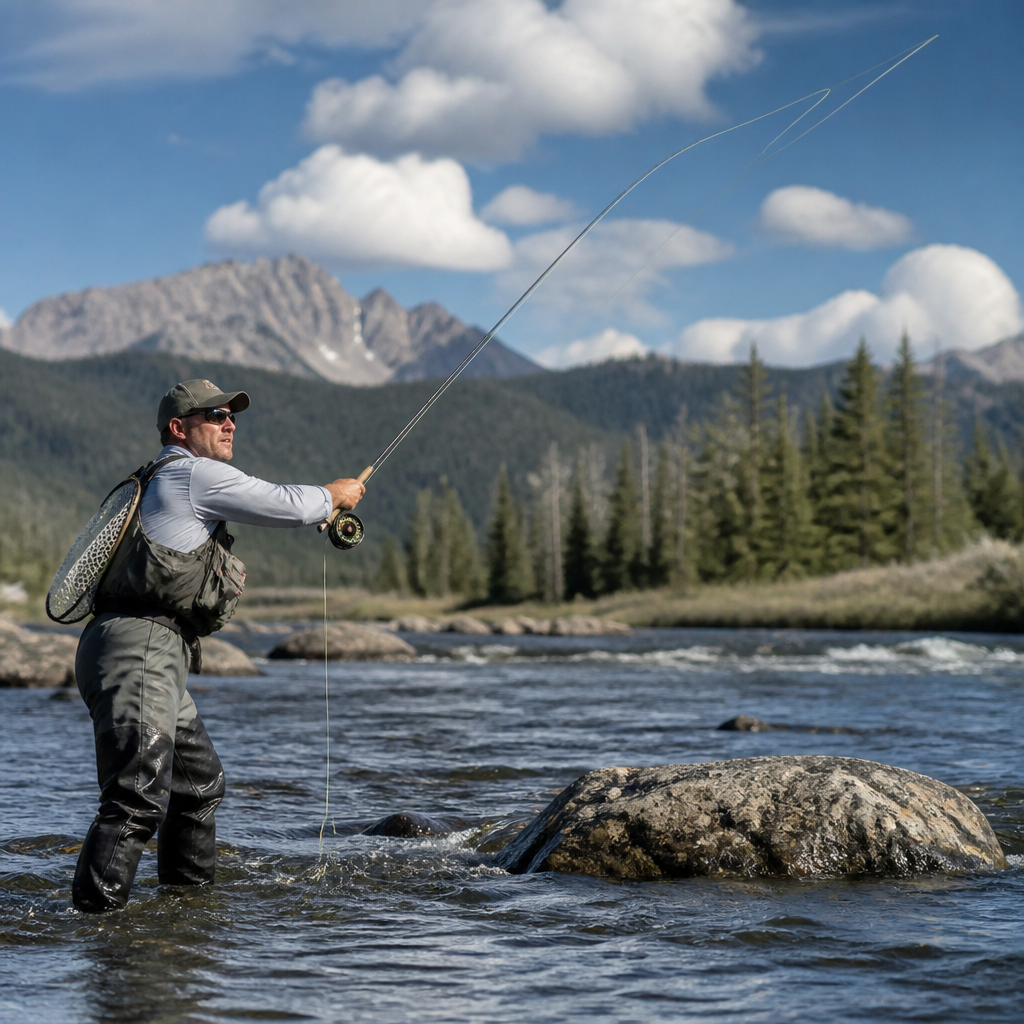
Tight-line nymphing remains one of the most reliable competition methods because it offers direct contact, immediate strike detection, and exceptional control over depth and speed. The core principle is simple: lead the flies through the drift with just enough tension to stay connected, but not so much that they drag unnaturally. In practice, this requires careful leader design, weighted fly choice, rod angle discipline, and constant repositioning. Most competitors use long rods in the 10- to 11-foot range, typically 2- to 4-weight, because they protect light tippet and improve line control over conflicting currents.
Depth is the first variable to solve. If your flies are not near the fish, nothing else matters. On fast runs, that may mean a tungsten point fly and a lighter dropper. On shallow glides, excessive weight causes snagging and short drifts, so slimmer bugs or lighter beads score better. I usually judge a correct starting weight by whether the rig occasionally ticks the riverbed without anchoring every cast. Too many anglers underweight in competitions because they fear snags more than blanks. In reality, brief bottom contact is often proof that the flies are in the feeding zone.
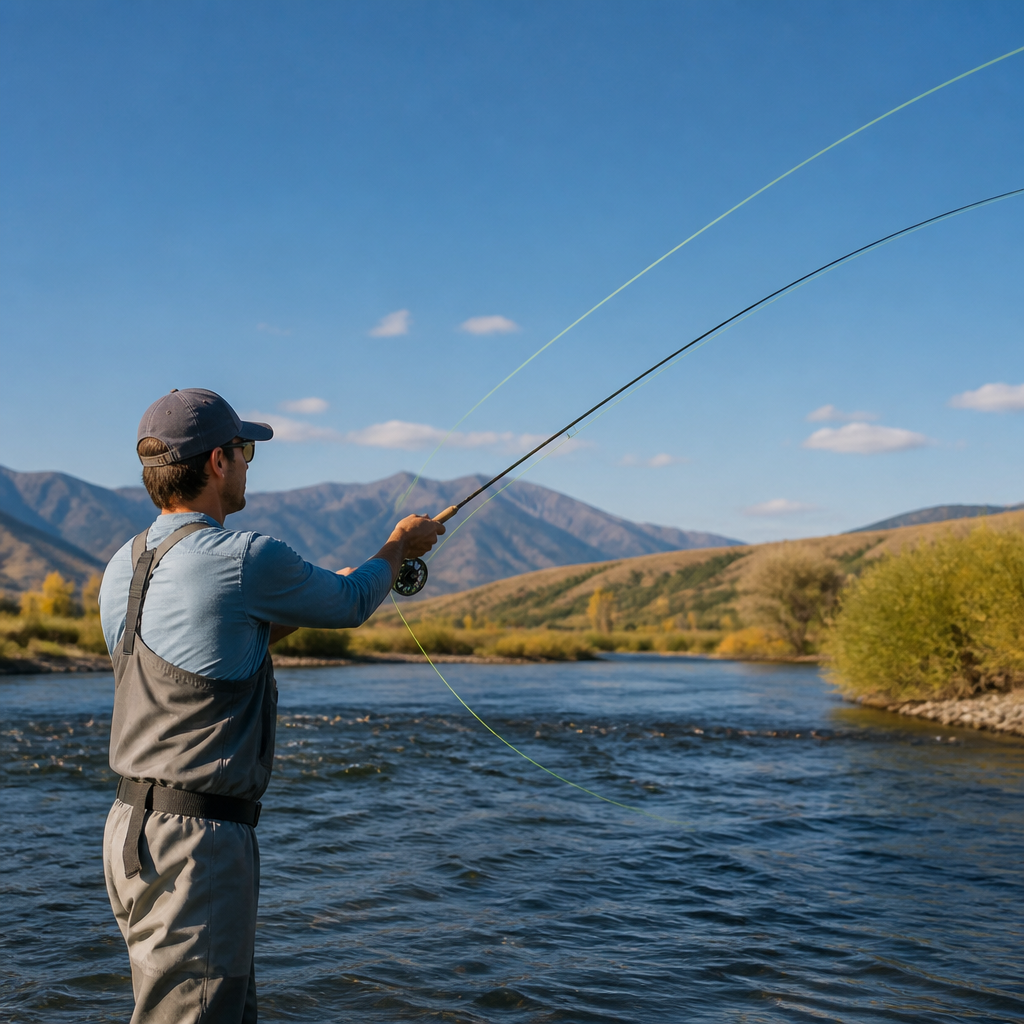
Drift control is the second variable. The rod should lead the sighter smoothly downstream, matching current speed while preserving a near-straight connection from rod tip to flies. A common error is moving too fast, which lifts the nymphs and strips them out of the lane. Another is trailing behind the drift, which introduces slack and masks takes. Effective competitors vary angle and reach cast constantly to extend natural travel. Strike detection then becomes visual and tactile: the sighter hesitates, the leader twitches, or tension simply feels wrong. Hook first and evaluate later. At match pace, hesitation loses fish.
Indicator, Dry-Dropper, and Suspended Presentations
Not every river session is won with direct-contact methods. Indicator nymphing excels on longer drifts, deeper slots, and complex currents where maintaining contact is impossible. A well-balanced setup suspends flies at a controlled depth and allows natural movement through lanes beyond the reach of tight-line systems. The critical adjustment is not the indicator itself but the distance from indicator to point fly, plus split shot or fly weight. As a rule, competitors start deeper than they think necessary, then shorten only if repeated bottom contact proves excessive. Fish near the substrate spend most of their time feeding there.
Dry-dropper systems become valuable when fish are opportunistic, visibility is high, or event rules and conditions reward versatility. The dry functions as both attractor and suspension device, while the nymph covers sub-surface feeders. This can be deadly during terrestrial falls, caddis activity, or on mountain streams where trout inspect multiple feeding levels. The mistake is treating dry-dropper as casual summer fishing. In a competition, spacing, fly buoyancy, and tippet diameter must be deliberate. A foam dry that supports a heavy dropper broadens water coverage, but oversized dries can spook fish in flat water.
Suspended presentations also matter in stillwater competitions, where exact depth control often separates top finishers. Fish may cruise just beneath wave chop in low light, then drop several feet as the sun rises. Counting down an intermediate line, fishing a bung, or using a washing-line team lets an angler test zones systematically rather than guessing. Advanced competitors log retrieve speed, take timing, and depth after every fish. That pattern recognition turns one capture into a repeatable program across the session.
Choosing Advanced Methods by Water Type
Method selection should be systematic rather than intuitive. The table below summarizes how experienced competitors align advanced techniques with common conditions.
| Water type or condition | Best starting method | Why it works | Key adjustment |
|---|---|---|---|
| Fast pocket water | Tight-line nymphing | Direct contact and quick depth changes | Increase point-fly weight before changing pattern |
| Long even glide | Indicator nymphing | Extended drag-free drift across mixed currents | Lengthen indicator distance to reach bottom |
| Shallow broken riffle | Dry-dropper | Covers surface and subsurface feeders with low disturbance | Reduce dropper weight if the dry drags |
| Cold deep run | Heavy contact nymph rig | Keeps flies in the slow feeding lane near substrate | Shorten drifts and fish tighter seams |
| Wind-laned lake | Washing-line team | Intercepts cruising fish at multiple depths | Vary retrieve pace before changing flies |
| Bright pressured water | Fine-tippet indicator or single nymph | More natural movement and reduced visual alarm | Lengthen leader and approach lower |
This kind of framework prevents random switching. If fish are visible but not taking in a clear glide, switching from a contact rig to an indicator often improves drift length immediately. If the indicator produces no bottom contact, depth is still wrong. If fish flash but miss on a washing-line, retrieve speed or fly spacing may be off before pattern choice is the true problem. Competitors win by solving the biggest variable first.
Fly Selection, Leader Construction, and Micro-Adjustments
Advanced techniques fail without coherent terminal tackle. In competition fly fishing, fly choice is usually less about perfect imitation and more about profile, sink rate, size, and contrast. On rivers, dependable competition boxes often include perdigons, pheasant tail variants, jig nymphs, caddis larvae, small mayfly nymphs, and attractor tags in black, olive, brown, pink, and UV accents. On lakes, blobs, boobies, diawl bachs, crunchers, buzzers, and damsel patterns remain staples because they cover search, suspension, and natural food forms. The best anglers simplify selection around function rather than carrying hundreds of untested options.
Leader construction deserves equal attention. A tight-line leader may include a butt section, sighter material, tippet ring, and two-stage tippet formula that balances turnover with sink efficiency. Indicator leaders often need tapered nylon capable of carrying weight without collapse. In stillwater, long fluorocarbon leaders can improve presentation under calm conditions, while rough weather may justify shorter, more controllable systems. Small changes matter. Dropping from 5X to 6X can transform drift quality in slow water, but on abrasive freestone rivers that same move may cost fish during aggressive fights.
Micro-adjustments are where events are won. Add 20 centimeters of depth. Swap a 3.5-millimeter tungsten bead for 3.0. Replace a bright tag with a plain body after refusals. Shorten the dropper spacing to keep both flies in a narrow feeding lane. These are not cosmetic tweaks. They directly alter sink rate, visual trigger, and drift behavior. I advise competitors to change one variable at a time and track the result. When three adjustments happen at once, you learn nothing and repeat errors under pressure.
Execution Under Pressure: Hooking, Landing, and Session Management
Competitive results depend on converting opportunities cleanly. Hooking technique should be compact and immediate, not theatrical. With contact rigs, a short lift with side pressure often sets the hook more effectively than a vertical strike. With indicators or dries at distance, eliminate slack first and then drive the hook home. Once connected, fish-fighting efficiency matters because every extra minute is time not fishing. Use the rod angle to steer trout away from heavy current, keep tension constant, and net fish at the first high-percentage moment. Playing a fish gently for sport is admirable outside competition; inside competition, it is poor session management.
Rules amplify this need for discipline. Many events require fish to be measured or netted according to strict procedures, and penalties for poor handling can erase gains. Barbless hooks aid release and speed, but they also punish lazy pressure. Competitors should rehearse netting, unhooking, and fish recording until the sequence is automatic. In practice sessions, I time not only drifts and fly changes but also fish-to-reset speed. Saving thirty seconds on each landed fish across ten fish creates a meaningful advantage.
The final advanced skill is emotional control. Sessions often begin badly through poor draw positions, lost fish, or water changed by previous anglers. Strong competitors do not spiral into desperate pattern changes. They return to fundamentals: where are fish likely holding, am I at the right depth, is my drift natural, and am I covering water efficiently? That reset preserves decision quality. Fly fishing competitions reward anglers who treat each adjustment as a testable hypothesis, not a reaction. Review your methods, refine your leader systems, and practice these advanced techniques until smart execution becomes your competitive edge.
Frequently Asked Questions
What makes fly fishing competitions different from regular recreational fly fishing?
Fly fishing competitions are built around efficiency, consistency, and decision-making under pressure. In recreational fishing, an angler may spend a full day exploring, experimenting, and enjoying the process without worrying too much about total numbers, legal size requirements, or strict time limits. In a competition, every minute matters. The objective is usually to catch as many qualifying fish as possible, and that changes how competitors approach everything from water selection to fly choice to fish handling.
One of the biggest differences is that competitive anglers are not simply looking for the biggest fish or the most scenic water. They are looking for productive water that can be covered quickly and intelligently. That means identifying likely holding lies fast, understanding how fish are positioned based on flow, oxygen, light, and temperature, and moving on if an area is not producing. Competitors must also follow event-specific rules, which may include beat boundaries, fly restrictions, time sessions, barbless hooks, legal minimum lengths, and precise procedures for landing and recording fish.
Another major difference is mental discipline. In competition, anglers must remain calm after missed takes, lost fish, or unproductive starts. Successful competitors recover quickly instead of spiraling into frustration. They think in terms of percentages and probabilities: where are the highest-value fish likely to be, what method gives the best contact and control, and how can they minimize wasted casts or unnecessary wading? That strategic mindset is what separates competition fly fishing from casual angling and is often more important than pure casting skill alone.
What are the most important strategies for success in a fly fishing competition?
The strongest competition strategy begins with fish-count thinking. In most formats, steady accumulation of legal fish beats chasing one ideal setup for too long. That means competitors should focus first on methods that establish contact quickly and reveal how fish are behaving. Early in a session, many anglers use proven searching techniques such as nymphing with controlled drifts or covering likely lanes with efficient wet fly or lure-style presentations where allowed. The goal is to gather information fast: depth, drift speed, take aggression, and whether fish are concentrated or spread out.
Water management is another critical strategic element. On unfamiliar water, top competitors break a beat into zones and prioritize them based on likely productivity. Faster seams, depth transitions, oxygenated runs, riffle tails, undercut banks, current edges, and structure-adjacent holding water often deserve early attention. Instead of fishing every inch, effective anglers target high-probability lies, then rotate if needed. They avoid getting trapped in dead water simply because it looks attractive. In competition, attractive water is not the same as productive water.
Time management matters just as much as technical execution. Competitors constantly evaluate whether to stay, change flies, alter weight, switch angle, or move. A good rule is to make deliberate adjustments rather than random ones. If drifts are clean but there are no takes, depth or location may be wrong. If fish are touching the flies but not sticking, size, color, or hook gap may need adjustment. If takes stop entirely after a flurry of action, the fish may have shifted position or become pressured. Strategy in competition is really the art of making fast, evidence-based decisions before too much valuable time disappears.
Which techniques are most effective for detecting subtle takes and staying connected to fish?
Take detection is one of the defining skills in fly fishing competitions because many competitive fish are hooked not on obvious strikes, but on tiny hesitations, soft checks, brief slowing of the leader, or almost imperceptible tension changes. Competitors train themselves to fish in direct or near-direct contact whenever possible so they can register these signals immediately. Tight-line nymphing and other contact-based methods are especially effective because they reduce slack and keep the angler connected through the drift.
Proper rig control is essential. The best competitors maintain just enough tension to feel or see the drift without dragging the flies unnaturally. They track the leader with the rod tip, control the drift speed, and position themselves to reduce conflicting currents. Visual indicators such as a sighter section in the leader can help reveal micro-movements that signal a take. Even when using indicator methods, elite anglers do not wait for dramatic submersions. They strike on stalls, twitches, sideways movement, or anything that looks slightly unnatural.
Rod position, drift angle, and line management also play a major role. A high rod can reduce drag and increase sensitivity in shorter-range presentations, while a lower side angle may improve control in certain cross-current drifts. Competitors strip or recover slack constantly and avoid letting excess line pile up. They also set the hook decisively but efficiently, using compact strikes that maintain control and reduce break-offs. In practice, excellent take detection comes from combining observation, contact, and anticipation. The best anglers expect a fish on every drift, which makes them faster to respond when the signal is barely there.
How do competitors choose flies and adapt when conditions change during an event?
Fly selection in competition is usually driven by effectiveness first and confidence second. Rather than carrying endless patterns and changing at random, experienced competitors narrow their choices to proven options that match water type, depth needs, and general food forms. In many river competitions, that means selecting flies based on sink rate, profile, size, and visibility more than exact hatch imitation. Weight is often one of the first and most important variables because getting flies into the correct feeding lane quickly can determine whether an angler even gets chances.
Adaptation starts with reading feedback from the water. If fish are present but not taking, the issue may be size, movement, drift quality, or depth. If there is no contact at all, the problem may be location or pace rather than the fly itself. Smart competitors make one meaningful change at a time so they can interpret the result. They may lighten or increase weight, shorten or lengthen the leader, switch from natural to brighter trigger patterns, reduce fly size in clear pressured water, or move from nymphs to dries or wets if surface or near-surface activity appears.
Weather and light shifts can also change the game quickly. Cloud cover may make fish more comfortable in shallower or more open lies. Rising temperatures can reposition fish within a run. Increased wind may affect presentation and force a more controlled, contact-oriented method. Competitors who adapt well are not just changing flies; they are changing the entire presentation system when needed. Their choices are guided by evidence, not hope. That disciplined approach to adjustment is one of the clearest marks of a successful competition angler.
How important are fish handling, rules awareness, and mental preparation in fly fishing competitions?
They are absolutely central. Many competitions are won or lost not because one angler found dramatically more fish, but because another angler handled fish more cleanly, avoided penalties, and stayed mentally organized throughout the session. Rules awareness is non-negotiable. Competitors must know the event format in detail, including legal fish length, session timing, permitted tackle, boundary limits, and the exact process for landing, measuring, or recording fish. A mistake here can erase otherwise strong performance.
Fish handling must be fast, controlled, and compliant with the rules. Competitive anglers practice netting efficiently, unhooking fish with minimal delay, and returning them safely. They use tackle setups that help them land fish quickly without overstressing them, including balanced tippet strength, appropriate rod action, and hooks that penetrate reliably. Lost fish hurt, but fumbling with fish that are already landed also wastes critical minutes. Efficient handling is both an ethical responsibility and a competitive advantage.
Mental preparation ties everything together. Competition creates pressure, and pressure magnifies small mistakes. Anglers who perform well typically enter with a plan, but they do not become rigid. They stay composed if the first area fails, if another competitor starts strong, or if a fish comes off at the net. They focus on the next drift, the next adjustment, and the next decision. That ability to reset quickly is often what keeps a mediocre session from turning into a poor one. In competitive fly fishing, technical skill matters, but poise, discipline, and attention to detail often matter just as much.