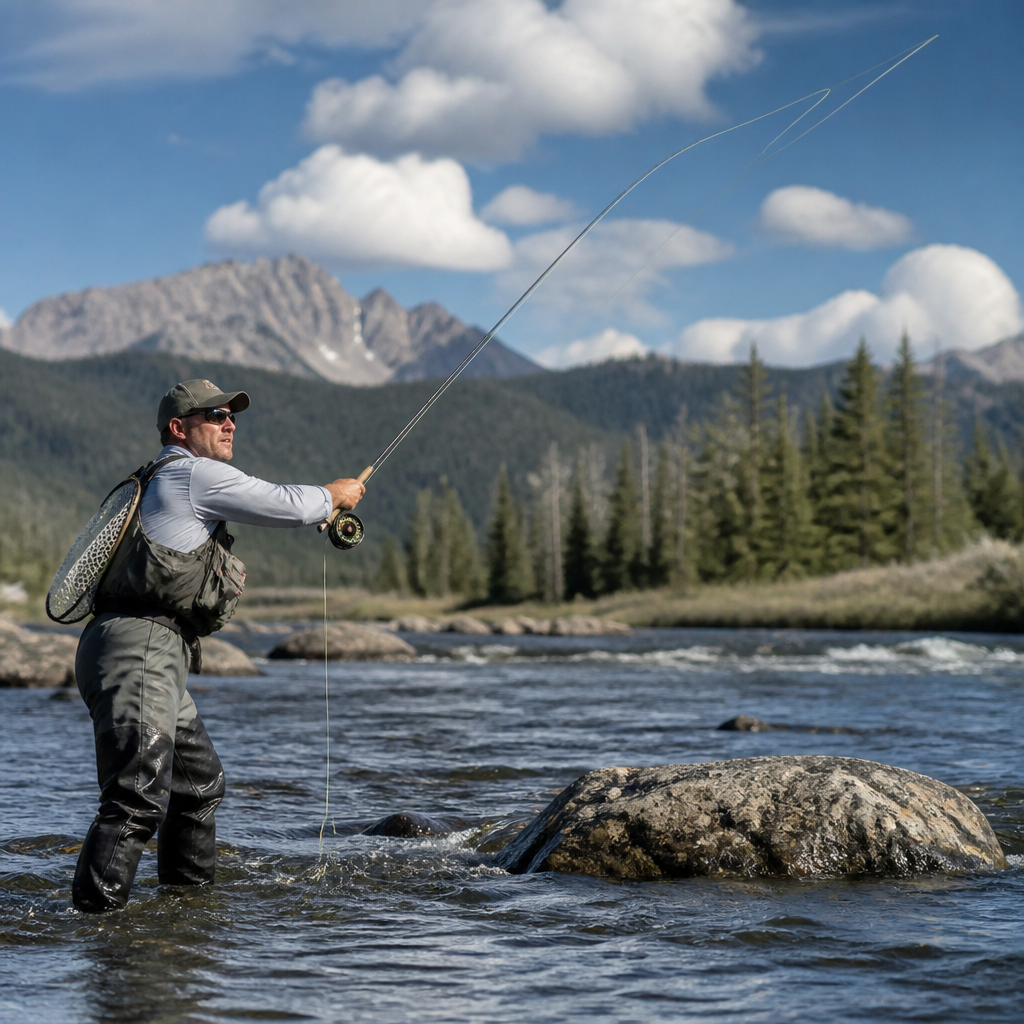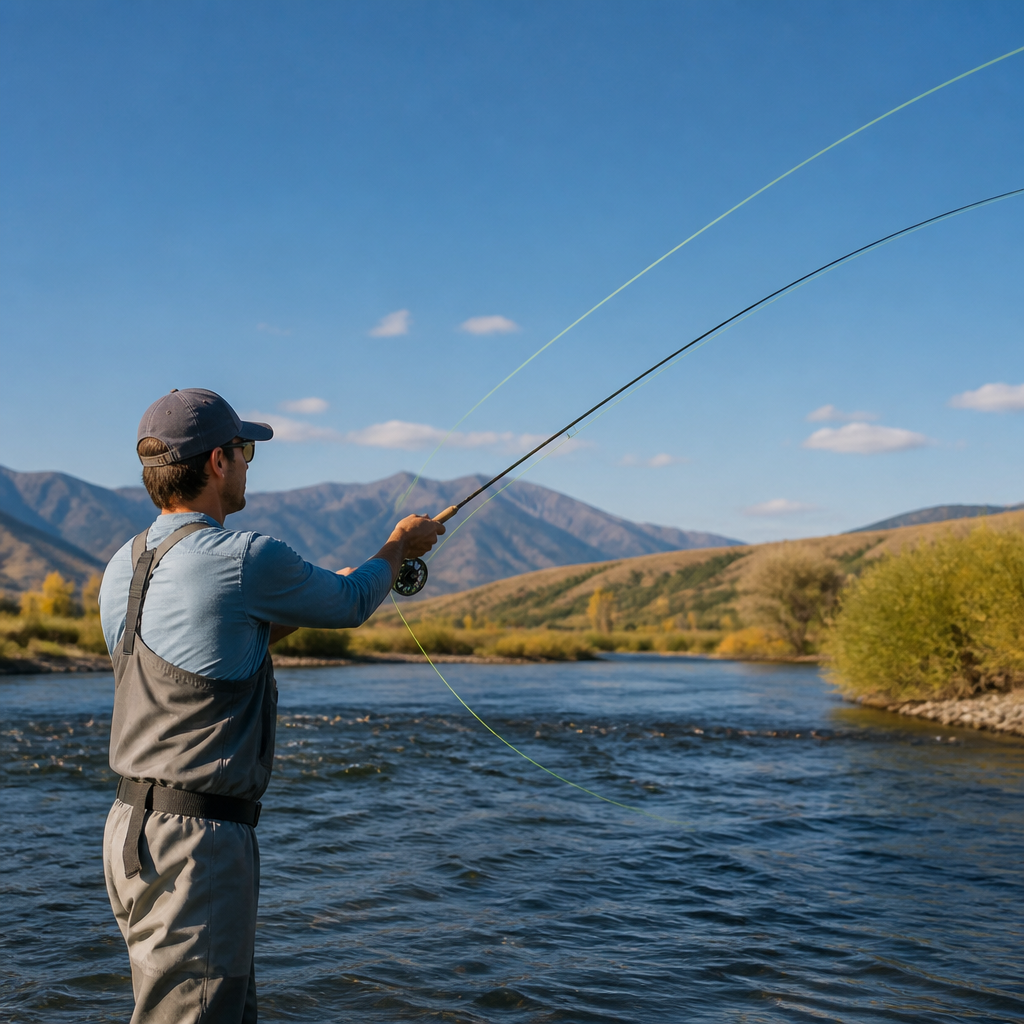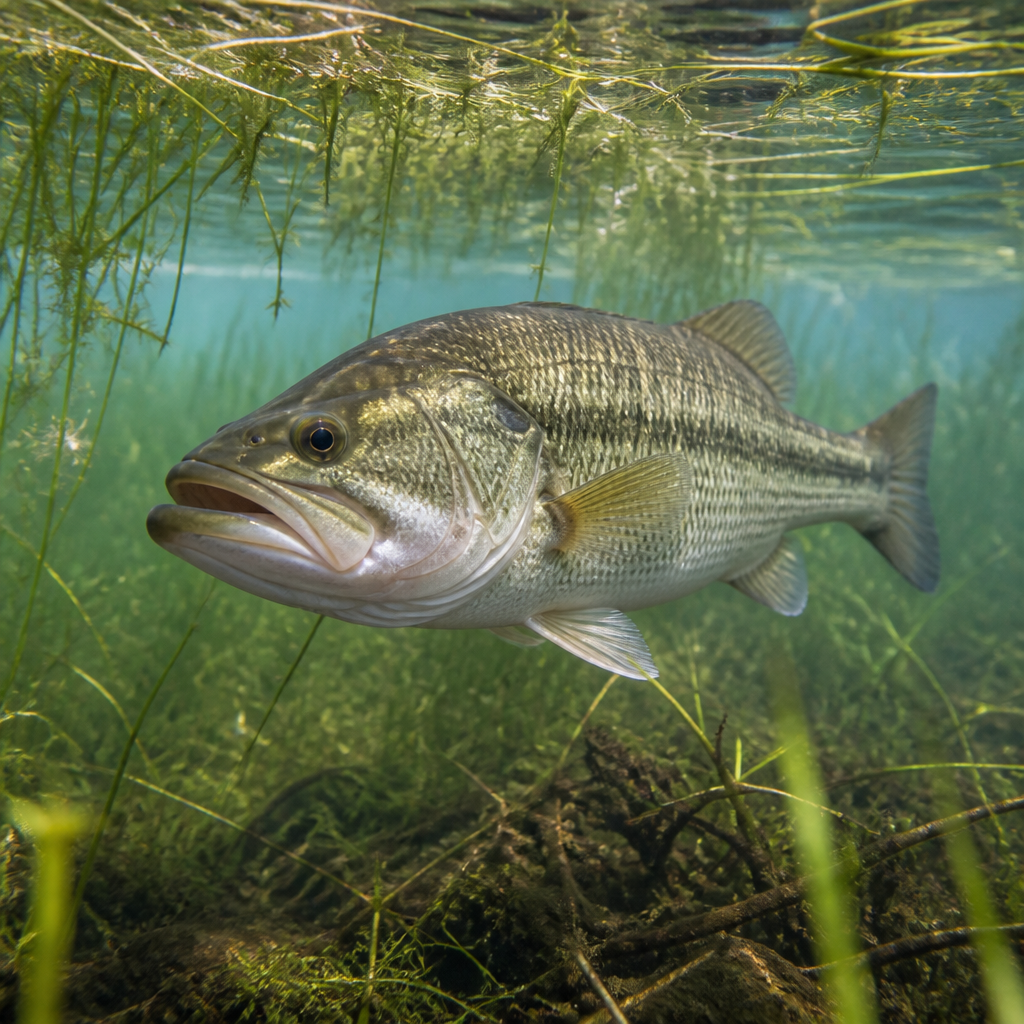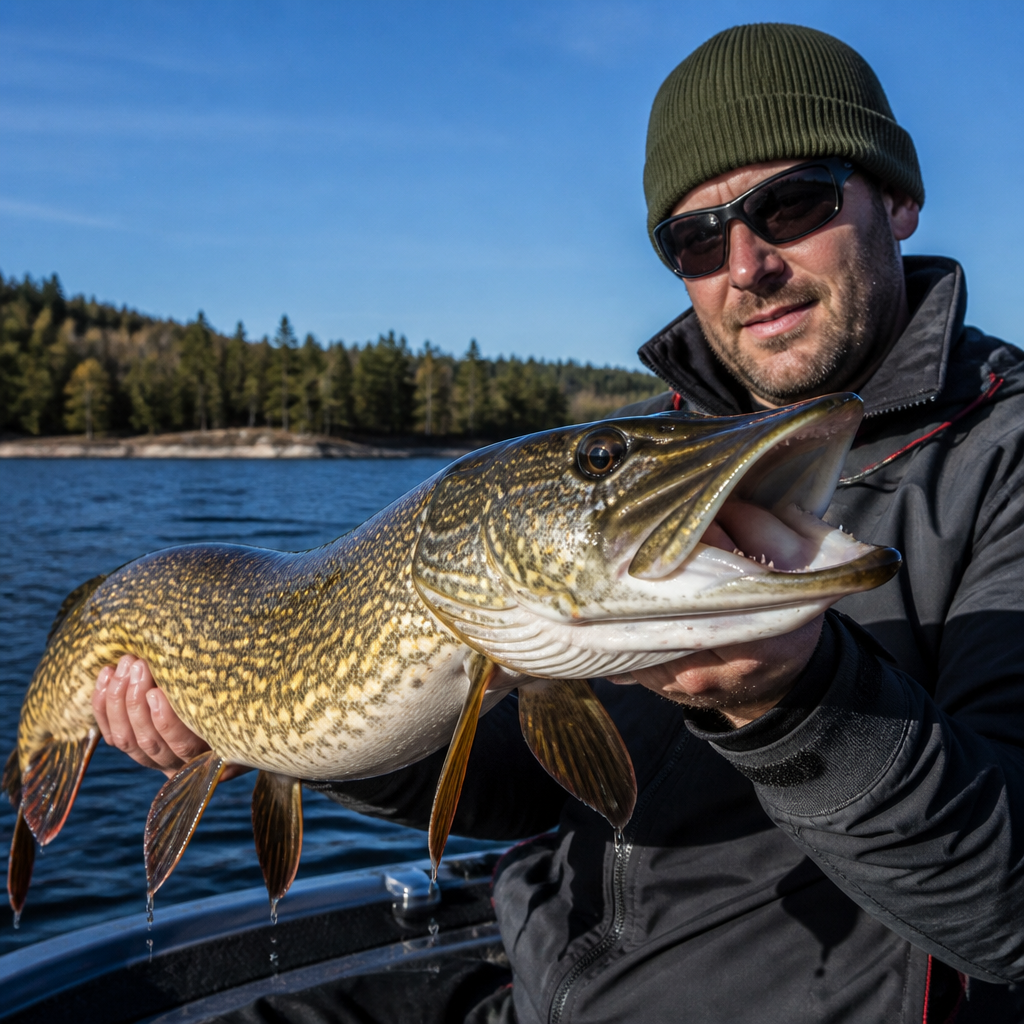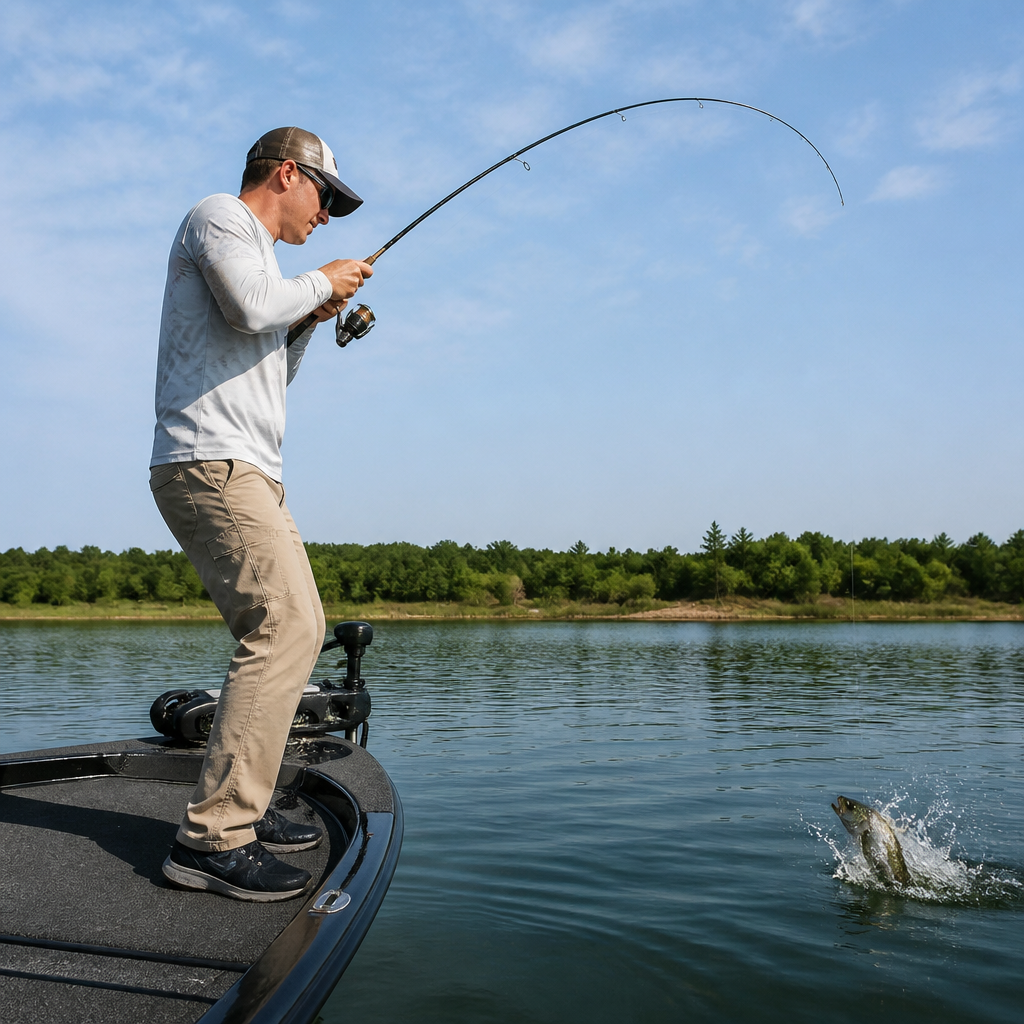
Improving your hook set is one of the fastest ways to land more fish consistently, because a strong hook set turns a bite into control, pressure, and eventually a fish in the net. In fishing terms, a hook set is the deliberate motion used to drive the hook point into a fish’s mouth after detecting a strike. The details matter: rod angle, line type, hook style, drag setting, lure choice, and even the species being targeted all change how much force is needed and when that force should be applied. I have seen anglers lose fish for years while blaming bad luck, when the real problem was a late reaction, too much slack, or a sweeping motion that never actually penetrated the hook.
For a hub article on advanced techniques, the goal is not to repeat basic advice like “jerk harder.” A better hook set begins before the strike ever happens. It starts with matching tackle to presentation, maintaining line contact, understanding how fish feed, and recognizing whether the lure uses a single hook, treble hooks, or a heavy-gauge flipping hook that needs real power. It also means accepting tradeoffs. An aggressive vertical snap can bury a jig hook in a bass’s jaw, but the same move with small treble hooks can tear free. A delayed hook set can help with topwater frogs and some live-bait presentations, while delaying with a jig often gives the fish time to eject the bait.
This topic matters because hook-setting mistakes cost fish at every skill level. Tournament anglers track landing percentage for a reason: a marginal improvement in conversion rate can mean the difference between a poor day and a winning bag. Recreational anglers benefit just as much. Better hook sets reduce gut-hooking on some techniques, improve fish handling by creating cleaner mouth hookups, and make tackle choices more predictable. In this guide, you will find the advanced methods that sit at the center of the broader Techniques and Strategies section: detecting subtle bites, setting with braid versus fluorocarbon, adjusting for cover and depth, choosing between reel-set and snap-set mechanics, and diagnosing why fish come unbuttoned halfway back to the boat.
Build the Hook Set Before the Bite Happens
The best anglers prepare for the hook set during the retrieve, not after the strike. That means eliminating unnecessary slack, keeping the rod in a position that allows force transfer, and choosing a line-and-rod system that matches the lure. A fast-action heavy rod with 50-pound braid and a double frog hook creates a very different hook-setting window than a moderate-action crankbait rod with 12-pound fluorocarbon and trebles. If your setup does not fit the presentation, perfect timing still may not overcome it.
Start with line management. Slack line is the enemy of penetration, especially in deep water or wind. When I work a football jig offshore, I keep the rod low enough to maintain contact and high enough to feel a light pickup. If the fish bites and the line bows in wind, the first move is often a fast reel turn to remove slack before driving the hook home. The same principle applies from shore. Many missed fish are not caused by weak effort; they are caused by setting into a belly of line that absorbs the entire motion.
Rod position also determines efficiency. A rod already loaded at the correct angle transfers energy faster than a rod pointed straight at the lure with no bend. However, “pointing at the bait” has value in certain sweeping sets because it allows an angler to reel down and come tight before applying pressure. The key is intention. If you are dragging a worm through brush, fish with a posture that lets you reel down quickly and move the fish upward and away from cover. If you are burning a lipless bait with trebles, use a softer rod and pressure-oriented set that keeps fish pinned without overpowering them.
Match Hook-Setting Mechanics to Hook Style and Presentation
Not every hook set should feel explosive. The correct motion depends on hook diameter, point exposure, and how the fish tends to inhale the lure. Single exposed hooks on jigs, Texas rigs, swim jigs, and spinnerbaits usually reward a firm, committed set. Treble-hook lures such as crankbaits, jerkbaits, and many topwaters usually call for a controlled sweep or continued reeling pressure, because those small points penetrate easily and can tear out if hit too hard.
With Texas-rigged soft plastics, especially around wood, grass, or docks, use a reel-down-and-drive sequence. Drop the rod slightly, reel until you feel solid weight, then rotate your hips and pull through with the rod while keeping your elbows engaged. This is not just an arm swing. Good hook sets use the body to maintain acceleration through the fish’s mouth. Heavy-wire flipping hooks are built for this. Their strength is an advantage in cover, but that same strength means they need more force than a light-wire finesse hook.
Treble-hook baits demand restraint and rhythm. When a bass loads up on a crankbait, the fish often hooks itself against the resistance of the rod and lure. Instead of an upward snap, sweep to the side and keep reeling. Moderate or moderate-fast rods matter here because they act as shock absorbers. This is why so many anglers prefer composite or fiberglass crankbait rods: they keep pressure constant and reduce the number of fish that shake free boatside.
| Presentation | Best Hook-Set Style | Why It Works |
|---|---|---|
| Texas rig or jig | Reel down, then firm vertical or diagonal drive | Penetrates single heavy hook and clears plastic |
| Frog over mats | Brief pause, reel tight, then powerful upward sweep | Lets fish compress bait and drives double hook through cover |
| Crankbait or jerkbait | Side sweep with continued reeling | Protects treble hooks from tearing out |
| Spinnerbait or chatterbait | Lean and sweep when weight is felt | Fish often load the rod; too hard a snap can miss |
| Drop shot or neko rig | Lift and reel set | Light-wire hooks penetrate with steady pressure |
Refine Timing by Reading How Fish Actually Bite
Timing separates average hook sets from excellent ones. Fish do not strike every lure the same way. A smallmouth chasing a jerkbait in cold water may slap at the bait and hook itself on the pause. A largemouth eating a creature bait in hydrilla may inhale it and stop moving altogether. A pike often strikes with speed and angle, while a walleye can mouth a live-bait rig and swim with it before turning. If you react identically to each signal, your landing percentage will stay inconsistent.
Learn the three common strike categories: the tick, the mush bite, and the moving line. The tick is a sharp tap, common with bottom-contact baits. The mush bite feels like added weight or a spongy stop, often mistaken for weeds. The moving line is visual confirmation that the fish has taken the lure and is traveling. Each demands an immediate interpretation. On a jig, a tick or mush almost always justifies an instant reel-down and set. On a frog, the surface explosion is not the signal; the weight is. Wait until you feel the fish, then drive the hooks.
Depth changes timing too. In deeper water, especially beyond 20 feet, line stretch and angle can delay contact. Fluorocarbon stretches less than monofilament but more than braid, and every yard of line adds loss. That is why offshore anglers often combine a quick reel-down with a long sweeping set instead of a short snap. The sweep moves more line and keeps pressure on the fish as the hook penetrates. In contrast, short-range flipping in thick cover rewards immediacy because the fish can use a branch or grass clump within seconds.
Use Line, Drag, and Rod Action as a System
Advanced anglers stop thinking about hook sets as a single motion and start thinking in systems. Rod action, line stretch, drag tension, and hook shape work together. Change one, and the others matter more. Braid has near-zero stretch, which improves sensitivity and power transfer, but it also exposes weak drag settings and poor rod angles. With braid, a violent snap on trebles is an invitation to tear out hooks. With fluorocarbon, the same angler may need a firmer sweep on a jig to compensate for stretch, especially at distance.
Drag is often overlooked. If the drag slips during the hook set on a heavy single-hook presentation, power disappears instantly. Before pitching to cover, tighten drag appropriately and pull line by hand to confirm it does not give too easily. At the same time, fully locked drag is not always ideal. On moving baits or around open water, a bit of controlled slip can save light-wire hooks and lighter line once the fish surges. The right adjustment depends on whether your biggest challenge is penetration on the bite or retention during the fight.
Rod action influences both jobs. Fast and extra-fast rods concentrate power in the upper section, making them excellent for worms, jigs, and frogs where direct penetration matters. Moderate rods bend deeper and keep fish pinned on treble-hook baits. Power matters too. A medium-heavy rod is versatile, but versatility has limits. If you try to punch thick grass with an underpowered rod, even a perfect hook-set motion may fail because the blank cannot move enough fish, cover, and hook all at once.
Master Species-Specific and Situational Adjustments
Improving your hook set also means respecting species behavior and local conditions. Largemouth bass in matted vegetation often require a hard set and immediate upward control. Smallmouth in open water usually reward steady pressure after hookup because they jump and use momentum. Walleye anglers often favor measured pressure with jigs or live-bait rigs because the fish can mouth the bait more delicately. In saltwater, species such as redfish, snook, and tarpon each demand different timing and drag strategies because mouth hardness, jaw shape, and first-run power vary dramatically.
Current, wind, water temperature, and cover density all change the equation. In river fishing, current creates a bow in the line and pushes fish into the hook differently than still water. A downstream hook set often feels softer because the line angle works against you, so reeling quickly before sweeping is essential. In cold water, many fish eat less aggressively, and bites can feel like dead weight. That is where discipline matters most. If the lure feels wrong, set the hook. Experienced anglers know that “different” is often enough evidence.
Boat position matters more than many anglers realize. If you are directly above a deep fish, a vertical lift set can be effective. If the fish is far ahead on a cast, a side sweep often moves more line and maintains contact better. Kayak anglers face an extra variable: the craft itself moves on the set, absorbing force. Compensate with tighter line management, body rotation, and tackle that provides enough backbone without becoming unforgiving at close range.
Diagnose Missed Fish and Fix the Real Problem
When anglers say, “I can’t get a good hook set,” the root cause is usually identifiable. Start by asking what happened immediately after the strike. If you never felt solid weight, the issue was likely timing or slack. If you felt the fish briefly and then nothing, you may have set too early, used the wrong hook style, or failed to keep pressure. If the fish came off after several seconds, the problem might be drag, rod action, or excessive force with small hooks.
Check your terminal tackle with a critical eye. Dull hooks are common and costly. A hook point should grab a fingernail immediately; if it slides, sharpen or replace it. Soft-plastic alignment also matters. A Texas-rigged bait that balls up over the point blocks penetration. Knot choice matters as well. A poorly tied Palomar or improved clinch can weaken under sudden load, creating failures that anglers misread as bad hook sets.
Video review helps. Record a few sessions and watch your reaction to bites. Many anglers discover they lift before reeling down, creating slack right when they need connection. Others overreact and pull the lure away from fish striking short. Keep notes by technique. If you miss frog fish, test a shorter pause and braided line. If you lose crankbait fish, move to a more moderate rod and lighter drag. Improvement comes fastest when adjustments are tied to a specific failure pattern, not guesswork.
Improving your hook set comes down to precision, not drama. The best anglers prepare before the bite, match mechanics to hook style, time the set to the way fish actually feed, and tune rod, line, and drag as one system. They also adapt for species, depth, current, cover, and casting angle instead of treating every strike the same. Those details are what turn advanced hook-setting technique into consistently landed fish.
As the central guide within advanced Techniques and Strategies, this topic connects directly to related skills such as reading line movement, selecting rods by lure category, adjusting drag under load, and fighting fish efficiently after hookup. If you want immediate results, start with one technique you use often, such as jigs, frogs, or crankbaits, and evaluate your current setup and timing honestly. Small corrections in slack control, rod choice, and hook-set style can raise your landing percentage quickly. Practice deliberately, review what happens on missed fish, and make each hook set a controlled, repeatable part of your system.
Frequently Asked Questions
What is a hook set, and why does it matter so much in fishing success?
A hook set is the deliberate motion an angler uses to drive the hook point into a fish’s mouth after detecting a bite or strike. It sounds simple, but it is one of the most important moments in the entire process of catching fish. If the hook does not penetrate properly, even a solid bite can end in a missed fish, a brief hookup, or a lost fish halfway back to the boat or bank. A good hook set creates immediate control by removing slack, loading the rod, and establishing steady pressure so the fish stays pinned.
What makes hook setting so important is that it connects every other part of your setup. Rod power, rod action, line stretch, drag setting, lure style, and hook design all influence how much force you need and how quickly you need to apply it. For example, a single heavy-gauge worm hook used in thick cover usually requires a firm, committed hook set, while a small treble hook on a moving bait often calls for a smoother sweep so you do not rip the lure away or tear a small hole in the fish’s mouth. In short, improving your hook set means converting more bites into landed fish, and that is why it is one of the fastest ways to improve your results on the water.
How can I tell the right moment to set the hook?
The right timing depends on what you are fishing, how the fish is striking, and what type of hook is tied on. In general, you want to set the hook once you have confirmed the fish has the bait and you have enough contact to drive the hook home. With bottom-contact techniques like worms, jigs, and Texas rigs, that often means watching for a tick in the line, a sudden jump, sideways movement, or a spongy heaviness that should not be there. Once you detect that unnatural signal, reel down quickly to remove slack and then set with purpose.
With moving baits like crankbaits, jerkbaits, spinnerbaits, and many treble-hook lures, timing is usually more about loading into the fish than instantly snapping the rod upward. Fish often hook themselves partially when they strike moving lures, so a hard, immediate jerk can pull the bait away too soon. Instead, maintain pressure, feel the fish, and sweep into the hook set. For topwater fishing, patience is especially important. Many anglers react to the splash instead of the fish’s actual weight. A better habit is to wait until you feel resistance, then set. If you are missing fish regularly, timing is often the first thing to evaluate. Setting too early, setting into slack, or hesitating too long are all common mistakes that cost hookups.
How do rod angle, line type, and drag settings affect hook-setting power?
These three factors directly control how efficiently your hook-set motion transfers force to the hook point. Rod angle matters because it determines leverage and how quickly you can move line. A rod held too high during the retrieve may leave less room for a powerful sweep, while a rod held too low without awareness can reduce your ability to react cleanly. In most situations, keeping the rod in a comfortable, controlled position allows you to reel down fast and drive the hook with a strong upward or sideways motion, depending on the presentation and cover.
Line type changes how much stretch exists between you and the fish. Braid has very little stretch, which makes it extremely responsive and excellent for solid hook penetration, especially in vegetation or deep water. Because it is so direct, hook sets with braid often do not need as much exaggerated force. Monofilament stretches more, which can be forgiving with treble hooks but may require a more deliberate hook set with single-hook baits. Fluorocarbon falls somewhere in the middle, offering lower stretch than mono and solid sensitivity, making it a popular all-around choice for many techniques.
Drag setting also matters more than many anglers realize. If your drag is too loose, the reel can slip during the hook set and waste energy that should have gone into penetrating the fish’s mouth. If it is too tight, you risk breaking line, bending lighter hooks, or overpowering a fish at close range. The goal is a drag tight enough to allow good penetration but not so locked down that you lose the benefits of controlled pressure during the fight. Good hook setting is not only about swinging harder; it is about creating an efficient system where rod, line, and drag work together.
Should I use different hook-setting techniques for different lures and species?
Yes, absolutely. One of the biggest mistakes anglers make is trying to use the same hook set for every lure and every fish. Different hooks are designed to penetrate in different ways, and different species strike differently. For soft plastics, jigs, and other single-hook presentations, a firm reel-down-and-drive motion is often best. You want to eliminate slack, feel the fish, and then commit. This is especially true when targeting fish like largemouth bass in cover, where a strong hook set helps move the fish immediately and keeps it from burying into weeds, wood, or docks.
With treble-hook baits, a sweeping hook set is usually more effective than an aggressive snap. Treble hooks are smaller and can penetrate with less force, but they can also tear out more easily if overpowered. Maintaining steady pressure is more important than violently jerking the rod. Circle hooks are another special case, commonly used in live-bait fishing. They are designed to slide into the corner of the fish’s mouth as pressure builds, so a hard traditional hook set can actually pull the hook away from where it should lock in. In that situation, simply reeling down and lifting steadily is often the right move.
Species matter too. A fish that crushes a bait and turns, such as many bass or pike, may require a different response than a fish that nips or mouths a presentation more cautiously. Walleye, trout, catfish, panfish, and inshore saltwater species can all demand slight adjustments in timing and force. The best anglers treat hook setting as technique-specific, not universal. Matching your hook set to your lure, hook style, and target species will dramatically improve consistency.
What are the most common hook-setting mistakes, and how can I fix them?
The most common mistake is setting the hook into slack line. If there is too much slack between your rod tip and the fish, your motion will not transfer enough force to the hook point. The fix is simple in theory but takes practice: when you detect a bite, reel down first, regain contact, and then set. Another major mistake is reacting too fast to visual surface activity rather than actual pressure. This happens constantly with topwater lures. Train yourself to respond to the feel of the fish, not just the splash.
Another problem is using too much force with the wrong presentation. Anglers often lose fish on treble-hook baits by making a dramatic, overpowering hook set that tears small hooks loose or creates too large a hole in the fish’s mouth. In those cases, a controlled sweep and constant pressure are better. On the other end of the spectrum, some anglers are too gentle with thick single hooks in plastics and jigs, especially at long distance or in deep water. If your fish are coming back with barely pinned hooks or shaking free quickly, you may need a more committed motion and a better drag setting.
Poor equipment matching can also sabotage your hook set. A soft rod, stretchy line, and a heavy-gauge hook can be a difficult combination if you need deep penetration. Likewise, an ultra-stiff rod with no-stretch braid and tiny treble hooks can be too unforgiving. Finally, many anglers stop pulling too soon after the hook set. The set itself is only the beginning. Once the hook is in, keep the rod loaded and maintain steady pressure. If you want to improve quickly, pay attention to missed bites, short hookups, and where the hook is pinned when you land fish. Those clues will tell you whether your timing, force, or tackle setup needs adjustment.