Fishing pressure changes fish behavior faster than most anglers realize, and adapting your techniques is the difference between casting at water and consistently catching fish. In practical terms, fishing pressure means repeated exposure of fish to boats, shoreline traffic, lures, live bait, sonar pings, noise, and harvest. High-pressure water is not simply crowded water; it is water where fish have learned patterns, conditioned to avoid common presentations, and shifted feeding windows to survive. I have seen this clearly on reservoirs that fish brilliantly on weekday mornings, then become stubborn after two tournament Saturdays in a row. The same bass, trout, walleye, or panfish are still present, but they stop rewarding obvious tactics. That matters because pressure now affects nearly every accessible fishery, from urban ponds and stocked streams to major lakes with advanced electronics on every transom.
For anglers focused on advanced techniques, pressure should shape every decision: when to fish, where to position, how quietly to move, what lure profile to show, and how long to leave a productive area alone before returning. It also determines whether power fishing or finesse fishing makes more sense, whether your line should be visible or nearly invisible, and whether you should downsize, speed up, or do the exact opposite. This hub article explains the core patterns behind pressured fish, the tactical adjustments that work across species, and the framework I use to build a day plan when standard approaches fail. If you understand how pressure changes fish location, mood, and strike triggers, you gain a transferable system rather than a handful of random tricks.
How fishing pressure changes fish behavior
Pressured fish do three things consistently: they reposition, they narrow feeding windows, and they reject repeated cues. Repositioning means fish slide from obvious targets to subtle cover, deeper edges, current seams, shade lines, suspended zones, or structure ignored by most anglers. On small lakes, largemouth that once held on visible laydowns may move to the first hard-to-reach brush pile off the bank. In rivers, trout exposed to heavy drift traffic often stop sitting in the textbook bucket and shift to thin slots beside turbulence where food still comes to them but fewer presentations drift naturally. Narrower feeding windows mean fish become more catchable at low light, during wind changes, around generation flow, or in brief bait movements. Rejecting repeated cues means common lure colors, noisy retrieves, and standard casting angles lose effectiveness over time.
Conditioning is not theory. Fisheries biologists have documented learned lure avoidance in multiple species, and any guide who works busy water sees it play out weekly. Bass on lakes with intense catch-and-release pressure often show strong response to forward-facing sonar avoidance, sliding off line from the boat before an angler ever casts. Carp in urban venues can identify repeated baiting patterns. Trout in heavily stocked, frequently fished streams become selective within days, especially where clear water and shallow depth expose terminal tackle. The practical takeaway is simple: fish under pressure are not always inactive; they are often active on terms that punish predictable anglers.
Reading pressure on the water before you make the first cast
Advanced anglers diagnose pressure before choosing a lure. Start with access. Parking lots, boat ramps, community docks, visible bank paths, and online hotspot attention all increase pressure. Then look for physical evidence: worn shoreline openings, clipped vegetation, lost line in brush, hook scars on fish, and boat lanes repeatedly tracking the same points. On electronics, pressure often reveals itself through fish positioned just off the sweet spot rather than directly on it. For example, a shell bed that should hold bass on top may instead hold them on the down-current lip after several days of casts passing overhead. In trout water, polished rocks at popular runs and frequent wader tracks tell you where fish have seen endless drifts.
Noise and light are immediate pressure multipliers. Hull slap, trolling motor surges, sonar transducer noise in shallow water, deck stomping, headlamps, and shoreline silhouettes all matter more than many anglers admit. I have watched crappie disappear from brush in eight feet of calm, clear water after one angler dropped pliers on aluminum. The same fish returned twenty minutes later when the area rested. Reading pressure also means reading timing. If a community hole gets hammered from dawn to nine, arriving at eleven with a subtler approach can be smarter than joining the rush. Pressure is cumulative, but it is also rhythmic, and the best anglers exploit those rhythms.
Core tactical adjustments that consistently beat pressured fish
The most reliable adjustment is reducing the fish’s reasons to refuse. That starts with stealth, angle, speed, and profile. Stealth means longer casts, controlled boat positioning, softer entries, quieter footwear, and avoiding repeated passes over the target. Angle matters because pressured fish often ignore presentations moving with the crowd and react to baits approaching from an uncommon direction. On a dock line that has seen hundreds of parallel casts, a perpendicular skip under the darkest float can trigger the only bite of the hour. Speed matters because many pressured fish want either a genuinely slowed presentation or a sudden speed change that looks unlike the routine. Profile matters because oversized hardware, thick line, and loud rattles become liabilities when fish have seen them repeatedly.
Downsizing is the classic pressure adjustment, but it is not automatically correct. A smaller jig, slim minnow bait, or finesse worm often works because it looks easier to inspect and less threatening. However, there are days when pressured fish respond better to a larger but quieter offering because it separates from the endless stream of compact, shaking baits. I have seen reservoir smallmouth ignore three-inch plastics and eat a five-inch subtle swimbait retrieved naturally through suspended bait. The principle is differentiation, not blind reduction. Change one variable at a time and observe: line diameter, sink rate, retrieve cadence, color contrast, sound level, or hook size. That disciplined testing finds the pattern faster than constant random switching.
| Pressure Signal | Likely Fish Response | Best Technique Adjustment |
|---|---|---|
| Heavy boat traffic on visible cover | Fish slide to secondary structure or deeper edges | Back off, cast long, target adjacent contour changes with finesse jigs or drop shots |
| Clear water and repeated lure exposure | Closer inspection and more refusals | Use fluorocarbon, natural colors, smaller terminal tackle, and slower pauses |
| Constant casts to shoreline targets | Fish stop facing the bank and suspend outward | Approach from deep water and present from offshore angles |
| Tournament weekends | Compressed feeding windows and relocation after release | Fish low light, isolated cover, and resting areas near primary spots |
| Bank pressure on community holes | Fish hold in overlooked micro-current or shade seams | Drift precise presentations through non-obvious lanes |
Advanced lure, line, and presentation choices
In pressured conditions, terminal details matter. Fluorocarbon remains a standard for clear water because of low visibility and sensitivity, but it is not universal. Braid with a fluorocarbon leader gives better hook-setting control in deep water and around sparse cover, while straight monofilament can outperform both with topwater because it floats and cushions treble hooks. Hook gauge should match the bait and rod so the lure moves naturally and penetrates with minimal force. On drop shots, a lighter wire hook often increases conversion when fish only pin the bait. On jigs, trimming the guard and matching trailer buoyancy can change how long the bait hovers in a strike zone.
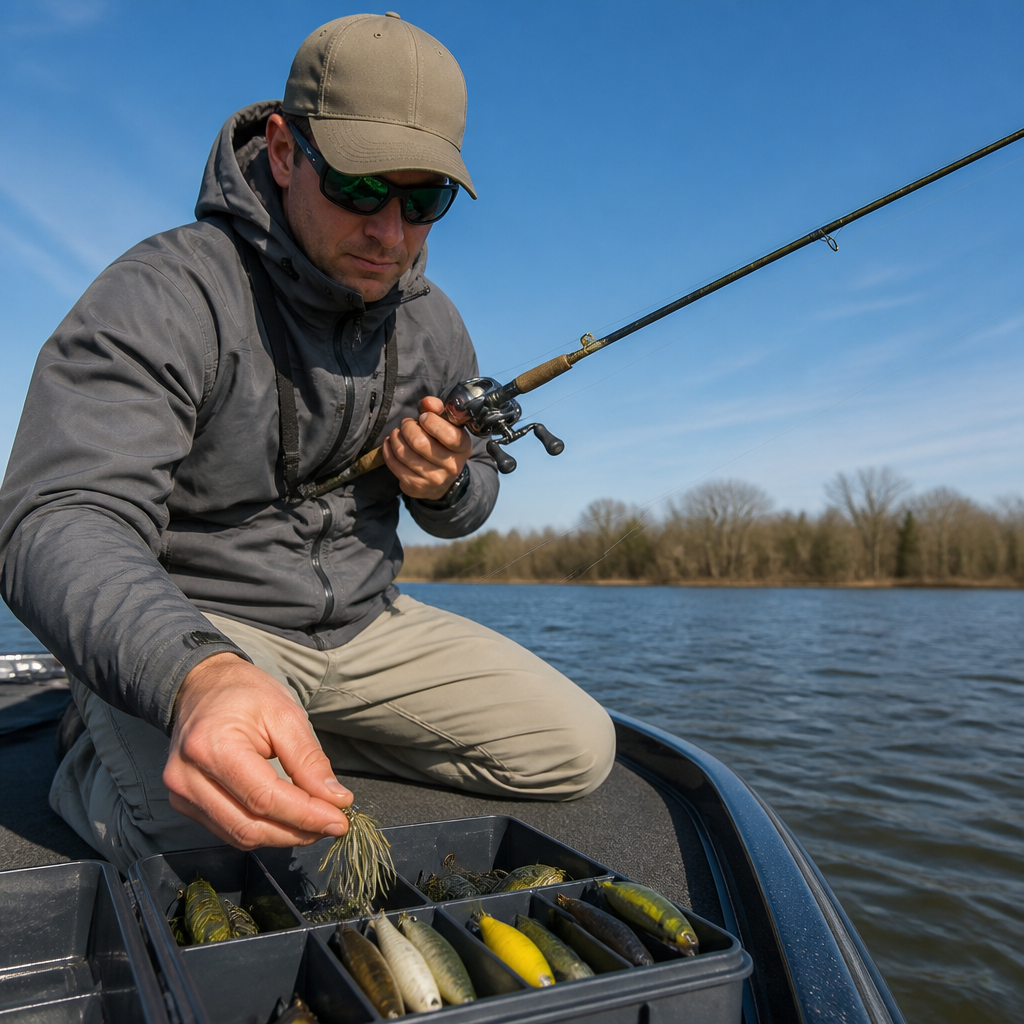
Color selection under pressure should follow water clarity, forage, and contrast instead of superstition. Natural greens, browns, smoke, shad, and translucent hues excel in clear water because they survive close inspection. In stained water, black-blue, junebug, chartreuse accents, and white create silhouette and tracking value. Yet pressured fish also key on familiarity. If every angler is throwing green pumpkin, a muted goby pattern, subtle lavender tint, or matte shad finish may stand out just enough without looking unnatural. Hard baits deserve the same scrutiny. Silent squarebills, flat-sided crankbaits, suspending jerkbaits with longer pauses, and spin-free glide presentations often outproduce loud reaction lures once fish have been educated.
Presentation mechanics separate advanced anglers from gear collectors. A finesse worm is not a technique by itself; the angle of fall, shake frequency, bottom contact time, and dead-stick duration determine success. Pressured bass commonly bite on the first natural fall beside cover, then ignore the same bait after repeated hops. Pressured trout may accept a nymph only if the drift is drag-free for the final two feet before the holding lie. Pressured walleyes can prefer a live-scope-guided hover presentation one week, then require a long-line spinner pass away from the boat shadow the next. Precision is the technique. Tackle only enables it.
Species-specific strategies for pressured bass, trout, walleye, and panfish
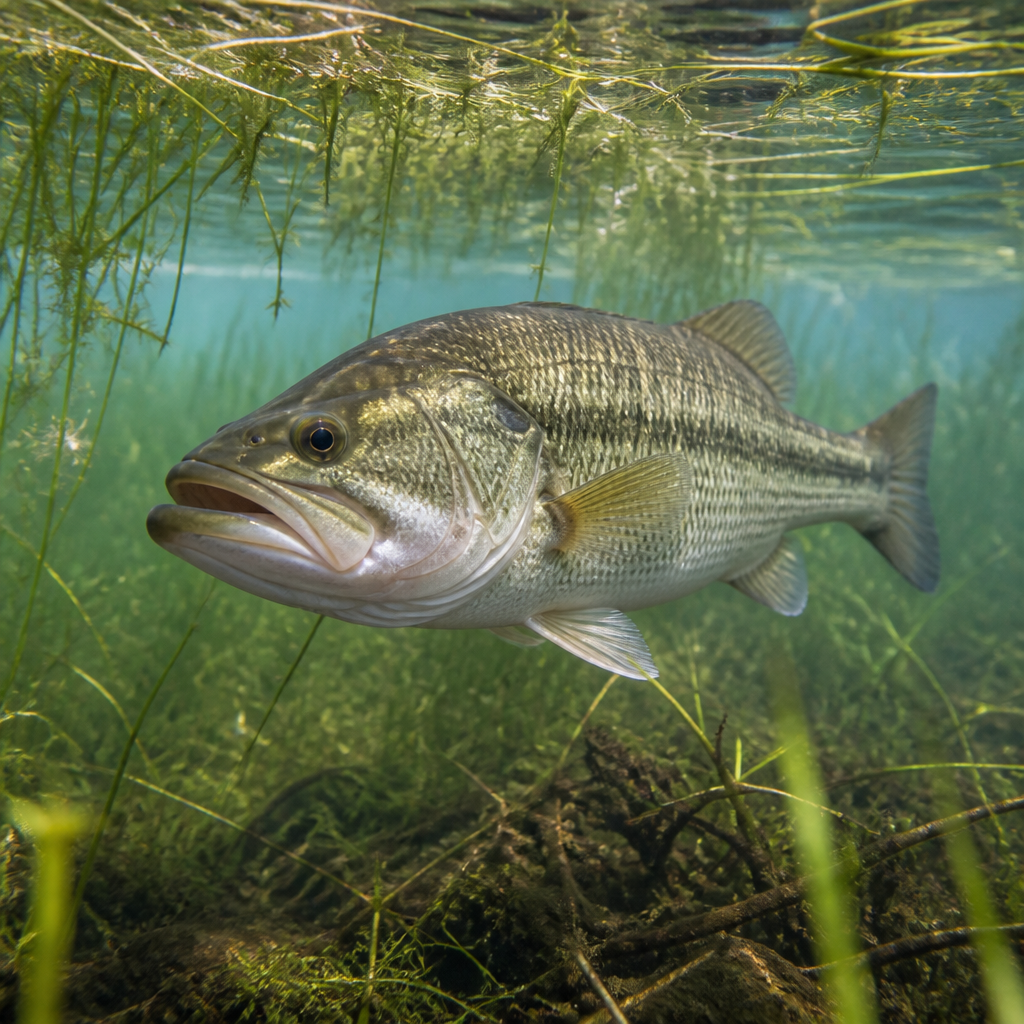
Bass receive the most pressure in many freshwater systems, so they show the clearest behavioral shifts. Target irregularities within structure: the single deeper dock stall, the isolated boulder on a tapering point, the brush pile behind the obvious brush pile. Skip compact plastics, use marabou or hair jigs in cold clear water, and keep a drop shot, Ned rig, jig, and subtle swimbait ready. For suspended fish, count down precisely and avoid driving directly over the school. After a missed bite, follow immediately with a neutral bait that falls in place. Many pressured bass refuse the first moving lure but eat the slower follow-up.
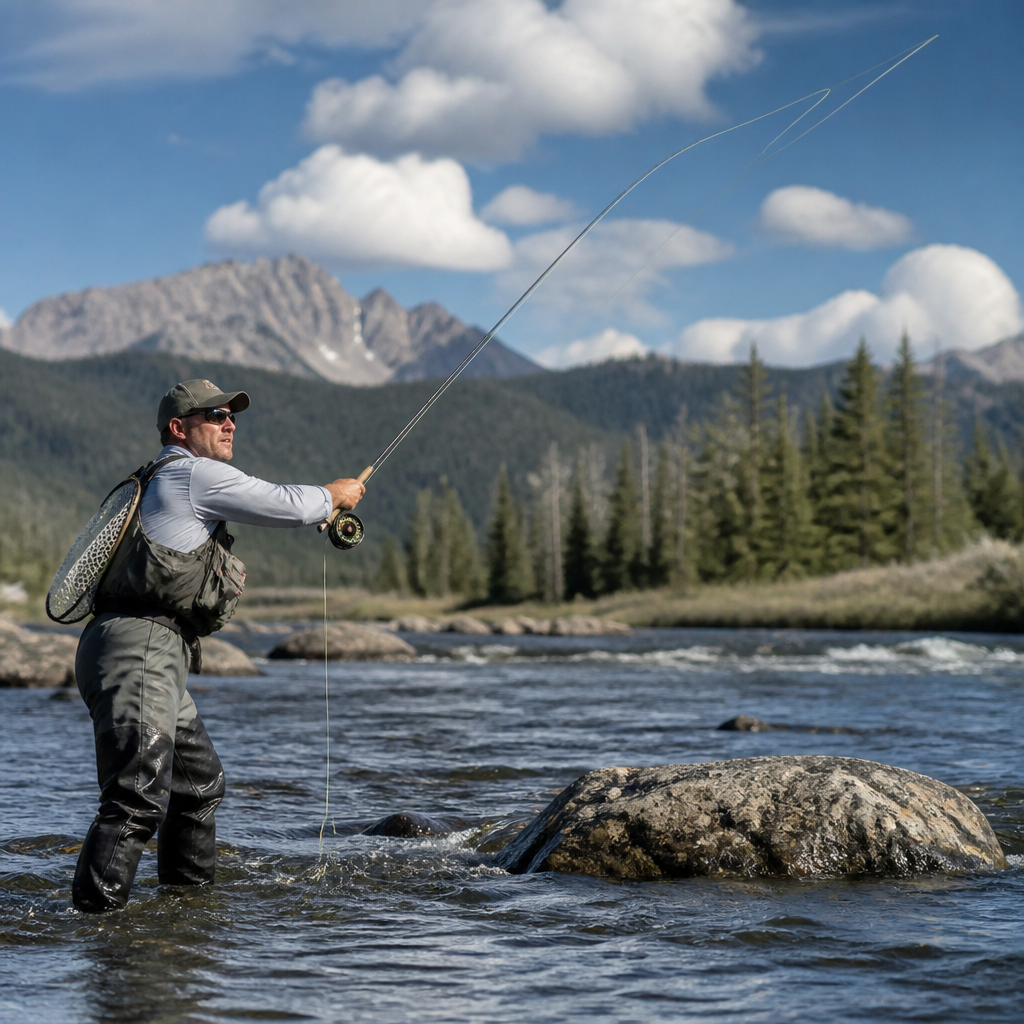
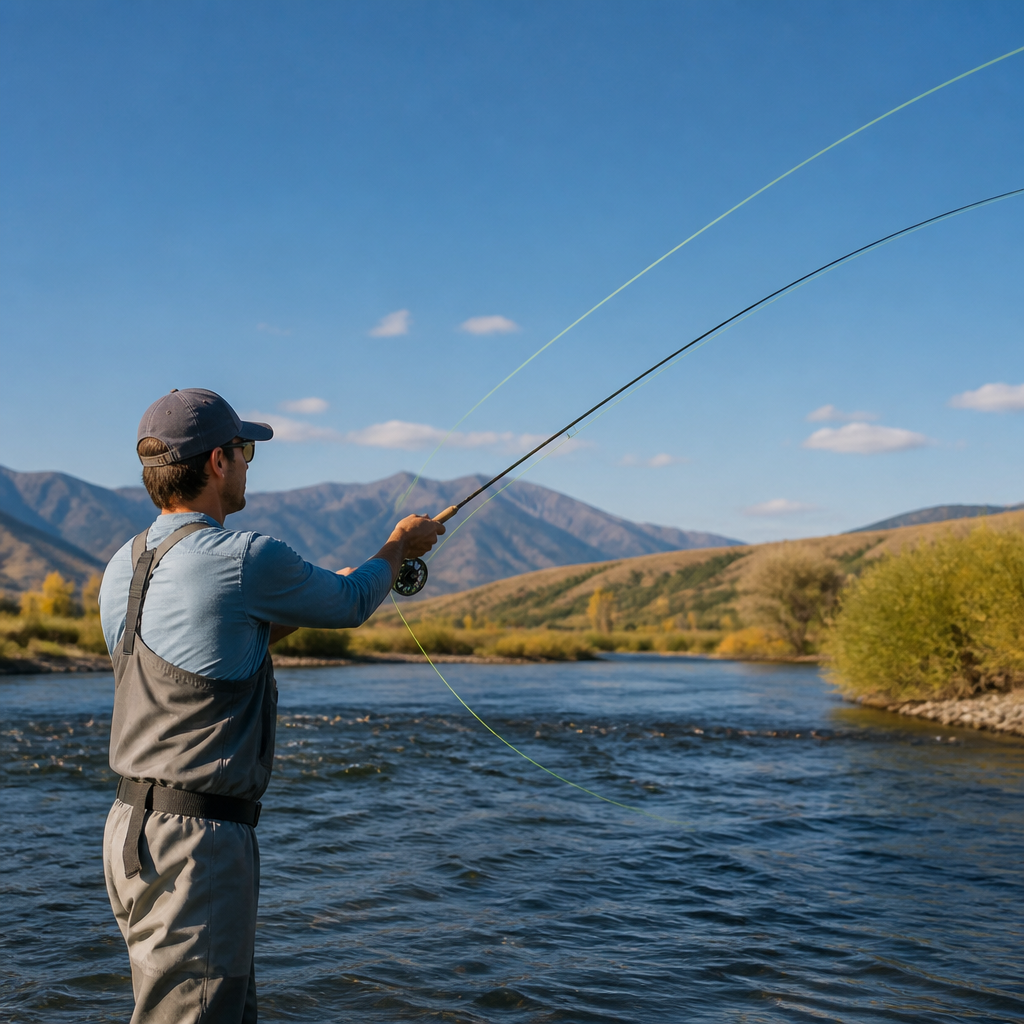
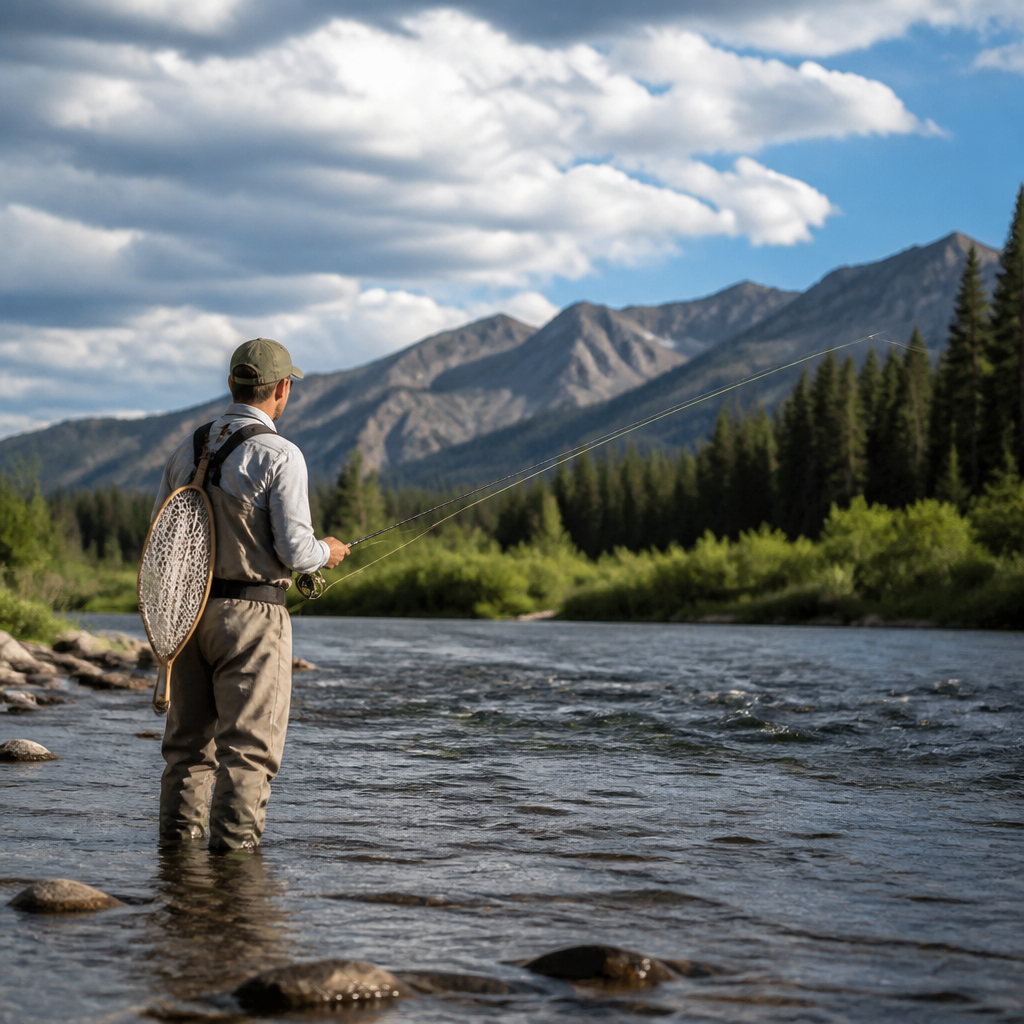
Trout in pressured streams and tailwaters reward concealment and drift control. Lengthen leaders, reduce split shot, and match insect stage closely when fish are selective. In spin fishing, use smaller inline spinners, soft plastics on light jigheads, or minnow plugs worked across current seams instead of directly downstream. Avoid false casting over the lie in fly fishing; one clean reach cast beats five adjustments over the fish. On stillwaters, fish cruise lanes and shoal edges often outproduce visible rises because pressured trout inspect surface offerings carefully. A balanced leech under an indicator or a slow figure-eight retrieve with a damsel nymph can be more reliable than chasing every rise form.
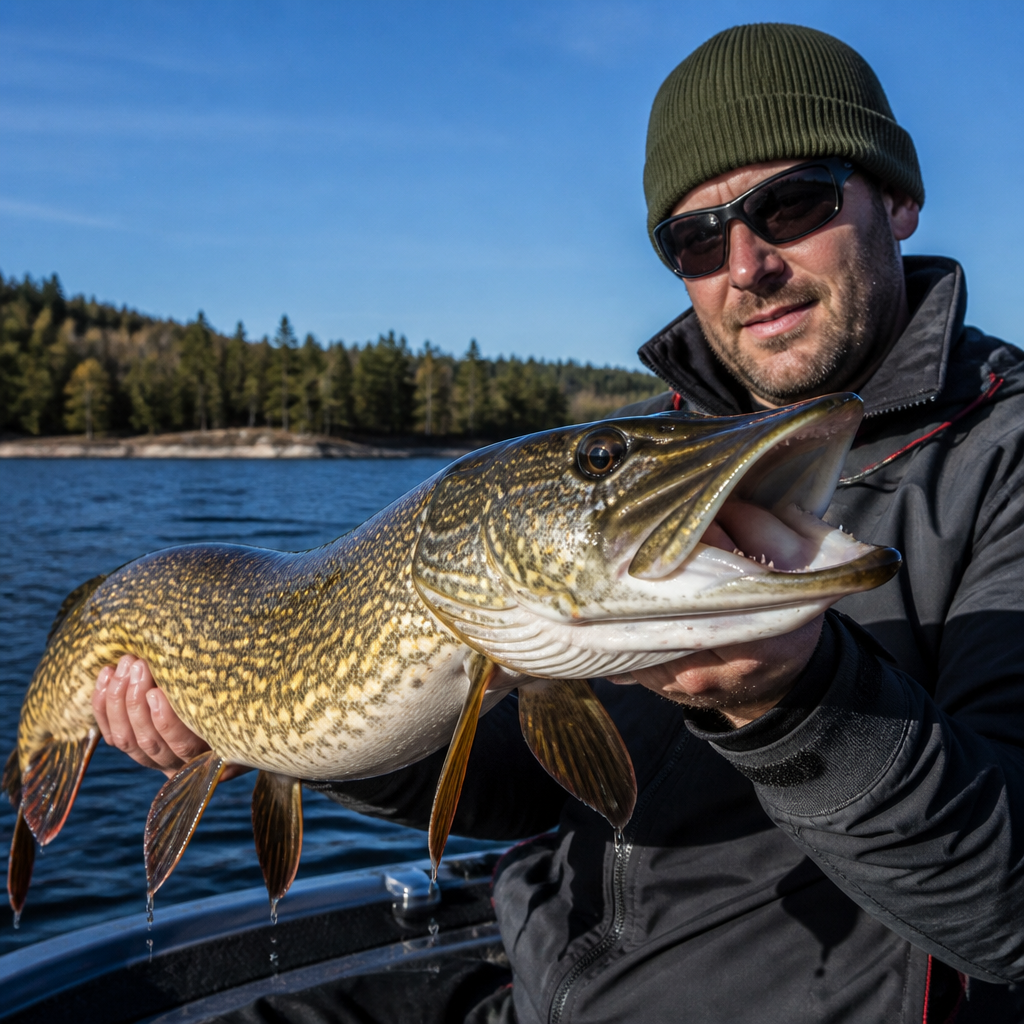
Pressured walleyes often separate by light level and boat proximity. During the day, they may hold on the shadowed side of rock, suspend off breaklines, or slide away from heavily trolled passes. Bottom bouncers and spinner rigs still work, but varying speed by tenths of a mile per hour matters. Live bait rigging with longer snells, lighter weights, and wider turns can trigger followers that have seen standard spreads. For panfish, pressure often pushes bigger individuals slightly deeper than the school. Crappies in crowded brush may suspend above or beside cover rather than in it. Bluegills near bedding areas frequently move to the nearest break after repeated harvest. Micro-plastics, tungsten jigs, and exact depth control become essential.
Building a pressure-adaptation game plan for a full day
A strong day plan starts with three windows: low-light opportunity, midday adjustment, and rest-period return. At first light, cover water efficiently but quietly to find active fish before pressure peaks. Once traffic rises or bites fade, switch to your best information-gathering finesse tools rather than forcing power techniques. Mark overlooked cover, bait concentrations, and fish that follow without committing. Then cycle back later after the area rests or conditions change. This rotation works because pressured fish are rarely catchable continuously, but they do reset. On busy lakes, I often fish prime banks once, leave them for two hours, then return with a different angle and quieter presentation. That second pass commonly produces the better fish.
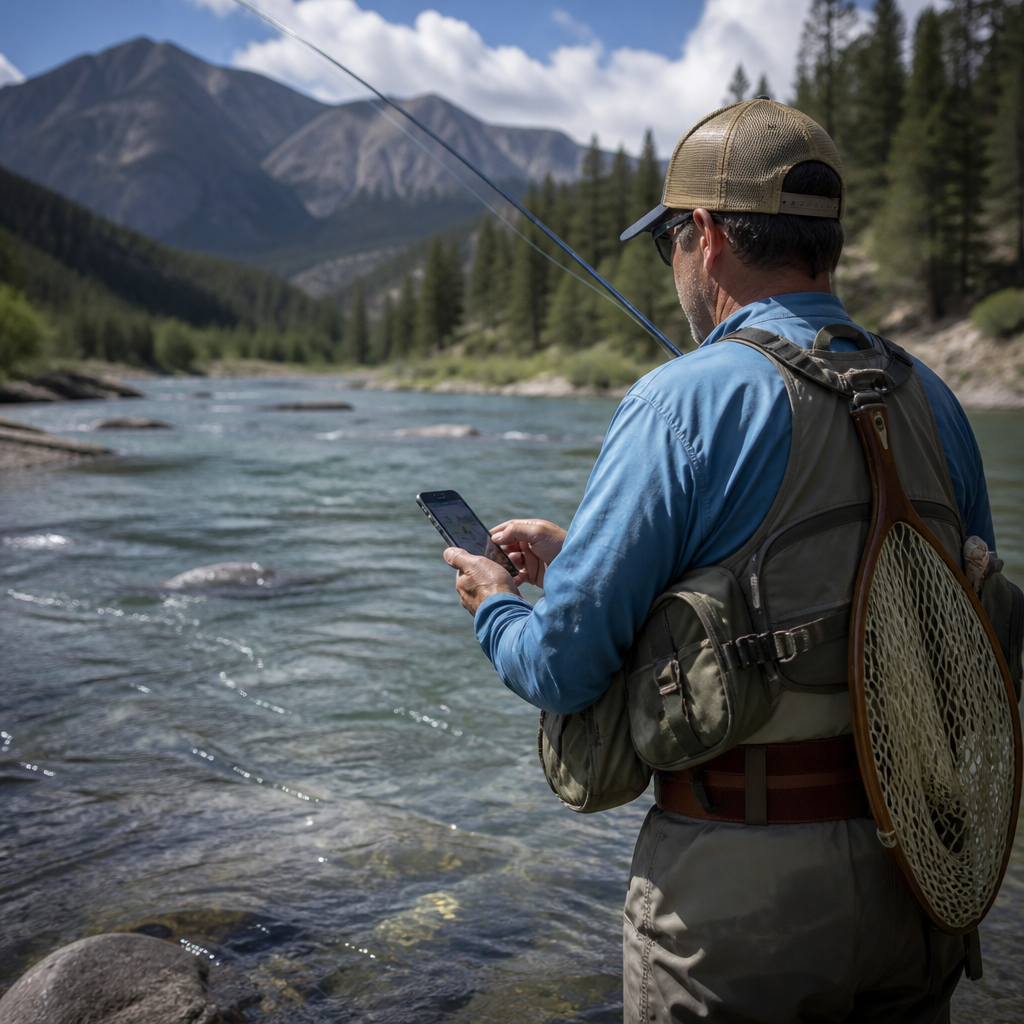
Record keeping improves this process dramatically. Log weather, moon phase if you track it, water clarity, surface temperature, wind angle, generation schedule, crowd density, and exact bite windows. Use mapping tools such as Navionics, LakeMaster, C-MAP, or on-water waypoints to identify secondary spots near community areas. The goal is not to avoid pressure completely, because many pressured areas still hold the most fish. The goal is to understand how fish redistribute around it. If you treat fishing pressure as usable data rather than bad luck, your decisions become sharper. Start your next trip by identifying one pressured pattern, one stealth adjustment, and one unconventional presentation to test deliberately.
Fishing pressure is not a reason to lower expectations; it is a signal to raise your level of observation and execution. The anglers who excel on pressured water do not rely on secret lures. They understand that fish learn, reposition, and feed in shorter, more specific windows. They read access, noise, timing, and casting history before choosing a spot. They adjust line, lure profile, speed, and angle with intention. They know when to downsize, when to go silent instead of loud, and when to show fish something meaningfully different rather than merely smaller.
As a hub for advanced techniques, this topic connects every specialized tactic that follows: finesse systems, offshore positioning, stealth approaches, species-specific refinements, and seasonal pressure patterns. The central lesson is consistent across all of them. Pressure changes behavior, but behavior leaves clues. If you learn to identify those clues and respond with disciplined adjustments, difficult water becomes readable again. On your next outing, pick one pressured area you normally struggle with, slow down, change your casting angle, refine your terminal tackle, and fish the reset windows. That simple process will teach you more than another day of repeating standard casts where educated fish expect them.
Frequently Asked Questions
What is fishing pressure, and how does it change fish behavior?
Fishing pressure is the cumulative effect of repeated human activity on a body of water and the fish living in it. It includes far more than just the number of anglers present. Boats moving across shallow flats, trolling motors, sonar transducers, shoreline foot traffic, repeated casts to the same targets, common lure profiles, live bait rigs, and harvest all contribute to pressure. Over time, fish begin to associate certain sounds, movements, and presentations with danger. That conditioning can happen surprisingly fast, especially on smaller lakes, heavily used ponds, urban fisheries, and popular stretches of river.
As pressure increases, fish often become less predictable to anglers who rely on standard patterns. They may slide off obvious cover, suspend away from structure, feed in shorter windows, move deeper during high activity periods, or shift toward low-light conditions such as dawn, dusk, or nighttime. In clear water, they may inspect a lure longer and reject it at the last second. In shallow systems, they may react negatively to noise or hull shadow. Predatory fish that once crushed aggressive moving baits may begin favoring subtler presentations or refusing anything that looks too familiar. In short, pressured fish are not always absent or inactive; they are often simply more cautious, selective, and conditioned than most anglers expect.
What are the clearest signs that I’m fishing pressured water?
One of the biggest signs is seeing plenty of life on the water but getting very few committed bites on common presentations. You may mark fish on electronics, visually spot them around cover, or know from local reports that the area holds quality fish, yet standard lures and straightforward retrieves produce only short strikes, followers, or complete indifference. Another telltale sign is heavy use of obvious targets: community holes, visible weed edges, popular docks, bridge pilings, points near launches, and bank-accessible structure that receive repeated casts day after day.
Behavioral clues matter too. Fish in pressured water often strike less aggressively, nip at the tail of a bait, or follow without eating. You may also notice they position differently than expected, sitting just outside prime ambush cover rather than directly in it. Feeding windows can become shorter and more specific, often tied to small weather shifts, current changes, cloud cover, or reduced boat traffic. If fish seem to bite only at first light, during a brief wind event, or immediately after a front stabilizes, that can be a strong indicator of pressure affecting their routine.
Environmental clues also help. Ramp traffic, constant sonar use, bank erosion near easy access points, and fish that respond to boat approach by vacating shallow areas are all meaningful signals. On small waters, repeated lure exposure can make fish especially tuned to color, vibration, cadence, and line visibility. If everyone around you is throwing the same bait style and results are fading, you are almost certainly dealing with pressure-driven adaptation in the fish population.
How should I adjust my lure selection and presentation when fish are heavily pressured?
The most effective adjustment is usually to become less obvious. In practical terms, that may mean downsizing your lure, reducing flash or vibration, switching to more natural colors, using lighter line where conditions allow, and presenting the bait with more precision and less commotion. Pressured fish have often seen the popular choices repeatedly, so simply showing them a different look can make a major difference. If everyone is burning a loud reaction bait, a subtle soft plastic, finesse jig, small swimbait, or weightless presentation may stand out in the right way. On the other hand, there are times when doing the opposite works just as well: a highly unusual retrieve speed, a unique profile, or a bait that deflects differently can trigger fish that have grown accustomed to routine presentations.
Cadence is just as important as lure choice. Many anglers focus on what they are throwing but not how they are working it. Pressured fish often respond better to irregular movement, strategic pauses, dead-sticking, hovering, or a slower and more deliberate retrieve. In some cases, however, a fast reaction presentation can still excel if it reaches fish before they have time to inspect it. The key is to avoid autopilot. Make repeated, intentional changes in retrieve speed, pause length, fall rate, and casting angle until the fish tell you what they want.
Angle and entry also matter. A lure that enters quietly and approaches cover from a less common direction can be more effective than one dragged through the same spot the same way all day. Position your boat or your cast so the bait reaches fish naturally rather than crossing directly over them. If the water is clear or shallow, reduce noise, keep a lower profile, and avoid repeatedly pounding the same target. In pressured environments, success often comes from stacking small advantages: stealth, precision, natural appearance, and disciplined experimentation.
Are there better times and locations to target fish when pressure is high?
Yes, and this is one of the most overlooked adjustments anglers can make. In pressured fisheries, timing can be every bit as important as technique. Fish often feed more confidently during windows when human activity drops or environmental conditions give them a sense of cover. Early morning, late evening, overcast periods, wind-blown banks, nighttime, rising water, and current-generating events can all create opportunity. Wind in particular can be valuable because it breaks up light penetration, reduces fish visibility, masks noise, and disrupts the clean, unnatural look of a lure or line.
Location strategy should also shift away from the most obvious community spots. High-pressure fish commonly reposition to secondary structure, subtle depth changes, overlooked cover, transition zones, or less convenient water that receives fewer casts. Instead of targeting only the visible dock, target the isolated stump near it, the deeper corner of the shade line, the drain leading away from the flat, or the first break outside the main point everyone fishes. In rivers, look for slack-water edges, seams, and current breaks slightly away from the obvious setup. In lakes, check adjacent structure rather than only the headline feature on the map.
Another strong approach is to fish around pressure instead of through it. If a shoreline gets hammered by midday bank traffic, look for fish that slide to nearby deeper water or tucked-away cover. If a popular flat gets pounded in the morning, revisit nearby structure later when fish reposition. The central idea is simple: pressured fish still need to feed, rest, and use habitat efficiently. Your job is to predict where they go when the obvious zones become uncomfortable.
Can pressured fish still be caught consistently, or is the key just finding less crowded water?
Pressured fish can absolutely be caught consistently, but it requires a more disciplined and adaptive approach than fishing naive populations. Finding less crowded water is always helpful, but it is not the only answer and often not a realistic one. Many excellent anglers build their success on heavily pressured lakes, ponds, and rivers by paying close attention to fish behavior, making smarter location choices, and refusing to rely on yesterday’s pattern. Consistency comes from recognizing that pressured fish are still fish: they still feed, respond to changing conditions, use structure, and make mistakes. They are simply less forgiving.
The best mindset is to treat every detail as part of the presentation. Boat control, casting distance, noise level, lure profile, line visibility, retrieve cadence, and timing all matter more under pressure. It also helps to let the fish dictate the pace of adaptation. If they are following but not committing, change the cadence. If they are present but inactive in obvious places, look to adjacent water or different depth. If they react poorly to repeated casts, rotate areas and return later. Many anglers fail in pressured water because they keep forcing a confidence bait instead of reading the fish honestly.
Ultimately, pressured-water success is less about a secret lure and more about a system of adjustments. Stealth, variation, patience, and observation are what separate anglers who “fish” from anglers who consistently catch. When you understand how pressure reshapes feeding windows, positioning, and lure response, you stop casting at random water and start making decisions that match what the fish have learned to avoid.