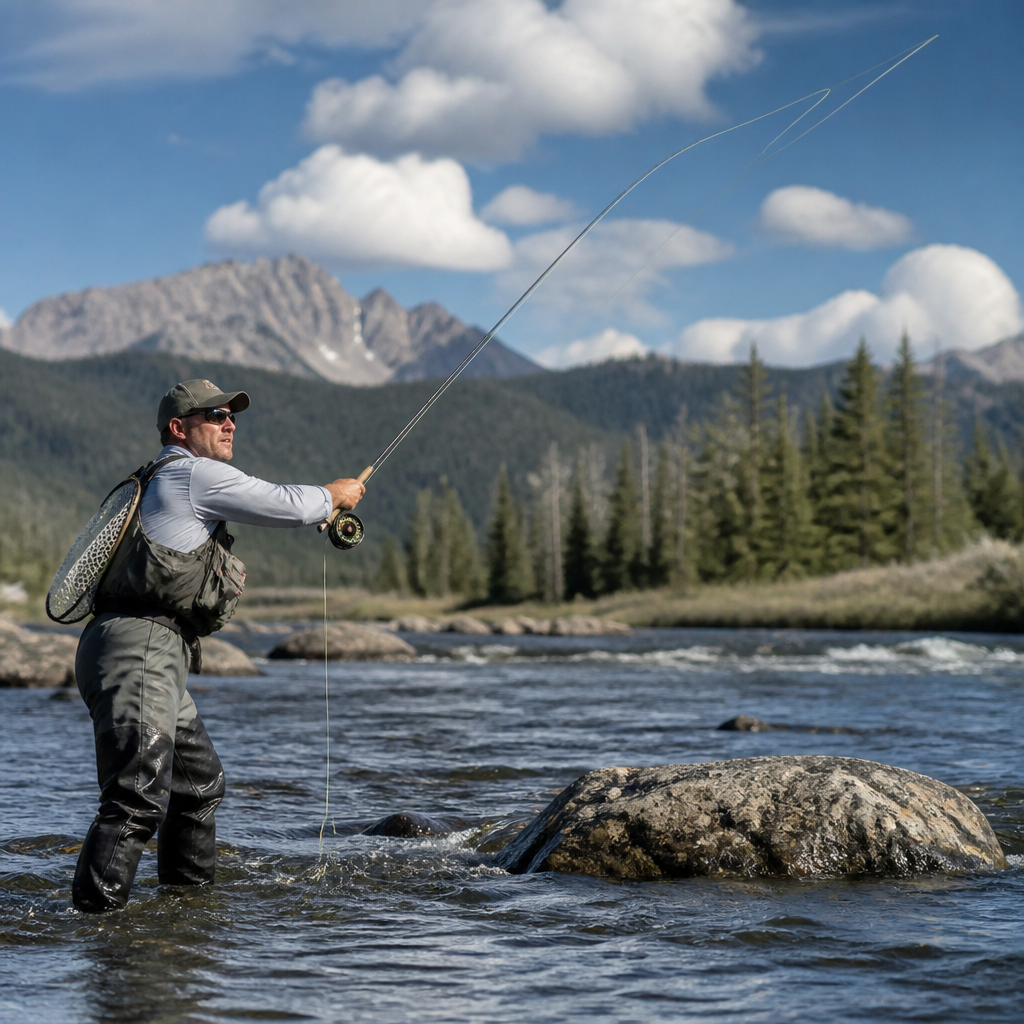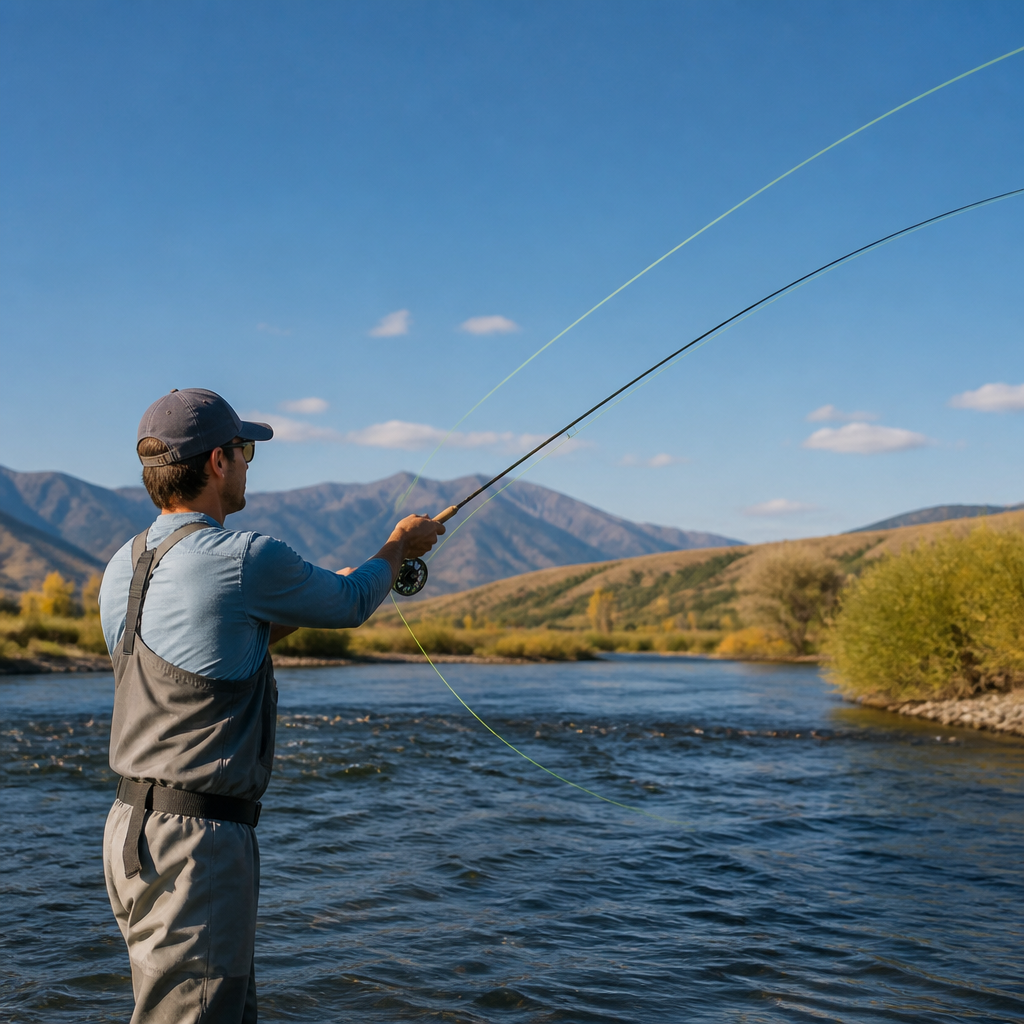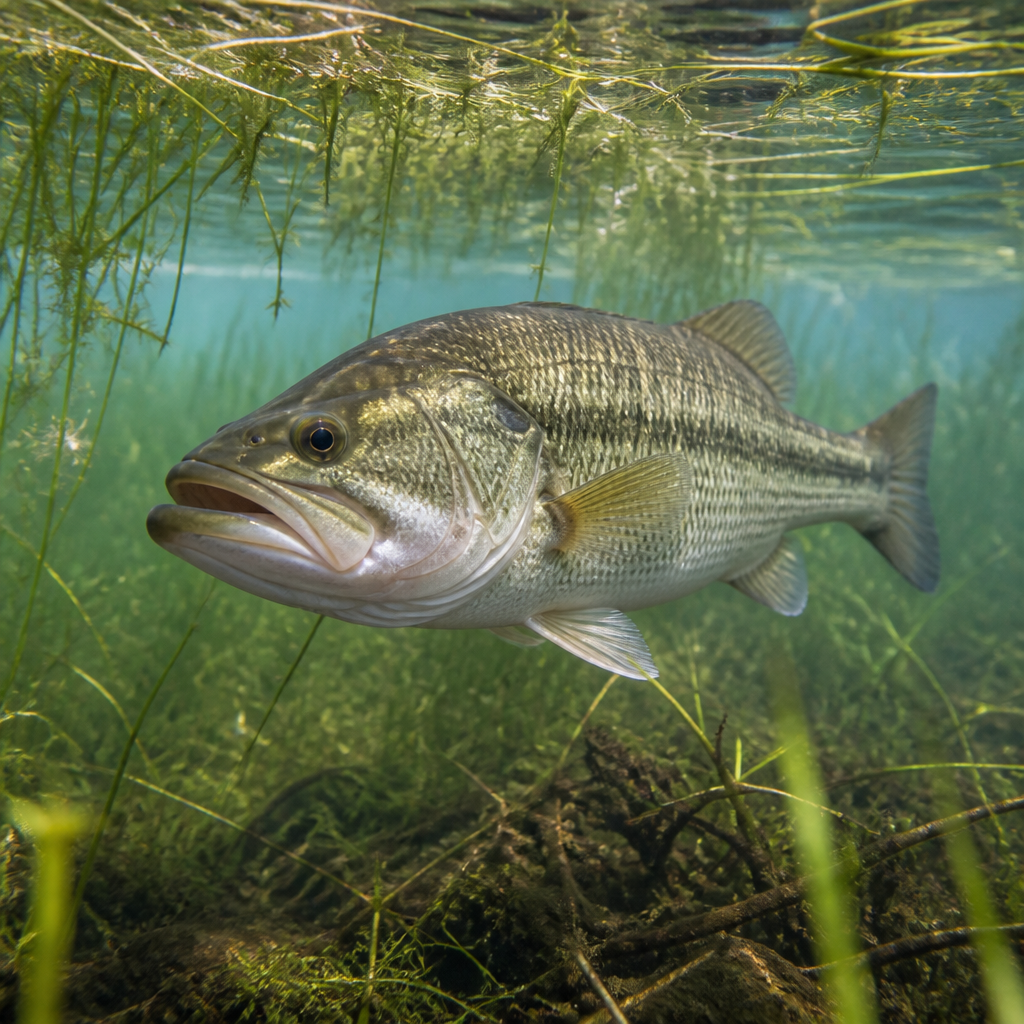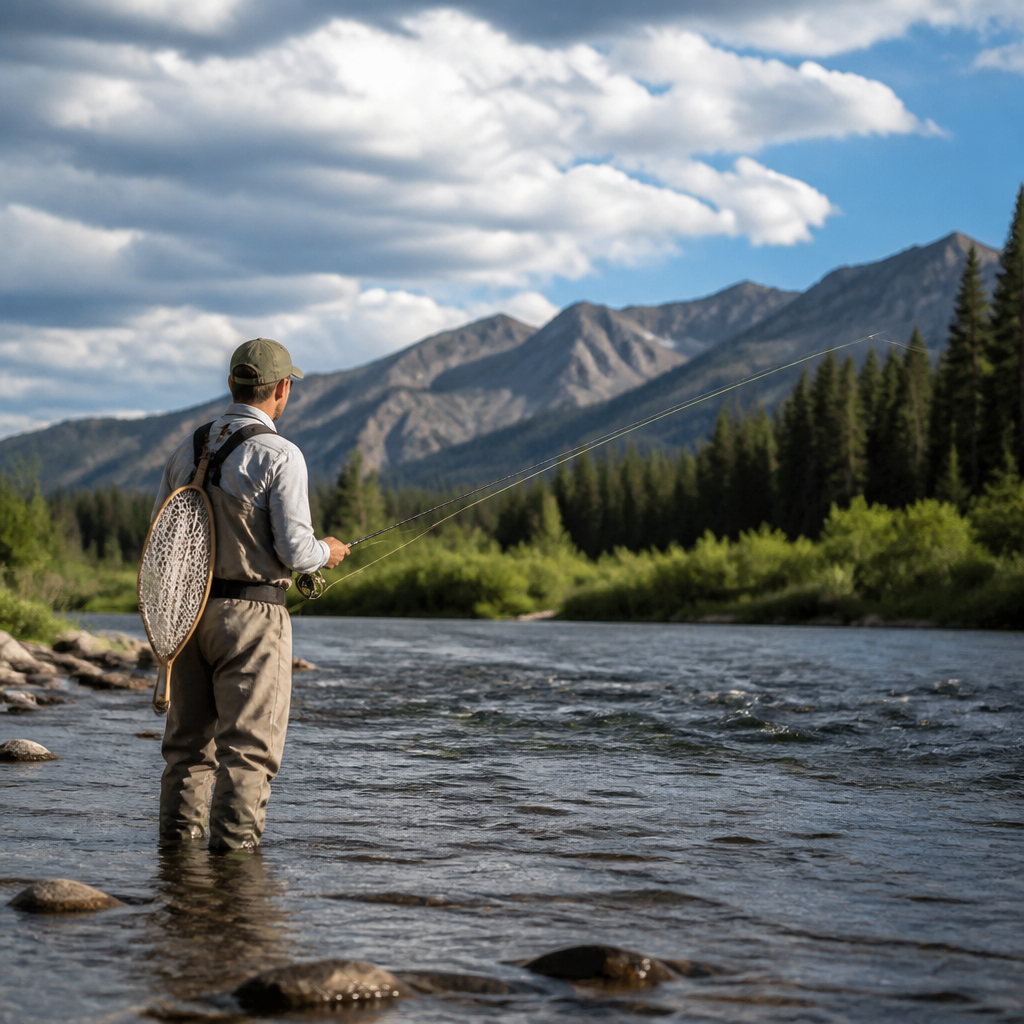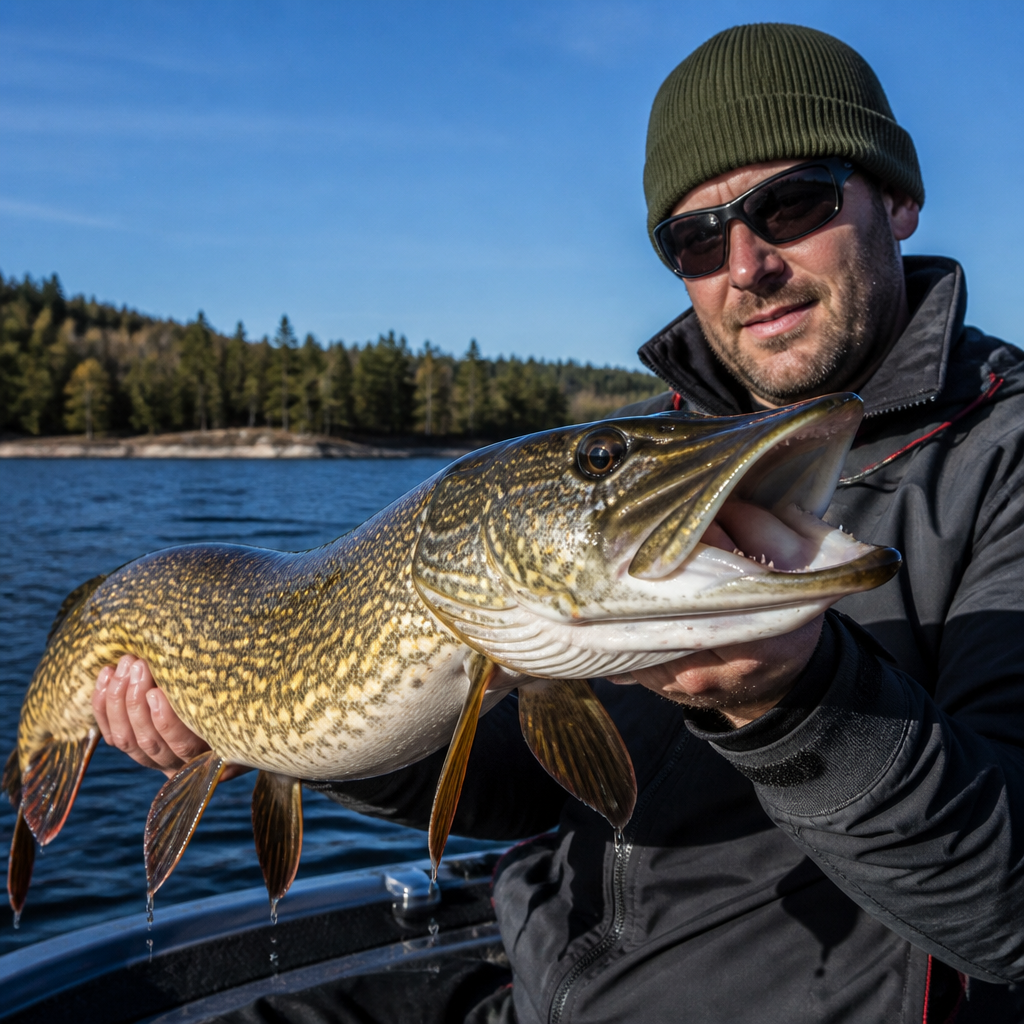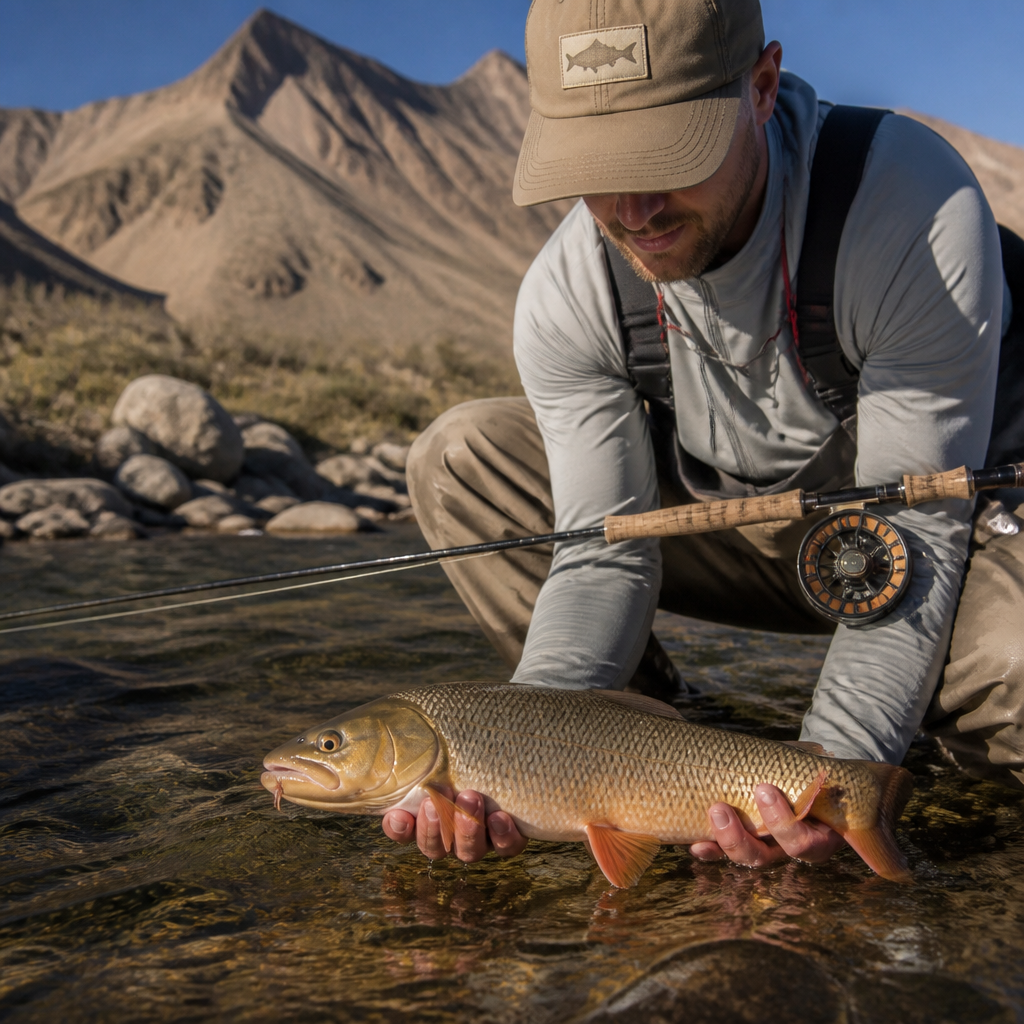
Fly fishing for rare species demands far more than standard trout tactics because the fish are less abundant, often more selective, and usually tied to narrow windows of habitat, forage, water temperature, and light. In practical terms, rare species can mean native char in alpine lakes, permit on lightly pressured flats, taimen in remote rivers, muskellunge on fly, golden dorado in jungle systems, or endemic cutthroat strains protected by strict local rules. The challenge is not simply making a cast. It is identifying a small population, understanding its behavior, and presenting a fly in a way that triggers a take without wasting precious opportunities.
As an advanced techniques hub, this guide focuses on the skills and gear that consistently matter when the target fish is uncommon, wary, or encountered only in limited places. Over years of planning specialty trips and guiding technical days on difficult water, I have found that success comes from preparation more than improvisation. Rare-species fly fishing rewards anglers who can read maps, study regulations, match forage precisely, control depth, and fight fish efficiently enough to protect them. It also requires a mindset shift: every detail, from leader taper to boat position to fly drying time, influences outcomes.
This matters because rare fish often exist under pressure from habitat loss, warming water, invasive species, and catch-and-release mortality. Advanced anglers therefore need a two-part goal: increase the odds of legitimate encounters while reducing avoidable harm. Done properly, fly fishing for rare species becomes a discipline of restraint, observation, and exact execution. This article explains the core strategies, specialized tackle, presentation methods, and conservation practices that form the foundation for the broader advanced-techniques content within this topic. If you want a clear framework for pursuing unusual gamefish responsibly and effectively, start here and build outward.
Find the Fish Before You Fish
The first rule of pursuing rare species is blunt: if location work is weak, technical casting skill will not save the day. Advanced anglers begin with distribution maps, seasonal movement patterns, and habitat constraints. For alpine char, that means looking for oxygen-rich, cold water near inflows, steep drop-offs, and shoals used during spawning periods. For permit, it means distinguishing travel lanes, crab-rich turtle grass, hard white sand, and channels that fish use on changing tides. For taimen, it means identifying wood structure, soft seams beside heavy current, and low-light feeding windows near confluences.
I typically build a location file before any trip using topographic maps, satellite imagery from Google Earth, state or provincial fisheries reports, and recent water data from USGS gauges or local hydrological services. That process narrows huge water systems into high-probability sections. A muskie river with miles of fishable bank becomes a sequence of specific ambush zones: outside bends, shade lines, bridge abutments, and submerged weed edges. A backcountry lake becomes a map of likely cruising shelves, inlet funnels, and temperature refuges. The goal is to arrive with a plan detailed enough that the first hours are spent fishing correctly, not searching randomly.
Many rare species also appear only when environmental triggers align. Water temperature is often the most decisive variable. Native char may feed aggressively at temperatures that leave warmwater species sluggish, while permit commonly become more responsive when tide movement exposes crabs and shrimp. Golden dorado often feed around current breaks during stable flows but can become difficult when rivers spike and visibility drops. Track moon phase, tide charts, inflow, barometric change, and daily light angle. Advanced fly fishing is not secretive magic. It is disciplined pattern recognition repeated until odds shift in your favor.
Read Behavior, Not Just Water
Once you locate fishable habitat, the next leap is understanding behavior at a fine scale. Rare species usually punish generic presentations because their feeding decisions are tied to body posture, speed, angle, and competition. A permit tailing hard with its head down is different from a permit cruising high and alert. A muskie tracking behind a fly is different from a muskie pinned under a shade edge waiting to ambush. A lake-run char rolling near the surface may not be feeding there at all; it may simply be traveling.
In my experience, the most productive anglers narrate what they see in real time. They do not say, “There is a fish.” They say, “Fish at eleven o’clock, moving left to right, moderate pace, nose down, likely searching, cast two feet ahead, let it sink, then give short strips.” That level of interpretation shortens the gap between sighting and correct response. It also reduces poor casts, which matter enormously when opportunities are scarce. One lined permit, one shadow over a calm pool, or one fly slapped over a suspended char can erase the best chance of the day.
Behavior reading extends below the surface. Watch baitfish flicker, current tongues bend, birds work shorelines, and small crustaceans wash from grass on a dropping tide. Rare predators often reveal themselves indirectly through forage movement. During one muskie trip on a clear reservoir, the fish never showed first; instead, panfish schools compressed against timber edges each time a large predator entered range. On another trip for dorado, the clue was not visible fish but repeated explosions of juvenile bait along foam lines where current delivered stunned prey. Advanced anglers learn to trust those secondary signs.
Specialized Gear for Rare-Species Fly Fishing
Gear selection for rare species should be driven by fly size, fighting power, wind, water type, and fish handling needs. Too many anglers undergun themselves in the name of sport and then lose fish or prolong fights. A permit setup differs radically from a taimen or muskie setup, yet the logic is consistent: choose tackle that turns over the right fly, reaches the right depth, and lands fish fast enough for healthy releases.
| Target type | Typical rod | Line choice | Leader approach | Critical note |
|---|---|---|---|---|
| Permit and other technical flats species | 8 to 10 weight fast action | Tropical floating line | 10 to 12 foot fluorocarbon leader | Accuracy and quick pickup matter more than distance |
| Alpine char and wary lake fish | 5 to 7 weight medium-fast | Floating plus intermediate spare spool | Long tapered leader, often 12 feet | Delicate turnover preserves natural presentations |
| Muskie and pike | 10 to 12 weight powerful butt section | Short-head floating or sink-tip | Heavy butt leader with bite tippet | Large flies demand casting efficiency, not elegance |
| Taimen and giant freshwater predators | 10 to 12 weight | Aggressive sink-tip or floating depending structure | Abrasion-resistant heavy leader | Hooks, split rings, and wire strength must match fish size |
Reels should have sealed drags when salt, sand, or powerful runs are involved. Backing capacity is not theoretical on permit flats or large-river taimen water. Lines deserve even more attention than rods. For deep char on shoals, a clear intermediate line often outfishes floating lines because it maintains contact in chop without dragging the fly unnaturally. For dorado around current breaks, integrated sink-tips help keep streamers in the strike zone longer than floating lines with split shot ever will. Carry spare spools or complete second outfits if travel logistics allow.
Terminal components are where advanced setups separate from average ones. Use fluorocarbon when abrasion resistance and sink rate matter, nylon when suppleness and softer turnover help. For toothy species, wire or heavy bite tippet is nonnegotiable. Hooks should match the fly’s intended movement and the fish’s mouth structure; short-shank, wide-gap hooks often improve hookups on bulky baitfish patterns. Crushed barbs ease release and can penetrate better with heavy rods, provided you maintain pressure correctly. Inspect every knot, every time. Rare-species fishing exposes weaknesses quickly.
Presentation, Depth Control, and Triggering the Eat
Presentation is where advanced techniques become tangible. Most rare species are not fooled by a fly that merely passes nearby. The fly must arrive at the right angle, depth, speed, and attitude. On flats, that may mean leading a permit by six feet in shallow water, allowing the crab pattern to settle, then giving one short strip as the fish enters the lane. In lakes, it may mean counting down an intermediate line to suspend a leech pattern just above a shoal edge where char cruise. In rivers, it may mean swinging a large articulated streamer broadside across a soft seam before adding a single accelerating strip.
Depth control is frequently more important than pattern choice. I have watched excellent anglers rotate through fly boxes while the fix was simply adding a denser head, lengthening the pause, or repositioning the boat for a better sink angle. Fish feed where energy balance works in their favor. If your dorado fly tracks a foot too high above a submerged ledge, it may never enter the fish’s decision zone. If your muskie fly rises too quickly during the figure-eight, the follower fades. Countdowns, line-marking systems, weighted fly consistency, and repeatable retrieve cadence make presentations measurable instead of hopeful.
Triggering strikes often depends on contrast and change. Predators respond to an escape cue: a burst strip, a directional shift, a stall, or a sudden drop. Selective species may need the opposite: near-stationary behavior that allows inspection without alarm. This is why advanced anglers carry presentation families rather than random patterns. Crabs with varied sink rates. Streamers with different shoulder profiles. Leeches in sparse and full dressings. Dry-dropper or indicator options for rare river species that key on nymphs but occasionally rise. The system is intentional. You change one variable at a time and learn from each refusal.
Stealth, Positioning, and Opportunity Management
Rare-species fly fishing is often won before the cast through stealth and positioning. Noise discipline matters in boats, on gravel bars, and while wading shallow flats. Push poles generally outperform trolling motors in skinny water because they reduce vibration and allow finer boat control. In clear alpine lakes, kneeling or lowering your profile on the bank can keep cruising char on their line. On small rivers with vulnerable native fish, approaching from downstream and staying off the skyline can preserve untouched drifts through a whole pool.
Casting angles also determine whether a fish sees the fly naturally or detects the line first. For permit, quartering presentations usually create better feeding angles than straight-line shots. For pike and muskie, casting past structure and pulling the fly through the ambush lane keeps it visible longer. For taimen, covering wood edges from multiple directions can reveal whether fish prefer a broadside silhouette or an upstream fleeing motion. Boat position should serve these angles, not convenience. Good guides know this instinctively, but anglers wading alone need to think about it with the same rigor.
Opportunity management means treating each shot as finite. When targets are rare, false casting excessively, changing flies impulsively, or rushing the strip-set costs fish. I recommend a pre-shot checklist: identify lane, confirm distance, clear running line, pick a target leaf or patch of water beyond the fish, and decide the first two retrieves before the cast leaves the rod tip. That structure sounds rigid, yet it actually frees you to react calmly. The best advanced anglers are not frantic. They are prepared enough that difficult moments feel slower than they are.
Fight, Land, and Release Rare Fish Responsibly
Landing technique is part of advanced strategy, not an afterthought. Rare species often have elevated conservation value, and prolonged fights increase lactic acid buildup, disorientation, and post-release mortality. Use the butt section of the rod, apply side pressure, and change angles to destabilize the fish rather than simply lifting. On strong current fish, move your feet when possible and recover line aggressively during directional changes. With permit and dorado, clear line fast and get the fish onto the reel; with muskie, keep hands away from hooks until the fish is fully controlled.
Tools should be ready before the fish arrives. Carry long pliers, hook cutters for deeply embedded or dangerous hookups, and a rubberized net sized for the species. In warm water, release photos should be extremely brief or skipped. For taimen, trout, char, and other sensitive fish, support the body horizontally and keep the fish submerged during recovery whenever possible. Many fisheries agencies, including state wildlife departments and organizations such as Keep Fish Wet, emphasize minimizing air exposure and avoiding beaching fish on rocks or hot sand. Those guidelines are practical, not symbolic.
Regulations deserve close reading because rare-species waters frequently have tackle restrictions, seasonal closures, sanctuary zones, or mandatory release rules. Some native fisheries ban bait, treble hooks, or fishing during spawning periods. Others restrict access to protect fragile habitats. Ethical anglers treat those rules as a floor, not a ceiling. If water temperatures are dangerously high, if fish are stacked on redds, or if a local population is clearly stressed, the right decision is often to stop. The long-term reward of rare-species fly fishing is that these fish remain available to encounter again.
Fly fishing for rare species is advanced angling at its most exacting and most rewarding. Success comes from stacking small advantages: better habitat research, sharper behavioral reads, more purposeful gear, tighter depth control, quieter approaches, and disciplined fish handling. The common thread is intention. You are not covering water casually. You are solving a moving problem shaped by ecology, conditions, and a fish that may offer only one real chance.
For anglers building skills within advanced techniques, this hub provides the framework that supports every specialized article that follows. Whether you later focus on streamer tactics for apex predators, precision flats fishing, stillwater depth management, or conservation-minded handling practices, the principles remain stable. Find high-probability water first. Observe before casting. Match tackle to the fish and the job. Present the fly where the fish can and will eat it. Then land and release the fish efficiently.
The main benefit of this approach is simple: more legitimate encounters with extraordinary fish, with less waste and less harm. Rare-species fly fishing should elevate your standards, not just your target list. Review your current setups, tighten your planning process, and choose one advanced skill from this guide to practice on your next trip. That is how uncommon fish become realistic opportunities rather than distant ambitions.
Frequently Asked Questions
What makes fly fishing for rare species different from targeting common game fish?
Fly fishing for rare species is fundamentally different because success depends less on covering lots of water and more on understanding a very narrow set of variables that control when, where, and how these fish feed. Many rare species are less abundant by definition, but that alone is not the whole story. They are often tightly linked to specific water temperatures, forage movements, seasonal flows, spawning restrictions, light conditions, and habitat types. A native char in a cold alpine lake may only feed confidently during short low-light windows near drop-offs, while permit on lightly pressured flats may become visible only under certain tidal stages and sun angles. In remote river systems, species such as taimen or golden dorado may shift locations based on bait concentrations, current seams, or water clarity in ways that make random casting highly inefficient.
Another major difference is selectivity. Rare fish frequently see fewer flies than popular trout or bass, but that does not always make them easier. In fact, they often become harder because opportunities are so limited that each presentation matters more. You may get only a handful of legitimate shots in a full day, and each one requires precise casting angle, correct fly depth, believable movement, and immediate adaptation if the fish follows without committing. With common species, anglers can sometimes rely on repetition and volume. With rare species, preparation and timing replace sheer numbers.
There is also a stronger conservation component. Many rare or localized fish populations are vulnerable to overhandling, habitat pressure, and regulatory missteps. Anglers need to know not just how to catch them, but how to fish responsibly around closures, protected waters, handling guidelines, and species-specific rules. In short, targeting rare species is a more technical, deliberate, and ethically demanding form of fly fishing that rewards research, patience, and discipline as much as casting ability.
What type of gear should I bring when fly fishing for rare species?
The best gear depends heavily on the species and environment, but the guiding principle is to match your tackle to the size of the fish, the type of flies required, and the conditions in which you will be fishing. For smaller but highly specialized fish such as native char or isolated cutthroat strains, a 4- to 6-weight rod may be ideal, especially when stealth, precise presentations, and delicate line control matter most. In contrast, species like permit, muskellunge, golden dorado, and taimen demand much heavier setups because the flies are larger, the wind is often a major factor, and the fish are powerful enough to expose weak rods, reels, or terminal tackle immediately.
A quality reel with a smooth, dependable drag is essential, especially for strong species that make long runs or surge unpredictably near structure. Saltwater-capable reels are a must for flats species, and large-arbor designs help recover line quickly after a fast-moving fish changes direction. Fly lines should be chosen just as carefully as rods. Floating lines are standard for flats and many sight-fishing situations, but sink-tip or full-sinking lines may be critical for deep lake char, river predators, or fish holding below fast current. Having spare spools or extra lines can make a dramatic difference when changing from shallow presentations to deeper or faster water.
Leaders and tippets should be selected based on both presentation and abrasion resistance. Permit may require long, tapered leaders and fluorocarbon tippet for subtle presentations, while muskellunge and taimen often call for shock tippets, bite wire, or heavy fluorocarbon because of teeth, structure, and sheer force. Fly selection should include proven patterns in multiple sizes, weights, and color profiles so you can respond to changing forage conditions rather than commit to a single idea. Beyond core tackle, practical support gear matters too: quality wading boots, polarized glasses for spotting fish and reading water, waterproof packs, forceps, hook files, sun protection, and fish-friendly landing tools. For remote or protected destinations, redundant essentials such as extra fly lines, leaders, and repair items are especially important because replacing lost or broken gear may not be possible.
How do I find rare species consistently instead of relying on luck?
Consistency starts with research, not casting. Rare species are usually tied to repeatable environmental patterns, and anglers who catch them regularly are almost always students of those patterns. Begin by learning the species’ seasonal behavior in detail: preferred temperature range, spawning timing, forage base, daily feeding windows, migratory movements, and favored structure. For example, alpine char may position along submerged shelves, inlets, or current-fed oxygen zones during specific temperature bands, while permit may use certain flats only on incoming tides when crabs and shrimp become accessible. Large predatory fish in remote systems often hold near ambush structure, confluences, woody edges, or current breaks where food is concentrated efficiently.
Maps, satellite imagery, local regulations, flow charts, water temperature logs, and conversations with knowledgeable guides or regional anglers can shorten the learning curve dramatically. Rather than asking only where fish were caught, ask why they were there at that time. Look for intersections of habitat features and timing: depth transition plus bait presence, shade line plus current seam, falling light plus warming shelf, or flooding side channel plus aggressive forage movement. These combinations often matter more than any single spot on the map.
On the water, observation should guide every adjustment. Watch for bait behavior, cruising routes, wakes, follows, refusals, and subtle environmental changes such as cloud cover or a one-degree temperature shift. Keep notes after each outing so you can identify patterns over time. If you see a fish but do not convert, that still provides useful data about speed, angle, fly profile, or depth. Consistency with rare species comes from building a pattern library and refining it trip after trip. The goal is to turn a species that seems mysterious into one that behaves predictably within a narrow but understandable set of conditions.
What fly patterns and presentation techniques work best for rare species?
The best flies are the ones that accurately match how the target species is feeding in that moment, which is why flexibility matters more than carrying a huge random assortment. For rare species, forage is often highly specific and may change by season, water clarity, or habitat type. Native char may key on leeches, scuds, small baitfish, or chironomid life stages depending on the lake. Permit commonly respond to crab and shrimp patterns, but the exact sink rate, body shape, and hook orientation can determine whether a fish tips down to eat or drifts away. Apex freshwater predators such as muskellunge, dorado, or taimen usually require large, mobile flies that push water and create a strong predatory trigger, yet even they can become selective about profile, pause length, and retrieve speed.
Presentation is usually more important than pattern alone. In many rare-species situations, the cast needs to land with precision and place the fly in the fish’s lane without spooking it. Depth control is critical. A permit fly that lands perfectly but sinks too slowly may never reach the feeding zone. A char fly stripped too high in the column may pass well above fish holding near a thermal edge. Predator species often react to directional changes, acceleration, or a well-timed hang at the end of the retrieve rather than to steady movement. Because opportunities may be limited, anglers should practice multiple retrieves in advance, including short strips, long pulls, dead drifts, hand-twist retrieves, and abrupt fleeing motions.
Color and weight should be adjusted based on light, bottom type, and current speed. Natural tones are often reliable when fish are wary or water is clear, while brighter accents may help trigger aggression in stained water or low-light conditions. Barbless hooks, durable materials, and sharp points are especially important because rare-species encounters may be few and the fish may strike only once. The smartest approach is to carry a curated selection built around the species’ primary forage and then vary presentation angle, sink rate, and retrieve style until the fish tell you what they want.
How can I target rare species responsibly without harming vulnerable fish or breaking regulations?
Responsible angling begins before the trip with a full understanding of local laws, access rules, seasonal closures, protected zones, and species-specific handling requirements. Rare fish often exist under tighter management because populations may be isolated, slow-growing, or under pressure from habitat loss and angling. It is not enough to know the general rules for a state, province, or country. You need to verify the exact regulations for the water you are fishing, including whether the species can be intentionally targeted, whether certain hooks or tackle are required, and whether thermal closures or sanctuary boundaries are in effect. In some cases, even well-intentioned catch-and-release fishing may be restricted during vulnerable periods such as spawning or extreme heat.
Once on the water, fight fish efficiently with appropriately strong tackle so they can be landed quickly and released in good condition. Prolonged battles on undersized gear increase exhaustion and mortality risk, especially in warm water or fast current. Use rubber or fish-friendly nets when legal and practical, keep the fish in the water as much as possible, and wet your hands before handling. Avoid squeezing the body, touching the gills, or placing fish on dry rocks, boats, or sand. If a quick photo is taken, prepare everything beforehand and limit air exposure to a few seconds. For highly sensitive