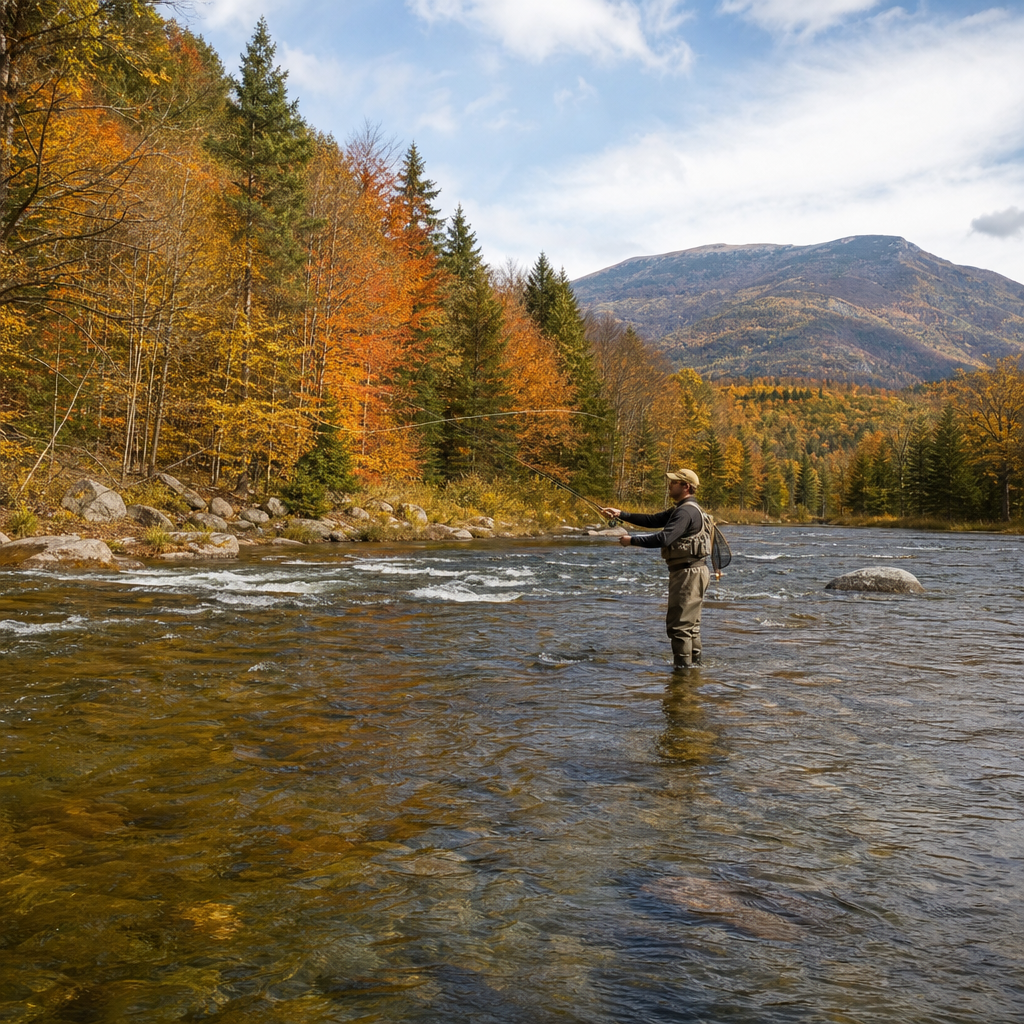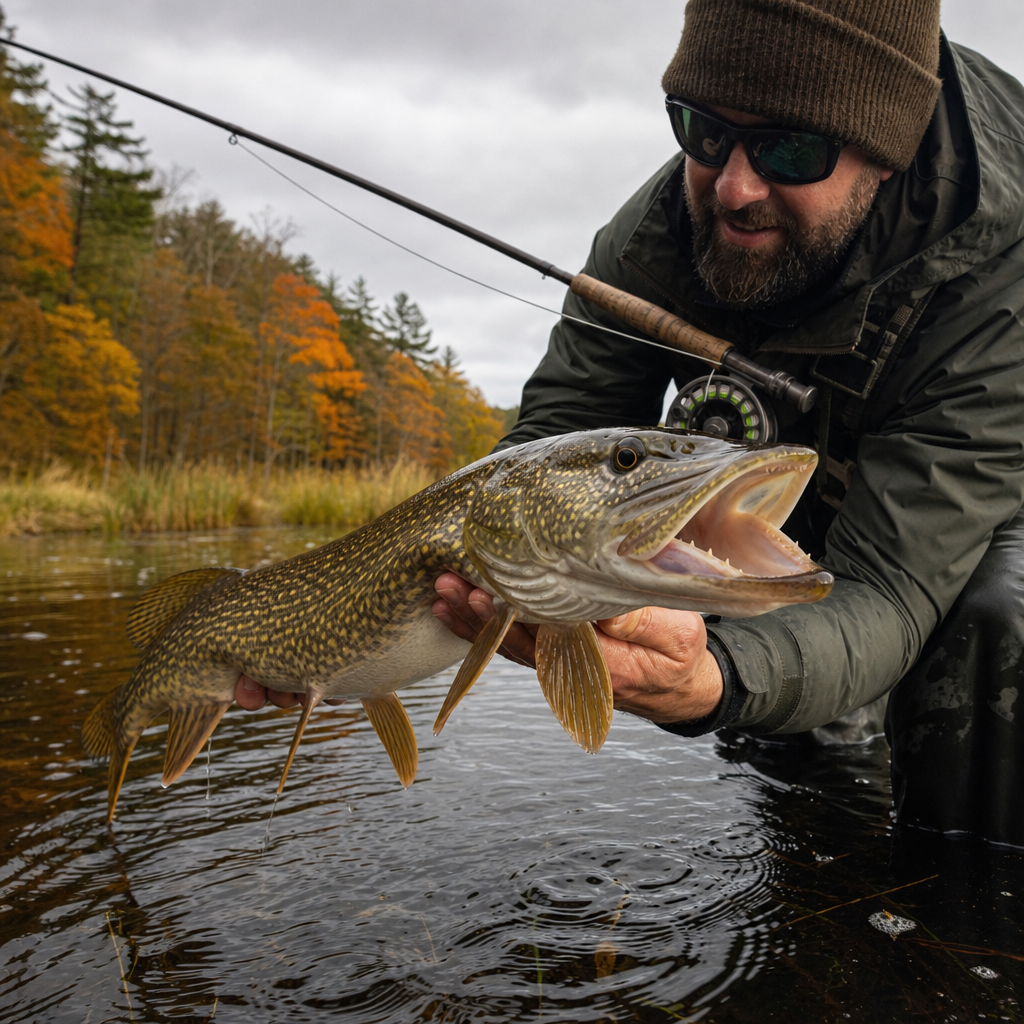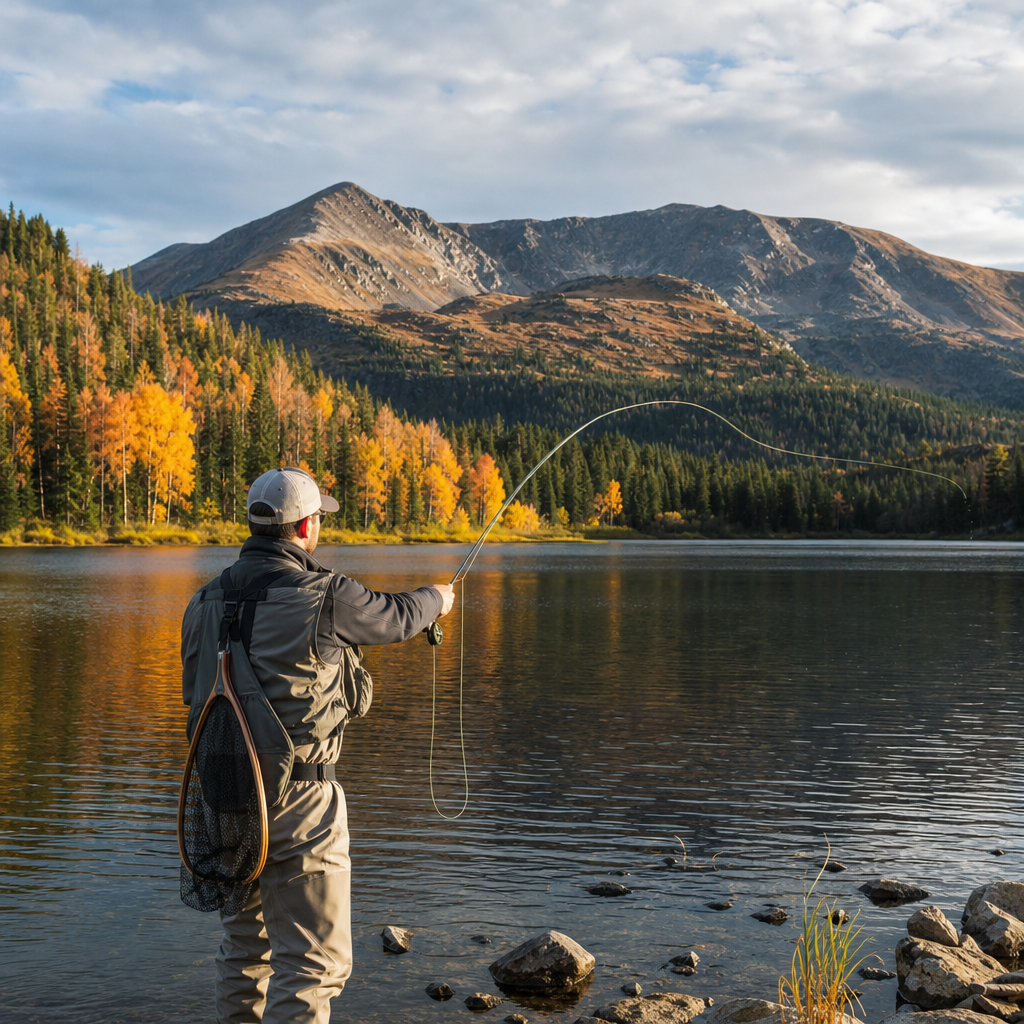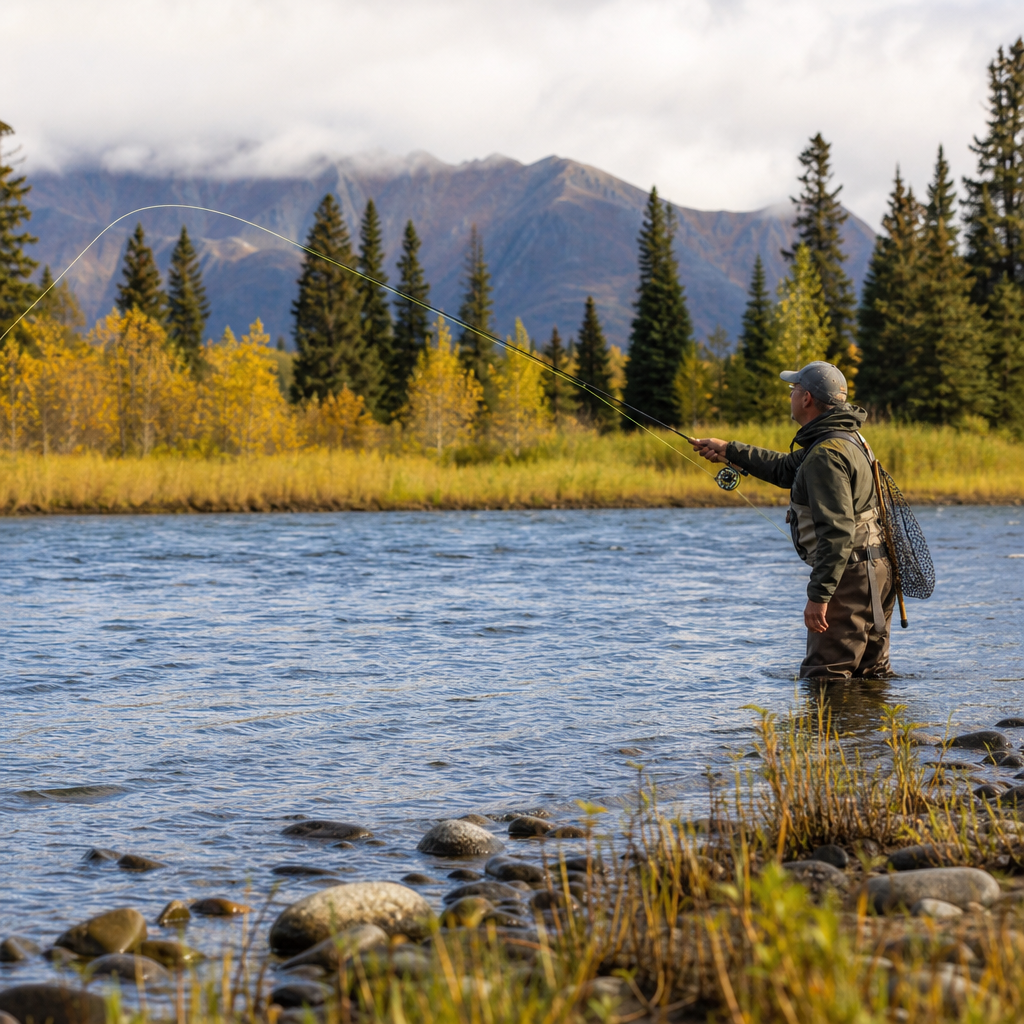
Fly fishing for salmon in fall combines timing, water reading, fish behavior, and disciplined presentation into one of the most demanding and rewarding forms of angling. Fall fly fishing refers to targeting salmon during their upstream migration, when cooling temperatures, shorter days, and seasonal flows concentrate fish in rivers, estuaries, and lower tributaries. In practical terms, this season changes everything: where salmon hold, how aggressively they move, what flies draw a response, and how safely anglers can approach strong current in cold weather.
Salmon fly fishing in autumn matters because fall is the prime migration window for many Chinook, coho, Atlantic salmon, chum, pink, and late steelhead-adjacent fisheries, depending on region. It is also when crowds increase, water conditions shift rapidly after rain, and fish can be both abundant and frustratingly selective. I have found that anglers who succeed consistently in fall are rarely the ones casting the farthest. They are the ones who understand temperature bands, river levels, light conditions, holding lies, and the ethics of fishing around spawning salmon.
As a hub for fall fly fishing, this guide explains the core decisions that shape success: when to go, where salmon hold, which tackle works, how to swing and dead-drift flies, what fall salmon eat or react to, and how regulations and conservation affect methods. If you want a clear foundation before exploring specialized articles on gear, river safety, salmon species, and seasonal patterns, start here. The essentials are straightforward: match your setup to the river, present the fly at the fish’s depth and speed, and adjust constantly to changing autumn conditions.
Why fall is prime time for salmon on the fly
Fall is productive because salmon migrate on environmental cues that become more consistent as summer heat fades. Shorter photoperiod, cooler water, and rainfall pulses trigger movement from tidewater into freshwater systems. Many rivers fish best when water temperatures sit roughly between 45°F and 58°F, though exact preferences vary by species and region. In that range, salmon generally move well, hold predictably, and respond to swung flies, stripped patterns, or dead-drifted eggs with enough regularity to build a repeatable approach.
The reason autumn creates such strong opportunities is concentration. Salmon pause at tailouts, buckets, seams, ledges, and travel lanes that funnel migration. A summer river may spread fish over miles of water, but a fall rise can stack them in a handful of classic lies. That concentration is why reading water matters so much. On a medium-flow river, I usually start by covering walking-speed current three to eight feet deep near transition zones. Fresh fish often stop there first because they can rest without leaving the migration path.
Regional timing varies sharply. Pacific Northwest Chinook may peak earlier in fall, coho often arrive with rain, Great Lakes tributary kings can flood in after temperature drops, and Atlantic salmon systems follow their own run structure and local regulation cycles. The lesson is simple: use local flow gauges, fish counts, and agency forecasts rather than relying on a calendar alone. Good autumn salmon fishing happens when migration timing, fishable clarity, and safe wading conditions line up at the same time.
Understanding fall salmon behavior in rivers
Salmon behavior in fall is often misunderstood. Migrating fish are not feeding in the same way they do in saltwater or large lakes, but they absolutely respond to flies. Some strikes are territorial, some are reflexive, and some come from irritation, interception, or competitive instinct. Fresh-run salmon tend to be more mobile and more willing to move to a fly than fish that have held in the river for days. As fish color up and settle near spawning areas, responses usually become narrower and presentations must become more exact.
Water temperature influences activity more than many anglers realize. In cold snaps below the mid-40s, salmon may hold deeper and move shorter distances to intercept a fly. In warmer fall water, especially after mild nights, fish may rest in oxygen-rich riffle edges or move through runs faster than expected. Light also matters. Low light in the morning, overcast skies, and slight stain after rain often produce the most confident grabs, particularly from coho and Atlantic salmon in moderate current.
Holding lies change with river shape. In broad tailouts, fish may line up along depth contours. In pocket water, they tuck behind boulders or inside soft slots. In glides, they favor seams where the main current delivers oxygen without forcing them to spend excess energy. During one wet October on a coastal river, the best fish were not in the deepest holes anglers crowded into. They were posted in four feet of soft walking-speed water just off the main push, where a swung intruder-style fly tracked level through their lane.
Where to find salmon during fall fly fishing
The best places to find salmon in fall are migration routes with rest, depth, and current relief. Focus first on lower river travel lanes after rain, then move upstream as runs progress. Productive water includes tailouts below pools, heads of runs where current softens, mid-river seams, slots beside gravel bars, and sheltered pockets behind structure. In smaller tributaries, undercut banks, logjams, and shaded bends can hold fish surprisingly close to shore, especially during bright afternoons.
A practical way to break down water is to think in three categories: travel water, holding water, and spawning water. Travel water is faster and shallower, where fish move through. Holding water is where you should spend most of your time because salmon pause long enough to cover methodically. Spawning water is where restraint matters most. Avoid targeting paired-up fish actively on redds. Ethical fall fly fishing means focusing on fish moving to and from holding lies, not fish locked into spawning behavior over clean gravel.
Clarity changes location choices. In clear water, salmon often slide into deeper slots, shadow lines, and bankside cover. In colored water after a freshet, they may hold surprisingly shallow if current speed is manageable. A common mistake is automatically fishing deep because salmon are large. In reality, many fish are intercepted in three to six feet of water when the fly passes broadside at the right speed. Covering water efficiently beats pounding one famous pool all day.
Tackle and fly setups that work in autumn
Fall salmon tackle should match species size, river scale, and presentation style. On medium and large rivers, two-handed rods from 12 to 14 feet in weights 7 through 9 are standard for swinging flies. They mend line well, manage sink tips, and reduce fatigue over a full day. Single-hand rods in 8 to 10 weight remain excellent on smaller tributaries, from drift boats, or when dead-drifting indicators and egg patterns. Reels need smooth sealed drags and enough backing for powerful runs in heavy current.
Lines and leaders matter more than rod brand. For swung presentations, a Skagit head paired with T8 to T14 sink tips is the workhorse setup in many fall salmon rivers, especially when flows are up and flies need to fish deep. A Scandi system shines in lower, clearer conditions where subtle turnover and smaller flies are better. For indicator rigs, floating lines with strong butt sections and fluorocarbon tippet help turn over split shot, yarn indicators, or buoyant strike indicators cleanly.
| Condition | Recommended setup | Typical flies | Why it works |
|---|---|---|---|
| High, colored water | 13-foot 8-weight Spey, Skagit head, T11-T14 tip | Intruders, tube flies, black and purple profiles | Gets large flies down fast and creates a strong silhouette |
| Moderate flow, good clarity | 12.5-foot 7/8-weight Spey, mixed sink tips | Leeches, marabou tubes, pink or blue patterns | Covers classic holding water at controlled depth and speed |
| Low, clear water | 8 or 9-weight single-hand or Scandi system | Sparse hairwings, small streamers, unweighted patterns | Offers softer presentations that avoid spooking fresh fish |
| Egg-focused tributary fishing | 9-foot 8-weight floating line with indicator rig | Egg patterns, soft hackles, small baitfish imitations | Maintains precise depth in compact holding lies |
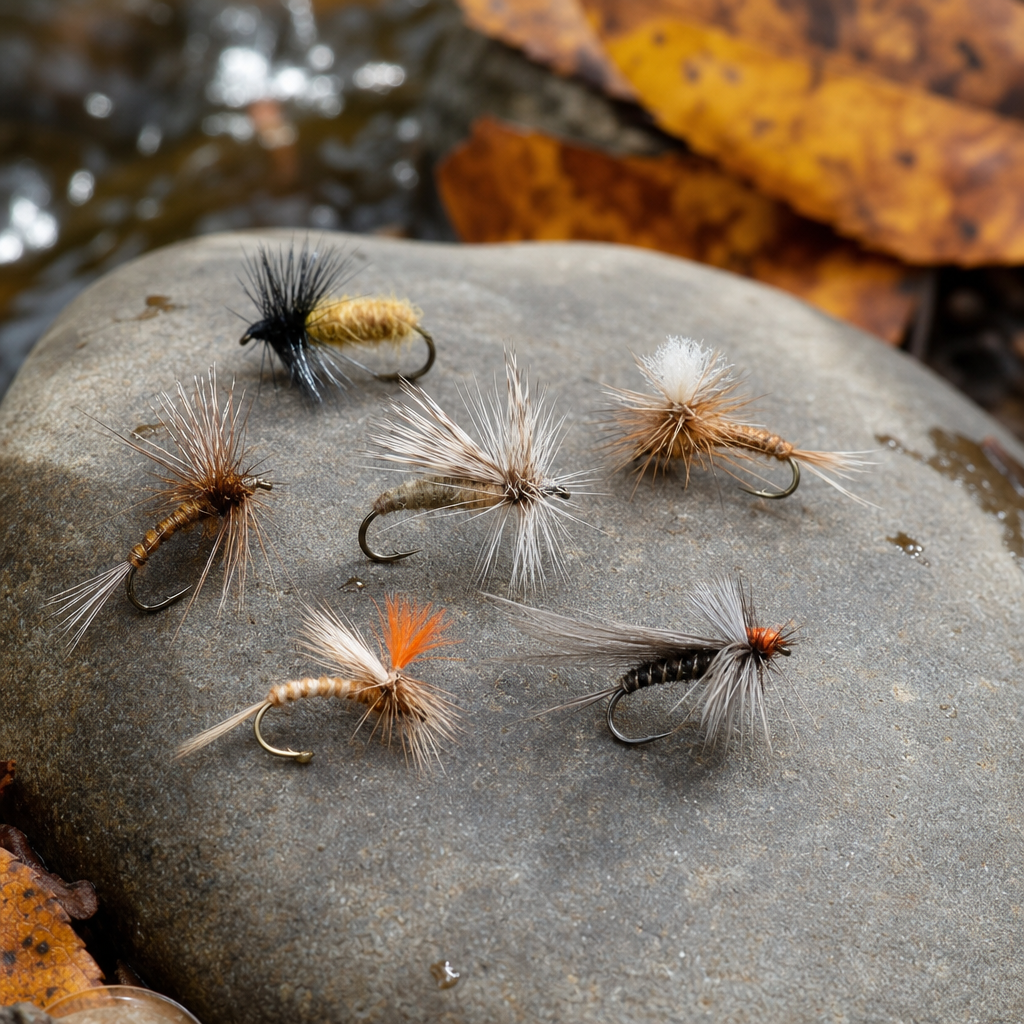
Fly choice should follow visibility, profile, and local fish response. In stained water, black, purple, chartreuse, cerise, and combinations with flash are reliable. In clearer conditions, smaller blue, pink, orange, olive, and natural-toned flies often produce more interest. Tube flies offer durability and leverage advantages over fixed-hook patterns, while intruders excel when you need movement and a bold outline. On Great Lakes streams and some tailwaters, egg patterns and egg-sucking leeches can be exceptionally effective because salmon and trout key on drifting eggs in fall.
Presentation: how to fish flies for fall salmon
The best presentation for fall salmon is the one that keeps your fly in the fish’s lane at a believable speed. For swung flies, cast across or slightly downstream, mend to control sink, then let the fly arc broadside under tension. Most grabs come as the fly slows and straightens. Depth control is crucial. If the fly races over the fish, you are invisible. If it drags the bottom every cast, you are wasting time. Change sink tips before changing flies too quickly.
Dead-drifting is equally important, especially in tributaries and slower holding water. An indicator rig with enough weight to tick bottom occasionally can be deadly when fish refuse a swing. The drift must be natural, not skating under the indicator. In pocket water, short-line nymphing with egg patterns can outperform long drifts because it keeps the fly vertical and controlled through compact lies. Strip presentations also have a place, particularly for coho in softer water where short pauses trigger follows into committed takes.
Cover water methodically. After each swing, take one or two steps and cast again so the entire run is mapped in even lanes. This discipline consistently outfishes random repeated casting. If you contact a fish, note the exact current speed, depth, and angle, then reproduce that line on the next pass. When guiding friends in fall, I stress that salmon fishing is less about magic flies than repeatable geometry: angle, sink rate, swing speed, and fly profile matched to the holding lie.
Weather, river conditions, and timing your trip
Successful fall fly fishing starts before you leave home. Monitor hydrographs from USGS or regional agencies, water temperatures, rainfall totals, and fish count data where available. A river that rises modestly and begins to drop often fishes better than one still surging with debris. Ideal visibility depends on the river, but many salmon systems are excellent with one to three feet of clarity because fish feel secure while still seeing a fly. Extremely clear low water often demands smaller patterns and lighter approaches.
Timing within the day matters too. Cold mornings can delay fish activity until the sun lifts water temperatures a degree or two, while warmer overcast days may fish well from first light. After heavy rain, the first safe drop can bring fresh fish in waves. Wind affects casting, especially with two-hand rods and large flies, but it can also break up surface light and help anglers approach close lies without alerting fish. Tide influence is important near estuaries, where incoming pushes often refresh lower river holding water.
Trip planning should also account for crowd pressure. Weekends on famous fall salmon rivers can change fish behavior and reduce room for effective swings. Midweek windows often provide better access and calmer fish. If your schedule allows only a short trip, choose rivers with stable access, clear regulations, and gauge history you understand well. Familiarity with one watershed in several autumn flow scenarios is more valuable than chasing reports across three unfamiliar systems.
Ethics, regulations, and common mistakes
Fall salmon fishing demands strong ethics because fish are vulnerable during migration and spawning. Always read current regulations on seasons, fly-only stretches, hook restrictions, leader limits, and retention rules. Many rivers prohibit fishing visible redds or intentionally targeting staging fish in closed sanctuary water. Pinching barbs, minimizing air exposure, and keeping fish in the water during release materially improve survival. If you plan to harvest salmon where legal, do it quickly, humanely, and only when the fish is in suitable condition for the table.
The biggest mistakes I see are fishing too fast, standing too close, and confusing presence with opportunity. Seeing many salmon does not mean they are catchable where they sit. Fish on redds, fish packed shoulder to shoulder in skinny water, or fish sulking in extreme low clear pools may ignore excellent presentations. Another mistake is refusing to adapt. Anglers often switch flies repeatedly while keeping the same wrong depth and same poor swing angle. Presentation usually fixes more problems than color choice.
Safety belongs in this conversation. Autumn rivers are cold, slippery, and change quickly after rain releases or storms. Wear a wading belt, use a staff in heavy current, and avoid crossing tailouts you have not studied from shore. Felt alternatives with studs, layered insulation, and waterproof packs reduce avoidable risk. The goal of this hub is simple: build a fall fly fishing system you can trust. Learn your local run timing, carry the right lines, fish holding water with intention, and respect the salmon and rivers that make autumn fishing exceptional.
Fall fly fishing for salmon rewards preparation more than luck. When you understand migration timing, river structure, water temperature, fly depth, and presentation speed, the season becomes far less mysterious. Salmon in autumn are not random. They move on predictable cues, rest in identifiable lies, and respond best when a fly reaches them broadside at the right level. The anglers who do well year after year are usually the ones who simplify decisions, observe carefully, and let conditions dictate their tactics instead of forcing a favorite method.
The key takeaways are practical. Start with current data and local run timing, then choose water that combines migration access with current relief. Match tackle to river size and clarity. Use sink tips, floating lines, indicators, or lighter systems based on depth and speed, not habit. Fish ethically by avoiding active spawners and handling every salmon with care. If a run looks right but produces nothing, change depth, angle, and pace before changing rivers. Small adjustments often unlock the entire day.
As the central resource for fall fly fishing within the seasons and conditions topic, this guide gives you the framework to explore more specialized articles on salmon species, flies, Spey casting, tributary tactics, and cold-water safety. Use it as your starting point each autumn. Check gauges, rig deliberately, cover holding water methodically, and keep notes after every trip. Those habits will make you more consistent, more efficient, and more responsible on the river. Get ready before the next rain, and fish the fall window with purpose.
Frequently Asked Questions
When is the best time in fall to fly fish for salmon?
The best time depends on the salmon species, the river system, and how local weather affects water levels and temperature, but in general, the most productive fall fishing happens during the main upstream migration and the weeks immediately surrounding it. Early fall often brings the first serious pushes of fish into estuaries, lower rivers, and tide-influenced sections, especially after rain or a drop in water temperature. As the season progresses, salmon spread into classic holding water such as tailouts, walking-speed runs, deeper buckets, current seams, and soft edges near spawning tributaries. If conditions are stable, fish may hold in predictable lies for days. If a fresh rain lifts and colors the river, new fish often move quickly, and that can create some of the most exciting action of the season.
Time of day matters too. Cold mornings can fish slowly until light reaches the water and temperatures rise slightly, while mild overcast days may produce consistent activity from morning through afternoon. In many systems, salmon are most responsive when water temperatures sit in a comfortable range rather than at seasonal extremes. Extremely warm water can stress fish and reduce ethical fishing opportunities, while very cold conditions can make them less willing to move. The smartest approach is to track river flows, water temperature, recent rainfall, and migration timing reports rather than relying on the calendar alone. In fall salmon fishing, the “right week” is important, but the “right conditions” are often what truly determine success.
Where do salmon usually hold in rivers during the fall run?
Fall salmon do not use every part of a river equally. As they move upstream, they pause in specific holding water that offers a balance of oxygen, current relief, depth, and security. Productive areas commonly include the heads and tails of pools, slower pockets beside stronger current, depression slots in runs, travel lanes along gravel bars, and softer water near structure such as boulders, ledges, submerged timber, and cutbanks. In lower river sections, salmon often travel quickly through shallow or featureless water and stack up where the current funnels or slows. In clear conditions, they may favor deeper pools and shaded lanes. In higher or slightly colored water, they may slide closer to banks, into softer edges, or into newly accessible side channels.
Reading water well is one of the biggest separators between occasional luck and repeatable success. Look for places where fish can rest without fighting the main current but still maintain access to upstream travel routes. A classic holding lie might be just inside a seam where fast and slow water meet, in knee- to chest-deep current with enough depth to feel secure. Tailouts can be especially important because salmon often pause there before moving again. At the same time, not every fish in a pool is catchable. Some are traveling, some are resting, and some are simply ignoring everything. Cover water methodically, fish each lane at the proper angle and depth, and pay attention to any sign of life such as rolling fish, subtle pushes, nervous bait near estuaries, or brief flashes beneath the surface. The better you understand where salmon conserve energy during migration, the more efficiently you can target fish that are actually in position to respond.
What fly patterns and setups work best for fall salmon?
Effective fall salmon flies are usually chosen to match water clarity, depth, current speed, and fish mood more than to imitate a specific food source. Because migrating salmon in freshwater are often reacting out of instinct, aggression, curiosity, or territorial behavior, flies that provide the right size, profile, color, and movement tend to outperform those selected on appearance alone. In clearer water, many anglers do well with smaller, cleaner patterns in natural or restrained colors such as black, blue, olive, purple, or subtle combinations with a bit of flash. In stained or higher water, larger intruders, tubes, leeches, rabbit-strip patterns, and brighter flies in chartreuse, pink, orange, cerise, or flame can help fish locate the fly. Traditional hairwing and featherwing salmon patterns can also be effective, especially in swing-oriented presentations where silhouette and movement matter more than exact imitation.
Your setup should allow you to control depth and presentation precisely. Single-hand rods can work on smaller rivers, but many fall salmon anglers prefer switch or spey rods because they cover broad runs efficiently and manage sinking lines well. Line choice is critical. Floating lines with sink tips, integrated sink-tip systems, or full sinking lines all have a place depending on depth and current speed. Leaders are typically shorter and stronger than trout leaders, often built to turn over heavier flies and hold up against large, powerful fish. The goal is simple: put the fly at the fish’s level and keep it there long enough to draw a response. If salmon are holding deep and your fly is swinging above them, you are not really fishing to them. Likewise, if your fly is constantly snagging bottom, you are too deep. Productive anglers make constant adjustments to tip density, fly weight, color, and swing speed until they find the combination that triggers movement.
How should you present a fly to salmon in fall conditions?
Presentation is everything in fall salmon fishing. Even with the right fly in the right water, poor line control or incorrect depth can make a good setup ineffective. The most common presentation is the swung fly, where you cast across or slightly downstream, allow the line and tip to settle, then let the fly swing broadside through the holding water under tension. This presentation works because it keeps the fly moving steadily through the fish’s lane and often provokes a reaction strike. The key variables are angle, sink time, swing speed, and how the fly finishes. In colder water, a slower and deeper swing often performs better. In moderate conditions, a slightly livelier swing can trigger aggression. At the end of the swing, many anglers let the fly hang briefly below them, since fish often follow and grab at that moment.
Mending is one of the most important skills here. An upstream mend can help the fly sink and slow down early in the swing, while managing belly in the line prevents the fly from skating unnaturally across the current. In some situations, especially in slower pools or when fish are locked into narrow holding lies, a dead-drift or lightly animated presentation under an indicator can be effective as well. The common mistake is fishing too fast, too shallow, or too carelessly through likely holding water. Salmon are powerful, but they are not always willing to move far. Often, the best presentation is the one that travels through the fish’s window repeatedly at the correct depth, with minimal drag and a consistent path. Step methodically through a run, cover each lane once or twice before moving, and resist the temptation to rush. Fall salmon reward discipline more than constant fly changes.
What should anglers know about behavior, ethics, and fighting fall salmon on the fly?
Fall salmon are in a unique stage of their life cycle, and understanding that should shape both strategy and ethics. These fish are migrating to spawn, not feeding in the same way they do in saltwater, so takes are often reaction-based rather than hunger-driven. That means anglers need to be realistic: success usually comes from precise presentations to fish in the right holding water, not from expecting aggressive feeding behavior. It also means fish may become less responsive as they move farther upriver, pair up, or hold over spawning gravel. Responsible anglers avoid targeting actively spawning fish and avoid repeatedly disturbing redds or fish clearly engaged in reproduction. Instead, they focus on traveling fish, resting fish in migration lanes, or salmon holding in legal water below spawning areas.
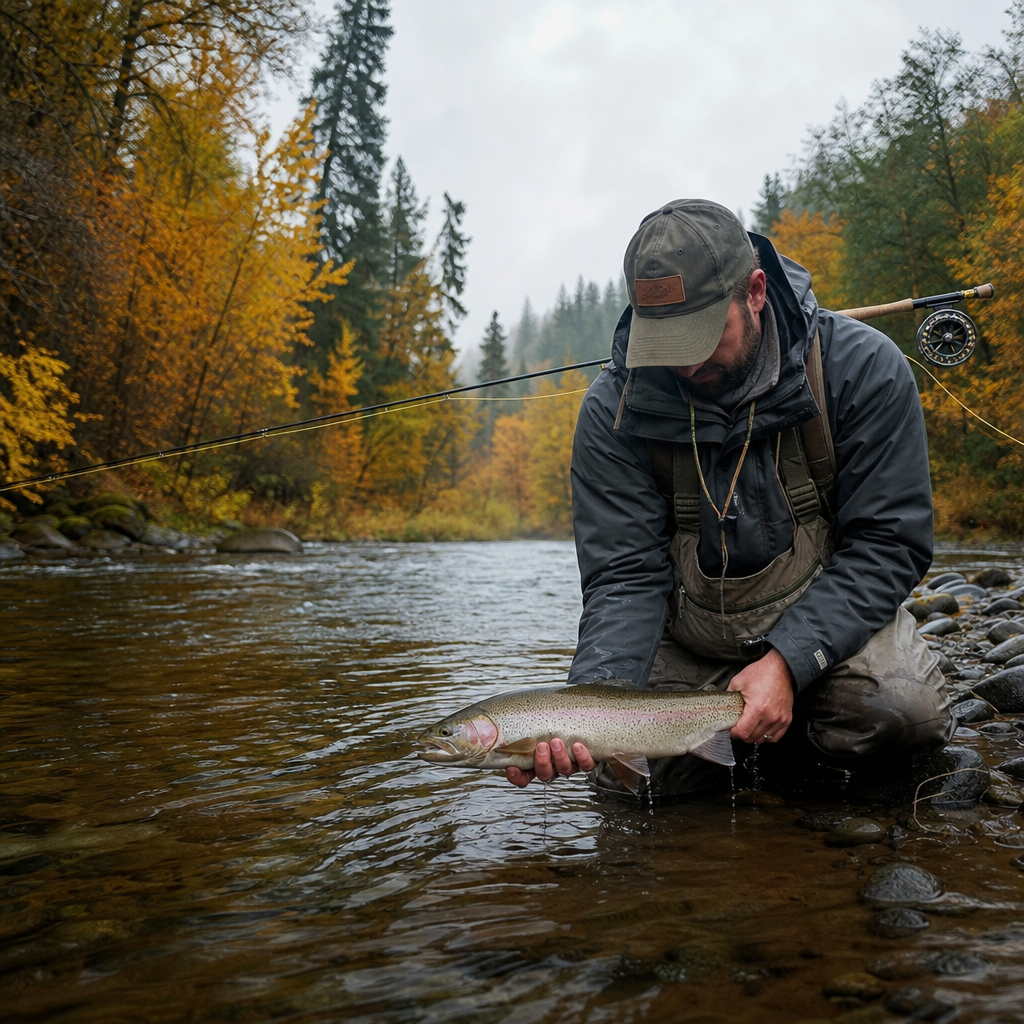
Fighting and landing salmon properly is just as important as hooking them. Use tackle heavy enough to pressure fish efficiently, which shortens the fight and improves release outcomes. Keep the rod angle controlled, use side pressure when needed, and avoid letting fish recover for too long in heavy current during the fight. Once landed, keep the fish in the water as much as possible, handle it gently with wet hands, and follow all local regulations regarding retention, species identification, hook rules, and seasonal closures. Water temperature is another major ethical factor. If temperatures are high enough to severely stress fish, the best decision may be not to fish at all. Fall salmon angling can be one of the most rewarding experiences in fly fishing, but it carries a responsibility to protect the resource. The best anglers combine skill with restraint, knowing that reading conditions, respecting spawning behavior, and handling fish carefully are part of the craft, not separate from it.