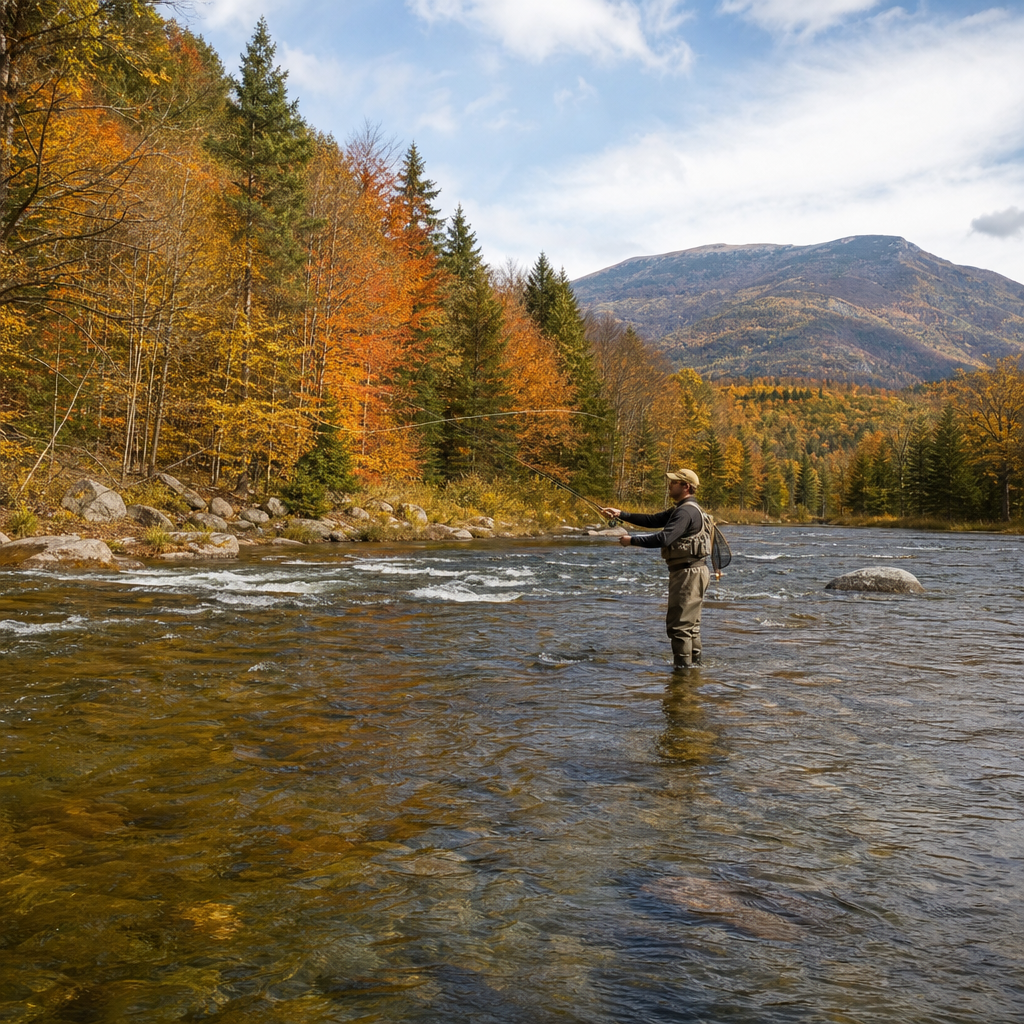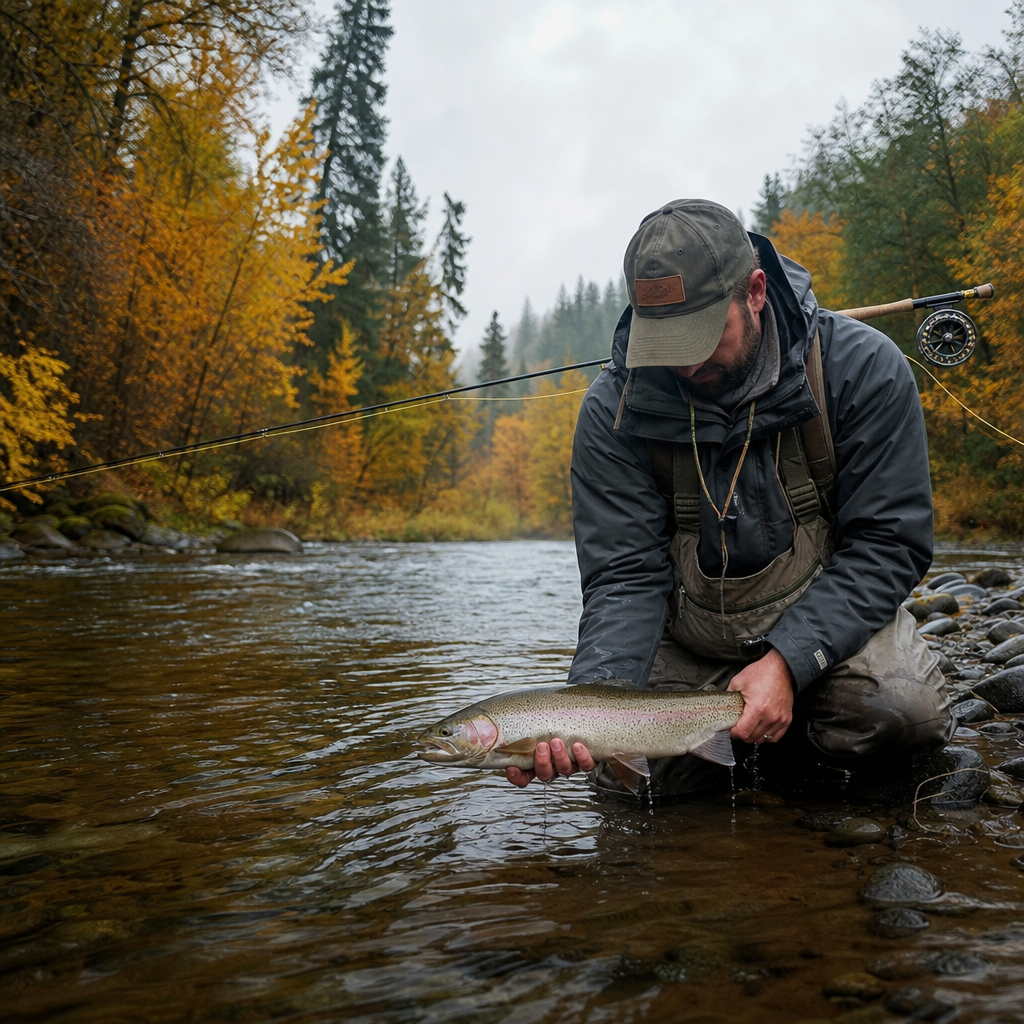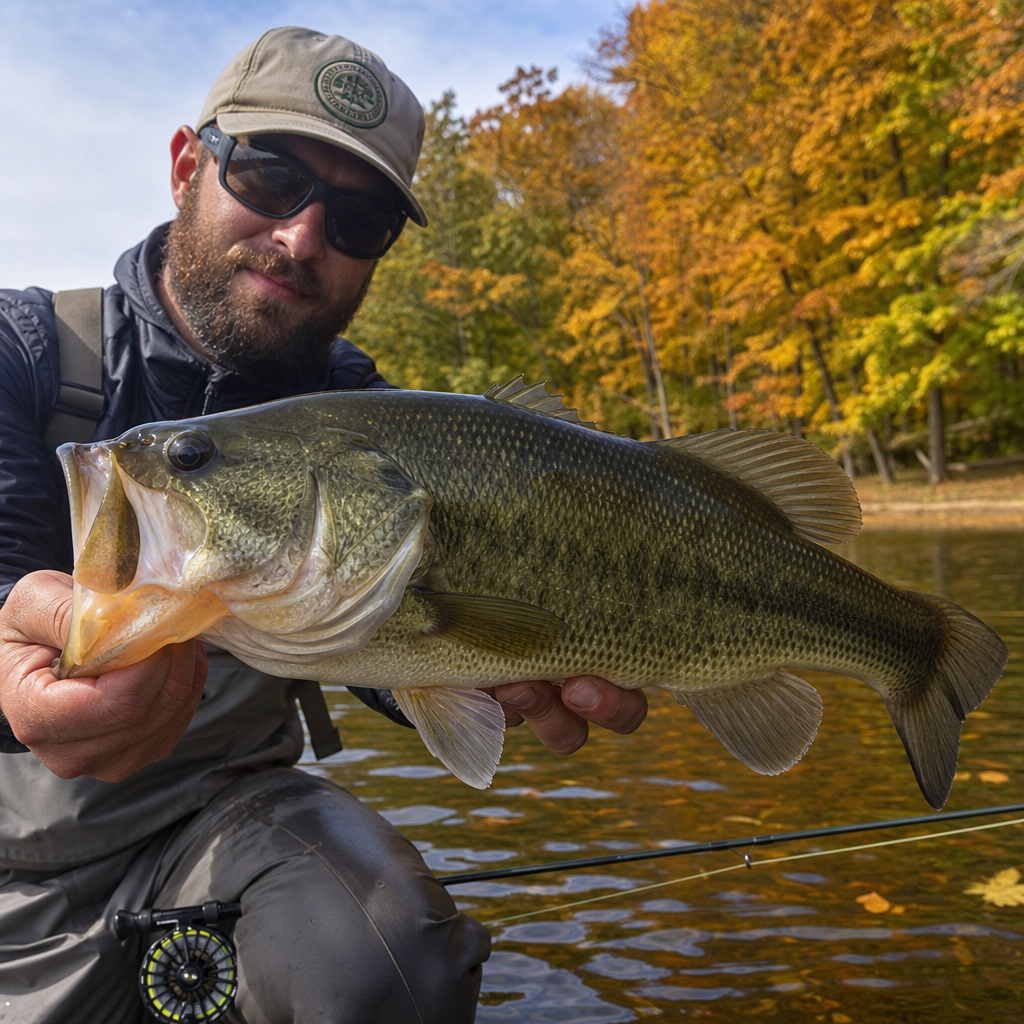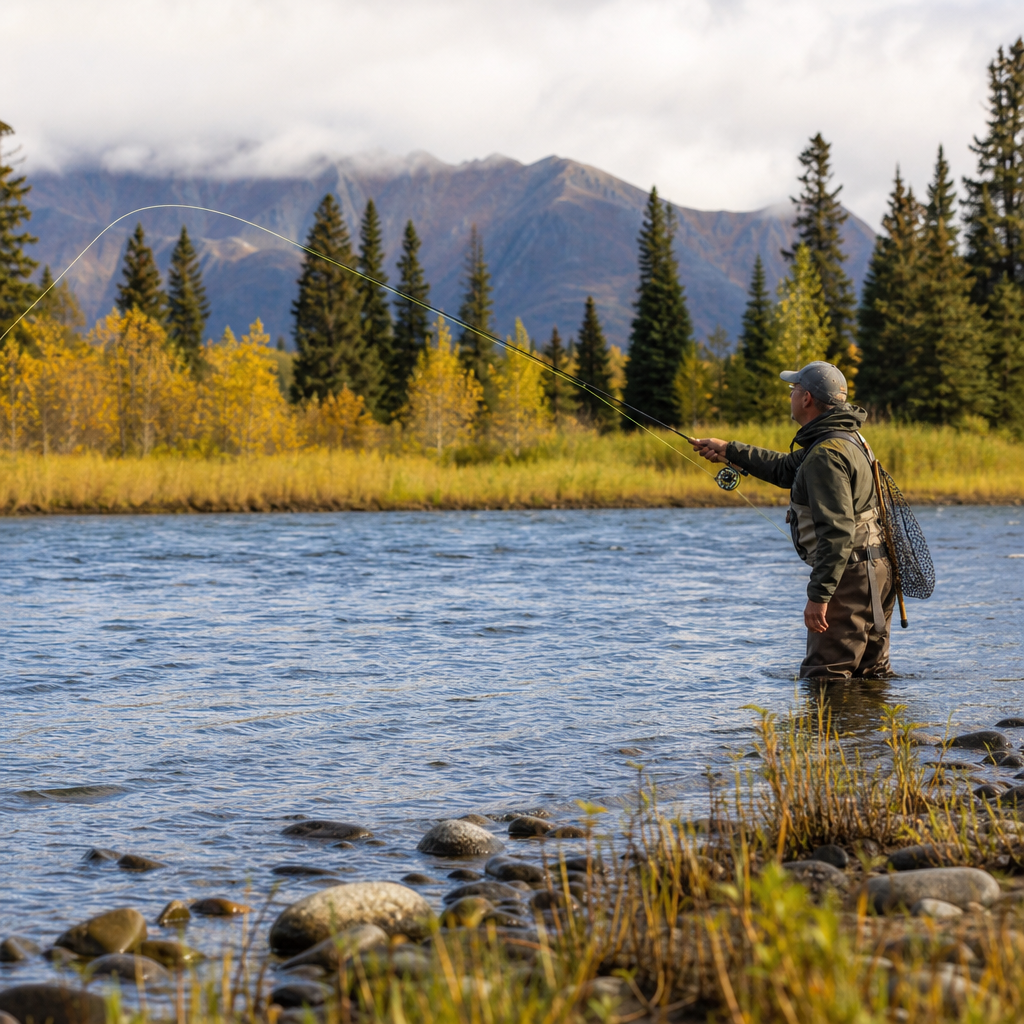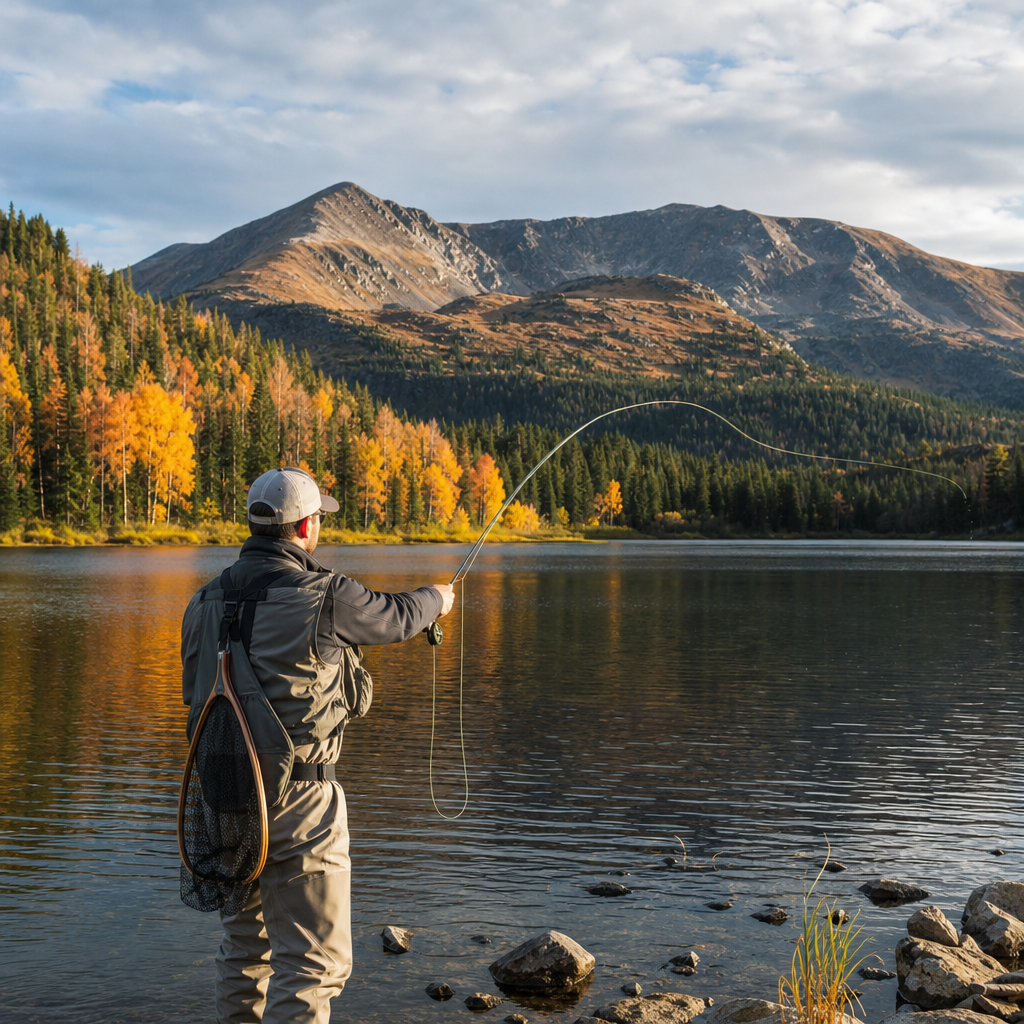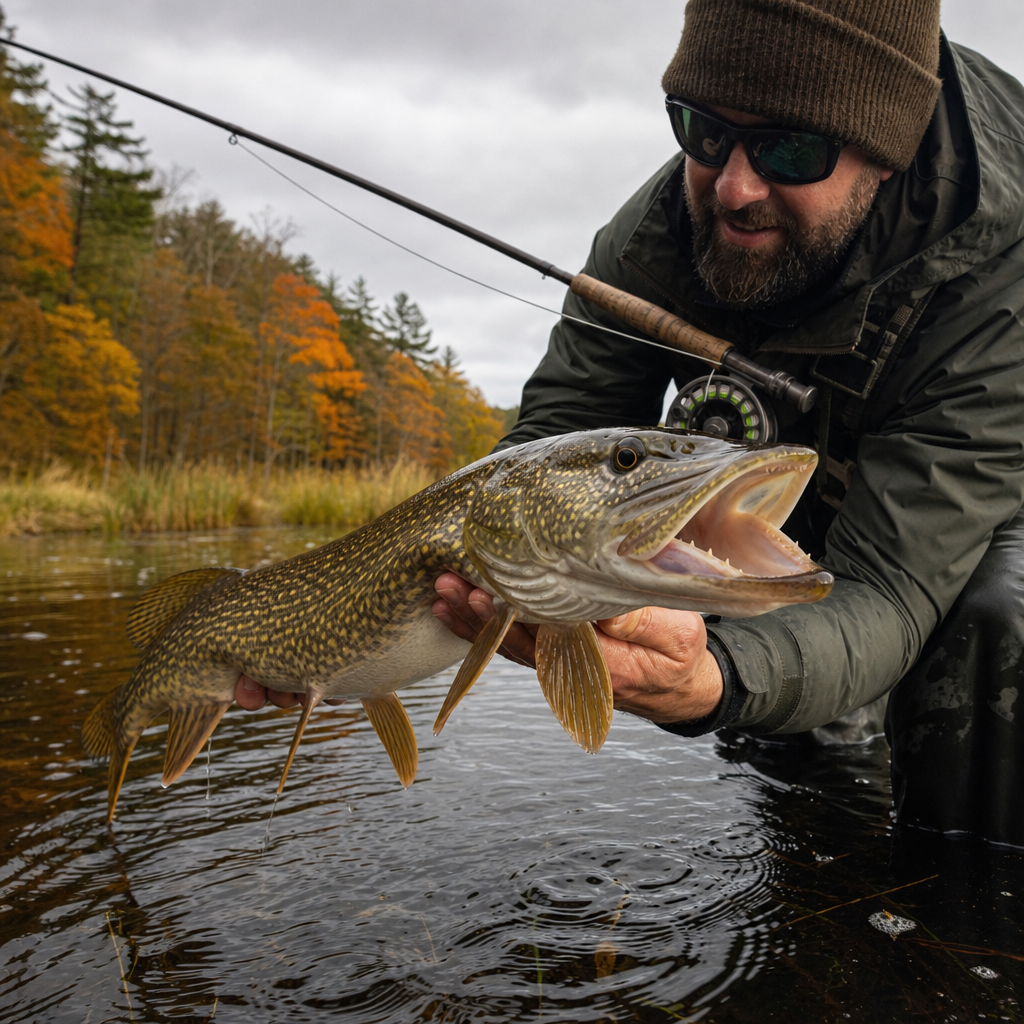
Fall fly fishing for pike is one of the most consistent and exciting windows of the season because cooling water compresses forage, sharpens predator behavior, and rewards anglers who understand how autumn conditions change location, presentation, and tackle decisions. In this context, fall fly fishing means targeting northern pike with fly gear during the cooling period from early turnover through late-season cold snaps, while adjusting to shorter days, falling vegetation, shifting baitfish schools, and rapidly changing water temperatures. Pike are apex ambush predators, but in autumn they often become more mobile and more willing to chase substantial meals, which creates prime opportunities for anglers throwing large streamers, articulated flies, and topwater patterns during stable weather. I have spent many fall days on natural lakes, rivers, and weedy reservoirs watching this pattern repeat: fish that felt scattered in summer suddenly become easier to locate when weeds die back, bait bunches up, and pike slide onto distinct edges and feeding lanes. That matters because fall can produce bigger fish, more aggressive eats, and clearer pattern development than many anglers see in midsummer. It also matters because the season punishes guesswork. Water temperature, wind direction, light penetration, dissolved oxygen, and forage type all influence where pike set up and how they respond to retrieve speed, fly size, and leader construction.
Understanding those variables turns random casting into a system. A productive system starts with three essentials: locate food, identify the structure that concentrates it, and match your fly presentation to the fish’s energy level on that day. This article serves as a hub for fall fly fishing by laying out the core principles that connect every subtopic, from reading seasonal conditions to choosing lines, flies, and landing tools safely.
How Fall Changes Pike Behavior
Fall changes pike behavior because declining water temperatures reduce plant growth, increase water clarity in many systems, and reorganize the food web around baitfish movements. In early fall, when water is still relatively warm, pike often remain connected to healthy green weeds, especially cabbage, coontail, and milfoil edges that hold perch, bluegill, juvenile crappie, and young-of-year baitfish. As nights cool and shallow vegetation begins to collapse, those same fish reposition to outside weedlines, points, saddles, inflowing current edges, and breaklines adjacent to feeding flats. In many lakes I fish, the most reliable temperature band for active pike sits roughly in the low 50s to low 60s Fahrenheit, though local forage and water type matter more than any single number. The reason anglers love autumn is simple: pike are feeding with purpose before winter, and larger individuals commonly shift from opportunistic snacking to hunting calorie-dense prey.
Turnover is the major complication. During lake turnover, water layers mix, oxygen and temperature equalize, and fishing can become temporarily inconsistent. Some waters fish fine through turnover, but many become tougher for several days because bait and predators disperse. After turnover stabilizes, patterns sharpen again. Rivers behave differently. Current keeps oxygen levels more uniform, so pike often relate to slower eddies, backwaters, soft seams, creek mouths, and slack pockets near current where prey washes past. Reservoir fish may suspend more than lake fish, especially when pelagic bait such as ciscoes or shad dominate. The key is recognizing that “fall pike” is not one pattern. Early autumn often rewards weed-oriented searching, mid-fall favors edges and transition zones, and late fall can push fish deeper or into soft-bottom basins near remaining forage concentrations.
Where to Find Pike in Early, Mid, and Late Fall
Location is the foundation of successful fall fly fishing for pike. If you are blind-casting pretty water without considering seasonal stage, your odds drop fast. In early fall, start on remaining healthy weeds near shallow bays, windblown shorelines, and flats with immediate access to deeper water. Green weeds are still oxygen factories and they shelter perch and panfish. Pike use the outside edge as an ambush wall. A drift that keeps the boat parallel to the weedline often outfishes random fan casting because it maintains the fly in the strike lane for longer.
By mid-fall, focus on transition structure. Classic examples include a weed edge that meets a sand pocket, a rocky point beside a dying flat, or a river backwater entrance where slower water dumps food into a holding area. Wind matters here. A sustained wind pushes plankton, which pushes bait, which pulls pike. Some of my best fish each October have come from ugly, windswept banks that casual anglers avoided. If the water remains clear enough to fish, wind concentrates life.
Late fall often favors fewer areas with higher quality fish. Deep cabbage remnants, steep breaklines near shallow feeding shelves, marinas with residual warmth, and creek mouths carrying slightly warmer or stained water can all become magnets. In cisco-based lakes, large pike may roam open water beneath suspended bait, and that is a difficult pattern from shore but manageable from a boat with electronics. Side imaging and forward-facing sonar are controversial to some anglers, yet both tools can confirm bait position, weed edge shape, and suspended marks. Use them as location tools, not crutches. Once you know where prey is gathered, your fly can do the rest.
Tackle, Lines, Leaders, and Flies That Work
Pike demand tackle built for big flies, hard strikes, and abrasive teeth. An 8-weight can handle modest fish and lighter flies, but a 9-weight is the practical sweet spot for most fall fly fishing for pike because it casts wind-resistant patterns with less fatigue and turns over heavier sink tips. A fast-action rod around 9 feet pairs well with a large-arbor reel holding a quality drag, though pike are usually fought off the rod rather than the reel. The real difference-maker is line choice. A floating line is ideal for shallow weeds, topwater, and unweighted streamers. An intermediate line shines over submerged vegetation and slow flats because it keeps the fly just under the chop. A sink-tip or full-sinking line becomes important once fish slide to deeper edges or suspend below bait schools.
Leaders for pike are short, stout, and bite-proof. I prefer a six- to seven-foot leader built from 30- to 40-pound butt material ending in a wire or knotable bite tippet. Seven-strand wire remains the safest option around large fish and violent head shakes, while modern knotable wire and heavy fluorocarbon in the 40- to 60-pound range trade some bite protection for flexibility and easier casting. Heavy fluorocarbon can work, but wire is the standard if you value landing percentage. Flies should match both prey and water clarity. In clear water, white, olive, perch, firetiger, and natural baitfish patterns consistently produce. In stained systems, black, orange, chartreuse, and combinations with strong contrast help fish track the fly.
| Condition | Best Line | Effective Fly Style | Practical Retrieve |
|---|---|---|---|
| Shallow green weeds, 3 to 6 feet | Floating or intermediate | Unweighted hollow-tied baitfish, divers | Long strips with pauses over lanes |
| Outside weed edge, 6 to 10 feet | Intermediate or type 3 sink tip | Articulated streamers, flash tails | Two sharp strips, one pause |
| Suspended bait over deep water | Full-sinking line | Large baitfish patterns, bulk without excess weight | Countdown, then steady medium strips |
| Cold late-fall breaks | Sink tip or full sink | Profile flies with rabbit or synthetic movement | Short pulls, longer hangs |
As for fly design, think profile first, weight second. Pike often react to a broad silhouette and strong water push more than exact imitation. Hollow ties, bucktail, flash blends, rabbit strips, and articulated shanks all have a place. Typical productive sizes range from six to twelve inches. Bigger is not always better, but in fall, large meals are efficient meals.
Presentation, Retrieve, and Boat Control
The best presentation for fall pike usually keeps the fly at eye level and moving like vulnerable prey rather than a frantic object. That sounds simple, but many anglers strip too fast, fish too high, or pull the fly out of productive water before a following fish commits. Start by determining depth with intention. Count your fly down if you are fishing a sink line, then make controlled strips that let the material breathe. Pike often eat on the pause, especially in colder water, because the fly stalls and looks injured. A common and effective cadence is two firm strips followed by a one- to two-second pause. If fish are following but not eating, vary one factor at a time: speed, pause length, direction change, or fly color. Sudden acceleration near the boat often triggers a strike from a trailing fish, which is why a figure-eight or oval boatside maneuver is mandatory.
Boatside eats are a defining part of pike fishing. Never lift the fly out automatically. Finish every retrieve with a deliberate boatside turn. On clear lakes, I often watch fish track a fly for twenty feet before committing in the final second. That behavior is normal, not a fluke. Pike are visual predators evaluating angle, speed, and escape cues. Your strip set matters too. Trout anglers lose pike by raising the rod. Keep the rod low and drive the hook with repeated strips until the line comes tight.
Boat control is equally important. Use wind and a drift sock, electric motor, or anchor mode to maintain casting angle along edges rather than across them whenever possible. Shore anglers should do the same by positioning to cast parallel to reed lines, bridge abutments, current seams, and weed pockets. Precision beats distance. A forty-foot cast that tracks the edge cleanly often outperforms an eighty-foot cast that spends little time in the strike zone.
Safety, Fish Handling, and Common Mistakes
Pike are powerful fish armed with gill rakers, sharp teeth, and a talent for turning a routine landing into chaos. Safe handling starts before the first cast. Carry long-nose pliers, heavy hook cutters, jaw spreaders only if you know how to use them responsibly, and a large knotless net that supports the fish in the water. Many experienced pike anglers now skip lip grippers for routine handling because they can torque the jaw when a fish twists. A better approach is to keep the fish in the net, control the head, remove the fly quickly, and lift only briefly for a photo if conditions allow. In cold fall weather, fish generally recover well, but long air exposure is still unnecessary.
The most common mistakes in fall fly fishing for pike are predictable. Anglers fish dead weeds instead of the last green vegetation. They retrieve too quickly in cold water. They use leaders that are too long or too light to turn over large flies. They skip the boatside figure-eight. They ignore wind-blown structure. They fail to sharpen hooks after contacting wood, rocks, or fish. Another frequent error is dressing for comfort rather than safety. Late-season water can be dangerous. Wear flotation, carry dry layers, and respect sudden weather shifts. If you fish from a kayak, make conservative decisions about open-water crossings and wind exposure. One big pike is never worth a cold-water emergency.
Building a Reliable Fall Pattern
A reliable fall pattern comes from documenting conditions and repeating what matters. Keep notes on water temperature, wind direction, cloud cover, forage observed, depth of strikes, and successful retrieves. Within a season or two, trends become obvious. You may find that stained lakes favor black and orange flies under cloud cover, while clear natural lakes peak on sunny afternoons when bait pushes to the warm side of a bay. You may also notice that your largest fish arrive after fronts stabilize, not during dramatic pressure swings. That kind of logbook knowledge is what separates occasional good days from dependable results.
Use this hub as your starting point for the broader fall fly fishing topic. From here, drill deeper into water temperature strategy, line selection, fall streamer design, figure-eight mechanics, lake turnover timing, river pike positioning, and safe handling practices. The central lesson is consistent across all of them: in autumn, pike become easier to pattern when you follow forage, prioritize green weeds and adjacent breaks, fish the correct depth, and finish every retrieve with intent. Fall fly fishing for pike rewards anglers who combine mobility, observation, and disciplined presentation. Start with one lake or river section, track the seasonal shift week by week, and refine your approach. Do that, and the most productive pike fishing of your year can happen just as most anglers put their fly rods away.
Frequently Asked Questions
Why is fall such a productive time for fly fishing for pike?
Fall is productive because cooling water changes the entire food chain in ways that favor anglers who target pike with fly gear. As temperatures drop from late summer into early turnover and then toward the first hard cold snaps, vegetation begins to thin, oxygen levels shift, and baitfish often become more concentrated. Instead of being scattered across expansive summer habitat, prey species frequently move into more predictable zones such as remaining green weed edges, outside cabbage lines, rock-and-weed transitions, current-influenced neckdowns, shallow bays during warm afternoons, and adjacent breaklines that provide quick access to deeper water. Northern pike are built to take advantage of those bottlenecks, and their feeding behavior often becomes more aggressive and more consistent during this period.
Another reason fall stands out is that pike are not just feeding randomly; they are responding to shorter days and seasonal change by taking advantage of high-value feeding windows. That does not mean they feed nonstop, but it often means the average quality of opportunity improves. Large fish that may be difficult to contact during hot summer conditions can become more reachable because they position around obvious structure and ambush lanes. For the fly angler, that matters a great deal. It means you can cover water more intelligently, fish larger flies with confidence, and expect fish to commit with real intent when your presentation crosses the right zone.
Fall also helps simplify decision-making. In summer, thick weeds, warm water, and broad bait distribution can make pike feel spread out and moody. In autumn, patterns tend to tighten. You can build a day around a logical progression: check warming shallows early if conditions are stable, work remaining healthy vegetation and adjacent breaks, and then probe deeper edges or current-related areas as light, wind, and temperature change. The result is a season that often combines numbers, quality fish, and highly visual eats, which is why so many anglers consider fall one of the best windows of the year for fly fishing for pike.
Where should you look for pike in the fall as conditions keep changing?
The best fall locations are rarely random; they are places that connect forage, cover, and temperature stability. Early in the fall, when water is cooling but not yet truly cold, pike often remain associated with weed systems, especially the healthiest remaining green weeds. Dead or collapsing vegetation can hold less oxygen and fewer baitfish, while green cabbage, coontail, or mixed weeds still provide ambush cover and concentrate prey. Focus on outside edges, irregular points in the weedline, inside turns, small pockets, and places where weeds meet rock, wood, or sand. Those transition zones give pike multiple feeding angles and often hold fish throughout the day.
As the season progresses, it becomes increasingly important to think in terms of proximity. Pike commonly use areas where shallow feeding flats sit close to deeper water. A broad bay with a nearby channel edge, a tapering point that drops into a basin, or a saddle between structures can all be excellent. Baitfish may slide shallower during periods of warming sun or wind-driven plankton movement, then pull back toward safety when conditions change. Pike follow that movement, but usually not far. They want efficient access to food and recovery water. If you find a spot with remaining weeds, forage activity, and a quick drop nearby, you have found a classic fall setup.
Late in the season, many anglers make the mistake of assuming all pike vacate shallow water. Some do shift deeper more consistently, but many continue to use surprisingly shallow feeding areas during stable weather, especially in the afternoon when a little extra warmth can make a difference. At the same time, deeper edges, breaklines, and suspended zones near bait become more important. Wind matters too. A windblown bank, point, or bay can stack baitfish and trigger feeding. On rivers or flowages, current seams, slow eddies near weed remnants, backwater mouths, and softer edges adjacent to moving water can be outstanding. The key is to read each day as a combination of season stage, available cover, forage position, and recent weather rather than relying on a single “fall spot” all season long.
What fly patterns and tackle work best for fall pike?
Fall pike tackle should be chosen for control, efficiency, and fish safety. A 9- or 10-weight rod is ideal for most situations because it has enough power to cast large, wind-resistant flies, manage heavy lines, and pressure strong fish effectively. A sturdy reel with a dependable drag is helpful, though pike are usually more about line control and short, powerful runs than long-distance backing battles. Pair that setup with a quality weight-forward line suited to the depth you intend to fish. Floating lines are useful for working shallow weeds, flats, and visual presentations, while intermediate, sink-tip, or full-sinking lines help maintain contact along deeper edges, channels, and late-season holding zones. Many experienced anglers carry at least two line options in fall because depth control often determines success.
Your leader system matters just as much. Pike have abrasive mouths and sharp teeth, so a bite-proof section is essential. Many anglers use knotable wire, titanium, or heavy fluorocarbon shock tippets designed specifically for toothy fish. The goal is not just preventing bite-offs; it is maintaining confidence when a large fish engulfs the fly on a short line near the boat. Leader formulas vary, but turnover should be strong enough to carry bulky patterns, and the terminal section must hold up to repeated strikes. Do not fish for pike on standard trout leaders and hope for the best.
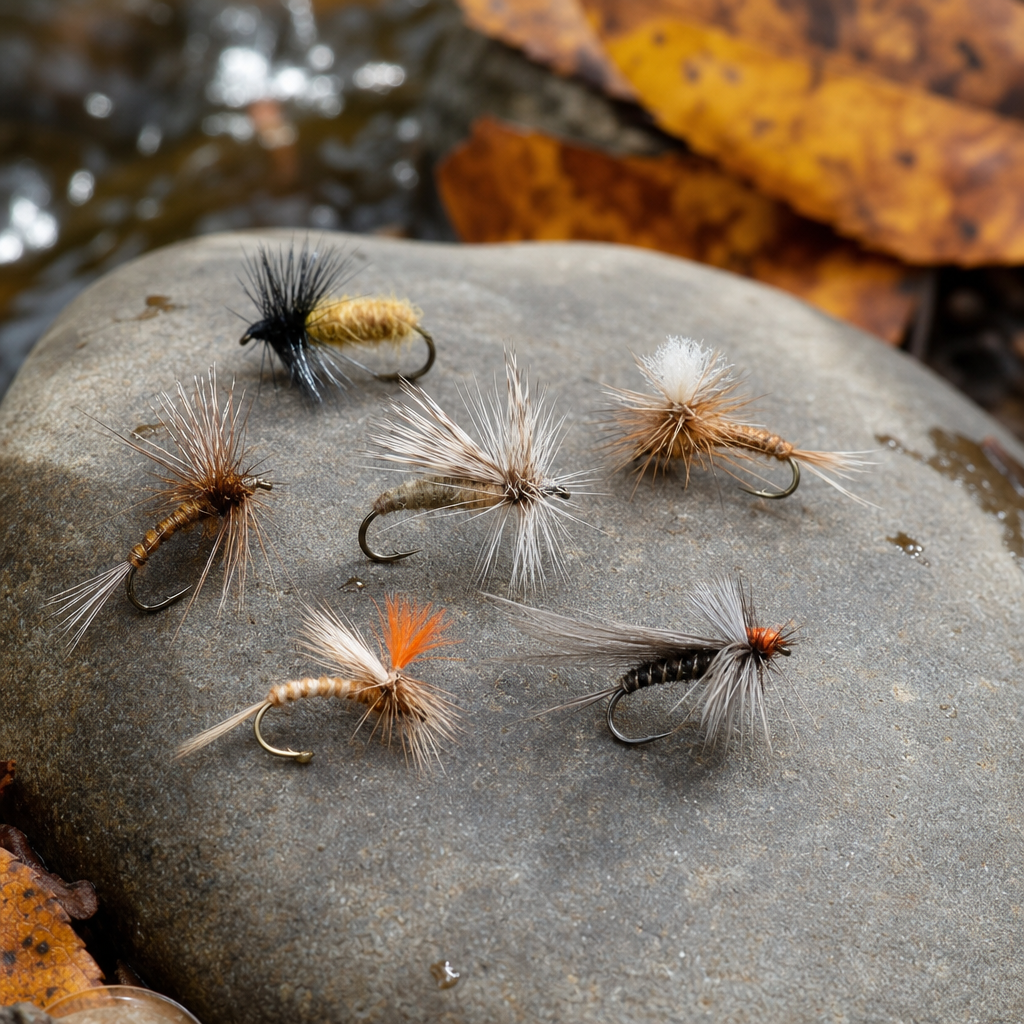
In terms of flies, fall is a great time to throw larger baitfish profiles because pike are often willing to eat a substantial meal. Patterns tied with bucktail, synthetic materials, rabbit strips, flash, and articulated designs all have a place. White, chartreuse, yellow, black, olive, and firetiger-style combinations are reliable staples, and the right choice often depends on water clarity, light level, and local forage. In clearer water, natural baitfish tones can shine. In stained water or low light, stronger contrast helps fish find the fly. Flies that push water, suspend briefly on the pause, or pulse during the retrieve are particularly effective because they trigger the pike’s ambush instinct. A well-balanced selection usually includes shallow-running flies for weed tops, neutrally suggestive streamers for mid-depth fish, and heavier patterns for probing breaks and deeper lanes.
What retrieve and presentation techniques are most effective for pike in autumn?
The most effective fall retrieves are the ones that match water temperature, fish mood, and the position of the pike relative to cover. In early fall, when fish are still willing to chase, a moderately aggressive retrieve with long strips, occasional speed changes, and directional pauses can be excellent. Pike often react to acceleration. A fly that seems to escape, hesitate, and then kick again can trigger explosive strikes. In warmer autumn windows, do not be afraid to cover water quickly until you locate active fish. Once you contact one, slow down and thoroughly work that area because pike frequently group around productive structure when forage is concentrated.
As the season cools further, many anglers do better by becoming more deliberate rather than simply slower. That is an important distinction. A cold-water pike may still hit hard, but it often wants the fly presented in a precise lane and held in its face longer. Shorter strips, longer pauses, and better depth maintenance frequently outproduce a fast, constant retrieve. If you are fishing weed edges, make repeated casts along the contour rather than across it, so the fly remains in the strike zone longer. If you are fishing a drop-off, count the line down and retrieve at a consistent level before changing speed or cadence. In many cases, the strike comes on the pause, on the transition from sink to movement, or during the first few strips after the fly enters the pike’s window.
Boat-side technique is another major factor. Pike are famous for following flies, especially in clear water. Many eats happen near the end of the retrieve when a fish tracks the fly almost to your feet. Instead of lifting out immediately, finish every retrieve with a deliberate boatside move such as a large oval turn or figure-eight. Keep the fly moving, maintain tension, and transition smoothly into wide directional changes. A following pike that would not commit in open water often eats when the fly speeds up, drops slightly, or changes angle at close range. This one habit alone converts a surprising number of missed opportunities into landed fish during the fall season.
What are the biggest mistakes anglers make when fly fishing for pike in the fall?
One of the most common mistakes is fishing yesterday’s pattern instead of today’s conditions. Fall is consistent in the sense that it is often productive, but it is not static. A cold night, bright high pressure, sudden wind shift, turnover, or a string of mild afternoons can move bait and reposition fish quickly. Anglers who assume pike will stay in shallow weeds all season, or who abandon shallow water too early simply because the calendar says late fall, miss fish. The better approach is to let forage, water clarity, remaining vegetation, and temperature trend guide your plan. Start with high-percentage areas, but adjust depth and location as the day develops.
Another major