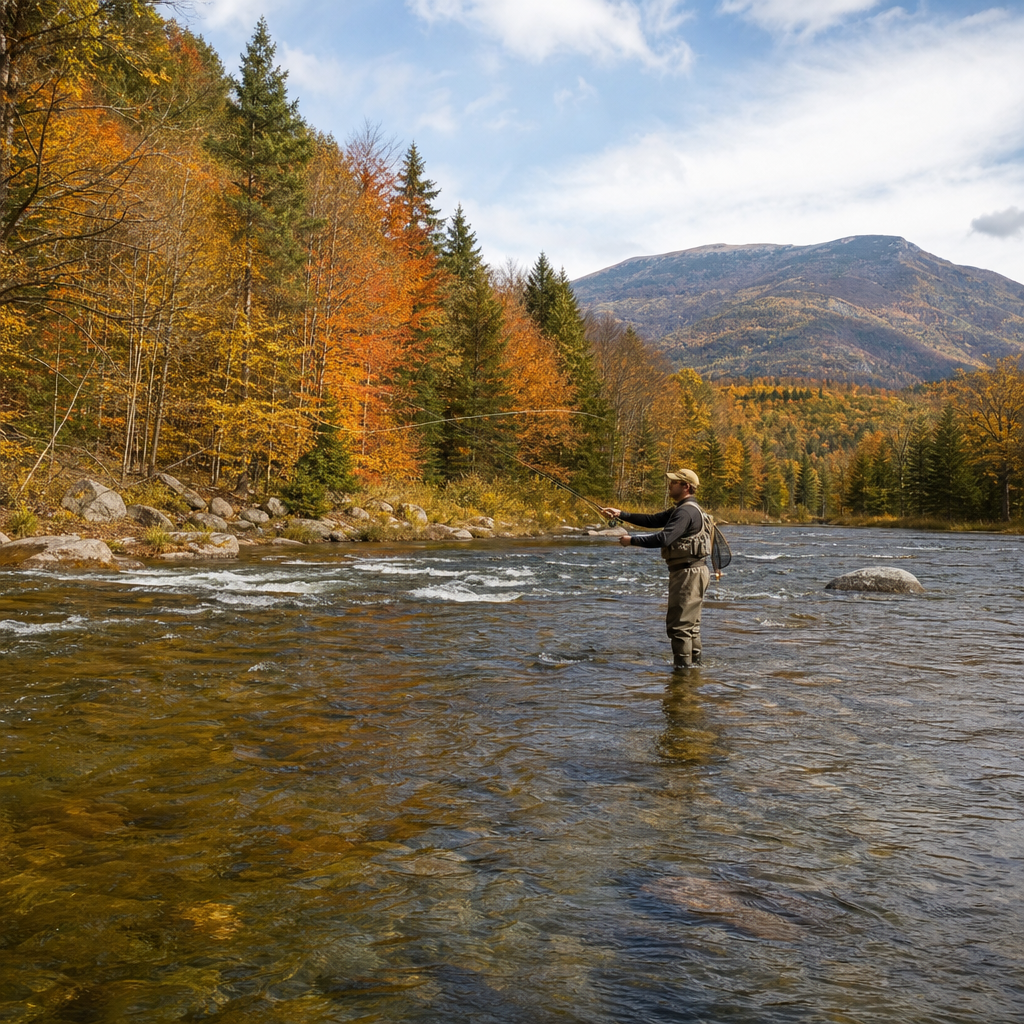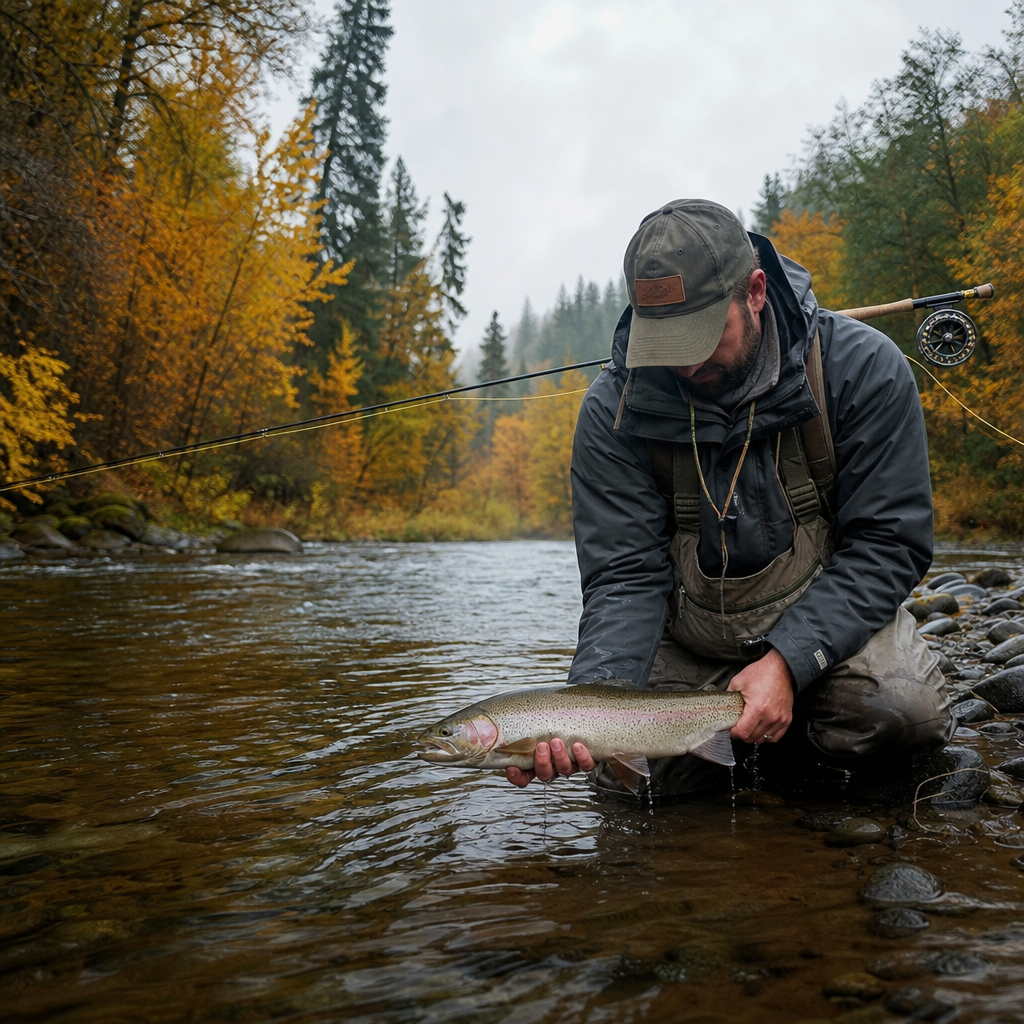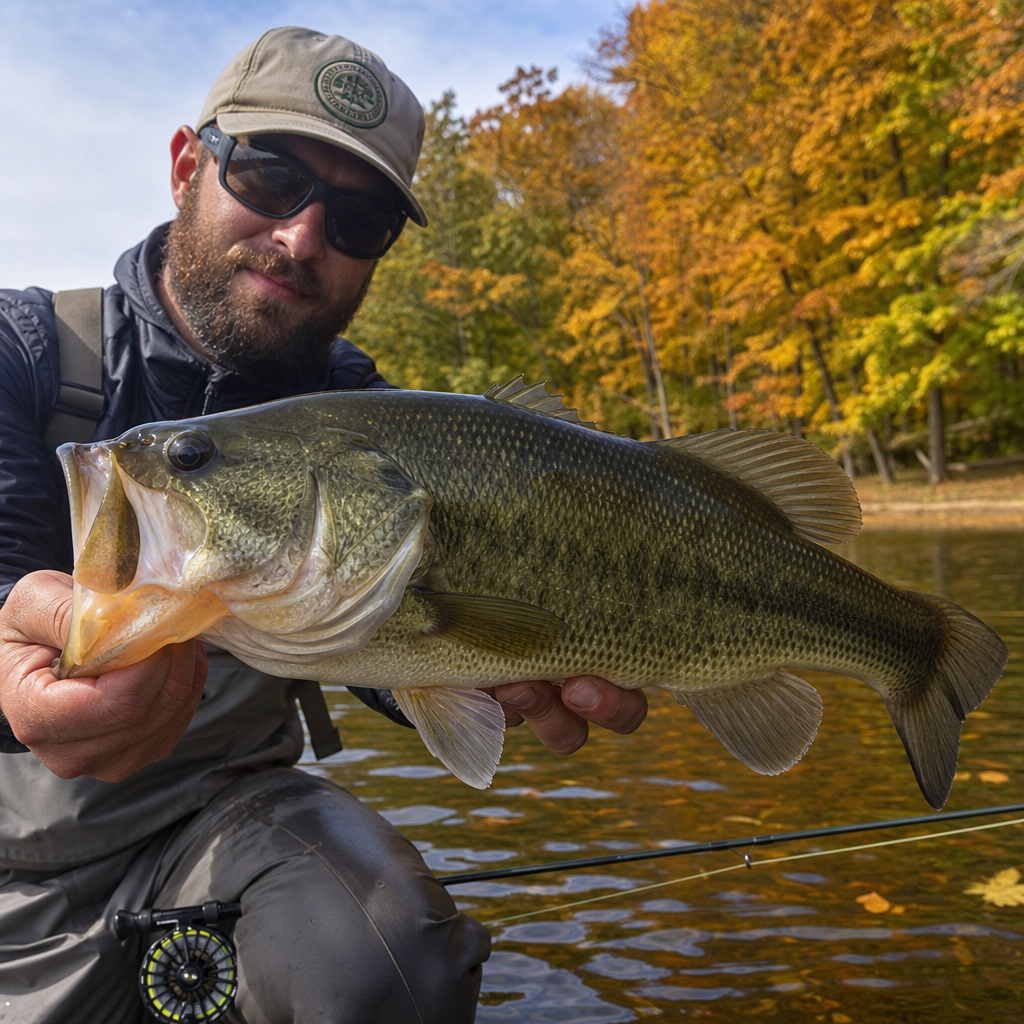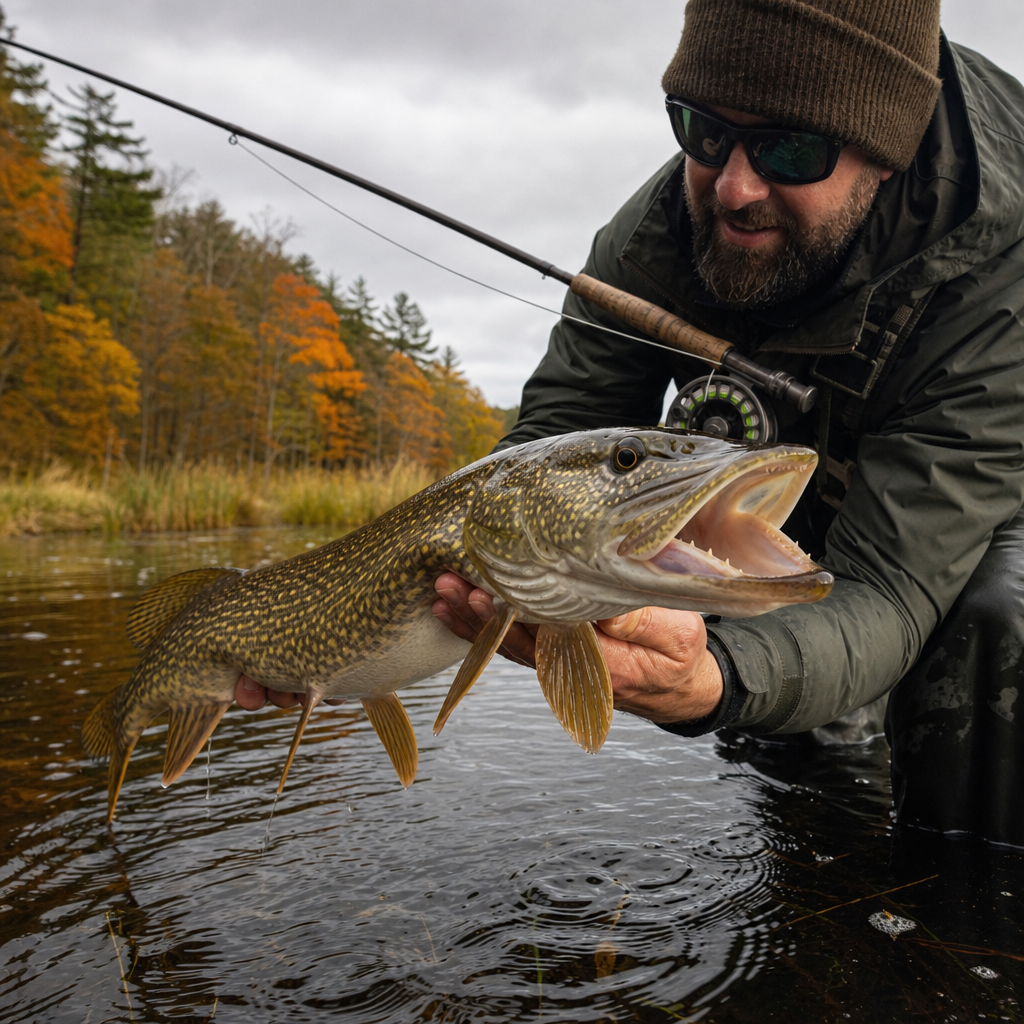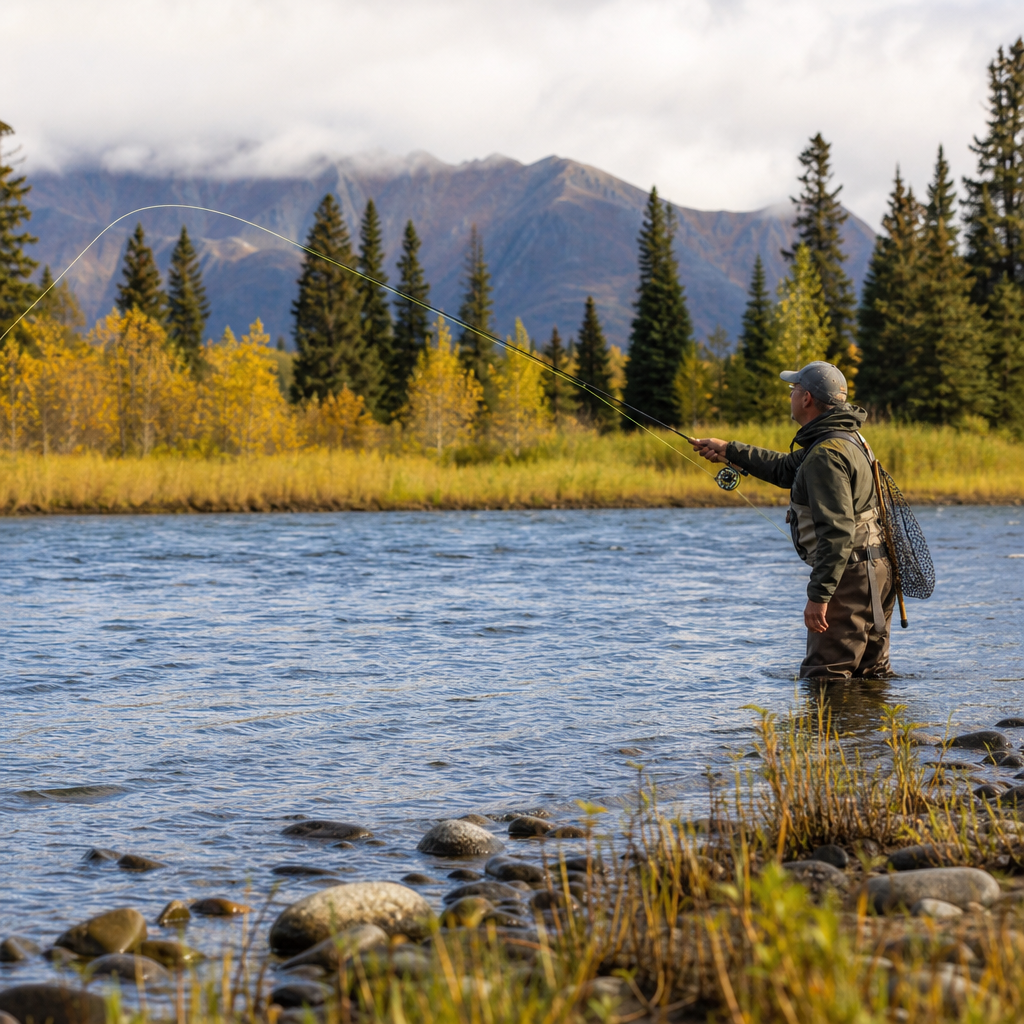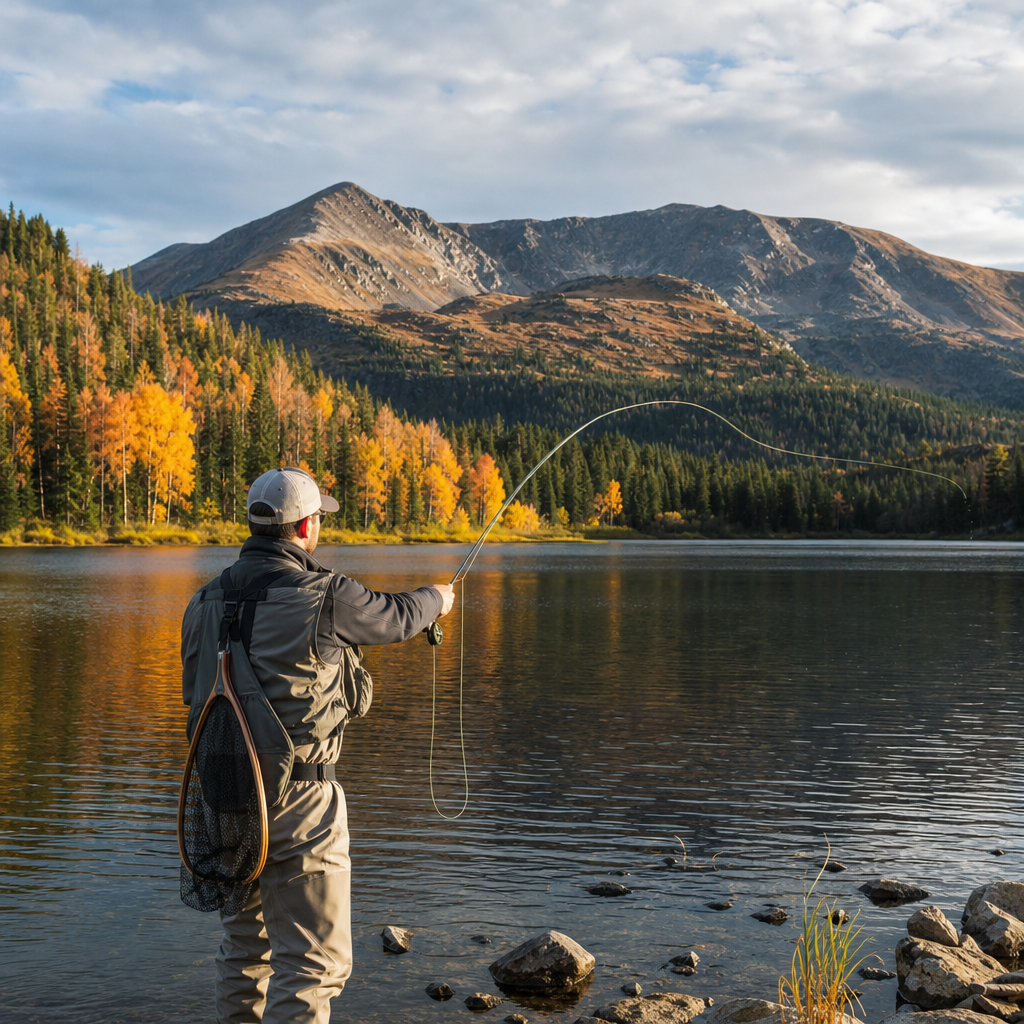
Fall fly fishing in lakes rewards anglers who understand how cooling water changes trout behavior, forage movement, and presentation choices. In practical terms, fall begins when shorter days and cold nights pull surface temperatures down from summer highs and trigger more consistent oxygen levels through the water column. For lake anglers, that shift matters because fish that spent much of summer deep, inactive, or difficult to reach often move into predictable feeding zones. I have found that this is the season when a stillwater can feel smaller, not because the lake shrinks, but because trout narrow their attention to shoals, drop-offs, inlet channels, and windblown banks where food concentrates.
Fall fly fishing means targeting trout, char, and other lake species during the transition from late summer stratification toward turnover and early winter patterns. In fly-fishing terms, the core variables are water temperature, light penetration, forage type, wind direction, and spawning behavior. Common prey in autumn includes chironomids, callibaetis nymphs in some waters, damselfly nymphs lingering near weeds, leeches, scuds, freshwater shrimp, and especially baitfish such as juvenile perch, sticklebacks, or stocked fry. Brown trout often become more aggressive ahead of the spawn. Rainbow trout and brook trout may also feed heavily as metabolism remains strong in cooling water.
This season matters because it often combines the best features of spring and summer without the worst limitations of either. Water is usually cooler than midsummer, dissolved oxygen is more available in shallower areas, and trout can feed over broad parts of a lake rather than staying pinned to a narrow temperature band. Aquatic weeds begin to thin, opening casting lanes and reducing fouling. In many lakes, autumn weather also brings cloud cover and chop, which gives trout security and lets anglers fish larger flies or closer shorelines in daylight. Done well, fall lake fishing can produce both numbers and the year’s largest trout.
Success, however, depends on reading conditions instead of fishing by calendar alone. A lake in early September at high elevation may behave like late fall, while a lowland reservoir in October can still fish like summer during warm spells. Wind can stack warm surface water into one bay and cooler water into another. Recent rain can stain an inlet and bring in food, yet too much runoff may drop temperatures abruptly and slow activity. The angler who asks where food is gathering, where comfortable water is located, and how fish are moving between the two will consistently outperform someone simply stripping streamers at random.
How Fall Changes Lake Trout Behavior
As nights lengthen and air temperatures fall, many lakes begin to lose the sharp thermal separation that defined summer. During stratification, trout often hold near the thermocline, where temperature and oxygen are both tolerable. In autumn, surface cooling and wind mixing gradually weaken that layer. Before full turnover, fish may use a much wider vertical range, especially during low light. After turnover, temperature can become relatively uniform from top to bottom, and trout often roam freely until winter cooling pushes them toward slower metabolism and more stable holding zones.
Feeding intensity often rises because trout are responding to opportunity and seasonal urgency. Brown trout commonly become territorial and predatory as spawning approaches, making them more willing to chase baitfish imitations. Rainbow trout may continue keying on insects, but they also shift toward larger food items when available. Brook trout in shallow lakes frequently cruise weed edges and rocky margins. I routinely see fish slide onto flats in the first and last two hours of daylight, then drop to adjacent edges once the sun is up. Those movements are small enough to miss if you fish only one depth all day.
Wind is especially important in fall. A sustained breeze pushes plankton, dislodged invertebrates, and baitfish toward shore, and trout follow that food chain. The best banks are rarely the calmest. A moderate windward shoreline with a defined drop-off, scattered weeds, or a point can hold fish all afternoon. Conversely, during severe cold fronts, bright skies, and falling barometers, trout may pause or slide deeper, responding better to slower retrieves and smaller patterns. The point is not that fall always means aggressive fish, but that feeding windows become tied closely to weather and location rather than just hatch timing.
Where to Find Fish in Autumn Lakes
The most reliable fall structures are shoals near deep water, weed edges, inlet mouths, outlet current lanes where legal, rocky points, flooded timber margins, and gradual flats intersected by channels. Trout use these places because they combine food, cover, and easy depth adjustment. A ten-foot flat next to twenty feet of water is far more valuable than an isolated shallow bay with no escape route. On natural lakes, marl bottoms with weed patches often hold scuds and bloodworms. On reservoirs, broken rock and baitfish schools are often the stronger pattern, especially for larger browns.
Inlets deserve special attention because they deliver oxygen, drifting food, and temperature change. After moderate autumn rain, I like to fish the seam where stained inflow meets clearer lake water. Trout often patrol just outside the dirty plume, using reduced visibility to ambush minnows. Spawning fish may stage near tributary mouths, though anglers should always know local regulations and avoid targeting fish on redds or in closed areas. Ethical fall fly fishing in lakes focuses on actively feeding fish, not vulnerable spawners. That distinction improves both catch quality and resource protection.
Depth control is the single biggest separator between average and excellent lake anglers. In the same afternoon, trout may feed in two feet of water under cloud cover, then shift to twelve feet once sun reaches the bank. Count-down methods, intermediate lines, and slip indicators all help map the zone. If you contact fish twice at the same level, stay disciplined and repeat that depth before changing flies. Too many anglers swap patterns when the real issue is that they are fishing three feet above the trout. In autumn, productive water is often close, but exact depth still matters.
Best Gear, Lines, and Fly Patterns
A 5-weight or 6-weight rod covers most fall stillwater trout fishing, with a 7-weight useful for larger streamers, heavy wind, or trophy browns. Reels matter less for drag than for balance and line management, especially from a float tube, pontoon boat, or drifting craft. I carry a floating line, a clear intermediate, and a type III or type V sinking line. The floating line handles indicators, dries during surprise midge events, and shallow nymphing. The clear intermediate is often the most versatile autumn line because it keeps flies in the top few feet without skating unnaturally. Faster-sinking lines help probe drop-offs and suspended fish.
Leader setup should match the method. For balanced leeches or chironomids under an indicator, nine to fifteen feet is common depending on depth and chop. For intermediates and streamers, shorter leaders from six to nine feet turn over better in wind. Fluorocarbon helps with abrasion and sink rate; nylon can be preferable for dries and some shallow presentations. Tippet sizes between 3X and 5X cover most situations, though thick leader butts improve turnover for articulated patterns. Knots should be checked frequently because cold fingers and repeated retrieves hide abrasion until a strong fish exposes it.
| Situation | Recommended Line | Effective Flies | Typical Retrieve |
|---|---|---|---|
| Windblown shallow bank, 2 to 6 feet | Clear intermediate | Woolly Bugger, baitfish streamer, damsel nymph | Medium strips with pauses |
| Weed edge, 6 to 10 feet | Floating with indicator | Balanced leech, chironomid, scud | Static or very slow hand-twist |
| Drop-off, 10 to 20 feet | Type III or type V sinking line | Leech, zonker, boobies where legal | Count down, then varied strips |
| Inlet seam after rain | Floating or intermediate | Small baitfish, leech, egg-sucking variation where appropriate | Swing, short strip, controlled drift |
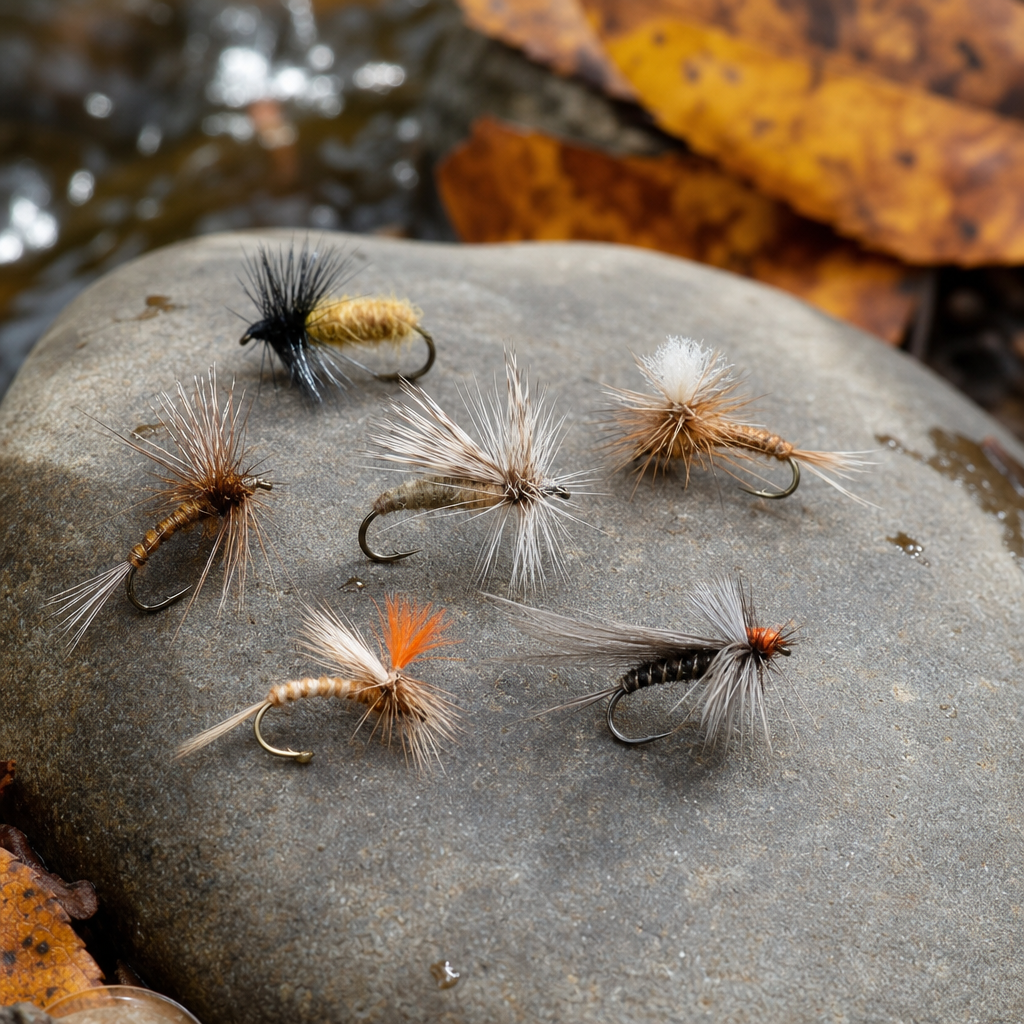
Top fall flies for lakes include black and olive Woolly Buggers, leeches in maroon or dark brown, baitfish imitations such as Clouser-style minnows, zonkers, balanced leeches, chironomid pupa in red and black, hare’s ear nymphs, scuds in gray or olive, and blobs or attractor patterns where fishery culture supports them. Color choice is often simple: dark silhouettes under cloud cover, natural olive or gray in clear water, and brighter accents when visibility is poor. Size matters more than many anglers admit. If trout are on juvenile perch or sticklebacks, a fly in the two-to-three-inch range often outfishes oversized streamers.
Techniques That Consistently Work
Strip-retrieve fishing is the headline method in fall, but the best anglers vary cadence with purpose. Start with six-inch strips and a one-second pause. If follows do not convert, shorten the strip or extend the pause. In cold mornings, a slow hand-twist retrieve can be deadly with leeches and nymphs because it keeps the fly moving without lifting it out of the zone. When fish chase but refuse, adding a stop often triggers a take as the fly appears injured. Conversely, when browns are actively hunting baitfish, two sharp strips followed by slack can imitate panic and produce violent strikes.
Indicators remain highly effective through autumn, especially over shoals, along weed edges, and during stable weather when fish suspend. Balanced leeches and chironomids hang horizontally and stay visible to trout. The key is setting depth with precision and resisting the urge to move the fly too much. Small waves create enough motion on their own. I often begin a foot above the weed tops or a foot off bottom over clean substrate, then adjust in six-inch increments. If your indicator drags or stalls, let it. Natural movement from wind lanes often outperforms forced animation.
Bank anglers should not assume boats always have the advantage. In many lakes, autumn trout push within a rod length of shore, especially along points and windblown corners. A stealthy approach matters. Keep a low profile, avoid crunching the bank, and begin by covering the near water before firing long casts. From watercraft, use a drogue or anchor system to control speed rather than constantly kicking or rowing over fish. Electronics can help locate bait and depth contours, but they do not replace observation. Watch for swirls, fleeing minnows, and birds working the same bank; those clues regularly beat sonar.
Weather, Timing, and Seasonal Strategy
The best time of day in fall depends on water temperature and light. Early and late remain reliable, yet overcast afternoons with wind can be outstanding because they extend shallow feeding periods. After a hard frost, the morning bite may lag until the sun warms the upper layer slightly. During pre-storm conditions with dropping pressure, fish often feed aggressively. Immediately after a severe front, they may become selective or move deeper. Rather than leaving, switch to a slower method and a more exact depth. Some of my best post-front sessions have come by fishing a balanced leech almost motionless over a breakline.
Turnover is often misunderstood. Anglers blame it for every slow autumn day, but many lakes fish well before, during, and after mixing. True turnover can scatter fish temporarily and spread food throughout the water column, reducing concentration. The answer is not to abandon the lake; it is to search efficiently. Cover shoreline structure, monitor water clarity and smell, and test multiple depths quickly with an intermediate line before committing. Once a pattern appears, repeat it around similar features. Lakes do not become unfishable in turnover. They simply demand more systematic location work.
As a hub for fall fly fishing, the main principle is to build your approach around conditions: cooling water, concentrated food, and trout willing to move if you present at the right depth. Prioritize windblown structure, fish proven transitions between shallow and deep water, carry lines that cover the full column, and let forage dictate fly size. Use streamers when trout are hunting, indicators when they are holding, and slow retrieves when cold fronts suppress movement. Keep notes on temperature, wind angle, and productive banks. If you want better fall lake results, pick one lake this season, track its changes week by week, and fish it with intention.
Frequently Asked Questions
When does fall fly fishing really begin on lakes, and why does it improve trout fishing?
On lakes, fall fly fishing usually begins when shorter days and colder nights start dropping surface temperatures in a meaningful way. It is less about the calendar date and more about what the water is doing. As summer heat fades, surface water cools, oxygen levels become more consistent through a larger portion of the water column, and trout that were previously pushed deep or left sluggish by warm conditions become more active and accessible. That shift often creates some of the most dependable fishing of the year because trout can feed comfortably over a wider range of depths and are no longer forced into narrow temperature bands.
In practical terms, many anglers notice the transition when fish begin showing in shallower zones, along weed edges, near shoals, drop-offs, inflows, and cruising lanes close to structure. Baitfish, aquatic insects, and other forage also become more concentrated or more vulnerable during this period, which gives trout clear feeding opportunities. Instead of the scattered, difficult summer pattern where fish may suspend unpredictably or hug deep water, fall often brings a more readable setup. If you pay attention to overnight lows, water temperatures, wind direction, and visible signs of life such as bait movement or surface activity, you can usually recognize the start of the fall pattern before peak fishing arrives.
Where should I look for trout in lakes during the fall?
In fall, trout are often easier to locate because they relate more consistently to food, comfortable water, and travel routes. Start by focusing on transitional areas rather than random open water. Productive spots commonly include weed edges, shallow flats adjacent to deeper basins, points, submerged humps, shoal drop-offs, creek mouths, and shorelines that receive wind. These areas funnel food and create natural feeding lanes. Wind is especially important because it pushes surface food, stirs up nymphs and leeches, and can concentrate baitfish against structure. A shoreline that looks ordinary on a calm day can become a prime feeding zone after several hours of steady wind.
Depth is still important, but in fall the fish are often more willing to move vertically and horizontally to feed. Early and late in the day, trout may cruise very shallow water, especially where there is a gentle drop nearby. As the sun gets higher, they may slide just off the edge into slightly deeper water while remaining close to the same feeding area. If you are fishing from shore, prioritize access to drop-offs, points, and weed transitions. If you are fishing from a boat or float tube, work methodically from shallow shelves into deeper edges until you identify where fish are holding. The key is not to assume all fall trout are shallow all the time. Instead, think in terms of connected feeding zones: shallow flats for active feeding, nearby edges for security, and wind-driven structure for concentrated forage.
What fly patterns work best for fall lake fishing, and how should I choose between them?
Fall lake fishing is usually at its best when you match your fly choices to the dominant food sources and the fish’s activity level. In many lakes, that means carrying a balanced selection of baitfish patterns, leeches, damselfly nymphs, chironomids, scuds, and general searching patterns such as woolly buggers. Baitfish imitations become especially important when trout are keyed in on minnows or young-of-the-year forage moving along shoals and edges. Olive, black, white, gray, and natural two-tone streamers are reliable starting colors. Leeches remain consistent producers because they are available in many lakes year-round and are easy calories for trout. Chironomids and other subsurface insect patterns are also effective during stable conditions when fish are feeding more deliberately rather than chasing.
The best way to choose is to let the lake tell you what is happening. If you see chasing fish, nervous bait, or sudden boils, start with streamers or other mobile patterns that imitate fleeing forage. If fish are rolling softly, cruising slowly, or showing little interest in a fast retrieve, try a leech, nymph, or chironomid under a more controlled presentation. When you are unsure, use a searching approach: begin with a versatile fly such as a woolly bugger or balanced leech, cover water, and adjust based on any follows, grabs, or visible fish behavior. Fall trout can be aggressive, but they are still selective enough that profile, depth, and retrieve often matter more than constantly changing flies. A few confidence patterns presented at the right level usually outfish an oversized fly box with no clear plan.
What are the best retrieves and presentations for fly fishing lakes in the fall?
Fall trout often respond well to movement, but the most effective retrieve is the one that matches water temperature, forage behavior, and fish mood on that particular day. A common mistake is retrieving everything too quickly just because fish are more active than they were in summer. Sometimes an active strip works perfectly, especially with baitfish patterns along windy shorelines or over shoals. At other times, a slow hand-twist, short pull-and-pause, or crawling retrieve with a leech or nymph is far more convincing. The pause is often critical because many strikes happen when the fly hesitates, drops slightly, or appears vulnerable.
Depth control is every bit as important as retrieve speed. Count your fly down, use intermediate or sink-tip lines when needed, and make repeated casts at different levels before leaving a spot. If fish are cruising a weed edge in six feet of water, being one or two feet too high or too low can be the difference between follows and solid takes. Presentation angles also matter. Rather than always casting straight out, try working parallel to shorelines, across drop-offs, or diagonally along weed lines to keep the fly in productive water longer. In choppy fall conditions, let wave action help your presentation by creating natural motion. If you are fishing static or under an indicator with chironomids or balanced flies, keep your setup precise and your depth adjusted frequently. Fall fish can move, but once you dial in their level and speed preference, the pattern often becomes repeatable.
What gear and tactics help the most for successful fall fly fishing on lakes?
A practical fall lake setup should help you cover changing depths and presentations efficiently. A 5- or 6-weight rod handles most trout situations well, especially if you are fishing streamers, leeches, and larger subsurface flies in wind. Bring multiple line options if possible. A floating line is useful for indicators, shallow presentations, and calm conditions, while an intermediate line is one of the most versatile tools for fall because it keeps flies in the zone without dropping too quickly. Depending on lake depth and fish location, a sink-tip or full-sinking line can also be valuable for probing edges and deeper feeding lanes. Leaders do not need to be overly complicated, but they should match the technique. Longer leaders help with clear water and suspended presentations, while shorter, more direct leaders often improve control with streamers on sinking lines.
Tactically, the biggest advantages come from observation and adjustment. Start by checking wind exposure, visible forage, bird activity, water clarity, and any signs of surface movement. Fish likely structure first, then expand outward if needed. Cover water with intention instead of casting randomly. If you get follows but no takes, change retrieve or depth before changing locations. If you contact fish in one area, slow down and thoroughly work the zone because fall trout often group around feeding opportunities. Dress for rapidly changing weather, keep polarized glasses on to spot cruising fish and structure, and be prepared for the best activity windows to shift with light, wind, and overnight cooling. Fall lake fishing rewards anglers who think in patterns rather than luck. When you combine seasonal understanding with good depth control, sensible fly choices, and disciplined observation, your odds improve dramatically.