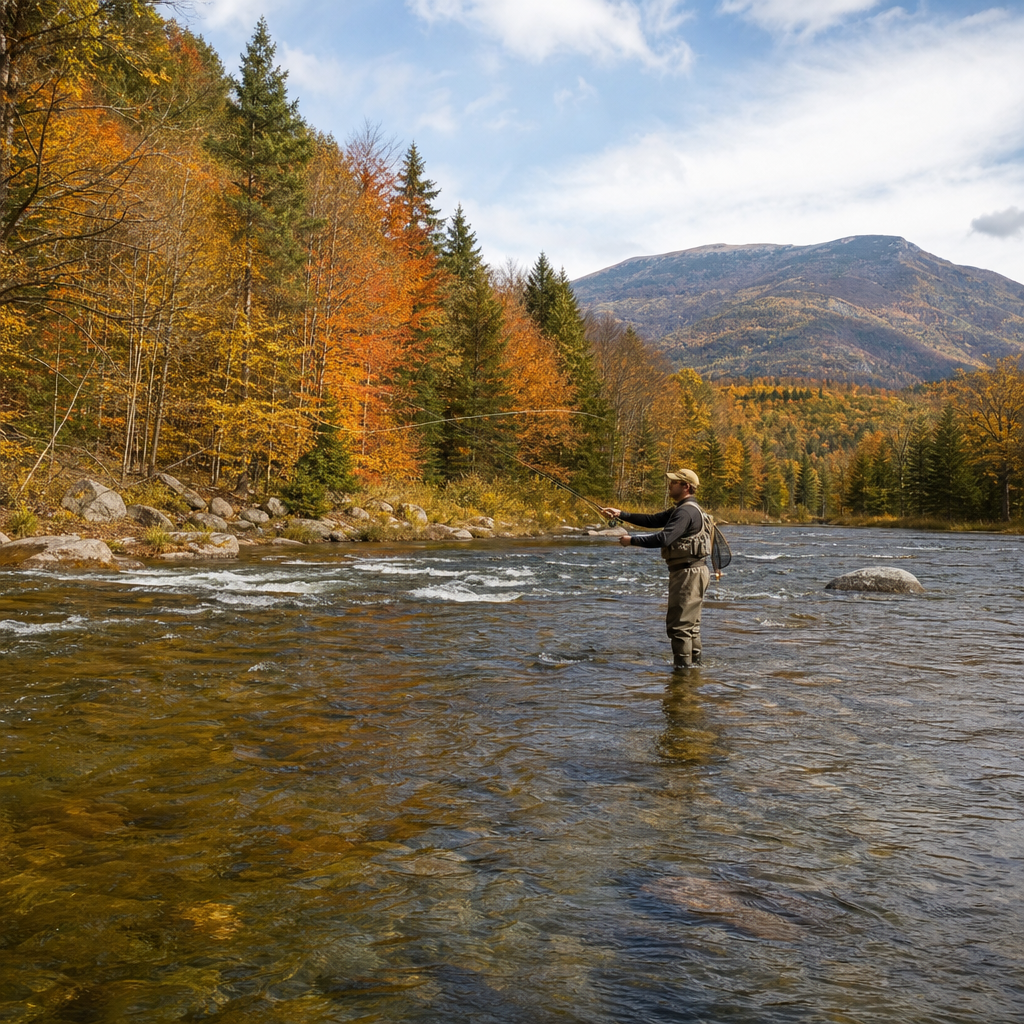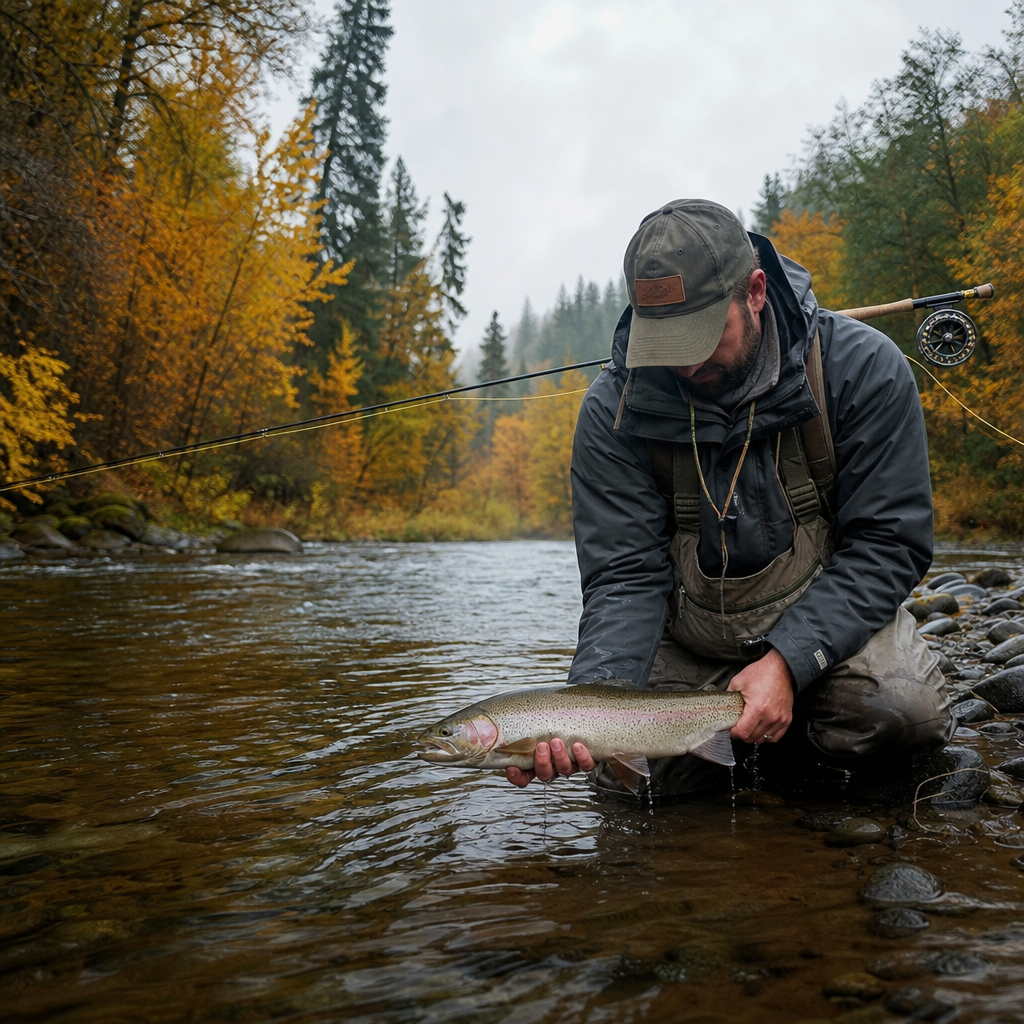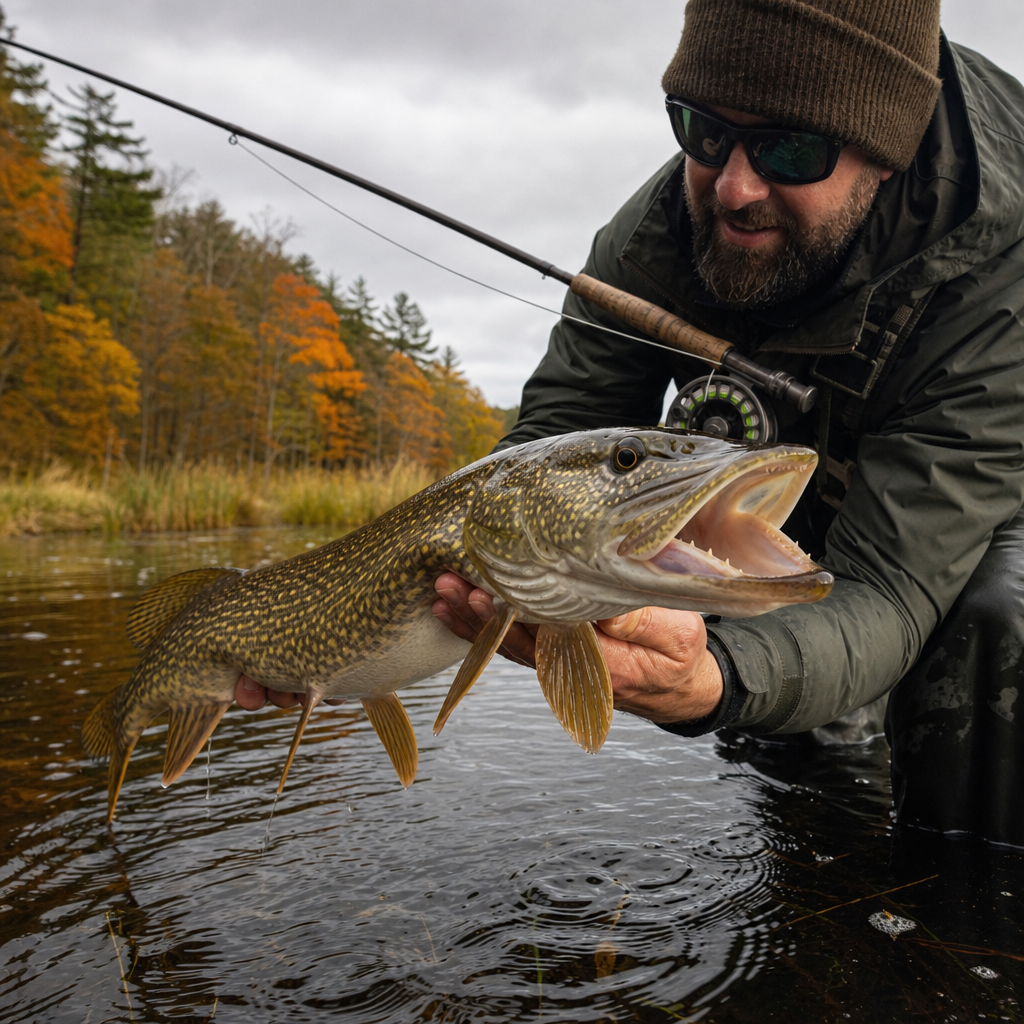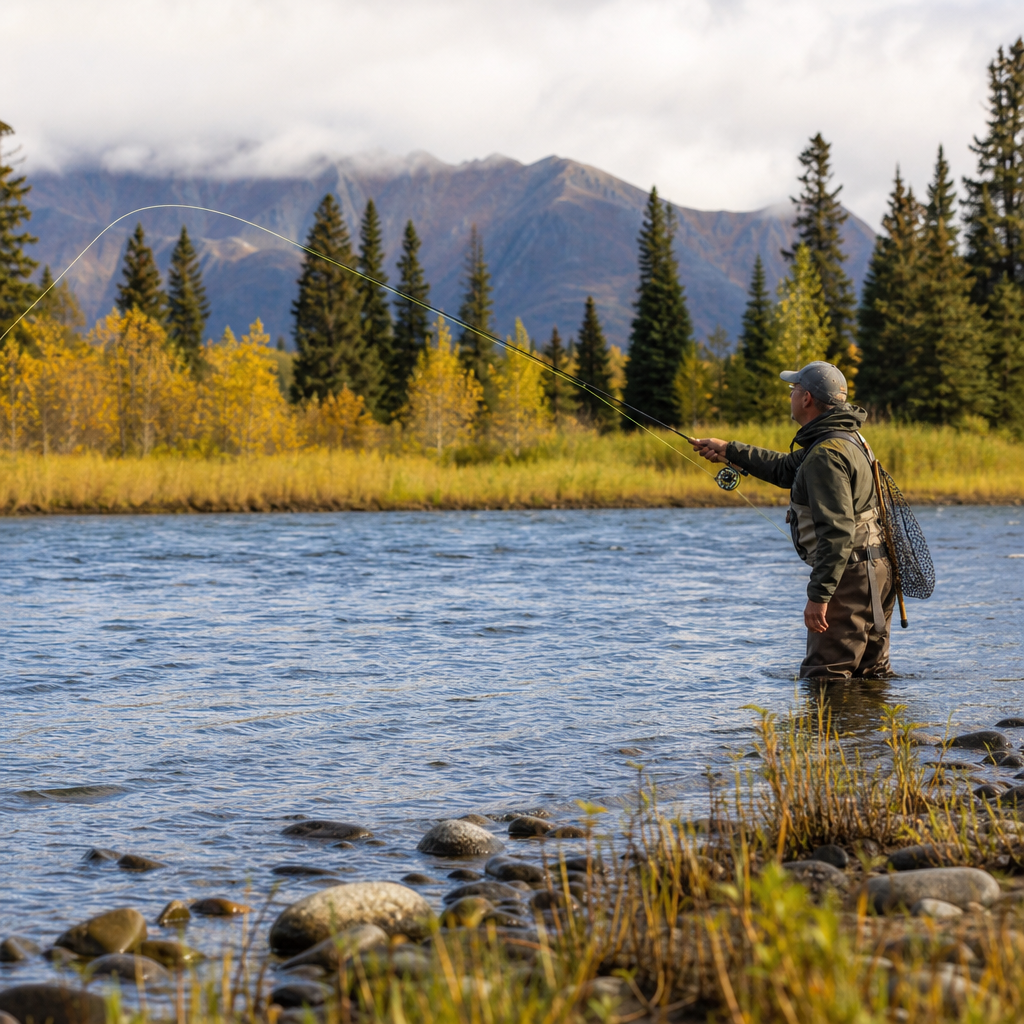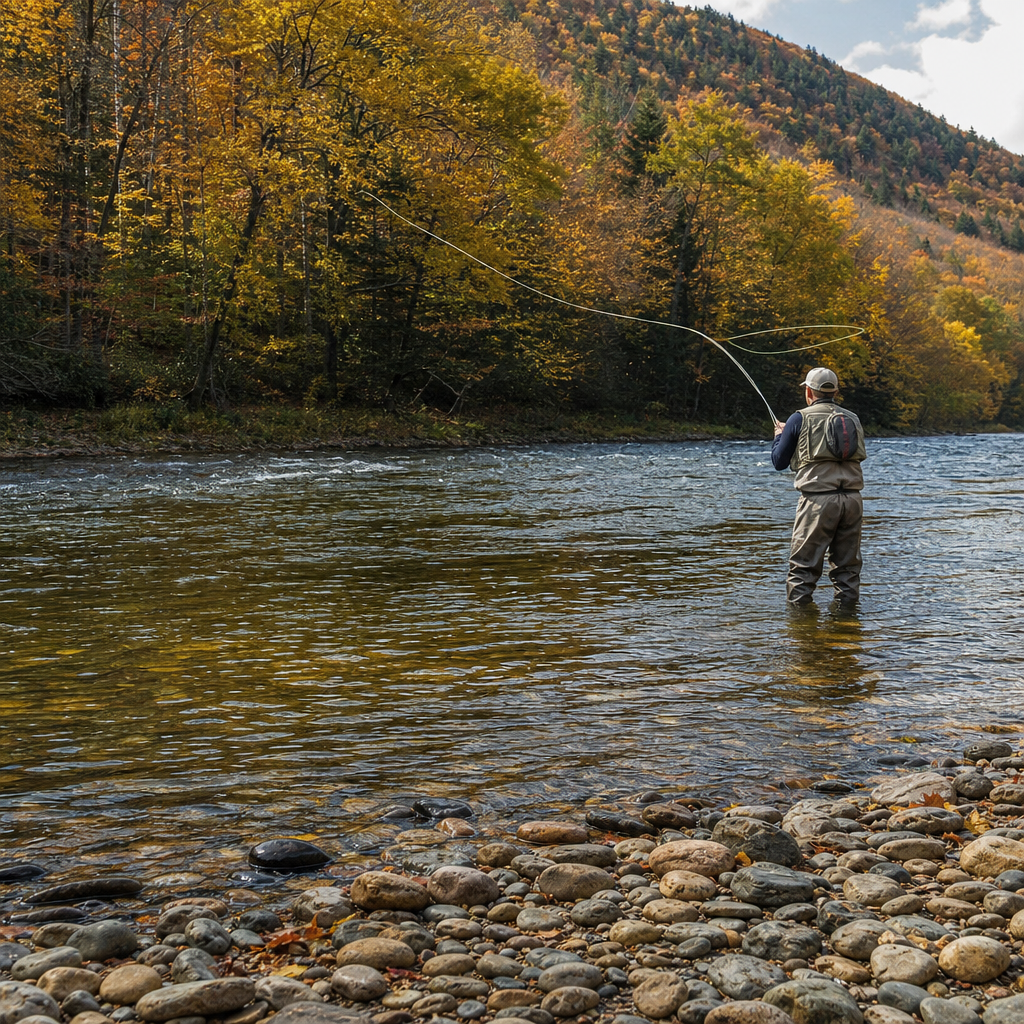
Fly fishing in rivers during fall rewards anglers who understand how cooling water, shortening daylight, and changing insect activity reshape fish behavior. Fall fly fishing refers to the period from late summer transition through pre-winter conditions, when trout, smallmouth, and other river species feed aggressively but shift holding water, daily timing, and preferred flies. I have planned many autumn river days around stream thermometers, hatch notes, and spawning calendars, and the pattern is remarkably consistent: fish become more location-specific, current seams matter more, and presentation errors get punished faster in low, clear water. That is why a dedicated fall fly fishing strategy matters. Anglers who treat October like June usually struggle, while anglers who adapt to seasonal biology often find the year’s most memorable fishing.
In practical terms, fall changes three things at once. First, water temperature drops toward the metabolic sweet spot for many trout streams, often improving feeding windows after the stresses of hot summer afternoons. Second, available food shifts. Terrestrials can still matter on warm days, but midges, Blue-Winged Olives, caddis, October Caddis in some drainages, and baitfish patterns become increasingly important. Third, habitat use tightens. Brown trout stage before spawning, rainbow trout often key on eggs behind spawners later in the season, and resident fish favor depth, cover, and oxygen-rich current. These changes create excellent opportunity, but only if you know where to look and what signals to trust.
This article serves as a hub for fall fly fishing on rivers under the broader seasons and conditions topic. It covers the essential questions anglers ask: when is fall fishing best, what water should you target, which fly patterns belong in a reliable autumn box, and how should you approach ethics around spawning fish? It also connects the tactical dots among dry flies, nymphs, streamers, and wet fly methods so you can build a complete day rather than rely on a single technique. If you want a clear framework for river fishing in autumn, start with water temperature, read the river for seasonal holding water, match the current food sources, and fish with enough precision to handle clearer flows and more educated trout.
When Fall Fly Fishing Is Best on Rivers
The best fall fly fishing usually begins when sustained cool nights bring river temperatures into a productive range, often about 50 to 60 degrees Fahrenheit for trout, though each watershed behaves differently. Freestone rivers react quickly to cold fronts and rain, tailwaters change more gradually, and spring creeks can remain stable even as surrounding hills turn color. In my experience, the strongest days often arrive after the first sequence of cool nights rather than after the first dramatic frost. Fish sense the seasonal transition before anglers do, and feeding intensity can jump as soon as midday water temperatures stabilize.
Time of day matters. Early fall can still fish best from late morning through afternoon because overnight cooling slows insect activity and fish metabolism at dawn. As the season progresses and water gets colder, the productive window may compress into the warmest part of the day, especially on larger rivers. Conversely, during overcast weather with Blue-Winged Olive activity, fish may stay active for hours. Successful anglers carry a thermometer, log temperatures at several times, and compare conditions over multiple trips. That habit reveals whether your river is in a terrestrial carryover phase, a classic autumn hatch phase, or a late-fall streamer and nymph phase.
River level is equally important. Moderate autumn flows often concentrate fish and improve wading access, but very low, clear conditions demand longer leaders, finer tippet, and careful approach angles. After rain, slightly elevated flows can trigger excellent fishing by adding color and pushing fish onto feeding lies near banks, shelves, and inside seams. Muddy water is usually less useful than green or tea-stained water with one to two feet of visibility. Watch USGS gauges, local fly shop reports, and weather forecasts together. A good fall plan is rarely based on one factor alone; it comes from the interaction of temperature, flow trend, light, and seasonal food availability.
How Fish Position in Autumn Water
Fish location is the biggest separator in fall river fly fishing. During summer, trout may spread through riffles, pocket water, shady banks, and oxygen-rich runs. In fall, they often become more selective about holding water that balances security, food delivery, and energy efficiency. On many rivers, that means the heads of pools, medium-depth riffles with broken surface, current seams beside boulders, undercut banks, and transition lanes where faster water spills into softer structure. Brown trout especially begin to show near structure-rich lies adjacent to spawning tributaries or gravel suitable for redds, though responsible anglers should never target fish actively paired on redds.
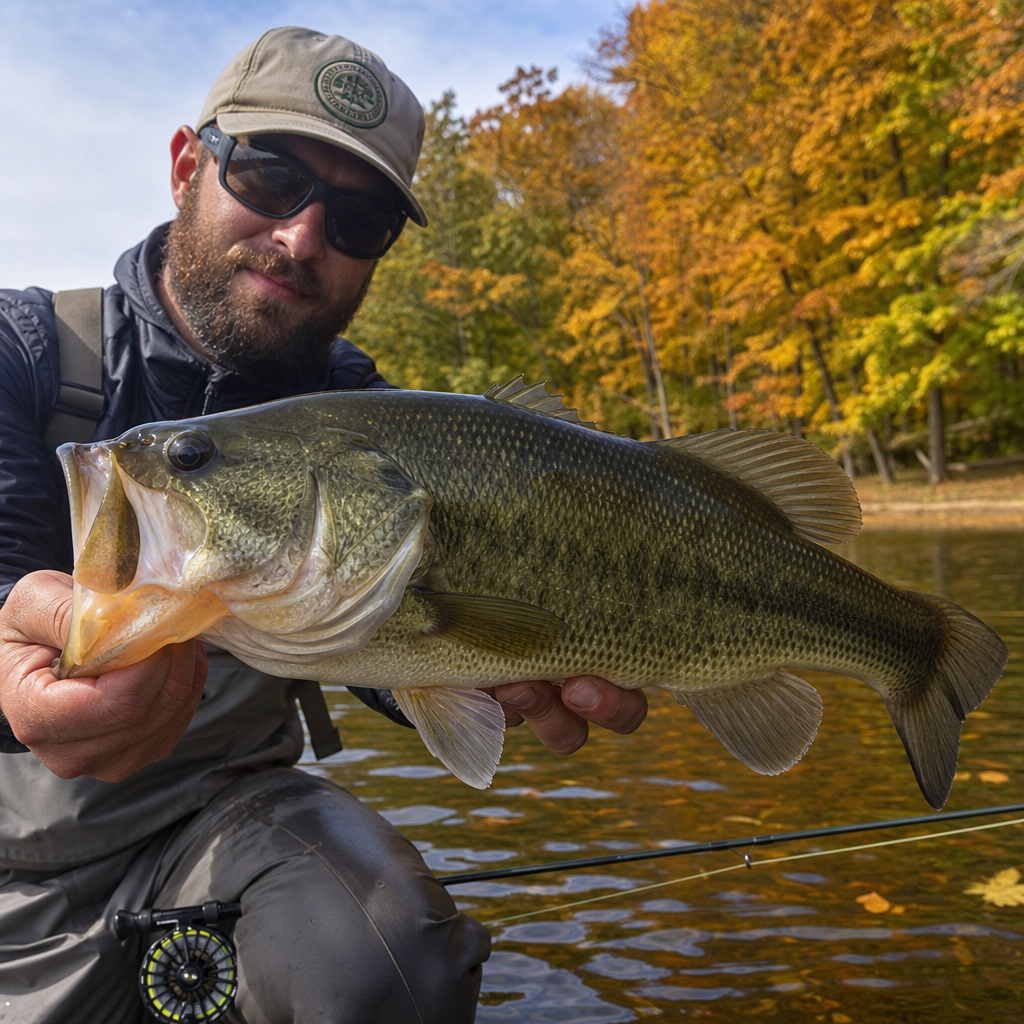
Smallmouth bass in river systems also change in autumn. As water cools, they feed heavily on baitfish and crayfish before wintering in deeper, slower runs and pools. Look for current breaks near ledges, wood, and drop-offs, especially where shallow feeding flats connect to depth. In mixed fisheries, this creates interesting overlap: trout may hold in oxygenated runs above a pool while bass stack lower in the slower gut. Understanding those zones helps you decide whether to dead-drift nymphs, swing soft hackles, or strip streamers through depth transitions instead of covering water randomly.
Clarity increases the importance of stealth. In clear fall rivers, fish often slide off obvious lies after repeated pressure. Approach from downstream when possible, use bank cover, shorten false casting, and wade less. I have seen productive bankside browns stop moving after one unnecessary push through ankle-deep tailout water. If leaves collect in seams, note where clean feeding lanes remain. Fish still need current that delivers food, and even a leaf-choked river usually has narrow, high-value paths where trout can feed efficiently. Fall rewards anglers who read microstructure, not just broad pool and riffle categories.
Core Fly Patterns for Fall Fly Fishing
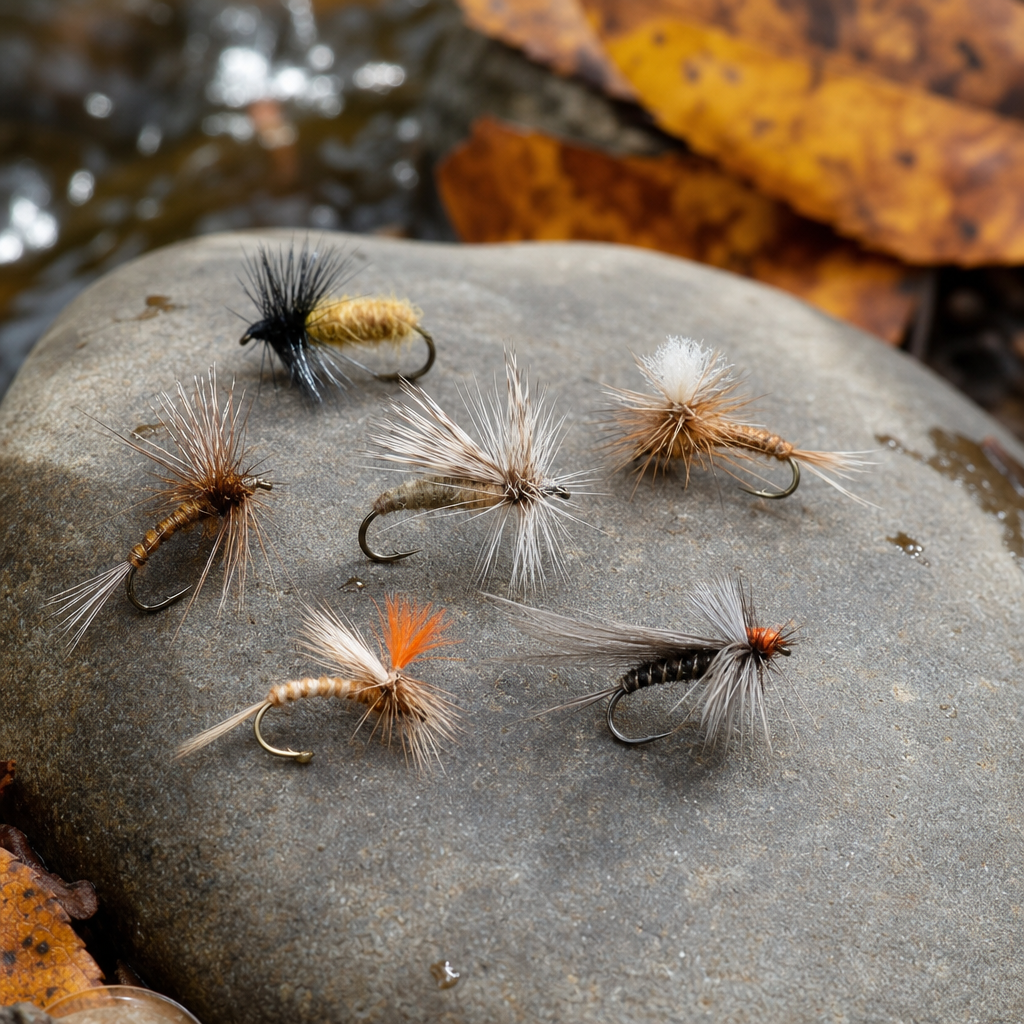
A strong fall fly box covers four food categories: lingering terrestrials, autumn aquatic insects, eggs, and baitfish. For dry-fly fishing, carry parachute Adams, Blue-Winged Olive duns and emergers in sizes 18 to 22, caddis adults in tan and olive, ant and beetle patterns, and region-specific options such as October Caddis in sizes 8 to 12 where that hatch exists. On warm afternoons, hoppers can still produce in early fall, especially on grassy freestones. For subsurface work, pheasant tails, hare’s ears, midge larvae, zebra midges, caddis pupae, perdigons, and soft hackles remain dependable. Do not overcomplicate this category; confidence patterns fished at the right depth consistently outperform a giant box of mismatched ideas.
Egg patterns deserve a careful mention because they are highly effective in fall and late fall, particularly below spawning zones used by trout or salmonids where legal and appropriate. Patterns in pale orange, peach, chartreuse, or washed-out pink can be excellent, but realism matters less than drift and placement. Fish key on dislodged eggs because they are calorie-rich and easy to intercept. That said, ethical use means targeting fish downstream of spawning activity rather than casting to fish on redds. If you see clean, bright gravel with paired fish, step away and protect the future fishery.
Streamers become increasingly important as water cools and browns grow territorial before spawning. Woolly Buggers, Zoo Cougars, Sculpzillas, Muddler-style patterns, articulated baitfish flies, and smaller sculpin imitations all belong in a fall river kit. Black, olive, white, and natural sculpin tones cover most situations; black excels in low light, while olive and white often shine in clear or slightly stained water. Carry weighted and unweighted versions so you can change sink rate without changing silhouette. In my own fall fishing, streamer success comes less from exotic patterns and more from matching water speed, fly depth, and retrieve cadence to the mood of the fish.
Best Tactics: Nymphs, Dries, Wets, and Streamers
Fall fly fishing is not one technique. It is a sequence of adjustments through the day. Many mornings begin with nymphs because cool water suppresses surface activity. A two-fly rig under a tight line or indicator works well: a heavier anchor fly such as a perdigon or tungsten pheasant tail, plus a smaller midge, soft hackle, or caddis pupa. Depth is critical. Add or remove split shot until the flies tick bottom occasionally rather than constantly. In low, glassy runs, however, a long leader with a single lightly weighted nymph can look more natural than a bulky indicator setup.
When insects appear, switch decisively. During Blue-Winged Olive hatches, trout often feed on emergers just under the film rather than on adults. Greased-leader presentations, unweighted soft hackles, or emerger patterns with sparse CDC can outperform high-floating dries. Caddis activity may call for dead drift followed by a short swing at the end, since pupae rise and adults skitter. Wet fly tactics are underused in autumn and can be deadly in riffle-to-run transitions, especially when fish are spread and you want to cover water efficiently without false casting over every lie.
Streamer tactics vary with flow and fish aggression. In warmish early fall water, a faster strip can trigger reaction strikes. Later, as temperatures drop, slower strips, pauses, and broadside swings often draw better follows and eats. Cast across and slightly downstream to let the fly swim naturally, or fish upstream with weighted flies when you need to probe cut banks and pockets. Use stout tippet because large autumn fish strike hard near wood and boulders. If trout follow without eating, change one variable at a time: color, size, sink rate, angle, or retrieve pace. Most refusals are information, not bad luck.
| Condition | Best Starting Tactic | Useful Patterns | Key Adjustment |
|---|---|---|---|
| Low, clear early fall water | Light nymphing or small dries | BWO emerger, ant, zebra midge | Longer leader and stealthy approach |
| Overcast hatch conditions | Emerger or soft hackle swing | BWO emerger, soft hackle, caddis pupa | Fish just below the film |
| Slightly stained rising water | Streamer fishing | Woolly Bugger, sculpin, articulated baitfish | Target banks and current edges |
| Late fall below spawning areas | Nymphing with eggs and small droppers | Egg pattern, pheasant tail, midge | Drift naturally through deeper slots |
Ethics, Gear, and a Repeatable Fall Plan
Ethics matter more in fall than in almost any other river season because spawning behavior can make fish vulnerable. The standard is simple: never target fish actively spawning or visible on redds, avoid wading through clean gravel nests, and focus instead on pre-spawn holding fish or post-spawn feeding fish in legal water. Many state agencies publish seasonal closures, sanctuary boundaries, and tackle restrictions; check them before every trip because regulations vary widely. A good autumn angler protects the resource first and measures success by healthy fish and intact habitat, not by how many easy targets were available.
Gear should match conditions, not fashion. For most trout rivers, a 9-foot 4- to 6-weight covers dries, nymphs, and moderate streamers. Add a sink-tip line or a full intermediate option if your fall program leans heavily on streamers. Leaders should range from 9 to 12 feet in clear water, with 4X to 6X for small flies and 0X to 3X for streamers depending on fish size and cover. Polarized glasses are essential for spotting structure, current seams, and redds you must avoid. A thermometer, hemostats, split shot assortment, floatant, and a compact net round out the practical kit.
A repeatable plan for fall fly fishing in rivers is straightforward. Start by checking flow and temperature trends. On the water, identify seasonal holding structure before tying on a fly. Begin subsurface if the river is cold or lifeless, then transition to hatches when you see bugs or rising fish. Use streamers when light drops, water gains color, or larger fish show predatory behavior. Stay alert for ethical red flags around spawning gravel. The main benefit of mastering fall fly fishing is consistency: you stop guessing and start making informed, seasonal decisions. Build your autumn box, keep notes on temperature and insect activity, and use this hub as the foundation for your next river day.
Frequently Asked Questions
What changes in river fish behavior make fall such a productive time for fly fishing?
Fall is productive because river fish respond strongly to dropping water temperatures, shorter days, and the biological push to feed before winter. As water cools out of summer highs, trout often become more comfortable feeding for longer periods, especially in rivers that were warm and difficult in late summer. Smallmouth and other river species also shift from scattered summer patterns into more predictable holding areas where current delivers food efficiently. In many systems, fish stop hugging only deep, oxygen-rich refuge water and begin using riffle edges, tailouts, seams, buckets, mid-river ledges, and softer runs more consistently.
Food sources also change in ways that help anglers. Terrestrials may still matter during the early part of fall, but aquatic insects become increasingly important in many rivers, including blue-winged olives, caddis, midges, October caddis in some regions, and various nymphal forms that remain available even when surface activity is sparse. Add in baitfish movement, egg availability near spawning activity, and crayfish for species like smallmouth, and fall becomes a season of overlapping food options. Fish often feed with purpose, but they do not feed exactly like they did in spring or summer. They may shift their best windows later in the morning as overnight temperatures drop, then feed hard during the warmest and most stable part of the day.
The key advantage for anglers is that fall fish are often concentrated and catchable if you match your strategy to conditions. Instead of covering water randomly, you can focus on temperature trends, current speed, depth changes, and seasonal food forms. When you combine those pieces, fall offers some of the most consistent opportunities of the year for anglers who pay attention to how the river is transitioning toward winter.
Where should I look for trout and other river species in the fall?
In fall, location matters more than habit. Fish rarely use the exact same water all season, and successful anglers adjust as flows, temperatures, and daylight shift. Trout commonly move into lies that offer a balance of current, depth, and energy efficiency. Productive places include the heads of pools where oxygen and drifting food concentrate, soft seams beside heavier current, riffle-to-run transitions, gravelly tailouts during active feeding periods, and deeper slots adjacent to faster water where fish can slide a short distance to intercept nymphs or emergers. On cooler afternoons, trout may push shallower than many anglers expect, especially when insect activity increases.
For smallmouth bass in rivers, early fall can still mean feeding along current breaks, boulder gardens, undercut banks, and shallow rocky flats during warming periods. As temperatures continue to drop, many fish slide toward wintering structure such as deeper runs, ledges, slower pools, and current-protected pockets near feeding lanes. The same general principle applies to many species: fish want access to food without wasting energy. That usually means you should look for moderate current near depth, not just the deepest hole in the river.
One of the smartest ways to break down a fall river is to think in terms of mobility and timing. Early in the day, fish may hold deeper and slower, especially after a cold night. As the sun gets on the water and temperatures stabilize, they may move into feeding lies with better drift exposure. If you are not seeing activity, work methodically from depth toward transitional water rather than abandoning a good stretch too quickly. Fall fish often stack in very specific lanes, and once you identify the right speed and depth, that pattern can repeat throughout the river.
What are the best fly patterns for river fishing in the fall?
The best fall patterns usually fall into a few dependable categories: nymphs, streamers, small dry flies, terrestrials during the early transition, and specialty patterns tied to local seasonal events. If you want one broad rule, start subsurface and let the river tell you when to move up. Nymphs are often the most reliable producers because fish continue to feed on immature aquatic insects whether or not you see a hatch. Pheasant tails, hare’s ears, perdigons, prince nymphs, caddis larvae, stonefly nymphs, and midge or baetis imitations all deserve space in a fall box. Size and profile matter, and many anglers do especially well by scaling down when water clears and insect activity shifts toward smaller mayflies and midges.
Dry-fly opportunities can still be excellent, but they are often more condition-specific than in peak summer. Blue-winged olive patterns, parachute mayflies, caddis dries, and small attractors can work when weather turns overcast or damp and insects begin to move. In some waters, larger seasonal insects such as October caddis create brief but memorable windows. During early fall, hoppers, ants, and beetles can remain effective along grassy banks and under cut edges, especially on warm afternoons.
Streamers are a major part of fall strategy because many fish become more aggressive and willing to chase larger food items. Sculpin patterns, leeches, baitfish imitations, and articulated streamers can draw strikes from bigger trout and from predatory species like smallmouth. Color choice depends on water clarity and forage, but olive, black, white, tan, and natural baitfish tones are consistently useful. If spawning activity is present on your river, egg patterns may also become important in the right place and at the right time, though they should be used ethically and with awareness of local regulations and fish welfare. A good fall fly selection is less about carrying everything and more about covering these seasonal food categories with confidence.
What is the best way to adjust presentation and daily timing during fall river fishing?
In fall, timing and presentation often separate average days from excellent ones. Because nights are longer and colder, many rivers start the morning cooler than fish prefer for active feeding. That means the best action frequently begins later than it did in summer, often from late morning into midafternoon once water temperatures stabilize. A stream thermometer is one of the most useful tools you can carry because even small temperature changes can influence where fish hold and how aggressively they feed. On very cold mornings, it often pays to fish deeper and slower first, then shift tactics as the day warms.
Presentation should match both the fish’s mood and the river’s pace. For nymphing, getting flies to the correct depth is critical. In fall, fish commonly hold near the bottom in defined feeding lanes, so dead-drift quality matters more than constant fly changes. Adjust split shot, leader length, indicator placement, and angle of approach until the flies travel naturally at fish level. If you are fishing streamers, vary the retrieve rather than locking into one speed. Some days a slow swing or short strip near the bottom works best; other days fish respond to sharper, more erratic movement that suggests a fleeing baitfish.
Dry-fly timing can be compact in fall, which makes observation especially important. Watch for subtle rises, emerging insects in soft water, or birds keying on hatches. Overcast weather often improves daytime insect activity, while bright conditions may compress surface feeding into specific pockets or shorter windows. The anglers who do best in autumn usually do not force one method all day. They begin with a temperature- and depth-conscious plan, then transition as the river shows more life. Staying flexible is one of the strongest fall strategies you can develop.
How should I handle spawning activity, low clear water, and other common fall challenges?
Fall brings some of the year’s best fishing, but it also demands more judgment. Spawning activity is one of the biggest considerations, especially on trout rivers. If fish are actively on redds, avoid targeting them and do not wade through clean, shallow gravel beds where eggs may be deposited. Instead, focus on deeper holding water downstream or nearby travel lanes where non-spawning fish may be feeding. Ethical angling in fall protects the fishery and usually leads to better fishing anyway, because fish locked into spawning behavior are not always the healthiest or most sporting targets.
Low, clear water is another classic autumn challenge. Fish can become selective and wary, particularly in heavily pressured rivers. Longer leaders, finer tippet where appropriate, smaller flies, muted clothing, careful wading, and longer casts can all help. Approach from downstream when practical, keep a low profile, and avoid throwing unnecessary false casts over the fish. In clear conditions, subtle changes often matter more than dramatic ones. Sometimes moving one fly size smaller, reducing split shot, or changing your angle for a cleaner drift is enough to turn refusals into eats.
Fall weather can also change quickly, and those changes affect river behavior. A cold front may slow fish temporarily, while a slight bump in flow from rain can improve streamer fishing and reduce fish wariness. Leaf fall can interfere with drifts, especially in soft seams and eddies, so check your fly often. Above all, let conditions guide your decisions. The most consistent autumn anglers combine observation, ethics, and adaptability. They know when to fish deeper, when to wait for the warmest part of the day, when to switch from nymphs to streamers, and when to leave vulnerable spawning fish alone. That blend of strategy and restraint is what makes fall river fly fishing both effective and rewarding.