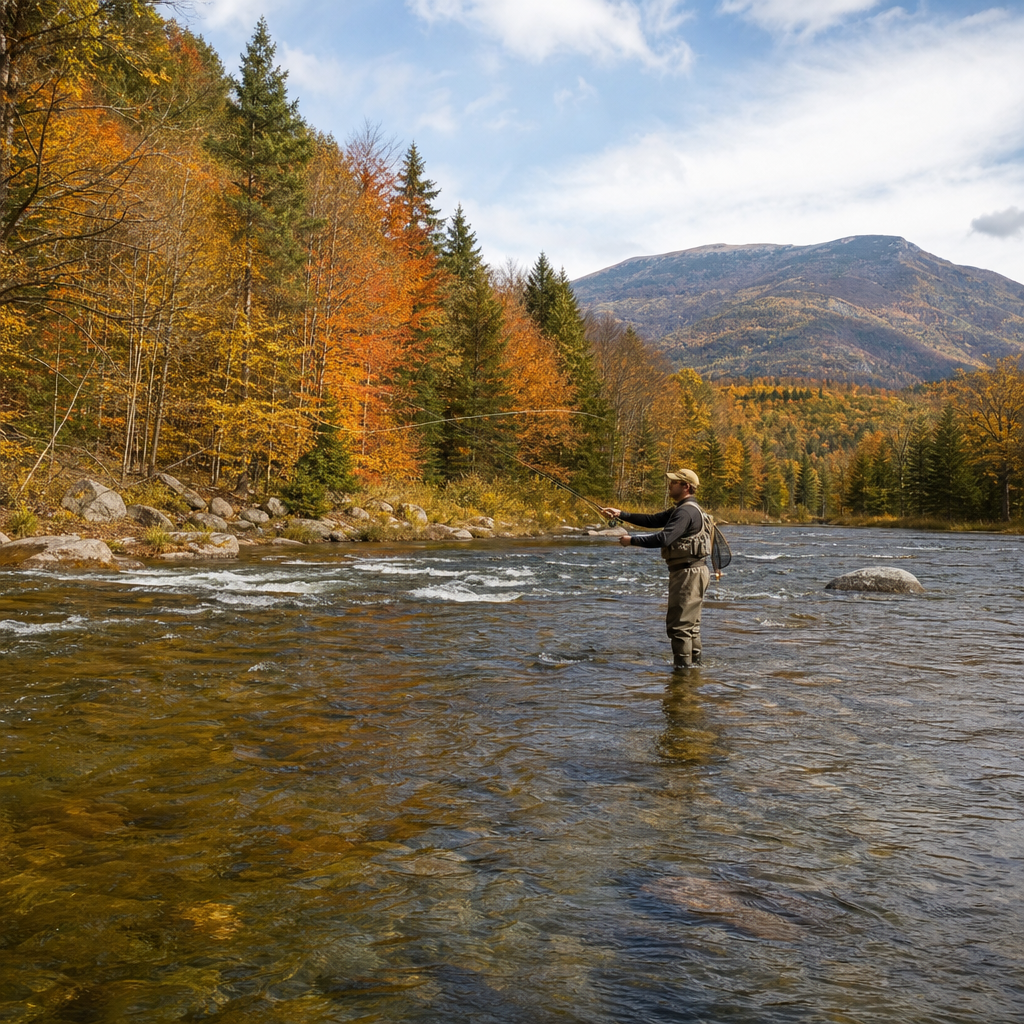
Fly fishing in humid conditions demands a different playbook than cold, crisp days because heat, moisture, and unstable air change fish behavior, insect activity, angler comfort, and even tackle performance. Humidity, in practical terms, is the amount of water vapor in the air, and for anglers the important distinction is not just relative humidity on a weather app, but how that moisture combines with temperature, barometric shifts, cloud cover, and wind to shape a river, lake, marsh, or tailwater over the course of a day. I have fished summer trout streams that looked lifeless at noon, only to erupt with feeding fish when a humid thunderhead dimmed the light, and I have watched bass and carp turn active in muggy shallows where dissolved oxygen should have pushed them deeper. That contrast is exactly why this topic matters. If you understand how humid conditions affect oxygen levels, water temperature, hatches, visibility, leader design, wading safety, and timing, you can turn difficult weather into a predictable advantage. This page serves as a hub for weather conditions within seasonal fly fishing, connecting the core decisions every angler must make when moisture-heavy air settles in and normal assumptions stop working.
The biggest mistake anglers make in humid weather is treating it as a comfort issue instead of a fishery variable. Muggy conditions alter evaporation rates, suppress overnight cooling, increase the chance of convective storms, and often coincide with summer flows, algae growth, and selective feeding windows. On trout water, high humidity often means warmer mornings and narrower safe handling windows. On warmwater fisheries, it can mean stronger dawn activity, terrestrials dropping from streamside vegetation, and explosive topwater periods before storms. In salt marshes and backwaters, humidity often arrives with low wind and haze that reduce glare in one direction while making sight-fishing harder in another. Good strategy starts by defining the conditions clearly: humid, hot, overcast, post-rain, storm-building, or steam-after-rain all fish differently. Once you sort those patterns, success becomes a matter of timing, fly choice, depth control, and safe decision-making rather than luck. The sections below break down the weather variables that matter most and show how to fish them with precision.
How Humidity Changes Fish Behavior and Water Conditions
Humidity does not act on fish directly as much as it changes the environment around them. The most important link is temperature. When humid air settles in, nighttime cooling usually weakens, which means water starts the morning warmer than expected. I pay close attention to that on freestone trout streams in July and August because a river that should have been 58 degrees at dawn can already be 63 or 64 after a muggy night. That matters because trout metabolism increases with temperature while dissolved oxygen drops, creating a tighter energy budget. Fish still feed, but they do it in shorter, more efficient windows, usually early, late, or during brief cloud cover. In contrast, bass, panfish, carp, and many warmwater species often remain active because their tolerance for warm water is higher and humid weather can concentrate food near weed edges, banks, and surface films.
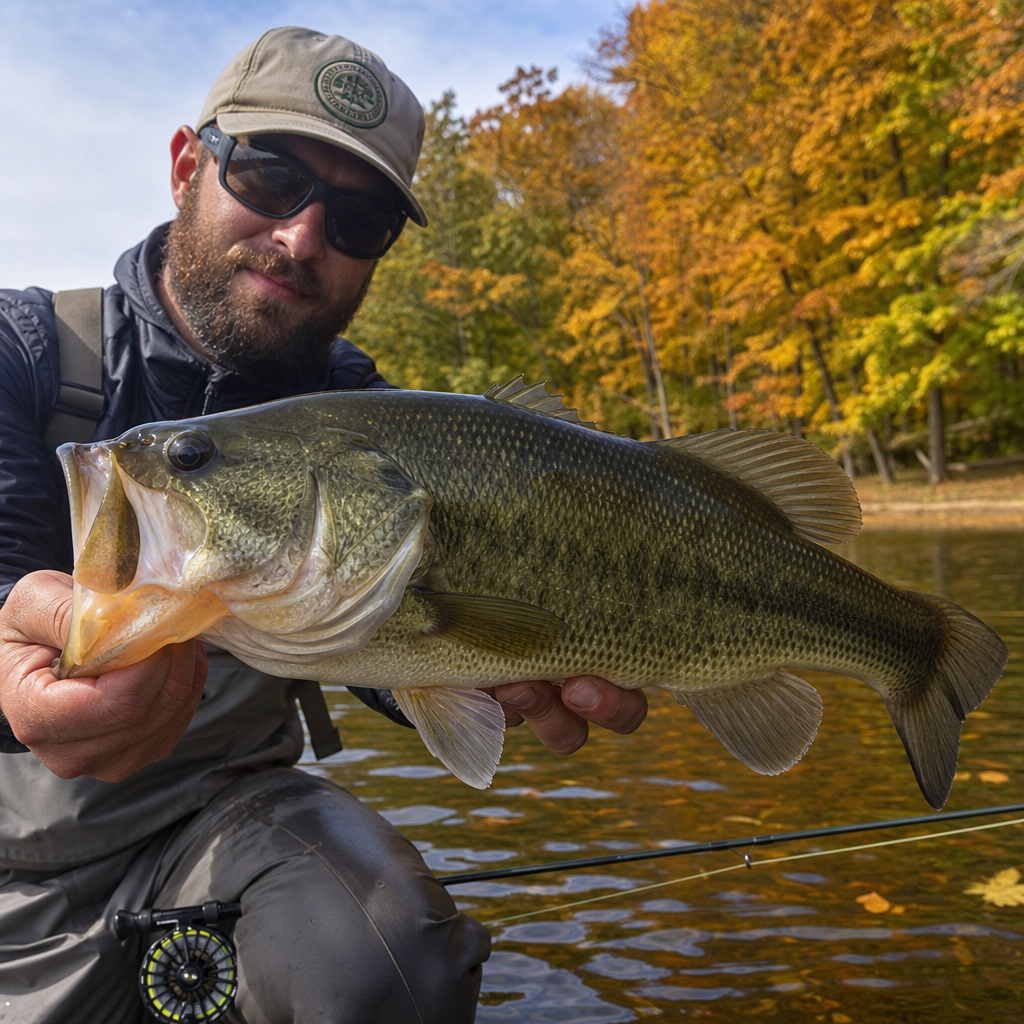
Humidity also amplifies the effects of incoming weather. Falling pressure, heavy air, and building clouds often trigger pre-storm feeding. On many rivers, I have seen trout slide from deeper slots into softer seams just before rain, especially when wind starts knocking beetles, ants, and hoppers into the water. In lakes and ponds, bluegill and largemouth frequently move shallower under humid cloud cover because bright light is reduced and surface prey becomes more available. However, there is a limit. When water becomes too warm, especially above roughly 68 degrees for trout, ethical considerations outweigh opportunity. At that point, the right strategy is often to switch species, move to colder tailwater sections, fish spring creeks early, or stop entirely. Humid conditions reward anglers who read both air and water together, not those who rely on a single forecast number.
Best Times to Fish in Humid Weather
The best time to fly fish in humid conditions is usually the first and last light periods, but that answer needs refinement to be useful. Early morning is productive because water temperatures are lowest, oxygen is relatively higher, and fish have not yet been pressured by bright overhead light. On trout streams, the prime window may be from first light until about 9 a.m. during midsummer humidity. On bass ponds, I often see the strongest surface action from dawn through the first hour of sun, especially when the previous night stayed warm and insects remained active. Evening can be even better because humidity often pairs with lower light, spinner falls, caddis activity, and terrestrial movement along grassy banks. If storms are forecast, the hour before they arrive can be exceptional, though only if you can monitor lightning risk and leave early.
Midday is not automatically poor, but it requires a different approach. Cloudy, humid afternoons can produce excellent fishing if they reduce glare and extend feeding periods. Tailwaters with stable cold releases may fish well all day, and warmwater species often use cover aggressively at noon if a storm front is building. Still, timing should be tied to measurements, not assumptions. Carry a stream thermometer and check temperatures at multiple times, especially in low summer flows. A river can warm several degrees between 8 a.m. and noon, and that shift should dictate whether you fish dries, nymph deeper, or move. For many anglers, the most reliable humid-weather schedule is split sessions: fish dawn hard, rest during the hottest period, then return for the evening hatch or pre-storm window. That schedule protects fish, preserves your energy, and aligns your effort with the hours when humidity helps rather than hurts.
Fly Selection, Presentation, and Rigging Adjustments
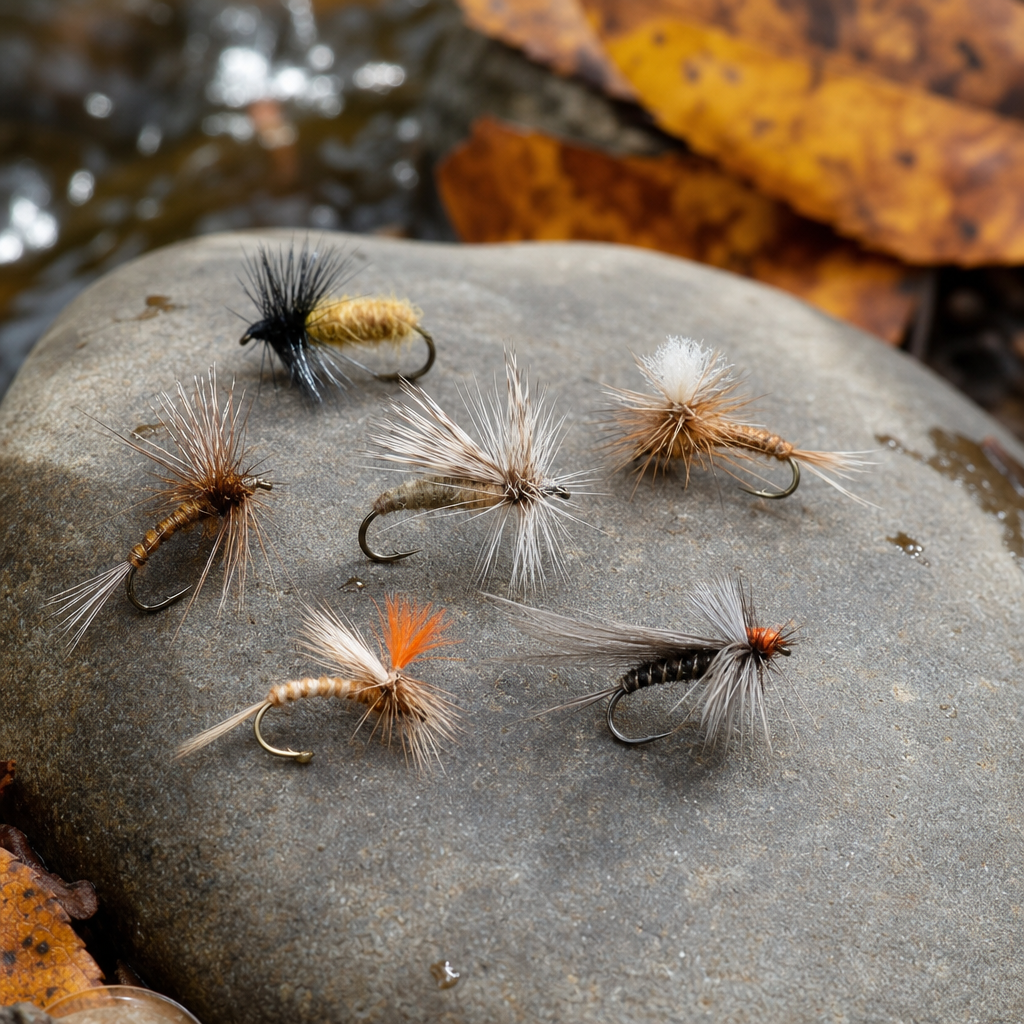
Humid conditions tend to increase the importance of natural food sources that fall, drift, skate, or emerge in brief bursts. That is why terrestrial flies are often central on muggy days. Beetles, ants, hoppers, and inchworm patterns become especially effective along grassy cutbanks, under overhanging trees, and beside brushy summer water. I fish them tight to structure with deliberate drifts because humid air often arrives with just enough breeze to dislodge land insects. For trout, a small black ant in sizes 16 to 20 can save a slow afternoon when mayflies are absent. For bluegill and bass, foam beetles, small poppers, and deer-hair bugs excel around lily edges and shaded banks. If the water is humid and overcast before rain, soft-hackle wets and emergers also deserve attention because many insects struggle in surface film conditions and fish key on vulnerable ascending bugs rather than fully emerged adults.
Rigging should match lower clarity, altered current lanes, and selective feeding depth. In muggy summer streams, I often shorten leaders slightly when fishing terrestrials or attractor dries under tree cover because turnover matters more than delicacy at close range. For nymphing, split-shot placement and tag-dropper design become critical if fish slide into oxygen-rich riffles or shaded slots. Warmwater anglers should not overlook unweighted streamers or lightly weighted baitfish patterns fished slowly around submerged grass; humid weather often keeps prey near the upper water column longer than bright, dry heat does. Line care matters too. Fly lines can feel tackier in humid heat, and leaders may coil less but collect more grime. Clean your line, degrease the final section when fishing emergers, and check knots often. Moisture, sunscreen, and repeated fly changes can weaken tippet faster than many anglers realize.
| Humid Weather Scenario | Likely Fish Response | Recommended Fly | Best Presentation |
|---|---|---|---|
| Hot, muggy dawn on trout stream | Short feeding window in riffles and seams | Small nymphs, ants, caddis emergers | Dead drift fast water before sun hits |
| Overcast, humid afternoon with breeze | Terrestrial feeding along banks | Foam beetles, hoppers, black ants | Tight bank casts with drag-free drift |
| Pre-storm warmwater pond | Bass and bluegill move shallow | Poppers, deer-hair bugs, baitfish streamers | Slow strips and surface pauses near cover |
| Humid evening on tailwater | Extended hatch and rising fish | Emergers, soft hackles, spinner patterns | Down-and-across swing or fine dead drift |
Reading Water, Insects, and Light Under Muggy Skies
Humid weather changes where you should look first. On trout rivers, start with oxygen-rich water: riffles, pocket water, heads of pools, shaded undercuts, and confluences where tributaries add cooler flow. During muggy stretches, fish often abandon slower exposed flats earlier in the day than they would under dry conditions. On stillwaters, focus on shade lines, reed edges, inflows, and areas with vegetation that hold forage but still offer some circulation. I have had consistent success on humid afternoons by ignoring pretty open water and concentrating on narrow transitions: shadow to sun, current to slack, gravel to weed, warm surface to cooler seep. Those boundaries condense feeding opportunities because prey gets trapped there while predators conserve energy.
Insect behavior also shifts in useful ways. High humidity can lengthen the time insects spend on the surface or in the film, particularly caddis and small terrestrials. It can also precede thunderstorms that stimulate ant falls and dislodge beetles. Watch for swallows, subtle dimples, and the occasional slashy rise rather than waiting for textbook dry-fly rings. Light matters just as much. Muggy haze softens direct sun, but it can flatten contrast on the water, making fish harder to spot even when they are more willing to feed. Polarized glasses with copper or amber lenses often help in these conditions, though gray lenses are better in bright open water. If visibility drops, shift from pure sight-fishing to target-fishing structure. Cast to seams under branches, foam lines, shade pockets, and current tongues where fish can hold with minimal effort. Humid skies reward disciplined observation more than constant movement.
Safety, Fish Care, and Gear Management in Humid Conditions
Success in humid weather is not only about catching fish; it is also about protecting yourself and the fishery. The main hazard is heat stress. Humidity reduces evaporative cooling, so your body sheds heat less efficiently even when the air temperature does not look extreme. Wear lightweight sun-protective clothing, drink on a schedule rather than by thirst, and add electrolytes if you are wading hard for several hours. Storm risk is the second major issue. Humid days often build into afternoon lightning, and no fish is worth being the tallest object in a river corridor or skiff. If thunder is audible, get off the water. Trees on open banks, graphite rods, and metal boats all raise exposure. I plan exit routes before I start, especially in canyons and marshes where a quick retreat is not obvious.
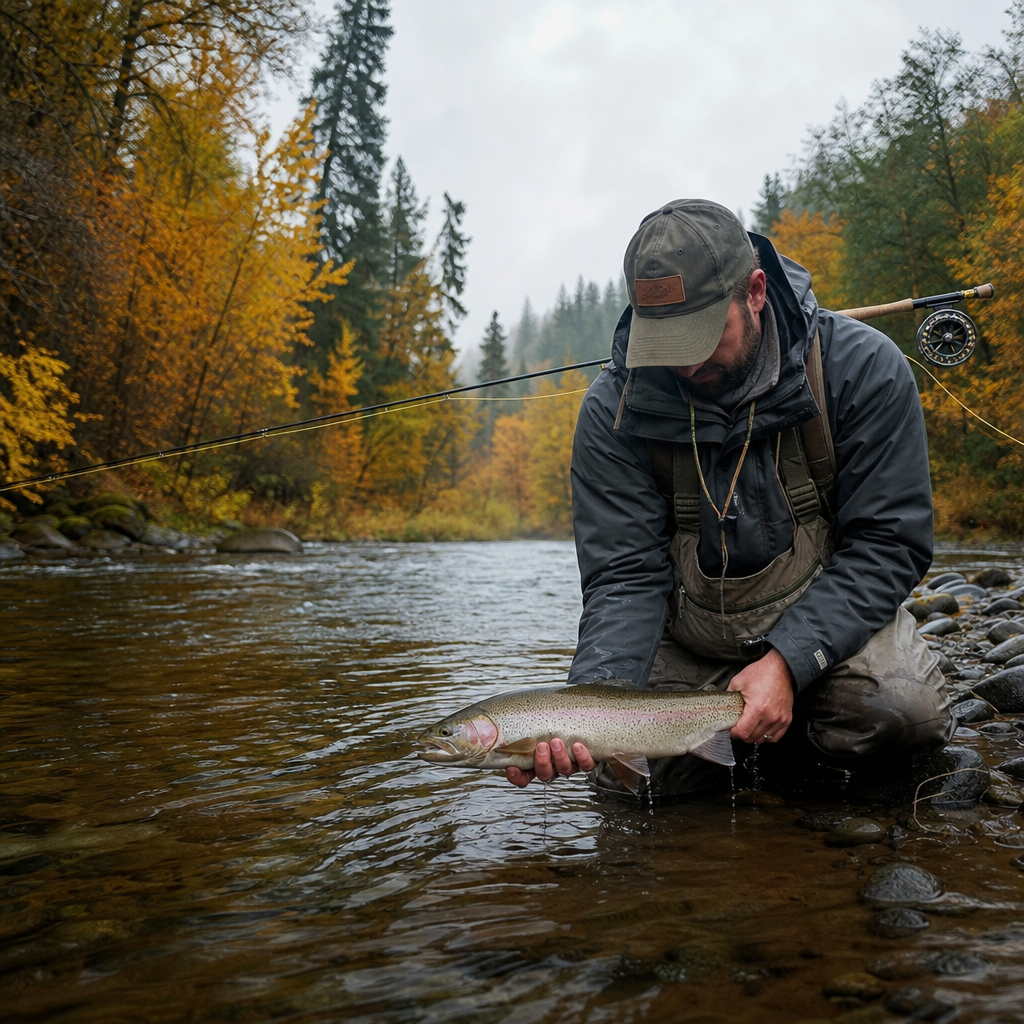
Fish care becomes especially important in warm, humid periods. For trout, use a thermometer and adopt conservative limits. Many fisheries agencies and conservation groups recommend avoiding trout fishing when water temperatures approach or exceed the upper 60s Fahrenheit because landing stress and low oxygen can increase post-release mortality. Use heavier tippet to shorten fights, keep fish in the water, and skip hero shots. Gear management matters too. Humidity promotes rust, mildew, and adhesive failure. Dry your wading boots, nets, and packs after every trip. Rinse reels used in brackish or sweaty environments, and store flies so hooks do not corrode. I also carry silica packs in fly boxes during peak summer because damp foam and closed boxes can dull hooks surprisingly fast. Small maintenance habits preserve both performance and safety across a long humid season.
Building a Weather-Condition Hub Strategy for Year-Round Fly Fishing
As a hub within seasons and conditions, humid-weather fly fishing makes the most sense when you connect it to adjacent patterns rather than treating it as an isolated problem. Humidity often overlaps with summer heat, thunderstorms, low clear water, stained runoff after rain, and changing wind. Each of those conditions can become its own tactical branch. For example, if humidity arrives with low water, stealth, longer leaders, and small terrestrials matter more. If it arrives with storms and stained flow, streamers, larger nymphs, and bank-oriented presentations rise in value. If it combines with heavy cloud cover on stillwater, topwater may stay productive far longer than expected. Thinking in weather clusters helps you adapt quickly because the same humid reading can produce very different fishing depending on water type and season phase.
The practical takeaway is simple: use humidity as a decision signal. Check overnight lows, not just daytime highs. Measure water temperature. Note cloud build, wind direction, and the timing of rain. Match your target species and session length to those realities. On difficult trout days, move upstream, start earlier, or switch to smallmouth, panfish, or carp where heat tolerance is better. On promising humid evenings, arrive before the light changes and watch for emergers and terrestrials before tying on a random dry. Anglers who fish weather well consistently outperform anglers who simply fish hard. Humid conditions compress mistakes, but they also reveal patterns clearly once you know what to monitor. Build your own logbook around temperature, pressure trend, insect activity, and feeding windows, then use those records to plan the next trip. Start with observation, fish the safe windows, and let the weather work for you.
Frequently Asked Questions
How does high humidity affect fish behavior when fly fishing?
High humidity changes fish behavior indirectly by influencing oxygen levels, water temperature, light conditions, and weather stability. On humid days, especially when the air is warm and still, water temperatures often climb and dissolved oxygen can become more limited, particularly in shallow lakes, slow rivers, backwaters, ponds, and marsh systems. Fish respond by conserving energy. Instead of feeding aggressively in bright, exposed water, they often slide into deeper runs, shaded banks, undercut structure, woody cover, spring-fed seams, or areas with more current where oxygen is replenished. In tailwaters, they may hold closer to cold inflows or current tongues that offer both comfort and food delivery.
Humidity also tends to accompany unstable air masses, cloud buildup, and pressure changes, all of which can affect feeding windows. Fish may become active ahead of a storm, then shut down during periods of oppressive heat and stagnant air. On rivers, trout often feed best in the early morning, late evening, or during brief cloud cover that softens light and lowers stress. Warmwater species such as bass and panfish may use heavy cover during the day and push into shallower feeding lanes during low-light periods. In coastal marshes and flats, humidity can coincide with calmer, hotter conditions that make fish wary in skinny water but active near current edges or bait-rich drains. The key point is that humidity rarely acts alone; it is part of a broader environmental pattern, and successful anglers read it in combination with temperature, wind, water movement, and approaching weather.
What are the best times of day to fly fish in humid conditions?
The most reliable times are usually first light, the last two hours before dark, and any period when cloud cover, breeze, or incoming weather temporarily reduces heat stress. In humid conditions, midday can become difficult because the combination of warm air, bright sun, and elevated water temperatures tends to slow fish activity and push them into less accessible holding areas. Early mornings are often excellent because overnight cooling gives fish a narrower window of more comfortable water temperatures, and insect activity can begin before the sun gets high. Late evenings are similarly productive, especially when humidity remains high but direct sunlight fades and both predators and forage become more active.
That said, “best time” depends on the fishery. On trout water, humid summer conditions often mean dawn patrol is the smartest move, particularly when water temperatures are flirting with stressful levels later in the day. On warmwater fisheries, bass may feed on top early, then shift to shaded laydowns, docks, weed edges, and deeper structure after sunrise. In marshes and estuaries, timing around tides can matter even more than the clock, but humid days still reward lower-light periods and moving water. A good rule is to plan around overlapping advantages: cooler temperatures, current movement, cloud cover, and active insect or bait presence. If you have to fish midday, focus on deep shade, oxygen-rich current, spring influence, or wind-stirred edges where fish have a reason to remain catchable.
What fly patterns and presentations work best when the air is hot and humid?
In hot and humid conditions, the best fly selection usually follows what the fish are willing to do: feed efficiently without burning energy. That often means smaller, more precise patterns for trout and a willingness to fish subsurface when surface action fades. Early and late in the day, dry flies can still be highly effective, particularly if humidity and cloud cover encourage hatches of mayflies, caddis, midges, or terrestrials falling from streamside vegetation. Ants, beetles, hoppers, and foam attractors can be especially strong in summer humidity because insect life remains active and fish often key on easy meals tight to banks, overhangs, and grassy edges.
As temperatures rise, nymphs, soft hackles, small streamers, and emergers often become better producers than high-floating dries. Fish holding deeper or in shaded lies may not move far, so presentations should be controlled and close to the target. Drift nymphs through oxygenated seams, swing soft hackles in riffles, or strip baitfish imitations along current breaks and structure. For bass and warmwater species, deer hair bugs, poppers, and gurglers can shine during low-light windows, while Clouser-style minnows, craw patterns, and leech imitations carry the load once the sun gets up. In salt marsh or brackish environments, shrimp, crab, and baitfish patterns are often the better choice when fish are pinned to current lanes or depth changes. In all cases, clean presentation matters more in humid conditions because fish frequently become selective, less willing to chase, and more dependent on short feeding windows. Match the depth, slow down when needed, and let the fish tell you whether they want a subtle drift, a short strip, or a more aggressive trigger.
How should I adjust my gear and tactics to stay effective and comfortable in humid weather?
Humid weather demands practical adjustments for both performance and safety. Start with clothing: lightweight, breathable, moisture-wicking layers are far better than heavy cotton, which holds sweat and becomes uncomfortable fast. A ventilated sun hoodie, quick-dry pants, a wide-brim hat or cap, and quality polarized sunglasses help protect against heat and glare while keeping you functional through long sessions. Hydration is not optional. In humid air, sweat evaporates less efficiently, so your body struggles to cool itself even if you do not feel like you are drying out. Carry more water than you think you need, use electrolytes on especially hot days, and build short cooling breaks into your routine.
On the fishing side, humidity can make leaders cling, fly lines feel tackier, knots harder to handle with wet fingers, and flies more prone to matting or rust if they are not dried and stored properly. Keep a drying patch, amadou, desiccant, and a small microfiber cloth handy. Dress floating lines as needed, check tippet frequently, and inspect flies for corrosion after the outing. Tactically, shorten your sessions or reposition often rather than grinding through unproductive water in the heat. Target shade, riffles, springs, tributary mouths, deeper ledges, and wind-affected shorelines where oxygen and temperature are more favorable. If thunderstorms are building, treat that as a serious risk, not a dramatic backdrop. Humidity often signals unstable summer weather, and lightning on open water, marsh flats, or exposed banks can turn dangerous very quickly. Smart anglers in humid weather balance comfort, efficiency, and caution just as carefully as they balance fly choice and presentation.
Does humidity affect insect hatches and surface action enough to change my approach?
Yes, often quite a bit. Humidity can influence when insects emerge, how long they remain on the water or in the air, and how confidently fish feed on top. Moist, heavy air is frequently associated with overcast skies, reduced wind, and pre-storm conditions that can concentrate insect activity into very fishable windows. Some hatches become more noticeable when the light is soft and the air feels thick, because adults are not blown away as quickly and emergers may linger longer in the film. That can create excellent opportunities for dry flies, cripples, emergers, and soft hackles fished just under the surface. In humid summer weather, terrestrial fishing can also improve because ants, beetles, and hoppers are active, and fish know those bugs are available along grassy banks, cutbanks, and overhanging cover.
At the same time, humidity does not guarantee nonstop topwater action. If the day turns hot, bright, and windless, surface feeding may collapse even though insects are present. Fish may shift from obvious rises to subtle takes in the film or stop showing on top altogether and feed just below the surface where they feel more secure. That is why a flexible approach matters. If you see splashy or confident rises, fish dries. If rises are soft or inconsistent, switch to emergers, unweighted nymphs, or a lightly swung soft hackle. If there is no visible activity, move subsurface and target likely holding water instead of waiting on a hatch that may never fully develop. The best anglers in humid conditions pay close attention to the small clues: spent bugs on the water, swallows working low, fish porpoising instead of breaking the surface, and short bursts of activity before a weather shift. Humidity can absolutely improve hatch-related fishing, but success comes from reading the whole scene rather than assuming “sticky air” automatically means a dry-fly day.