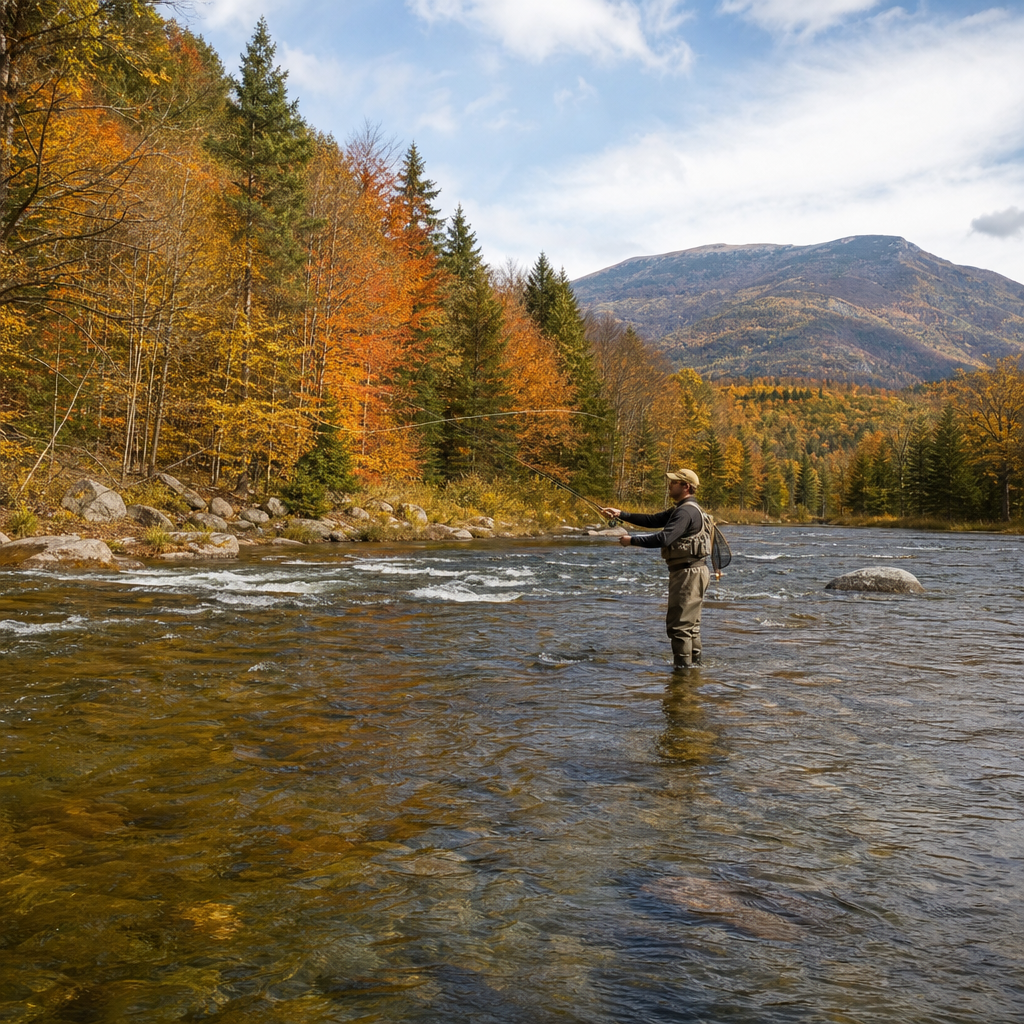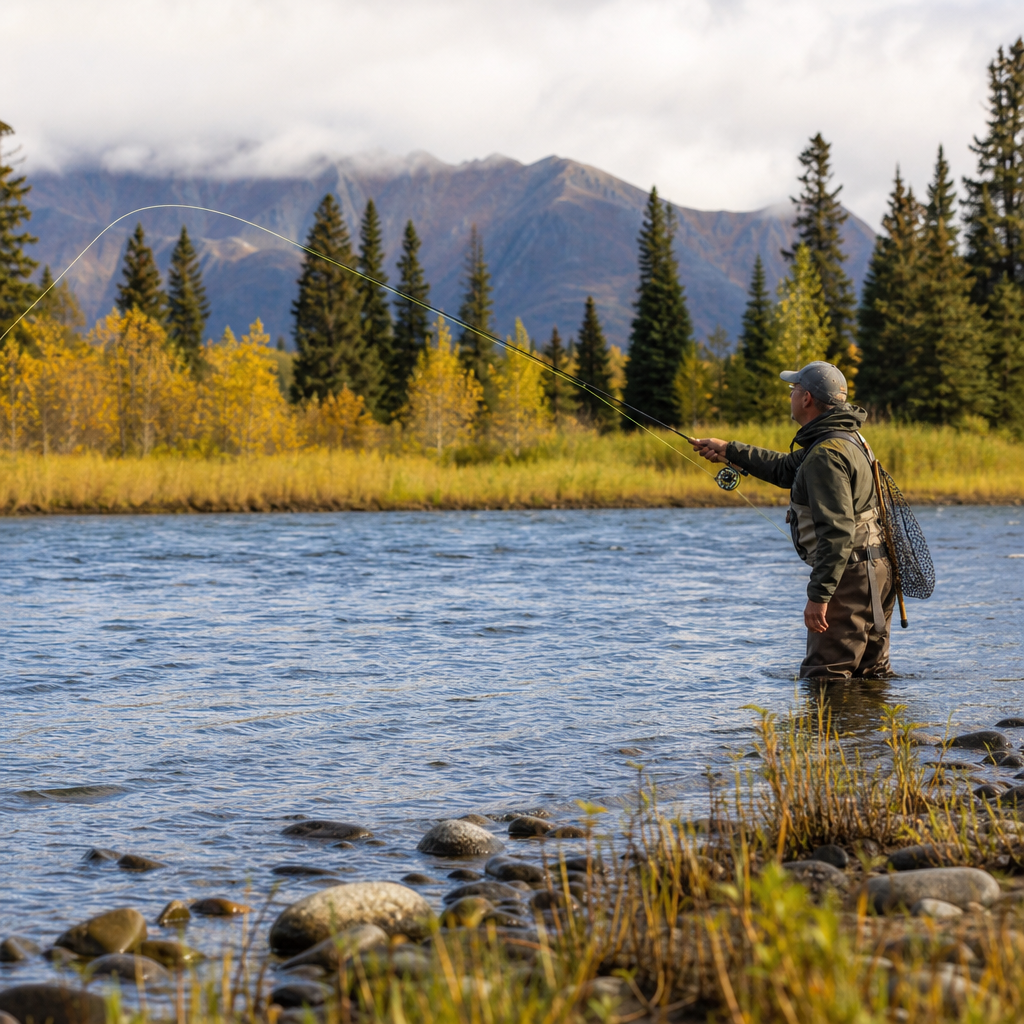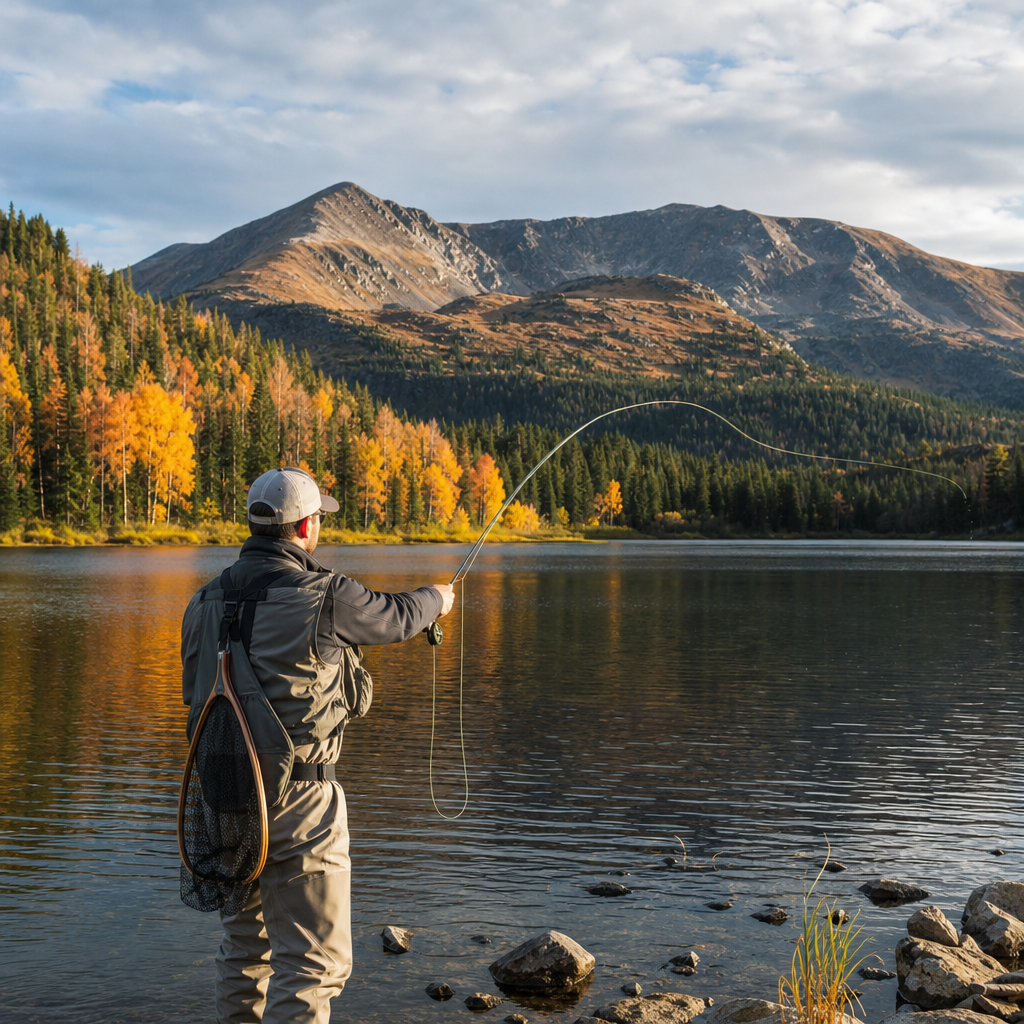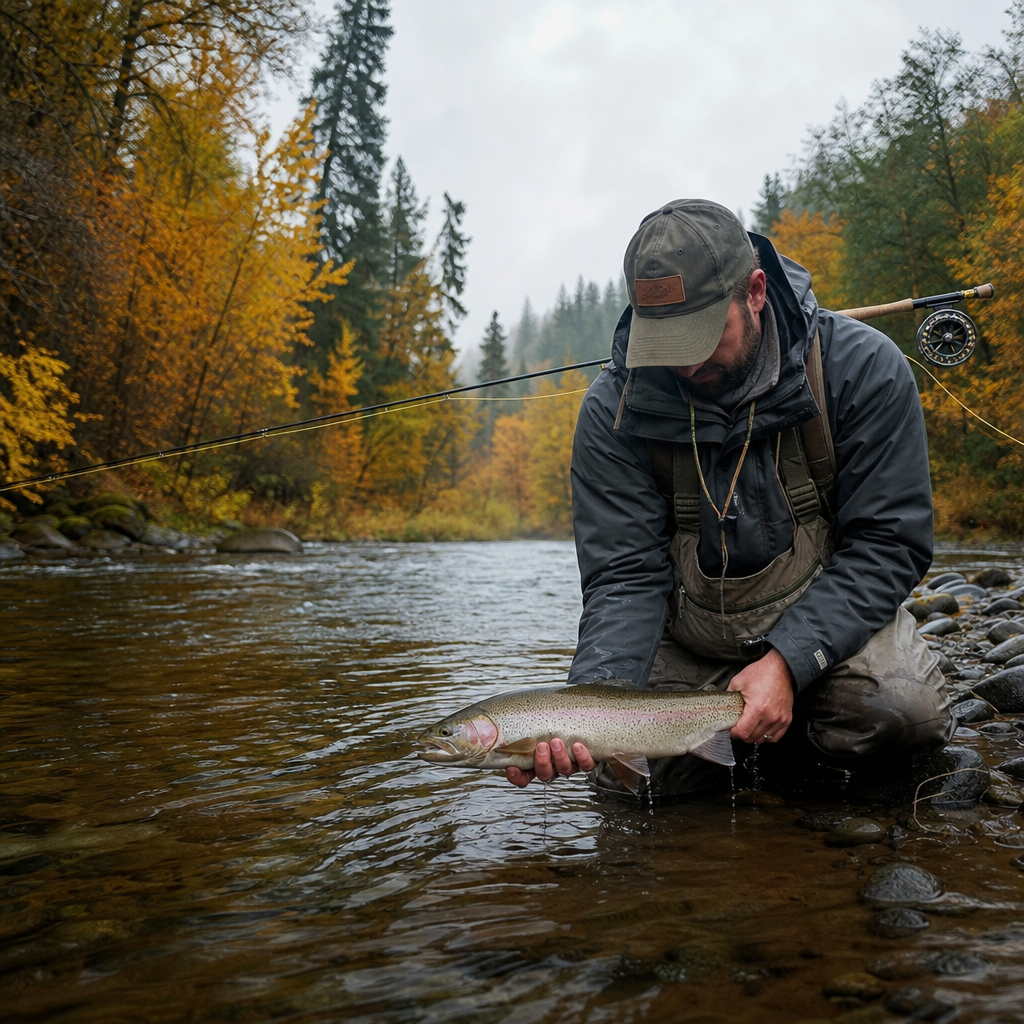
Fall fly fishing for steelhead is the season many anglers plan their year around because cooling water, fresh runs, and aggressive fish create the best mix of opportunity and challenge. In practical terms, fall fly fishing refers to the period when summer heat breaks, river temperatures settle into a productive range, and migrating steelhead enter coastal and Great Lakes tributaries in numbers. Steelhead are migratory rainbow trout that leave lakes or the ocean, return to rivers to spawn, and often travel long distances through changing flows, temperature bands, and holding water. A successful approach in fall depends on reading those conditions correctly, then matching presentation, fly choice, and tackle to the fish’s mood and position in the river.
I have guided and fished through enough autumn steelhead seasons to know that small mistakes become expensive quickly. The right run can look empty until the light changes. A perfect drift can matter more than changing flies ten times. A two-degree water-temperature difference can shift fish from travel lanes into soft holding buckets. That is why this season matters so much to serious anglers: fall offers the highest concentration of fresh fish, but it also demands disciplined technique. Learning how to approach fall fly fishing for steelhead gives you a framework for all related topics under seasons and conditions, from early-fall low water to late-autumn rain events, from clear tributaries to glacial systems, and from swinging traditional patterns to high-percentage indicator rigs. Mastering the season starts with understanding where fish are, why they stop, and how they react to current, depth, cover, and pressure.
How fall conditions shape steelhead behavior
Fall steelhead behavior is driven mainly by water temperature, river flow, dissolved oxygen, and light. In most productive systems, steelhead become active when water temperatures drop into the roughly 45 to 60 degree range, though exact comfort zones differ by strain and watershed. Ocean-run fish entering Pacific Northwest rivers often push hardest after the first meaningful rains of autumn, when rising flows open migration routes and reduce exposure. Great Lakes steelhead also respond strongly to rain, but tributary size, lake temperature, and localized runoff can create shorter windows of movement. In both regions, fish usually travel during flow changes, then hold in classic structure: tailouts, walking-speed glides, ledges, seams below riffles, and the softer edges of deeper runs.
Low clear water usually makes steelhead selective about where they stop. They may hold tight to depth, shade, broken current, or boulder gardens and refuse broad movements to a fly. After a fresh bump in flow, those same fish often slide toward travel lanes and become easier to reach with swung flies or nymph rigs. Bright sun can push fish lower in the column and closer to cover, while cloud cover extends active periods across more of the day. Experienced anglers build their plans around these variables, not around fixed assumptions. If the river rose six inches overnight and gained color, start by covering transition water and buckets near the bank. If the water is cold, clear, and stable, concentrate on slower inside seams, deepen the drift, and expect subtler takes.
Where to find steelhead in fall rivers
Steelhead location is not random, and the biggest improvement most anglers can make is learning to classify water correctly. In fall, think in three categories: migration water, holding water, and resting water. Migration water includes broad glides, tongues of current entering pools, and the soft edges along deeper channels where fish can move upstream efficiently. Holding water is where steelhead pause for hours or days because current speed, depth, and security are balanced. Resting water is the softer pocket immediately behind structure, along inside bends, or beneath broken surface chop where fish can conserve energy after moving through faster sections.
The best steelhead runs often share the same architecture. They have a defined upstream entry, walking-speed current through the center, depth variation from three to eight feet, and a tailout that narrows fish movement. On freestone rivers, boulders and ledge rock create micro-seams that hold individual fish. On tailwaters, the prime lies can be more subtle, such as a slight gravel depression or a change in current texture created by controlled releases. In smaller tributaries, undercut banks, logjams, and dark slots can hold surprising numbers of fish, especially when angling pressure pushes them out of obvious pools. Cover water methodically from the head of the run to the tailout, and do not skip transition zones. Fresh steelhead often stop in places trout anglers walk past because they look too shallow or too featureless.
Tackle, lines, and leader systems that work
The ideal setup for fall fly fishing for steelhead depends on river size and presentation style. For indicator nymphing on medium rivers, a 10-foot 7-weight or 10-foot 8-weight rod gives line control, mending reach, and enough lifting power for weighted flies and split shot. For swinging flies on larger rivers, many anglers prefer a two-handed rod in the 11-foot to 13-foot 6-inch range, commonly in 6-weight to 8-weight switch or Spey sizes. These rods cast sink tips efficiently, cover broad runs with less effort, and maintain angle during the swing. On smaller streams with tight casting space, a single-hand 7-weight with an integrated sink-tip line can still be highly effective.
Leader design should match technique rather than follow a generic formula. For indicator fishing, use a butt section strong enough to turn over weight, then a tippet section usually in the 8- to 12-pound range, adjusted for water clarity and fly size. For swinging, compact leaders of three to six feet are standard with sink tips because the tip controls depth and the short leader keeps the fly in the intended plane. Fluorocarbon can offer abrasion resistance and sink rate benefits, while nylon remains more forgiving and often less visible at close range. Reels should have a reliable sealed drag and enough backing for fish that run far in current. Steelhead do not expose weak knots gently, so every connection matters, especially between tip, tippet, and fly.
Best fall techniques for presenting the fly
Two primary systems dominate fall steelhead fishing: dead-drift nymphing and swinging flies. Nymphing is often the highest-percentage method because it puts the fly directly in the fish’s holding lane and keeps it there longer. Effective rigs commonly use an indicator, split shot or tungsten flies for depth, and one or two patterns selected for profile and visibility. The goal is repeated controlled drifts that tick bottom occasionally without constantly hanging up. Mend immediately, lead the indicator at current speed, and adjust weight before changing flies. In my experience, anglers who fish too shallow lose more opportunities than anglers who fish slightly too deep and sacrifice a few snags.
Swinging excels when fish are fresh, flows are suitable, and you can cover broad classic runs. The mechanics are straightforward but exacting: cast across or slightly downstream, mend to establish speed and depth, let the fly come under tension, and hold the hang-down before stepping. The swing should look alive without racing. Depth comes first, then speed, then fly choice. If you are not near the fish, color and pattern are secondary. On cold mornings, a slower swing with more sink usually outperforms a high, fast presentation. As the day warms or after a rise in flow, fish may respond higher in the column. Strip retrieves are less common but can trigger fish in soft water or estuarine sections. Whichever system you choose, commit to covering water thoroughly instead of making random changes every few minutes.
Fly selection for low, medium, and high water
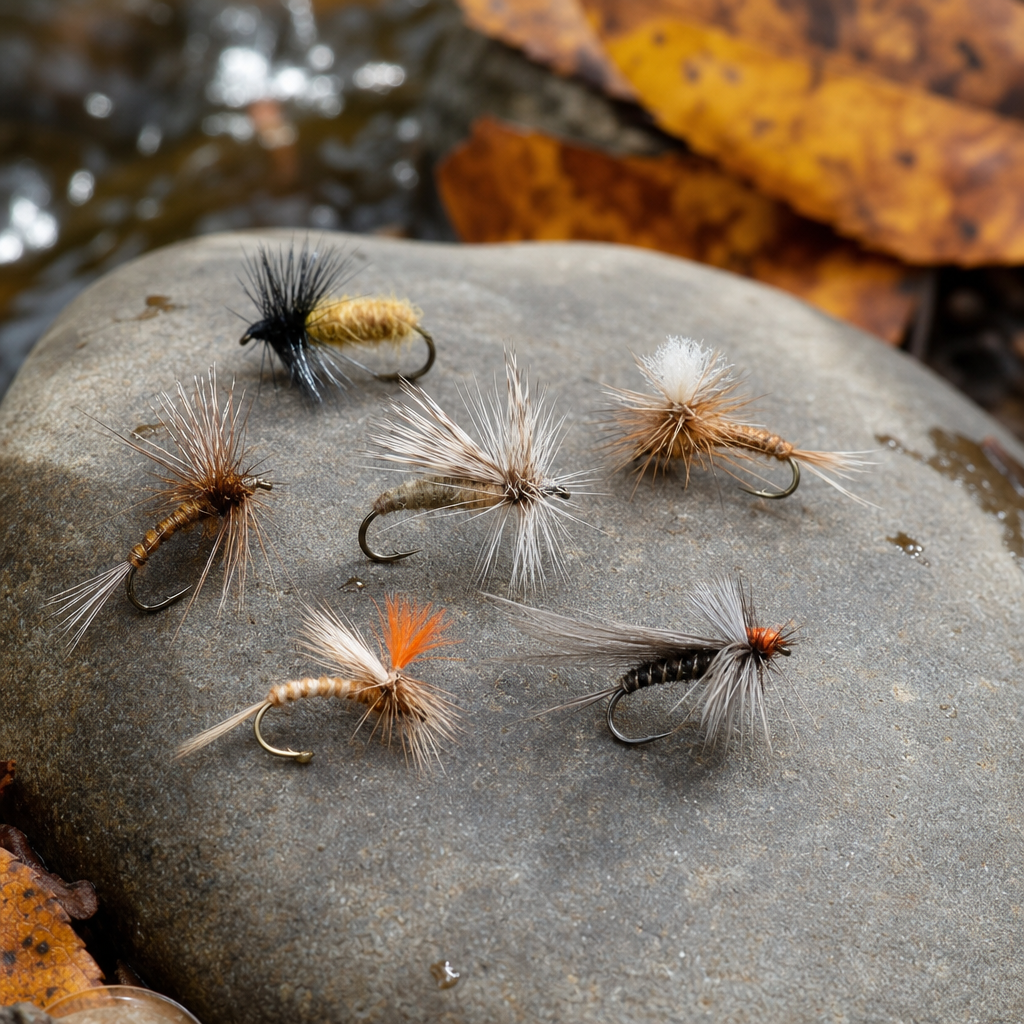
Fall steelhead flies work best when they are chosen for visibility, silhouette, depth, and current speed rather than personal superstition. In low clear water, smaller patterns in sizes 8 to 14 often outperform larger offerings. Sparse profiles, natural tones, and controlled flash matter more than bulk. Egg patterns, small stonefly nymphs, caddis pupa, and subtle intruders can all produce when drifted or swung with restraint. In medium flows with slight color, this is the time for balanced attractor patterns: chartreuse and white, black and blue, pink accents, or orange highlights that stand out without looking oversized.
When rivers rise and stain, steelhead need help finding the fly. That usually means larger profiles, darker contrast, or brighter hot spots, plus enough weight or sink-tip density to keep the offering in the strike zone. Black remains one of the most reliable colors in colored water because it creates a strong silhouette. Purple, blue, cerise, and flame also have long track records on both Pacific and Great Lakes steelhead. For anglers trying to simplify choices, the following guide covers the core decisions.
| Condition | Best fly traits | Examples | Presentation note |
|---|---|---|---|
| Low and clear | Small, sparse, subtle flash | Eggs, caddis pupa, small leeches, size 10 stoneflies | Lengthen tippet, fish slower seams, reduce splash |
| Medium flow | Moderate profile, visible accent colors | Estaz eggs, Hare’s Ear variants, black-blue swingers, pink worms | Target classic holding runs and tailouts |
| High or stained | Larger profile, dark contrast, bright hotspots | Black intruders, purple leeches, chartreuse eggs, weighted tubes | Add depth first, then increase visibility |
Reading takes, setting the hook, and landing fish cleanly
Steelhead takes vary from unmistakable violence to a hesitation that looks like a leaf touched the line. Under an indicator, many grabs are simply a stop, dip, or slight directional change. Set on anything unusual. A firm downstream sweep with the line hand tight is usually more effective than a vertical trout-style strike because it moves less slack and keeps pressure connected. On the swing, the old advice to wait is partly true but often misunderstood. Do not trout-set instantly, but also do not freeze until the fish spits the fly. When you feel sustained weight, let the rod load and then draw the hook home smoothly from the side.
Landing percentages improve when anglers control angle instead of trying to overpower the fish. Use side pressure to move steelhead off the strongest current, change rod angle as the fish changes direction, and recover line quickly after jumps. A quality drag helps, but too much drag causes more break-offs than too little. Keep fish in the water whenever possible, use a rubberized net, and avoid long beaching sessions for photos. Many rivers have regulations covering hook style, bait restrictions, and handling standards, and these should be treated as baseline practice, not optional ethics. Wild steelhead populations in many regions face real pressure from habitat loss, warm water, dams, and overuse. Good fish handling is part of successful fishing, not separate from it.
Seasonal strategy, safety, and building a productive fall plan
The most consistent anglers approach fall as a sequence, not a single event. Early fall often means lower water, warmer afternoons, and fish concentrated in deeper holding zones near river mouths or lower reaches. Mid-fall usually brings the first dependable migration pulses and the broadest access to fresh fish throughout the system. Late fall can deliver excellent action with fewer crowds, but colder water and unstable weather increase the need for precise depth control, layered clothing, and careful wading. Before every trip, check stream gauges, weather forecasts, and local reports from state agencies, fly shops, and watershed groups. USGS gauges, NOAA weather tools, and provincial or state fishery updates are practical resources, not optional extras.
A productive plan starts with one river section, two techniques, and a clear decision tree. If flows are low and clear, begin with nymphing slower structure at first light. If rain raises the river overnight, switch to migration water and cover it with a swung fly or a brighter nymph setup. If a run produces one fish or grab, fish the entire feature again because steelhead often travel in loose groups. Keep notes on flow height, temperature, cloud cover, and exact holding water. Patterns emerge quickly when the record is specific. The core benefit of understanding fall fly fishing for steelhead is consistency: you stop hoping for random luck and start making informed decisions. Build your next outing around conditions, fish every run with purpose, and let the season teach you one variable at a time.
Frequently Asked Questions
What makes fall the best time for fly fishing for steelhead?
Fall is widely considered the prime season for fly fishing for steelhead because several important factors come together at once. As summer heat fades, river temperatures drop into a more stable and productive range, which improves fish movement, comfort, and feeding behavior. At the same time, fresh runs of steelhead begin entering rivers and tributaries from the ocean or the Great Lakes, bringing aggressive, powerful fish into water that is often more accessible to wading anglers. Unlike some other times of year when steelhead may hold in predictable but less active patterns, fall fish often show a strong combination of mobility, responsiveness, and energy.
Another reason fall stands out is water condition variety. Early season rains can raise flows, reconnect migration corridors, and encourage fish to push upstream. That means anglers can find steelhead in tailouts, runs, seams, soft inside edges, and classic holding water that may not be as productive during lower, warmer summer conditions. In many rivers, fall also offers a balance between opportunity and challenge: fish are present in meaningful numbers, but they are still wild enough and fresh enough to demand careful presentation and good line control.
From a practical standpoint, fall also allows anglers to use a broad range of techniques. Swinging flies, nymphing under an indicator, tight-line presentations, and even skating dries in select conditions can all produce. That versatility is part of the appeal. When you combine cooling water, migratory fish, changing weather, and flexible tactics, fall becomes the season that gives steelheaders the best chance to connect with strong, fresh fish while still rewarding skill, observation, and persistence.
What are the most effective fly fishing techniques for fall steelhead?
The most effective techniques for fall steelhead usually come down to two primary approaches: swinging flies and dead-drifting nymphs or egg patterns. Swinging is a classic steelhead method and remains one of the most exciting ways to fish in autumn. In this approach, anglers cast across or slightly downstream, mend to control speed and depth, and allow the fly to sweep through likely holding water. Fall steelhead often respond well to a controlled swing because fresh fish are aggressive, and the broadside movement of the fly can trigger a territorial or instinctive strike. This method is especially effective in runs with moderate current, defined seams, and enough depth to give fish secure holding lanes.
Dead-drifting can be equally productive, and in some conditions it is the most efficient method for putting flies directly in front of fish. Under an indicator or with a tight-line setup, anglers present egg patterns, stoneflies, attractor nymphs, or small baitfish-style flies at the depth where steelhead are holding. This is often the best choice in colder mornings, higher water, slower pools, or heavily pressured stretches where fish may be less willing to move far for a swung fly. The key is achieving a natural drift at the correct depth, which usually means adjusting split shot, leader length, and indicator placement throughout the day.
Successful fall steelhead anglers also pay close attention to presentation speed, angle, and coverage. Steelhead are not evenly distributed, so methodical water coverage matters. Fish each lane thoroughly, then move a few steps and repeat. In faster or slightly stained water, larger profile flies and brighter colors can help fish locate the offering. In low, clear water, smaller flies, longer leaders, lighter tippet where appropriate, and quieter presentations often produce better results. The best anglers stay flexible: if the swing is drawing follows but no takes, they may slow the presentation or change fly size; if fish are visible but inactive, they may switch to a dead-drift approach to put the fly deeper and longer in the strike zone.
What flies and tackle should I use for fall steelhead fishing?
A strong fall steelhead setup starts with practical, adaptable tackle. For most situations, a 7- to 8-weight fly rod is the standard choice because it has enough power to cast weighted rigs, manage sink tips, and control large fish in current. On larger rivers, many anglers prefer two-handed spey or switch rods because they cover water efficiently and make swinging flies easier, especially when dealing with broad runs and limited backcast room. A reliable reel with a smooth drag is essential, since fresh steelhead are famous for long, fast runs. Floating lines, sink tips, and indicator setups all have a place, so many anglers carry a system that allows them to change presentations as water depth and current speed shift.
When it comes to flies, fall steelhead can be surprisingly responsive to a range of patterns. For swinging, traditional and modern steelhead flies in black, purple, blue, pink, orange, and chartreuse are all proven producers depending on water color and light conditions. Intruders, leeches, marabou tubes, and sparse hair-wing patterns are common choices. In clearer water, subtle profiles can be especially effective; in stained water, larger silhouettes and brighter accents often help. For dead-drifting, egg patterns, stonefly nymphs, prince nymphs, attractor nymphs, and small streamers can all work well. Matching the fly not just to what fish might eat, but to visibility and current conditions, is often more important than obsessing over one exact pattern.
Leader and tippet choices should match technique and water conditions. Swinging setups often use stout leader material to help turn over larger flies and manage powerful fish, while indicator or nymph rigs may require finer adjustments for depth and drift. In low, clear water, lighter tippet can improve presentation, but anglers still need enough strength to land fish efficiently and responsibly. Polarized sunglasses, a wading staff, quality breathable waders, layered clothing, and a dependable net also matter more than many beginners realize. Fall weather changes quickly, and steelhead rivers are often slick, cold, and powerful. Good gear not only improves success, it makes the day safer and more comfortable.
Where should I look for steelhead in a river during the fall?
In fall, steelhead typically hold in water that gives them a balance of security, oxygen, manageable current, and access to migration routes. That means anglers should focus first on classic holding water: runs with moderate walking-speed current, well-defined seams, tailouts below pools, slots near structure, and softer edges adjacent to heavier flow. Fresh fish moving upriver often pause in these areas, especially when they offer a break from the strongest current without forcing the fish into water that feels too shallow or exposed. Early in a run, lower river sections and tide-influenced reaches may be most productive; after rains or continued migration, fish may spread farther upstream.
Water conditions have a major impact on where steelhead hold. In higher or off-color flows, fish often shift closer to the bank, into softer inside seams, protected current breaks, or slower troughs where they can travel without expending unnecessary energy. In low, clear conditions, they may settle into deeper slots, shaded runs, and structure-oriented lies that provide cover. Bright sunlight can push fish into depth or softer water, while overcast skies may encourage them to move or hold more openly. Temperature also matters. During cool, stable periods, fish may be distributed through a wider range of holding water, but sudden cold snaps or dramatic flow changes can compress them into more specific zones.
The smartest way to locate fall steelhead is to read water systematically rather than rely on random casting. Start by identifying the likely travel lane, then look for nearby holding water where fish can rest. Fish the head, middle, and tail of a run thoroughly before moving on. If conditions are right and steelhead are present, productive water usually has a certain feel: enough depth for confidence, enough current to carry oxygen, and enough structure or softness to let fish hold comfortably. Over time, anglers learn to recognize these places almost instinctively, but even beginners can improve quickly by focusing on current transitions, depth changes, and migration-friendly paths through the river.
What are the best tips for beginners who want to catch steelhead on the fly in the fall?
For beginners, the most important tip is to understand that steelhead fishing is often a game of persistence, discipline, and incremental improvement. Steelhead are not usually caught in high numbers, and even very skilled anglers can go hours or days between fish. That does not mean you are doing everything wrong. It means the sport rewards patience and attention to detail. New anglers should focus less on catching large numbers immediately and more on learning how to control a drift, mend line effectively, maintain swing speed, read water, and move through a run with purpose. Those skills create consistency, and consistency is what eventually leads to hookups.
It also helps to simplify your approach. Instead of carrying too many flies and constantly changing patterns, begin with a few proven setups and learn when and how to use them. Fish one technique well before jumping to another. If you are nymphing, concentrate on depth and drag-free drifts. If you are swinging flies, pay attention to casting angle, mending, and how the fly moves through the water. Many beginners fish too fast and fail to cover water thoroughly. Steelhead often reward methodical presentations, so fish each lane carefully, then take a few steps and repeat. Good line management and proper presentation generally matter more than having a huge fly box.</