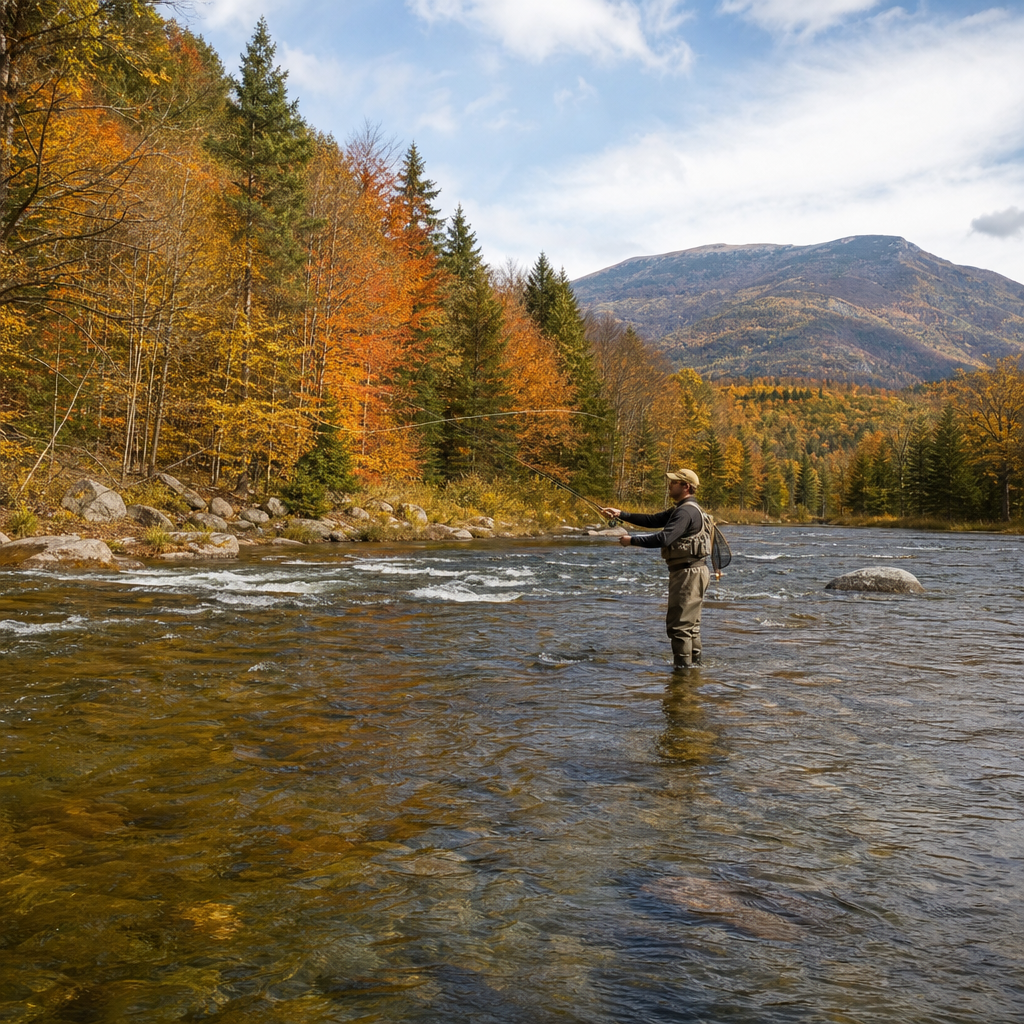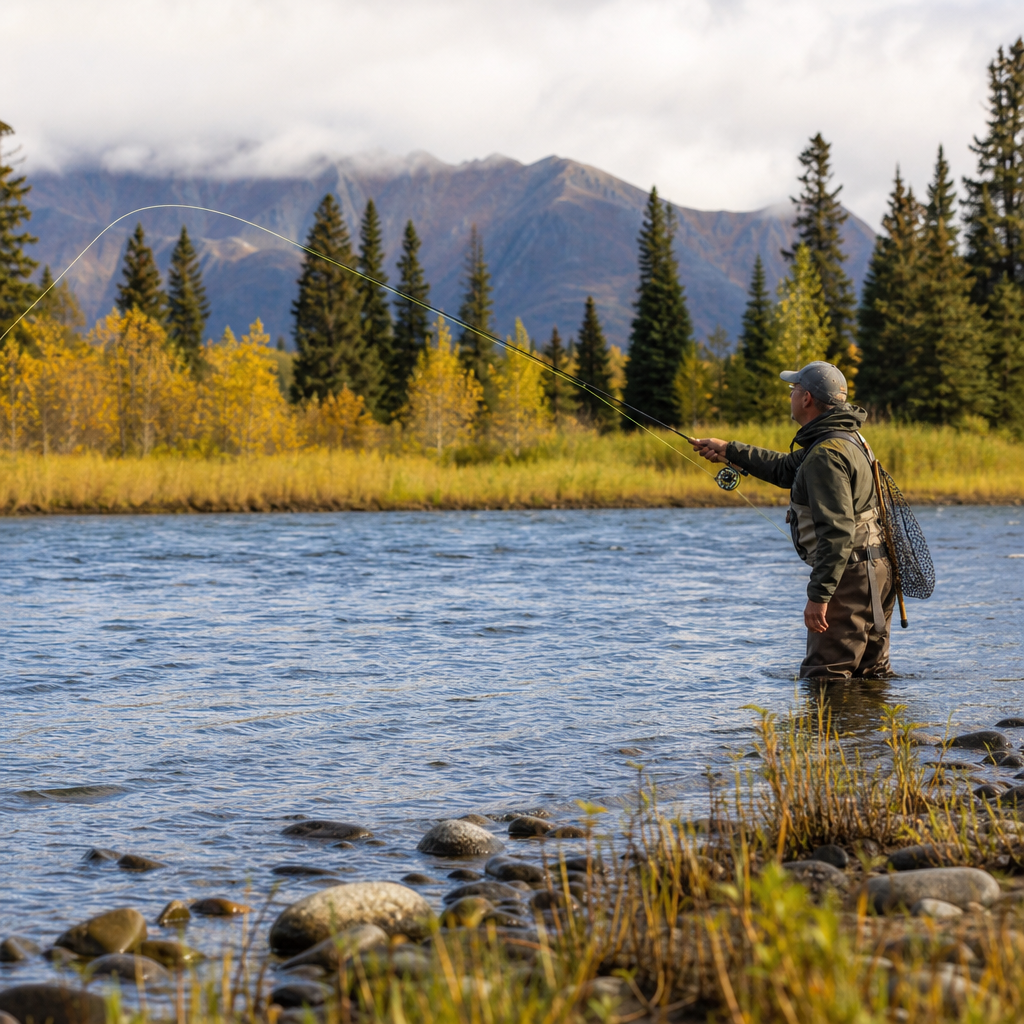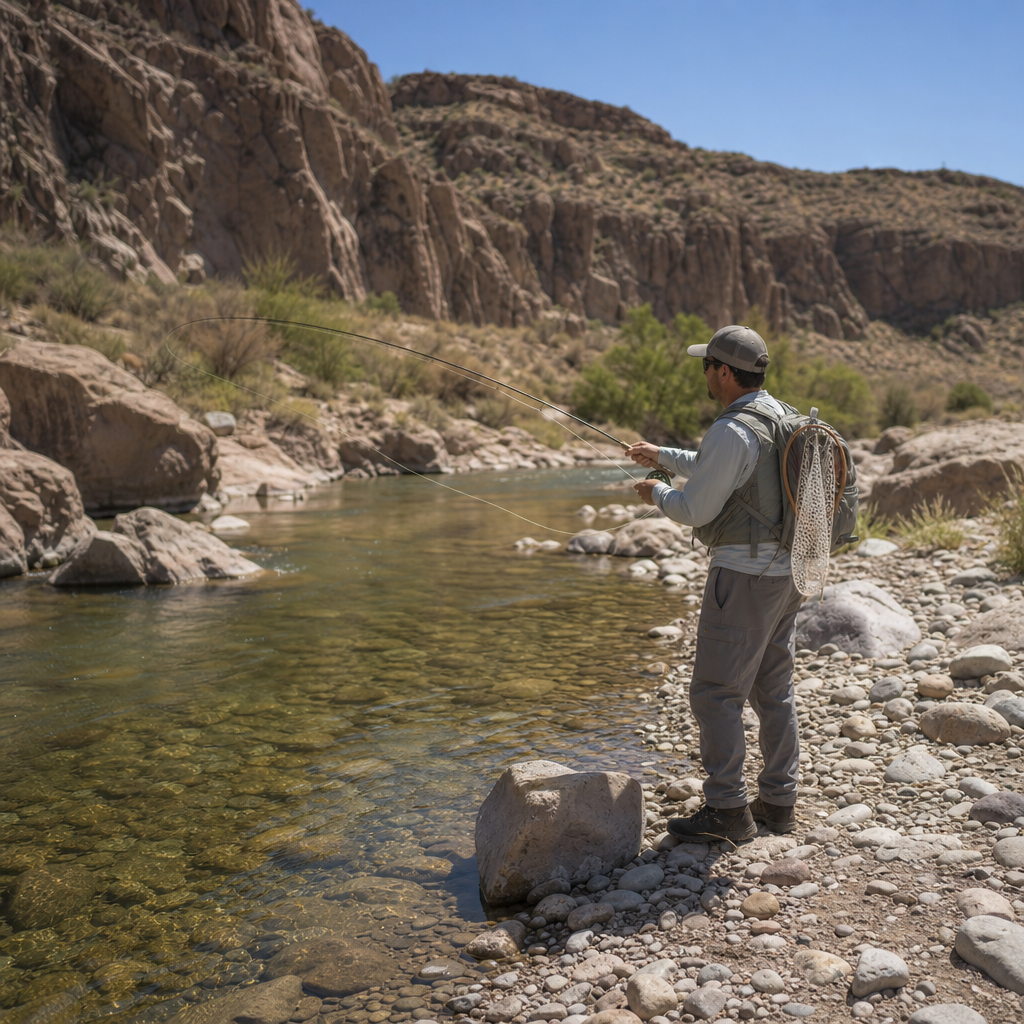
Fly fishing in arid conditions demands a different mindset than fishing lush freestone rivers, because water is scarce, flows are volatile, and trout, bass, carp, and panfish respond sharply to heat, light, oxygen levels, and sudden weather swings. In this context, arid conditions usually mean low humidity, intense sun, high evaporation, sparse shade, warm daytime temperatures, and waterways shaped by desert or semi-desert climates. I have fished these systems through the Southwest, high desert tailwaters, spring creeks, irrigation drains, and canyon reservoirs, and the pattern is consistent: success comes from reading water chemistry and fish behavior as carefully as reading the current. This matters because anglers who apply wet-climate assumptions often fish the wrong hours, present flies at the wrong depth, and stress fish that are already near thermal limits. A strong approach to weather conditions in dry country starts with three variables: water temperature, dissolved oxygen, and light penetration. If you understand how those forces interact with flow, wind, and barometric changes, you can decide when to fish, where to stand, what species to target, and when to stop. That is why this hub article covers the full weather picture for arid-water fly fishing, from heat and drought to monsoon storms and cold desert mornings.
How Arid Weather Changes Fish Behavior
Fish in arid environments conserve energy aggressively. During hot, bright periods, they slide into deeper slots, undercut banks, spring inflows, shaded boulders, bridge shadows, cutbanks, and any structure that reduces light and current exposure. Trout become especially sensitive when water temperatures climb above about 68 degrees Fahrenheit, and many biologists consider 70 degrees a practical stress threshold, with 73 degrees and above becoming risky depending on species, strain, and oxygen levels. Warmwater species such as carp, bass, and bluegill tolerate higher temperatures, but they still shift feeding windows toward dawn, dusk, and nighttime when oxygen improves and surface glare drops.
Low flows intensify this behavior because reduced discharge shrinks holding water. A run that held fish across its width in spring may only have one narrow oxygen-rich lane in late summer. On several New Mexico and Arizona streams, I have watched productive riffles turn into ankle-deep conveyor belts by noon, while the only active fish gathered at a trickling side channel fed by a cooler seep. In practical terms, arid-weather fly fishing is less about covering miles and more about locating the highest-quality microhabitat. Fish are not evenly distributed; they stack where survival is easiest. That makes observation, thermometer use, and patience more valuable than constant casting.
Best Times to Fish in Desert and High-Desert Weather
The best time to fly fish in arid conditions is usually early morning, often from first light until two or three hours after sunrise. Overnight cooling lowers water temperature, and fish use that brief window to feed before solar heating peaks. Evening can also be productive, especially on tailwaters, reservoirs, and lower-elevation rivers where insect activity rises again as light softens. Midday is usually the least forgiving period, particularly under clear skies with low humidity and no cloud cover. In exposed systems, water can gain several degrees between 10 a.m. and 3 p.m., enough to shut down trout activity completely.
Season matters, but not always in obvious ways. Spring in arid regions can be excellent because snowmelt, reservoir releases, and moderate air temperatures stabilize flows. Summer requires stricter timing and species flexibility. Fall often produces the most consistent fishing because nights cool first, aquatic vegetation thins, and fish recover from long heat stress. Winter in desert landscapes can surprise anglers with outstanding midge, baetis, and carp fishing, especially on spring creeks and tailwaters where water temperature is more stable than air temperature. The key lesson is simple: in arid country, fish the clock as much as the season.
Heat, Water Temperature, and Ethical Fishing Decisions
Water temperature is the most important number an arid-conditions fly angler can measure. Carry a reliable stream thermometer and use it often. Check temperatures at the access point, then again upstream, downstream, and later in the day. Two reaches of the same river can differ significantly if one section receives spring input, deeper canyon shade, or a cold tributary. I treat 66 to 68 degrees Fahrenheit as a caution range for trout, especially on small waters with low flow. Once the temperature reaches 68 and continues rising, I either target warmwater species, move to colder water, or stop fishing.
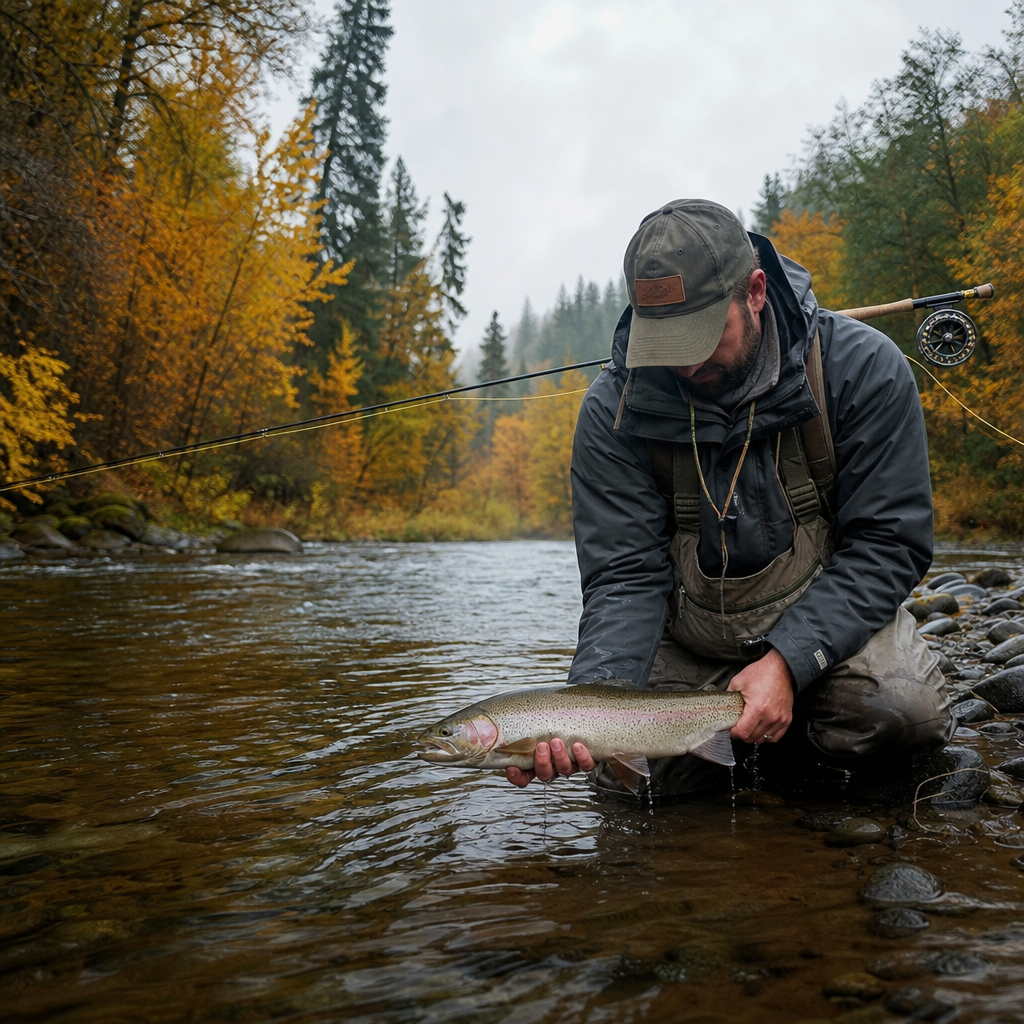
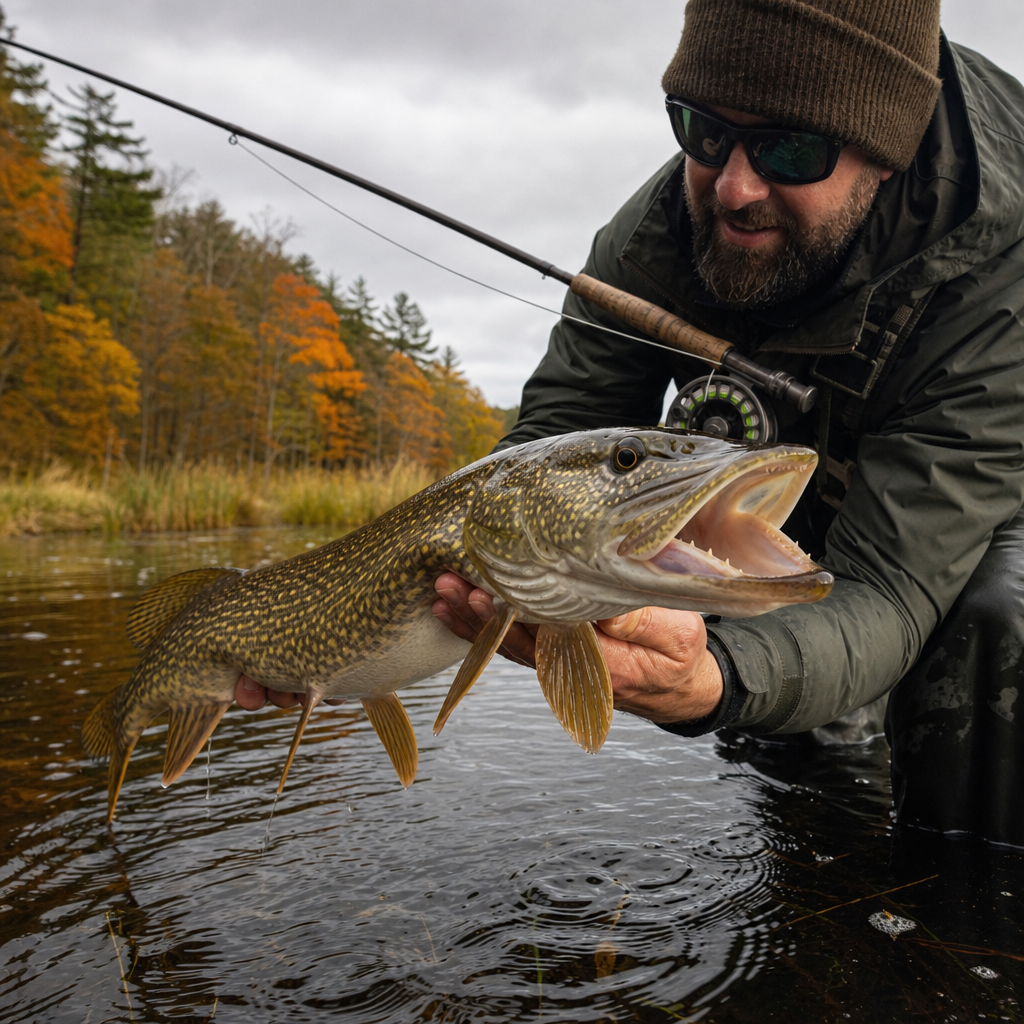
Ethics matter more in arid climates because fish already operate close to environmental limits. Fight fish quickly with appropriate tippet, keep them in the water, skip hero shots, and revive only as long as necessary before release. If a trout cannot hold itself upright immediately, conditions may already be too warm. Barbless hooks shorten handling time, and heavier leaders often improve survival because they reduce prolonged fights. This is also where weather forecasting becomes part of responsible planning. A day predicted to reach 102 degrees with no cloud cover is not just uncomfortable for the angler; it can make catch-and-release on marginal trout water irresponsible by late morning.
Reading Wind, Sun, Clouds, and Monsoon Patterns
Wind is often the hardest weather variable to manage in dry landscapes. Afternoon desert winds can produce accurate drifts in one sheltered bend and impossible presentations on the next. Instead of fighting wind everywhere, use terrain. Fish canyon walls, leeward banks, bridge corridors, and tree lines that break gusts. Tight-loop casting, lower sidearm trajectories, shorter leaders, and heavier flies all help maintain control. On lakes and reservoirs, wind can be an ally because it pushes food into shorelines and oxygenates shallows, but only if you position yourself safely and cast with the drift rather than against it.
Bright sun generally makes fish in clear, shallow water more selective and more cover-oriented. Cloud cover softens contrast and often extends feeding windows, especially for trout and bass. In the Southwest, monsoon season adds another layer. Afternoon thunderstorms can cool air quickly and trigger short bursts of insect and terrestrial activity, but they also create flash-flood danger in slot canyons, arroyos, and narrow drainages. Mud pulses can temporarily ruin visibility while simultaneously washing beetles, ants, and hoppers into the water. I have had excellent fishing immediately before a storm line arrived and again the morning after, when flows dropped but banks were freshly loaded with dislodged food.
Fly Selection for Low Water, Bright Light, and Sparse Cover
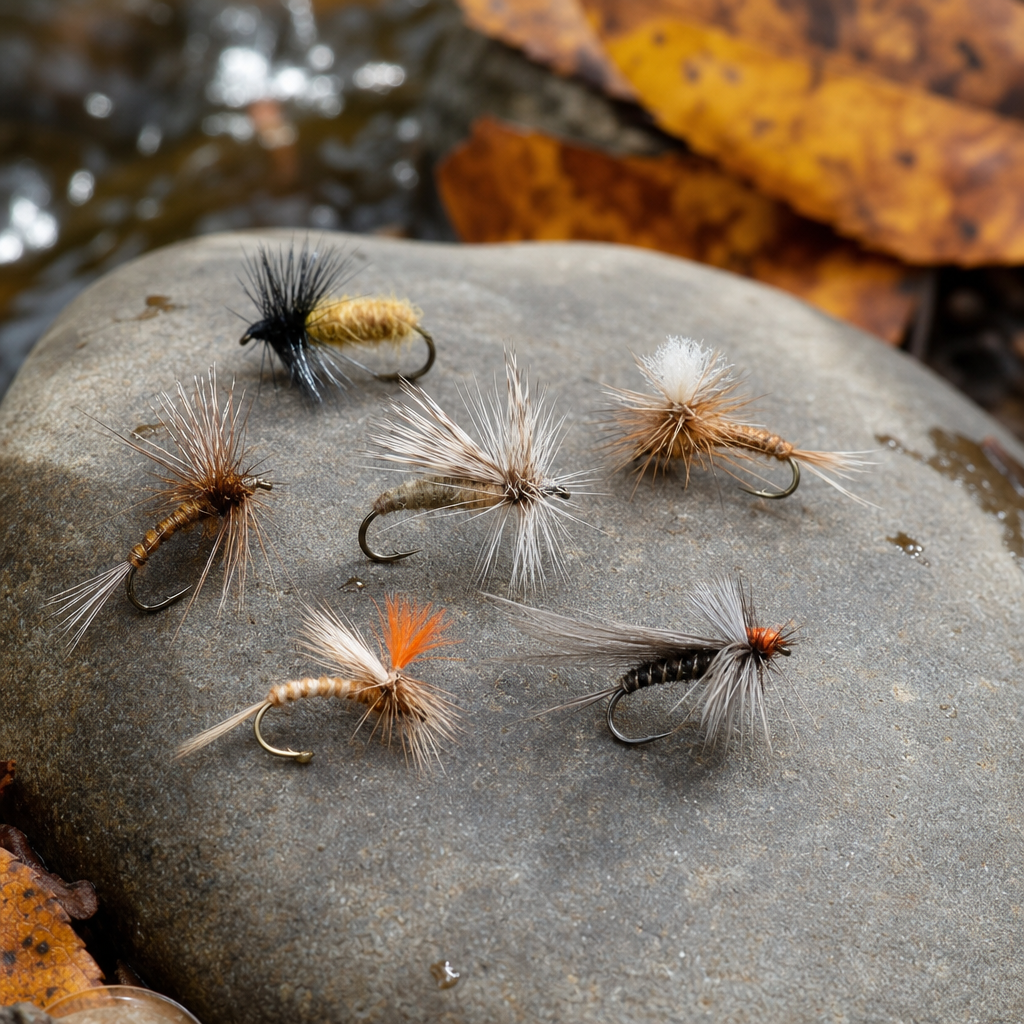
Arid-condition fly selection should match three recurring realities: smaller water volume, clearer visibility, and opportunistic feeding. On trout streams, that usually means size 18 to 22 midges, mayfly nymphs, and small emergers in technical spring creeks and tailwaters, plus terrestrials such as ants, beetles, and hoppers from late spring through early fall. In low water, profile matters as much as pattern name. A slim pheasant tail, RS2, zebra midge, or small perdigon often outfishes bulkier flies because fish inspect offerings longer in clear, slow current. Long leaders and precise drifts become part of the fly choice.
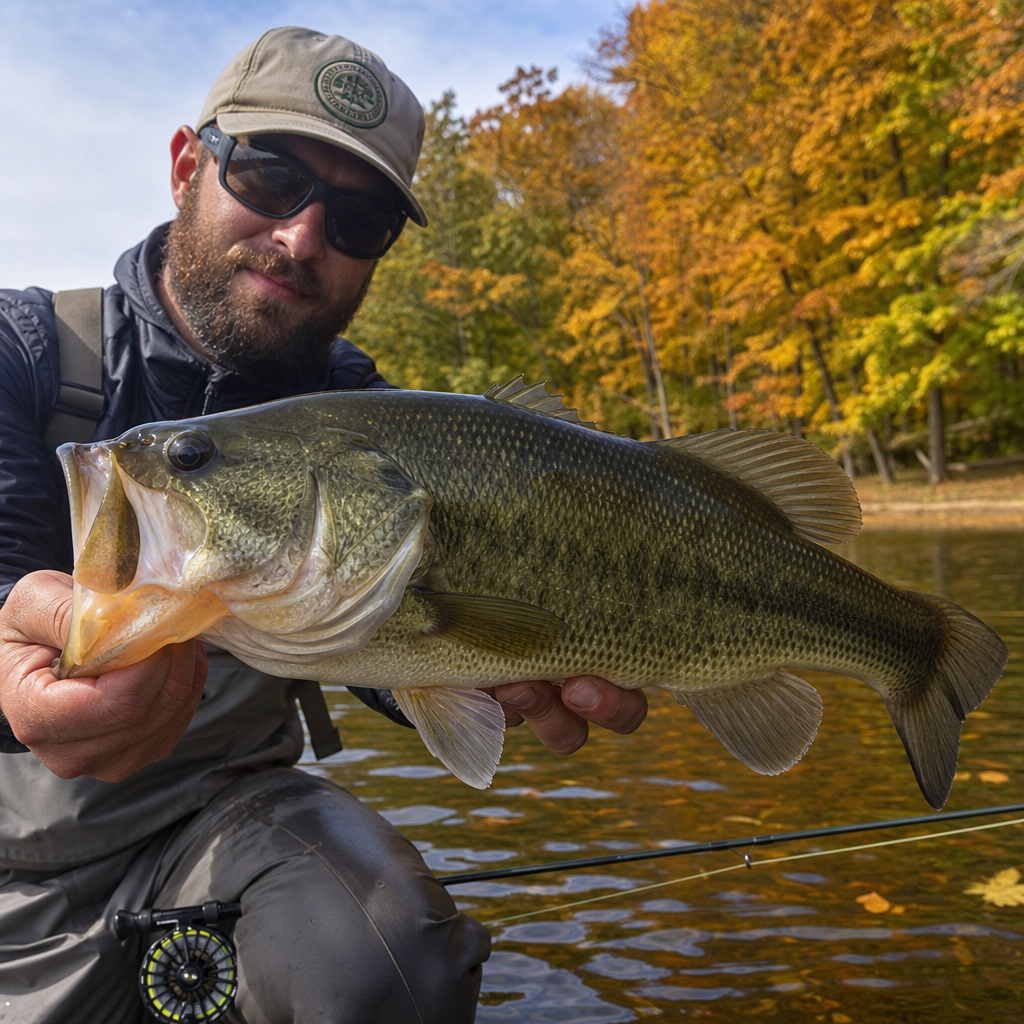
For warmwater species, I rely heavily on carp bugs, damsel nymphs, leeches, baitfish patterns, small crayfish flies, and foam terrestrials. Carp in desert ponds and canals often feed by route, not random cruising. Put a muted fly a foot ahead of the fish, let it settle, then move it minimally. Bass in hot conditions frequently position near depth breaks, inflows, and shade transitions, where clousers, jig-style streamers, and unweighted baitfish flies work well. In all cases, carry drab and high-visibility versions. In clear calm water, subtle olive, tan, rust, and black dominate. In stained post-storm water, chartreuse accents, rubber legs, and larger silhouettes help fish find the fly.
Tackle, Rigging, and Weather-Based Adjustments
In arid weather, good rigging is about efficiency and fish care, not just convenience. A 4- or 5-weight handles most trout situations, while a 6- to 8-weight is ideal for bass, carp, and windy reservoirs. Floating lines cover the majority of river scenarios, but sink-tip or intermediate lines become valuable on stillwaters and deep channels where fish avoid surface heat. Leader length should reflect clarity and wind together. Many anglers lengthen leaders for clear water but forget that impossible turnover destroys presentation. I would rather fish a controllable 10-foot leader with accurate placement than a 14-foot leader that piles up in crosswind.
| Weather condition | Primary fish response | Best adjustment | Useful flies |
|---|---|---|---|
| Hot, bright, low flow | Fish hold deep or under cover | Fish dawn, lengthen drifts, target shade | Midges, small nymphs, ants |
| Windy afternoon | Fish shift to protected banks or wind lanes | Cast sidearm, shorten leader, use heavier fly | Hoppers, clousers, leeches |
| Cloudy cooling trend | Longer feeding windows | Cover more water, try dries and emergers | Baetis, caddis, beetles |
| Post-monsoon stain | Fish key on displaced food | Use larger profile near banks and seams | Hoppers, worms, streamers |
Accessories also matter more than many anglers admit. Polarized copper or amber lenses improve contrast in glare-heavy conditions. A thermometer, sun gloves, high-SPF sunscreen, hydration pack, and wading staff are practical tools, not optional extras. In desert canyons, I also carry a weather app with radar, offline maps, and extra water in the vehicle. Heat illness and access mistakes end more trips than fly choice does. Rigging well in arid conditions means preparing for the environment as carefully as preparing for the fish.
Where to Find Productive Water During Drought and Low Flow
Finding fish in drought conditions starts with understanding what water remains valuable when the river shrinks. Look first for depth, current diversity, oxygen input, and thermal refuge. Tailouts often disappoint in summer unless they receive shade or subsurface inflow. Better bets include plunge pools, riffle heads, cutbanks, spring seeps, tributary mouths, bridge shade, beaver influence zones, and deep outside bends. On tailwaters, productive lanes can remain fishable long after freestones warm, especially below bottom-release dams that moderate temperatures. On spring creeks, even small changes in aquatic vegetation can redirect the only drift lane that fish are using.
Stillwaters require a similar but not identical approach. During hot periods, fish often leave super-shallow flats after sunrise and hold along weed edges, inflows, shaded marinas, rocky points, and channels with slightly cooler water. Desert carp especially favor mud flats early, then transition to edges where they can feed without full sun exposure. Reservoir bass may suspend under bait schools or structure as surface temperatures climb. This hub page on weather conditions should point anglers toward related topics such as low-water trout tactics, monsoon fishing safety, stillwater heat strategies, and cold-front responses, because each weather pattern changes location before it changes fly preference.
Safety, Planning, and Building a Seasonal Weather Strategy
Arid-condition fly fishing rewards anglers who plan several moves ahead. Check USGS stream gauges, dam-release schedules, local water temperature reports, and National Weather Service forecasts before leaving home. A stable gauge does not always mean safe or fishable conditions; some streams stay low but warm, while others spike with irrigation releases that alter clarity and wading access. Learn the difference between air temperature trends and water temperature trends. A cool morning after a weeklong heat wave may still leave afternoon water too warm for trout, while a cold night in early fall can reset an entire river for the better.
Build a seasonal rotation rather than forcing one destination all year. In spring, focus on freestones, inflow periods, and moderate tailwaters. In peak summer, prioritize high-elevation streams, true cold tailwaters, dawn sessions, and warmwater species during the hottest windows. In monsoon periods, avoid narrow canyons when storms threaten and look for terrestrial opportunities afterward. In fall, revisit rivers that were unfishable in August. In winter, use desert stability to your advantage on spring creeks and urban warmwater systems. The payoff for this weather-first strategy is consistency. You stop hoping conditions will suit your plan and start matching your plan to conditions. That shift is what turns arid-country fly fishing from frustrating guesswork into dependable, thoughtful angling.
Fly fishing in arid conditions is ultimately about disciplined adaptation. The anglers who do best are not the ones with the largest fly boxes; they are the ones who monitor water temperature, respect fish stress, understand light and wind, and move quickly toward the best available habitat. In dry climates, weather conditions control nearly every decision. Heat compresses feeding windows, low flows concentrate fish, bright skies make presentation exacting, wind forces tactical casting changes, and monsoon storms can either create opportunity or real danger. Once you accept those rules, the fishing becomes clearer and often better than many anglers expect.
The core lessons are straightforward. Fish early and late. Carry a thermometer and act on what it tells you. Prioritize shade, depth, inflows, and oxygen-rich water. Match fly size and profile to clear, low conditions, then scale up when storms stain the system. Use gear that helps you land fish quickly and cast efficiently in wind. Plan around gauges, forecasts, and seasonal patterns instead of habit. Most important, know when to switch species or stop fishing altogether. That decision protects fisheries and improves your long-term success.
If you want better results under harsh desert and high-desert weather, build your trips around conditions first and locations second. Review your local forecasts, identify thermal refuges and safe access points, and assemble a small, precise fly selection for low water, sun, and wind. Then explore the related articles in this weather conditions hub to refine tactics for specific seasons, storms, and water types.
Frequently Asked Questions
What makes fly fishing in arid conditions different from fishing more temperate rivers and lakes?
Fly fishing in arid conditions is different because the entire aquatic system is under more environmental stress, and fish behavior reflects that. In desert and semi-desert waters, anglers are often dealing with lower overall water volume, warmer daytime temperatures, stronger sunlight, faster evaporation, and less streamside cover. That combination affects everything from dissolved oxygen levels to where fish position themselves during the day. Trout may slide into the deepest runs, spring seeps, undercut banks, or shaded pockets earlier than they would in a cool mountain stream, while warmwater species like bass, carp, and panfish may remain active longer but still shift feeding windows around heat and light.
Another major difference is volatility. Arid waterways can look stable one day and become dramatically different the next because of irrigation releases, sudden monsoon inflows, wind, or sharp overnight cooling. A creek, tailwater, desert pond, or high-desert lake may fish beautifully at dawn and become difficult by late morning once the sun is high and water temperatures climb. In these places, success often depends less on covering lots of water and more on reading micro-habitat carefully: depth transitions, current seams, inflows, shaded banks, submerged structure, and any source of cooler or oxygenated water.
The biggest mental shift is understanding that timing matters as much as fly selection. In lush freestone systems, anglers can often count on extended feeding periods and more forgiving fish behavior. In arid conditions, productive windows can be short and precise. Early mornings, last light, overcast periods, and the moments before or after a weather change can be far more important than the middle of the day. If you approach desert water with a flexible plan, close attention to water temperature and light, and a willingness to adjust species targets or techniques, you can fish these systems extremely effectively.
What are the best times of day to fly fish in hot, dry environments?
The best times are usually early morning and evening, when air temperatures are lower, sunlight is less intense, and fish are more comfortable moving into shallower water to feed. In arid environments, the first two to three hours after sunrise are often the most dependable window, especially for trout and even for bass in shallower water. Overnight cooling can drop water temperatures just enough to improve oxygen conditions and stimulate feeding. Fish that become lethargic or wary under direct midday sun will often cruise, rise, or actively chase flies during this early period.
Evening can be just as productive, particularly on waters that get hammered by heat all afternoon. As direct sunlight drops off, banks and flats begin to cool, insects become more active, and fish frequently slide out of cover. This is often an excellent time for terrestrials, small baitfish patterns, foam flies, and low-light searching patterns. In lakes, ponds, and slower desert rivers, the final hour before dark can be excellent for bass, carp, and panfish, while trout in tailwaters or spring-influenced reaches may show a second strong feeding period as conditions moderate.
Midday is not always a lost cause, but it usually requires a tactical adjustment. Fish often hold deeper, tighter to structure, or in shaded, oxygen-rich water. That means longer leaders, finer presentations, more weight, slower retrieves, or simply changing species and locations. If water temperatures are climbing into stressful ranges for trout, the most responsible decision may be to stop targeting them altogether and shift to warmwater species. In hot, dry country, the best anglers are not just asking, “When can I fish?” They are asking, “When can I fish effectively and ethically?” That mindset consistently leads to better results.
How should I choose flies and presentations for trout, bass, carp, and panfish in arid waters?
Start by matching your approach to both species and conditions, because arid waters often compress fish into specific feeding zones and make them unusually responsive to light, temperature, and food availability. For trout, small nymphs, midges, scuds, caddis larvae, and attractor patterns often produce well in low, clear water, especially when fish are holding deep and feeding selectively. Terrestrials can be especially important in dry country. Ants, beetles, hoppers, and small foam patterns make a lot of sense around grassy banks, brushy edges, and breezy afternoons when land-based insects get blown into the water. The key is usually clean presentation, light drag, and avoiding splashy casts in thin or highly visible water.
For bass, panfish, and carp, fly choice often becomes more about profile, movement, and retrieve speed than exact imitation. Small streamers, baitfish patterns, leeches, damsel nymphs, crayfish flies, and rubber-legged bugs can all be very effective. Bass in arid ponds, reservoirs, and slow rivers often respond well to flies fished around drop-offs, weed edges, submerged timber, or rocky banks during low-light periods. Panfish are generally more forgiving and can be caught on small poppers, nymphs, and soft hackles, especially near cover. Carp require a more precise game plan: natural-looking nymphs, worm imitations, and small crustacean-style flies placed gently in the fish’s lane are often best, particularly in clear, shallow flats where they are tailing or cruising slowly.
Presentation matters at least as much as the fly itself. In clear, low water, fish often get a long look, so longer leaders, controlled slack, and accurate first casts are critical. With trout and carp especially, it is better to make one well-placed cast than five rushed ones. In warmer, more turbid water for bass or panfish, you can often be more aggressive with stripping patterns and covering water. Wind also plays a bigger role in open, arid country, so it helps to carry flies that remain visible and fishable in chop, plus weighted patterns for probing deeper water when the surface is too bright or disturbed. In short, choose flies that fit the available forage, but deliver them according to how fish are coping with heat, sun, and shrinking habitat.
How do I find fish when water is low, warm, and exposed to intense sunlight?
In arid conditions, fish location is strongly tied to survival needs, not just feeding preference. The most consistent starting points are areas that provide one or more of the following: depth, shade, current relief, cooler inflow, or better oxygen. In moving water, look for plunge pools, undercut banks, boulder pockets, faster riffles entering deeper runs, spring seeps, and any place where current funnels food but allows fish to hold without burning energy. In stillwater, target drop-offs, weed edges, submerged structure, springs, inflow channels, and shorelines that receive shade earlier or longer during the day. Even a small patch of shade from a rock wall, tamarisk, bridge, or cutbank can concentrate fish in otherwise exposed water.
Pay close attention to subtle changes rather than dramatic ones. In desert systems, a temperature difference of even a few degrees can matter. A narrow feeder trickle, a groundwater seep, a deeper outside bend, or a wind-driven shoreline can hold disproportionately more life than surrounding water. Wind can actually help by creating surface disturbance, pushing food into banks, and masking your approach, especially on lakes and ponds. Likewise, cloud cover or a brief weather shift can open up water that seemed empty under full sun. Fish that were locked down in deep structure may suddenly move into feeding lanes once the light softens.
Approach is crucial because arid waters are often clear and fish are conditioned to overhead predators. Keep a low profile, use the sun to your advantage when possible, avoid lining fish, and scan before casting. Polarized glasses are essential for spotting depth changes, cruising carp, bass on structure, or trout tucked into narrow slots. If you are not seeing activity, think in terms of refuge habitat first. In hot, sparse environments, fish are rarely scattered at random. They are usually grouped around the best available combination of comfort and feeding opportunity, and once you identify that pattern, the rest of the day becomes much easier to solve.
What gear, safety, and fish-care considerations matter most when fly fishing in arid climates?
In arid country, comfort and efficiency on the water depend on preparation. Lightweight, breathable clothing with strong sun protection is essential, along with a wide-brim hat, quality polarized sunglasses, and sunscreen that can stand up to sweat and repeated exposure. Hydration is non-negotiable. Bring more water than you think you need, and consider electrolyte replacement on long days. The dry air can fool anglers into underestimating fluid loss because they may not feel as sweaty as they would in humid weather. Good footwear also matters, since many desert banks are rocky, muddy, or lined with abrasive vegetation. If you are covering remote water in the Southwest or high desert, carry basic first aid, know your route, and be alert for heat stress, flash flood potential, and rapidly changing weather during monsoon periods.
From a fishing standpoint, gear should reflect wind, low water, and species versatility. A 4- to 6-weight rod covers many trout and panfish situations, while a 6- to 8-weight is often better for