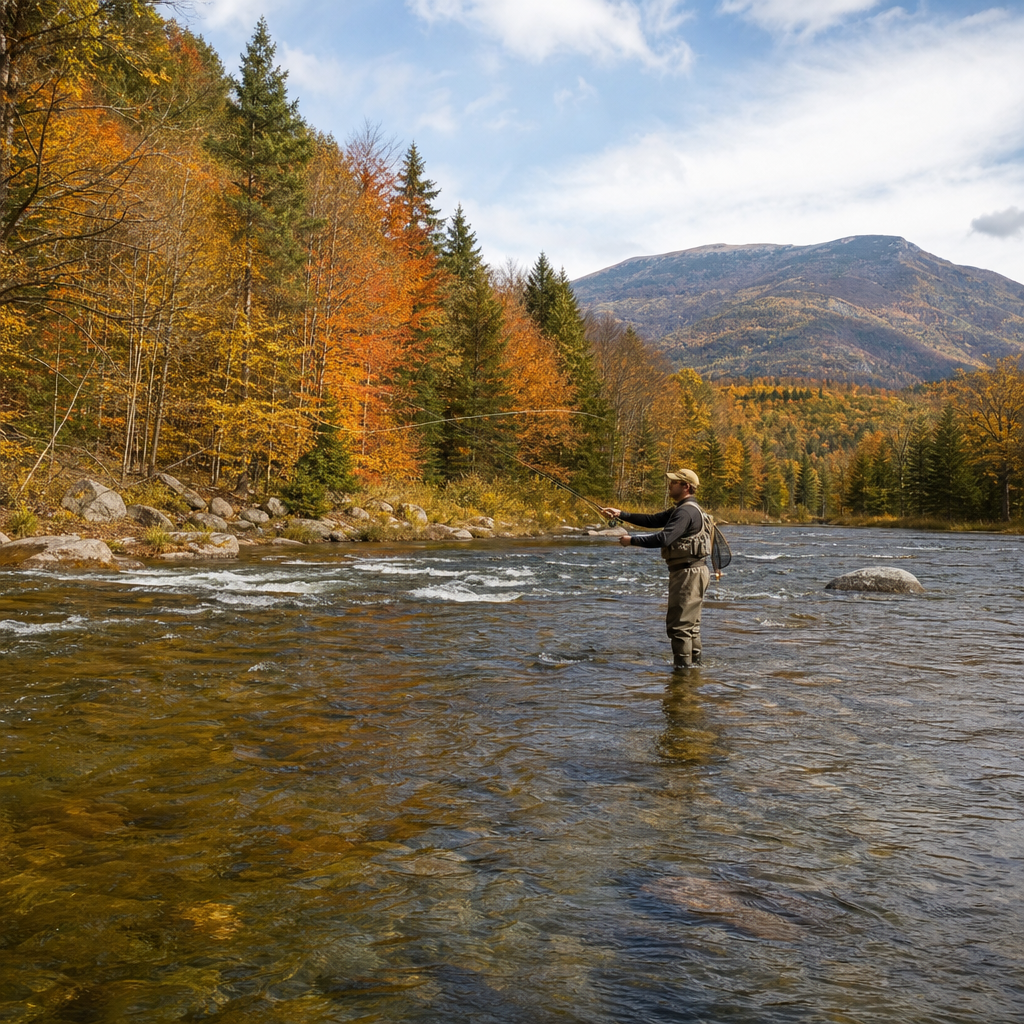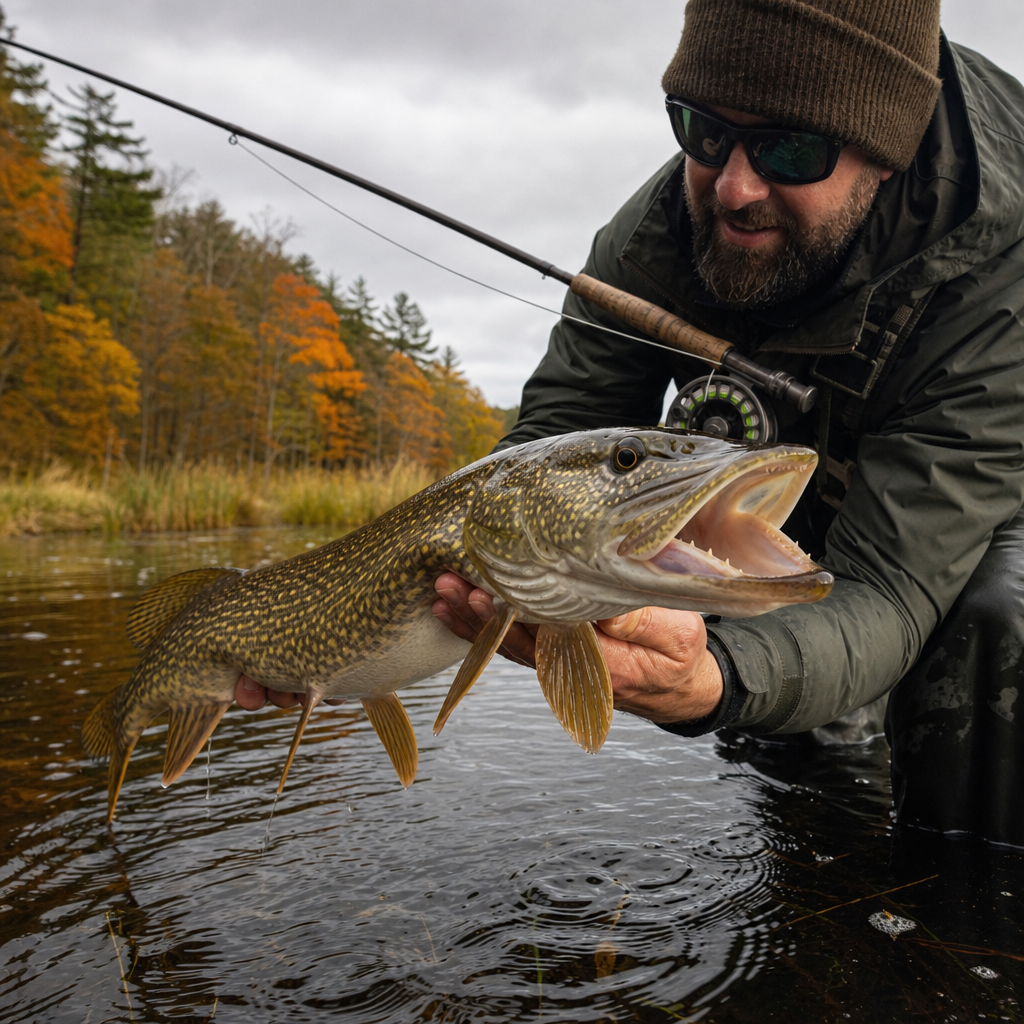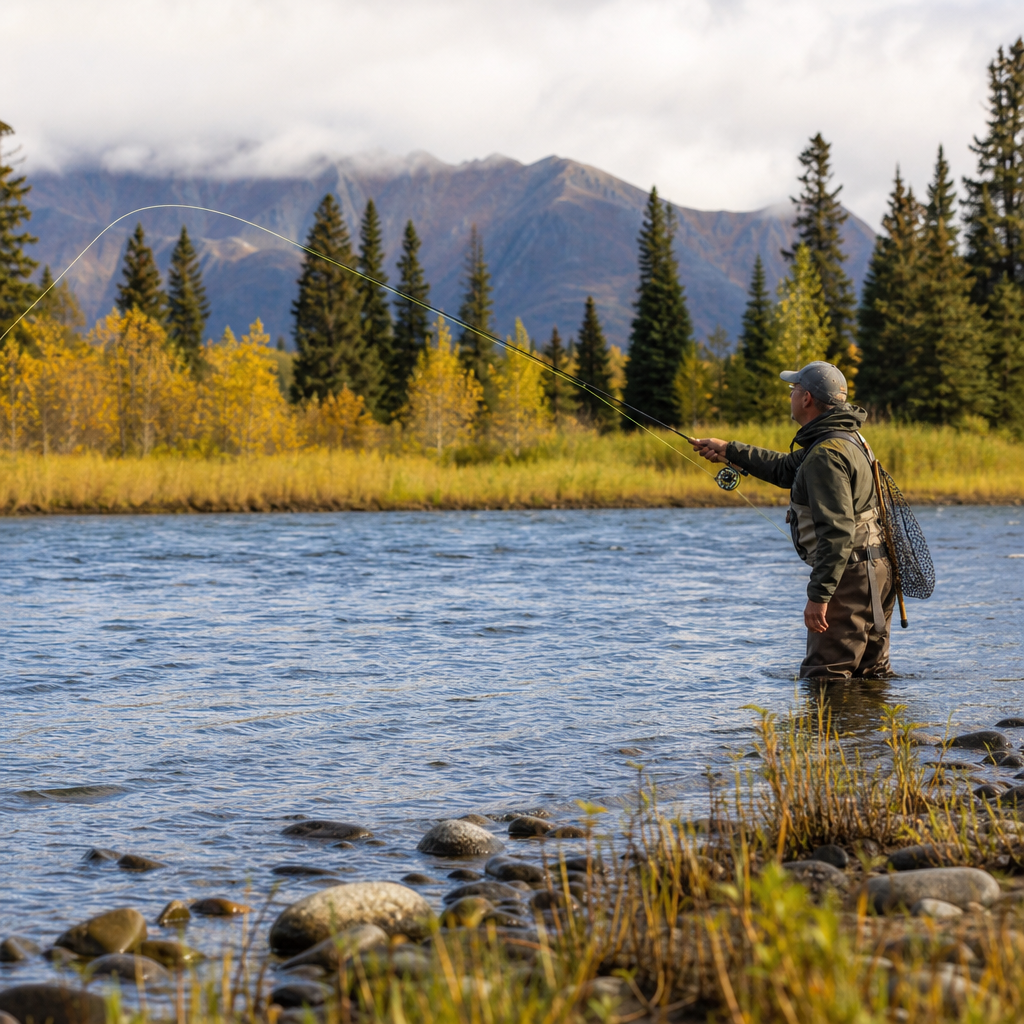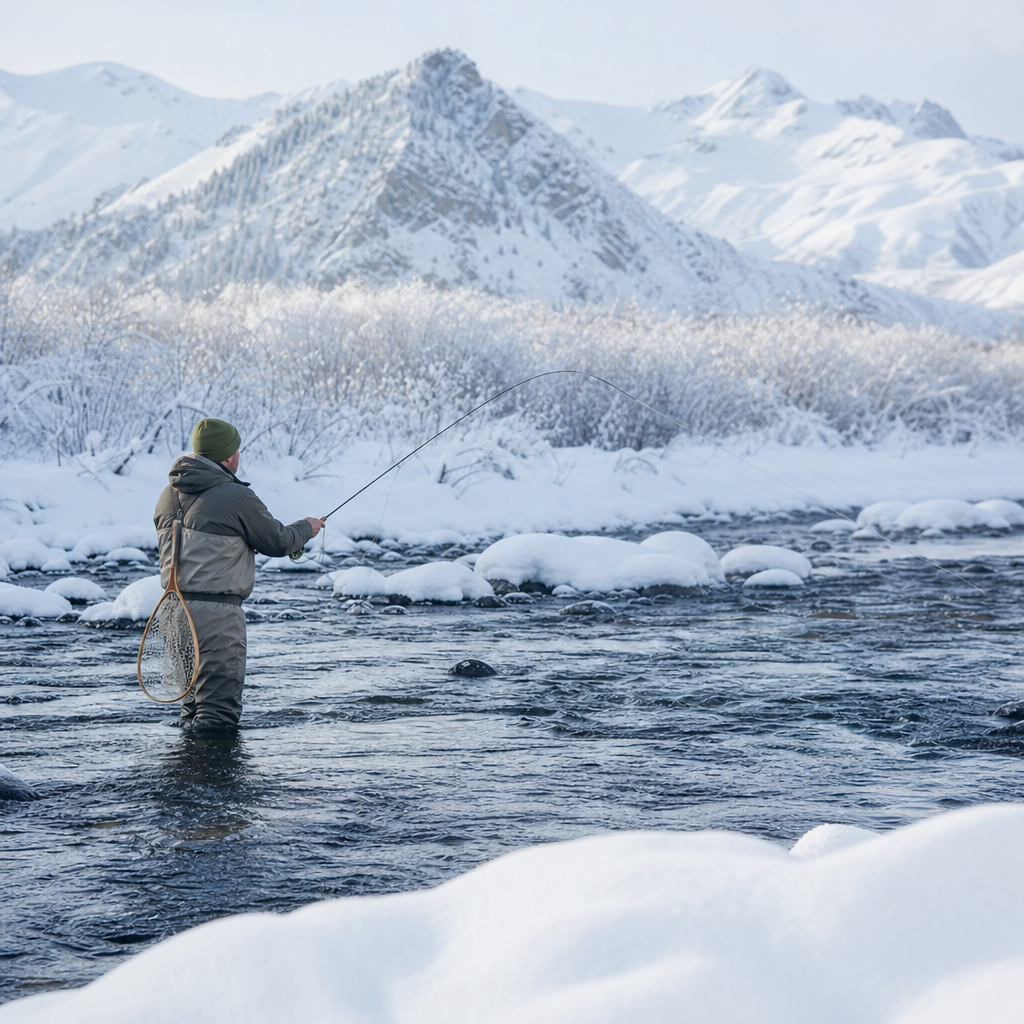
Winter fly fishing rewards anglers who understand cold water, adjust expectations, and fish with precision. It is the seasonal practice of targeting trout and other game fish when air temperatures are low, insect activity is limited, flows can fluctuate, and fish conserve energy in predictable holding water. I have fished winter tailwaters, spring creeks, and freestone rivers for years, and the pattern is consistent: success comes less from covering miles of water and more from reading subtle seams, controlling depth, and presenting smaller flies naturally. For many anglers, winter feels intimidating because the landscape appears lifeless, hatches seem sparse, and mistakes are magnified by cold hands and short daylight. Yet it can be one of the most technical, satisfying times to fish.
Understanding winter fly fishing starts with a few key terms. Water temperature is the central variable because trout are cold-blooded and their metabolism slows as water cools. Holding water refers to places where fish can rest while still intercepting food, such as slow seams beside faster current, deep buckets, tailouts, and softer runs. A tailwater is a river below a dam, often offering more stable winter temperatures than freestone streams, which rise and fall with weather. Midges, Blue-Winged Olives, scuds, sowbugs, and winter stoneflies are common winter food sources, while streamers imitate baitfish or leeches and can trigger larger fish. Strike indicators, euro nymphing systems, and floating lines all have a place, but the common requirement is controlled drift at the fish’s level.
Why winter fly fishing matters is simple: it extends the season, teaches line control and water reading at a high level, and often provides uncrowded access to quality fish. On many rivers, especially productive tailwaters, winter offers excellent trout condition because dissolved oxygen is high and fish occupy concentrated lies. Anglers willing to solve the winter puzzle can find consistent action, occasional trophy fish, and a quieter experience than peak summer. As a hub for the broader winter fly fishing topic, this overview explains where fish hold, what they eat, which tackle choices matter, how weather changes the game, and how to fish safely in cold conditions. If you want dependable winter results, think in terms of energy, temperature, depth, and timing rather than simply casting more often.
How trout behave in winter
Trout do not stop feeding in winter, but they feed differently. As water temperatures slide toward the upper 30s and low 40s Fahrenheit, a trout’s metabolism slows, meaning it will not move as far to intercept food as it might in June. In practice, that shrinks the feeding lane. A summer fish that rises or slides several feet for a drifting nymph may only move inches in January. This is why exact depth and drag-free presentation matter so much. Fish commonly hold near the bottom where current is slower, but “deep” is relative; often the best winter lies are not the absolute deepest holes but moderate-depth buckets with walking-speed current and nearby oxygenated flow.
The best winter water usually combines shelter and food delivery. On tailwaters, I regularly find trout on inside seams, below gravel bars, along drop-offs, and in soft slots beneath riffles where drifting midges and scuds collect. On freestones after cold nights, trout often bunch in the slowest pools and tailouts available, especially where sunlight reaches the water by late morning. During stable afternoon temperatures, fish may slide shallower to feed. Understanding that movement window is critical. Rather than starting at dawn, many experienced winter anglers begin late morning and fish through the warmest part of the day, commonly 11 a.m. to 3 p.m. That timing aligns better with water temperature bumps and with winter hatches such as midges or Blue-Winged Olives.
Best winter water types and timing
Not all rivers fish equally well in winter. Tailwaters are often the top choice because dam releases buffer extreme temperature swings. Rivers like the South Platte below Spinney Mountain, the White River in Arkansas, and the San Juan in New Mexico are classic winter producers for this reason. Spring creeks can also shine because groundwater influence stabilizes temperatures and supports year-round invertebrate life. Freestone rivers are more volatile but can still fish well during warming trends, especially after several mild days. The takeaway is practical: if you want dependable winter fly fishing, start with stable water, then refine your approach to the day’s conditions.
Timing affects both fish activity and angler comfort. A hard overnight freeze can slow the morning bite, while cloud cover may either improve a midge emergence or suppress temperatures enough to keep fish glued down. Bright sun can warm shallow edges slightly, but it can also make trout more selective in clear water. Watch the thermometer, not just the forecast. Even a rise from 38 to 41 degrees can improve feeding. Generation schedules below dams matter as well; changing releases can reposition fish, alter wading access, and affect nymph depth. Before leaving home, check river gauges from USGS or local water authorities, and verify dam releases where applicable.
| Winter condition | Best water to target | Most effective approach |
|---|---|---|
| Stable tailwater at 40–45°F | Seams, buckets, riffle transitions | Small nymphs under an indicator or euro rig |
| Freestone after freezing night | Deep slow pools and tailouts | Late start, weighted nymphs, slower drifts |
| Overcast day with midge hatch | Soft flats and foam lines | Dry-dropper or tiny dry fly with fine tippet |
| Warming afternoon trend | Shallow edges near deeper holding water | Nymph first, then watch for emergers and risers |
| Off-color water after flow change | Banks, soft inside water, structure edges | Heavier bugs or streamers with slower strips |
Flies that consistently work in winter
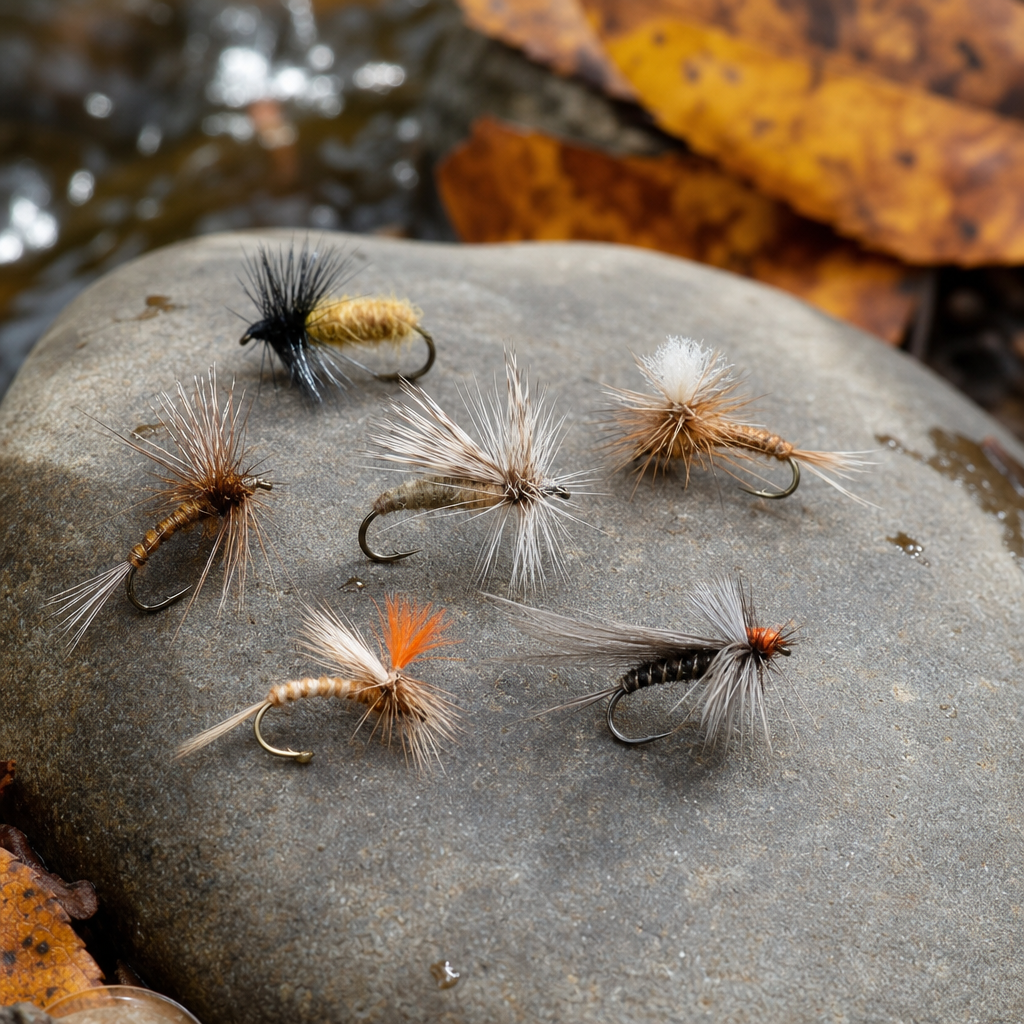
Winter fly selection is narrower than summer, but it is not mysterious. Midges are the backbone on many trout rivers because they hatch year-round. Sizes 18 to 24 in black, red, olive, cream, and zebra patterns are standards. Zebra Midges, Top Secret Midges, Griffith’s Gnats, and simple midge pupa imitations catch fish everywhere from technical tailwaters to park ponds. Where scuds and sowbugs are abundant, especially in weedy tailwaters and spring creeks, pink, tan, gray, and olive patterns can outfish insects all day. Blue-Winged Olive nymphs and emergers matter on milder, overcast afternoons, commonly in sizes 18 to 22. Winter stoneflies are larger and easier to notice, but on many rivers their nymphs matter more than adults.
I usually build winter nymph rigs around two principles: size and sink rate. One fly should get the system down quickly, and one should match the most available natural food. For example, on the Fryingpan River a small weighted sowbug trailed by a size 22 midge pupa is a reliable starting point. On a freestone stream with stained winter water, a size 14 pheasant tail or perdigon above a small midge can be better because the lead fly adds profile and weight. Streamers also deserve a place in any winter plan. Cold water does not eliminate predation; it simply favors slower retrieves, pauses, and deep presentations. White, olive, black, and natural baitfish tones in compact patterns often outperform oversized flies because they are easier for lethargic fish to commit to.
Rigging, tackle, and presentation details
A practical winter fly fishing setup emphasizes sensitivity and depth control. For indicator nymphing, a 9-foot 4- or 5-weight rod covers most trout situations, paired with a floating line and a long leader adjusted to water depth. For technical tailwaters, I prefer fluorocarbon tippet because it sinks, resists abrasion, and helps tiny flies cut through the film. Tippet diameters from 5X to 7X are common depending on fly size and clarity. Split shot placement matters more than many anglers realize; moving weight a few inches can change drift angle, bottom contact, and strike detection. For euro nymphing, long rods in the 10- to 11-foot range improve reach, line control, and contact in slow winter seams.
Presentation is where winter days are won or lost. The goal is a natural drift at the level of the fish, usually close to the bottom but not plowing it every cast. If you are not ticking occasionally, you are probably too high. If you are hanging constantly, you are too deep or drifting too slowly for the weight used. Mend early, keep as little slack as possible, and track the indicator or sighter at current speed. Takes are often subtle: a pause, twitch, hesitation, or slight straightening of the line. Set on anything abnormal. For dries, use longer leaders, slack-friendly casts, and minimal false casting to avoid micro-drag. For streamers, think low and slow: short strips, dead drifts with twitches, or swing-and-pause presentations that keep the fly in the strike zone longer.
Reading winter hatches and adjusting on the water
Many winter anglers miss fish because they assume nothing is hatching. In reality, winter hatches are often small and easy to overlook. Midges may collect in back eddies, along foam lines, or above soft flats long before obvious rises appear. Blue-Winged Olives can emerge in bursts on gray afternoons when humidity is high and wind is light. Winter stoneflies crawl and skitter near banks, cueing fish to look upward in short feeding windows. The disciplined approach is to observe before changing flies repeatedly. Turn over a few rocks, seine the drift if legal, and inspect the air above the water. If you see shucks, adults, or pupae in the film, fish the stage the trout are actually eating.
Adjustment should be systematic. First change depth, then weight, then angle, then pattern. Too many anglers switch from midge to midge without ever getting the flies into the correct lane. If fish are refusing a dry, downsize the tippet and inspect for drag before changing patterns. If nymphing is slow in a promising run, move three feet sideways and drift the seam from a different angle; winter trout can stack tightly, and one precise slot may hold several fish while the adjacent water is empty. Keep notes on water temperature, cloud cover, hatch timing, and successful rigs. Over time those records become more valuable than any fly box because winter fisheries are pattern-driven in a measurable way.
Safety, access, and common winter mistakes
Cold-weather safety is part of competent winter fly fishing. Hypothermia risk rises quickly when wind, wet clothing, and low temperatures combine, so layered clothing is not optional. Start with a moisture-wicking base layer, add insulating mid-layers, and use a waterproof shell over waders and jacket when conditions demand it. Felt or rubber soles with studs can help on icy banks depending on local rules, and a wading staff is genuinely useful when rocks are slick or shelf ice hides drop-offs. Keep spare gloves, chemical hand warmers, and dry clothes in the vehicle. In subfreezing weather, reel guides can ice repeatedly; line dressing, periodic dipping, and simply accepting slower operation are part of the day.
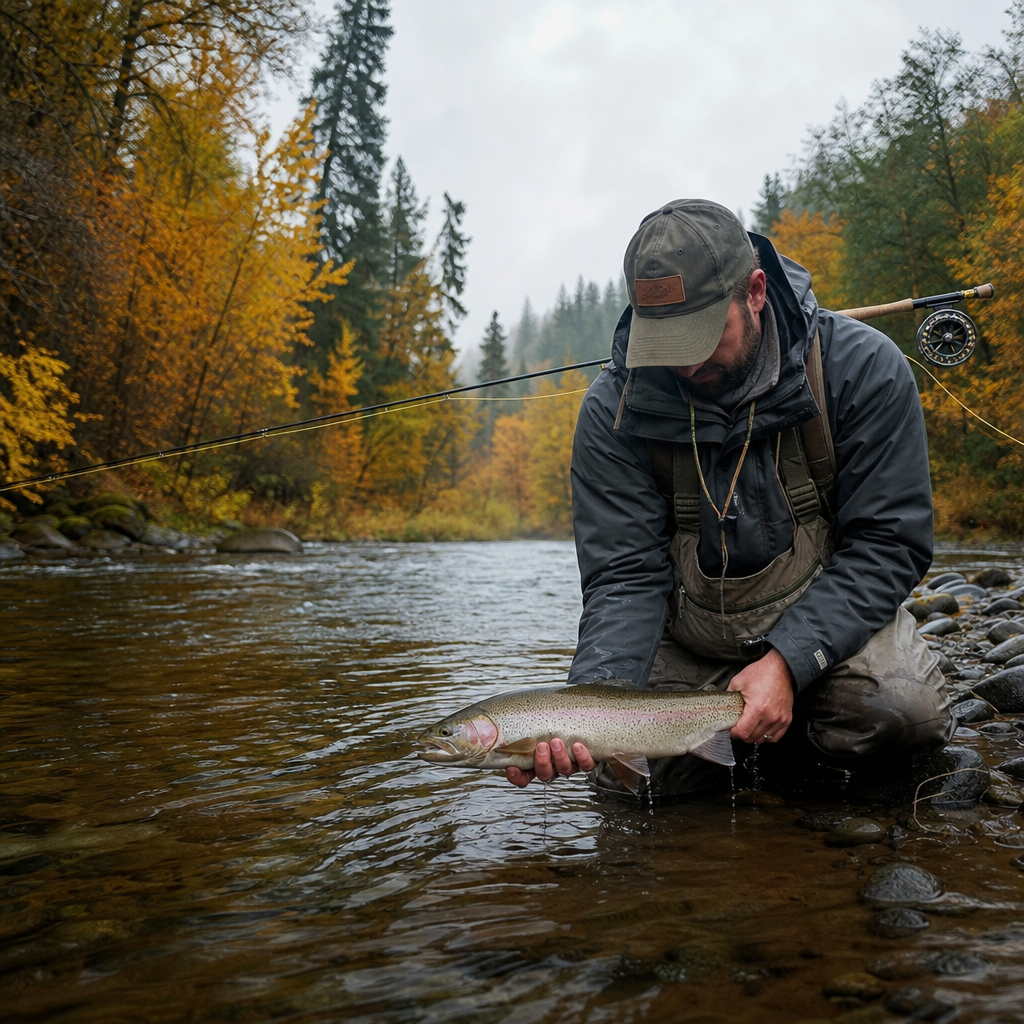
The most common winter mistakes are predictable. Anglers fish too fast, start too early, use flies that are too large, or leave productive water after a few drifts. Others ignore access constraints such as private-land boundaries, delayed harvest regulations, or spawning closures that vary by state. On tailwaters, forgetting to monitor release schedules can create dangerous wading situations within minutes. Another frequent error is overplaying trout in cold water because light tippet encourages timidity. Use appropriate pressure, keep fish wet, and minimize air exposure; trout recover well in cold oxygen-rich water, but responsible handling still matters. Winter also rewards humility. Some days the answer is a size 24 midge under the smallest indicator you can manage. Other days, a slowly worked streamer along a dark bank produces the largest fish of the month.
Winter fly fishing is less about enduring discomfort than about matching method to season. When you understand how cold water narrows feeding lanes, stable temperatures improve activity, and precise drifts outproduce aggressive searching, the season becomes logical instead of intimidating. The essential lessons are straightforward: choose rivers with consistent winter conditions when possible, fish during the warmest and most stable part of the day, focus on soft holding water near current, and build rigs that keep small flies in the strike zone. Midges, scuds, sowbugs, Blue-Winged Olives, and occasional streamers cover most winter situations better than oversized boxes full of summer patterns.
As the hub for this subtopic, this overview should guide your next steps across winter-specific tactics, tailwater strategies, midge fishing, cold-weather gear, and seasonal safety. The main benefit of winter fly fishing is not just extra days on the water. It is the skill development that comes from fishing under conditions where line control, observation, and disciplined adjustment matter on every drift. Those habits make you better in every season. Start with one stable river, carry a thermometer, fish later than you think, and let the fish tell you how precise you need to be. Then build your winter game one measured adjustment at a time.
Frequently Asked Questions
What makes winter fly fishing different from fishing in warmer seasons?
Winter fly fishing is different because nearly everything in the river slows down, including the fish. Cold water reduces a trout’s metabolism, which means fish feed less often, move shorter distances to intercept food, and conserve energy by holding in stable, efficient water. Instead of chasing fish across broad sections of river the way you might in spring or summer, winter anglers usually do better by focusing on very specific holding lies and fishing them carefully. The pace of the day changes too. Mornings are often slower until water temperatures rise slightly, and the best activity may happen during a narrow midday window when the sun has warmed the river just enough to encourage feeding.
Food availability is also more limited in winter. Major hatches are less common on many systems, so trout often key on small nymphs, midges, scuds, sow bugs, and other consistent subsurface food sources. On some tailwaters and spring creeks, winter midge activity can be excellent, but even then fish are usually selective and less willing to move far. Water conditions matter more as well. Flows can fluctuate below dams, shelf ice can alter access and presentation, and freestone rivers may run low, clear, and very cold. Taken together, winter fly fishing becomes a game of precision, patience, and realistic expectations. You are not usually trying to trigger constant action; you are trying to understand where fish can comfortably hold, what they are likely to eat, and how to put a fly exactly where it needs to be.
Where should you look for trout in winter?
In winter, trout are usually found in water that lets them conserve energy while still giving them access to food. That often means slower runs, deeper buckets, soft seams next to moderate current, tailouts with depth, and pools where current speed is reduced. On sunny days, fish may slide into softer water with slightly warmer temperatures, especially where the bottom is dark and absorbs heat. In tailwaters, look for consistent holding water below riffles, along current transitions, and in slots where fish can sit out of the main push while picking off drifting food. In spring creeks, stable temperatures often keep fish active, but they can still be extremely location-specific and selective, especially in clear water.
One of the biggest mistakes anglers make in winter is fishing water that looks good in summer but demands too much energy from cold fish. Fast pocket water, heavy chutes, and shallow riffles may still hold trout at times, but they are rarely the highest-percentage places during prolonged cold periods. Instead, think about efficiency from the fish’s perspective. Trout want enough current to deliver food, enough depth to provide security, and enough shelter to avoid fighting the flow. Undercut banks, inside bends, mid-river depressions, slow edges near drop-offs, and the lower ends of pools can all be productive. The key is to slow down and read subtle structure. Winter success often comes from thoroughly fishing a handful of likely lies rather than covering long stretches of water quickly.
What flies and techniques work best for winter fly fishing?
Subsurface tactics are usually the most reliable in winter, and that starts with nymphing small, natural-looking patterns. Midges, zebra midges, pheasant tails, RS2-style flies, small mayfly nymphs, scuds, sow bugs, and tiny caddis larvae can all be strong choices depending on the river. On some fisheries, egg patterns are productive in winter as well, especially where trout have become accustomed to opportunistic feeding. Fly size often matters more than many anglers expect. Cold, clear water and sparse insect activity can make fish highly selective, so downsizing and refining your presentation frequently produce better results than simply changing colors at random.
Technique matters just as much as fly choice. A dead-drift presentation is critical because winter trout usually will not chase a poorly drifting fly very far. Whether you are tight-line nymphing, indicator nymphing, or fishing a small dry-dropper setup during mild conditions, your goal is to keep the flies in the strike zone for as long as possible. Adjust split shot, leader length, and indicator placement until you are consistently ticking the right depth without hanging up every drift. Strike detection should be disciplined and immediate because winter takes are often subtle. If fish are rising, midge dries and emergers can be effective, but surface feeding may be narrow in timing and highly technical. In some systems, slowly stripped streamers can move larger fish, especially during warmer afternoon periods, but that is generally a more situational approach than dependable winter nymphing.
What time of day and conditions are best for winter fly fishing?
In many winter fisheries, the best fishing happens from late morning into the afternoon, when water temperatures have had time to rise even a degree or two. That slight change can make a noticeable difference in trout activity. Rather than rushing to the river at dawn, many experienced winter anglers plan their day around the warmest and most stable part of the afternoon. Bluebird days after a hard freeze can still fish well once the sun gets on the water, while overcast conditions may prolong low-light feeding on some rivers. Tailwaters and spring creeks often provide more consistent opportunities than freestone streams because water temperatures are more stable, but every system has its own rhythm.
Good conditions generally combine stable flows, manageable wind, safe access, and water temperatures that are not at their coldest point of the day. Sudden dam releases can reposition fish and complicate wading, while snowmelt or anchor ice can quickly change river behavior on freestones. It is also worth paying attention to weather trends rather than just daily highs. A mild spell after extended cold can improve fishing, while a sharp cold front may make fish more reluctant. Still, winter trout are often more predictable than active. Even on tough days, they tend to hold in sensible places, and that predictability gives thoughtful anglers a real chance. If you align your outing with the warmest portion of the day and fish methodically, you typically improve your odds far more than by simply logging more hours on the water.
How should you adjust your expectations and strategy to be successful in winter?
The most important adjustment is mental. Winter fly fishing is rarely about numbers, constant movement, or aggressive takes. It rewards patience, observation, and confidence in small advantages. A productive winter day may involve fewer opportunities, but those opportunities often come from a much more deliberate process: identifying likely holding water, making repeated quality drifts, tweaking depth, changing fly size, and paying attention to the smallest clues. Anglers who expect summer-style action often get frustrated too quickly. Anglers who accept that winter is a precision game usually make better decisions and stick with the high-percentage water long enough to connect.
Strategically, success comes from narrowing your focus. Fish less water and fish it better. Start where trout can hold comfortably, use flies that match the limited winter food base, and refine presentation before making drastic changes. Keep your rig simple enough to control but adaptable enough to reach different depths. Watch for subtle signs such as a pause in the indicator, a slight leader hesitation, or a fish shifting in the current. Safety and comfort are part of strategy too. Dress in layers, protect your hands, move carefully on icy banks, and be conservative when wading in cold water. When you stay warm, think clearly, and remain willing to slow down, winter fishing becomes much more enjoyable and much more effective. That is the real lesson of the season: anglers who read subtle seams, trust measured adjustments, and respect the conditions are the ones who consistently find success.