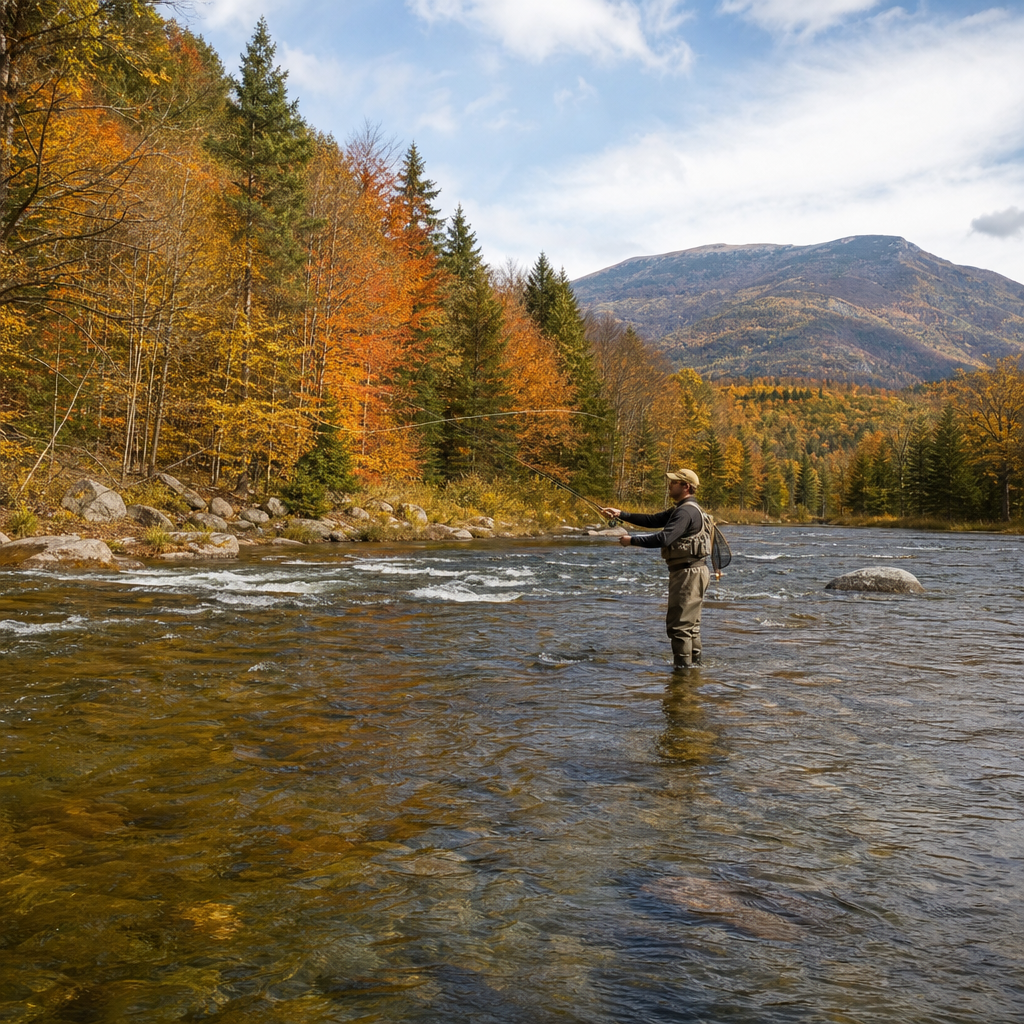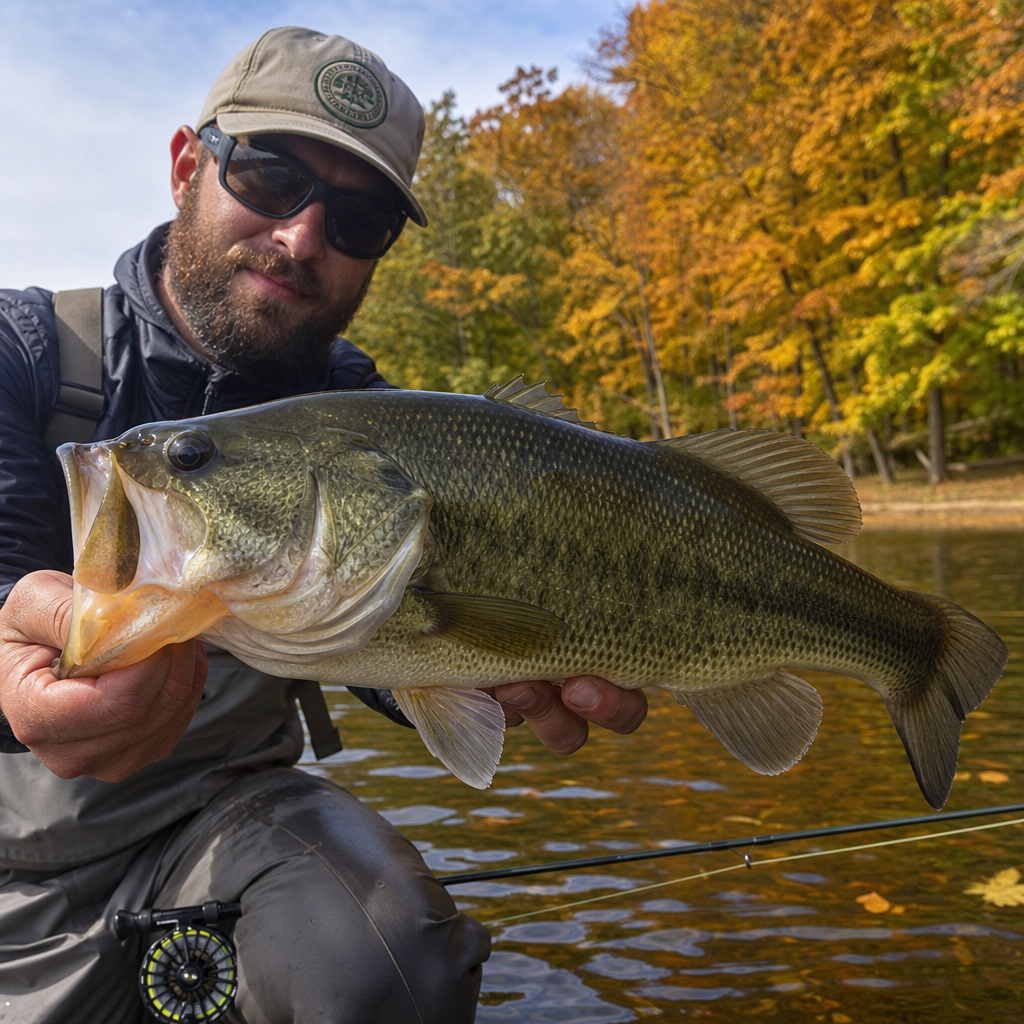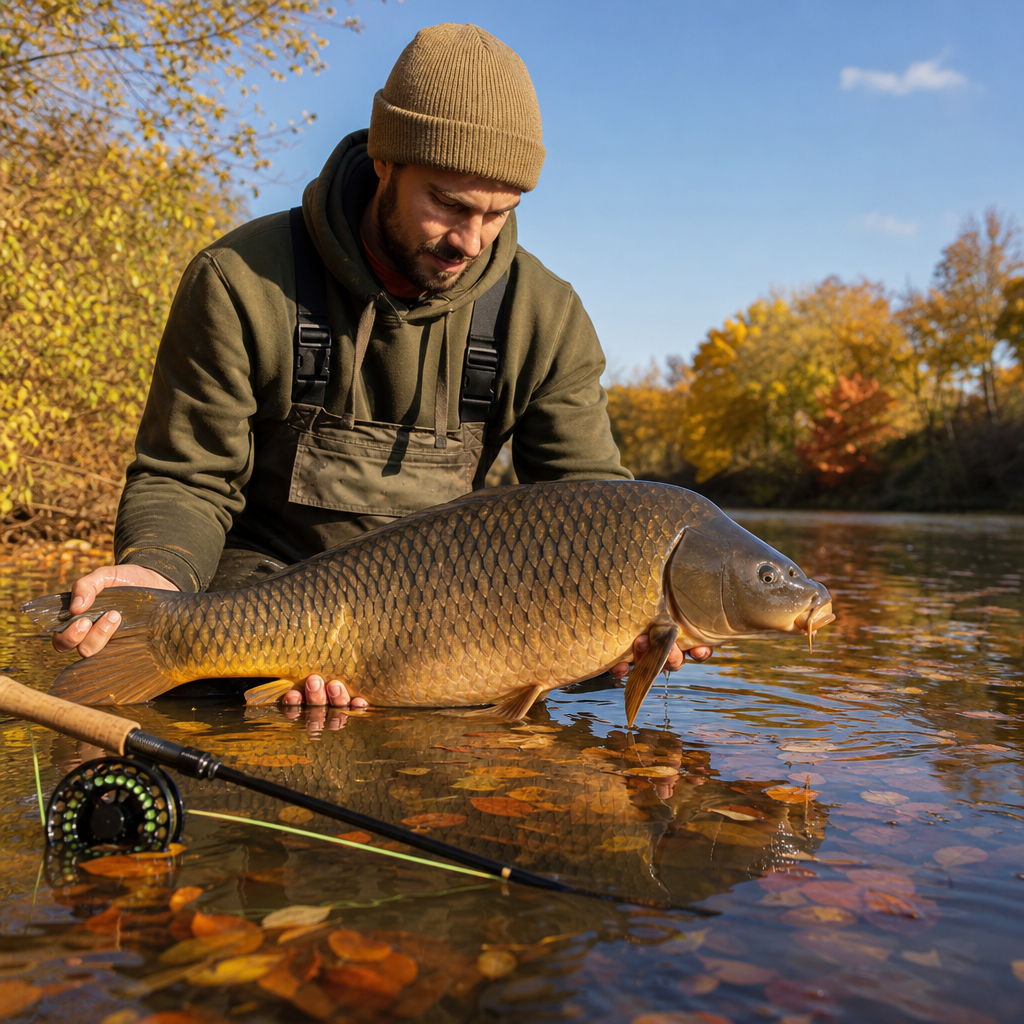
Fall fly fishing for carp rewards anglers who understand how cooling water, shifting food sources, and shorter days change carp behavior. In simple terms, fall fly fishing means targeting fish during the transition from late summer warmth to winter dormancy, while carp fly fishing means presenting artificial flies to common carp in ways that trigger either feeding or defensive responses. This season matters because carp often feed with purpose before cold water slows their metabolism, creating some of the most consistent sight-fishing opportunities of the year. I plan my own fall sessions around water temperature, light angle, and recent weather more than around the calendar, because a mild October afternoon can fish like September while an early cold snap can push fish into winter patterns fast.
Carp are uniquely suited to fall conditions. They tolerate a broad temperature range, they use shallow flats and soft-bottom bays where food remains available, and they respond strongly to natural forage that becomes concentrated as aquatic vegetation thins. In many lakes, ponds, and slow rivers, autumn exposes fish that were hidden in summer weeds. It also changes how they move. Instead of random cruising, I often see more deliberate routes along drop-offs, reed edges, channels, and mud transitions. For anglers, that predictability is valuable. Fall fly fishing for carp is not just about casting to any visible fish; it is about reading posture, direction, speed, and intent, then matching fly choice and presentation to that exact moment.
This hub page covers the full picture: where carp hold in fall, what weather helps or hurts, how to choose rods, lines, leaders, and flies, and which presentations consistently work. It also explains common mistakes, including casting too close, stripping too fast, and misreading subtle takes. If you want one practical definition to guide the season, use this: successful fall carp fly fishing is controlled sight fishing built on observation first and casting second. When you locate active fish in suitable water, present a realistic fly at the right depth, and react calmly to the take, fall can be the most technical and productive carp period of the year.
How Fall Changes Carp Behavior
Cooling water is the main driver of fall carp behavior. Common carp remain active over a wide range, but their feeding windows, location, and speed shift as temperatures slide downward. In early fall, when many waters still hold temperatures in the mid-60s Fahrenheit, carp may continue summer habits: tailing on shallow mud, cruising weed edges, and eating crayfish, damselfly nymphs, dragonfly nymphs, bloodworms, snails, and small baitfish. By mid-fall, especially once nights cool sharply, they often favor areas that warm quickly in the afternoon or places adjacent to deeper holding water. In late fall, fish may become less willing to chase and more prone to inspecting slow, bottom-oriented presentations.
In practice, I look for three postures. Tailing fish are actively feeding and are usually the highest-percentage targets if you can lead them properly. Cruising fish can still be catchable, but speed matters: slow cruisers that track edges are worth the effort, while fast, straight-line movers usually are not. Suspended or stationary fish are the lowest percentage unless they are in very shallow sun-warmed water and can be triggered by a subtle drop. This reading of behavior is more important than exact fly pattern. A well-presented drab nymph to a tailing fish will outfish a perfect imitation thrown at a nervous, non-feeding carp almost every time.
Wind also becomes more useful in fall. Moderate wind pushes food into coves and mud banks, stains the water slightly, and gives carp cover. Bright, dead-calm conditions can make them wary, especially in clear ponds where they feel pressure from birds and anglers. On the other hand, extreme wind makes accurate leading difficult and can erase visual cues. The ideal balance is enough ripple to break up your profile without making fish impossible to track. After years of guiding friends onto carp in autumn, I have learned that a breezy warming afternoon after a cold morning often concentrates both forage and fish better than a stable but featureless bluebird day.
Best Fall Water Types and Locations
The best fall water for carp fly fishing combines visibility, food, and predictable travel lanes. Shallow lakes with dark mud bottoms are prime because mud absorbs heat and supports worms, insect larvae, and crayfish. Reservoir backwaters can be excellent where inflowing creeks carry nutrients and slightly warmer water. Slow rivers deserve special attention in autumn because carp use softer inside bends, side channels, marinas, and eddies where current delivers food without forcing them to spend much energy. Urban ponds are often overlooked, yet they can fish extremely well in fall due to stable water color and easy afternoon warming.
Specific spots matter more than general water types. Start with windblown banks, dying weed edges, reed lines, mud-to-gravel transitions, flats near channels, and the upper ends of coves. Carp like options. A flat that tops out at two to four feet and drops quickly into six or eight gives them security and easy access to changing temperatures. On rivers, search creek mouths, slow shelves beside current seams, and shallow bars below deep bends. In clear water, elevated banks or docks help you spot movement sooner. Polarized glasses with copper or amber lenses are practical tools, not accessories; they improve contrast against fall glare and stained water.
Because this page serves as a hub for fall fly fishing, it helps to separate locations by season stage. Early fall often favors remaining vegetation and morning activity. Mid-fall usually shifts the advantage toward sunlit flats from late morning through midafternoon. Late fall pushes many fish toward deeper edges, marinas, channels, and any soft-bottom zone that receives warm runoff or solar gain. Keep notes on each water body. Carp are creatures of habit, and on many venues they revisit the same autumn travel routes year after year unless water levels, vegetation, or pressure change dramatically.
Essential Tackle, Flies, and Setup
A practical fall carp outfit starts with a 7- to 9-weight rod. I prefer an 8-weight because it turns over weighted flies in wind, protects against long runs, and still lands softly enough for shallow targets. Match it with a large-arbor reel carrying a smooth sealed drag and at least 100 yards of 20-pound backing; big carp in open water can expose weak drags quickly. Most situations call for a weight-forward floating line with a short aggressive head for quick pickup and accurate shots. In deeper channels or windy reservoirs, an intermediate line can help maintain contact, but the floating line remains the core setup for a true fall sight-fishing approach.
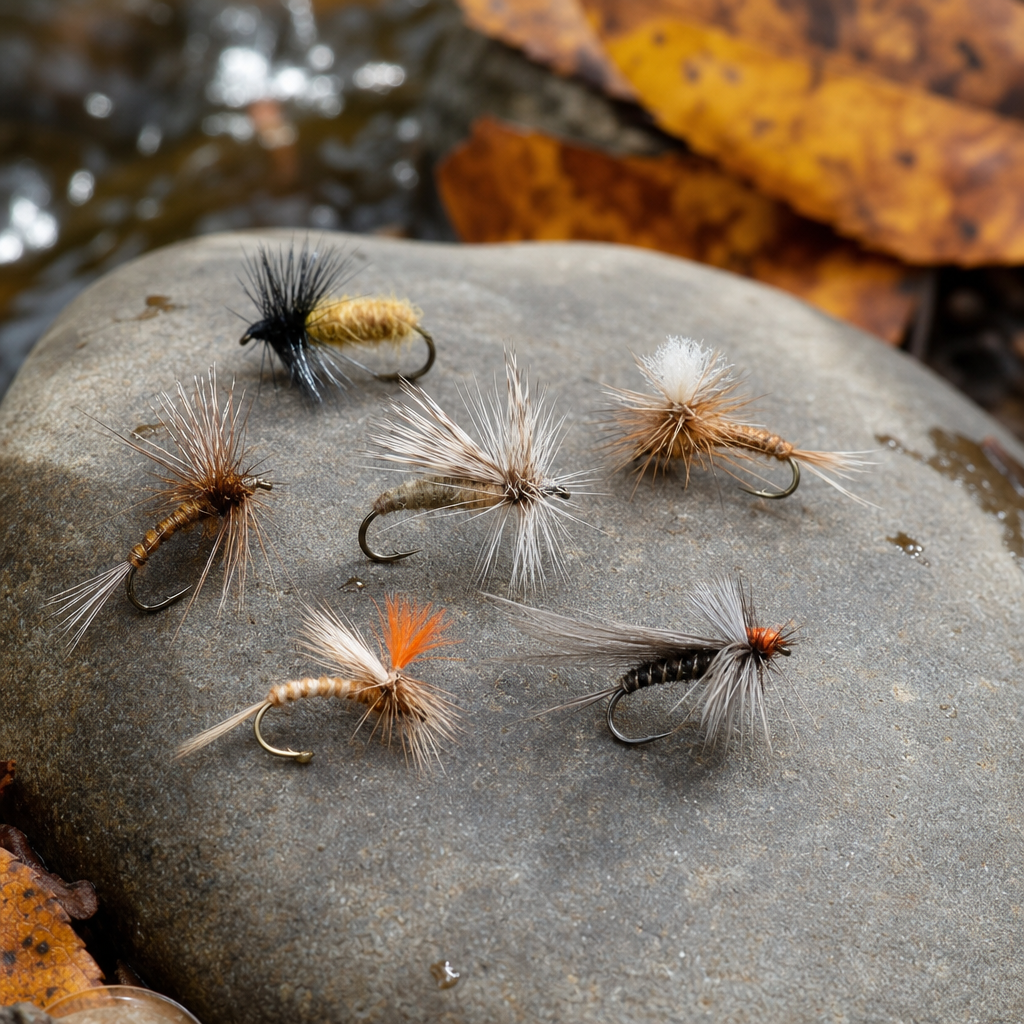
Leaders should be simple and strong. A 9-foot leader tapered to 10-, 12-, or 16-pound tippet covers most conditions. In clear, heavily pressured water, fluorocarbon tippet can help with abrasion resistance around zebra mussels, rock, and wood, although nylon turns over lighter flies more gently. Carp are not usually leader-shy in stained fall water; poor presentation spooks more fish than visible tippet. Carry flies in sizes 4 through 10, mostly in muted tan, rust, olive, brown, and black. My boxes for autumn are heavy on crayfish, carp worms, hybrid buggy nymphs, and small leech patterns with bead-chain or light dumbbell eyes.
| Condition | Best Setup | Fly Type | Presentation Note |
|---|---|---|---|
| Shallow tailing fish on mud flats | 8-weight, floating line, 12-pound leader | Carp worm or small buggy nymph | Lead by 1 to 3 feet and let it settle |
| Windblown bank with light stain | 8-weight, floating line, 16-pound leader | Weighted crayfish or leech | Use short strips and pause on bottom |
| Channel edge in late fall | 8- or 9-weight, intermediate or floating line | Heavier nymph or crayfish | Maintain depth and move very slowly |
| Slow river seam or back eddy | 7- or 8-weight, floating line, 10- to 12-pound leader | Hybrid nymph, worm, or soft leech | Quarter cast and dead-drift before twitching |
Named patterns vary by region, but proven carp staples include the Backstabber, Carp Bitter, NearNuff Crayfish, hybrid carp bugs, San Juan-style worms, and balanced leech variations. The exact pattern matters less than sink rate, hook gap, and snag resistance. In fall, I want a fly that lands quietly, reaches the bottom without plowing into silt, and stays hook point up or semi-protected. Sharp hooks are nonnegotiable because carp mouths are tough and many eats are subtle. Before every trip, I check points against a thumbnail and retie any knot that has scraped over rock or wood.
Presentation Techniques That Consistently Work
The best technique for fall fly fishing for carp is still the controlled lead. Put the fly where the fish will arrive, not where it is now. For a tailing carp in calm shallows, that may mean dropping the fly one to two feet ahead of the head and slightly beyond its path. For a cruiser in stained water, three to five feet can be better so the fish encounters the fly naturally. Once the fly lands, let it settle. Then use one or two short strips, often just one to two inches, to suggest life. Most mistakes happen because anglers keep moving the fly after the carp has already noticed it.
Learn the take signals. Carp rarely eat like trout. Instead, the fish may tip harder, flare gills, stop and pin, slide sideways, or simply puff a small mud cloud where the fly disappeared. If the mouth opens and closes near your fly, strip-set immediately with a firm pull and then raise the rod only after tension comes tight. Trout-style lifting pulls the fly away or fails to bury the hook. On difficult days, the dead-drift drop is effective: cast ahead, let the fly sink, and do nothing until the fish is nearly on top of it. A tiny twitch as the fish enters range often seals the eat.
Angles matter. Quartering presentations usually outfish straight-on shots because they keep the line off the fish and maintain connection. Wading anglers should move slowly, avoid pushing a wake, and cast from their knees if the bank is exposed. In rivers, use current rather than fighting it. Position upstream or across from likely lanes so the fly enters naturally and slows as it reaches the target. In lakes, work with the wind when possible. A drift along a mud bank can produce repeated shots if you stop often and scan. The common theme across all successful fall presentations is restraint: fewer false casts, shorter strips, and less unnecessary movement.
Weather, Timing, and Seasonal Adjustments
If you want the simplest answer to when fall carp fishing is best, fish the warmest stable part of the day. In many regions, that means late morning through midafternoon after sunlight has lifted shallow temperatures a few degrees. A difference of even two to four degrees can activate invertebrates and pull carp onto flats. Consecutive mild days are usually better than a single hot afternoon after a freeze. Barometric pressure matters less than temperature trend and light penetration, though severe post-front bluebird conditions can make fish nervous and reduce shallow activity. After a front, focus on slightly deeper edges until the next warming window develops.
Rain can help or hurt depending on volume. Light rain reduces glare and often improves close shots. Heavy runoff can turn productive flats into chocolate milk, but it can also create feeding zones where warm, colored water enters the lake. In rivers, rising water may push carp into backwaters and flooded margins where worms and terrestrial food wash in. Falling water tends to concentrate fish on defined edges. Frosty mornings should not discourage you; they simply shift the start time. I have had excellent October sessions begin at noon and peak at two o’clock when mud-bottom bays finally came alive with tails and nervous pushes.
Regional timing differs. In northern states and Canada, the strongest shallow action may be compressed into September and early October. In the Mid-Atlantic and Midwest, productive fall windows often stretch through October and into November. In the South, carp can remain on flats well into late fall, especially in urban ponds and sheltered reservoirs. Let conditions, not labels, guide your decisions. Keeping a log of water temperature, weather trend, water clarity, fish posture, and fly response will shorten the learning curve faster than buying more patterns.
Common Mistakes and How to Avoid Them
The biggest mistake in fall carp fly fishing is targeting fish that are visible but not catchable. Fast movers, spooky singles in ankle-deep water, and suspended groups with no feeding posture consume time and rarely convert. A better use of effort is relocating until you find tailing, mudding, or slowly cruising fish with a purpose. The second major mistake is poor shot discipline. Many anglers cast the instant they see a fish, even if the angle is wrong or the fish is about to turn. Waiting five extra seconds for a cleaner lead often doubles your chances. The third is fishing flies that are too heavy, too bright, or too large for the depth and clarity.
Fight management is another area where autumn exposes weaknesses. Carp hooked in cooling water may not run as wildly as midsummer fish, but they still surge hard and use broad circles near the bank. Keep side pressure on the fish, clear loose line quickly, and avoid grabbing the reel handle before the line is on the spool. Check local regulations on landing nets and fish handling, and support the fish horizontally for release. As this hub leads into deeper seasonal articles, the central lesson is straightforward: observe first, simplify your approach, and let fall conditions tell you where, when, and how to fish. Put these techniques into practice on your next warm autumn afternoon.
Frequently Asked Questions
What makes fall a good time to fly fish for carp?
Fall can be one of the most productive seasons for carp on the fly because the fish often feed with more purpose as water temperatures begin to drop. During the transition from late summer into early winter, carp know that conditions are changing, and they frequently take advantage of available food before cold water slows their metabolism. That does not mean every day is easy, but it does mean anglers who understand seasonal patterns can find fish that are willing to eat consistently.
Cooling water also changes where carp spend their time. In early fall, they may still use shallow flats during warm afternoons, especially on sunny days, but they often become more selective about when they enter skinny water. Instead of roaming aimlessly, they may move along edges, channels, soft-bottom bays, and transition zones where food is concentrated. Aquatic worms, nymphs, small crayfish, and dying vegetation all influence where carp feed, so anglers who pay attention to these subtle shifts usually do better than those who fish the same summer spots the same way.
Another reason fall is so appealing is that many waters become less crowded. Pleasure boat traffic drops, shorelines quiet down, and fish may experience less pressure overall. Combined with clear seasonal feeding windows, this can create excellent sight-fishing opportunities. In short, fall rewards anglers who adapt to changing light, temperature, and food availability. If you time your sessions around the warmest parts of the day and focus on likely feeding areas, fall carp can be both accessible and highly catchable.
Where should I look for carp in the fall?
Finding carp in fall starts with understanding that their location shifts with temperature, sunlight, and food availability. Early in the season, carp may still use warm, shallow areas, especially after cool nights followed by bright afternoons. Mud flats, protected coves, back bays, and shorelines with dark bottoms can all warm quickly and attract feeding fish. These spots often hold natural food, and carp will move in when conditions are right. However, unlike summer, they may not remain shallow all day, so timing matters just as much as location.
As fall progresses, carp often concentrate around transition zones rather than featureless flats. Look for drop-offs next to shallow feeding water, channels leading into bays, submerged weed edges, soft silt bottoms, inflows, and areas where current delivers food. Carp are efficient feeders, and they frequently patrol routes that connect comfort water with feeding water. If you are on a lake, pay attention to sheltered banks that receive afternoon sun and are protected from cold wind. If you are on a river, slower side channels, backwaters, tailouts, and soft seams can be especially productive when fish are not spending as much time in fast, shallow water.
Visual clues are still important in fall, but they may be more subtle. Tailing fish, mud clouds, small bubbles, nervous water, and slow-moving shapes can all reveal active carp. At times, fish may cruise rather than tail, especially when they are searching for food along edges. When you cannot see fish, fish the most likely structure methodically. Fall carp often group up more than they do in warmer months, so once you find one or two fish, there is a good chance more are nearby. The best approach is to stay mobile, observe first, and let the water tell you where the fish are that day.
What flies work best for carp in the fall?
The best fall carp flies usually imitate the natural foods fish are most likely to encounter as the season changes. In many waters, that means patterns suggesting aquatic worms, dragonfly or damselfly nymphs, midge or mayfly nymphs, leeches, and small crayfish. Carp are not always feeding on one exact item, so flies that offer a strong impression of life, movement, and vulnerability often outperform overly complicated patterns. Reliable fall choices include lightly weighted carp nymphs, worm patterns, muted crayfish flies, and buggy hybrids tied in natural colors such as rust, olive, brown, black, tan, and dark red.
Weight and sink rate matter as much as pattern choice. In shallow water, a lightly weighted fly that lands softly is often best because fall carp can be cautious, especially in clear water and calm conditions. A heavy fly may splash, spook fish, or drop too quickly past their feeding window. On the other hand, if carp are holding deeper along ledges or channels, you may need a slightly heavier pattern to maintain contact with the bottom. The key is to use just enough weight to get the fly into the feeding zone without making the presentation unnatural.
Profile and hook quality are also important. Carp often inspect a fly closely before eating, so sparse, realistic patterns frequently outperform bulky ones. Small rubber legs, subtle flash, and natural movement can help, but too much flash or bright color may turn fish off in clear fall water. Strong, sharp hooks are essential because carp have powerful mouths and fight hard. If you are unsure where to start, carry a simple fall box with worm flies, buggy nymphs, small crayfish, and a few darker attractor-style patterns for defensive eats. Then let the fish decide. If they follow but refuse, reduce size, lighten the fly, or switch to a more subdued color and profile.
How should I present a fly to carp when water temperatures are cooling?
In fall, presentation is usually more important than the exact fly pattern. Cooling water often means carp are still willing to feed, but they may not want to chase aggressively for long distances. That is why accurate placement, controlled movement, and careful observation are so important. In most situations, the best presentation is to lead the fish by a few feet, allow the fly to settle to the bottom or just above it, and then move it only enough to get the carp’s attention. The goal is to make the fly look available and easy to eat, not panicked or unnatural.
If a carp is actively tailing or rooting, place the fly close to its feeding path and let the fish discover it. Small strips, short drags, or a subtle bump can be enough to trigger an eat. If a fish is cruising slowly, you may need to intercept it with a slightly more deliberate presentation, but resist the urge to strip too much. Fall carp often respond better to restraint than speed. Watch the fish’s body language closely. A dip of the head, flare of the pectoral fins, slight tilt, or pause over the fly often signals interest. Many missed opportunities happen because anglers move the fly too soon or strip hard before the fish has actually eaten.
Defensive presentations can also work well, especially when carp are near spawning ghosts of weed clumps, bottom disturbances, or close-quarters structure and seem territorial rather than actively feeding. In those cases, dropping a fly near the fish and giving it a tiny twitch can provoke a reaction strike. Still, subtlety remains important. In clear fall conditions, noisy casts and heavy false casting will cost you chances. Keep your shots efficient, lead fish properly, and stay ready to set with a firm strip-set instead of a trout-style lift. A calm, deliberate presentation almost always beats an aggressive one when autumn carp are deciding whether to eat.
What gear and conditions matter most for successful fall carp fly fishing?
A practical fall carp setup should help you cast accurately, present flies quietly, and control strong fish in open water or around structure. For most anglers, a 6- to 8-weight rod is ideal, with a 7-weight being a versatile middle ground. It has enough backbone to handle wind, weighted flies, and powerful runs, while still allowing accurate presentations at close range. Pair it with a reel that has a smooth, dependable drag and enough backing, because large carp can make long, stubborn runs. Floating lines are the standard choice for shallow and mid-depth sight fishing, though an intermediate tip can help in slightly deeper or wind-affected water.
Leaders should match water clarity and fly size. In many fall situations, a 9- to 12-foot leader tapered to around 10- to 16-pound tippet works well. Clear water and wary fish may call for longer, finer leaders, while stained water or heavier flies allow for a more aggressive setup. Polarized glasses are absolutely essential for spotting fish, reading bottom features, and tracking how carp react to your fly. Good wading boots, layered clothing, and a simple fly selection also matter, because fall conditions can shift quickly from pleasant afternoons to cold wind and dropping temperatures.
As for conditions, the best windows are often tied to stability. A string of mild days, light wind, and afternoon sun can position carp shallow and improve sight-fishing dramatically. After very cold nights, fish may wait until midday or later to become active, so patience often pays off. Sudden cold fronts can slow things down, while warming trends usually help. Water clarity is another major factor. Clear water improves spotting and precise presentations, but it also means fish are more cautious. Slight stain can actually be beneficial if it gives you enough visibility to see fish without making them ultra-skittish. Ultimately, success in fall comes from combining the right gear with the right timing: fish the warmest and most stable parts of the day, stay adaptable, and let seasonal conditions guide your decisions.