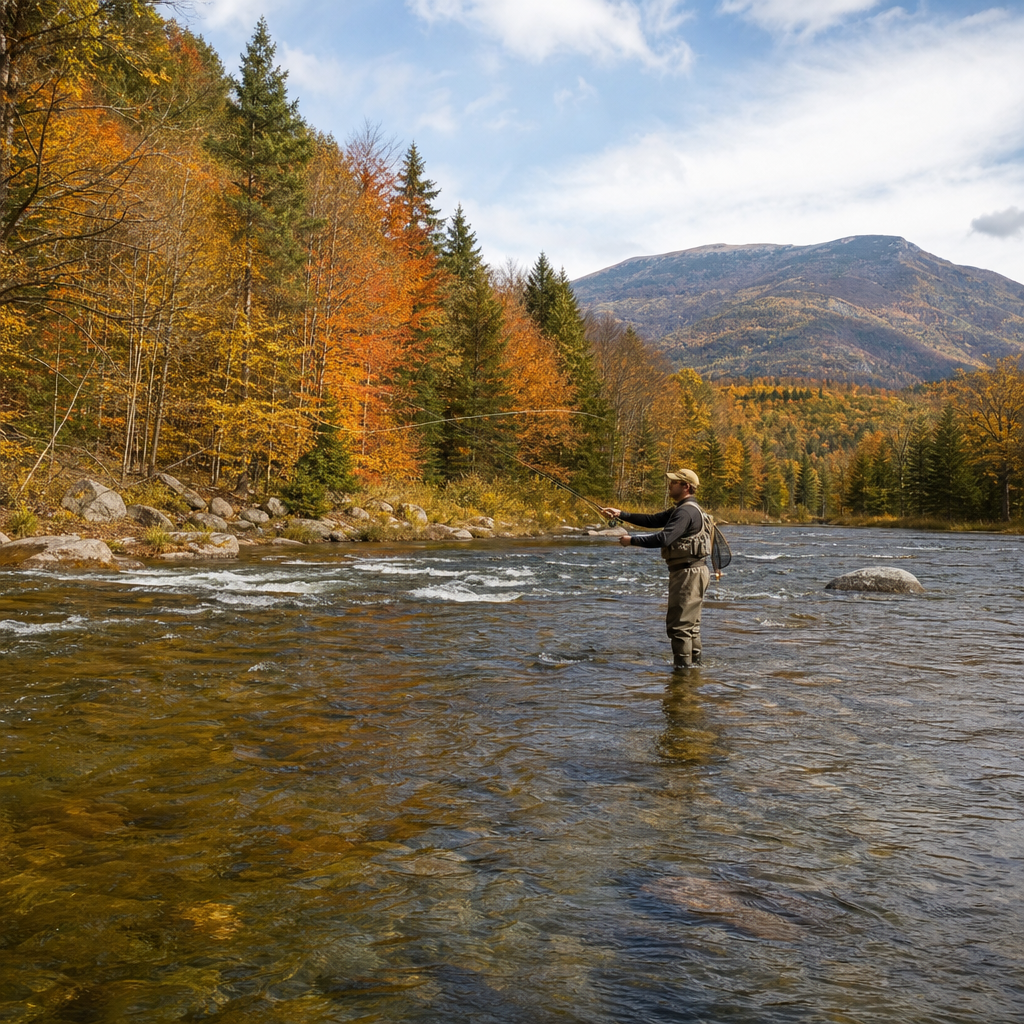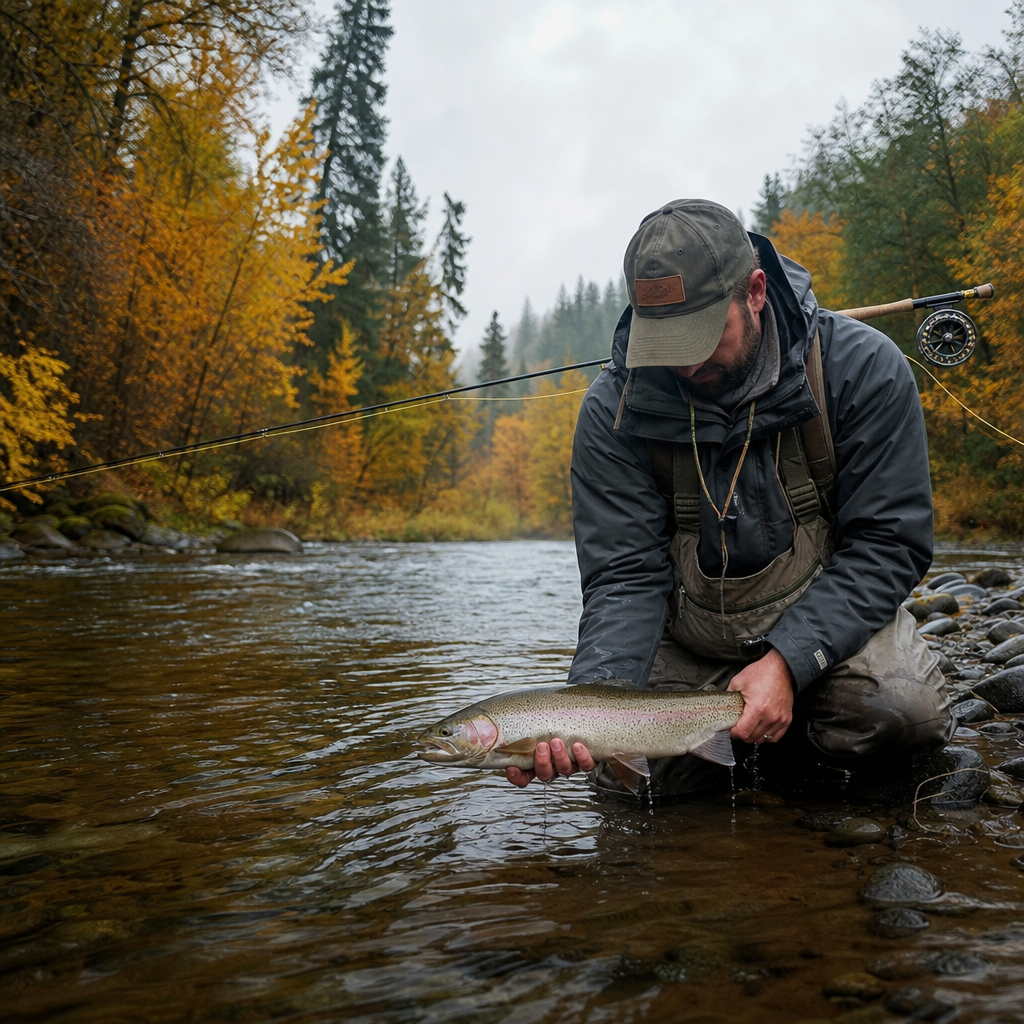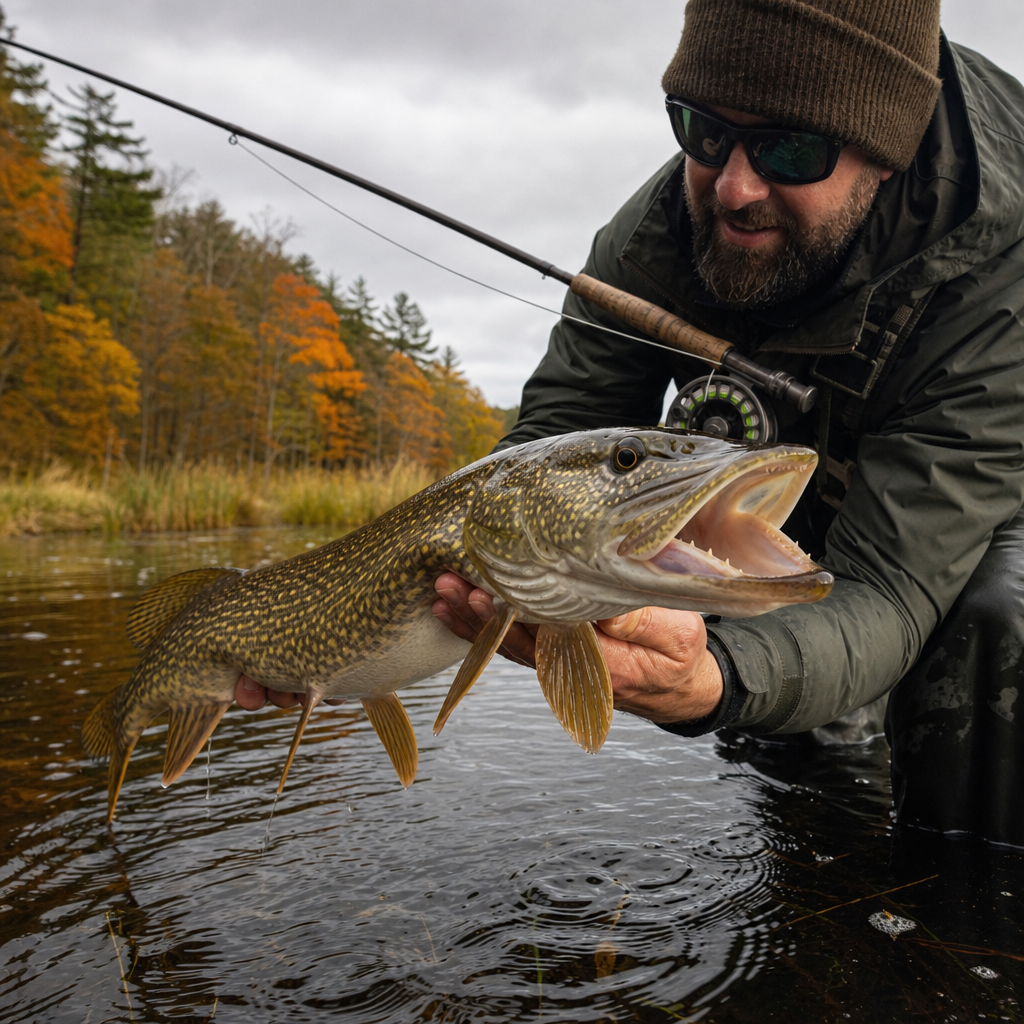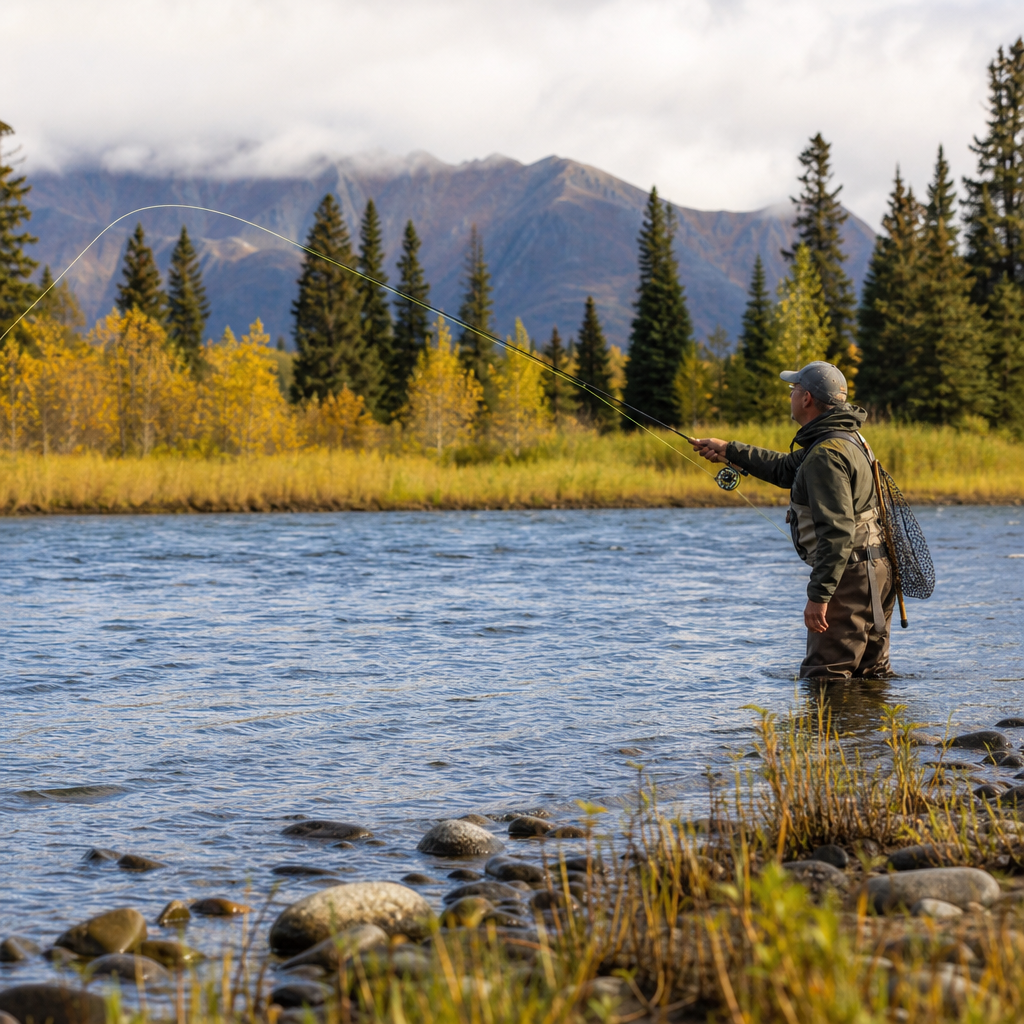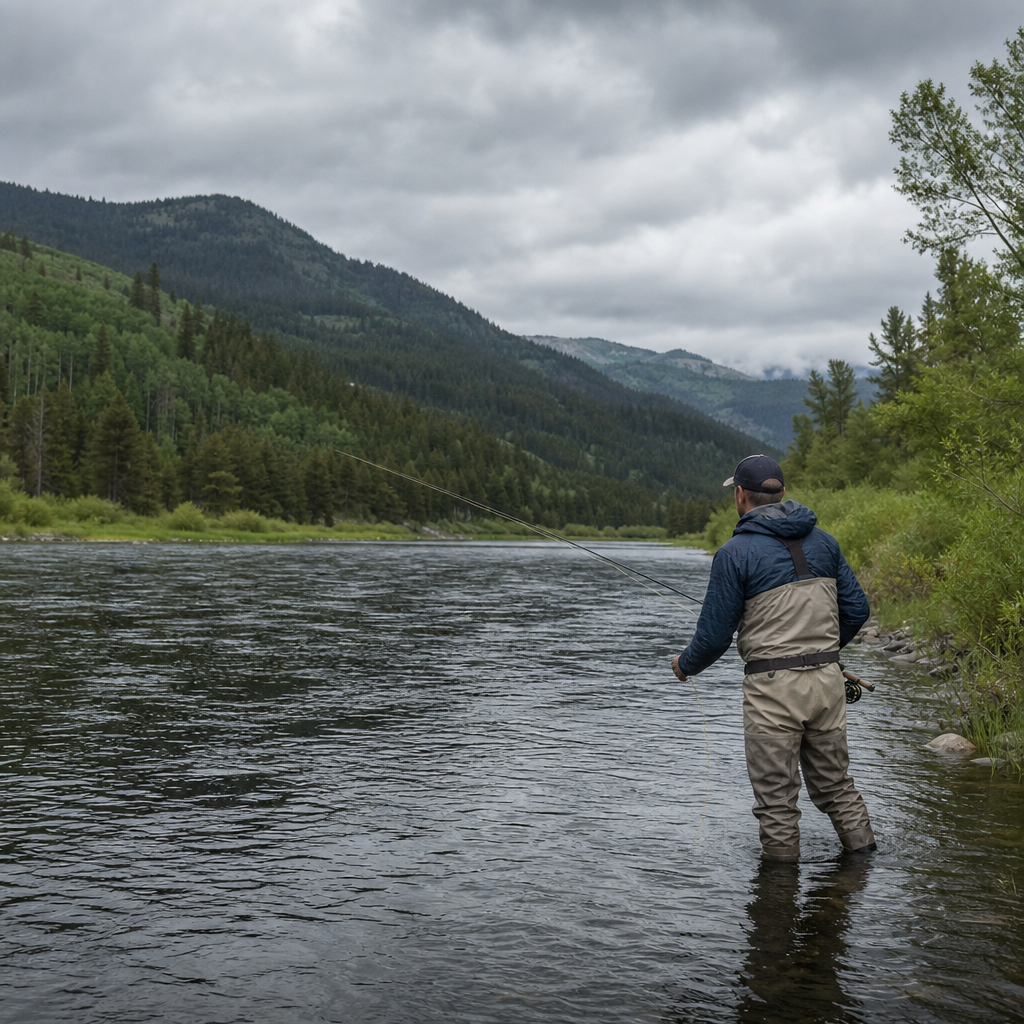
Fly fishing in overcast conditions rewards anglers who understand how cloud cover changes light, insect activity, fish positioning, and presentation. In practical terms, overcast conditions mean a sky dominated by uniform cloud layers that reduce direct sunlight, soften shadows, and often stabilize air temperature. For trout, bass, and many other freshwater species, that altered light environment can extend feeding windows and make fish more willing to leave heavy cover. For anglers, it creates opportunities that bright, high-sun days often suppress. This is why weather conditions deserve dedicated study within any serious seasons and conditions strategy: they influence not just where fish hold, but when they rise, how confidently they move, and which flies they will accept.
I have consistently found overcast days to be among the most productive sessions of the year, especially on rivers with healthy mayfly and caddis populations. The reason is not mysterious. Reduced light lowers the visual advantage predators and anglers both have, while often increasing the comfort level of fish that avoid exposure under glaring skies. On spring creeks, freestone rivers, tailwaters, ponds, and warmwater lakes, cloud cover can turn short, cautious feeding periods into sustained activity. Understanding that shift helps anglers move beyond guesswork. Instead of simply thinking “clouds are good,” the better approach is to read the type of overcast, pair it with water temperature and wind, and adjust tactics accordingly.
This article serves as a hub for weather conditions within the broader seasons and conditions category. Overcast skies rarely act alone. They interact with barometric trends, incoming fronts, humidity, drizzle, water clarity, and temperature swings. A gray day before a storm can fish differently from a calm marine-layer morning or a cold afternoon under thick stratiform clouds. Knowing those distinctions matters because fly choice, leader design, retrieve speed, and target water all change with them. If you want more consistent results, overcast fishing is not just about tying on a darker fly. It is about matching fish behavior to a specific weather pattern and presenting your fly where fish feel safest feeding.
Why Overcast Conditions Often Improve Fly Fishing
Overcast conditions often improve fly fishing because they reduce light penetration, soften contrast, and encourage fish to feed in water they would avoid under bright sun. Trout, in particular, use overhead cover as protection from predators such as ospreys and herons. A cloud ceiling provides that cover across entire pools, riffles, and lake margins. As a result, fish commonly slide out from under cutbanks, woody structure, boulder shadows, or deep slots and begin patrolling softer seams and mid-column lanes. On rivers I know well, runs that seem empty at noon on a bluebird day can suddenly hold active fish once the sun disappears behind sustained cloud cover.
Cloud cover also affects aquatic insect behavior. Many mayfly species hatch more steadily in low light, and spinner falls often linger when direct sun is absent. Midges can remain available longer into the morning, and caddis activity may spread across a broader part of the day. Overcast weather does not guarantee a hatch, but it frequently improves timing and duration. Anglers who watch rise forms carefully will notice that fish under gray skies often feed less frantically but more consistently. That creates ideal conditions for dry-dropper rigs, emerger presentations, or a dedicated dry fly approach when rises become regular enough to identify lanes.
Another advantage is reduced line and leader visibility. In flat water, especially on spring creeks or clear stillwaters, fish can become extremely leader shy under direct overhead light. Diffuse skies make subtle presentations easier to get away with. That does not eliminate the need for slack control or drag-free drifts, but it increases the margin for error. Overcast fishing can therefore be especially valuable for intermediate anglers who have sound casting skills but are still refining reach mends, aerial mends, and downstream slack presentations. The fish may not become reckless, but they often become noticeably less suspicious.
Reading Cloud Cover, Wind, and Fronts
Not all overcast conditions fish the same, and this is where many anglers leave fish on the table. High, thin cloud layers can mute light without changing temperature much, while thick low clouds may cool the water surface, increase humidity, and precede rain. A stable gray day with light wind often supports prolonged dry-fly action because insects emerge steadily and fish hold in predictable feeding lies. By contrast, rapidly dropping pressure ahead of a front can trigger short, aggressive feeding bursts followed by a slowdown once heavy rain, sharp wind, or a temperature drop arrives. The useful question is not “Is it cloudy?” but “What kind of cloudy pattern is developing, and what is it doing to the water and food base?”
Wind deserves equal attention. Overcast with a slight riffle is one of the best combinations in fly fishing because broken surface texture hides leaders, pushes food into lanes, and lets fish feed shallow with confidence. Overcast with strong gusts is different. Heavy wind can knock terrestrial insects into the water and activate shoreline feeding for trout and bass, but it also complicates casting and drift control. On lakes, windward banks often become the highest-percentage areas because wave action concentrates nymphs, scuds, and baitfish. On rivers, crosswind can pull line off-course and create instant drag, so shorter casts and high-percentage drifts usually outperform heroic distance attempts.
Monitoring forecast tools such as NOAA point forecasts, Windy, and river temperature gauges adds a practical edge. I routinely compare hourly cloud cover, wind direction, and temperature trend before choosing between a dry-fly river, a streamer float, or a stillwater session. If cloud cover is expected to hold all afternoon with temperatures in the prime range for local insects, I plan for extended hatch fishing. If an advancing front suggests unstable wind and pressure change, I prepare for a more opportunistic day built around streamers, prospecting nymphs, and brief feeding windows. Weather conditions become useful only when translated into location and presentation decisions.
Best Water to Target Under Gray Skies
Overcast weather expands the amount of fishable water, but some structure still produces better than others. On rivers, start with transition water: the soft edges of riffles, bucket water below pocket seams, tailouts with moderate current, and inside bends where food collects without forcing fish to spend unnecessary energy. Under low light, trout often move from deep holding lies into these feeding lanes because they can intercept drifting insects more safely. In freestone systems, I particularly like knee- to waist-deep runs with broken surface texture. They offer enough oxygen and cover for fish to feed actively while remaining accessible to accurate dead-drift presentations.
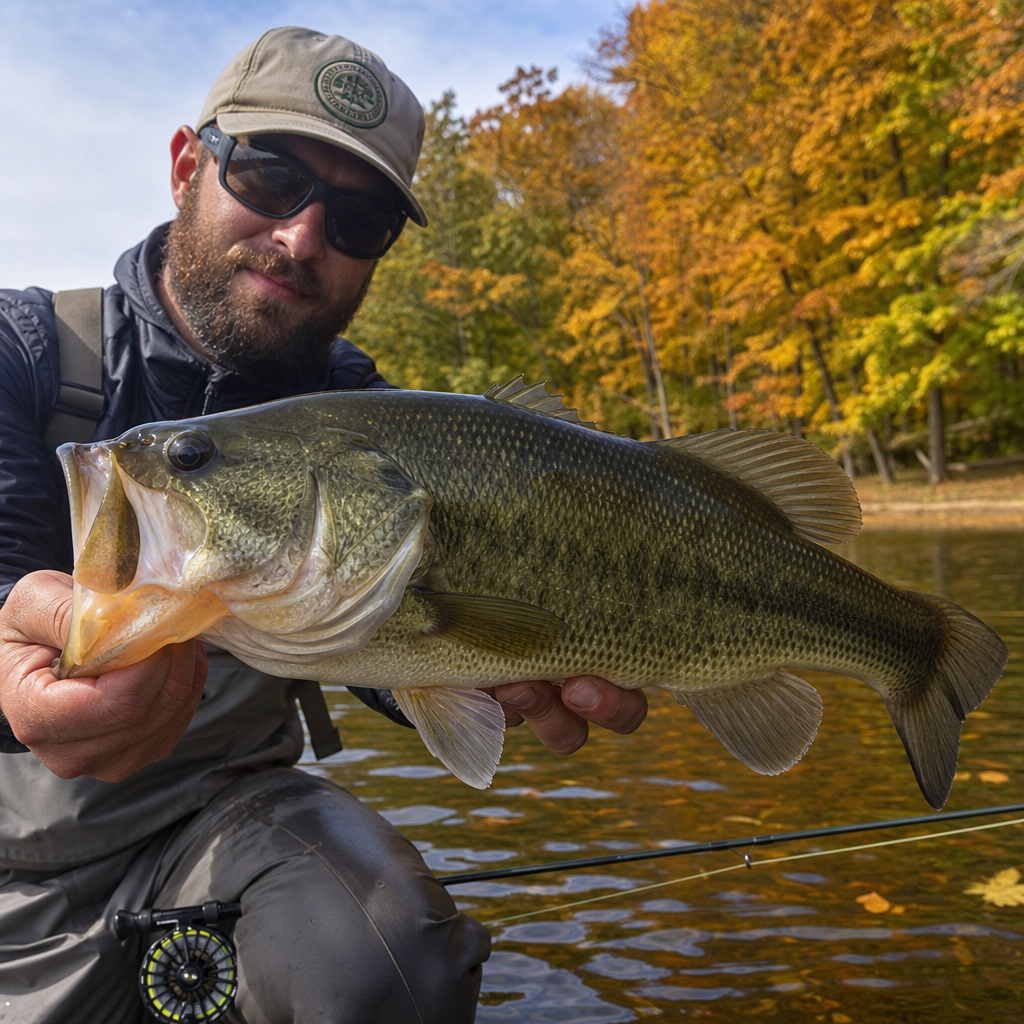
On spring creeks and tailwaters, overcast skies frequently improve shallow flats and gentle glides that fish avoid in direct sunlight. This is where long leaders, careful wading, and accurate insect matching matter most. Fish may rise twenty feet off the bank in water that looked sterile the day before. On warmwater lakes and ponds, overcast conditions often pull bass and panfish onto weed edges, timber lines, and shallow shelves. Instead of hugging the deepest drop, they roam to intercept leeches, damsel nymphs, minnows, and struggling terrestrials. Sightlines are shorter in low light, so fish rely more on silhouette, vibration, and movement, which opens productive streamer opportunities.
When evaluating water, think in terms of exposure and access to food. Fish want enough cover to feel secure and enough current, wave action, or insect concentration to justify feeding. The table below summarizes common overcast setups and the presentations that usually produce.
| Water Type | Where Fish Shift | Best Flies | Primary Presentation |
|---|---|---|---|
| Freestone river | Riffle edges, soft seams, tailouts | Parachute Adams, caddis emergers, Pheasant Tail, small streamers | Dead drift first, then swing emergers through the hang-down |
| Tailwater | Shallow flats, foam lines, gentle glides | Midges, RS2, Baetis nymphs, olive dries | Long leader, fine tippet, precise drag-free drift |
| Stillwater trout lake | Windward banks, shoals, weed edges | Leeches, chironomids, scuds, damsel nymphs | Slow hand-twist retrieve or suspended indicator rig |
| Bass pond or lake | Shallow cover, weed lanes, timber edges | Woolly Bugger, baitfish patterns, poppers if calm | Strip-pause retrieve near structure |
Fly Selection, Color, and Size in Overcast Light
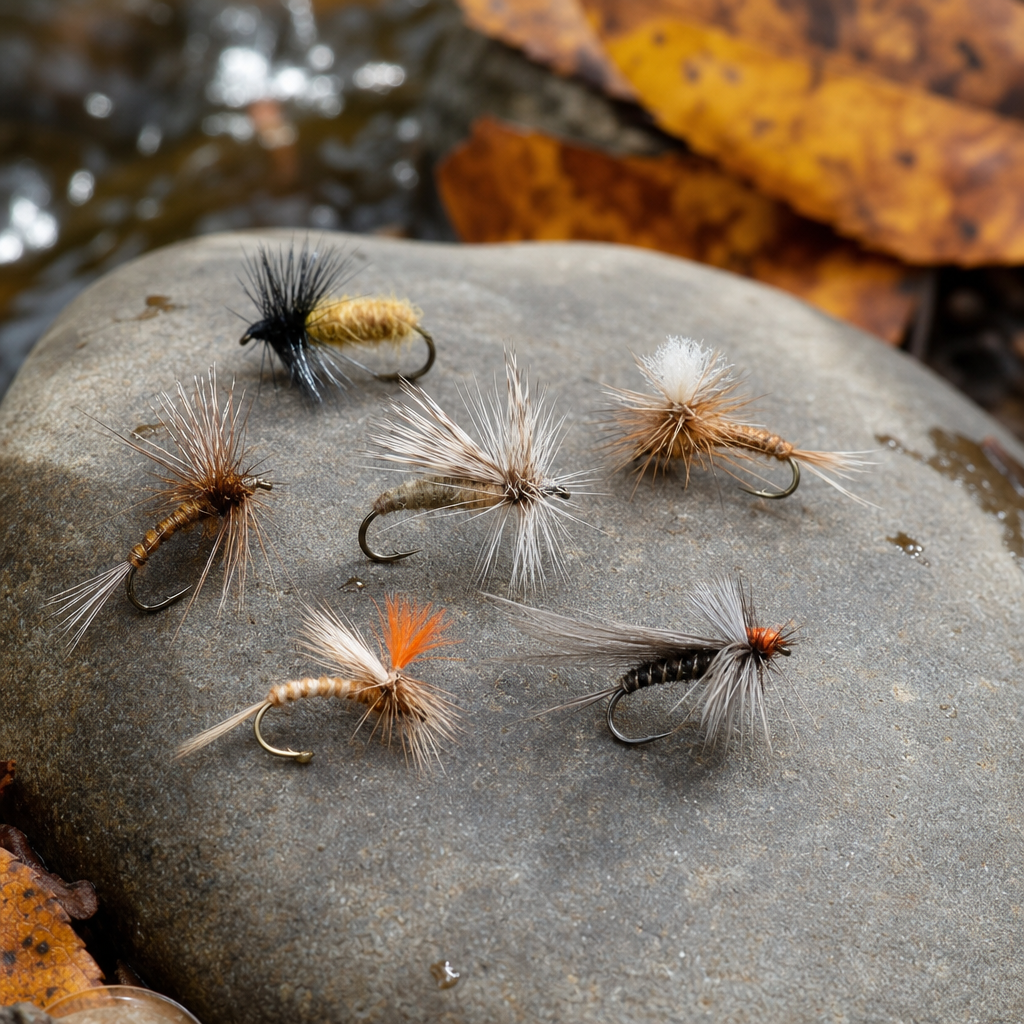
Fly selection in overcast conditions should begin with food sources, then adapt to visibility. For trout, matching active insects remains the highest-percentage approach. If blue-winged olives are present, fish olive nymphs, emergers, and parachute-style adults in sizes that match local bugs, commonly 16 to 22. If caddis are fluttering under low clouds, carry pupa patterns, soft hackles, and buoyant adults. On lakes, balanced leeches, chironomids, and scuds remain staples because cloud cover often keeps fish cruising at reachable depths for longer periods. Overcast does not excuse random fly changes; it simply broadens the range of effective silhouettes.
Color matters, but not in the simplistic sense that “dark day equals dark fly” every time. In low light, contrast is often more important than brightness. Black, olive, brown, and deep purple streamers create strong outlines. For nymphs and emergers, naturals still dominate when fish are keyed on a hatch. The useful rule is this: imitate accurately when food is obvious, increase contrast when visibility or aggression becomes the deciding factor. I have had excellent streamer sessions during heavy cloud cover with olive-and-black patterns because they suggest both baitfish and leeches while staying visible in stained or dim water.
Size selection often follows fish mood. On calm overcast days with selective rises, downsizing wins. During pre-front periods or on windy banks where fish are hunting broadly, a larger profile can trigger decisive takes. Carrying both subtle and searching options is essential. A practical overcast box might include parachute mayflies, cripples, soft hackles, perdigons, split-case baetis nymphs, Woolly Buggers, zonkers, and compact baitfish patterns. If the day progresses from steady cloud to drizzle and rising wind, being able to shift from technical hatch matching to attractor streamers without rebuilding your entire system saves time and keeps you fishing effectively.
Presentation Adjustments That Catch More Fish
The best presentations in overcast conditions are usually controlled drifts, purposeful swings, and measured retrieves rather than constant fly changes. On rivers, start with the most natural delivery possible. Fish may be more willing to feed under cloud cover, but they still reject drag. Reach casts, pile casts, and stack mends become especially useful in broad glides and tailouts where fish move into open water. If rises are inconsistent, run an emerger behind a dry or indicator and let it drift through the seam before tightening gently at the end of the drift. That hang-down moment often produces takes when ascending insects become vulnerable.
Soft-hackle swings are particularly effective on overcast days. Cast quartering downstream, allow the fly to sink slightly, then let current tension bring it across the lane. This presentation imitates emerging caddis and mayflies and covers water efficiently when fish are feeding subsurface but near the top. For streamers, avoid the common mistake of stripping too fast just because the sky is dark. Trout and bass often respond better to a strip-pause cadence that lets the fly suspend, dip, and change direction. In stillwater, a hand-twist retrieve on a leech or nymph can outfish aggressive pulls because it keeps the fly in the zone longer.
Tackle adjustments help too. In dim light, many anglers can lengthen leaders slightly without spooking fish, especially in riffled current. On the other hand, if wind builds, shortening the leader improves turnover and accuracy. I often carry 9-foot leaders from 3X to 6X for trout and switch tippet rather than overhauling the entire rig. Polarized glasses still matter under cloud cover because they cut glare from the water surface, though lens color becomes more important; copper, amber, and yellow tints usually outperform dark gray in low light. The goal is simple: maintain visibility, manage drag, and keep the fly where fish are feeding for as long as possible.
Common Mistakes and How to Avoid Them
The biggest mistake anglers make in overcast conditions is assuming every fish in the river suddenly becomes aggressive. Cloud cover improves odds, but it does not erase seasonal behavior, water temperature limits, or fishing pressure. If trout are lethargic in very cold water, they may feed more confidently under gray skies yet still prefer small, slow presentations close to the bottom. Another frequent error is staying with one method too long. Anglers often begin with dries because the light looks perfect, even when no adults are present. Better results come from reading evidence: rises, shucks, swallows, drifting nymphs, water temperature, and current speed.
Poor positioning is another preventable problem. Because fish may slide into shallower or more open lies, wading too aggressively can push them out before the first cast. Approach from downstream, limit false casts, and cover near water before stepping farther in. On windy overcast days, casting mechanics become critical. Open loops and overpowering the rod create tailing loops and leader collapse. A compact stroke, tighter tracking, and casting angles that use the wind instead of fighting it make a measurable difference. When conditions deteriorate into heavy rain, remember that safety comes first: rising flows, slick rocks, and lightning end productive fishing quickly.
Finally, avoid treating overcast conditions as an isolated variable. The most successful anglers build a weather conditions framework that connects cloud cover to season, watershed type, hatch calendar, and recent flow changes. A September overcast day on a low spring creek calls for a different plan than a June overcast afternoon on a snowmelt freestone or a humid summer morning on a bass pond. Keeping notes on cloud type, wind, water temperature, insect activity, and successful flies accelerates the learning curve. Over time, those records show patterns that no generic advice can replace.
Fly fishing in overcast conditions is productive because reduced light changes fish confidence, insect timing, and the amount of water worth targeting. The best anglers use that advantage deliberately. They read the kind of cloud cover, note whether wind or fronts are strengthening or stabilizing the day, and choose water that balances security with food availability. They match flies to actual forage, increase contrast when visibility matters, and refine presentation before blaming fly choice. Those decisions turn a merely pleasant gray day into a strategic opportunity.
As the weather conditions hub within seasons and conditions, this topic connects directly to every other pattern-driven decision you make on the water. Cloud cover matters most when interpreted alongside temperature, current, clarity, and seasonal insect behavior. If you build that habit, you will recognize when overcast skies call for technical dries, when they favor emergers and soft hackles, and when they open the door for streamers along banks, seams, and weed edges. Few weather patterns are as consistently favorable across rivers and lakes, provided you respond to them with precision.
The next time the forecast turns gray, go fishing with a plan instead of a superstition. Watch the light, track the hatch, fish the water that newly opens up, and adjust your presentation to what the weather is actually doing. Overcast conditions are not just “good fishing weather.” They are readable, repeatable conditions that can make you a far more versatile fly angler.
Frequently Asked Questions
Why is fly fishing often better in overcast conditions?
Overcast conditions can improve fly fishing because the reduced light changes how fish behave and how confidently they feed. When a uniform cloud layer softens direct sunlight, it lowers glare on the water, weakens harsh shadows, and creates a more even light environment throughout the day. Many freshwater species, including trout and bass, feel less exposed under cloud cover and are more willing to move out from under banks, logs, boulders, weed edges, and deeper holding water to hunt. That often means longer feeding windows than you might see on bright bluebird days, when fish tend to become more selective, skittish, or locked into heavier cover.
Overcast weather can also influence insect activity. Aquatic insects such as mayflies, caddis, and midges often emerge well under low-light conditions, and some hatches become more prolonged because temperatures and light levels remain relatively stable. Instead of a short, intense burst of surface activity, you may get a more forgiving window in which fish feed consistently. For the fly angler, that translates into more opportunities to present dries, emergers, soft hackles, and nymphs to fish that are already looking up or moving through the water column. In short, cloudy skies often create a combination of fish confidence, insect activity, and manageable light that makes presentation more productive and strikes more likely.
How should I adjust my fly selection when the sky is cloudy and the light is flat?
In overcast conditions, your fly selection should reflect two main factors: what fish are feeding on and how visible or suggestive your pattern appears in softer light. Cloud cover does not automatically mean you should throw larger or darker flies all day, but it does mean subtle profile, movement, and contrast become especially important. If fish are keyed in on surface insects, start by matching the hatch with dries or emergers that sit naturally and remain visible in dimmer light. Parachute-style patterns, comparaduns, cripple imitations, and low-riding caddis patterns are often strong choices because they present a realistic silhouette while still being practical for the angler to track.
If there is no obvious hatch, overcast days are excellent for prospecting with nymphs, soft hackles, and streamers. Nymphs remain reliable because fish may roam more broadly and feed through riffles, seams, and transitional water instead of staying pinned to one protected lie. Soft hackles and wet flies can be especially effective because they imitate emerging insects and convey life with minimal motion. For streamers, cloudy light often gives fish the confidence to chase, so patterns with a distinct silhouette, moderate flash, and natural baitfish or leech colors can be highly effective. Olive, black, white, brown, and combinations with subtle flash tend to work well. The key is not simply to use brighter flies, but to choose patterns that show enough contrast to be noticed while still matching the size, shape, and behavior of available food.
Where do fish usually hold during overcast weather, and how should I approach those areas?
Under overcast skies, fish frequently spread out more than they do in bright sun because they feel less vulnerable to predators and less stressed by intense light. Trout may slide from deep, shaded lies into riffles, tailouts, feeding lanes, shallow shelves, and current seams where drifting food is easy to intercept. Bass and other warmwater species may move off the tightest cover and cruise weed lines, drop-offs, rock transitions, and ambush edges with more confidence. This does not mean structure stops mattering; it means fish often use a wider radius around that structure and may feed in places that look too exposed on sunny days.
Your approach should remain disciplined. Softer light can help conceal you, but fish still detect vibration, poor wading, drag, and sloppy casting. Start by covering likely feeding water methodically rather than only targeting the deepest or darkest holding spots. On rivers and streams, pay particular attention to riffle-to-run transitions, foam lines, pocket water, undercut edges, and moderate-depth runs that receive a steady drift of insects. On lakes and ponds, work shorelines with wind influence, points, weed pockets, and drop-off edges where food gathers. Make controlled, repeated presentations from different angles before moving on. Overcast conditions often reward anglers who think in terms of feeding zones rather than hiding zones, because fish are more likely to patrol and intercept prey in open lanes.
What presentation techniques work best for fly fishing in overcast conditions?
The best presentation in overcast conditions is usually the one that preserves natural drift or believable movement while taking advantage of fish that may be feeding more actively and over a larger area. For dry flies, focus on clean drag-free drifts and accurate placement ahead of rising fish or suspected feeding lanes. Because fish may be less light-shy, you can often cover water more aggressively, but that should not come at the expense of finesse. Reach casts, slack-line presentations, and careful line control remain essential. If fish are bulging or swirling but refusing fully floating dries, switch to emergers, soft hackles, or lightly greased flies that sit in or just below the film.
For nymphing, overcast weather often favors slightly more active searching. Use indicator rigs, tight-line methods, or short-line drifts to cover riffles, seams, and transitional water thoroughly. Adjust weight and depth carefully because fish may suspend higher in the column when they are feeding on emergers, yet still drop lower when keying on subsurface nymphs. For streamers, cloudy conditions can make a major difference. Fish often respond better to strips, swings, pauses, and directional changes when the light is dim and the water feels safer to them. Vary your retrieve until you identify whether fish want a slow, pulsing presentation or a more erratic, fleeing action. Across all techniques, the common thread is intentional control: overcast weather may increase opportunity, but consistent success still comes from matching depth, speed, angle, and drift to the fish’s feeding behavior.
Are there any common mistakes anglers make when fly fishing on cloudy days?
One of the biggest mistakes is assuming overcast conditions automatically guarantee excellent fishing all day and everywhere. Cloud cover improves the odds, but fish still respond to water temperature, flow, wind, barometric changes, insect timing, and angling pressure. Some anglers become too casual because the light feels favorable, and they stop paying attention to current seams, drift quality, leader setup, and stealth. Others make the opposite mistake and fail to expand their search, continuing to fish only deep cover even though fish may have moved into more open feeding water. Overcast conditions often reward adaptability, so staying locked into one pattern, one depth, or one lane can cost you fish.
Another common error is choosing flies based only on visibility rather than food form and behavior. Darker or higher-contrast flies can help in flat light, but they are not magic if the fish are feeding on small emergers or a specific hatch. Anglers also frequently overlook line management in low light. It can be harder to track subtle takes, detect drag, or see where a small dry is drifting, so strike indicators, leader formulas, fly size, and even fly visibility aids should be adjusted accordingly. Finally, many anglers neglect safety and changing weather. Overcast days can transition quickly into wind, rain, or storms, which affects casting, wading, and fish location. The most successful anglers treat cloudy conditions as an opportunity to fish more strategically, not less carefully.