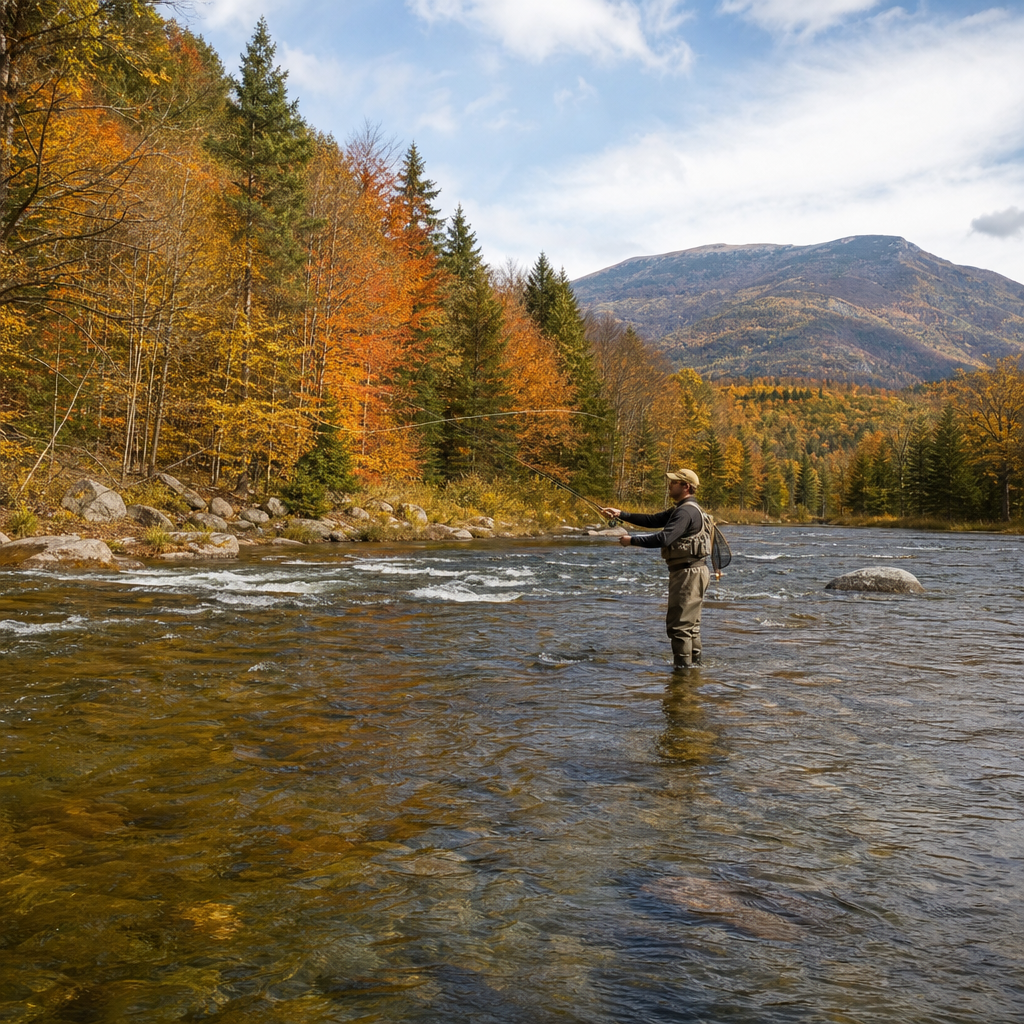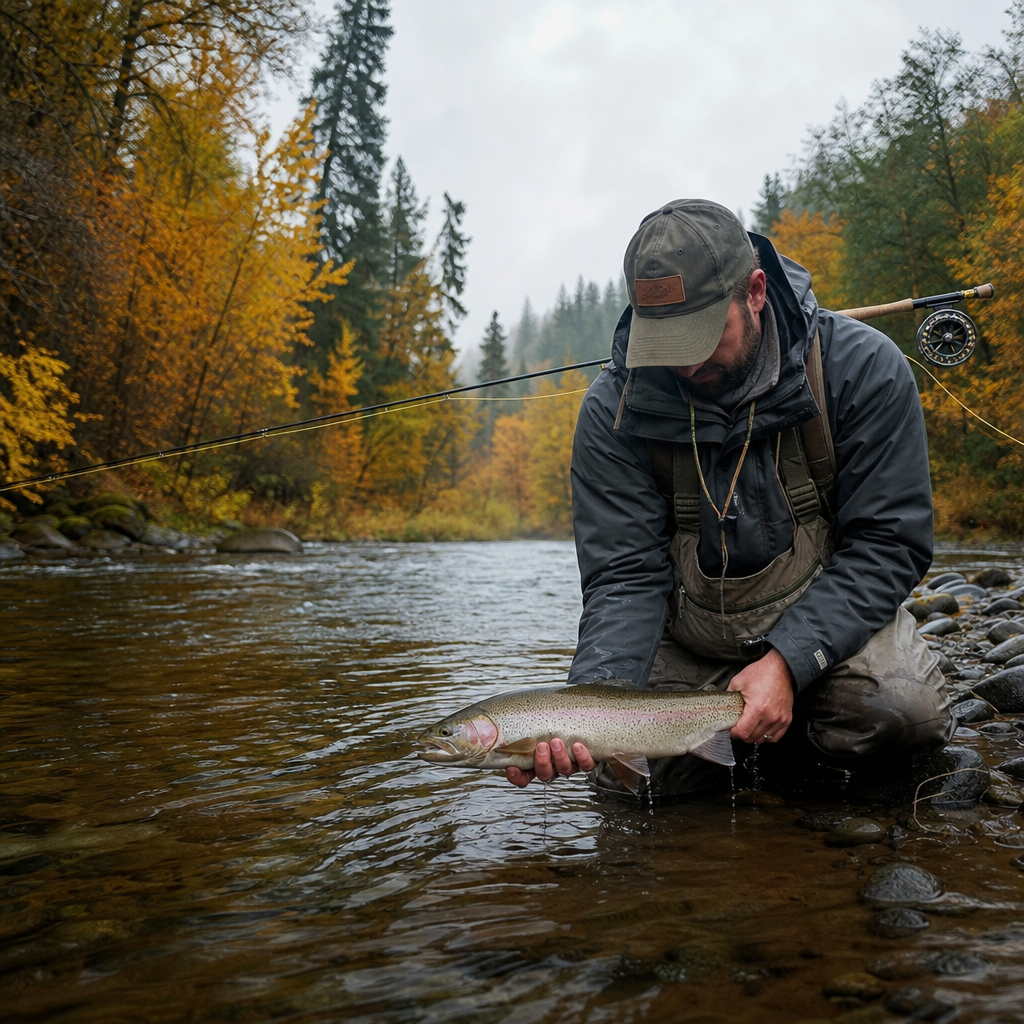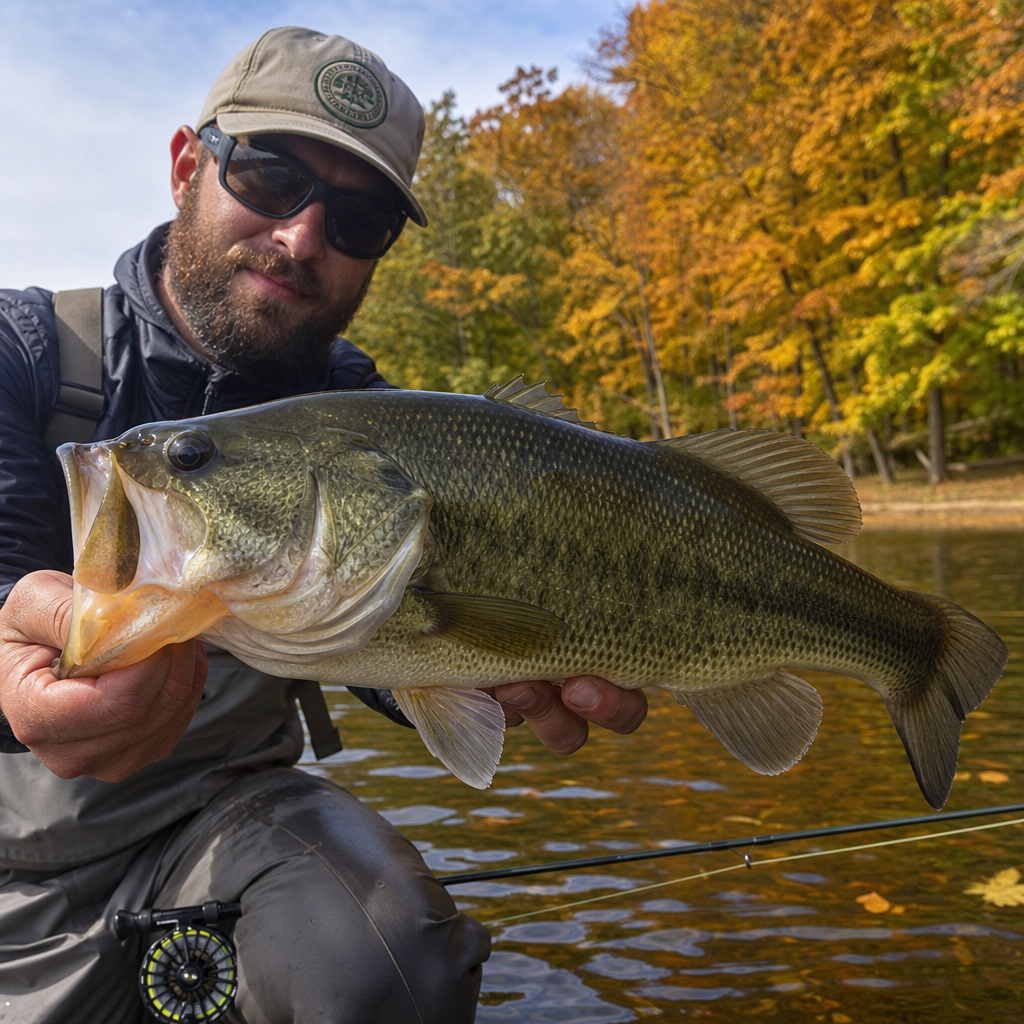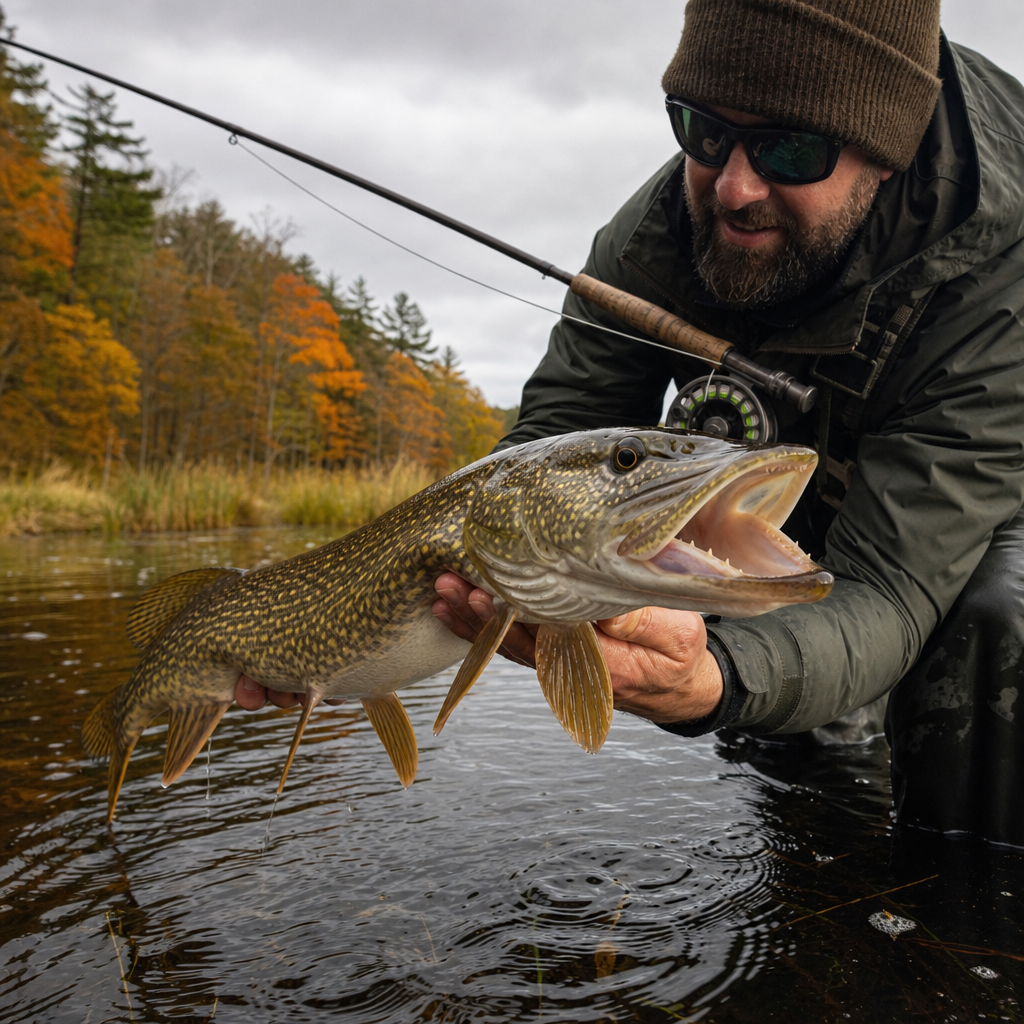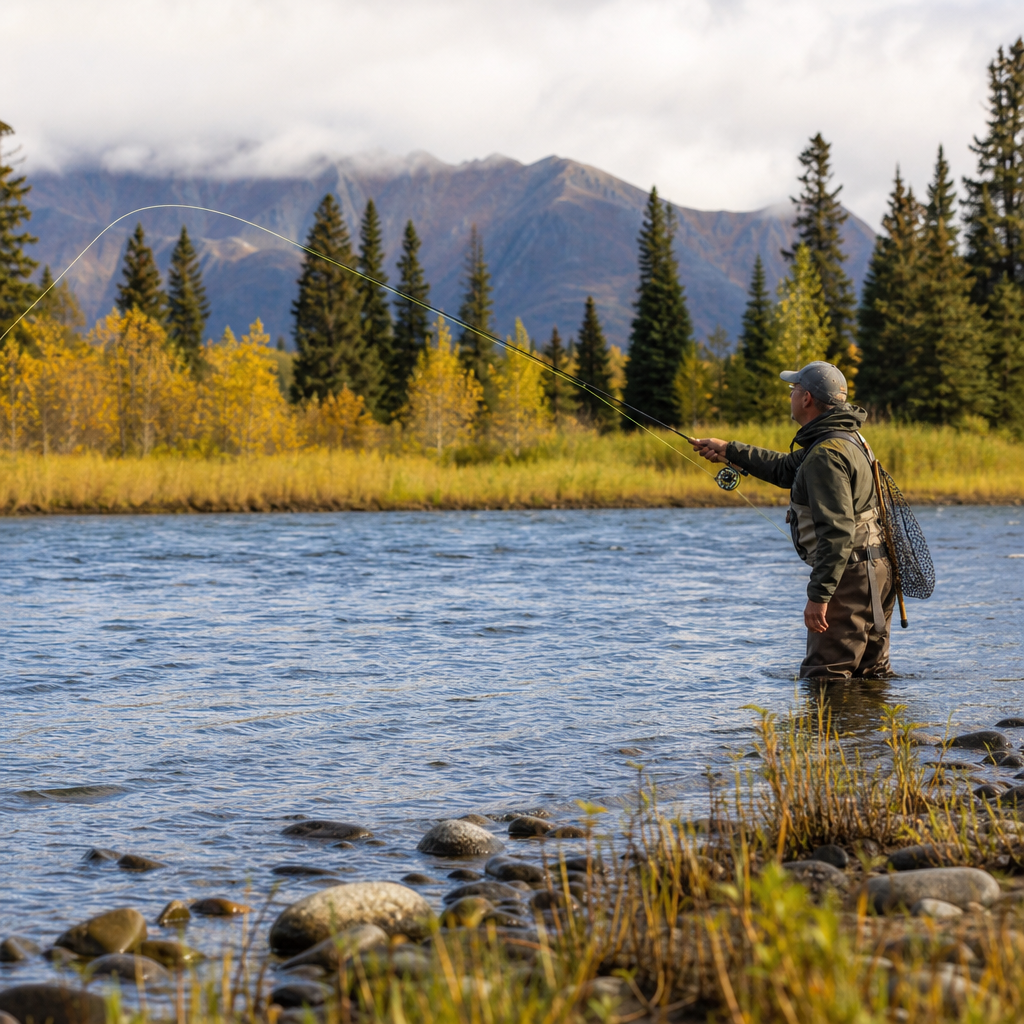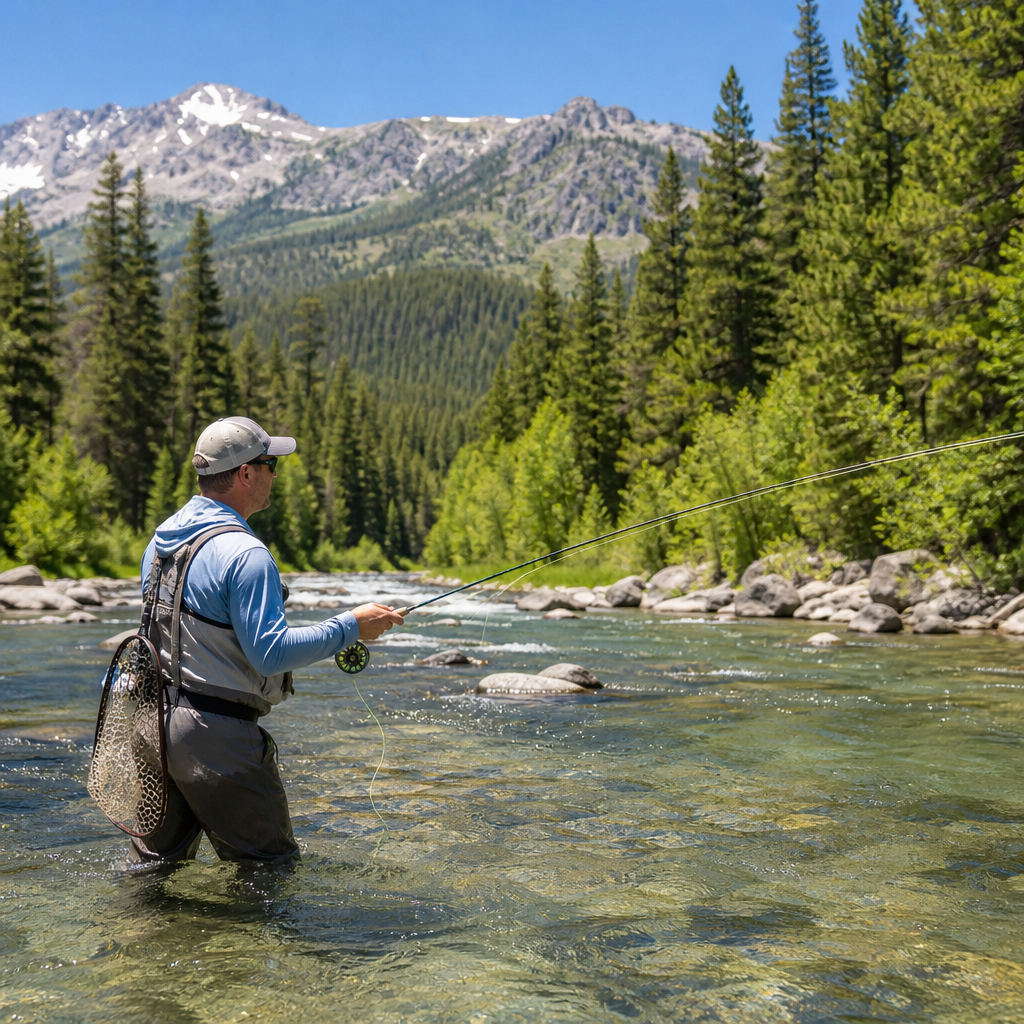
Fly fishing in bright sunlight demands a different playbook than fishing under cloud cover because light intensity changes where fish hold, how they see, and how confidently they feed. Anglers often assume bluebird days are simply “tough conditions,” but that shorthand hides practical opportunities. Bright sunlight means high, direct illumination with minimal cloud diffusion, stronger surface glare, sharper shadows, warmer exposed shallows, and greater visibility for both fish and angler. In my own fishing, these are the days when careless wading, poor line control, or the wrong fly finish gets exposed immediately. They are also the days when understanding weather conditions pays off fastest, because success comes from reading light, structure, and timing rather than casting harder.
As a hub topic within weather conditions, bright sun connects directly to water temperature, wind, seasonal insect behavior, runoff clarity, low-water periods, and even barometric stability. Trout, bass, carp, and panfish all respond to strong light, but not identically. Trout typically slide into depth, shade, broken surface chop, undercut banks, woody cover, or current seams where light penetration is reduced. Warmwater species may still feed aggressively, yet often shift tighter to weeds, docks, and ambush lanes. Sunlight also changes insect activity. Midday may suppress some mayfly hatches while improving terrestrial action, beetle falls, damselfly movement, or hopper fishing along grassy banks. Understanding those patterns matters because the best bright-sun tactics are rarely random; they are tied to visibility, comfort, and food position.
This guide covers the core strategies and gear that consistently improve results in bright conditions, while also serving as a central resource for the broader weather conditions category. You will learn how sun angle affects fish behavior, when direct light can actually help, what rods, lines, leaders, tippet, and fly styles perform best, and how to adapt your approach across rivers, stillwaters, and warmwater fisheries. The goal is not to fight the sun but to fish with it: use shadow lines, reduce drag, control flash, lengthen drifts, and choose windows when fish feel secure. Bright sunlight can be challenging, but with disciplined observation and a few proven adjustments, it becomes manageable and often surprisingly productive.
How Bright Sunlight Changes Fish Behavior
Bright sunlight affects fish through exposure, visibility, and temperature. In clear water, direct overhead light increases the distance at which fish can detect movement, tippet, and unnatural drag. That is why trout that eat confidently during a cloudy morning may refuse the same fly after noon. Their feeding lanes usually shrink toward cover: boulders, cutbanks, submerged timber, foam lines, deeper slots, and riffles with broken surface texture. Broken water matters because it scatters light and hides the leader. On many freestone rivers, I actively target pocket water during high sun because individual fish remain catchable there long after open slicks have gone quiet.
Sunlight can also improve feeding in specific situations. Aquatic vegetation produces oxygen in daylight, baitfish become more visible, and sight-oriented predators can pin prey more efficiently. In tailwaters, direct sun often reveals midge clusters, scuds, and sowbugs drifting near the bottom, making tight-line nymphing effective if depth is controlled precisely. On lakes, bright conditions can push cruising trout and bass onto defined edges where they are easier to intercept. The key point is simple: fish rarely disappear in bright sun; they reposition into water that offers either concealment or an efficient feeding advantage.
Where to Find Fish Under Direct Sun
The best bright-sun holding water usually has one or more of three traits: shade, depth, or surface disturbance. Shade comes from trees, canyon walls, bridge abutments, grassy banks, docks, and overhanging brush. Depth gives fish a light buffer and a temperature refuge, especially in summer. Surface disturbance from riffles, chop, or wind breaks up the visual field overhead. On rivers, start with plunge pools, deep runs with defined seams, boulder gardens, undercut banks, side channels with cover, and the heads of riffles where oxygen and food collect. On spring creeks and flat pools, focus on the first inch of shadow beside weeds or banks because trout often slide only slightly off the main shelf.
Stillwater anglers should look at drop-offs, weed edges, shoal transitions, submerged timber, marina shade, and windblown banks. On reservoirs, bright light frequently positions fish along sharp structure rather than featureless flats. Carp may tail in shallow water early, then move into darker mud-bottom troughs or under willow shade. Smallmouth commonly tuck against rock walls, current breaks, and dock pilings. The practical lesson is to stop searching broad open water first and instead fish high-percentage structure in a deliberate order.
| Condition | Likely Fish Position | Best Presentation |
|---|---|---|
| Clear river, high overhead sun | Undercut banks, pocket water, deeper seams | Long leader dry-dropper or tight-line nymph |
| Lake with light wind and bright sky | Weed edges, drop-offs, cruising shade lines | Slow intermediate retrieve with balanced leech or damsel |
| Summer meadow stream at noon | Grass undercuts, root wads, narrow riffles | Accurate terrestrial placement with fine tippet |
| Warmwater pond in full sun | Docks, lily pad lanes, timber, deeper pockets | Strip pause retrieve with baitfish, bug, or frog pattern |
Presentation Adjustments That Matter Most
Stealth is the first adjustment. In bright sun, fish see contrast more sharply, so your approach angle matters as much as fly choice. Stay lower on the bank, wade less, and avoid sending your shadow across the target lane. I often lengthen my first cast by a rod length or two simply to keep my boots farther from the fish. False casting over the lie is another common mistake because line flash and repeated movement alarm fish in clear, direct light. Build the cast off to the side, then deliver once.
Drift quality is the second adjustment. Because fish inspect flies longer in bright conditions, micro-drag that might go unnoticed under clouds becomes rejection fuel. Longer leaders, finer tippet, strategic mends, and casting angles that align with current speed all improve natural drift. For nymphing, add or remove split shot in tiny increments until the flies occasionally tick bottom rather than plow it. For streamers, slower strips and longer pauses often outperform aggressive movement at midday because fish are conserving energy in cover. In stillwater, count down carefully and retrieve level with the fish instead of pulling flies too high through bright water.
Best Flies for Bright-Sun Fly Fishing
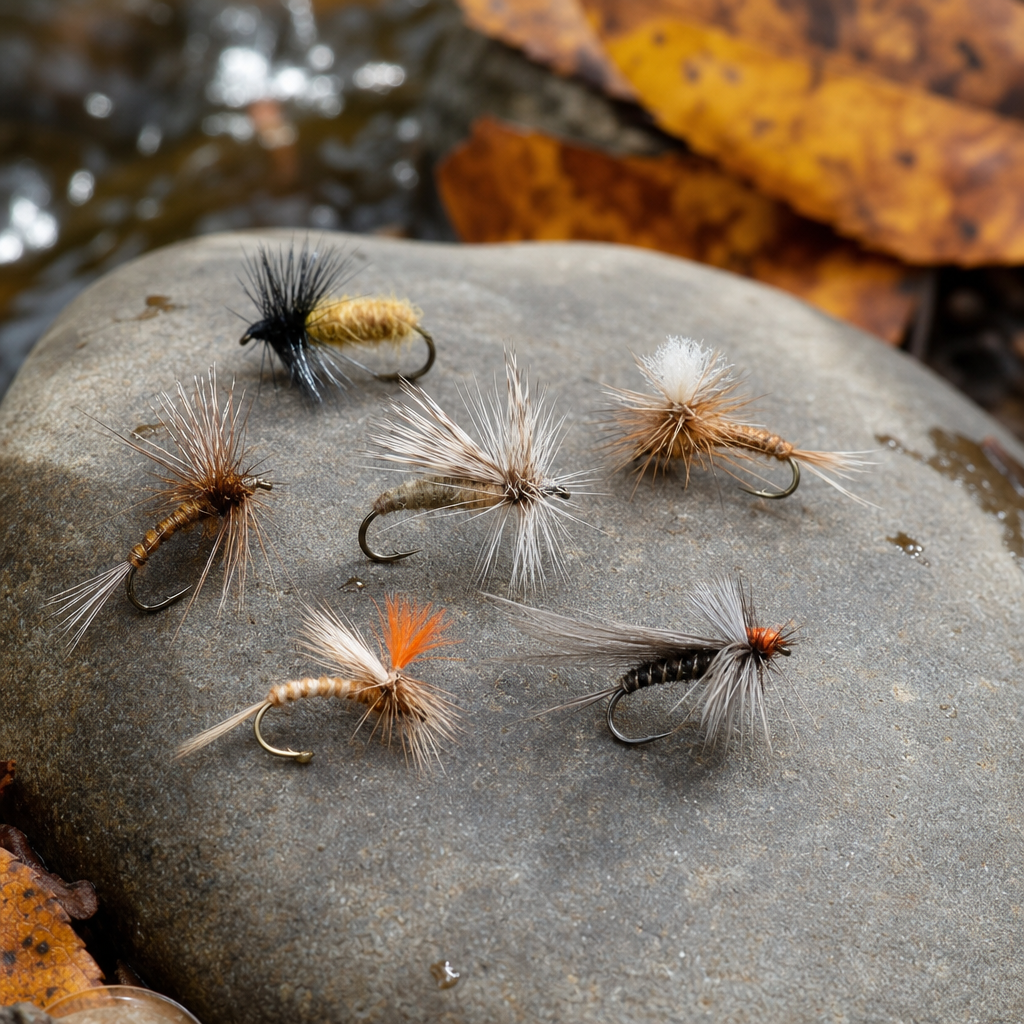
Fly selection under bright sun is less about magical patterns and more about profile, depth, and realism. In clear rivers, smaller flies usually outperform oversized offerings because fish get a better look. Reliable nymphs include Pheasant Tails, Hare’s Ears, Perdigons, Zebra Midges, RS2s, sowbugs, and scuds matched to local food. Perdigons are especially useful because their slim profile sinks fast into deeper bright-sun holding water. For dries, choose low-riding patterns that match exact insects or high-confidence attractors only in broken water. Parachute Adams, CDC emergers, Comparaduns, ants, beetles, and hoppers all have roles depending on season and bank structure.
Color and flash need restraint. In direct sun, too much reflective material can look unnatural, especially in shallow clear water. That does not mean flash never works; baitfish patterns with controlled pearl or lateral shimmer can be deadly for bass, trout, and saltwater species when they imitate real scale reflection. The point is proportion. I prefer matte or sparsely flashy flies for pressured trout and save brighter materials for stained water, deeper lakes, or aggressive warmwater fish. Terrestrials deserve special emphasis because bright afternoons often improve bank-side feeding. Beetles and ants are compact, believable, and easy for fish to spot against glare, making them excellent searching patterns in summer.
Gear Choices: Rods, Lines, Leaders, and Polarized Lenses
The best gear for bright sunlight prioritizes presentation control and visibility management. For trout, a 9-foot 4- or 5-weight remains the most versatile rod, with a longer 10-foot model offering better reach for nymphing and line control over conflicting currents. On lakes, an intermediate line is often more useful than a floating line at midday because it keeps flies below the brightest surface layer. Warmwater anglers can lean on 5- to 7-weight rods, depending on fly size and cover density. Reels matter less for most freshwater bright-sun situations, but a smooth drag helps when fishing fine tippet around structure.
Leader and tippet choices are critical. In clear, bright water, longer leaders of 10 to 14 feet are often worth the added casting complexity. Fluorocarbon sinks and resists abrasion, making it a strong nymphing and streamer option, while nylon remains excellent for dries because it floats better and lands softer. Tippet diameter should match both the fly and the fish’s inspection time. Going too fine can cause break-offs and poor turnover, so the correct move is usually one size lighter than standard, not three sizes. Polarized sunglasses are nonnegotiable. Copper, amber, and bronze lenses enhance contrast in variable freshwater light, while gray lenses are strong in intensely bright open environments. Good polarization does more than cut glare; it reveals seams, weeds, fish movement, and safe wading routes.
Timing, Weather Combinations, and Seasonal Patterns
Bright sunlight is not a standalone variable. It combines with season, air temperature, water temperature, wind, and insect timing. In summer, the highest sun often pushes trout toward dawn, dusk, and shaded windows, especially when water temperatures approach stress levels above roughly 68 degrees Fahrenheit. In spring and fall, however, midday sun can raise water temperature enough to improve metabolism and trigger feeding, particularly on tailwaters, spring creeks, and lakes after cold nights. Winter brings another twist: bright afternoons may be the best fishing window of the day because slight warming and increased light stimulate midge and small mayfly activity.
Wind can rescue an otherwise difficult bright day by creating chop that breaks up glare and gives fish cover. A sunny lake with a light ripple is usually better than a glassy one. Thin cloud bands can produce short feeding windows as contrast changes. Stable high pressure often accompanies clear skies, but its effect is less important than where fish can hold comfortably and feed efficiently. If you treat bright sun as one part of a weather pattern instead of the whole story, decisions become clearer. Fish the shady bank first, shift deeper as the sun climbs, return to terrestrials when breezes pick up, and watch for evening reactivation.
Common Mistakes and a Practical Bright-Sun Plan
The biggest mistakes in bright sunlight are fishing the wrong water, moving too much, and refusing to adapt leader length or depth. Many anglers keep casting at open slicks where fish fed at 8 a.m., even though those fish slid under cover by 11. Others speed up when action slows, adding false casts, heavier footsteps, and sloppier drifts. Bright conditions reward the opposite behavior: slow down, narrow the target list, and make higher-quality presentations. Another frequent error is wearing poor eyewear or no hat, which reduces both vision and endurance. A dark underbill on a cap, neck protection, and hydration are not comfort extras; they help you stay observant and precise for the full session.
A reliable bright-sun plan is straightforward. Start early on shallower feeding lanes. As direct light intensifies, rotate to riffles, bankside shade, undercuts, wood, and depth transitions. Use longer leaders, reduce flash, and lead fish less aggressively with streamers or lake retrieves. If insect activity fades, switch to nymphs or terrestrials instead of waiting out empty water. On warmwater fisheries, probe docks, weed edges, and shaded ambush points methodically. Above all, let the sun organize your water selection. Bright days are not days to cover everything; they are days to fish the best structure with discipline. If you want better results across changing weather conditions, build your approach around light first, then refine fly choice and depth to match the water in front of you.
Frequently Asked Questions
Why is fly fishing in bright sunlight usually harder, and what changes should anglers expect from fish behavior?
Bright sunlight often makes fly fishing more technical because fish react differently when visibility increases for everyone in the system. In strong, direct light, trout and many other game fish become more cautious, especially in clear water. They can see movement on the bank more easily, detect sloppy presentations faster, and often shift out of obvious lies into spots that offer security. Instead of sitting high in the water column or openly feeding in soft seams, fish may slide tighter to undercut banks, tuck beneath overhanging vegetation, move into deeper buckets, hold along shaded structure, or position themselves in broken pocket water where glare and current distortion help conceal them. On lakes and stillwaters, they may drop deeper during the brightest part of the day unless wind, current, food concentration, or oxygen levels keep them active higher up.
Sunlight also changes feeding rhythm. Fish do not necessarily stop eating on bluebird days, but they often feed in narrower windows and in more specific places. Early morning, late evening, shaded banks, transitions between sun and shadow, riffle tails, plunge pools, and current seams near depth become disproportionately important. Midday can still be productive, but usually only if the angler adjusts by targeting structure, depth, and angle rather than fishing water that merely “looks good” from a distance. In practical terms, expect fish to be more selective, more cover-oriented, and less forgiving of drag, flash, and false casting. The upside is that bright sunlight also helps anglers read water more precisely, spot bottom contours, see current lanes, and identify likely holding cover—if they slow down and fish with intention.
Where should you look for fish when the sun is high and the water is bright?
When the sun is overhead, fish commonly favor water that offers one or more of three things: shade, depth, or broken surface texture. On rivers and streams, start by scanning for overhanging trees, cutbanks, bridge shadows, boulder gardens, foam lines, undercut edges, ledges, and deeper slots adjacent to current. Fast riffles and pocket water are especially valuable in bright conditions because the disturbed surface reduces visibility from above and gives fish oxygen-rich lanes where food drifts naturally. A trout that abandons an open flat at noon may only move a few feet into a darker slot beside a rock or into the cushion below a submerged obstruction, so small positional changes matter.
Bank orientation matters too. One side of a river may stay shaded longer depending on canyon walls, tree cover, or the sun’s angle, and those shaded strips can fish far better than fully exposed water only a rod length away. On stillwaters, bright conditions often push fish toward drop-offs, weed edges, submerged timber, or deeper cruising lanes. Wind can improve the situation dramatically by creating chop, reducing glare, and disorienting prey, so a sunlit lake with a breeze may fish better than a calm lake under the same sky. If you can only fish during peak sun, prioritize “complex” water over simple water. Flat, shallow, exposed sections usually become low-percentage unless there is a hatch, stain in the water, or enough wind to break the surface. In short, fish the edges of comfort: light-to-shadow transitions, shallow-to-deep transitions, and smooth-to-broken current transitions.
What fly patterns and presentations work best in bright sunlight?
In bright light, the best flies are usually the ones that match both the food source and the fish’s comfort level. Because fish often hold deeper or tighter to structure, subsurface patterns become especially important. Nymphs, jig flies, small streamers, soft hackles, and terrestrials fished near cover can all be excellent choices. Natural, slimmer profiles often outperform overly bulky or flashy flies in clear, sunlit water, particularly when fish have time to inspect the offering. That does not mean flash is always bad—baitfish patterns with a subtle glint can be effective, especially in lakes or when targeting predatory fish—but too much shine in bright conditions can look unnatural fast. If fish are feeding near the top, low-riding dries, small attractors, ants, beetles, hoppers near grassy banks, and emergers in riffled water are often better bets than highly visible, oversized patterns in slick currents.
Presentation becomes even more important than fly choice once the light gets harsh. Long leaders, finer tippet when conditions allow, and drag-free drifts are critical because fish can scrutinize the fly more easily. Approach from downstream or from a low angle whenever possible, keep false casts to a minimum, and use the first cast as your best cast. On nymph rigs, getting flies down quickly matters; split shot, tungsten beads, or euro-style contact methods can help keep the drift in the narrow strike zone where midday fish are holding. On stillwaters, count down your flies to the depth where fish are actually traveling rather than assuming they are near the surface. If you are fishing streamers, brighter days often reward a more deliberate retrieve around shade lines, structure, and depth changes instead of broad, blind stripping across featureless water. The common theme is precision: accurate placement, controlled depth, and a natural drift or retrieve.
What gear helps the most when fly fishing under strong sun and heavy glare?
Polarized sunglasses are the single most important piece of gear for bright-sun fly fishing. They cut surface glare, let you read seams and depth changes more clearly, improve your ability to spot fish or holding structure, and reduce eye fatigue over a full day. Lens color should match conditions and preference, but copper, amber, and brown-based lenses are popular because they enhance contrast in freshwater environments. A good hat with a dark underbill also helps by reducing reflected light and improving what you can see into the water. Clothing matters more than many anglers realize as well. Lightweight, breathable, sun-protective layers with a high UPF rating help maintain comfort and focus, while buffs, sun gloves, and long sleeves prevent fatigue and distraction during extended exposure.
From a tackle standpoint, bright conditions often favor a thoughtful, stealth-oriented setup. Longer leaders can help separate the fly line from the fish, and carrying a range of tippet sizes allows you to adjust to water clarity and fish selectivity. On rivers, weighted flies, tungsten beads, or supplemental shot can be essential for reaching fish that have dropped into deeper lies. On lakes, intermediate or sinking lines may become more valuable than floating lines during midday if fish are suspended below the glare zone. A landing net with rubber mesh, quality wading boots for careful positioning, and a pack system that lets you move quietly all contribute to success. Even simple accessories matter: lens cloths for spray and sunscreen smudges, a brim clip or cap retainer for wind, and a thermometer if warm, sunlit water could affect fish behavior or fish safety. The right gear does not just make bright conditions more comfortable—it makes you more efficient, observant, and capable of fishing the exact water that matters.
How should you adjust your approach and timing to catch more fish on bluebird days?
The biggest adjustment is to stop treating bright sunlight as a uniformly bad condition and instead fish around the way light reshapes opportunity. Timing is the first lever. Early and late parts of the day often provide the easiest fishing because lower-angle light, cooler water, and reduced glare encourage fish to move and feed more openly. If you can plan your outing, build it around those windows. But if midday is your only option, shift your focus rather than your expectations. Fish shorter, high-percentage stretches more carefully. Target shade, depth, current breaks, banks with cover, and turbulent water where fish feel protected. Slow down your wading, stay lower than usual, and avoid skylining yourself on open banks. In bright light, one careless step can push fish that would otherwise eat.
It also helps to think in terms of angles. The angle of the sun affects glare, visibility, and how easily fish detect you, so changing your casting position by even a few feet can improve both your sight picture and your presentation. Work from downstream where possible, use cover on the bank, and make deliberate first casts into the best part of each lie. Be willing to rotate techniques through the day: dries in low light, nymphs through the brightest hours, terrestrials along shaded edges, and streamers around structure or as light begins to soften again. Finally, pay attention to water temperature and fish stress, especially in summer. Bright sunlight can warm shallow margins quickly, and ethical anglers should avoid overplaying fish or targeting them at all if temperatures climb into unsafe ranges. The anglers who do best on bluebird days are usually the ones who stay flexible, fish thoughtfully, and let the sun tell them where the fish have gone.